Introduction
Frustrated by metal furniture that quickly rusts, scratches, or shows fingerprints? You need suppliers who master durability, not just looks. It’s a common problem I’ve seen far too often.
Leading US suppliers like Brown Jordan and Emeco excel at standardized outdoor and commercial furniture. However, for true luxury and complex custom projects, the definition of “leading” shifts to suppliers with advanced engineering capabilities in surface finishing, welding, and multi-material construction—skills often perfected in specialized global factories.
This distinction is crucial for any serious buyer. Let’s explore what truly separates a standard supplier from an elite one. It’s not just about the brand name; it’s about the hidden engineering that ensures your furniture lasts for decades. This is what I look for when sourcing for my clients at NEXTOP Furniture. It’s the difference between a purchase and an investment.
How do top suppliers prevent metal furniture from degrading over time?
Worried your shiny new metal chairs will look old in a year? High-traffic and outdoor environments are brutal. You need finishes that can withstand the test of time, not just look good on day one.
Top-tier suppliers use advanced surface engineering. They go beyond basic powder coating, using marine-grade stainless steel, PVD titanium coatings, and nano anti-fingerprint layers. This creates an incredibly hard, corrosion-resistant surface that maintains its look for years, even with heavy use and harsh cleaning.
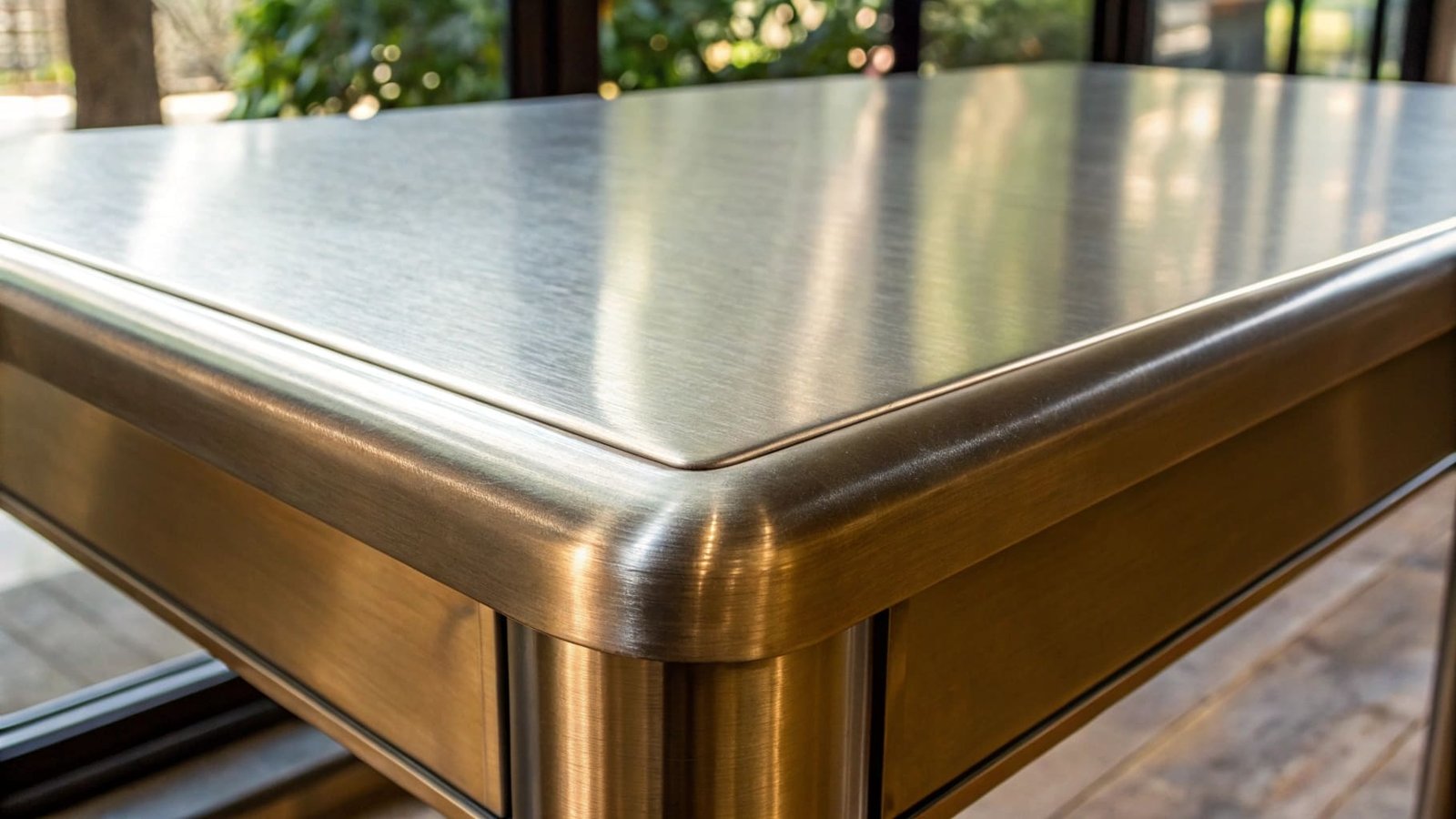
I’ve seen it happen too many times. A hotel opens with beautiful metal furniture in its lobby. Within a year, especially if it’s near the coast, the bases of the chairs are bubbling with oxidation. In a busy cafe, the table legs are covered in ugly scratches and smudges. This is where the real experts stand out. They think about long-term performance, not just showroom appeal. This is what I call a dimensional reduction in surface engineering—it’s a complete change in thinking.
Beyond Basic Powder Coating
Most standard suppliers use powder coating. It’s a decent baseline finish applied as a dry powder and cured with heat. It offers some protection, but it’s not enough for high-use commercial spaces or harsh outdoor environments. It can chip, and once moisture gets underneath, rust starts to form, destroying the piece from the inside out.
The Elite Engineering Solution
The best suppliers use a combination of superior materials and advanced coatings.
- Materials:It all starts with a better foundation. Top suppliers use 304 or even 316L (marine-grade) stainless steel. This provides a strong, inherent resistance to corrosion right from the start.
- Coatings:Next, they add layers of high-tech protection.
1.PVD (Physical Vapor Deposition):This is an aerospace-grade technology that bonds a thin layer of metal, like titanium, to the surface in a vacuum. The result is a finish that is incredibly hard, durable, and resistant to scratches and wear.
2.Nano Anti-Fingerprint Coatings:This is a molecular-level coating that prevents oils from your hands from smudging and dulling the surface. It keeps the furniture looking clean and pristine with minimal maintenance.
This powerful combination means the furniture can handle harsh cleaning chemicals and salty sea air without losing its original texture or shine. It’s the difference between a product that lasts two years and an investment that endures for decades.
What is the secret to flawlessly smooth metal furniture?
Have you ever run your hand over a metal joint and felt a rough, ugly weld? That single detail can ruin the entire luxurious feel of a piece of furniture. It’s a small thing that makes a huge difference.
The secret is what I call a “Zero-Seam Aesthetic.” Luxury metalwork isn’t just joined; it’s seamlessly fused. Elite fabricators use precision TIG welding and follow it with a multi-stage, micron-level hand-grinding and polishing process. This makes the joints completely invisible and smooth to the touch.
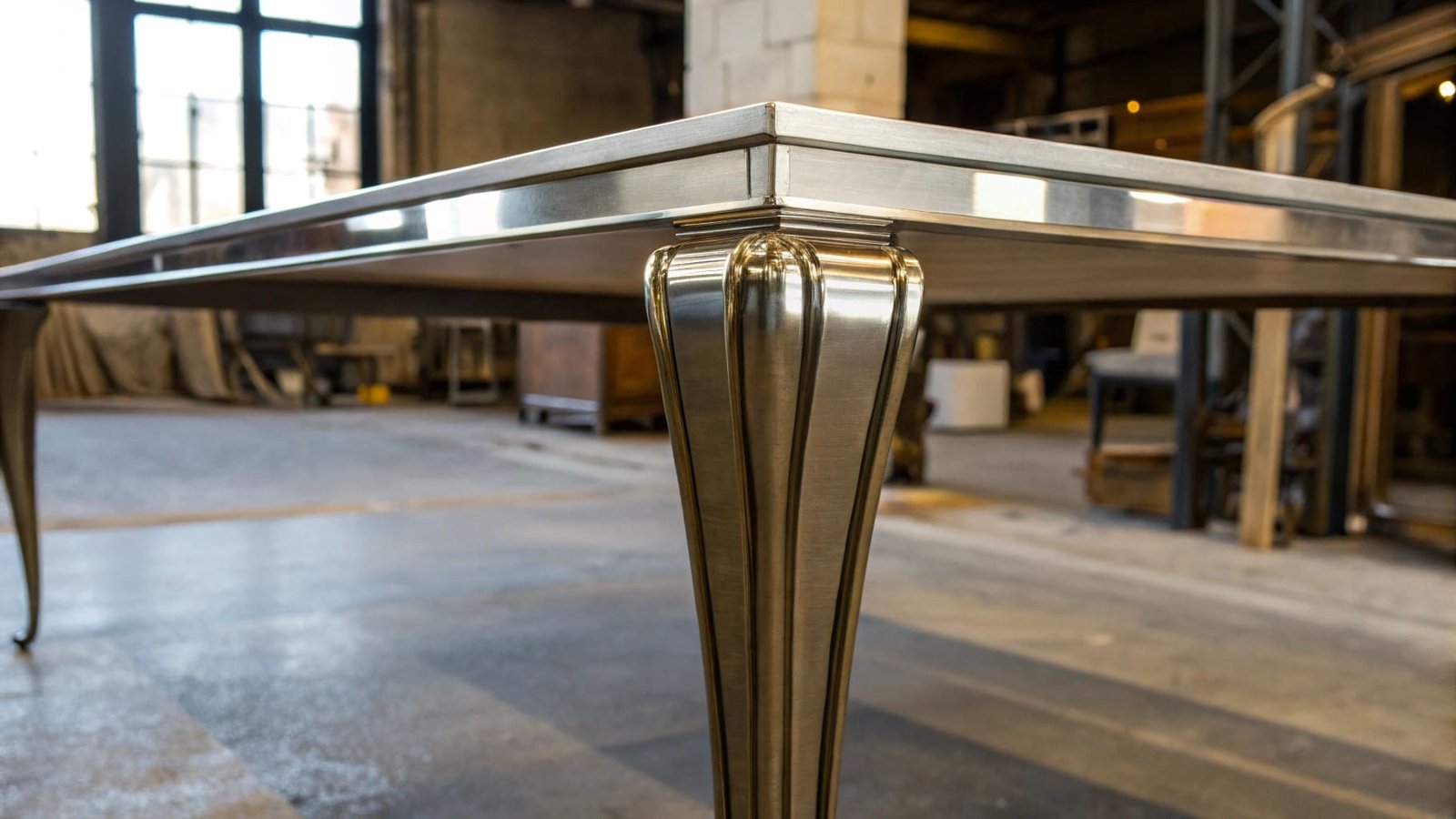
The most obvious sign of whether a piece of metal furniture is truly “luxury” is the weld. Look at where the legs meet the frame or where different panels connect. On industrial-grade furniture, you’ll see an exposed weld bead. It’s functional, but it’s not beautiful. On high-end furniture, you shouldn’t see it at all. It should look as if it were carved from a single, solid block of metal. This is the standard I hold our work to at NEXTOP.
The Problem with Standard Welding
Standard welding techniques often leave behind a visible seam. Even worse, the intense heat from the process can cause discoloration—a yellowish or blackish tint—in the area around the weld, known as the heat-affected zone. This compromises the clean, uniform look that high-end design demands.
Achieving the "Single-Piece" Look
Top-tier suppliers treat welding as an art form.
- TIG Welding:They use TIG (Tungsten Inert Gas) welding, a highly precise method that offers exceptional control over the heat and the weld. This technique creates a much cleaner and smaller seam compared to other methods, making it ideal for aesthetic work. [31] It’s a slow, skillful process, but the results are unmatched.
- Multi-Stage Finishing:The real magic happens after the initial weld. Expert craftsmen perform several stages of grinding and polishing by hand. They meticulously smooth the joint until it is completely flush with the surrounding metal. The goal is to eliminate any tactile break or visual imperfection. Even the famed Emeco Navy Chair, known for its durability, involves extensive hand-grinding to achieve its smooth appearance.
When you touch the finished piece, your hand flows over the surface without interruption. When you look at it, there are no ugly seams or burn marks. This transforms a heavy industrial process into a feature of artistic quality.
Why does furniture with mixed materials like metal and stone crack?
You invested in a beautiful marble-top and metal-base table, but now you see fine cracks appearing where the two materials meet. This is a common and frustrating problem caused by temperature changes, which make different materials fight each other.
This happens because metal, wood, and stone expand and contract at different rates with changes in temperature and humidity. Leading suppliers prevent this by performing structural audits during the design phase. They engineer hidden stress-relief mechanisms and micro-expansion joints to absorb this movement and prevent cracking or warping.
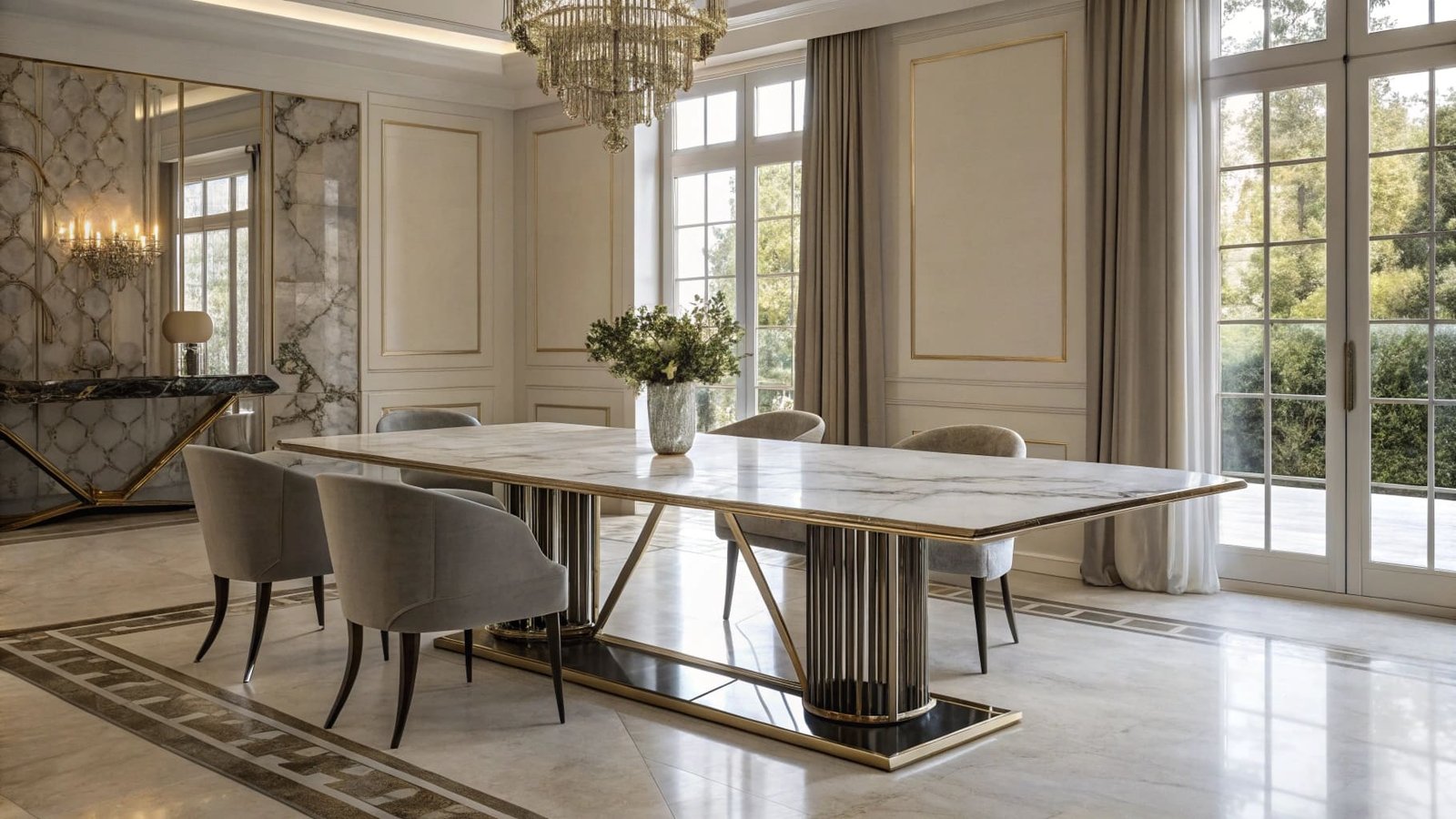
Modern furniture rarely uses just one material. We love combining the sleekness of metal with the warmth of wood or the luxury of a marble top. But this creates a hidden engineering challenge that I’ve had to solve many times. Metal expands and contracts significantly with heat. Wood and stone do too, but at very different rates. If they are rigidly fixed together, something has to give. Usually, it’s the more brittle material, like stone, that cracks, or the wood that warps.
The Physics of Material Conflict
Think of a hot, sunny day. The metal frame of a table gets warm and expands slightly. The marble top also expands, but much less. This creates immense internal pressure right at the joint. Over many cycles of heating and cooling, this constant stress leads to failure. I’ve seen beautiful, expensive tables ruined this way simply because the engineering wasn’t thought through.
The Engineering Solution: Structural Auditing
A truly great supplier acts as an engineering partner. They don’t just build what’s on the drawing; they analyze it for potential long-term problems. This is what I call a structural audit.
During the shop drawing phase, a good engineering team will design solutions to manage this stress:
- Hidden Stress Buffers:They use flexible fasteners or cushioning gaskets inside the structure, right where the metal meets the stone or wood. These are completely invisible from the outside but are flexible enough to absorb the movement.
- Micro-Expansion Gaps:They engineer tiny, almost invisible gaps with tolerances as tight as ±0.1mm. These gaps give the materials the room they need to expand and contract naturally without pushing against each other.
This foresight and precision engineering ensure the furniture remains stable and intact, no matter how much the temperature or humidity changes in the room. It’s a level of detail that protects your investment and ensures the piece lasts a lifetime.
Should I source metal furniture from the USA or globally?
Choosing a supplier is tough. Do you go with a local US manufacturer for reliability or a global one for better costs and customization on complex designs? This is a question I get all the time from clients.
The smartest strategy is a dual-track approach. Use leading US suppliers like Emeco or Brown Jordan for their standard, certified products where delivery speed is key. For highly custom, signature pieces, partner with a specialized global factory that offers advanced engineering and greater design freedom at a better price.
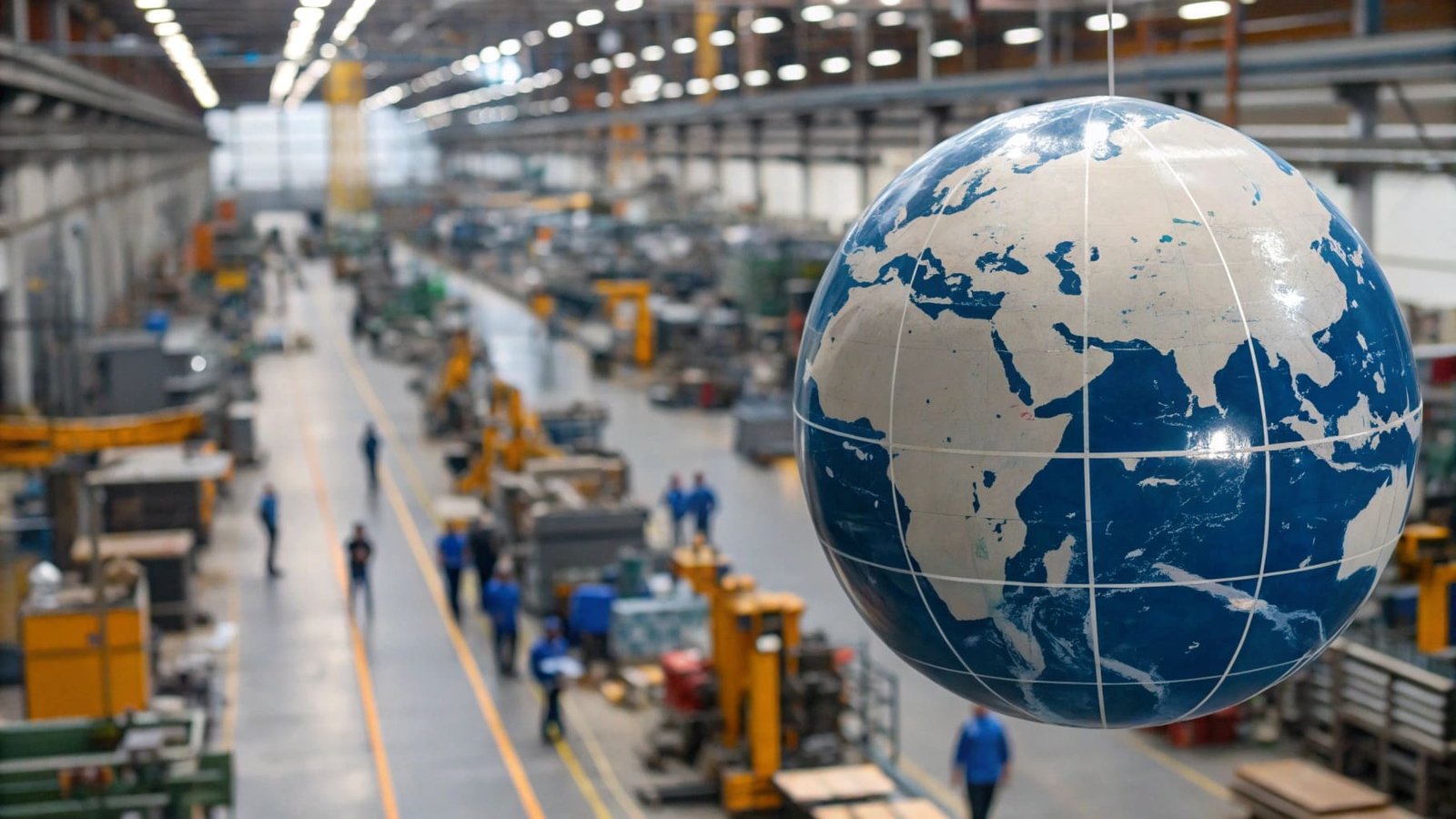
There are clear advantages to both approaches, and the right answer depends entirely on the specific piece of furniture you need. I’ve learned that a one-size-fits-all sourcing plan doesn’t work in this industry. It’s about being strategic.
The Strengths of US Suppliers
Leading American suppliers like Brown Jordan, known for its iconic outdoor furniture, and Emeco, famous for its recycled aluminum chairs, are excellent choices for certain needs.
Benefits:
- BIFMA Certification:Their products are often BIFMA certified, guaranteeing they meet commercial quality and safety standards.
- Short Lead Times: A domestic supply chain means faster and more predictable delivery.
- Standardization: They are perfect for large orders of standardized items like restaurant chairs or hotel patio furniture.
- Limitations: However, their flexibility for custom, one-of-a-kind pieces is often limited, and the cost can be very high. Even US manufacturers often rely on a global supply chain for certain components.
The "Dual-Track" Procurement Pivot
For this reason, I advise my clients to use a “dual-track” sourcing strategy. It’s about using the right supplier for the right job.
- Track 1 (USA):For your standard chairs, tables, and other commercial items where you need hundreds of the same thing quickly and with certification, stick with a trusted US supplier. This ensures reliability and peace of mind.
- Track 2 (Global Specialist): For the “wow” pieces—like a custom lobby centerpiece, an intricate metal screen, or a complex table mixing metal and rare stone—you should look to a global precision engineering factory. These suppliers, like us at NEXTOP, combine world-class engineering with the flexibility to execute complex designs. You get the best of both worlds: adherence to international commercial standards and the freedom to realize your unique vision without breaking the budget. This is especially true as Asia, and specifically China, remains a dominant force in furniture manufacturing and exports.
This balanced approach gives you certainty for the bulk of your project and creative freedom for the parts that truly define your space.
Conclusion
In short, the “best” metal furniture supplier is one that combines advanced engineering with a smart sourcing strategy tailored to your specific project needs. It’s about more than just a name.