Introduction
Struggling with custom furniture that doesn’t fit? Bespoke designs often lead to on-site disasters, delays, and budget problems. The best company turns risky designs into zero-risk engineering projects.
The best custom furniture company is one that transforms unpredictable bespoke designs into a zero-risk industrial engineering process. It resolves all non-standard risks inside the workshop before a single piece of furniture ever ships out. This ensures a perfect fit and finish on-site.
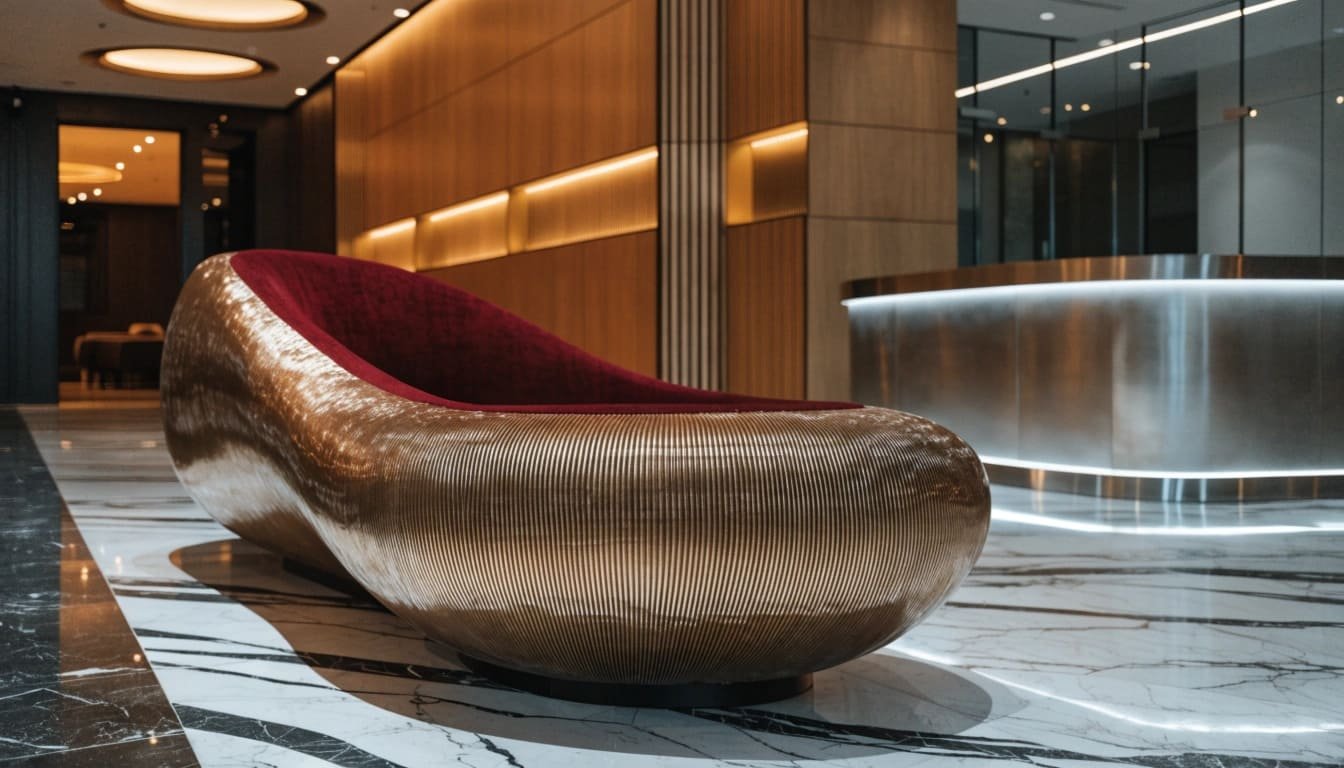
I’ve seen the nightmare unfold too many times. A project manager for a luxury hotel receives a container of custom furniture from overseas. The design drawings were followed, but once on-site, nothing fits. Metal and stone joints have millimeter-wide gaps, cantilevered structures sag, and metal finishes tarnish after just a few touches. The only solution is to tear out walls and start over, a costly and frustrating setback. This experience taught me a crucial lesson: evaluating a custom furniture company isn’t about their ability to copy a drawing. It’s about their ability to foresee and eliminate every potential non-standard risk before the product leaves their hands. The truly great ones are not just workshops; they are engineering partners. They take your most ambitious designs and convert them into flawlessly executed realities, ensuring what arrives on-site is ready for a seamless installation.
How do you solve the problem of drawings not matching reality?
Your design sketch looks perfect, but it ignores how different materials behave. This oversight leads to on-site problems where parts just don’t fit together, causing frustrating installation delays.
The solution is micron-level shop drawings and a multi-material finishing audit. This process controls joining tolerances to within ±0.15mm and includes 1:1 material samples, ensuring what you see in the drawings is exactly what you get in reality.
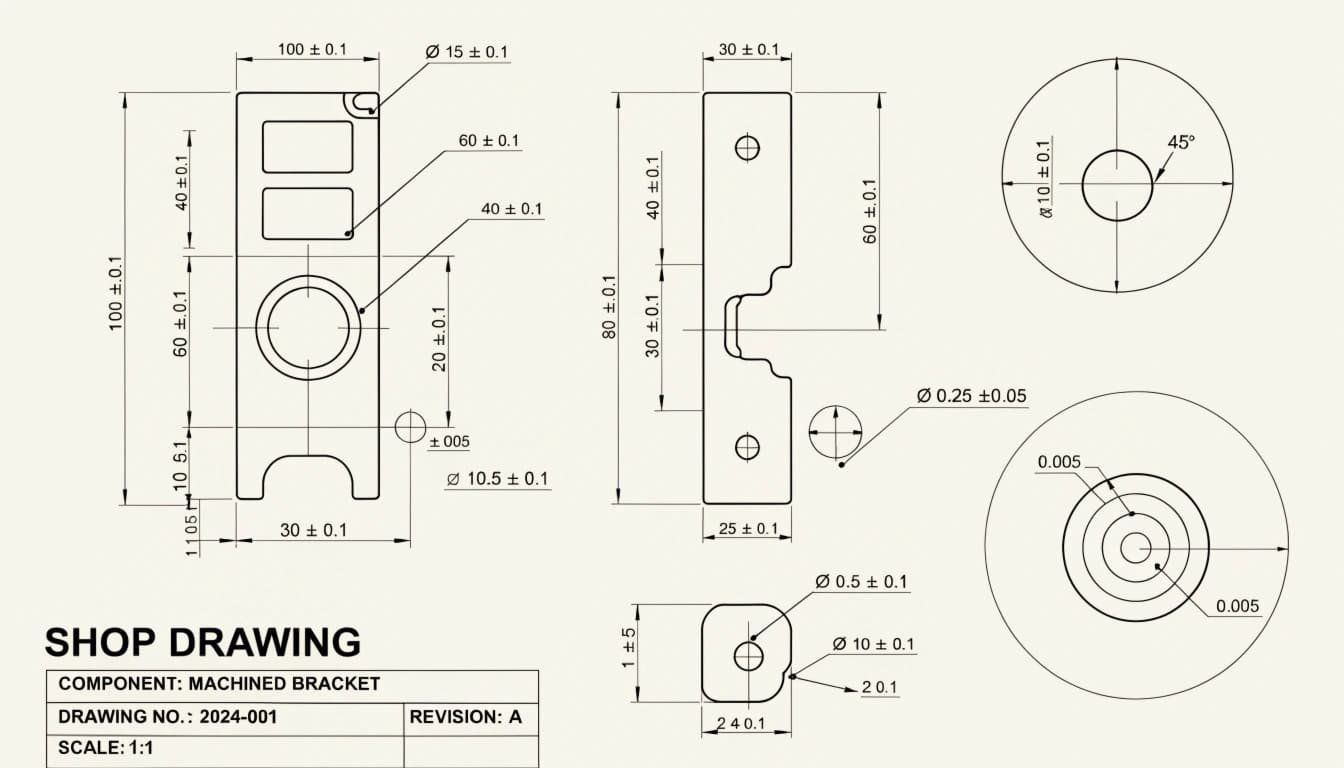
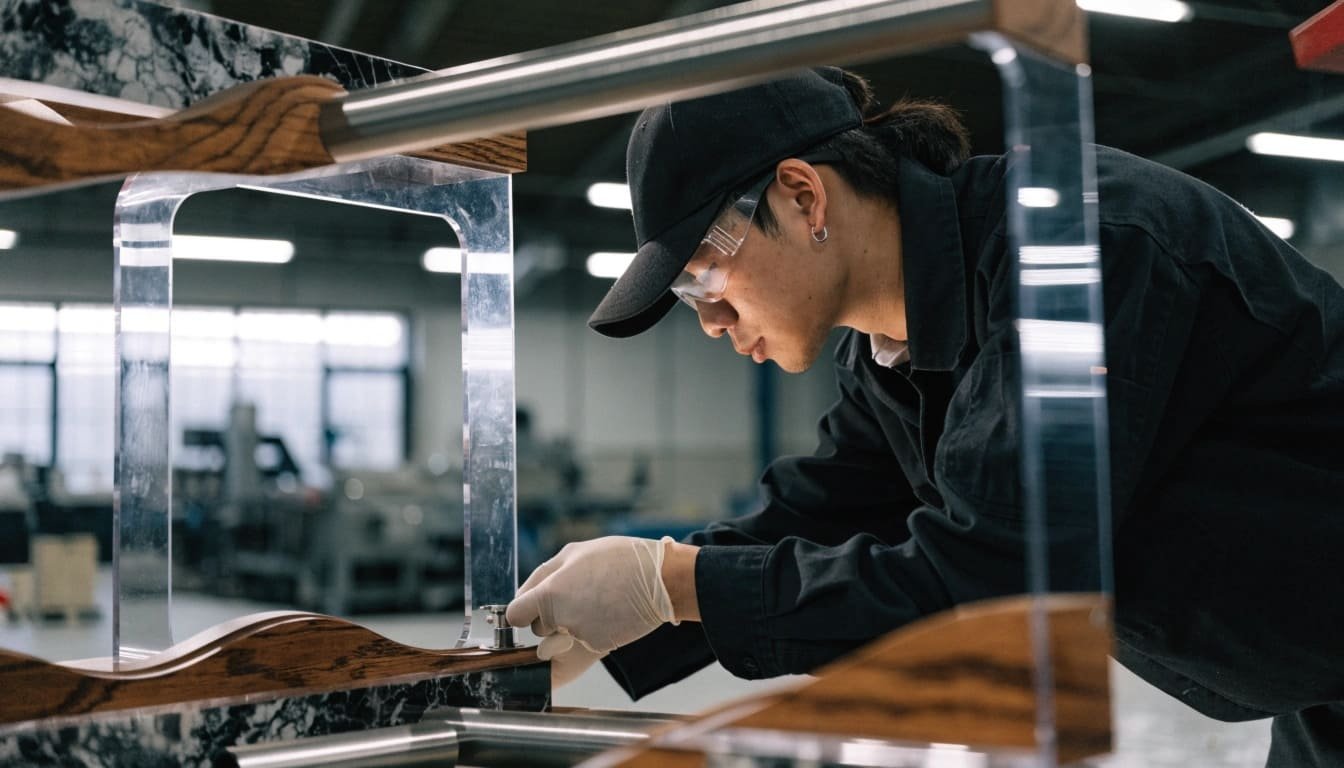
The biggest risk in non-standard furniture is that design sketches often don’t account for the laws of physics. They don’t factor in the thermal expansion of metal, the contraction of wood, or the settling tolerance needed when heavy stone meets a delicate frame. A simple drawing can’t predict these conflicts. An engineering-focused company addresses this by creating hyper-detailed shop drawings. These aren’t just sketches; they are micron-level technical blueprints that define every dimension and tolerance, often holding joints to a strict ±0.15mm. Before full production begins, we calculate hidden structural forces and plan for any necessary wiring or access points. We also provide 1:1 scale samples of the specified materials and finishes. This sample review process allows you, the client, to see and approve the exact texture of the wood, the sheen of the metal, and the feel of the leather. It’s our way of making the final product tangible and predictable, removing all guesswork.
How do you stop metal finishes from tarnishing and showing fingerprints?
You’ve invested in beautiful metal-accented furniture, but in a high-traffic hotel or residence, it quickly looks worn. Low-grade finishes oxidize, bubble, and are constantly covered in smudges.
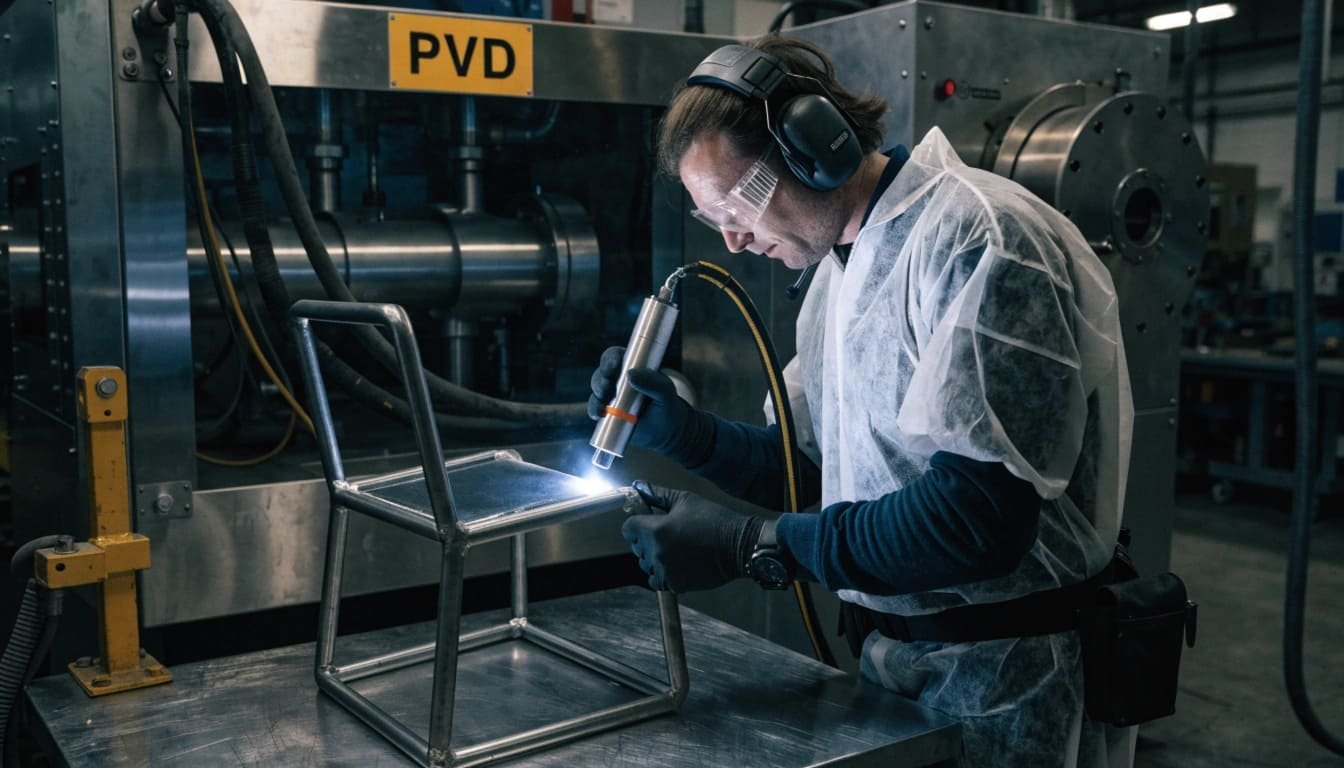
We solve this with contract-grade PVD titanium plating and an anti-fingerprint (AF) nano-coating. This industrial process ensures metal surfaces resist wear, corrosion, and smudges, staying pristine for years with just a simple wipe.
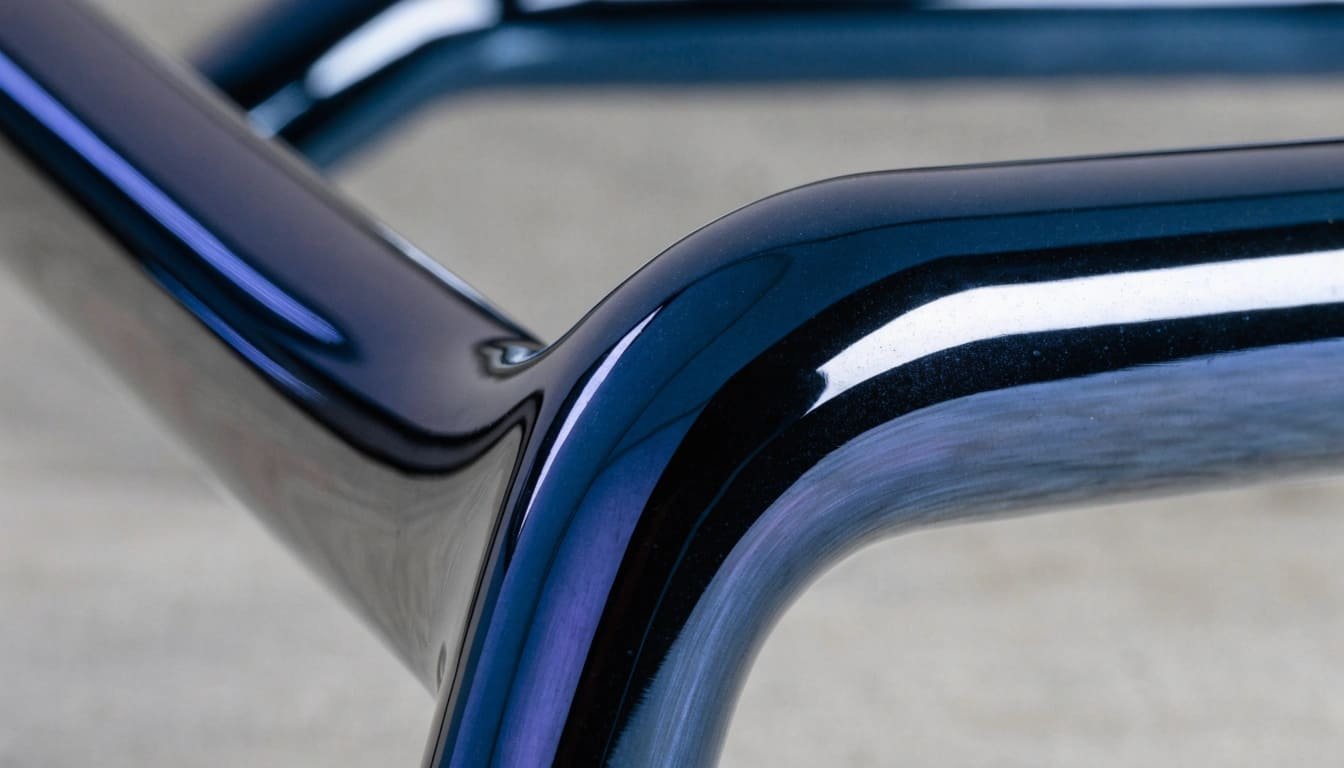
In high-touch environments like hotel lobbies or luxury homes, standard metal finishes simply don’t last. Many smaller workshops use residential-grade paints or rough electroplating that can start to oxidize or show fingerprints within six months. This is unacceptable for a premium project. We exclusively use contract-grade manufacturing standards, which are designed for heavy commercial use. For all our metal components, we mandate a two-part finishing process. First is Physical Vapor Deposition (PVD) titanium coating. In this process, a thin layer of durable material like titanium is vaporized in a vacuum and bonded to the metal’s surface at a molecular level. This creates an incredibly hard, scratch-resistant, and corrosion-proof finish. Second, we apply a molecular-level anti-fingerprint (AF) nano-coating. This final layer prevents oils and smudges from adhering to the surface. The result is a brilliant finish that stays clean with a simple wipe from a damp cloth and will not rust or stain, even after decades of use.
How can you guarantee furniture will fit perfectly on-site?
Large, uniquely shaped furniture often arrives on-site like a blind box. If it hasn’t been test-fitted, installers are forced to make last-minute cuts, damaging walls and creating safety hazards.
We eliminate this risk with a 1:1 factory pre-assembly test, also known as a dry-fit mockup. Every complex piece is fully assembled in our workshop before shipping to guarantee a flawless on-site installation.
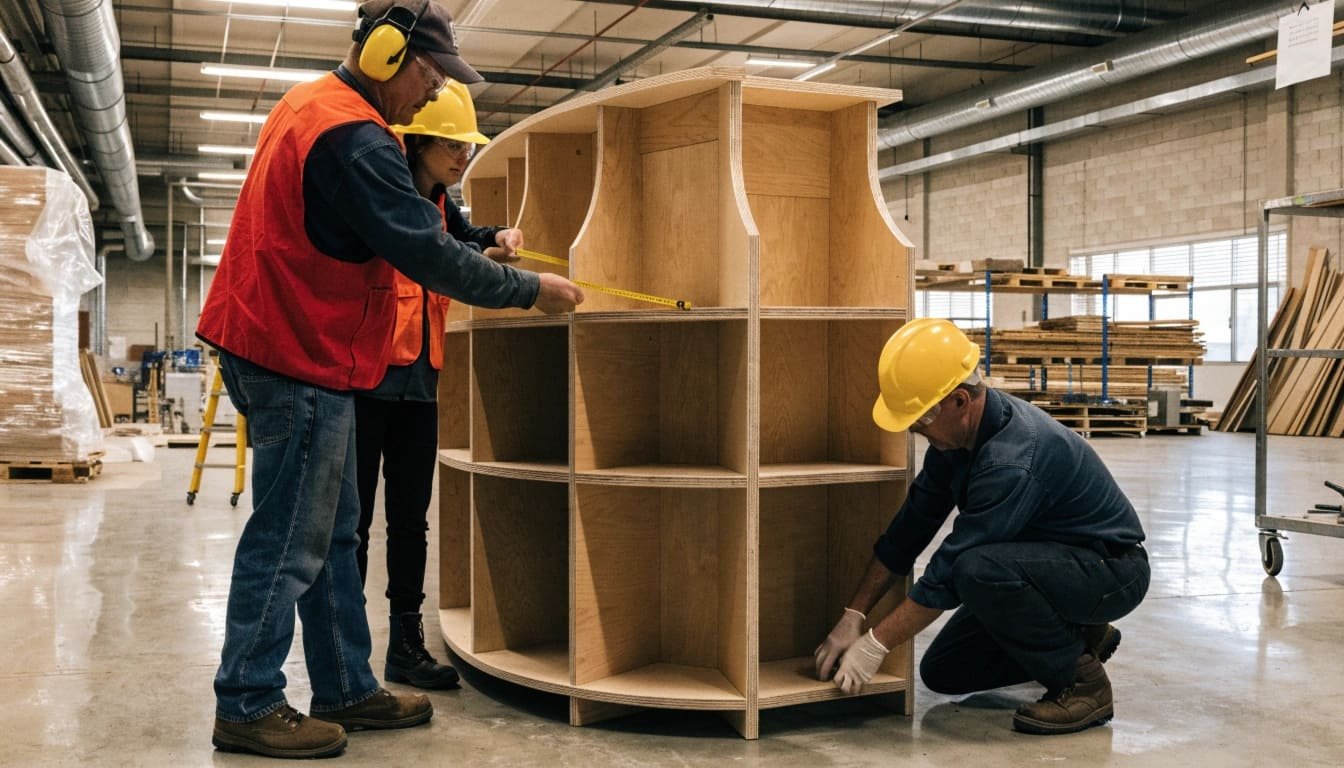
There should be no surprises during installation. The common practice of shipping large, multi-part custom pieces without a trial run is a recipe for disaster. It forces on-site teams to become problem-solvers, often leading to secondary cuts and drilling that compromise the original design and structural integrity. Our process is different. We conduct a mandatory 1:1 dry-fit pre-assembly test for all complex, irregular, or multi-material items. We build the entire piece in our factory exactly as it will be installed on-site. During this stage, we integrate hidden support systems, like tensile steel skeletons and French Cleat hanging systems, ensuring a secure fit with wall tolerances of 2mm or less. We also record detailed videos of the assembly and disassembly process. This provides the on-site installation team with a clear, step-by-step guide, making the final assembly as simple and predictable as building with Legos. This factory-level quality control ensures zero on-site modifications and a seamless, rapid installation.
How do you prevent damage during international shipping?
Custom furniture is often irreplaceable. If a one-of-a-kind piece is damaged during a cross-continental shipment, it can mean a 30 to 60-day delay for remanufacturing, throwing your entire project schedule off track.
We use a system of full-node QC monitoring and engineered packaging. This includes anti-shock fumigated wooden crates and custom protection for fragile parts, reducing the international transport damage rate to nearly zero.
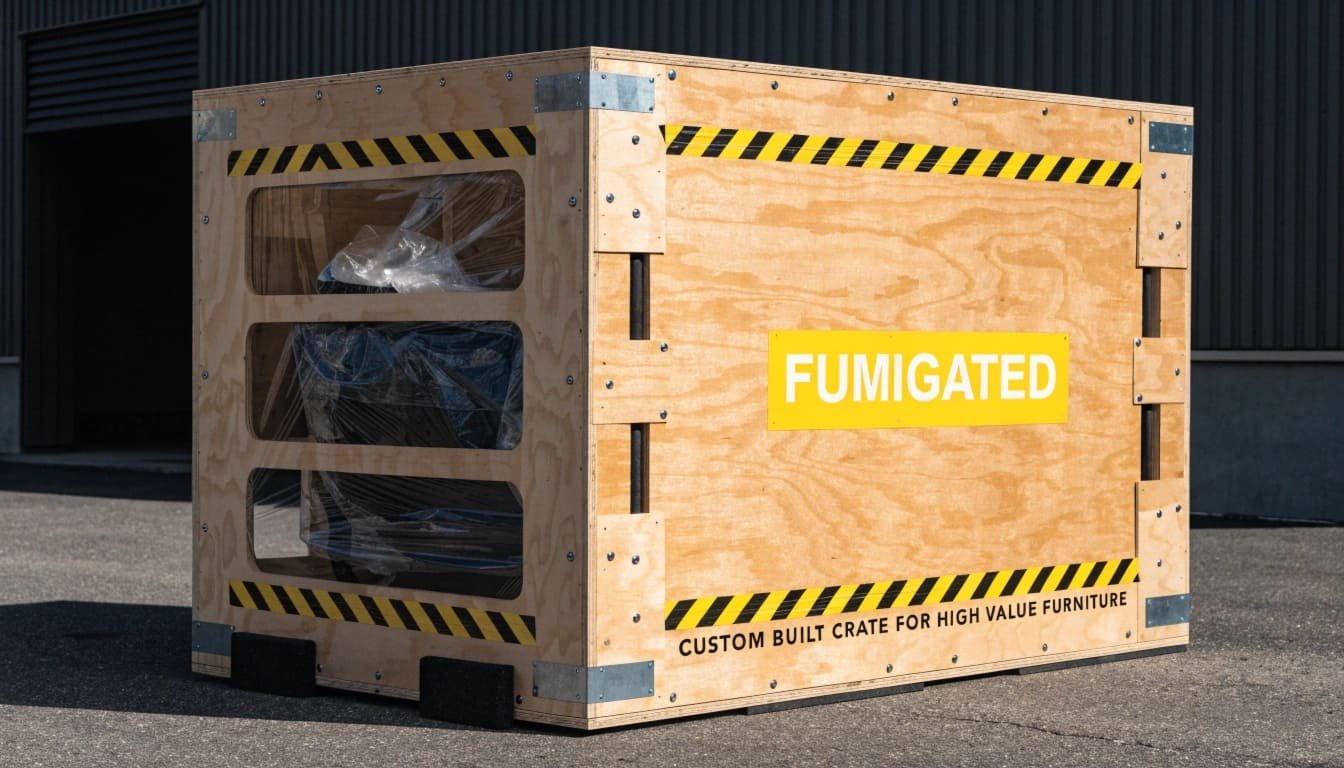
Shipping a unique piece of custom furniture across the ocean is a high-stakes activity. Damage is not just an inconvenience; it’s a major project risk. We treat logistics with the same engineering precision as our manufacturing. Our quality control process tracks every item from the moment raw materials enter our factory to the final sealing of the shipping container. For packaging, we go far beyond standard bubble wrap and blankets. Every shipment is packed in custom-built, anti-shock wooden crates that are ISPM-15 certified for international transport. For especially fragile items like large stone tops or uniquely shaped pieces, we design custom-molded flexible linings that absorb vibration and prevent impact. We also use moisture-absorbing packets and climate-resistant wrapping to protect against humidity and temperature changes during long sea voyages. By engineering the packaging to the specific needs of each item, we effectively eliminate the risk of transit damage.
Basic Job-Shop vs. Engineering Custom Partner?
Choosing a furniture supplier based on a low initial quote can be misleading. Hidden costs from on-site rework, project delays, and maintenance fees often erase any initial savings.
The right partner provides total cost certainty. An engineering-grade manufacturer eliminates downstream risks and costs by ensuring absolute precision and durability before the product ever leaves the factory.
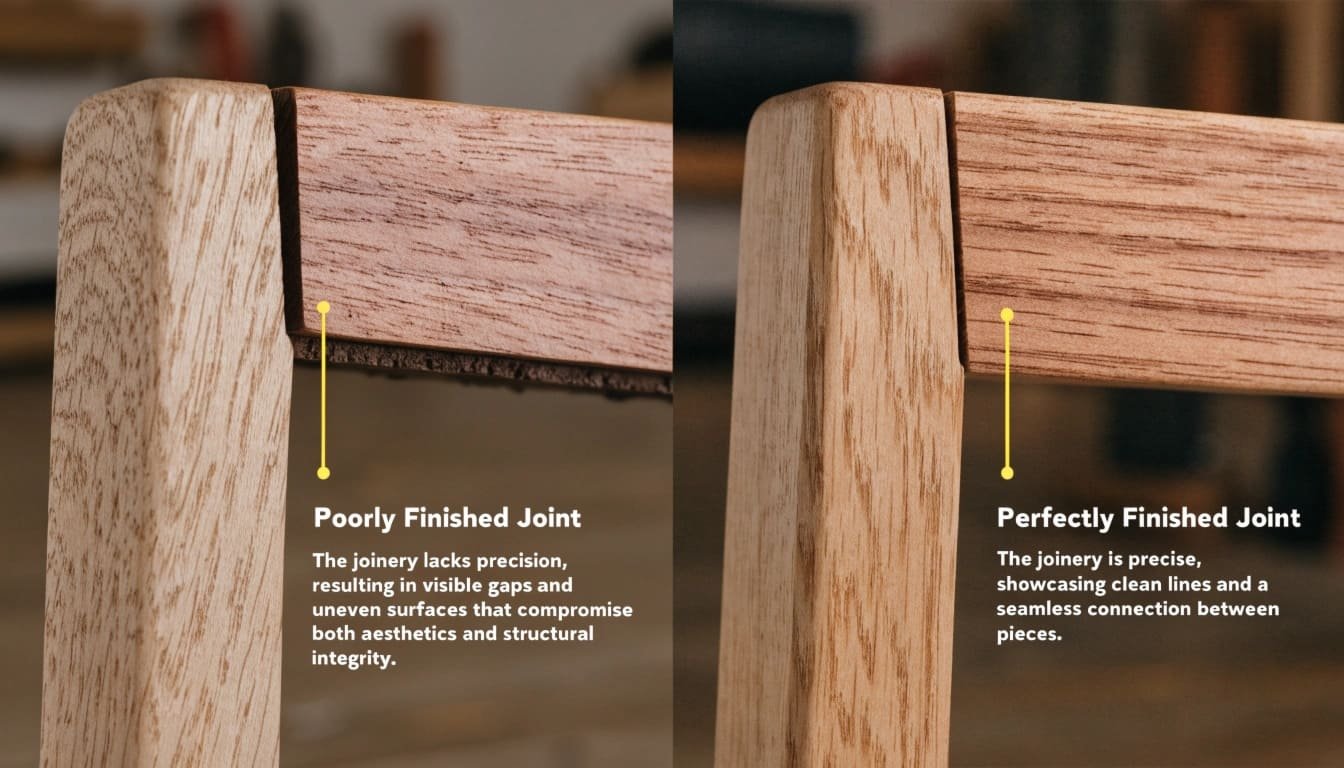
When selecting a custom furniture supplier, it’s critical to look beyond the surface quote and evaluate their process. The difference between a basic job-shop and a true engineering partner determines the success and total cost of your project. A traditional fabricator might reproduce a drawing, but they often ignore the complex interactions between materials, leading to on-site installation failures. An engineering partner, however, starts by deepening the design with micron-level shop drawings to audit and resolve any potential conflicts. This proactive approach extends to every stage of production. While a job-shop might use cheap finishes that quickly degrade, an engineering partner employs advanced techniques like PVD coating to guarantee long-term durability. The most significant difference lies in risk control. A basic factory ships products without testing, leaving your team to “un-box” problems on-site. We conduct full pre-assembly tests to ensure a perfect fit. This focus on pre-emptive quality control dramatically lowers the Total Cost of Ownership (TCO) by eliminating the need for costly on-site modifications and ensuring your project stays on schedule.
Feature | Basic Job-Shop | Engineering Custom Partner (NEXTOP) |
Drawing Deepening | Blindly follows drawings, leading to high risk of on-site fit issues. | Creates micron-level shop drawings to lock in tolerances (±0.15mm) and audit multi-material joints. |
Surface Finishing | Uses residential-grade paint or plating, prone to oxidation and fingerprints. | Implements contract-grade PVD titanium plating + AF nano-coating for high wear and corrosion resistance. |
Factory Risk Control | Skips pre-assembly, forcing on-site teams to solve fitment problems. | Performs 1:1 Dry-Fit mockups and provides video guides for zero-error on-site installation. |
Total Cost of Ownership | Low initial quote but high TCO due to rework, delays, and maintenance. | Higher initial investment but lower TCO due to flawless execution and zero on-site fixes. |
Conclusion
The best custom furniture company is an engineering partner who eliminates all non-standard risks in the factory, guaranteeing perfect execution, long-term durability, and a lower total cost of ownership.