Introduction
Selling furniture to hotels seems straightforward, but it’s a tough market. You think your designs are perfect, yet you face rejection. The secret isn’t just design; it’s understanding what hotels truly value.
To successfully sell furniture to hotels, focus on what they secretly fear most: revenue loss. This means selling “Zero Downtime” and a low “Total Cost of Ownership.” Deliver this through commercially durable, fully compliant, and precisely manufactured furniture that arrives exactly on time, every time.
I’ve learned that hotel managers aren’t just buying a chair or a table. They are buying a promise—a promise that their rooms will be ready for guests without delay and that the furniture will last. On the surface, they talk about design and aesthetics. But underneath, their real concerns are financial. They worry about two things: the massive daily fines for a delayed opening and the hidden costs of furniture that starts falling apart after only a couple of years. This insight changed my entire approach. I stopped selling “furniture” and started selling “operational reliability.”
How can you ensure furniture withstands hotel wear and tear?
Hotel furniture that fails prematurely creates guest complaints and inflates maintenance budgets. You can’t afford to replace casegoods every few years. The solution is building to a commercial-grade durability standard from day one.
Focus on creating “bomb-proof” furniture. This means using mistake-proof designs like impact-resistant corners, heavy-duty hardware, and fabrics with high abrasion resistance to withstand constant use, luggage impacts, and frequent, aggressive cleaning.
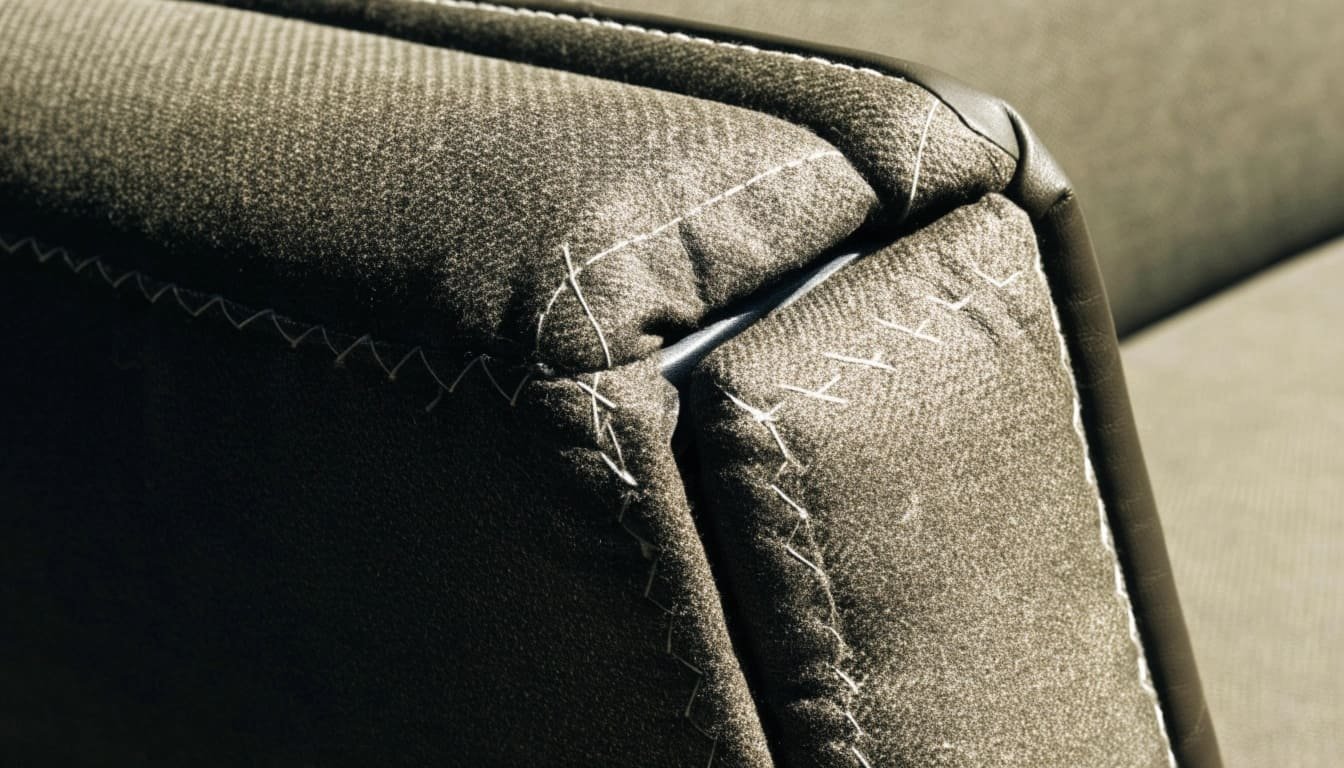
I tell my clients that residential furniture is designed for looks, but hotel furniture must be engineered for war. Every day, it faces a battle against suitcases, spilled drinks, and industrial-strength cleaning chemicals. A true hotel furniture supplier anticipates this abuse. We don’t just build what’s on the drawing; we build for the reality of a high-traffic environment. For example, on a recent project for a beach resort, we knew the salt air and humidity would be a major issue. We didn’t just use standard metal; we specified marine-grade stainless steel for all exposed hardware to prevent corrosion. We also chamfered the corners of all casegoods—a small detail that prevents the ugly chipping that happens when a guest inevitably bangs their luggage against it. It’s about thinking ahead and solving problems the hotel doesn’t even know it has yet.
Deeper Dive: Engineering for Longevity
The core difference between residential and hotel furniture lies in the unseen details. While a homeowner might use a dresser a few times a day, a hotel dresser is opened and closed by hundreds of different people a year. This requires a completely different approach to engineering and material selection.
Feature | Residential-Grade Furniture | Commercial-Grade Hotel Furniture |
Corner Finish | Sharp, 90-degree corners | Chamfered or rounded for impact resistance |
Drawer Slides | Standard, light-duty slides | Heavy-duty, full-extension ball-bearing slides |
Fabrics | Aesthetic-focused, low rub count | High-performance, with high Martindale ratings |
Substrate | Particleboard or standard MDF | High-density fiberboard (HDF) or moisture-resistant board |
Key Durability Features
- Mistake-Proof Design:We focus on small details that prevent common failures. This includes using reinforced frames on upholstered seating and adding extra support blocks at key stress points on casegoods.
- High-Performance Fabrics:Upholstery must be tough. We specify fabrics with high Martindale rub test scores. The Martindale test measures a fabric’s durability by rubbing it in a figure-eight motion until it shows wear. For general hotel use, a score of 25,000 is a good start, but for high-traffic areas, we aim for 40,000 or more. These fabrics are also treated for stain resistance and flame retardancy.
- Robust Hardware:Guests are not gentle. That’s why we use heavy-duty, self-closing drawer slides and robust hinges that are built to withstand thousands of cycles without failing.
What certifications are non-negotiable for hotel furniture?
You’ve got a beautiful product, but the project’s procurement manager stops you in your tracks with one word: compliance. Suddenly, your design is irrelevant if it doesn’t meet strict international safety and environmental standards.
To get past the gatekeepers, you must have your compliance documentation in order. This means providing clear, organized reports for fire safety standards like BS 5852 or CAL 117, and environmental regulations like Low VOC and CARB P2.
I learned this the hard way on an early project. We were so focused on the design and manufacturing that we treated the paperwork as an afterthought. When the client’s procurement team asked for our fire safety certificates, we had to scramble to get them, nearly derailing the entire deal. Now, we treat compliance as a core part of our product. A professional supplier doesn’t just provide furniture; they provide a complete, organized dossier of all necessary certifications. This saves the purchasing manager countless hours of due diligence and immediately builds a foundation of trust. It shows them you are a serious partner who understands the rules of the game.
Deeper Dive: The Hard Threshold of Compliance
For hotel projects, especially with international brands, compliance is not a suggestion—it’s a requirement. Failure to meet these standards means your furniture will not even be considered, regardless of its quality or price.
Key Fire Safety Standards
- BS 5852 (UK & Europe): This British standard is one of the strictest and is often required for international hotel projects. It assesses the ignitability of upholstered seating when exposed to different sources, from a smoldering cigarette (Source 0) to a larger flaming wooden structure (Crib 5) that simulates more intense fire conditions. Passing the Crib 5 test is often considered the gold standard for commercial furniture.
- CAL 117 (USA): California Technical Bulletin 117 is a widely adopted flammability standard in the United States. It requires materials used in upholstered furniture to pass both smolder and open flame tests. Because California is such a large market, most manufacturers in the U.S. adhere to this standard.
Key Environmental and Air Quality Standards
- Low VOC / No-VOC: Volatile Organic Compounds (VOCs) are chemicals found in adhesives, paints, and finishes that can be released into the air, affecting indoor air quality. Using low-VOC or no-VOC materials is critical for guest health and is often a requirement for green building certifications.
- CARB P2:The California Air Resources Board (CARB) Phase 2 standard sets strict limits on formaldehyde emissions from composite wood products like particleboard and MDF. This is a legal requirement in the U.S. and a global benchmark for ensuring furniture does not release harmful gases into the guest room.
Why is a mock-up room essential before mass production?
You think everything is perfect, but when the furniture arrives on-site, nothing fits. Outlets are covered, clearances are wrong, and installers are forced to make crude, costly modifications. This is a project manager’s nightmare.
A full-scale mock-up room, pre-assembled at the factory, is the ultimate insurance policy. It allows you to identify and fix every issue—from outlet alignment to wall-fixing tolerances—before a single container ships, guaranteeing a flawless on-site installation.
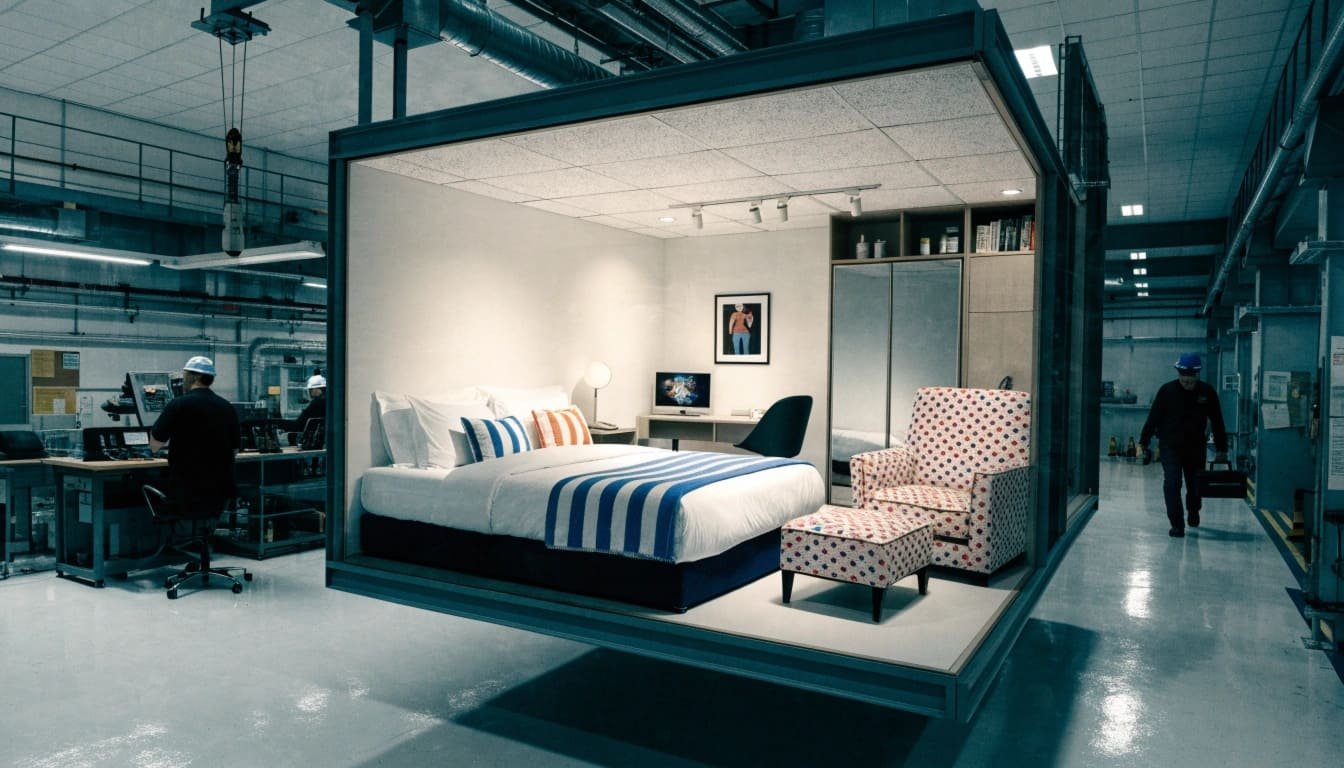
Never, ever gamble on mass production without a 1:1 dry-fit. I remember a five-star hotel project in the Middle East where the architectural drawings had a small but critical error in the placement of the data ports. We only caught it because we built a complete sample room in our workshop, including the exact wall dimensions. We discovered the headboard would have covered the ports completely. By finding this in the factory, we were able to adjust the design and pre-drill the correct openings. Imagine the chaos if that had been discovered on-site with 400 rooms worth of headboards. It would have meant costly delays, damaged walls, and a client who had lost all faith in us. The mock-up room isn’t a cost; it’s the single best investment you can make in a project’s success.
Deeper Dive: From Blueprint to Reality
The purpose of a mock-up room is to bridge the gap between the theoretical world of drawings and the physical reality of the hotel room. It is where all stakeholders—the designer, the hotel operator, and the contractor—can see, touch, and approve the final product before it’s too late to make changes.
Problem Solved in Factory Dry-Fit | Consequence of Discovering on Site |
Misaligned power/data outlets | Cutting holes in furniture; damaging walls |
Incorrect clearance for doors/drawers | Furniture that cannot be used as intended |
Wall-fixing points don’t align | On-site drilling, mess, and structural risks |
Finishes clash under real lighting | Dissatisfied client; potential rework |
Installation sequence is inefficient | Wasted labor hours and project delays |
The Mock-Up Room as a Collaboration Tool
A successful mock-up process goes beyond just assembling furniture. It’s a critical project milestone that involves:
- Full-Scale Assembly:We build a complete room, often including a section of the actual wall with specified finishes, to test every component in context.
- Stakeholder Review:The client, designer, and project manager visit the factory to inspect the mock-up. They test everything—opening drawers, sitting on chairs, checking the height of the nightstand in relation to the bed.
- Solving Integration Issues:This is where we confirm that our furniture works with other elements in the room. Does the TV fit the media unit? Do the light switches align with the headboard cutouts? Are the wall-mounting brackets in the correct position for the specified wall type?
- Final Approval:Once everyone signs off on the mock-up room, it becomes the “gold standard” for the entire project. Every subsequent piece of furniture produced must match it perfectly. This process eliminates ambiguity and ensures that what the client approved is exactly what they will receive.
How does smart logistics prevent hotel opening delays?
The hotel has a grand opening date set in stone. Your furniture is ready, but a disorganized delivery can still cause chaos and delays, leading to massive financial penalties for the owner.
A great supplier doesn’t just make furniture; they manage the entire delivery process. This includes “site-ready tagging“—packing and labeling boxes by floor and room number—so the on-site team can work with maximum efficiency and keep the project on schedule.
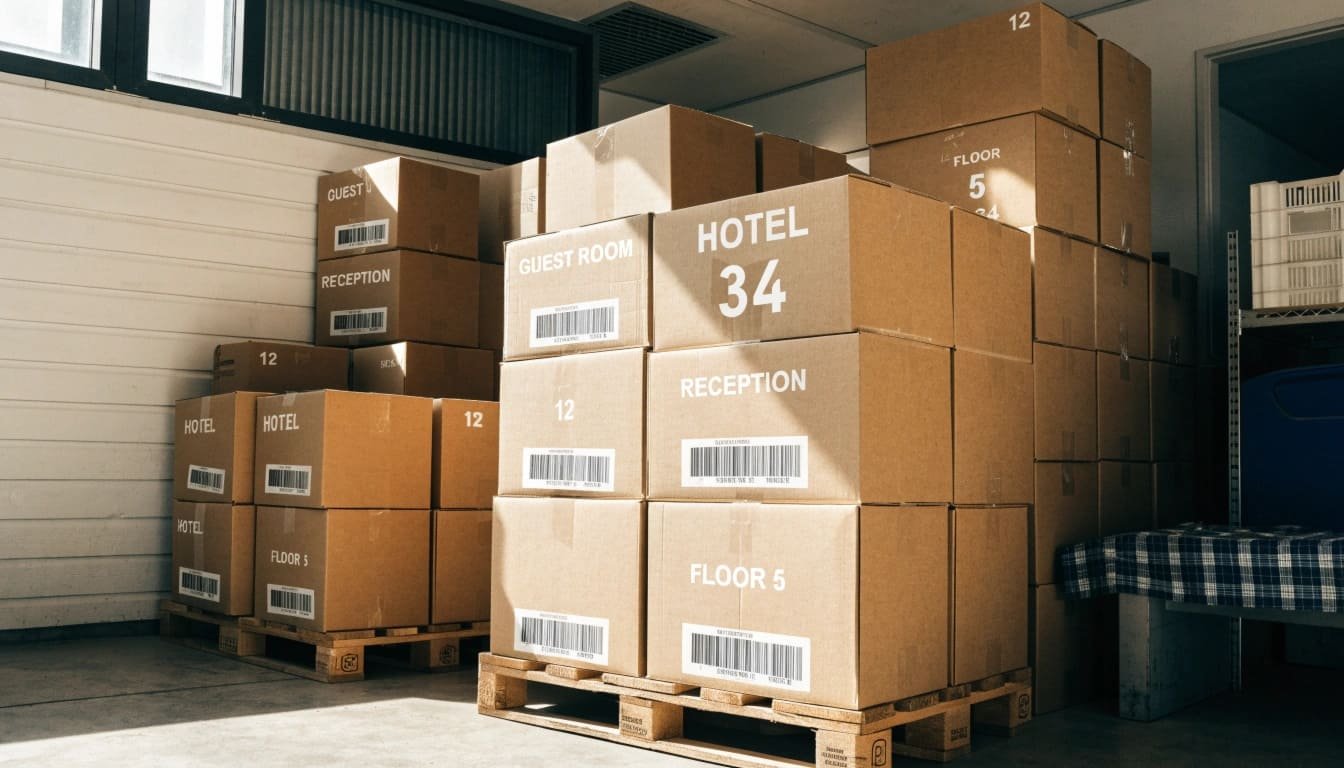
A hotel’s opening date is non-negotiable. Every day of delay is a day of lost revenue and a potential lawsuit. I’ve seen projects where beautifully made furniture arrived on-site in a chaotic mess. The installation team spent more time sorting through boxes than actually installing the furniture. This is where we, as a supplier, can become a true project partner. For a large resort project, we coordinated our production schedule with the installation timeline. We packed containers organized by building, floor, and even room type. Each box was labeled “Building A, Floor 3, King Suite.” When the containers arrived, they were distributed directly to the correct floors. The installation team’s efficiency doubled, and we helped keep the entire project ahead of schedule.
Deeper Dive: Logistics as a Competitive Advantage
In hotel projects, the final 100 meters are often the most difficult. Getting the furniture from the loading dock into the rooms quickly and accurately is a major operational challenge. Excellent logistics planning is not a background task; it is a critical service that directly impacts the project’s profitability and timeline.
The Power of Site-Ready Tagging & Staging
Traditional logistics ends at the delivery address. Smart logistics for hospitality projects extends all the way to the individual room.
- The Problem with Bulk Deliveries:When furniture arrives in bulk, the on-site crew has to unbox items in the hallway or a staging area, identify which piece goes to which room, and then move it. This creates clutter, increases the risk of damage, and is incredibly inefficient.
- The Solution with Smart Tagging:With site-ready tagging, the work is done at the factory. We create a detailed packing plan based on the hotel’s floor plans. Each box is clearly labeled with all the necessary information:
- Project Name & PO Number
- Building / Wing
- Floor Number
- Room Number & Type (e.g., “Room 808 – King Deluxe”)
- Item Description (e.g., “Nightstand, Left”)
- The Result:The logistics team on-site doesn’t need to open boxes to know what’s inside. They can move pallets directly to the correct floor, and installers can take the right boxes to the right rooms without confusion. This phased and organized approach is especially crucial for renovations where the hotel may still be partially operational.
This level of detailed planning transforms the supplier from a simple manufacturer into an integrated part of the project management team, ensuring a smooth and predictable path to opening day.
Conclusion
Ultimately, selling furniture to hotels is not about the product itself. It’s about selling operational peace of mind, backed by commercial-grade durability, strict compliance, mock-up precision, and flawless, site-ready logistics.