Introduction
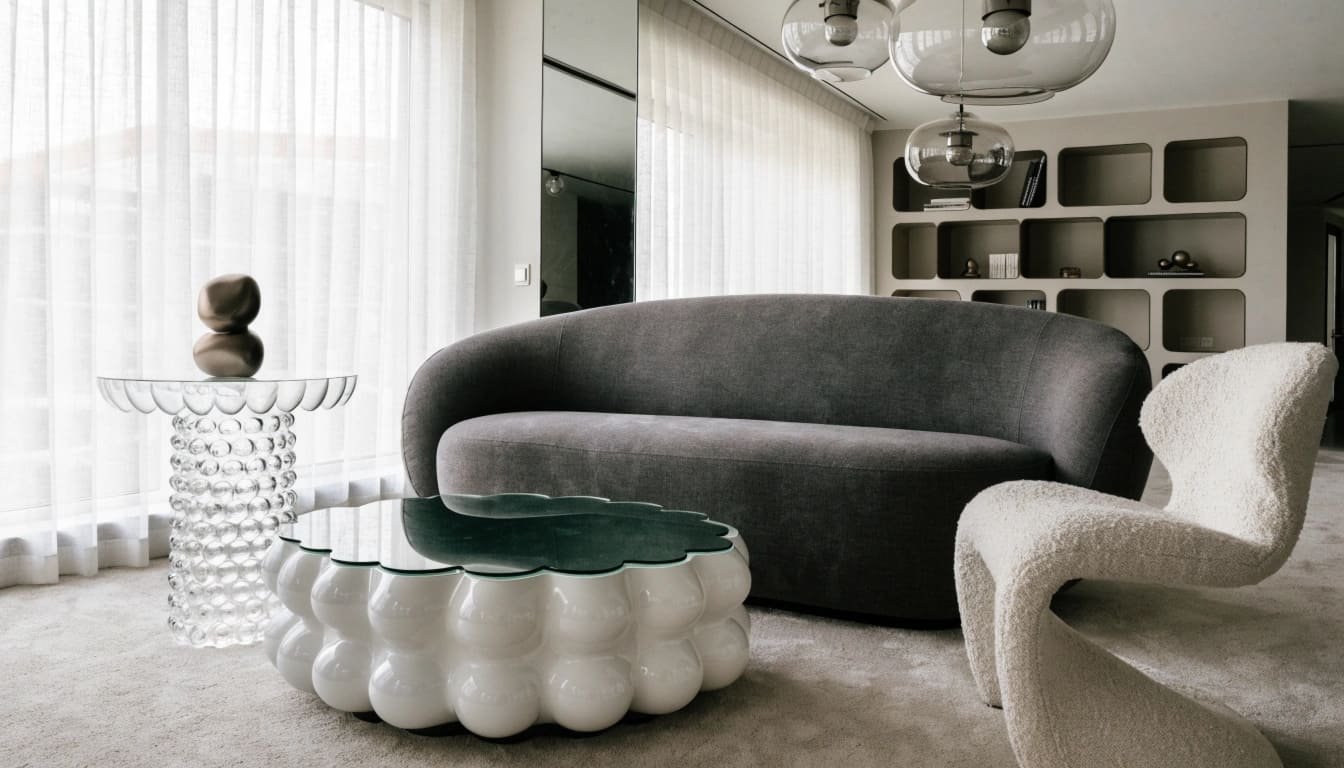
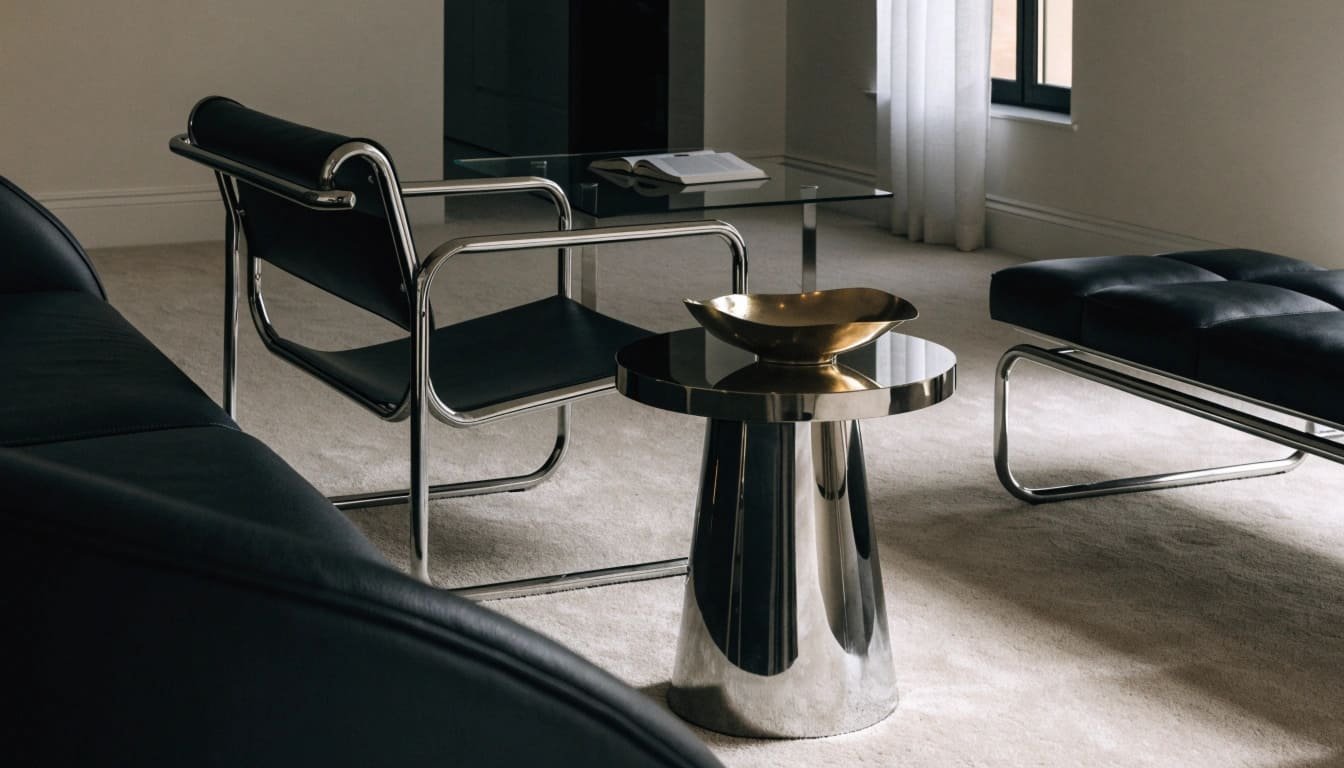
Your project’s stunning renderings show clean, minimalist lines. But on-site, you face a disaster of wide gaps and misaligned parts. This is the reality when minimalist design meets poor engineering.
The best modern furniture suppliers are not just manufacturers; they are engineering partners. They master the technical details behind minimalism—precision joinery, durable finishes, and robust construction—to eliminate on-site risks and ensure the final product perfectly matches your design vision.
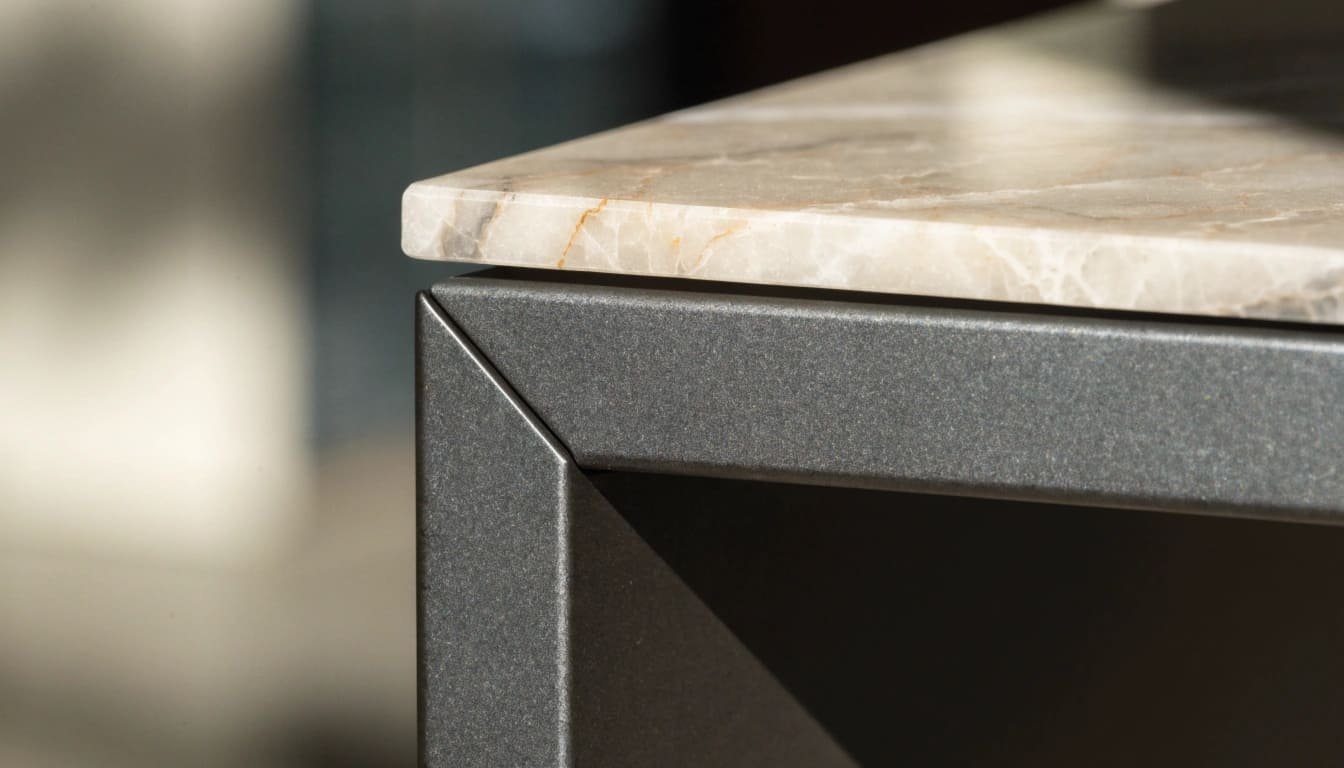
I’ve seen too many projects where the beauty of a minimalist design was lost in translation. The sleek metal tarnishes, the cantilevered table sags, and the gaps between materials are wide enough to ruin the entire aesthetic. This happens when suppliers focus on pictures, not physics. The truth is, the simpler the design, the more visible the flaws. That’s why the “best” supplier isn’t the one with the most beautiful catalog; it’s the one with the deepest engineering capability. They anticipate and solve problems in the workshop, not on your project site.
How Do Top Suppliers Prevent Gaps, Warping, and Tarnishing?
A stunning minimalist design is easily ruined by poor execution. You fear the metal finishes will quickly tarnish or that the elegant, thin structures will warp and sag over time.
A top-tier supplier prevents these issues by using micron-level shop drawings for precision, applying advanced contract-grade coatings for durability, embedding hidden structural frames, and conducting full pre-assembly tests in the factory before a single piece is shipped.
To truly deliver on the promise of minimalism, a supplier must act as an engineer first. It’s about controlling every variable to guarantee a flawless result. This requires a commitment to four essential pillars of manufacturing that I insist on for my clients’ projects. These pillars aren’t just about making furniture; they’re about manufacturing certainty.
1. Micron-Level Drawings for Perfect Seams
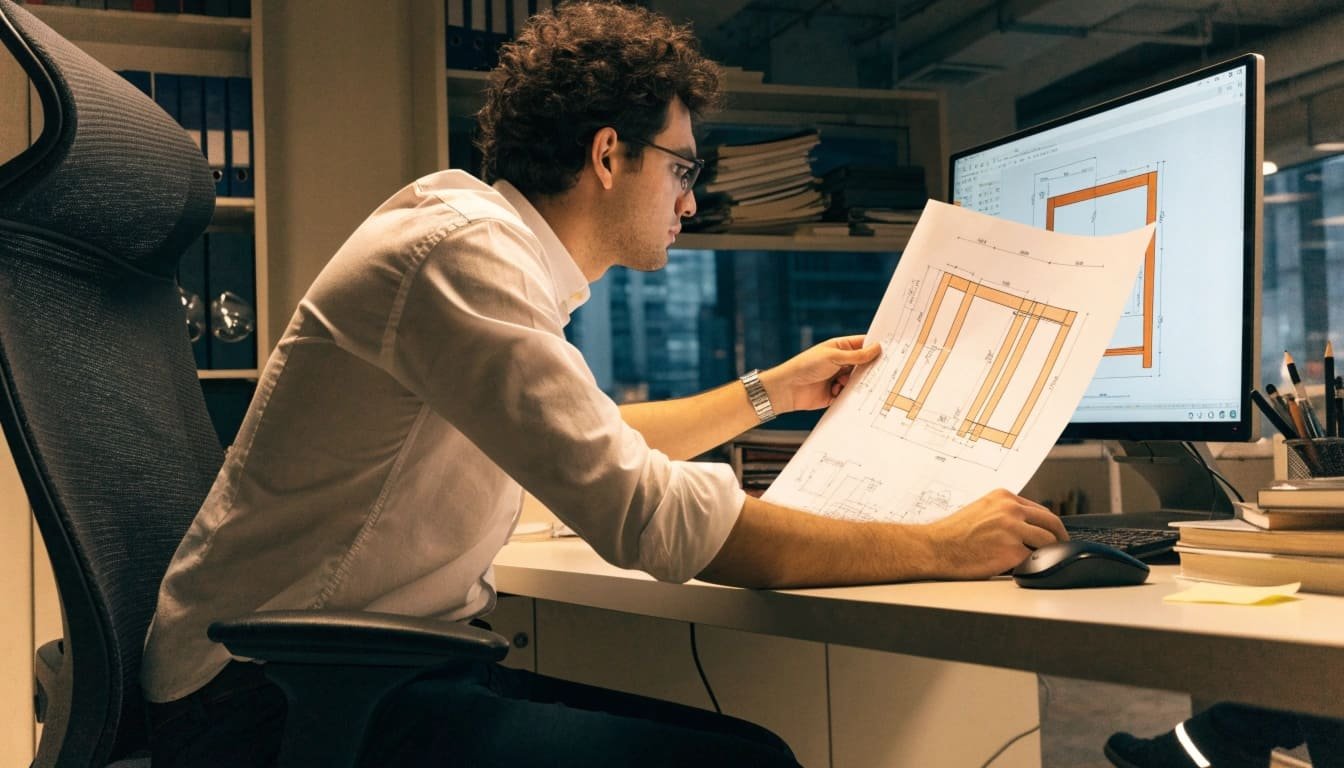
Modern design often combines different materials like metal, stone, and glass. Without expert engineering, these materials can fit poorly. A premier supplier uses detailed shop drawings that map out every connection to a tolerance of ±0.15mm. They analyze how materials will expand and contract, preventing cracks and gaps. By providing 1:1 samples for review, they ensure what you approve is exactly what gets built.
2. Contract-Grade Finishes for Lasting Beauty
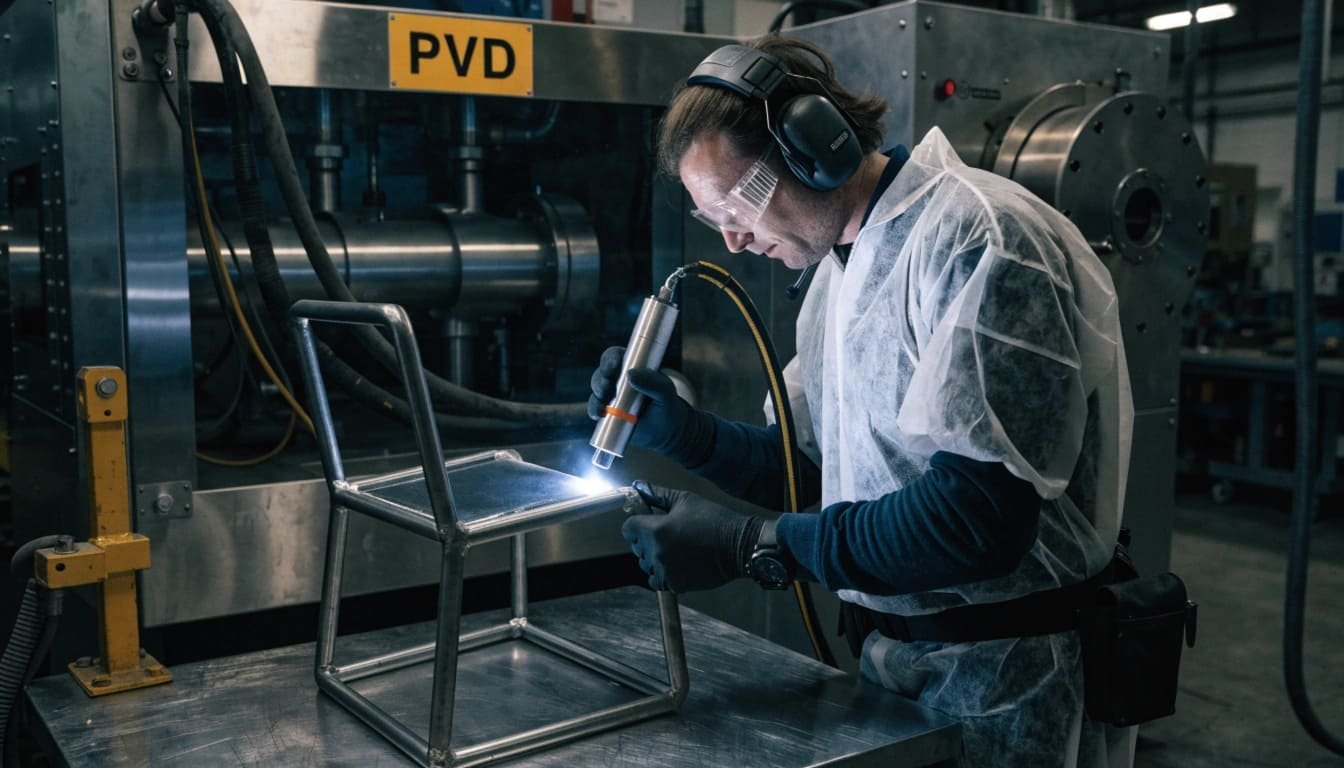
I’ve seen beautiful metal on hotel furniture turn dull with fingerprints and oxidation in under a year. That’s why we use contract-grade PVD (Physical Vapor Deposition) titanium coatings. This advanced process creates a surface that is highly resistant to scratches, corrosion, and fading. We also add an anti-fingerprint (AF) nano-coating, so surfaces stay pristine with a simple wipe, even in high-traffic commercial spaces.
3. Hidden Frames and Pre-Assembly for Structural Integrity
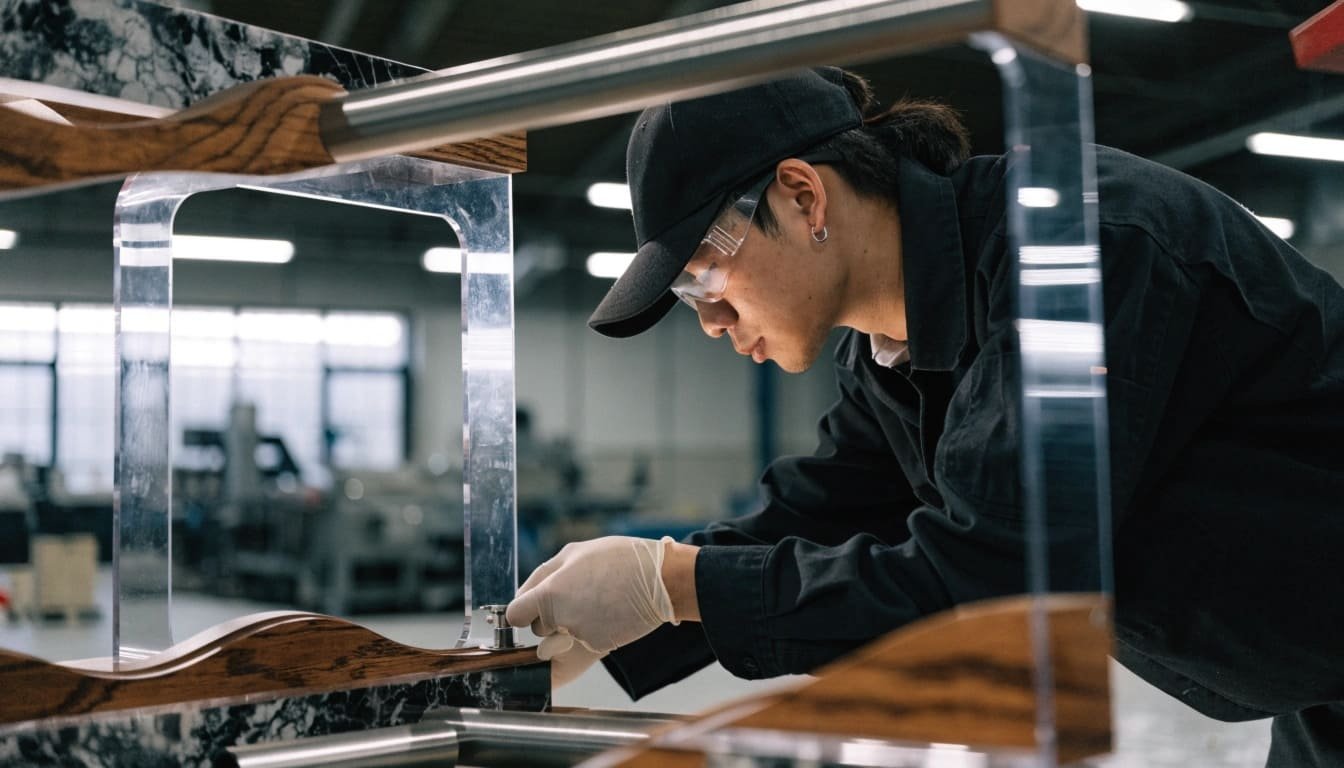
Designs with thin legs or long, floating surfaces look incredible but are at risk of sagging. To prevent this, we embed a [reinforced 304/316L stainless steel skeleton](https://en.wikipedia.org/wiki/SAE_316L_stainless_steel) inside the furniture. Before shipping, we conduct a full 1:1 “Dry-Fit” pre-assembly in our factory. We test every connection, ensure alignments are perfect, and record assembly videos so the on-site installation is as simple as putting together LEGOs, with no surprises.
4. Advanced Packing for Damage-Free Delivery
The risk of damage during international shipping is a major concern, especially for large, fragile items like stone tables or curved glass. A damaged piece can cause project delays of 30 to 60 days. We’ve developed a system of full-process QC tracking and custom-engineered, shock-proof wooden crates. Each fragile or uniquely shaped item gets its own flexible, moisture-proof packaging to bring the risk of transport damage down to virtually zero.
Render-Focused vs. Engineering-Led: Which Supplier Truly Lowers Your Project Cost?
A low initial quote from a supplier who shows you beautiful renderings is tempting. But this often leads to on-site fixes, project delays, and early replacement costs that destroy your budget.
An engineering-led supplier lowers your Total Cost of Ownership (TCO). By ensuring perfect execution from the start, they eliminate the expensive surprises of rework, delays, and maintenance, protecting your project’s profitability and reputation.
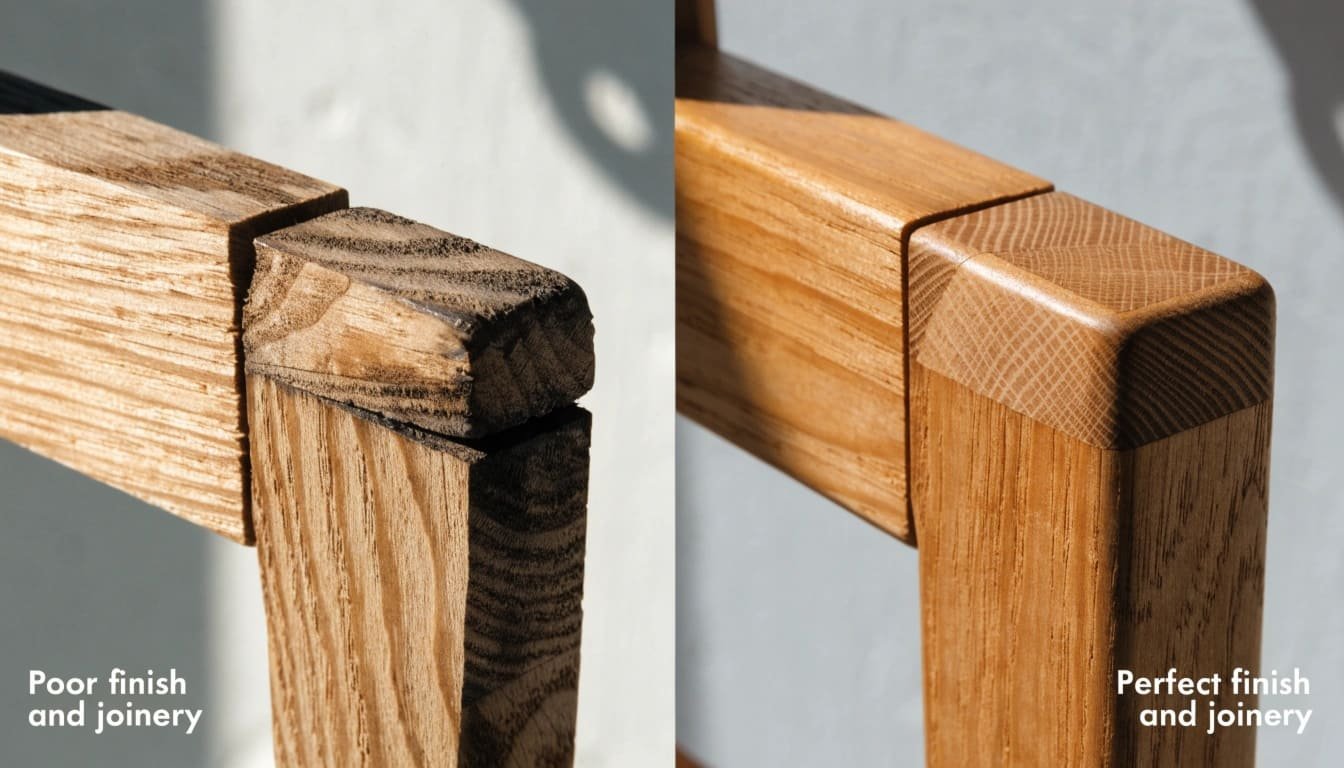
When I consult with clients, I always tell them to look past the unit price. The true cost of furniture isn’t on the initial invoice; it’s revealed over the project’s lifecycle. A supplier who only knows how to copy a picture is selling you a “blind box,” leaving your on-site team to deal with the problems. An engineering partner, on the other hand, sells you certainty. They invest heavily in pre-production engineering and quality control, which may mean their initial quote isn’t the lowest. However, they deliver a product that fits perfectly, performs flawlessly, and lasts for years. This approach saves a tremendous amount of money on labor, project management, and future replacements. The difference is stark when you compare them side-by-side.
Feature | Render-Focused Supplier (Catalog) | Engineering-Led Partner (NEXTOP) |
Drawings & Fit | Produces blindly from a picture; high risk of on-site fitment issues. | Creates micron-level shop drawings to control tolerances (±0.15mm) and guarantee perfect seams. |
Finishes & Durability | Uses standard residential-grade paint that quickly oxidizes and shows fingerprints. | Applies contract-grade PVD Titanium + AF Nano-Coating for superior wear and moisture resistance. |
Factory Risk Control | Ships pieces without pre-assembly, leaving alignment problems for the site team to solve. | Conducts 1:1 factory Dry-Fit tests and provides installation videos for seamless, zero-error assembly on site. |
Total Cost of Ownership (TCO) | Low initial quote but high TCO due to on-site rework, delays, and early replacement costs. | Higher upfront certainty leads to a lower TCO with zero on-site modifications and long-term durability. |
Conclusion
Ultimately, the best modern furniture supplier is an engineering partner. They deliver project certainty, not just a product, protecting your design vision, your timeline, and your total project budget.