Introduction
Sourcing furniture for a new hotel is a huge task that can feel overwhelming. You’re not just buying a few items; you’re creating a complete guest experience, and the fear of missing a critical piece or having mismatched items is real. How do you ensure everything works together beautifully and stays within budget?
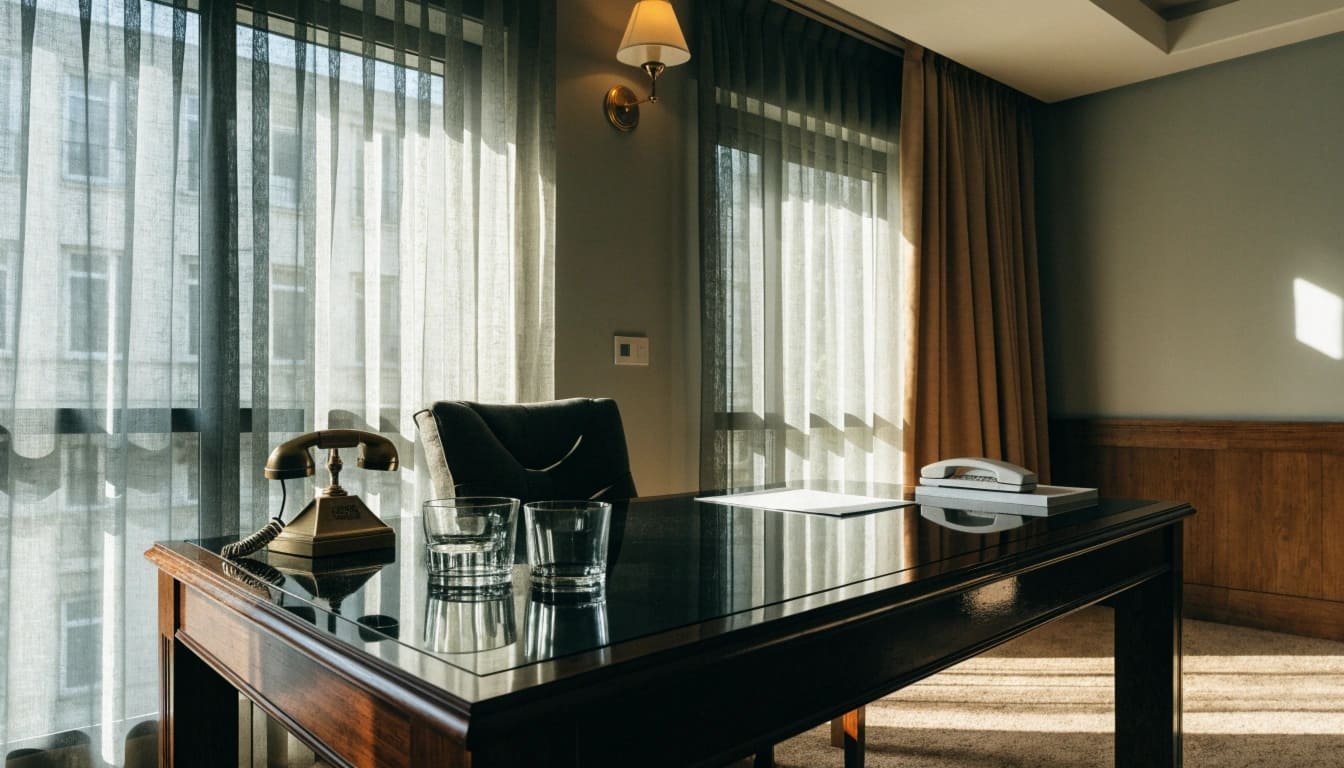
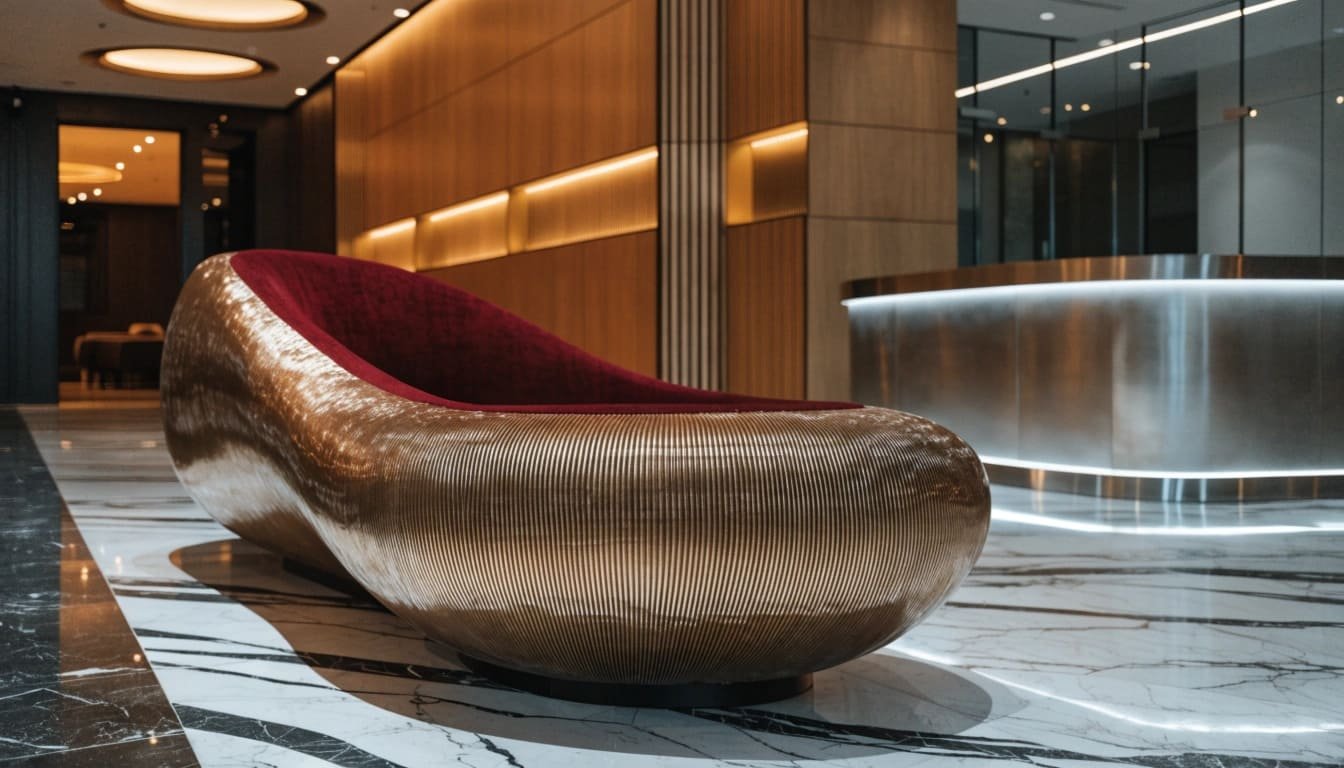
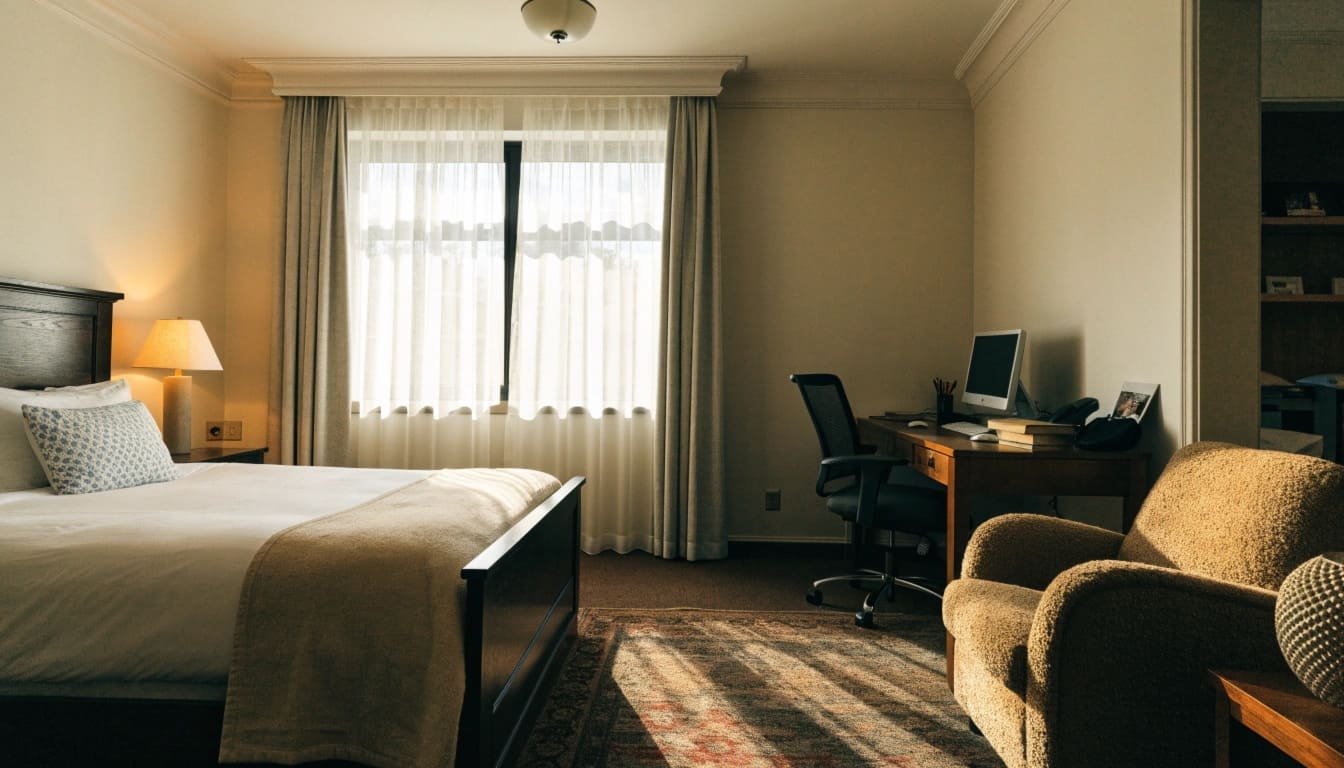
The basic furniture required to set up a hotel includes core items for guest rooms like a bed, headboard, nightstands, a desk with a chair, a wardrobe, and a luggage rack. For public areas, essentials include lobby seating, a reception desk, and restaurant or bar furniture.
I remember the first time I was involved in a major hotel furnishing project. The sheer number of items on the checklist was staggering, and the pressure was immense. You’re not just thinking about aesthetics; you’re balancing durability, maintenance, and the all-important per-key budget. It’s a complex puzzle. This experience taught me that success isn’t about picking individual items, but about having a smart, integrated strategy. Let’s break down what that looks like.
How can you optimize your per-key budget for maximum impact?
Furnishing a hotel isn’t like decorating a home where you can pick items one by one. You have a strict budget for each room, and the pressure to create a high-end feel that is also durable is intense. How do you make every dollar count without compromising on quality?
The key is to shift your mindset from “buying pieces” to “per-key budget optimization.” An experienced supply partner works backward from your star rating and per-key cost to propose a smart furniture combination. This strategy focuses the budget on high-touch, high-visibility “hero” materials where guests will notice them most.
When I work on a project, I always start with the budget. For a mid-scale hotel, the furniture, fixtures, and equipment (FF&E) budget might be between $9,000 and $15,000 per room, while luxury properties can go from $30,000 to over $60,000. Knowing this number from the start helps us make strategic decisions. Instead of spreading the budget thinly across all items, we focus on what guests interact with directly.
Prioritizing High-Impact Elements
We allocate more funds to the pieces that define the guest’s first impression and daily experience. This means investing in:
- The Bed System:The bed is the star of the room. We prioritize a high-quality, durable frame and a striking headboard. The headboard, in particular, can serve as a major design feature.
- The Desk and Chair:With more people working remotely, a comfortable and functional workspace is no longer an afterthought. An ergonomic chair and a well-designed desk matter.
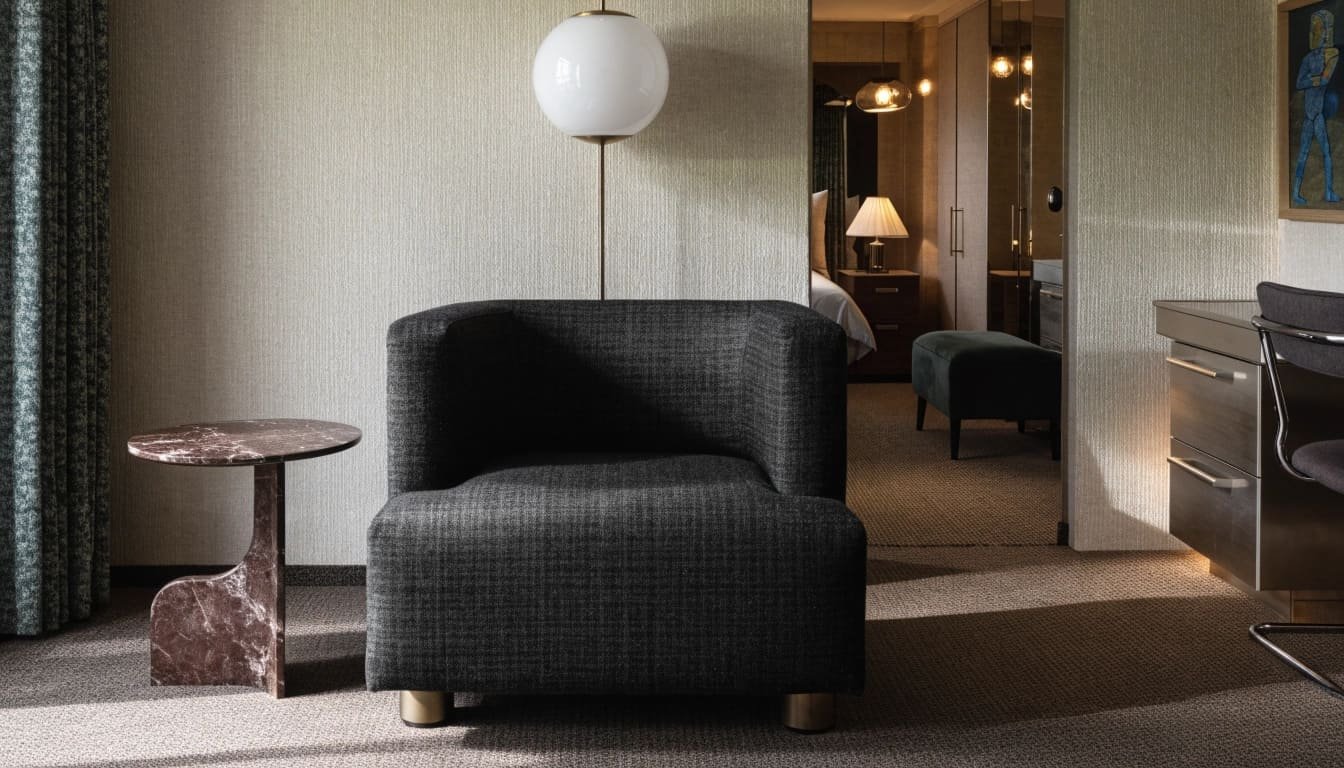
Lounge Seating: A comfortable armchair or a small sofa creates a space for relaxation and makes the room feel more luxurious.
Making Smart Material Choices
To stay within budget, we use premium materials where they are most visible and durable alternatives elsewhere.
This approach ensures that the furniture looks and feels premium where it counts, delivering that “wow” factor without blowing the budget. We’re not just buying furniture; we’re engineering a cost-effective solution for a memorable guest experience.Furniture Piece
High-Impact Material
Cost-Effective Alternative
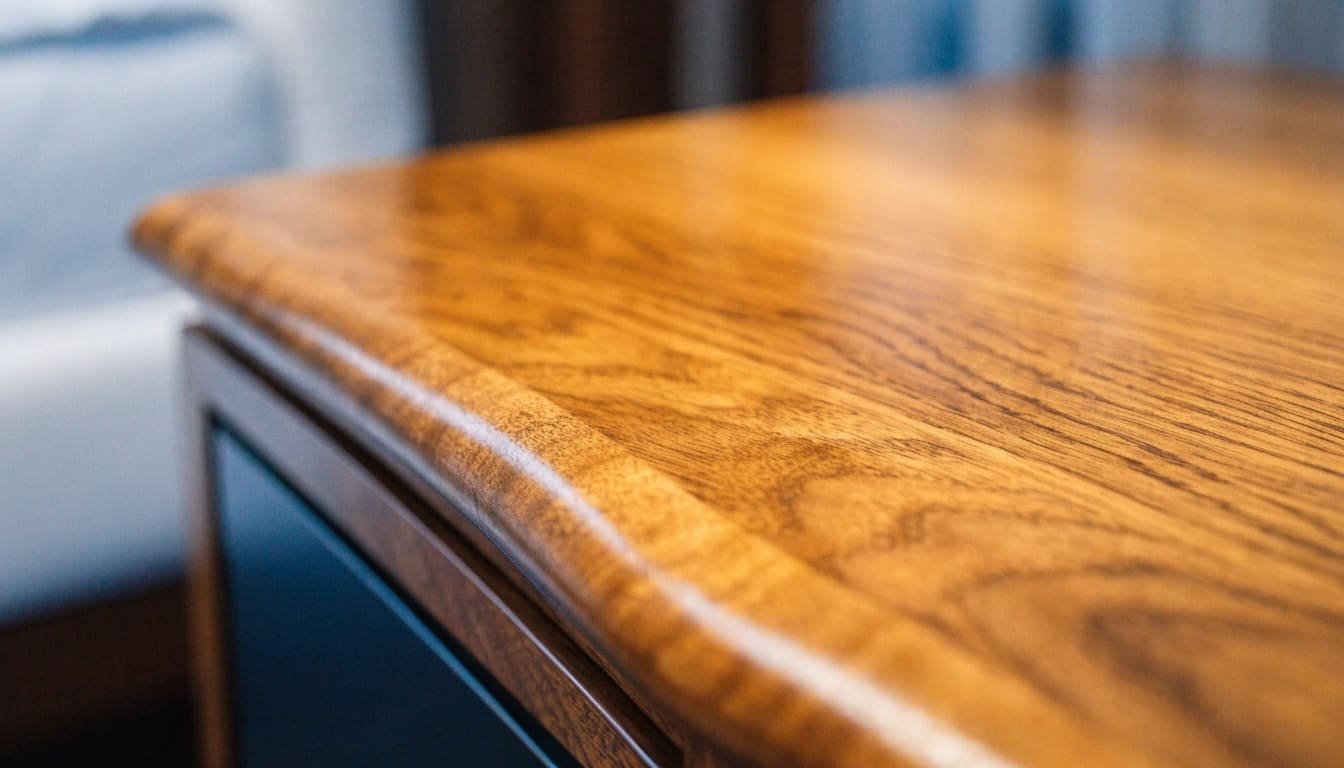
Desk Surface
Solid wood or stone top
High-pressure laminate (HPL) with a realistic wood grain
Headboard
Custom upholstered fabric or leather
Textured wood veneer or high-quality laminate panels
Nightstands
Matching solid wood or metal finish
Durable composite board with quality hardware
How do you ensure fixed and loose furniture match perfectly?
One of the biggest headaches in hotel fit-outs is when fixed woodwork (millwork) and freestanding furniture (loose furniture) don’t align. Mismatched finishes, awkward gaps between the headboard and wall, or clashing colors can ruin the entire look of a guest room. How can you avoid these costly and ugly mistakes?
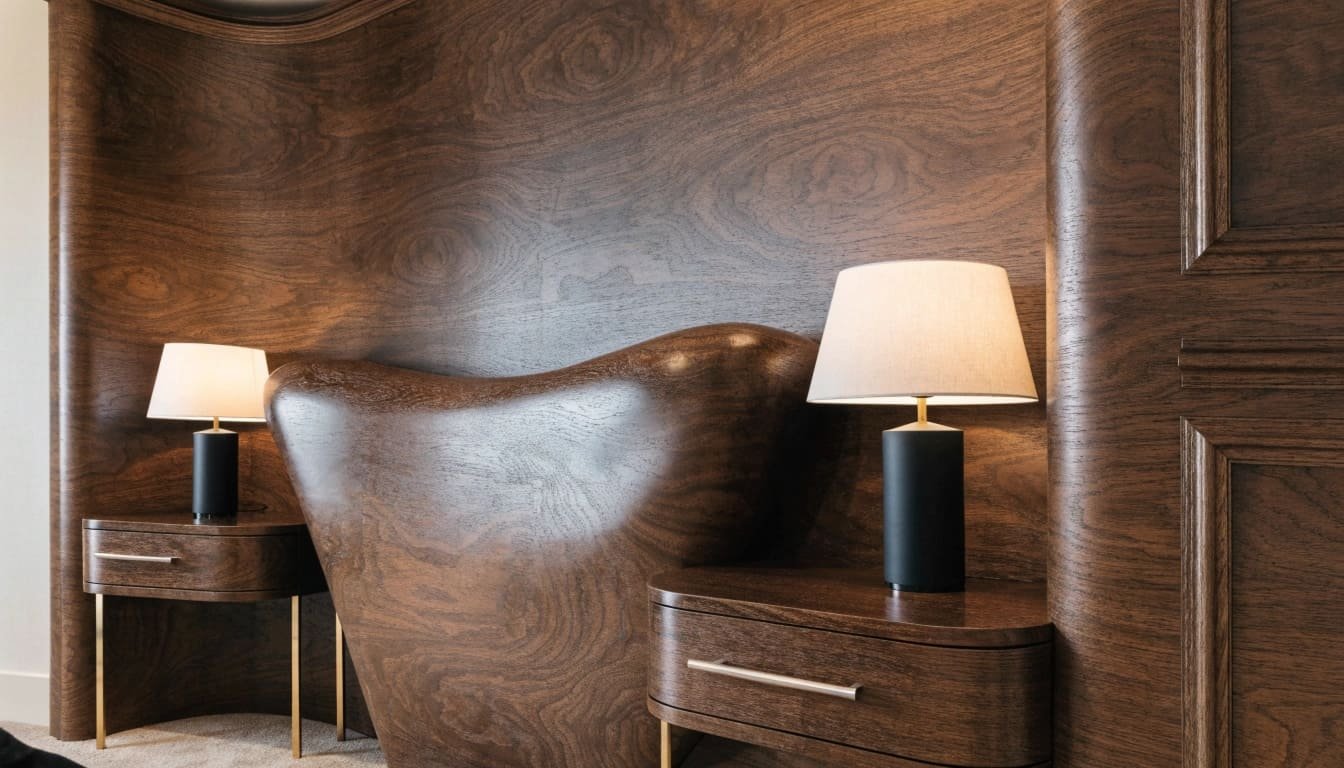
The solution is to source your millwork and loose furniture from a single, integrated supplier. When pieces like the headboard, wall panels, and built-in closets are made in the same factory as the bed frame, desk, and nightstands, you eliminate guesswork. This ensures perfect color matching and precise dimensions from the start.
I’ve seen projects go off the rails because of this exact problem. The general contractor handles the built-in elements, and a separate furniture vendor supplies the rest. On-site, nothing fits. The headboard is a few centimeters off, the wood stain on the desk doesn’t match the closet, and the result is a mess. It leads to delays, arguments, and compromises that hurt the final design.
What are Millwork and Loose Furniture?
To get this right, it’s important to understand the difference between these two categories. Both are essential for a hotel room, but they serve different functions.
- Millwork (or Fixed Furniture):These are the custom-built wooden elements that are integrated into the building’s architecture. Think of them as part of the room itself.
- Examples: Wall paneling, integrated headboard walls, built-in wardrobes, reception desks, and bathroom vanities.
- Loose Furniture (or Casegoods): These are the standalone, movable pieces that make the room functional for the guest.
Examples: Bed frames, desks, chairs, nightstands, sofas, and luggage racks.
The Integrated Supply Advantage
Working with a single supplier who can produce both offers tremendous advantages. It’s a core part of how we deliver consistent quality at NEXTOP. Our engineering team plans everything under one roof. We use the same batch of veneer for the fixed wall panels and the loose desk. We pre-engineer the connections between the headboard and the wall for a seamless fit. This integrated process solves critical issues before they ever reach the job site, ensuring a flawless and high-quality result every time.
How can furniture design reduce hotel operating costs?
Hotel furniture isn’t just about looking good; it has to withstand intense daily use and cleaning. Inefficient cleaning processes are a drain on resources, and damaged furniture is a constant hidden cost. How can you choose furniture that looks great while also making cleaning and maintenance easier and cheaper?
The answer lies in modular and maintenance-friendly design. Furniture should be designed for operational efficiency. This includes features like modular components for easy repairs, raised or suspended designs for quick cleaning, and durable surfaces that resist wear and tear from frequent wipe-downs.
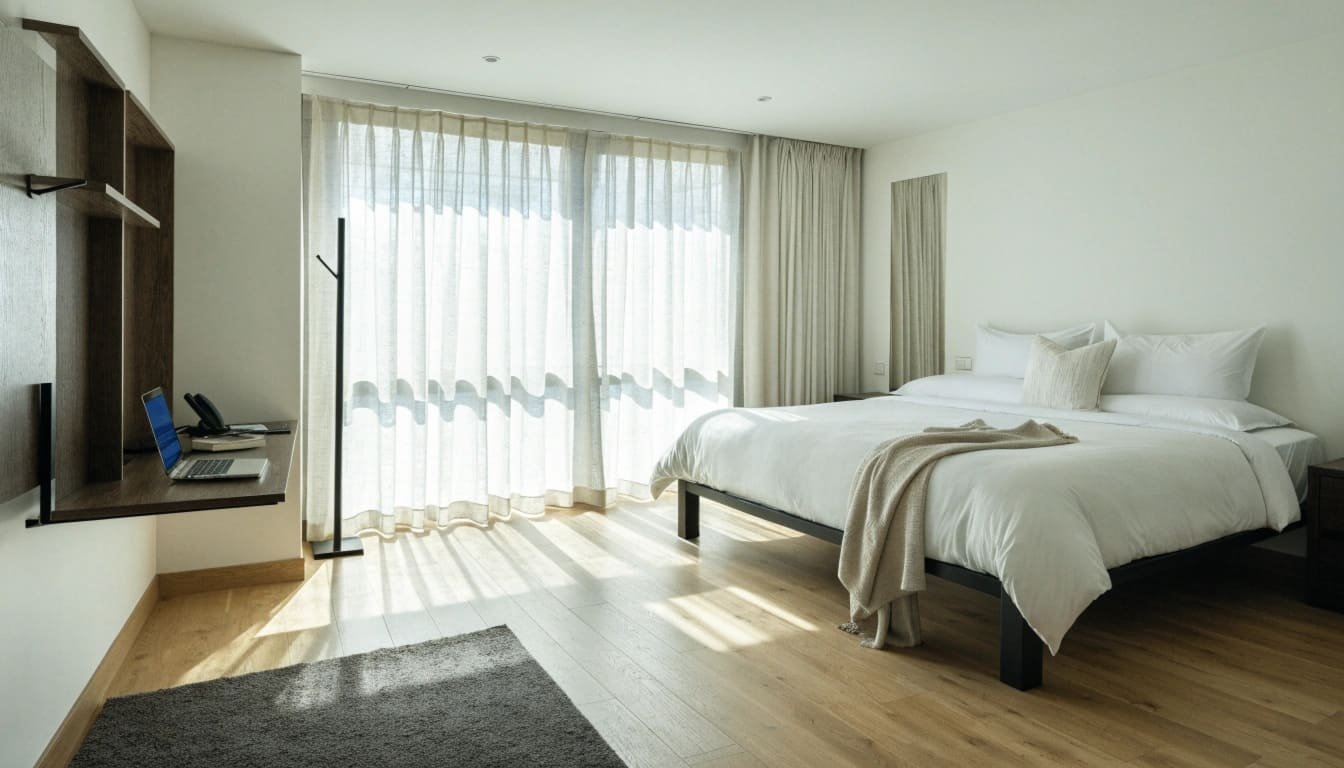
I once toured a hotel where the housekeepers had to move heavy furniture every single day just to vacuum. It was slow, inefficient, and led to a lot of scuffs and damage. This is a classic example of design that ignores operational reality. Smart design choices can dramatically cut down on labor costs and the need for frequent replacements.
Key Features of Maintenance-Friendly Furniture
When we develop furniture for our clients, we focus on three practical design elements that have a real impact on the bottom line.
- Modular Construction:
Instead of a single, large piece, modular furniture is built in sections. If a part gets damaged—say, a chipped side panel on a wardrobe—you can replace just that one component instead of the entire unit. This is not only cheaper but also much faster, reducing room downtime.
- Designs that Simplify Cleaning:
Every minute housekeeping saves adds up. We prioritize designs that make their job easier.
Suspended or Wall-Mounted Pieces: Vanities, consoles, and even some nightstands can be mounted to the wall, leaving the floor completely clear for mopping or vacuuming.
High Legs: For freestanding furniture like beds and sofas, we use higher legs to provide enough clearance for cleaning equipment to pass underneath easily.
No-Dust Corners: Simple, clean lines without intricate carvings or hard-to-reach crevices prevent dust accumulation.
- Durable and Easy-to-Clean Surfaces:
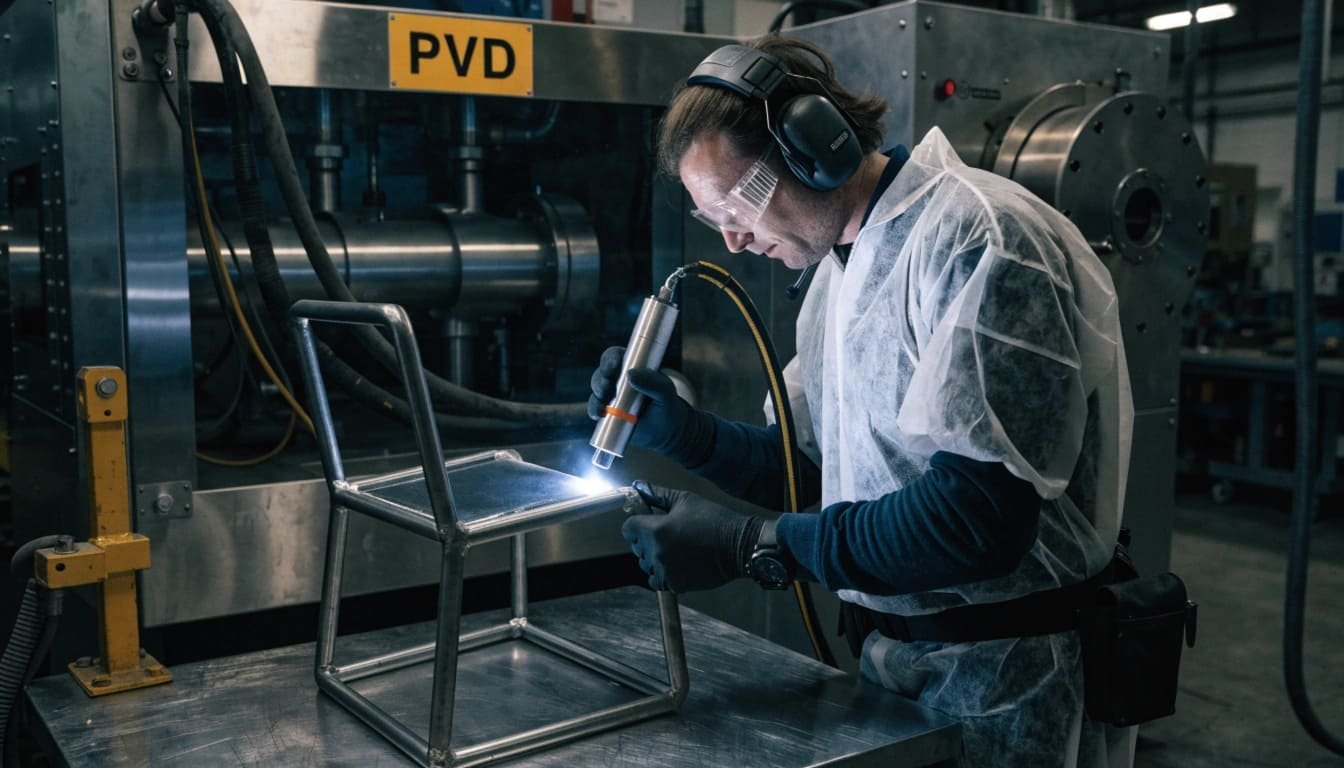
The finish on hotel furniture has to be tough. We use materials designed for high-traffic environments.
High-Pressure Laminates (HPL): These surfaces are highly resistant to scratches, stains, and chemicals used in cleaning.
Performance Fabrics: Upholstered items should use fabrics treated for stain resistance and fire safety, certified to standards like CAL 117 or BS 5852.
By focusing on these practical design features, we deliver furniture that not only enhances the guest experience but also actively reduces long-term operating costs for the hotel.
How can you simplify procurement and installation for a large hotel project?
Outfitting a hotel involves coordinating hundreds of items, from large beds down to tiny mirrors, often from dozens of different suppliers. This complexity can lead to chaos on-site, with items arriving at the wrong time and massive labor costs for sorting and distribution. How do you streamline this entire process?
The solution is turnkey procurement with room-by-room kitting. A single-source supplier manages the entire FF&E package, from the big items like beds and sofas to the small details like luggage racks and mirrors. Everything is then packaged and labeled by room or floor before shipping, eliminating the need for on-site sorting.
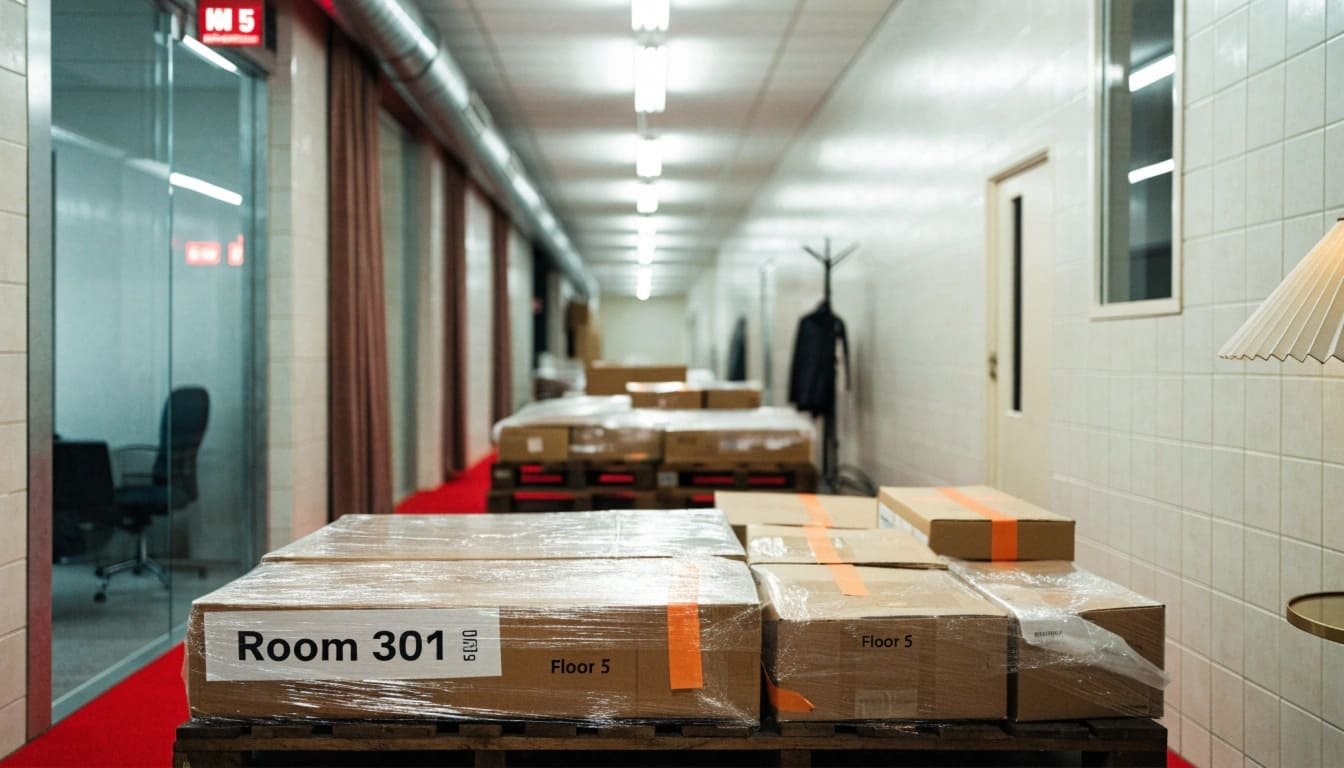
I’ll never forget the logistical nightmare of an early project where we didn’t use this method. A massive delivery of furniture arrived all at once, and we spent days just trying to figure out what went where. The hallways were clogged, installation teams were idle, and the labor costs for all that manual sorting were astronomical. It taught me a valuable lesson: the work you do at the factory to organize the shipment pays for itself ten times over during installation.
From a Long List to a Single Delivery
A comprehensive FF&E procurement checklist for a hotel can be daunting, covering everything from guest rooms to public areas and back-of-house spaces. Managing this with multiple vendors is a full-time job.
A turnkey supplier simplifies this by taking on the full scope of procurement. Here’s what a typical checklist might include for just one standard guest room:
Category | Essential Items |
Sleeping | Bed frame, headboard, mattress, nightstands |
Working & Seating | Desk, desk chair, lounge chair or small sofa |
Storage | Wardrobe or closet system, dresser, luggage rack |
Fixtures | Full-length mirror, decorative lighting, TV console |
Instead of you juggling different suppliers for each of these categories, a turnkey partner handles it all.
The Power of Room-Kitted Packaging
The real game-changer is how the items are delivered. “Room-kitting” or “room-in-a-box” is a logistics strategy where we package all the furniture for a specific room together. Each box or pallet is clearly labeled with the room number and floor. When the truck arrives at the hotel, the packages are sent directly to their designated rooms. This eliminates the huge task of unboxing and sorting in a crowded corridor, dramatically speeding up installation and cutting down on labor costs. It turns a chaotic process into a smooth, assembly-line-like operation.
Conclusion
Setting up a hotel goes beyond a simple furniture list. It requires a smart strategy that optimizes your budget, integrates fixed and loose furniture, simplifies maintenance, and streamlines logistics for a flawless installation.