Introduction
Tired of wobbly residential furniture that creaks and sags? The difference isn’t just price; it’s the unseen engineering. It’s time to understand why hotel furniture is built to last a decade, not just a season.
Hotel furniture is incredibly stable because it prioritizes a robust internal “skeleton” over superficial looks. It uses heavy-duty frames, commercial-grade materials, and smart structural engineering designed for constant, heavy use. This focus on a durable core ensures it won’t wobble, warp, or collapse over time.
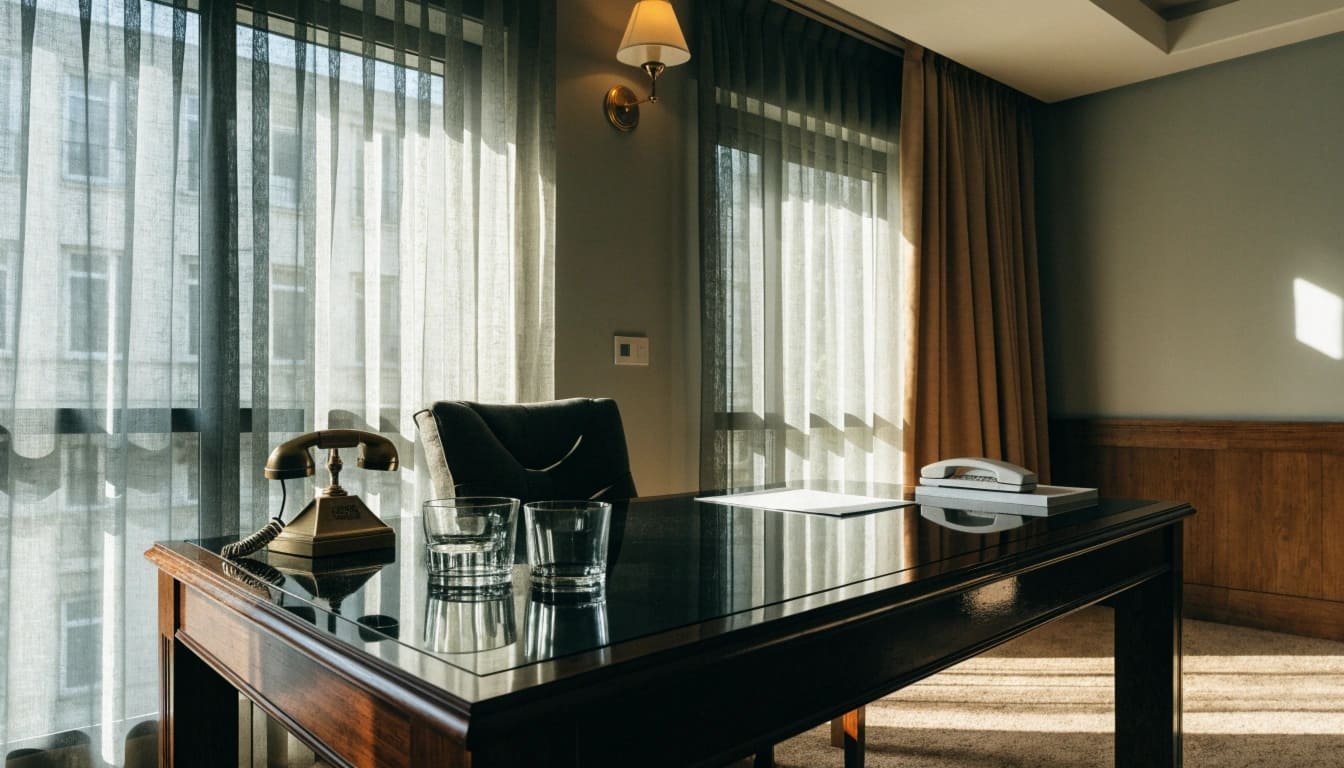
When you compare typical home furniture with what we build for hospitality projects, you’re talking about two different philosophies. Residential furniture often competes on surface appeal and low cost. But for hotels, the real investment is in structural integrity—the ability to withstand thousands of guests without showing wear. It’s not magic; it’s a deliberate focus on engineering that guarantees performance. I’ve seen it firsthand: a beautiful-looking residential sofa can have a frame that’s little more than thin wood strips held by staples. It looks great until you actually use it. This is where we take a completely different approach. Let’s dive into what makes our furniture truly solid.
How Does a Heavy-Duty Internal Frame Make Furniture Stronger?
Worried that a piece of furniture will start to wobble after a few months? This happens when the internal frame is weak. A truly solid piece of furniture starts with a powerful skeleton designed to handle real-world stress.
The secret is a heavy-duty internal frame made from kiln-dried hardwood. This process stabilizes the wood’s moisture content to 6-8%, preventing the warping and twisting common in cheaper furniture. Key joints are then reinforced with solid wood corner blocks and high-strength metal hardware, creating a rigid structure that doesn’t creak or shift.
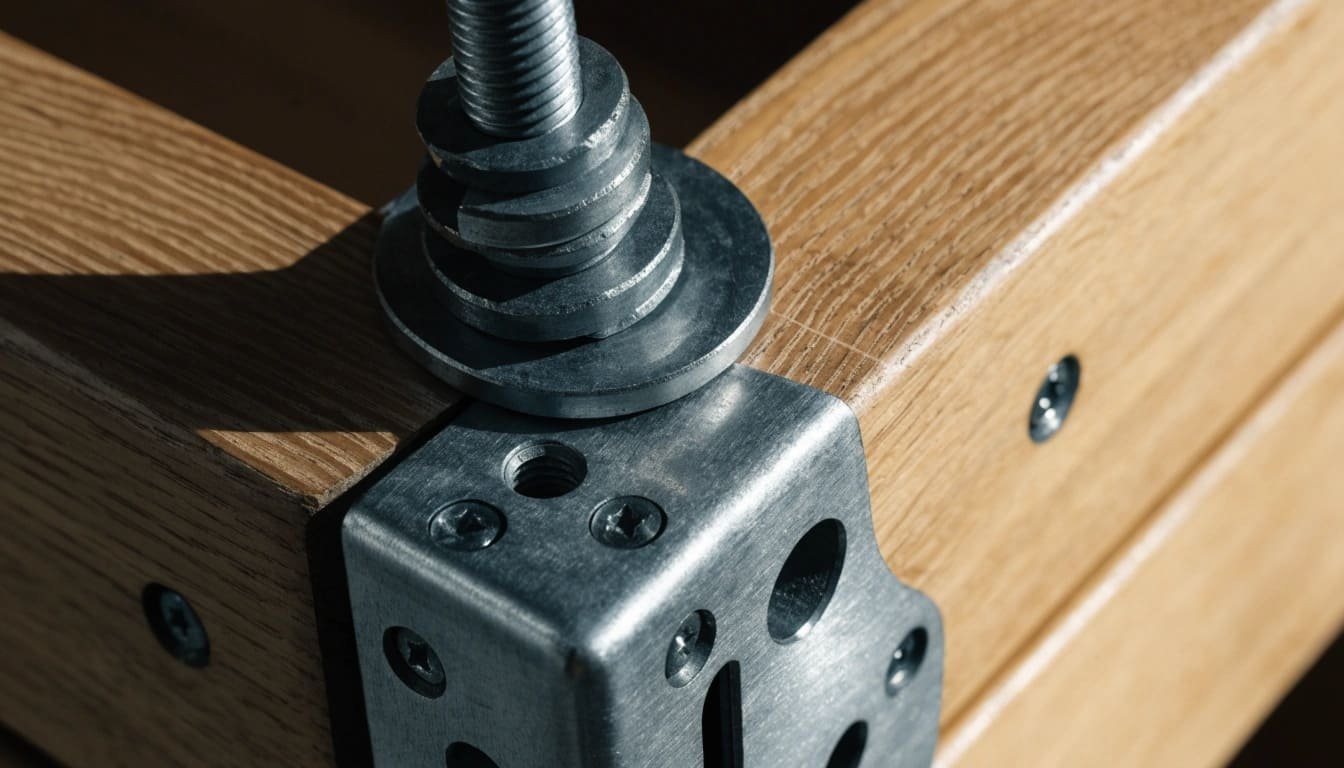
I remember inspecting a new shipment of residential-grade sofas for a budget project years ago. One of them broke simply from being lifted off the truck. When we looked inside, the frame was made of thin, air-dried pine held together with a few staples. It was a perfect example of “surface deep” quality. For our hospitality projects, this is unacceptable. We build what I call an “inner skeleton, outer flesh” structure. The skeleton is the most critical part. We use thick, kiln-dried hardwoods because they are stable and strong. The drying process is crucial; it removes excess moisture in a controlled way, so the wood won’t bend or crack later when exposed to indoor heating or air conditioning. Then, at every critical corner—like where the arm meets the back of a sofa—we add triangular wood blocks. These corner blocks are glued and screwed into place, locking the joint and preventing any side-to-side movement. For larger pieces or items under heavy stress, we even integrate a steel frame into the base. You could literally stand and jump on our sofa frames without them flinching.
Feature | Residential Furniture | NEXTOP Hotel Furniture |
Wood Frame | Often air-dried softwood or particle board | Kiln-dried solid hardwood (6-8% moisture) |
Joints | Staples or basic screws | Mortise-and-tenon joints with corner blocks |
Reinforcement | Minimal or none | Glued & screwed corner blocks, metal hardware |
Base Support | Thin wood slats | Integrated steel frame or thick hardwood |
This commitment to a heavy-duty frame is the primary reason our furniture feels so incredibly solid. It’s an investment in a foundation that will not fail.
Why Doesn't Hotel Furniture Swell Up in Humid Bathrooms?
Ever seen a bathroom vanity or cabinet peel and bubble from moisture? It’s a common failure point for standard furniture. The constant humidity and temperature changes in a hotel environment demand a much higher level of protection.
Hotel furniture resists moisture by using commercial-grade core materials and advanced edge-banding techniques. Instead of standard particle board, we use high-density plywood, which is far more resistant to swelling. Every exposed edge is then sealed with thick, 2mm-3mm solid wood or seamless, hot-melt glue banding, effectively locking moisture out.
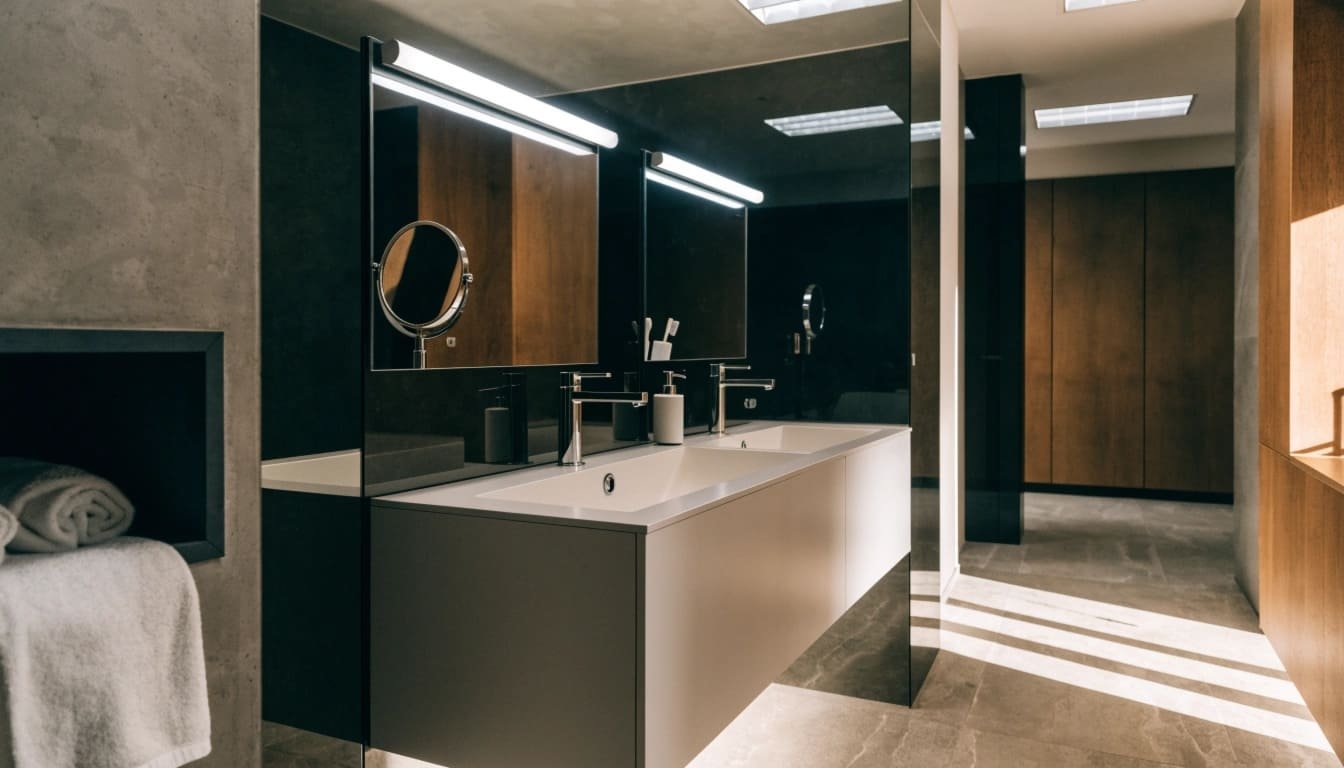
A common disaster I see in residential renovations is failed cabinetry in kitchens and bathrooms. Standard particle board acts like a sponge. Once its thin laminate surface is compromised—even with a tiny scratch—water gets in and the wood swells and disintegrates. This is especially true around sinks and in rooms with a lot of steam. For a hotel, where cleaning crews use water and rooms experience constant shifts in temperature from air conditioning, this is a recipe for failure. That’s why we insist on using superior core materials. We use high-density or marine-grade plywood, which is constructed with waterproof glues and has a much denser structure that naturally repels moisture. But the material itself is only half the battle. The real secret is the seal. We use a process called commercial edge banding. Instead of a thin, papery iron-on strip, we apply a thick, 2mm or 3mm band of solid wood or PVC using a high-pressure, high-heat process. This creates a seamless, impenetrable barrier around every edge, leaving no entry point for water or humidity. It ensures the panel remains perfectly flat and stable for years, no matter the environment.
Feature | Standard Residential Board | NEXTOP Commercial-Grade Board |
Core Material | Particle board or low-density fiberboard | High-density or marine-grade plywood |
Moisture Resistance | Low; swells and delaminates easily | High; designed for humid environments |
Edge Seal | Thin paper or melamine tape | 2mm-3mm thick solid wood or PVC edge banding |
Longevity in Wet Areas | Fails quickly, often within 1-2 years | Designed to last for a decade or more |
This combination of a superior core and a robust seal is how our casegoods maintain their integrity and appearance, even in the most challenging areas like a hotel bathroom.
What Makes Drawers and Cushions Last So Long in a Hotel?
Frustrated with drawers that stick and sag, or cushions that develop permanent “butt-prints”? These are signs of low-quality hardware and foam. In a hotel setting, where furniture is used constantly, these components must be built for extreme durability.
The longevity comes from using heavy-duty commercial hardware and high-resilience foam. Drawers and doors use hinges and slides tested for over 100,000 open-and-close cycles. Cushions are filled with high-density foam (45 kg/m³ or higher), which springs back immediately and won’t sag even after years of use.
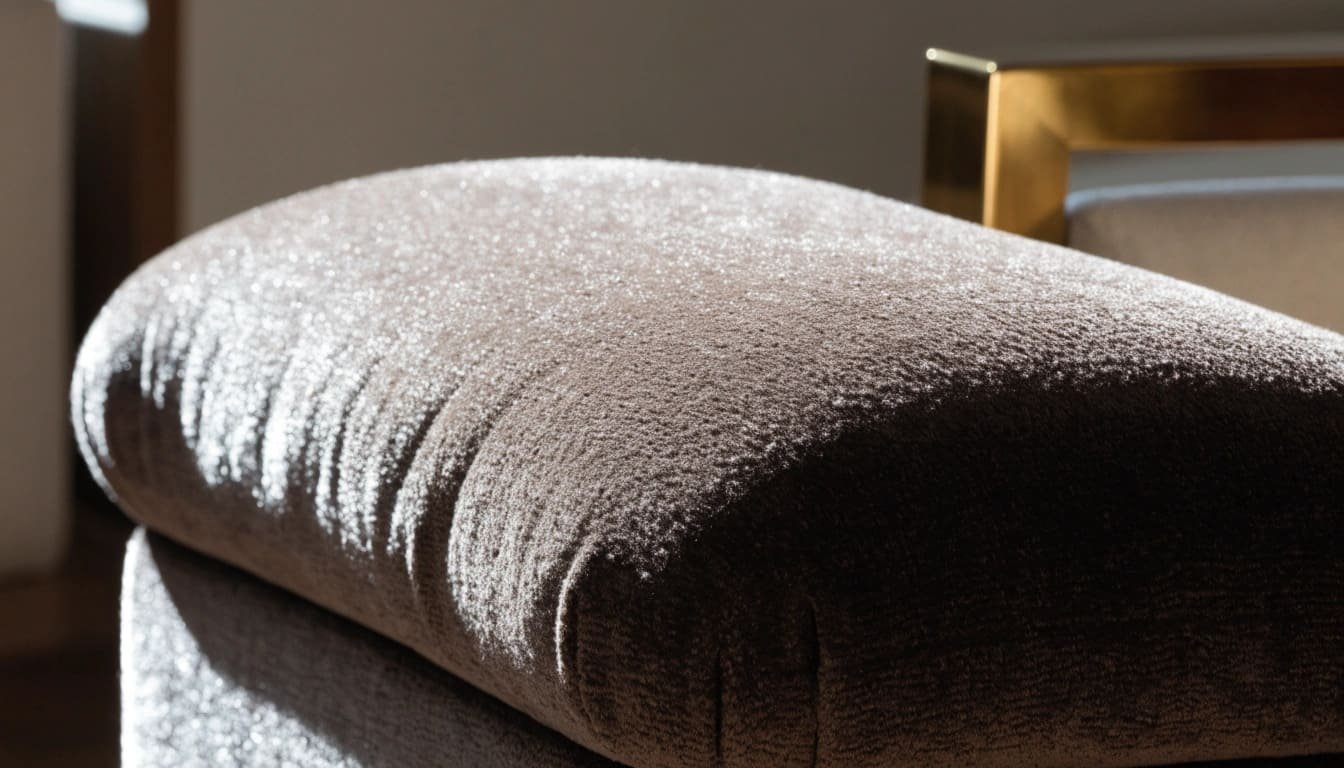
Think about how many times a guest opens a nightstand drawer or a family sits on a hotel sofa. It’s thousands of interactions a year. Residential hardware just isn’t designed for that kind of abuse. I’ve seen cheap drawer slides bend and fail within months. The doors on wardrobes start to hang crooked because the hinges can’t support the weight. That’s why we exclusively use commercial-grade hardware. Our drawer slides are ball-bearing mechanisms that are rated for heavy loads and tested for at least 100,000 cycles. Our cabinet hinges come with soft-close dampers and are equally robust. It’s a small detail, but it’s the difference between a drawer that glides smoothly for a decade and one that jams after a year. The same principle applies to upholstery. The “sinkhole” effect you see in cheap sofas comes from low-density foam. We use high-resilience (HR) foam with a density of at least 45 kg/m³ (around 2.8 lb/ft³). Density is a measure of durability, not firmness—it means there’s more material packed into the foam, so it can withstand compression over and over without breaking down. When a guest stands up, the cushion returns to its original shape instantly. It won’t develop a permanent sag, ensuring both comfort and a clean look for the life of the piece.
Component | Residential Standard | NEXTOP Hotel Standard |
Drawer Slides | Basic roller slides, low weight capacity | Ball-bearing slides, tested for 100,000+ cycles |
Hinges | Standard, may sag over time | Heavy-duty, soft-close, 100,000+ cycle tested |
Foam Density | 1.8 lb/ft³ or lower | 2.8 lb/ft³ (45 kg/m³) or higher High-Resilience (HR) Foam |
Foam Lifespan | Sags and develops “dents” quickly | Retains shape and support for years |
These components are more expensive, but they are essential for creating furniture that truly performs in a commercial environment.
Why Is Hotel Furniture So Hard to Tip Over?
Have you ever leaned on a tall dresser and felt it wobble dangerously? This instability is a major safety concern. Hotel furniture is engineered specifically to prevent tipping, ensuring guest safety and rock-solid stability on any surface.
Hotel furniture is stable due to optimized weight distribution and hidden anchoring systems. Pieces like wardrobes and TV consoles are designed with a low center of gravity. Furthermore, they are secured to the wall with invisible hardware like French cleats, making them impossible to tip over. Heavy-duty adjustable feet ensure they stand perfectly level and firm, even on uneven floors.
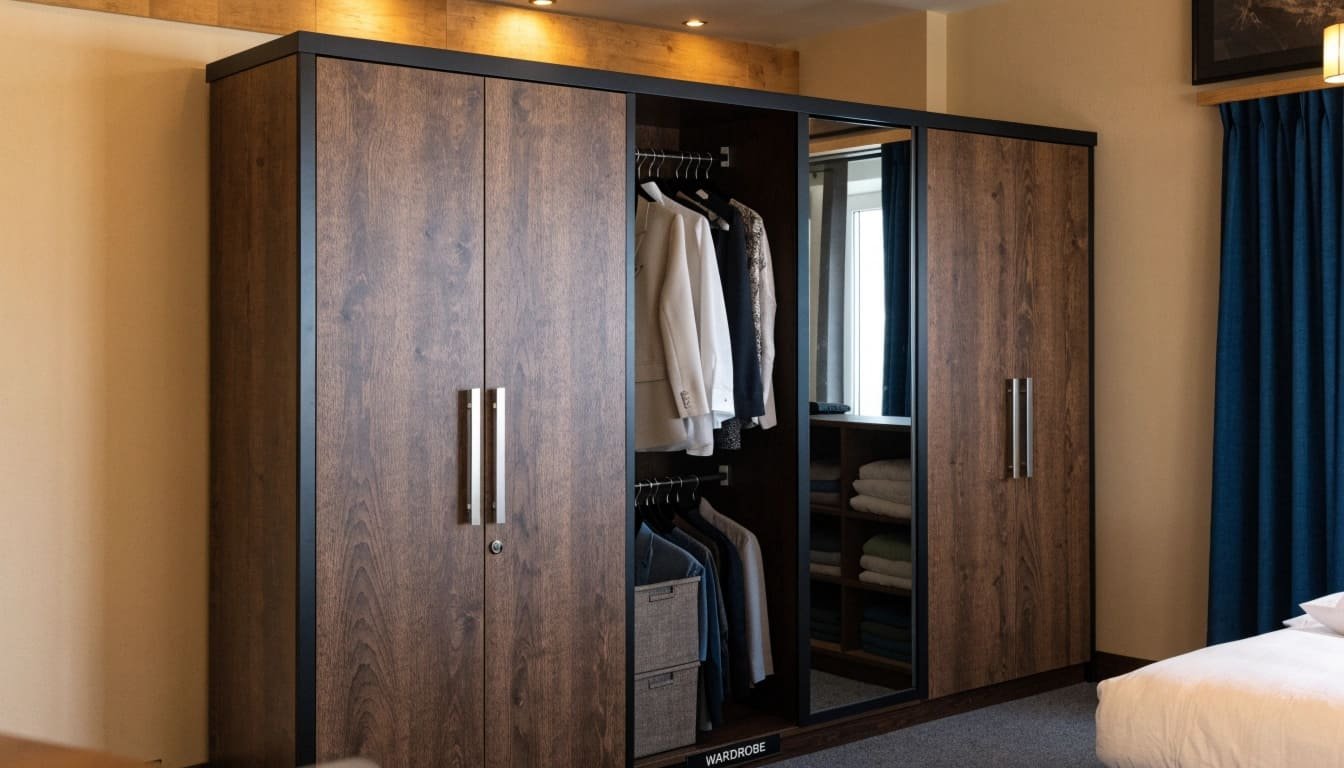
Stability isn’t just about how heavy a piece of furniture is; it’s about smart engineering. I’ve seen lightweight residential bookcases that are a real hazard for families with children. For hotels, ensuring guest safety is non-negotiable. Our first principle is designing for a low center of gravity. We place the heaviest components at the bottom of a unit to make it inherently stable. But we don’t stop there. For any tall or heavy item, like a headboard, wardrobe, or large media unit, we incorporate a hidden anchoring system. Our preferred method is the French cleat. A French cleat is a simple but incredibly strong system where two interlocking 45-degree beveled strips of wood or metal are used to hang a heavy object. One cleat is securely fastened to the wall studs, and the other is attached to the back of the furniture. The piece is then simply lifted and hung on the wall cleat. This not only makes it impossible to tip but also distributes the weight across the wall for a secure fit. Finally, we know that no floor is perfectly flat. That’s why we equip our casegoods with heavy-duty adjustable feet. This allows installers to level the furniture perfectly on-site, eliminating any potential wobble and ensuring doors and drawers align correctly.
Stability Feature | Residential Furniture | NEXTOP Hotel Furniture |
Center of Gravity | Often not considered in design | Optimized to be low for inherent stability |
Anchoring | Small plastic strap or nothing | Integrated French cleat system or heavy-duty brackets |
Adjustable Feet | None or small plastic glides | Heavy-duty, individually adjustable leveling feet |
Result | Can wobble or be a tipping hazard | Immovable, perfectly level, and secure to the wall |
This focus on stability and anchoring is the final piece of the puzzle. It’s an invisible feature that provides invaluable safety and a feeling of permanent, solid quality.
Conclusion
Hotel furniture is solid because it is engineered from the inside out. It relies on a heavy-duty frame, moisture-proof materials, commercial-grade hardware, and smart anchoring systems to guarantee a decade of performance.