Introduction
Struggling to find modern furniture that looks amazing and actually lasts? You specify sleek designs, but often get bulky, sagging results. It’s a common and frustrating problem for professionals.
The best modern furniture suppliers are not just factories; they are engineering partners. They use hidden steel structures for strength, control material joints to the micron, manage entire project integrations from the factory, and meet global compliance standards for large-scale commercial projects.
Finding the right partner goes beyond a simple catalog. It’s about understanding what truly separates a great supplier from an average one. I’ve spent years in this industry, and I’ve learned that the real magic is in the details you often can’t see. Let’s look at what professional buyers really look for.
How do they achieve ultra-slim designs without breaking?
You love the look of floating shelves and thin table legs. But you worry they will bend or break under pressure. This fear is valid for many products on the market.
Top suppliers embed a hidden, heavy-duty skeleton inside the furniture. They use high-strength hidden steel frames and precision mechanics within thin wood or stone. This ensures zero physical sagging and absolute stability, even in high-traffic commercial spaces or luxury homes.
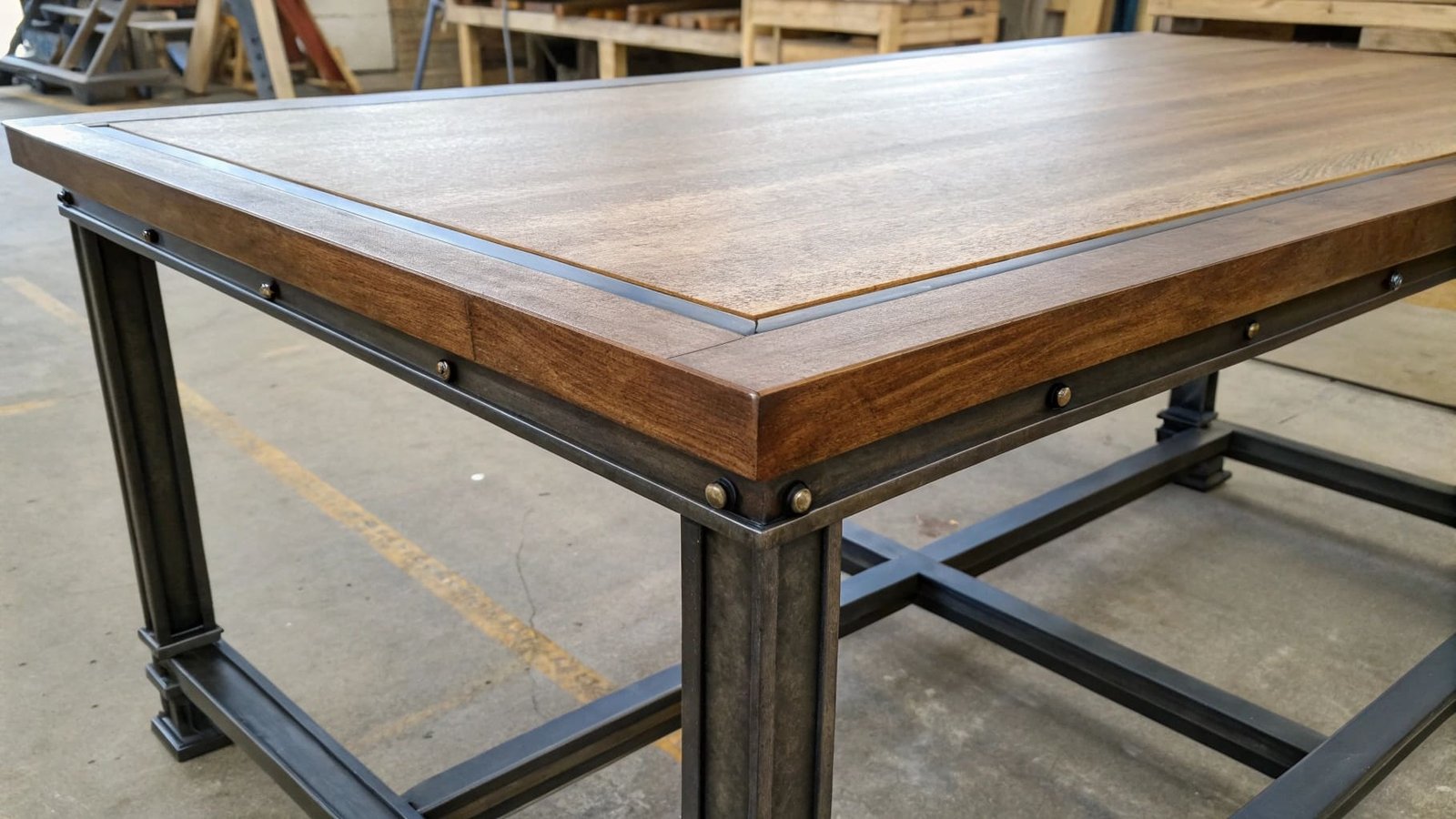
Modern design constantly pushes physical limits. We see incredibly slim lines, long cantilevers, and a sense of floating. These designs look great but are very difficult to produce. Many factories can’t replicate the aesthetic without compromising strength. The best suppliers solve this with what I call “invisible structural engineering.” They achieve the desired aesthetic by using a heavy-industry backbone. High-strength carbon steel is hidden inside the wood or stone, providing the real support. This process ensures the furniture can handle heavy use in commercial projects without failing. It will not sag or wobble over time, maintaining its perfect form for years.
The Challenge vs. The Solution
Design Feature | Common Problem | Top Supplier Solution |
Long Cantilevered Desk | Sagging in the middle over time | Integrated hidden carbon steel beam |
Thin-leg Dining Table | Wobbling and instability under load | Precision-engineered steel leg inserts |
Floating Media Unit | Pulling away from the wall | Reinforced mounting system with internal frame |
Why do material joints matter so much in high-end furniture?
Mixing materials like metal, stone, and wood looks stunning. But mismatched gaps or misaligned surfaces can ruin the entire effect. This makes expensive pieces look cheap and poorly made.
The best suppliers master how different materials meet. They use advanced CNC machines to control gaps to within fractions of a millimeter. This precision accounts for how materials expand and contract with temperature changes, resulting in a seamless finish where metal, wood, and stone look like one solid piece.
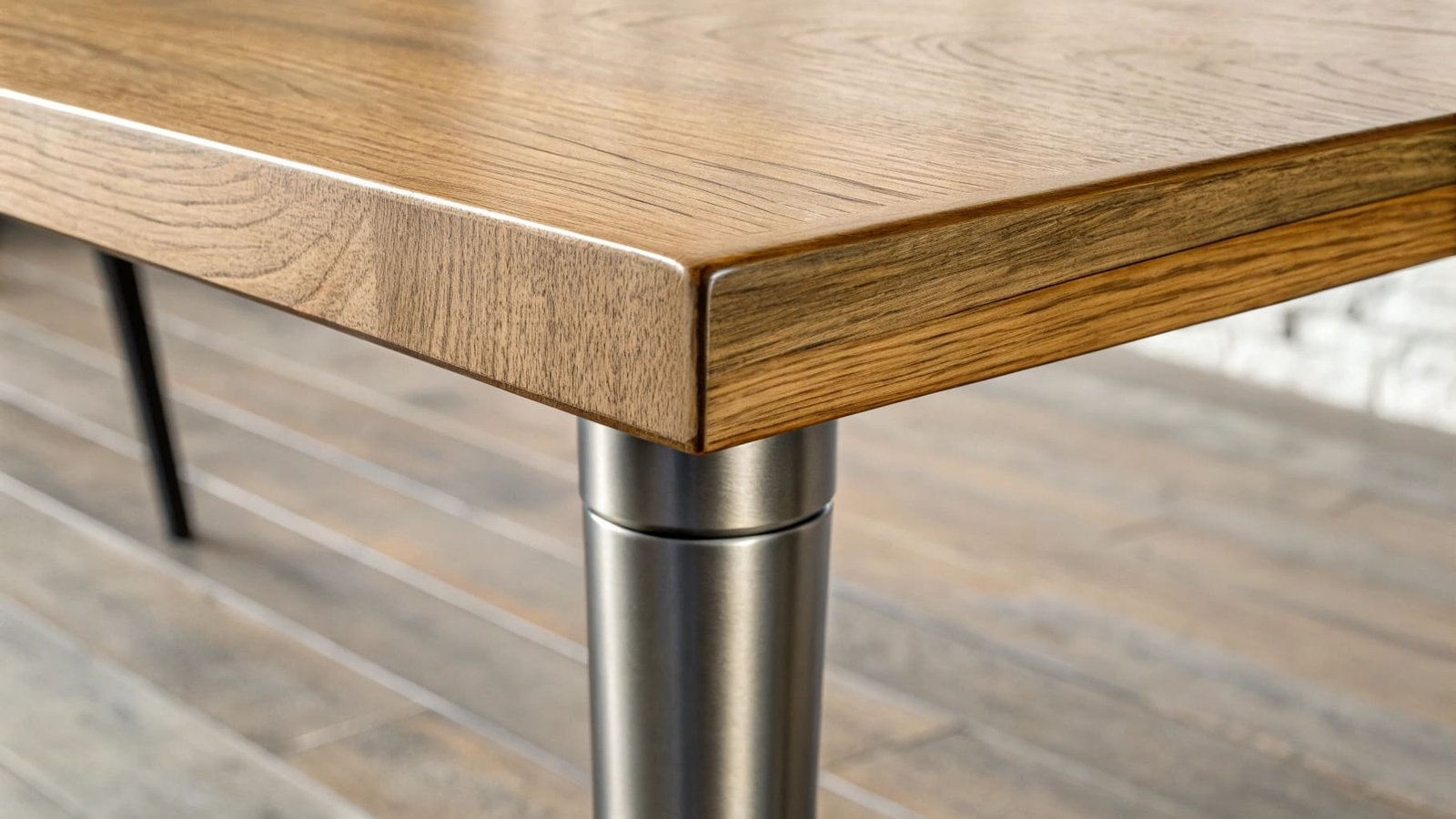
High-end spaces often integrate many different materials. Think of anodized aluminum next to imported stone, or leather panels set into wood veneers. I judge a supplier’s quality by how they handle the joints between these materials. Different materials expand and contract at different rates with changes in temperature and humidity. This can create ugly gaps or stress points over time. Top factories use 5-axis CNC machines to manage this perfectly. They can keep the tolerance for joints extremely tight, often within ±0.15mm. This precision creates a connection between metal and wood, or stone and metal, that feels almost seamless. It looks less like two materials joined together and more like a single, unified piece of industrial art. This level of detail is a clear and undeniable sign of a superior supplier.
How do you avoid a "patched-together" feel in a large project?
Your project includes custom sofas, bespoke millwork, and architectural metal screens. You worry that combining pieces from different suppliers will lead to a mismatched, unprofessional look. This is a huge risk in any high-stakes project.
The best suppliers don’t just sell individual items; they offer full project integration. They develop detailed shop drawings and can pre-assemble entire rooms in the factory for a mock-up review. This ensures everything fits perfectly, eliminating the need for on-site cutting or rework.
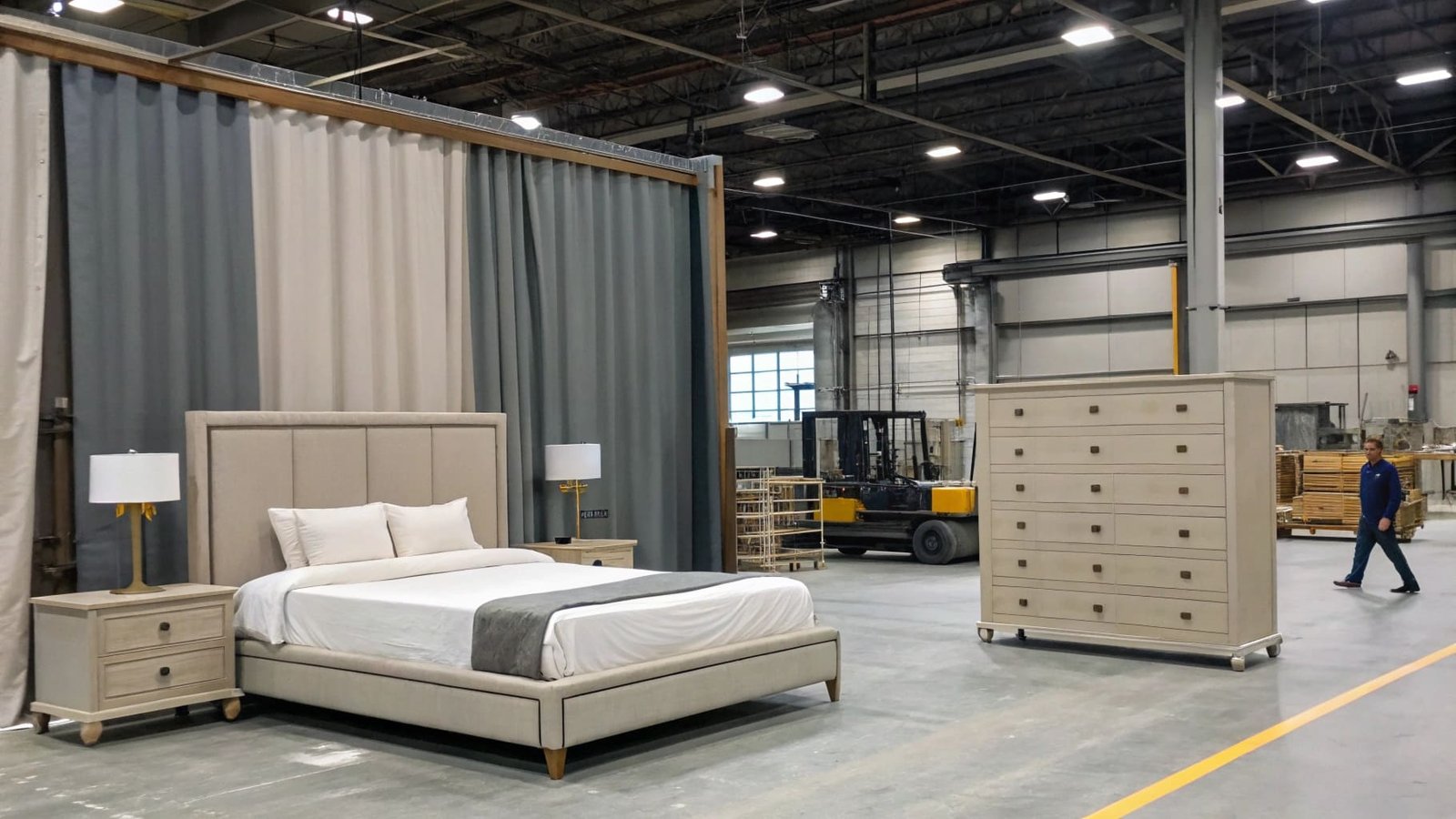
The worst outcome for a large commercial or residential project is a “patched-together” feeling. This happens when different elements don’t quite match. The best modern suppliers prevent this by managing the entire space as a single, cohesive system. They provide full-scope shop drawings and project coordination. For one of my recent hotel projects, our supplier took the sofa, custom millwork, metal screens, and even acoustic panels and built a complete mock-up in their factory. We reviewed every single detail before anything was shipped. This 100% pre-assembly process served as a physical contract that guaranteed a perfect fit on-site. It meant “zero cutting, zero rework” for the installation team. That is the definition of true project integration.
What makes a supplier ready for international commercial projects?
You are sourcing furniture for a hotel in another country. You are worried about meeting strict safety regulations and preventing shipping damage. A mistake in either of these areas could stop the entire project.
A top-tier supplier for international projects must meet strict global standards. This includes fire safety certifications like CAL 133 and environmental ones like LEED. They also design furniture for knock-down (KD) shipping to cut costs and ensure safe, seamless delivery anywhere in the world.

International projects have very strict rules. Compliance is often a pass/fail requirement. An excellent modern supplier must provide documentation for the highest international standards. This includes critical fire retardant certifications. For example, CAL 133 is a key standard for furniture in public spaces in the US, and BS 5852 is crucial in the UK. Environmental certifications like LEED or proof of zero VOC materials are also essential for green building projects. Beyond the paperwork, the supplier must be an expert in global logistics. They design furniture with knock-down (KD) structures. This means pieces can be disassembled for efficient, flat-packed shipping. It saves a significant amount of money on container space. More importantly, it ensures the furniture arrives safely and can be assembled perfectly on-site, no matter the final destination.
Conclusion
In short, the best suppliers are engineering-first partners. They combine hidden strength, precision craftsmanship, holistic project management, and global readiness to deliver your exact design vision without compromise.