Introduction
Finding great mid-century modern (MCM) furniture online feels like a gamble. You worry that the piece that looks so good in the photo will end up being a cheap, poorly made disappointment. The secret is knowing exactly where to look and what to look for.
You can buy mid-century modern furniture[^1] from large e-commerce platforms, official brand stores, or custom furniture suppliers[^2] with factory backgrounds. While big sites offer variety, the most reliable sources are brand stores for design accuracy[^3] and custom suppliers for tailored dimensions and proven commercial-grade quality.
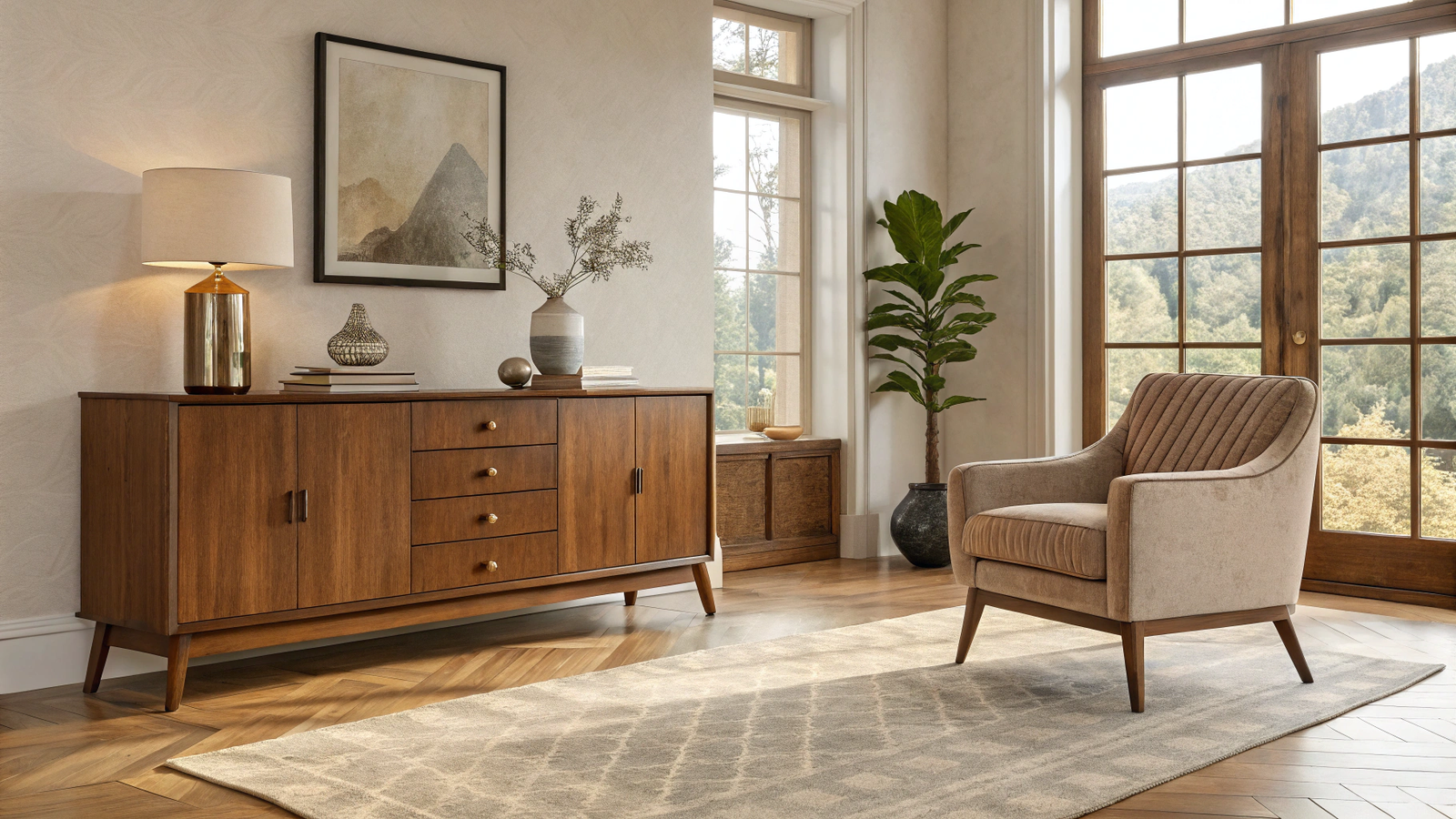
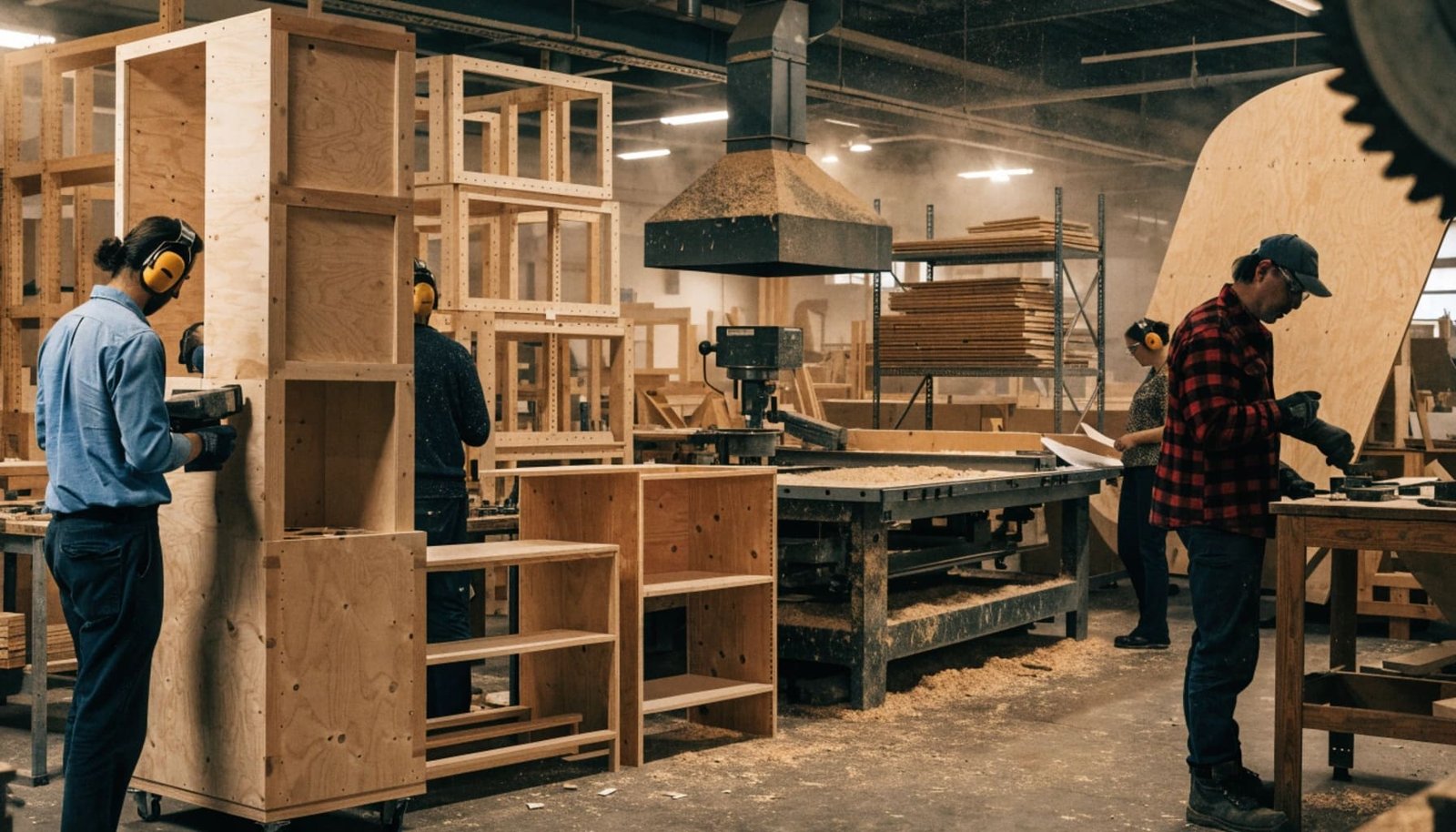
I’ve been in the custom furniture business for a long time, and I’ve seen it all. The world of online furniture can be tricky, especially for a style like mid-century modern where the beauty is in the details. A lot of what’s advertised as “MCM” misses the mark completely. It takes more than just tapered legs to capture that timeless look. But don’t worry, finding the right piece for your project is possible. You just need to know how to separate the great from the not-so-good. Let’s dive into how you can do that.
How do I judge the quality of online furniture stores?
Every website looks professional, but glossy photos can hide poor quality. You risk spending money on a piece that won’t last. The solution is to look for specific evidence of craftsmanship and a transparent process[^4] before you even think about buying.
To judge an online store’s quality, look past the marketing photos. Prioritize sellers who show real project portfolios[^5], provide detailed material lists[^6], and offer access to structural details or shop drawings[^7]. A proven track record of successful deliveries is a much better indicator of quality and reliability.
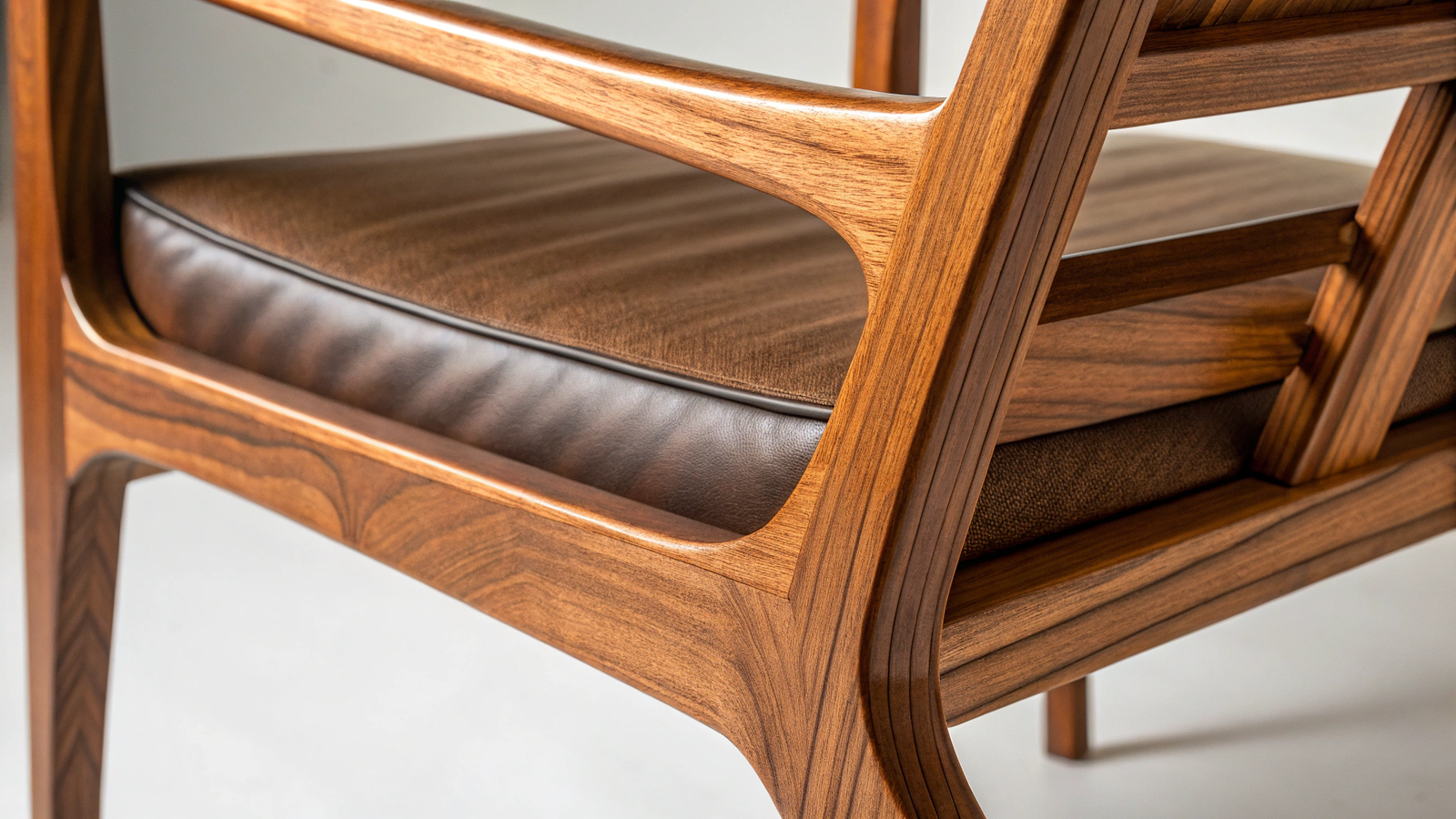
In my line of work, we live and die by our ability to prove our quality. When a client—whether it’s an architecture firm or a hotel group—comes to us, they aren’t just buying a chair; they’re buying confidence. That’s why you have to become a detective. Look for sellers who are proud to show you what’s “under the hood.” Do they only show beautiful 3D renderings, or do they have a gallery of completed projects in actual spaces? A reputable manufacturer will have a deep portfolio. Pay close attention to the descriptions. Vague terms like “hardwood” are a red flag. You want specifics like “FAS grade solid walnut[^8]” or “kiln-dried ash”. This level of detail shows they know their materials. Here’s a simple checklist I use when evaluating a new supplier:
Green Flags (Good Signs) | Red Flags (Warning Signs) |
Portfolio of completed projects | Only uses 3D renderings |
Detailed material specifications | Vague descriptions like “wood finish” |
Offers factory tours or production videos | No transparency into their process |
Provides shop drawings for approval | Hesitates to discuss construction details |
Positive reviews from industry professionals | Only has generic consumer reviews |
This is the kind of due diligence that prevents expensive mistakes. A seller who is transparent about their process is a seller who is confident in their product.
What are the differences between ready-made and custom-made MCM furniture?
You’ve found a beautiful sideboard, but it’s just a few inches too wide for the wall. Standardized, ready-made furniture[^9] often forces you to compromise your design. The key is to understand when to choose a ready-made piece and when to go custom.
Ready-made furniture from large retailers like West Elm or Article offers speed and predictable pricing but little to no flexibility. Custom-made furniture from a supplier with a factory background allows you to specify the exact dimensions, materials, and finishes, ensuring a perfect fit for your project’s unique requirements.

The choice between ready-made and custom really comes down to the needs of your project. If you’re furnishing a single room and find a piece that fits perfectly from a site like Joybird or Article, that can be a great solution. You get it quickly, and what you see is generally what you get. However, for my typical clients in the hospitality and commercial sectors, “close enough” doesn’t work. When you’re outfitting 100 hotel rooms, you need every nightstand to be exactly the same and built to withstand heavy use. That’s where custom manufacturing comes in. We can take a classic MCM design and adapt it—adjusting the height to match the bed, selecting a more durable finish, or using a specific wood veneer to align with the project’s overall aesthetic. [3] This process takes longer, but the result is a collection of furniture that is perfectly integrated into the design, both visually and functionally. It avoids the headaches of trying to force a standard product into a custom space.
Why is manufacturing capability so important for MCM furniture?
Mid-century modern furniture often looks deceptively simple. This leads many to believe it’s easy to make, but then they receive a knock-off that just looks and feels wrong. The truth is, that “simple” aesthetic is a direct result of highly precise manufacturing.
The iconic character of mid-century modern design comes from its clean lines[^11], specific proportions, and the natural texture of the wood. Without a manufacturer who has mastered structural control and finishing details, a piece quickly loses its elegance and soul, becoming a poor imitation of the original.
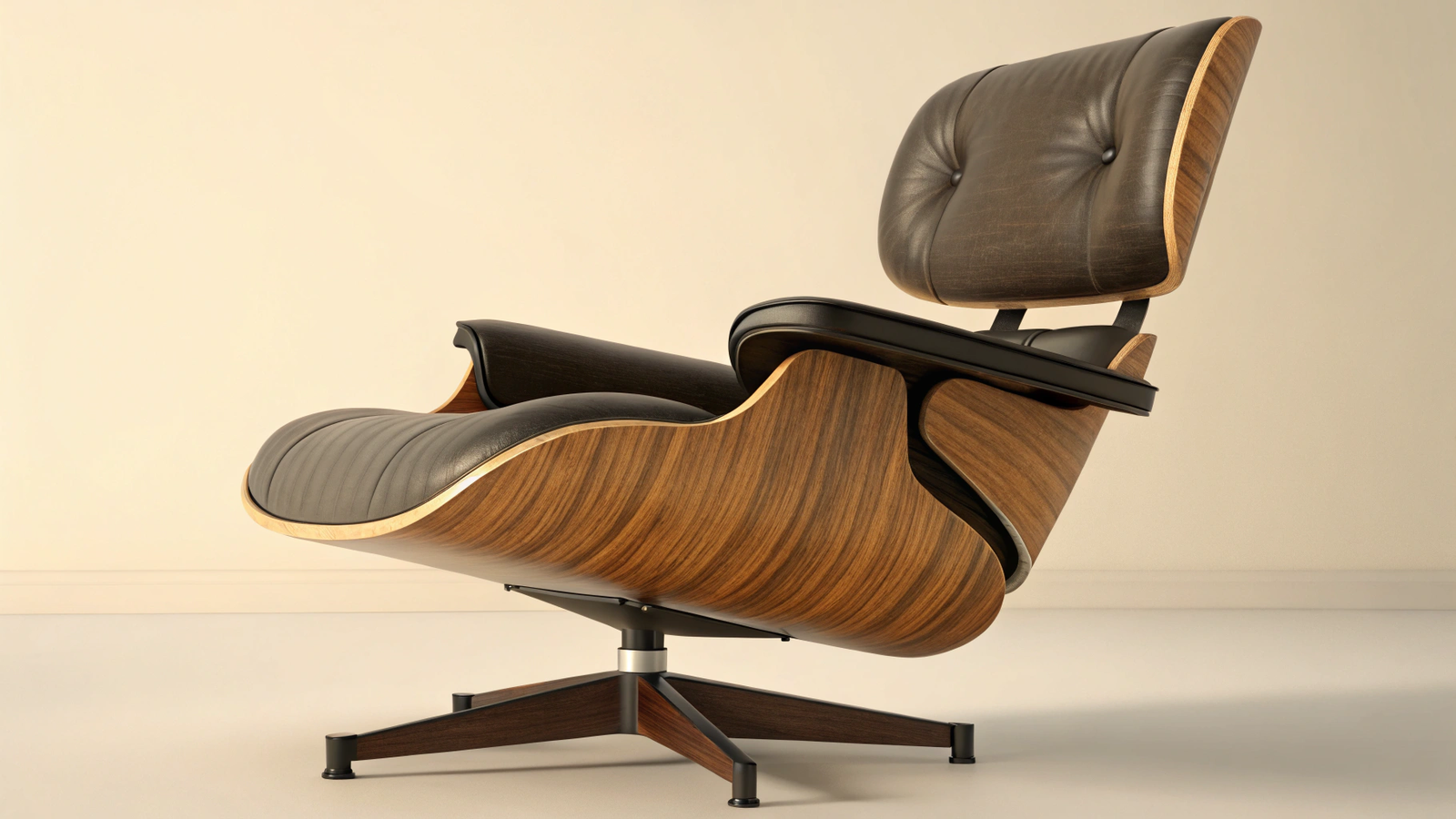
The beauty of an authentic mid-century piece[^12] is not accidental. Think about the gentle curve of a molded plywood chair shell or the seamless joinery on a Danish sideboard. These features require more than just a drawing; they require specialized equipment and deep expertise. The original designers were pioneers in using materials like plywood, bent steel, and new joinery techniques. A factory that primarily makes traditional furniture with basic tools simply cannot replicate these forms accurately. The angles will be slightly off, the curves won’t be as fluid, and the piece will feel clumsy.
The choice of wood and finish is just as critical. MCM design celebrates the material itself. [6] Designers favored high-quality woods[^13] like teak, walnut, and rosewood for their rich color and beautiful grain. A skilled manufacturer knows how to select the best veneers and apply a finish that enhances the wood’s natural character. A low-quality reproduction often uses cheaper wood or a thick, plastic-like lacquer that completely hides the grain, defeating the entire purpose. For my B2B clients, this is about brand standards. The furniture in their space must reflect quality, and that all starts at the factory.
Conclusion
Finding great mid-century modern furniture[^1] online is not about luck. It’s about looking past the glamour shots and focusing on suppliers who can prove their manufacturing quality and material expertise.
[^1]: Discover where to find authentic mid-century modern furniture online to ensure quality and design accuracy.
[^2]: Learn about suppliers who offer tailored dimensions and commercial-grade quality for unique projects.
[^3]: Understand the importance of design accuracy in maintaining the timeless look of mid-century modern furniture.
[^4]: Explore why transparency in the manufacturing process is crucial for ensuring quality and reliability.
[^5]: Find out how a supplier’s project portfolio can indicate their craftsmanship and reliability.
[^6]: Learn how detailed material lists can help you assess the quality and authenticity of furniture.
[^7]: Discover how shop drawings provide insight into the construction and quality of furniture pieces.
[^8]: Understand the significance of using high-quality materials like FAS grade solid walnut in furniture.
[^9]: Explore the benefits and limitations of choosing ready-made furniture for your space.
[^10]: Understand how precise manufacturing ensures the elegance and authenticity of mid-century modern pieces.
[^11]: Discover the design elements that contribute to the iconic clean lines of mid-century modern furniture.
[^12]: Find out how to distinguish authentic mid-century modern furniture from imitations.
[^13]: Learn about the types of woods that enhance the beauty and durability of mid-century modern furniture.