Introduction
Your old office furniture feels uninspired, and getting your team excited to return is a real struggle. This outdated approach hurts your company culture and fails to support modern work, making you question your investment in physical space.
The best office furniture solutions in the USA today blend hospitality-level design, engineering-grade durability, and agile modularity. This transforms a simple office into a productive system that attracts top talent, supports flexible work, and lowers long-term costs through a smart, integrated global supply chain.
This new way of thinking about office furniture might sound complex, but it’s actually a straightforward solution to the challenges modern businesses face. It moves beyond just buying desks and chairs and focuses on creating a powerful asset for your company. Let’s break down what this really means for your next project and how it can deliver real results.
Should Your Office Feel More Like a High-End Hotel?
Your office feels sterile and empty, struggling to compete with the comfort of home. This makes it hard to rebuild team culture and justify the high cost of your commercial real estate. Embrace “hotelification” to create a destination.
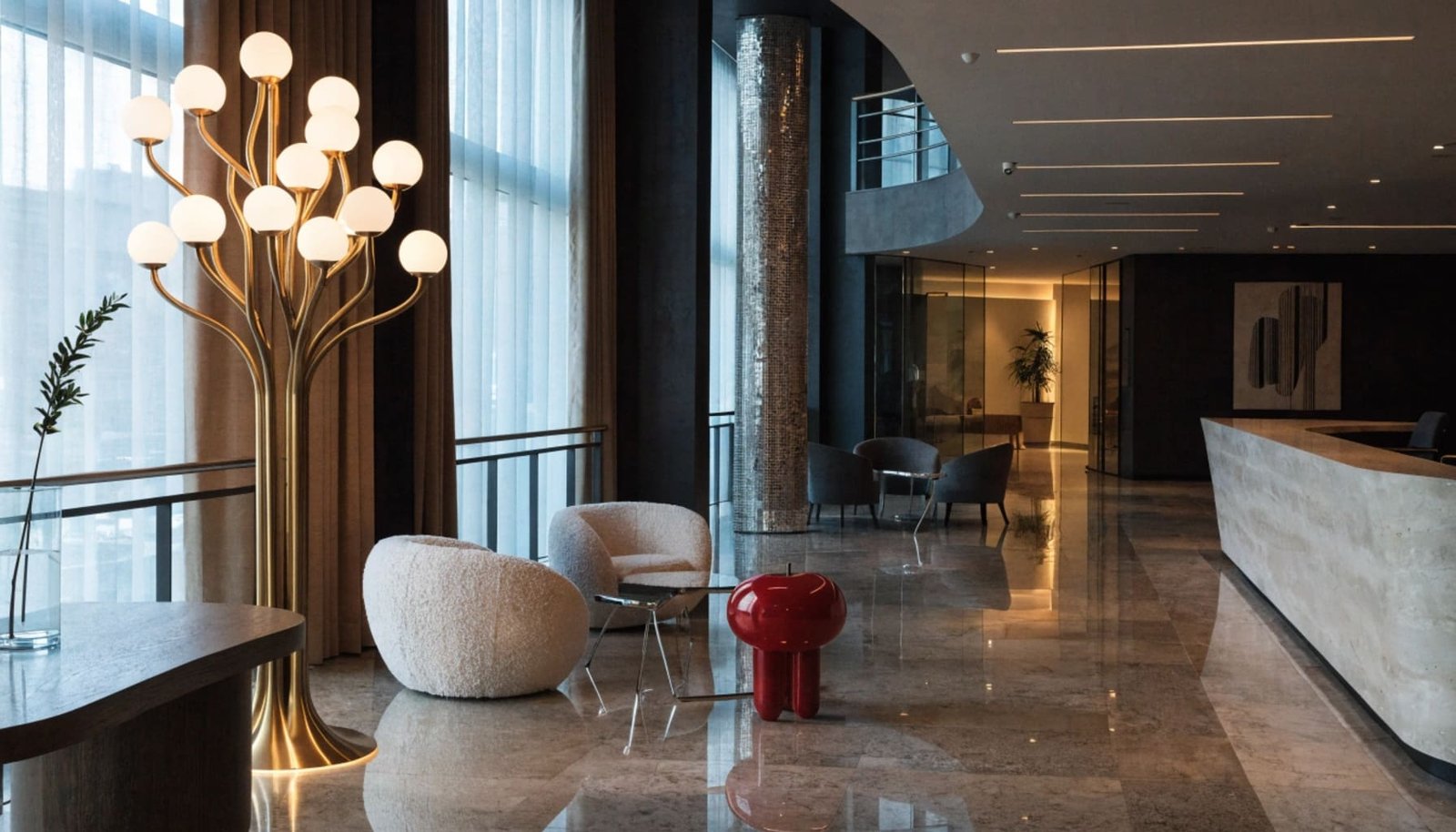
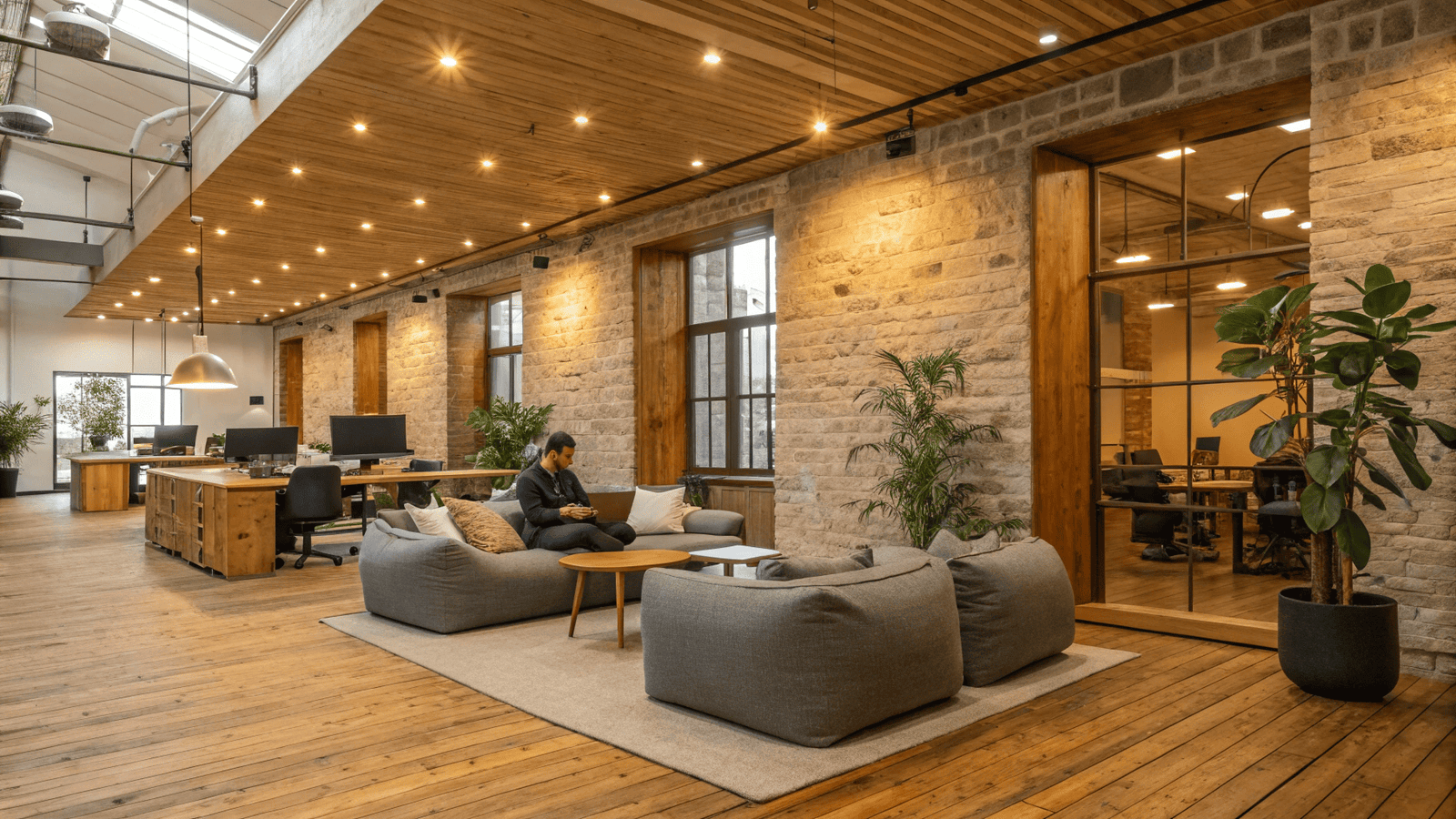
Yes, your office should borrow key elements from high-end hotel design. By using premium materials like warm woods, refined metals, and quality fabrics, you create an inviting and valuable atmosphere. This makes the office a hub for collaboration and culture, boosting employee morale and retention.
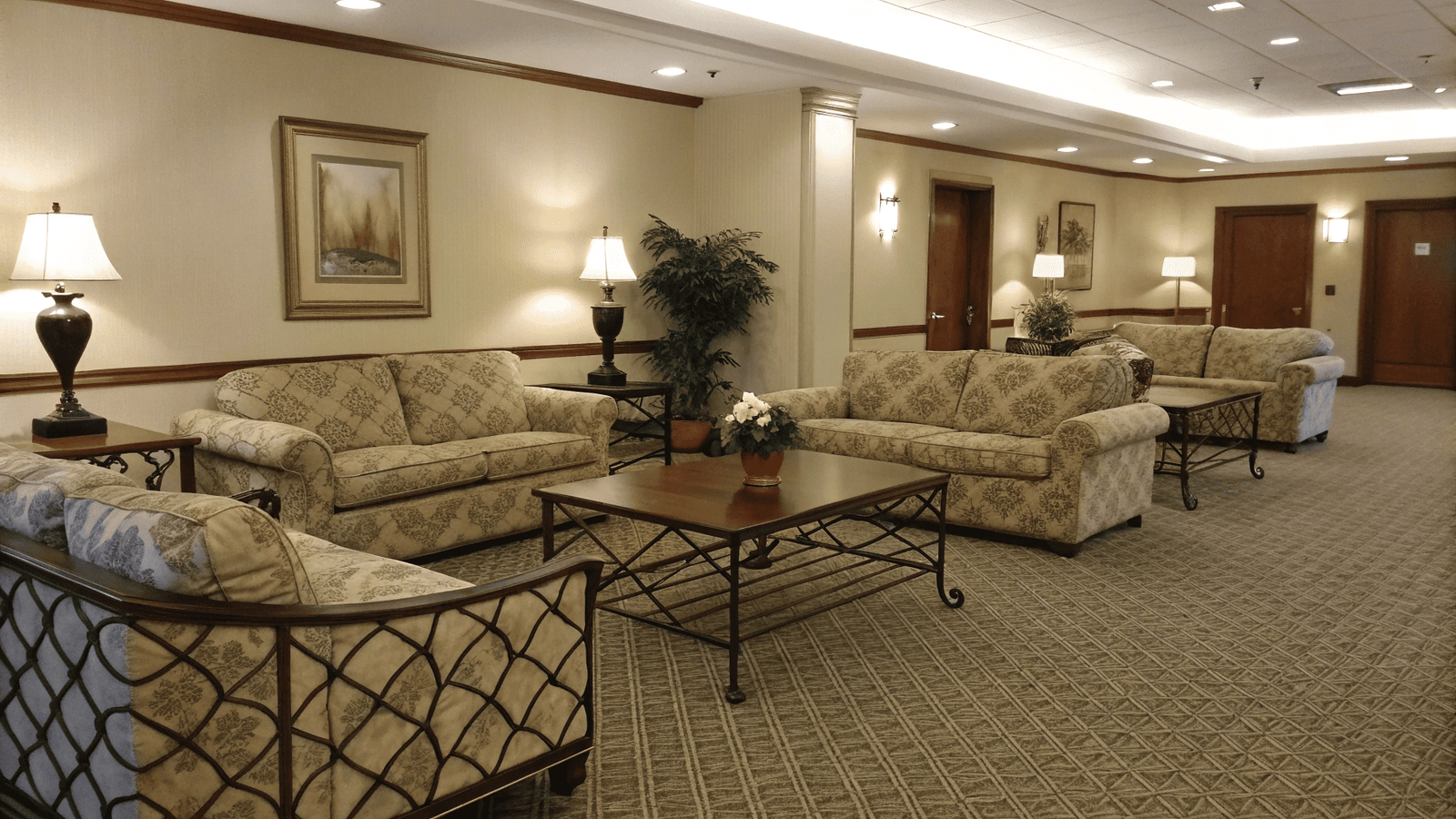
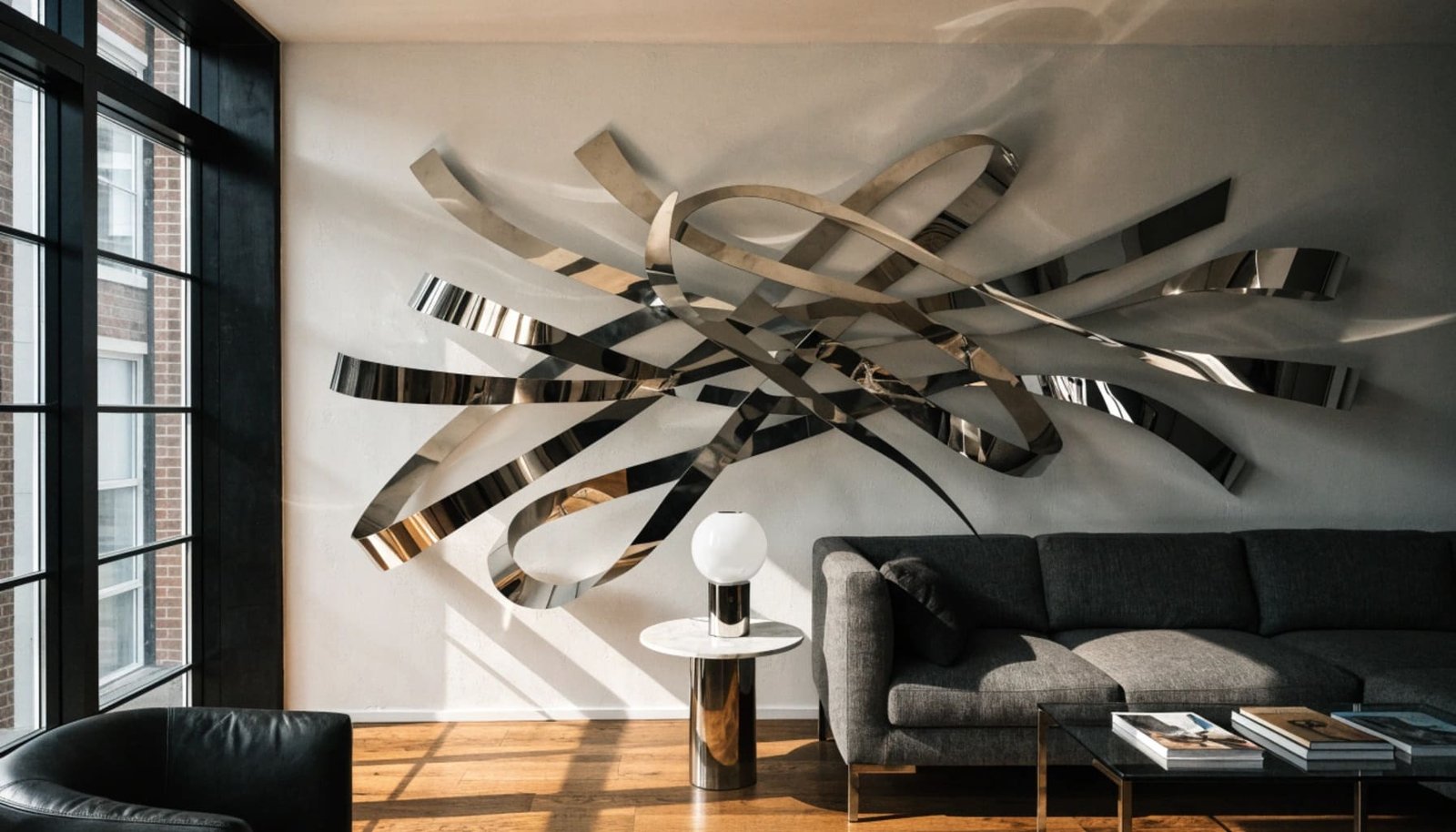
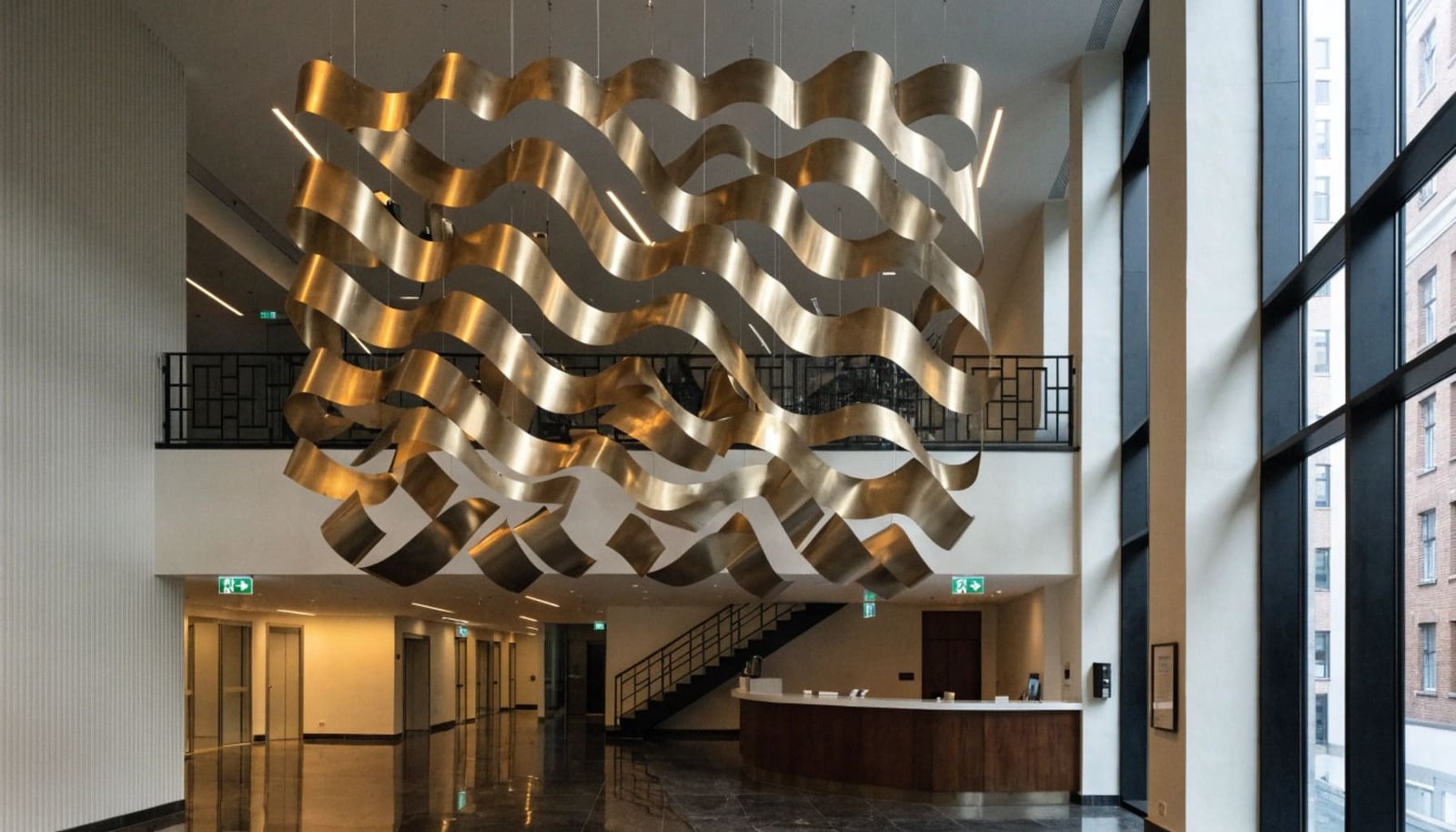
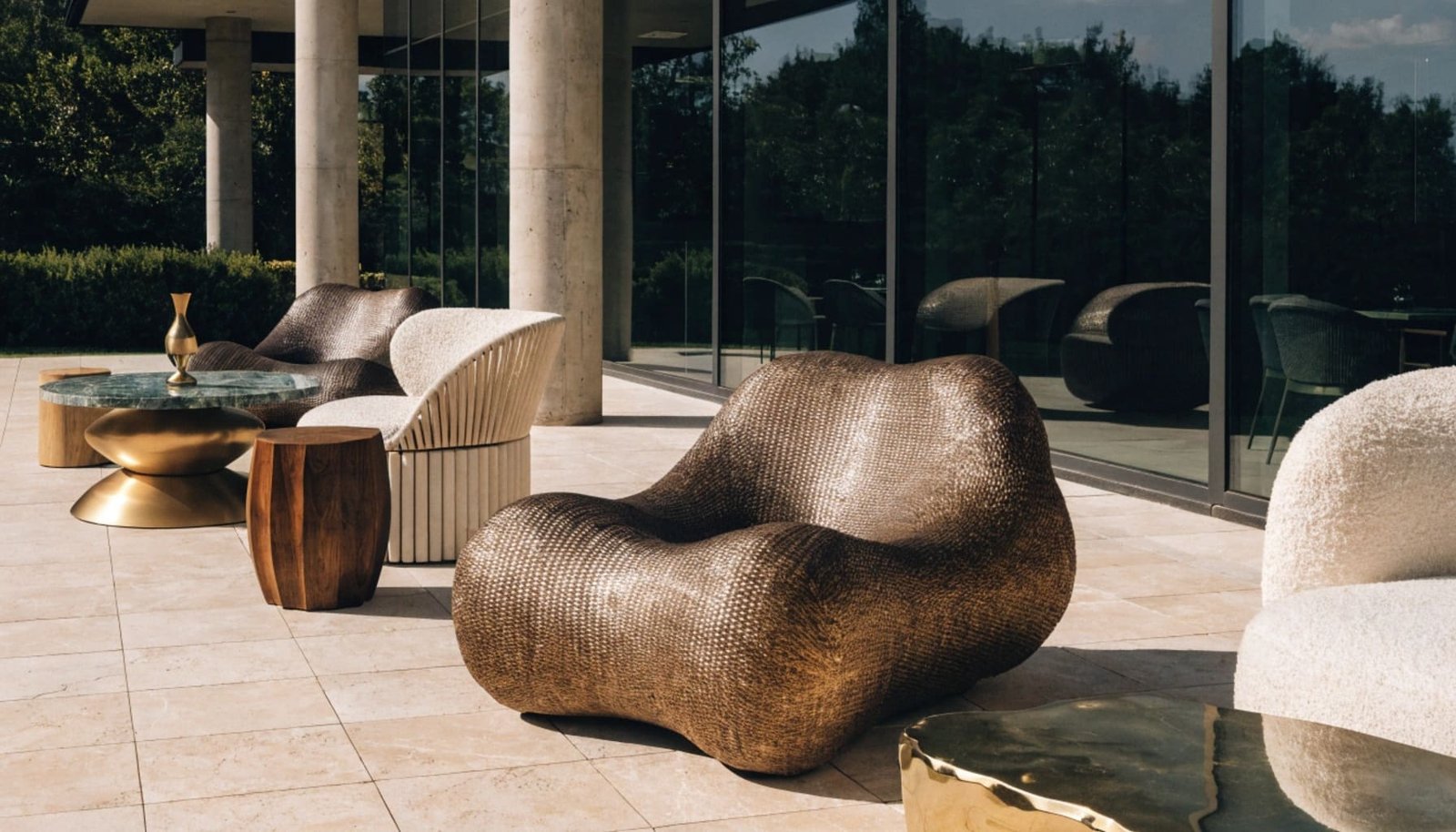
With hybrid work as the new standard, the office is no longer just a place for heads-down tasks. It has become a space for cultural immersion, deep collaboration, and high-value social interaction. I’ve seen firsthand that companies are now investing in furniture not just for function, but to actively attract their teams back. The key is what we call “hotelification,” or bringing the material language of a luxury hotel into the workspace. This means replacing the cold, impersonal feel of traditional workstations with a more refined and comfortable environment. Imagine a central island topped with light luxury stone, elegant metal trim on casegoods, and the warm, welcoming texture of solid wood. This approach creates a “third space” that feels both exclusive and collaborative, making employees feel valued and excited to connect in person.
Feature | Traditional Office | “Hotelified” Office |
Atmosphere | Cold, functional, uniform | Warm, inviting, varied |
Materials | Plastic laminate, basic fabric | Solid wood, stone, metal, rich textiles |
Focal Point | Rows of desks | Central hub, lounge, café area |
Purpose | Individual task work | Collaboration, culture, connection |
Is Your Furniture Built to Outlast Your Lease?
You are tired of furniture that wobbles, scratches, and breaks down after just a few years of use. These constant repairs and replacements drain your budget and create endless disruptions for your team and facilities manager.
Absolutely. Your furniture should be a long-term investment, not a recurring expense. You should look for engineering-grade durability that goes far beyond basic BIFMA standards. This includes heavy-duty frames, commercial-grade finishes, and robust hardware designed for high-frequency use, which significantly reduces maintenance and replacement costs.
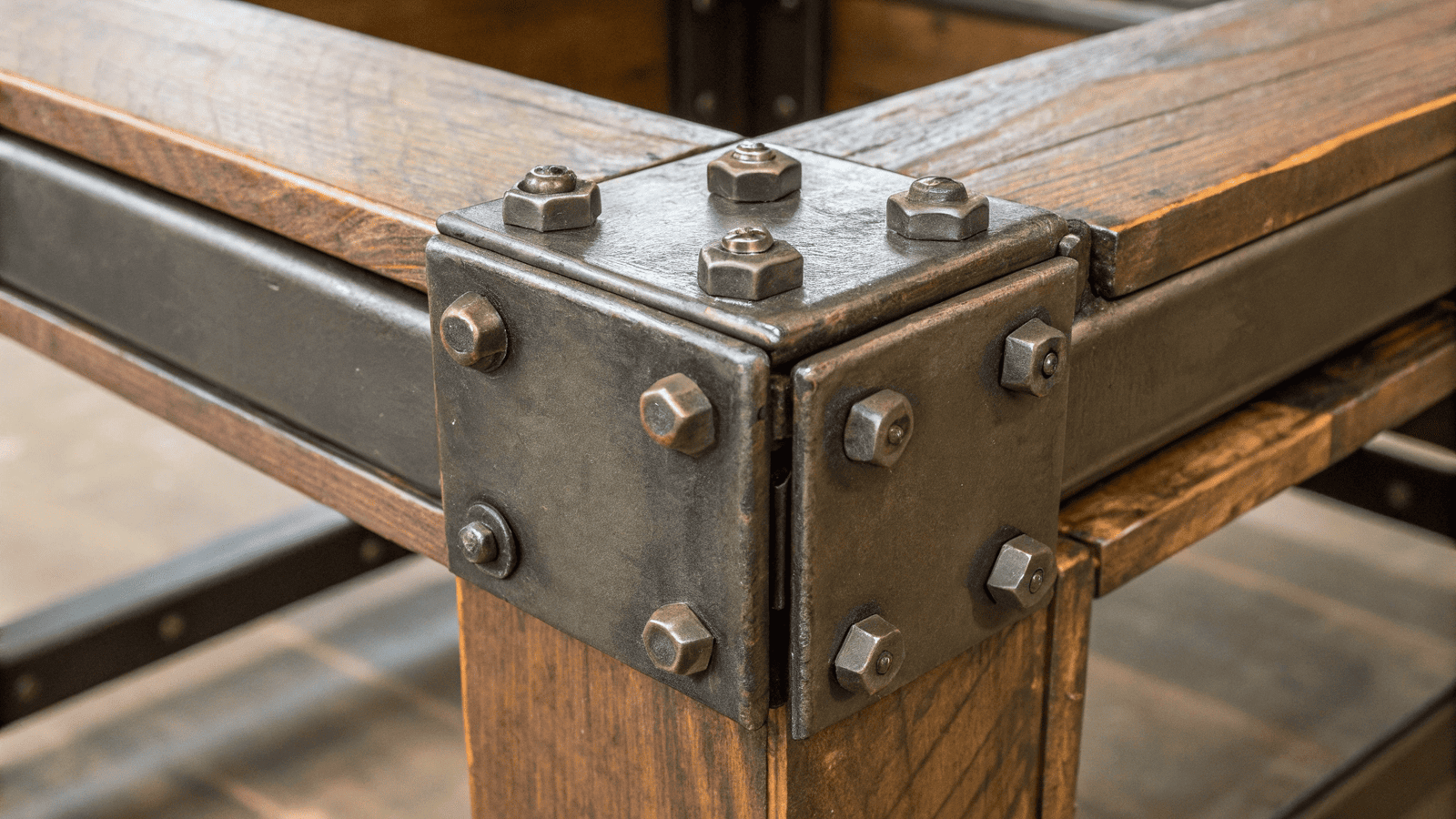
In the US market, compliance with standards like ANSI/BIFMA is the absolute minimum. But for commercial projects with high traffic, just meeting the standard isn’t enough. The real value lies in engineering for the furniture’s entire lifecycle under intense use. We focus on the invisible physical properties that determine true longevity. For example, instead of just bolting legs on, we use heavy-duty, industrial-grade metal skeletons to ensure tables and workstations have zero wobble, even under heavy loads. We use engineered surfaces that are not only anti-bacterial but also highly resistant to scratches and the harsh chemicals used in commercial cleaning. I remember a project for a large tech campus where their common areas were used 24/7. We built their tables with welded steel subframes and a special laminate finish. Years later, they still look new, which proves that focusing on “engineering-driven certainty” saves clients a fortune in hidden maintenance and replacement costs over time.
Aspect | Standard BIFMA Compliance | Engineering-Grade Durability |
Frame | Bolted assembly, meets minimum load | Welded industrial-grade metal, zero wobble |
Surface | Standard laminate, prone to scratches | Anti-bacterial, scratch-proof engineered finish |
Hardware | Standard cycle rating | Tested for 100,000+ cycles, silent operation |
Focus | Passing a one-time test | Long-term performance in high-use settings |
Can Your Office Adapt as Fast as Your Business?
Your team structure is constantly changing to meet new project demands, but your office layout is fixed and rigid. This mismatch creates chaos, with messy cables everywhere and spaces that no longer fit their purpose.
It must. Modern offices need to be fluid to support today’s dynamic workflows. The solution is modular furniture systems designed for “Activity-Based Working.” Think movable partitions, easily reconfigurable desks, and perfectly integrated cable management. This allows you to transform spaces instantly, eliminating visual clutter and supporting your team’s needs.
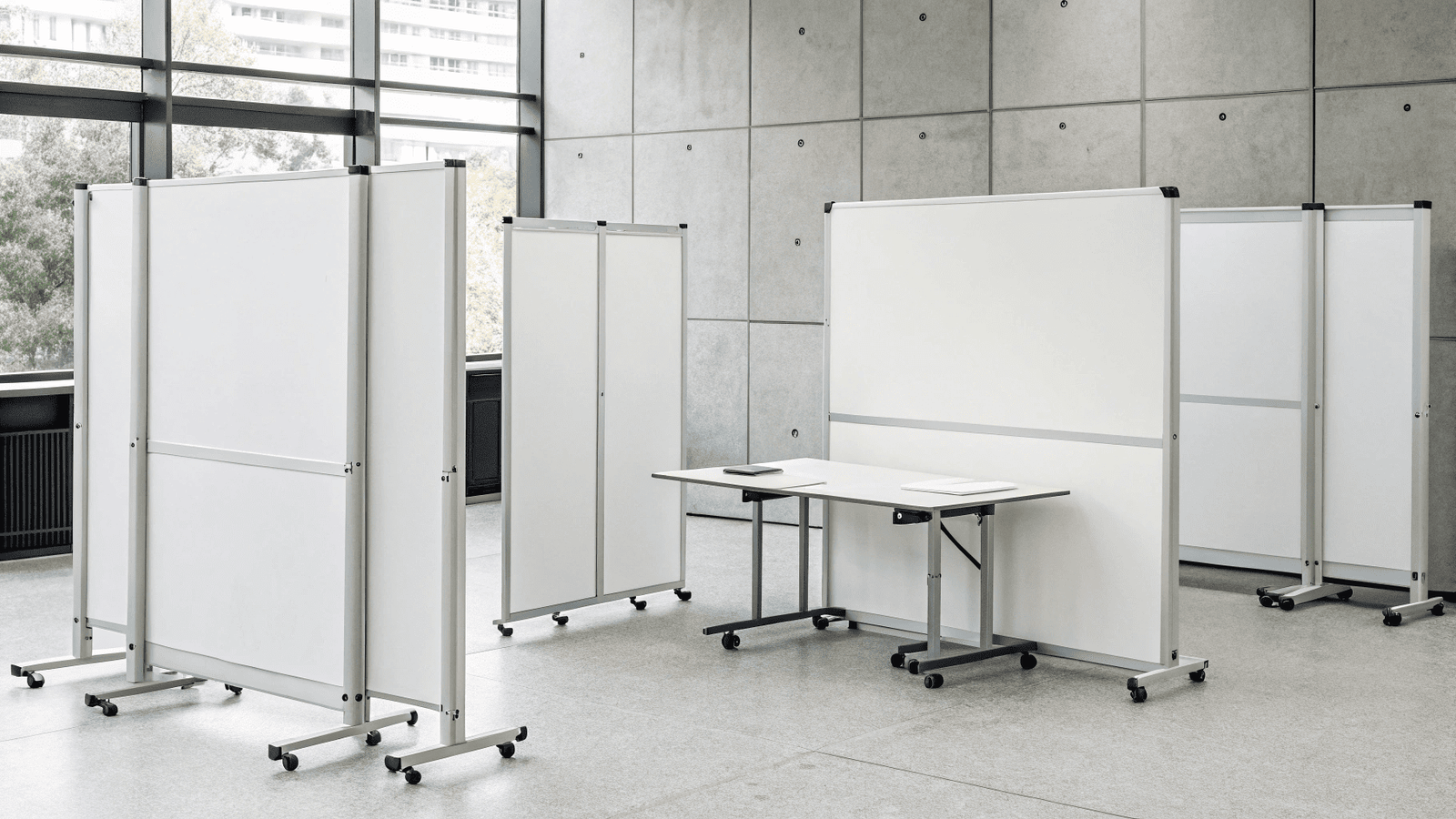
The era of the fixed, assigned workstation is over. Today, spaces must have a natural “flow” that can be adjusted as your business evolves. The most effective way to achieve this is through what we call “plug-and-play modularity.” The goal is to give you the power to reconfigure a space quickly and without friction. This could be a mobile partition that acts as a privacy screen for a small meeting or a multi-functional collaboration table that perfectly hides all power and data systems, eliminating the visual mess of wires. On a project for a fast-growing startup, we developed a system of rolling whiteboards that also served as acoustic dividers, alongside workstations on casters with a single connection point for power and data. Their facilities team could completely reorganize a 20-person department during a lunch break. This level of flexibility comes from an extreme focus on engineering, controlling physical tolerances, and ensuring materials join together seamlessly.
Office Style | Fixed Layout | Agile & Modular Layout |
Flexibility | Low; requires renovation to change | High; reconfigurable in minutes or hours |
Cable Management | Messy, exposed wires | Fully integrated and hidden |
Space Usage | Inefficient, single-purpose zones | Efficient, multi-purpose, activity-based |
Ideal For | Static, predictable organizations | Dynamic, project-based teams |
How Do You Get High-End Custom Furniture Without Breaking the Bank or Missing Your Deadline?
You need custom, high-quality furniture to bring your design vision to life. But US manufacturing is extremely expensive, and importing from a typical trader is a huge gamble on quality, communication, and on-time delivery.
You solve this by partnering with a manufacturer who offers an end-to-end integrated solution. This model combines the cost-effectiveness and capability of direct factory production with the precision and accountability of international project management. It’s the best way to bridge the gap between your design and a reliable delivery.
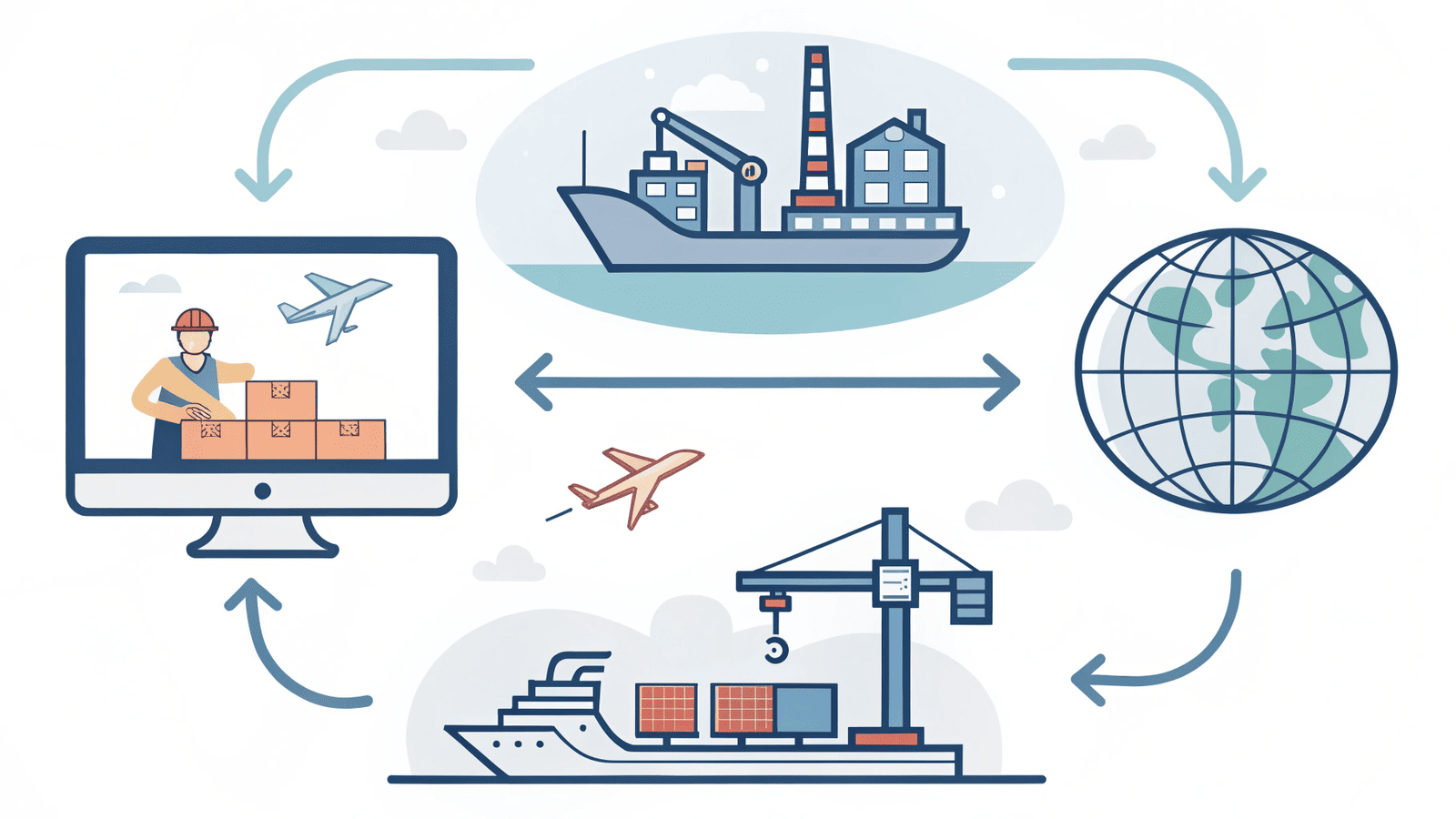
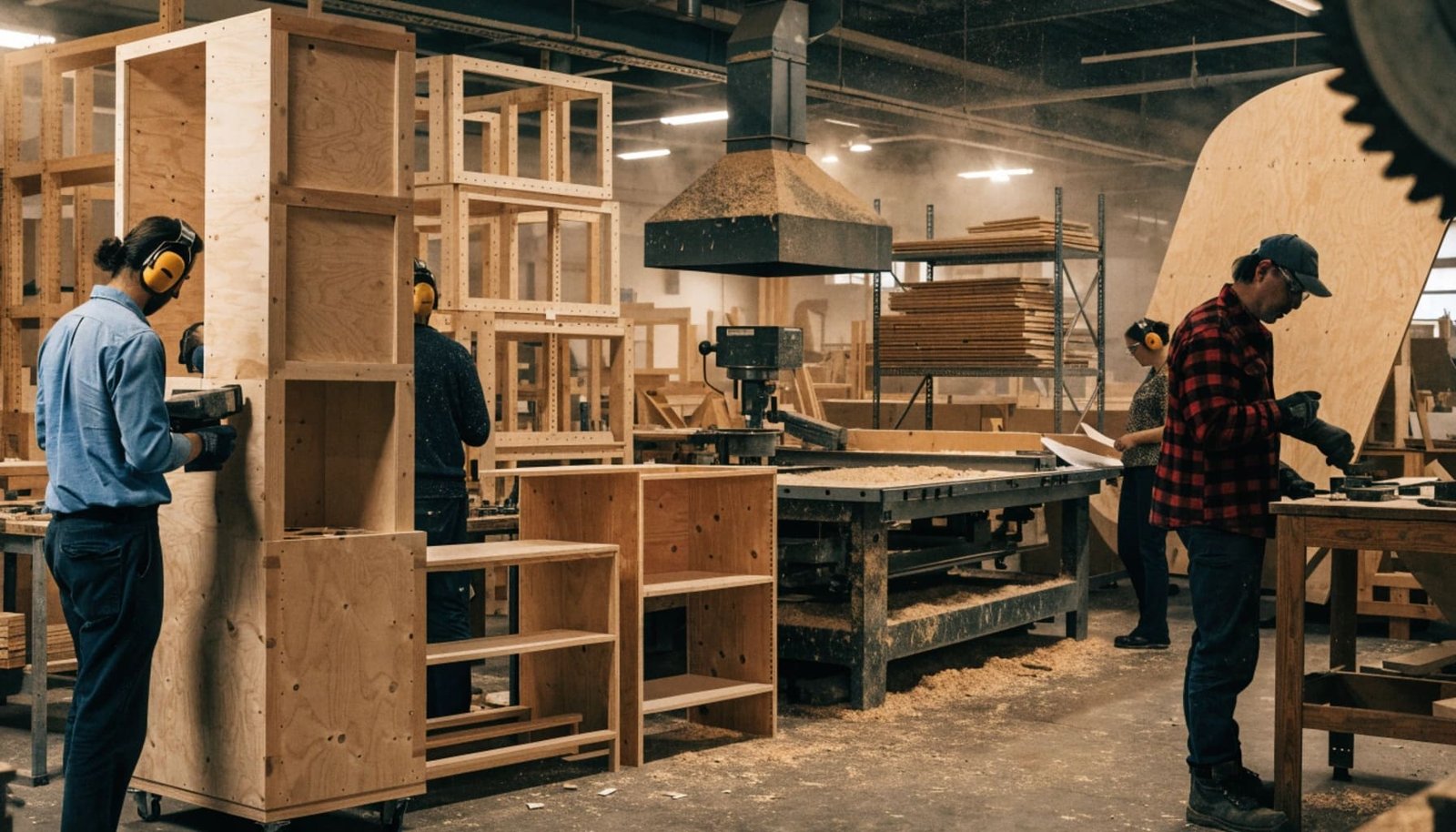
For large commercial projects in the US, time is money. A delay in your furniture delivery means you’re paying rent on an empty space. This creates a difficult choice: pay the premium for domestic manufacturing or risk the headaches of traditional importing, where quality is inconsistent and communication is broken. The real solution is a new model: an integrated partnership that combines factory manufacturing power with international project execution. We work directly from the architect’s or designer’s drawings, using digital modeling to ensure every detail is perfect. Then, our flexible production lines allow us to produce everything—metalwork, woodwork, and upholstery—under one roof. This ensures a perfect match in finishes and quality. Finally, we manage the entire process, from production to global logistics and on-site assembly coordination. This “end-to-end integrated delivery” is the optimal way to balance your budget with uncompromising quality and a predictable timeline.
Sourcing Method | Traditional Importing | Integrated Supply Chain |
Communication | Multiple disconnected suppliers | Single point of contact, direct to factory |
Quality Control | Inconsistent, hard to manage | Unified standard across all materials |
Coordination | Client manages multiple vendors | Fully coordinated by manufacturing partner |
Result | Mismatched finishes, delays, budget overruns | Consistent quality, on-time, on-budget |
Conclusion
The best office solutions merge hospitality design with engineered durability and modular flexibility, all delivered through a seamless global supply chain to ensure your project’s success.