Introduction
Worried your hotel furniture won’t last? High guest traffic can quickly ruin beautiful pieces. This creates unexpected costs and damages your brand’s luxury image.
The key is to choose furniture based on four core principles: contract-grade durability, seamless multi-material construction, low-maintenance surfaces, and certified international compliance. Focusing on these transforms furniture from a purchase into a long-term asset that performs under pressure and protects your investment.
Choosing the right furniture is more than just picking a design. It’s about investing in assets that perform under pressure. For years, I’ve seen hotel projects stumble by prioritizing aesthetics over engineered quality. The most successful operators understand that the true value of furniture lies in its ability to handle the intense demands of a hospitality environment. Let’s explore what truly sets luxury hotel furniture apart. This knowledge will help you make smarter decisions for your projects, ensuring every piece contributes to your brand and your bottom line.
Why Does Hotel Furniture Need to Be More Than Just Beautiful?
You approve a stunning furniture sample for your new hotel. But six months after opening, sofas are sagging and tables are wobbling. This is a common and costly problem.
High-end hotel furniture must be “contract-grade,” meaning it is engineered for extreme durability and heavy public use. It uses reinforced frames, high-density foam, and wear-resistant fabrics to withstand constant use by guests. This focus on robust construction ensures longevity and protects your investment.
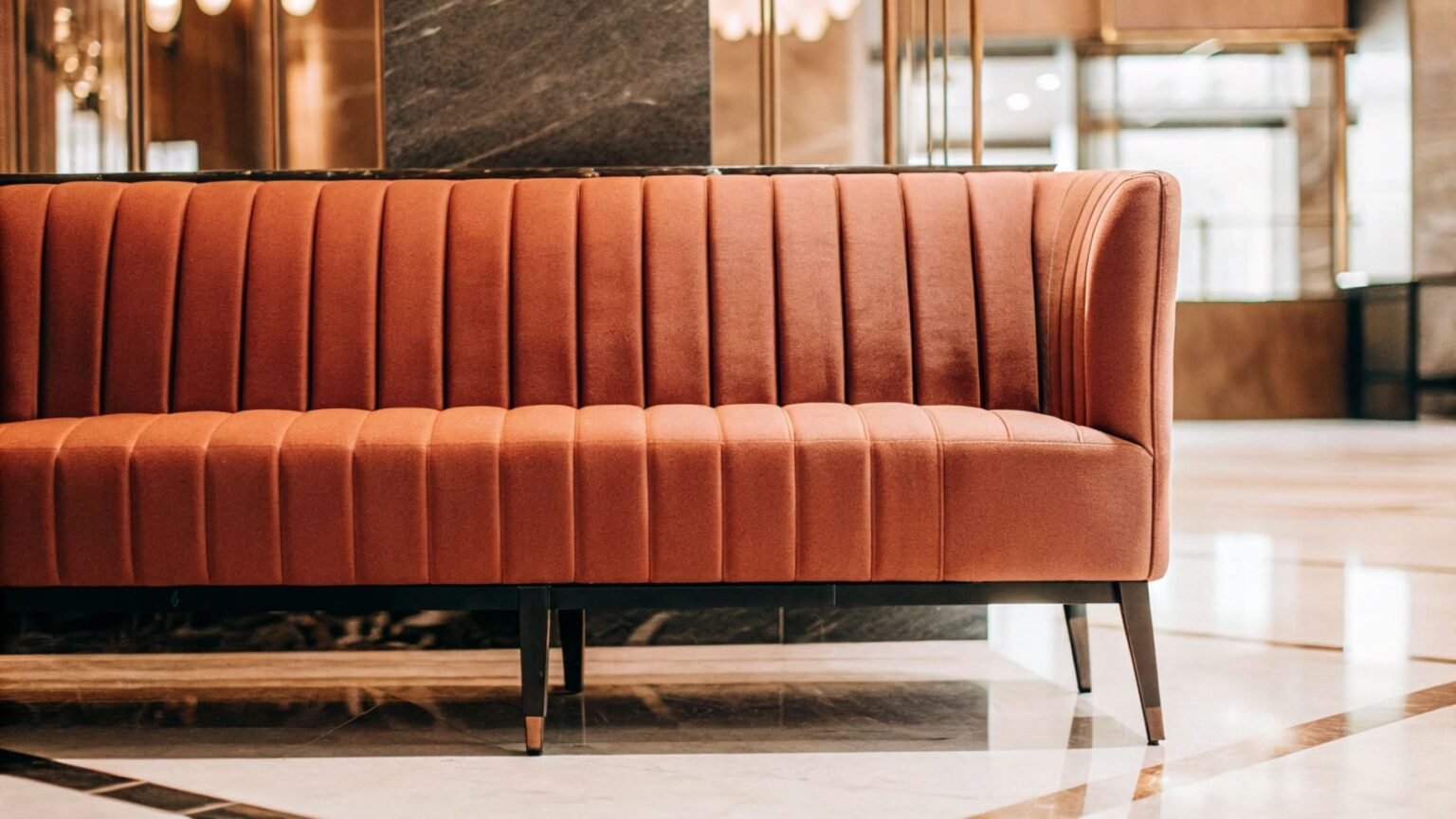
In the hospitality world, I call the best furniture “longevity hedge engineering.” It’s designed to counteract the damage from high-frequency, heavy-volume guest traffic. Many people make the mistake of choosing furniture that looks great in a showroom but fails quickly in a real-world hotel setting. This is because residential furniture isn’t built for the demands of a commercial space. The real secret to durable hotel furniture is focusing on the physical specifications that are invisible to the eye. For example, a sofa frame should never be made from ordinary pine. Instead, we use composite skeletons made of high-strength carbon steel combined with North American kiln-dried hardwood. The foam inside must be high-density, high-resilience (HR) foam, which bounces back and resists sagging. The fabric must pass extreme abrasion tests to avoid looking worn out. By using these tough, engineering-grade standards, the furniture can handle the constant use from guests for years to come.
Specification | Standard Residential Grade | Premium Contract Grade |
Frame | Softwood (e.g., Pine) | Kiln-Dried Hardwood & Carbon Steel |
Foam Density | 1.8 lb/ft³ or less | 2.5 lb/ft³ or higher |
Fabric Abrasion | 15,000-25,000 Martindale rubs | 100,000+ Martindale rubs |
Fire Safety | Basic or none | Certified (e.g., BS 5852, CAL 133) |
How Can You Mix Materials Like Metal, Stone, and Wood Without Them Cracking?
You want a stunning lobby piece that combines steel, marble, and wood. But you’re afraid temperature and humidity changes will cause ugly gaps or cracks over time. This is a valid concern.
The solution is micron-level tolerance control during manufacturing. Top suppliers use “pre-emptive structural audits” and advanced shop drawings to plan for how different materials expand and contract. They engineer hidden joints and support structures to keep everything perfectly aligned and prevent cracking.
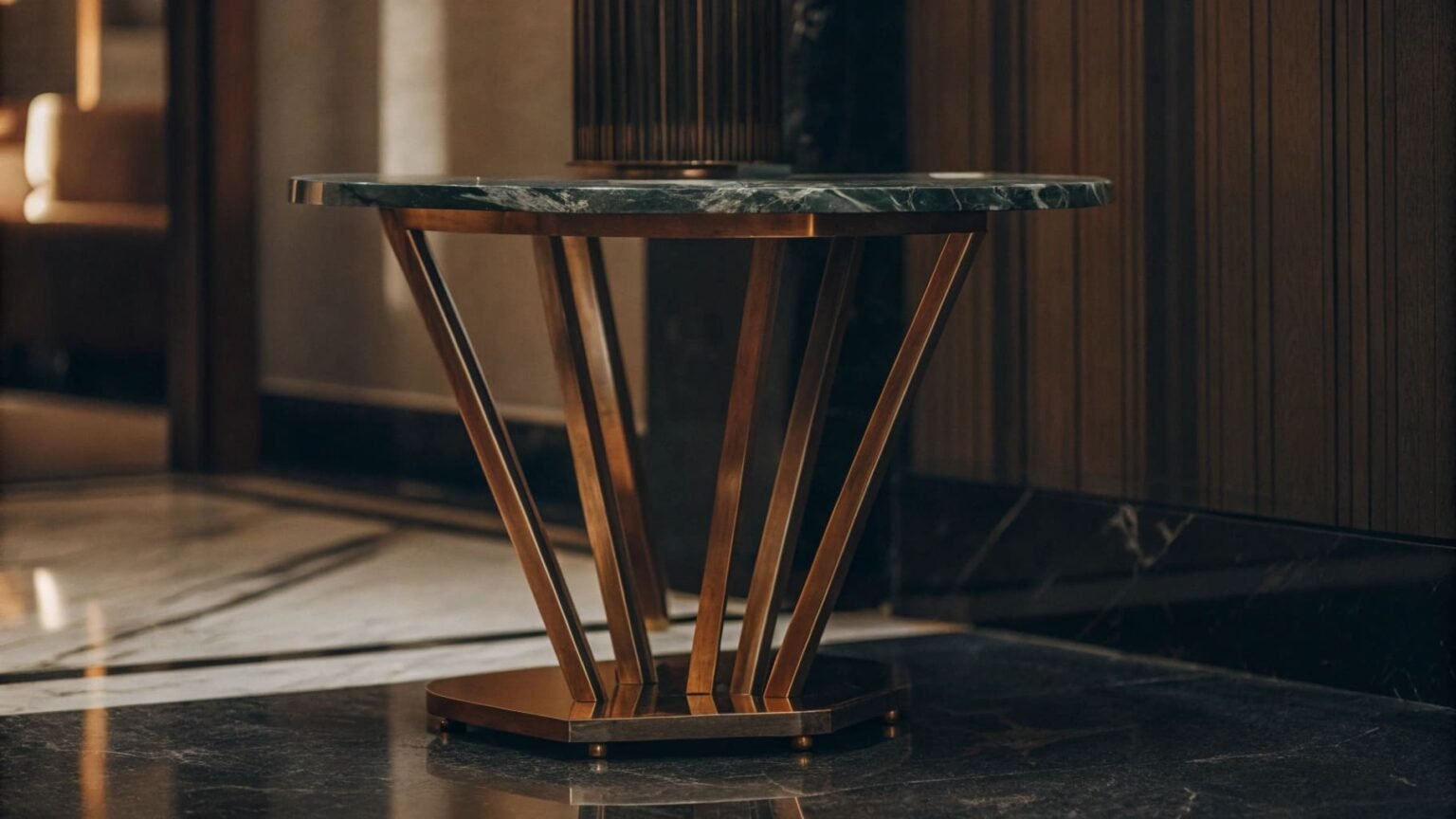
One of the biggest failures I see in hotel projects is when complex, multi-material furniture starts to fall apart. This often happens in locations with dynamic climates, like seaside resorts or cold regions. Materials like stainless steel, natural marble, and solid wood all expand and shrink at different rates with changes in temperature and humidity. Without proper engineering, this movement can cause joints to split and surfaces to warp. The mark of a leading supplier is their ability to manage this from the very beginning. During the shop drawing phase, we conduct a “pre-emptive structural audit.” This means we design invisible expansion joints and anti-deformation supports into the furniture. By controlling the gaps between different materials to within ±0.15mm, we ensure that even as the materials naturally move, the structure remains perfectly seamless and intact. This obsessive attention to detail is what allows a complex piece to look flawless for years, regardless of the environment.
How Can You Keep Hotel Furniture Looking New with Less Work?
Your maintenance team is constantly fighting stains, scratches, and fingerprints on your expensive furniture. The cleaning costs are high, and the furniture’s lifespan feels short. There has to be a better way.
The solution lies in advanced surface technology. You should choose furniture with low-maintenance finishes designed for commercial environments. This includes PVD-coated metals with anti-fingerprint layers and woods with aviation-grade lacquers. These surfaces resist spills and wear, cutting your total cost of ownership (TCO).
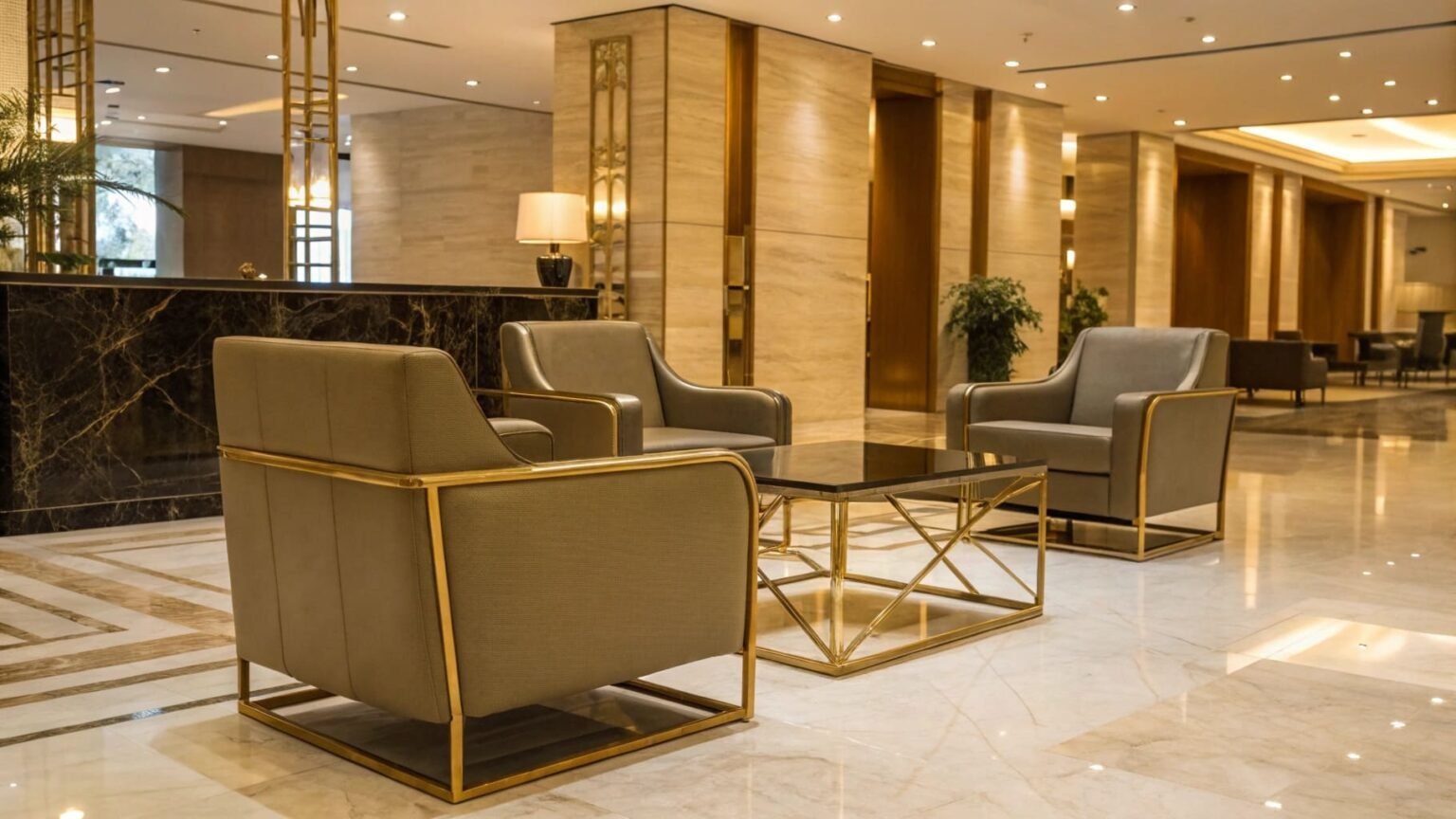
I think of high-performance furniture as an “invisible asset manager” because it actively works to reduce long-term costs. Hotel furniture is constantly exposed to destructive elements—perfume, spilled wine, and harsh chemical disinfectants can ruin a finish overnight. A key selling point of top-tier custom furniture is its superior surface engineering. For metal parts, we use a process called Physical Vapor Deposition (PVD), which applies a hard, durable coating that is much tougher than standard plating. We pair this with an anti-fingerprint finish to ensure mirrored surfaces stay clean and don’t tarnish. [11, 14] For woodwork, we use aviation-grade lacquers that are extremely resistant to scratches and chemicals. Fabrics can be treated with molecular-level technology that repels water and oil, preventing stains. By giving the furniture these “self-cleaning” properties, we drastically reduce the maintenance burden and lower the hotel’s long-term Total Cost of Ownership (TCO)
How Do You Ensure Your Custom Furniture Meets International Safety Standards?
Imagine your custom furniture shipment arrives after months of production. But it gets rejected on-site because it doesn’t meet local fire safety codes. This is a project-killing disaster.
Always partner with a manufacturer who guarantees international compliance and provides full documentation. They should be able to prove that the furniture meets strict fire safety and environmental standards. This includes holding certifications like the UK’s BS 5852 or the US’s CAL 133 for commercial use.
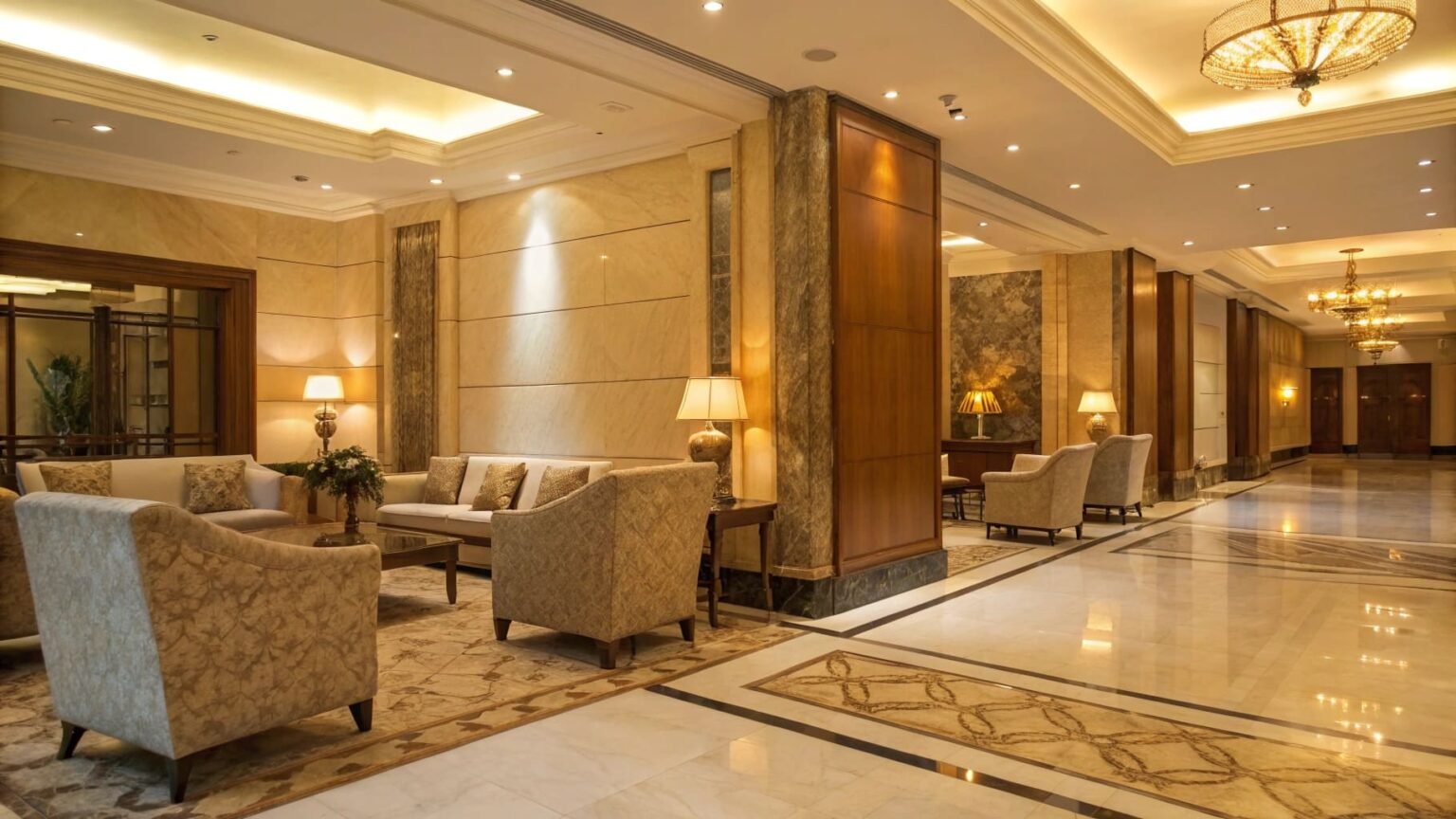
In the world of global B2B hotel projects, compliance is the absolute lifeline. I’ve heard horror stories from designers and developers whose furniture was denied entry at the project site because it failed to meet local regulations. This is a nightmare scenario that can cause massive delays and financial losses. A truly professional manufacturer offers what I call “zero-risk customs clearance.” This process starts at the very beginning, with the raw materials. We ensure that all components are tested for things like formaldehyde content and acoustic properties. Most importantly, all upholstered items must pass rigorous fire safety tests to achieve certifications like BS 5852 in the UK or CAL 133 in the US. These standards test how furniture reacts to ignition sources, ensuring it is safe for public spaces. Having this complete and verifiable documentation protects the project, the property, and the people inside it.
Conclusion
Choosing high-end hotel furniture is about investing in durable, low-maintenance, and compliant assets. This approach protects your brand’s reputation and ensures long-term value and safety for your property