Introduction
A guest room often feels like an afterthought. This can leave visitors feeling unwelcome. But with the right approach, you can create a truly premium, five-star experience for them.
The secret is designing furniture with universal comfort, integrated storage, and multi-functional zones. It also involves focusing on invisible assets like silence and air quality. This approach elevates a simple room into a welcoming, high-end space for any guest.
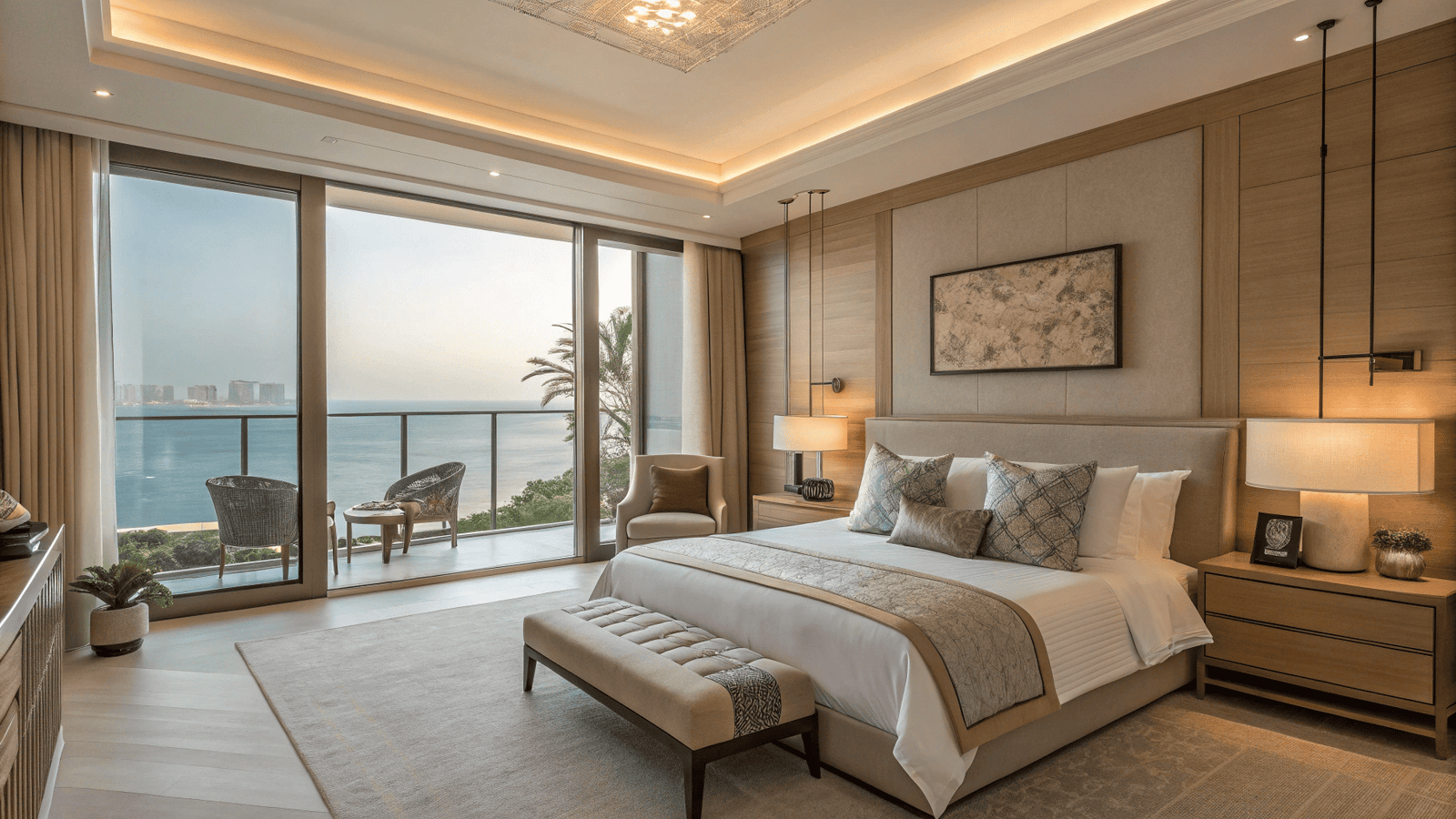
Creating this level of experience is not about buying more furniture. It is about smarter, more thoughtful design. This requires a deep understanding of both aesthetics and engineering. I’ve spent years working with top designers and hotel groups, and I’ve learned that the best guest rooms are masterpieces of subtle planning. Let’s break down the key elements that transform a standard guest room into a luxurious retreat.
How Do You Create a Bed That Accommodates Every Type of Guest?
Guests come in all shapes, sizes, and ages. A bed that feels perfect for one person can be a terrible experience for another, leading to a poor night’s sleep.
Focus on a “neutral engineering design.” Use a frame with multi-point support, like a robust metal structure, to handle various weights and provide long-term stability. Pair this with a visually warm, upholstered headboard for comfort. This ensures durability and universal appeal.
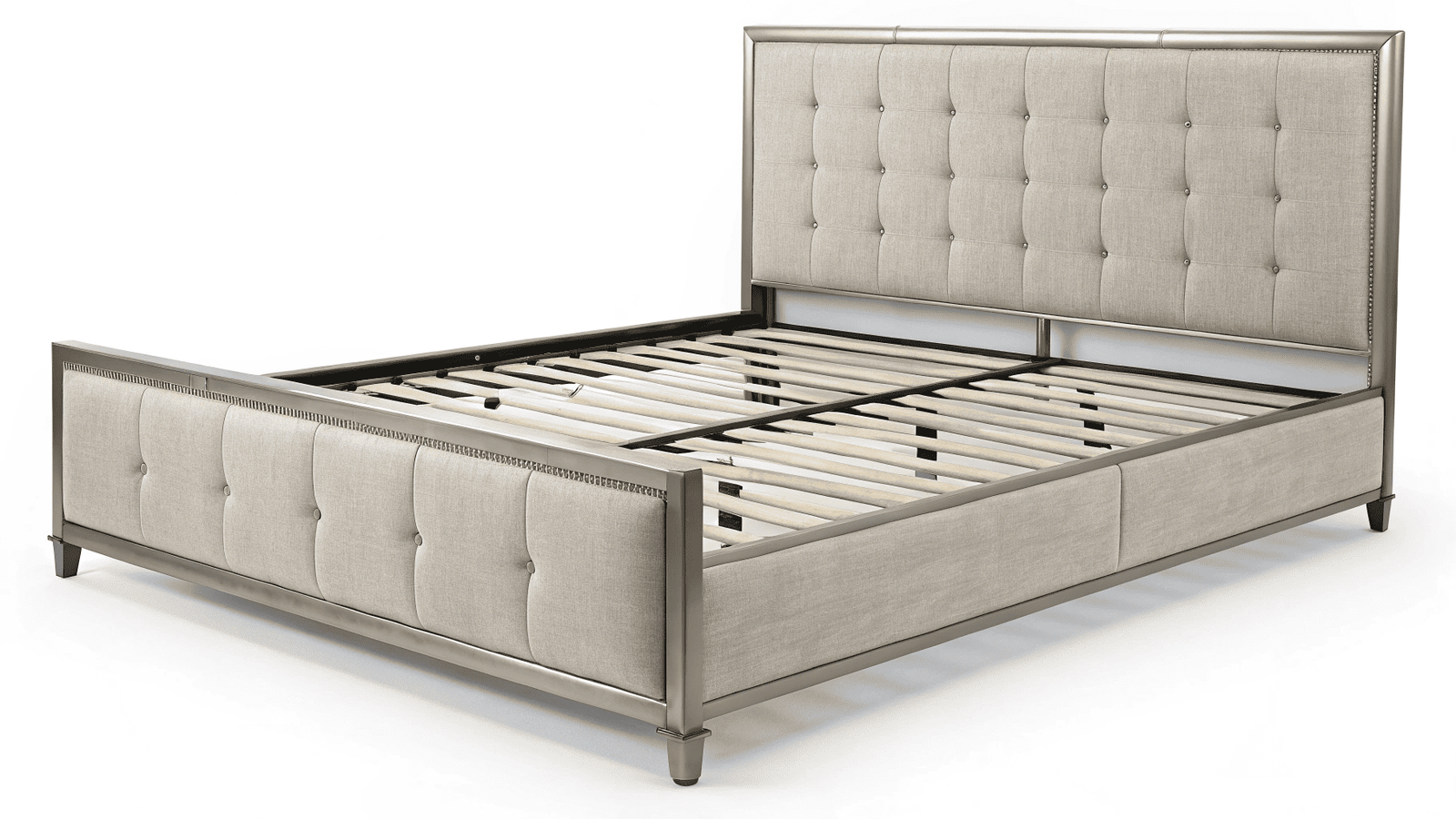
In my experience, the biggest mistake is choosing furniture based on a single preference. A guest room in a hospitality setting or a high-end villa sees a constant flow of different people. The solution lies in creating a universally comfortable foundation. We call this “designing for tolerance.” Instead of a very hard or very soft mattress platform, we engineer a base with broad support. For example, a well-designed metal frame offers superior strength and won’t sag over time, no matter the guest’s weight. But metal can feel cold. So, we combine this structural integrity with a soft, upholstered wood headboard. This hybrid design provides the best of both worlds: long-term stability and a feeling of warmth and comfort. This is the underlying logic of great guest room furniture—a redundant design that guarantees both durability and comfort.
Feature | Standard Bed Frame | Engineered Guest Bed Frame |
Support | Basic slats, often wood | Multi-point support, metal structure |
Durability | Prone to sagging, loosening | High-load bearing, long-term stability |
Guest Suitability | Fits a narrow range of weights | Accommodates a wide range of guests |
Aesthetics | Generic, often one material | Hybrid design (metal + wood/upholstery) |
How Can You Maximize Storage Without Making the Room Feel Crowded?
Guest rooms are often the smallest in the house or project. Filling them with bulky, standalone furniture creates a sense of clutter and can make the space feel stressful and cramped.
The key is an “integrated multi-functional design.” We create custom, built-in solutions that connect pieces like the nightstand and wardrobe. Using floating desks or shelves with hidden charging ports eliminates visual breaks, making the space feel larger and cleaner.
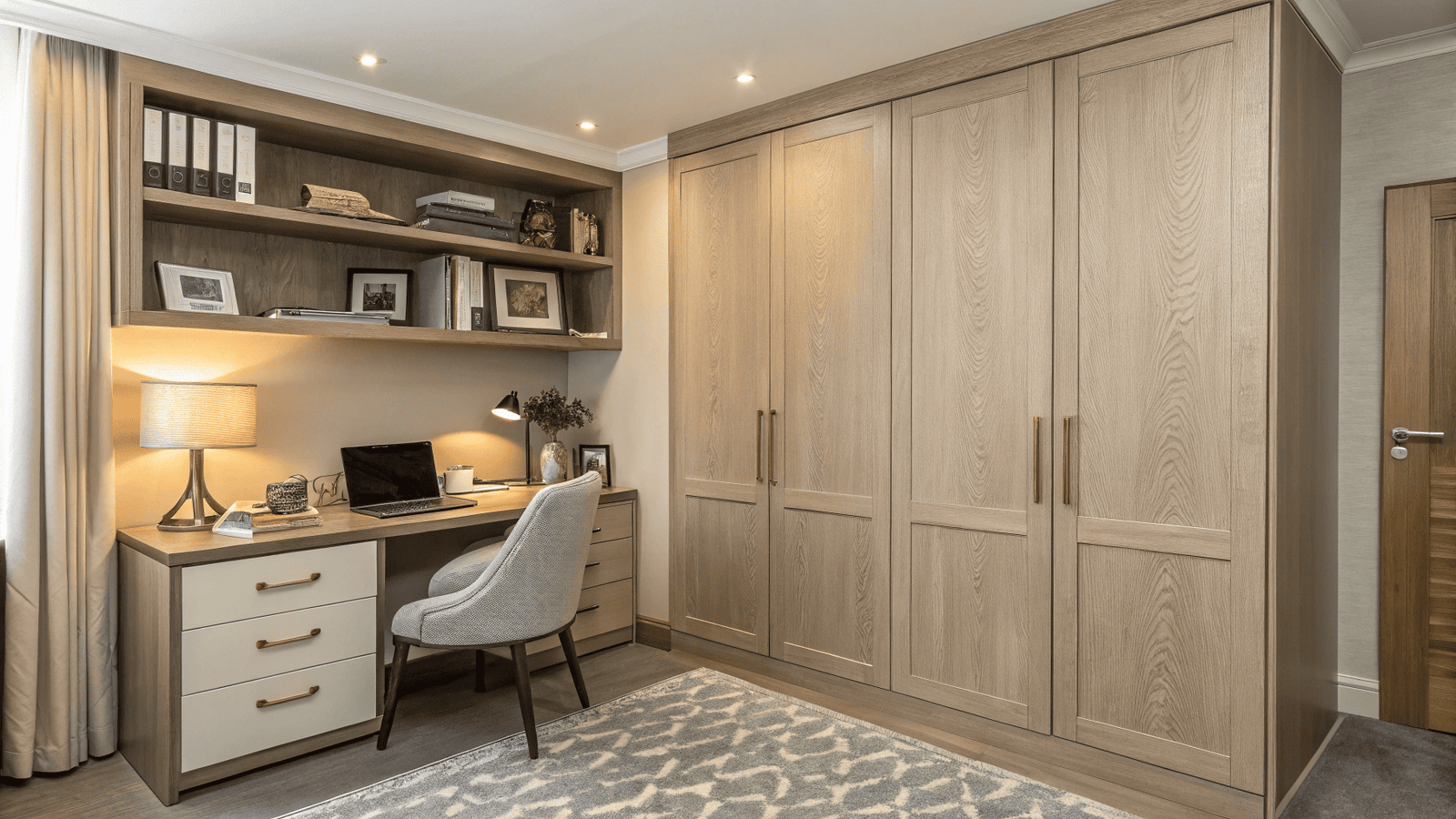
The real secret to making a small room feel spacious is what I call “visual relief.” It’s about reducing the number of separate objects the eye has to process. Instead of a separate bed, two nightstands, and a wardrobe, imagine a single, continuous piece. We can design a wardrobe that flows seamlessly into a headboard, which then extends into floating nightstands. The baseboards can be designed to connect all the furniture along one wall, creating a unified, clean line. This technique, sometimes called “de-furniturization,” makes the furniture feel like part of the architecture. For a guest, entering a room that is clean, organized, and visually calm is the first step toward true relaxation and a good night’s sleep. It feels effortless and intentional.
Approach | Traditional Furniture | Integrated Custom Furniture |
Footprint | Multiple separate pieces, large footprint | Unified, wall-hugging design, smaller footprint |
Visual Effect | Cluttered, breaks up the space | Seamless, makes the room appear larger |
Functionality | Single-purpose pieces | Multi-functional, with hidden features |
Psychology | Can feel cramped and temporary | Feels calm, organized, and permanent |
How Can a Small Guest Room Offer Big Functionality?
A guest needs more than just a bed and a closet. They’re often living out of a suitcase, which is inconvenient, and may need a small space to work or relax.
Think in terms of a “Function Island.” This is a compact system that combines a luggage rack, a small work surface, and a mini-beverage station. It replicates the convenience of a luxury hotel suite within a very small footprint.
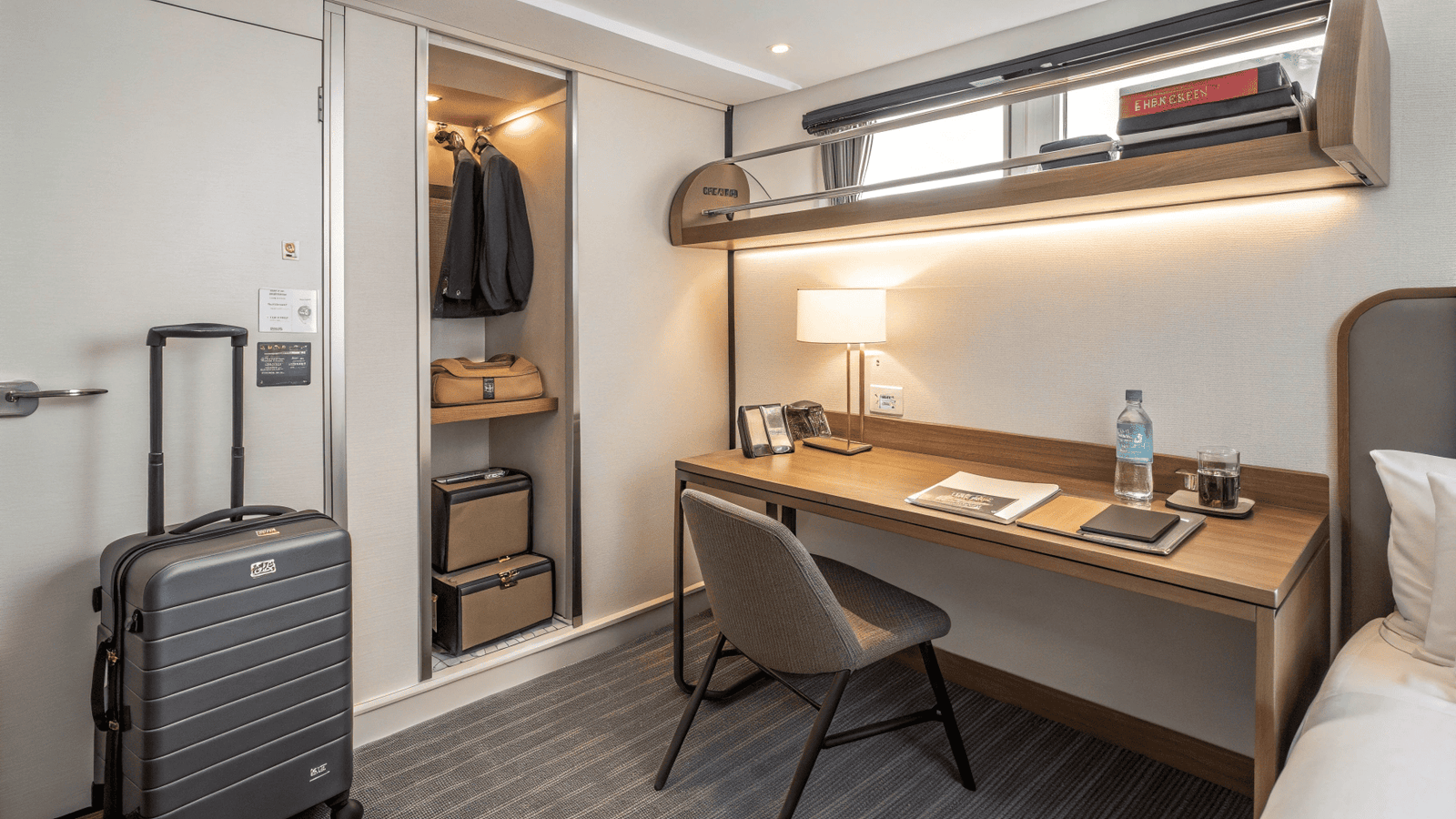
We encourage clients to think beyond individual furniture pieces and instead design a complete experience. A great guest room should be able to support a person’s needs for 24 hours. The “Function Island” is the perfect way to do this. It’s not just a collection of items, but a thoughtfully designed system. Imagine a single unit near the door. It has a low shelf, inspired by a hotel luggage rack, for an open suitcase. Above it, a small, durable surface made of stone or compact laminate can serve as a temporary desk or a place for a water kettle and glasses. We often use lightweight metal framing to define this zone without adding visual bulk. This “spatial miniaturization” technique essentially recreates the utility of a five-star executive suite in a tiny corner of the room. It shows the guest that their every need has been considered.
Component | Purpose in the “Function Island” | Benefit for the Guest |
Luggage Stand | Provides a dedicated, off-the-floor spot for a suitcase. | Easy access to belongings without cluttering the bed or floor. |
Work Surface | A small, durable desk area for a laptop or notebook. | A comfortable place to answer emails or plan the day. |
Beverage Station | A clean spot for a water kettle, cups, and glasses. | Hotel-like convenience for a morning coffee or evening tea. |
Integrated Power | Hidden outlets or USB ports within the unit. | Easy and accessible charging for all devices. |
What are the Invisible Details That Define a Luxury Guest Experience?
A guest room can have hidden problems that ruin a stay. A squeaky drawer that wakes a partner, or a stuffy, chemical smell from new furniture can turn a beautiful room into an uncomfortable one.
The premium is in “acoustic and environmental control.” Use high-grade, soft-close hardware to prevent noise from drawers and doors. Select ENF-grade, formaldehyde-free boards to ensure excellent air quality, even in a room that is rarely used.
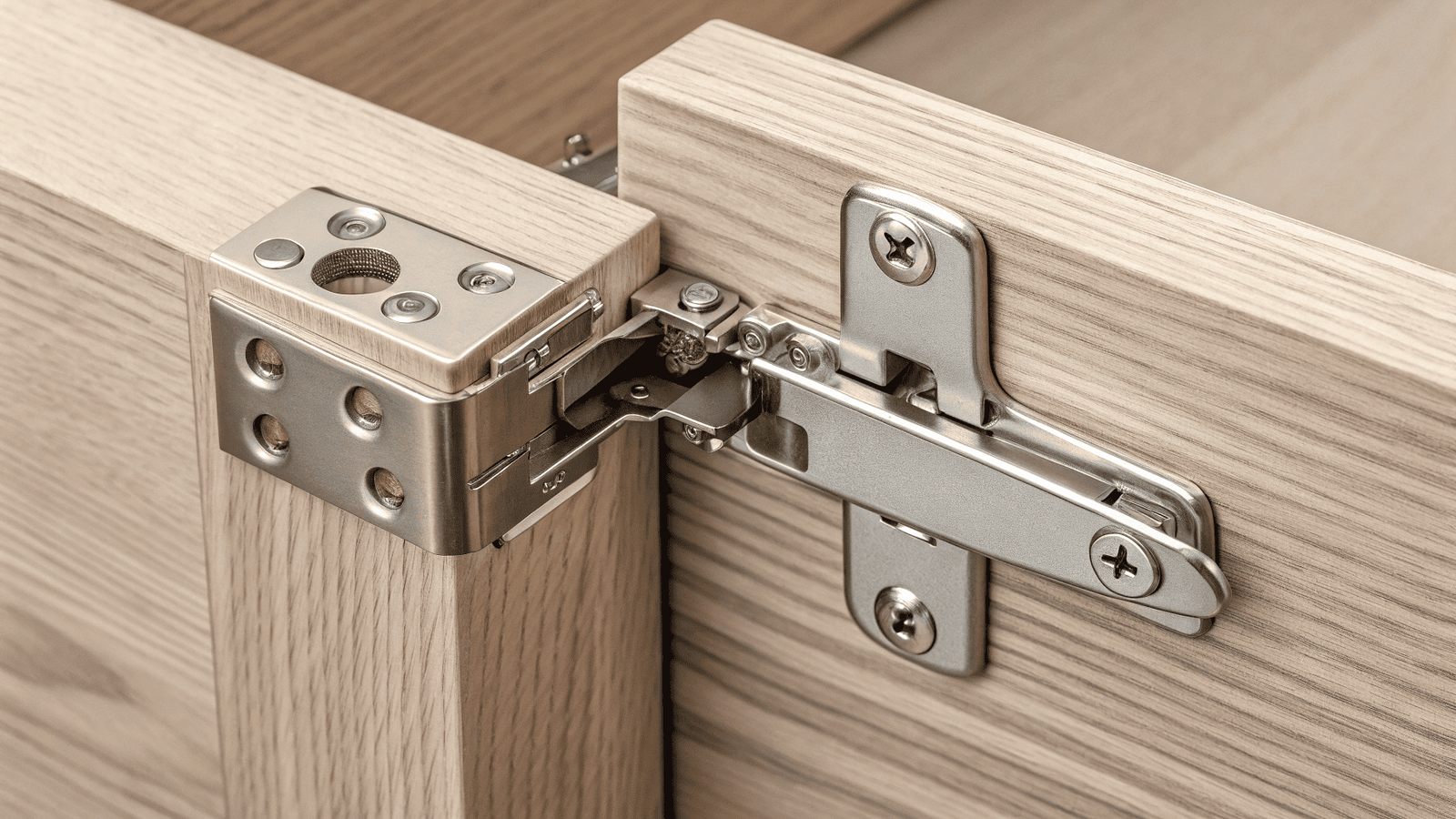
The true mark of luxury is often what you don’t notice. You don’t notice the drawer making a sound because it closes silently. You don’t notice a chemical smell because the air is clean. These are what we call “invisible service assets.” Guest rooms are often closed for long periods, which can trap odors and volatile organic compounds (VOCs) from low-quality materials. By insisting on ENF-grade panels, the highest standard for low-formaldehyde emissions, we ensure the room is always fresh and ready. We also specify high-end soft-close dampers on all hinges and slides. This prevents the sharp bang of a cabinet door closing late at night. This investment in premium hardware and materials provides a deep sense of safety and well-being. It is the most sophisticated way to show a guest you care.
Feature | Standard Furniture | Premium Guest Furniture |
Hardware | Basic hinges, noisy slides | Soft-close dampers for silent operation |
Materials | E1 or E2 grade boards, noticeable odor | ENF-grade (formaldehyde-free) boards |
Air Quality | Can accumulate VOCs, smells “stuffy” | Always fresh, ensures healthy indoor air |
Guest Impact | Potential for noise disturbance, discomfort | Promotes peaceful sleep and well-being |
Conclusion
A truly great guest room is an experience. It’s built from thoughtful engineering, integrated design, and invisible details that combine to offer every guest five-star comfort and genuine care.