Introduction
Struggling to find furniture that fits your unique project space and design vision? You know custom furniture is an option, but the potential for high costs and hidden problems makes you hesitate.
The biggest advantage of custom furniture is achieving a perfect design that integrates seamlessly with your space, using a mix of materials that standard pieces can’t offer. The most significant disadvantage is the risk of structural failure and expensive rework when the supplier lacks deep engineering expertise.
Now that you understand the basic trade-offs, you might feel stuck between the desire for a unique design and the fear of a project going wrong. But it doesn’t have to be a gamble. The key is to understand what separates truly great custom furniture from the risky alternatives. Let’s dig deeper into the real pros and cons, so you can learn how to get the benefits without the devastating drawbacks. This is about moving beyond aesthetics and focusing on the engineering that ensures your vision becomes a lasting reality.
Can Custom Furniture Really Break Through Physical Limits?
Your design vision is bold, but you’re constantly limited by off-the-shelf furniture that doesn’t fit your architectural features. This forces compromises, leaving the potential of your space unrealized. Imagine furniture that adapts perfectly to any structure.
Yes, high-end custom furniture acts like miniature architecture. It goes beyond simple size changes to seamlessly integrate materials like metal, stone, and wood. This allows it to perfectly fit unique spaces, like rooms with curved walls or sloped ceilings, overcoming the limitations of standard furniture.

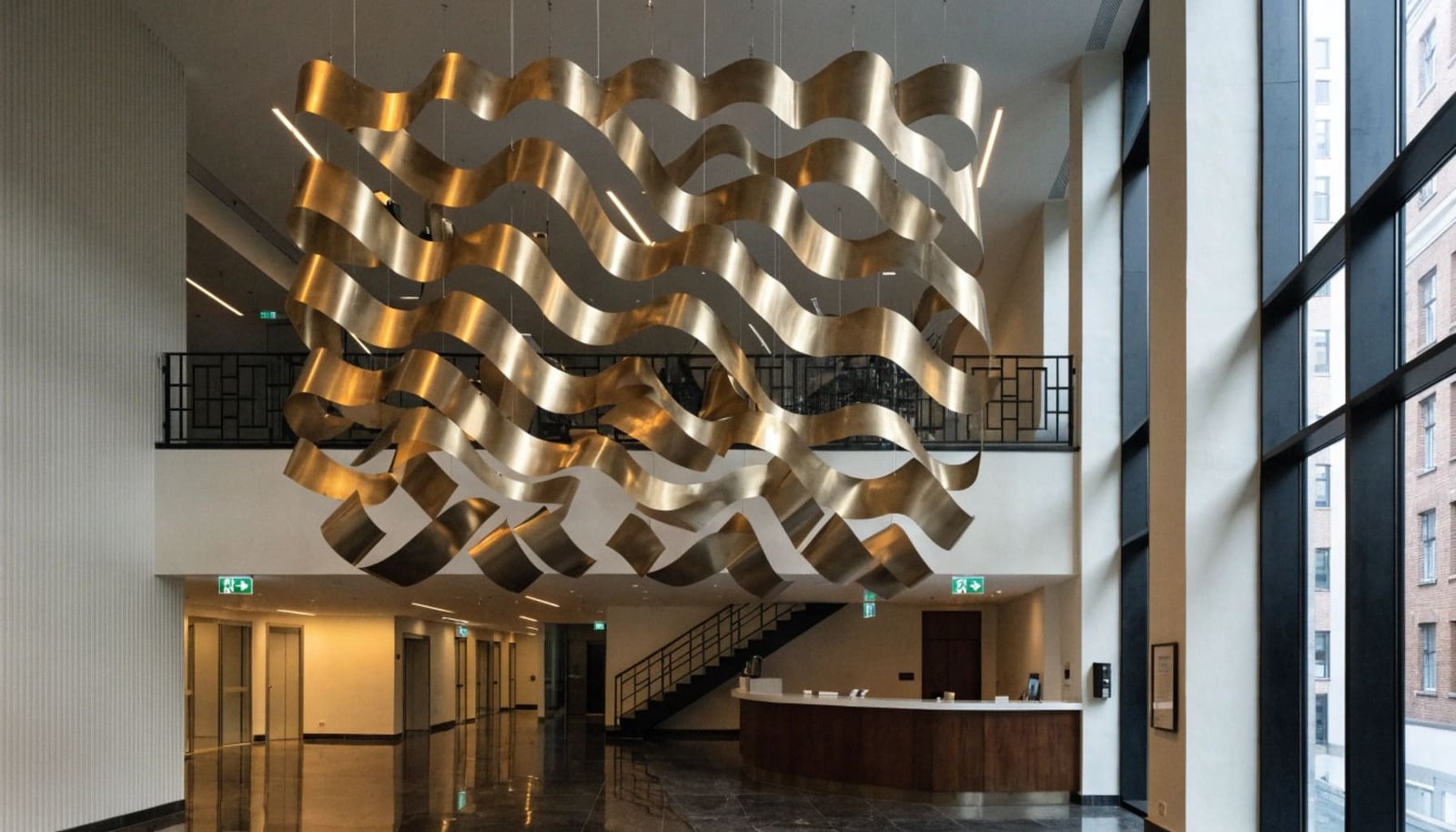
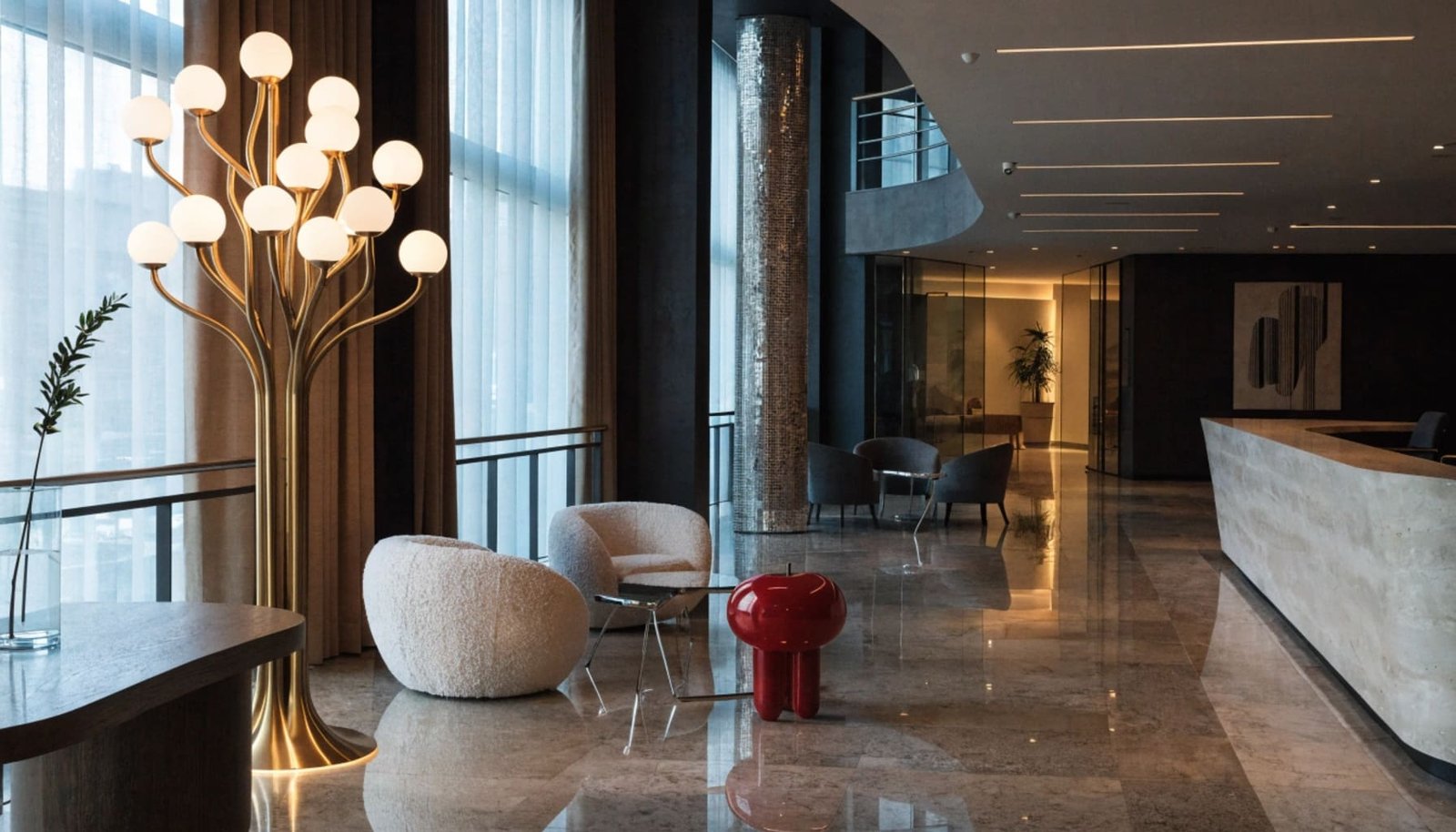
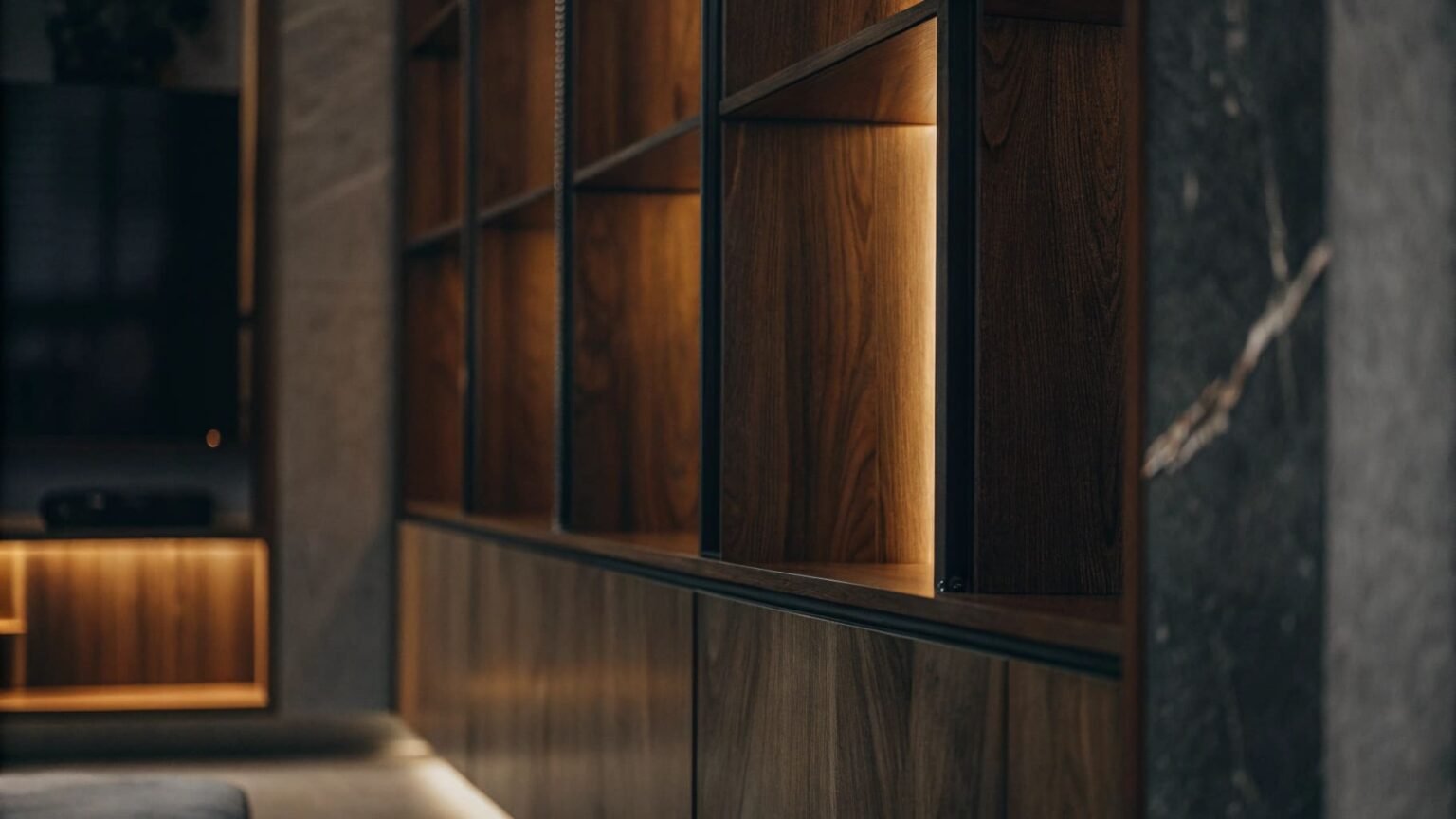
I’ve seen so many projects where a stunning architectural feature, like a curved load-bearing wall or a dramatically angled ceiling, becomes a headache. Standard furniture just can’t cope. It leaves awkward gaps and disrupts the flow of the design. But this is where top-tier customization truly shines. I call it “full-domain adaptability.” It’s not just about changing the fabric; it’s about engineering a piece that becomes one with the building. We once worked on a hotel lobby with a massive, suspended metal shelving unit that had to integrate flawlessly with a marble-clad wall. The on-site measurements showed the wall wasn’t perfectly flat, with slight tolerances. Instead of that being a problem, our engineering team simply adjusted the 3D models. We used CNC machinery to fabricate a metal frame that compensated for the wall’s imperfections. The result was a floating metal structure that appeared to merge into the stone with micron-level precision. This is the real “pro” of custom work: it’s not just about a unique look, it’s about using engineering to solve physical challenges and maximize every square inch of a high-value space.
What is the Hidden Trap of Custom Furniture Rework?
You’ve finally approved the perfect drawings for a custom piece. But what happens if it starts to sag, crack, or fall apart a few months after installation, causing project delays and budget overruns?
The biggest con of custom furniture isn’t the initial price; it’s the huge risk of structural failure if your supplier lacks manufacturing and engineering depth. This leads to sagging shelves, cracked stone, or wobbly frames, forcing incredibly expensive and disruptive rework.
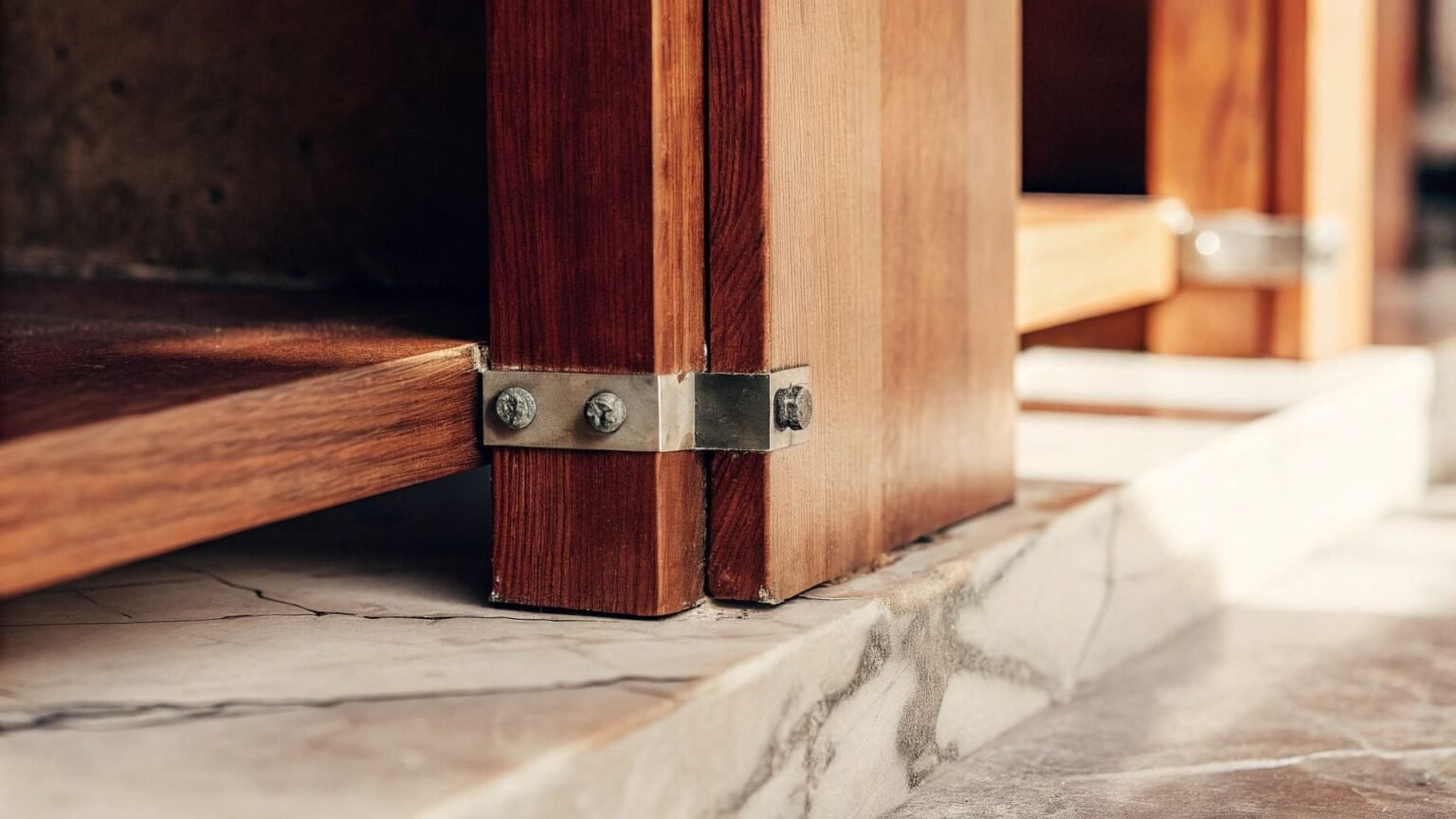
I’ll never forget a call I got from a frantic interior designer. Her client, a luxury hotel, was weeks from opening. The problem was the custom-built banquettes in the lounge. The drawings looked incredible—long, elegant, cantilevered seats that appeared to float. But the supplier, a small upholstery workshop, didn’t have the structural engineering know-how. They built the frames based on experience and guesswork. Three weeks after installation, the “floating” seats were visibly sagging. The frames couldn’t handle the load. The hotel couldn’t open, and the designer was facing a crisis. This is the “rework trap,” and it’s the most dangerous aspect of custom furniture. Many workshops are great at aesthetics but have no industrial-level understanding of material stress, load-bearing capacity, or metal fatigue. They see a drawing for a heavy stone countertop on a sleek metal base and just build it, without performing any force calculations. Months later, the stone develops hairline cracks and the hardware makes strange noises because the structure is failing. For a commercial project, this isn’t just an inconvenience; it’s a financial disaster, leading to delayed openings and astronomical replacement costs.
How Can You Avoid the Risks of Custom Furniture?
You want the beauty and perfect fit of custom furniture, but you’re worried about the risk of it failing. Choosing the wrong partner can turn a dream project into a nightmare. The solution lies in a process-driven approach.
The only way to avoid these risks is to partner with a source factory that performs “pre-emptive structural auditing.” This involves using 3D modeling and engineering calculations to find and fix potential stress points *before* manufacturing even begins, ensuring a structurally sound result.
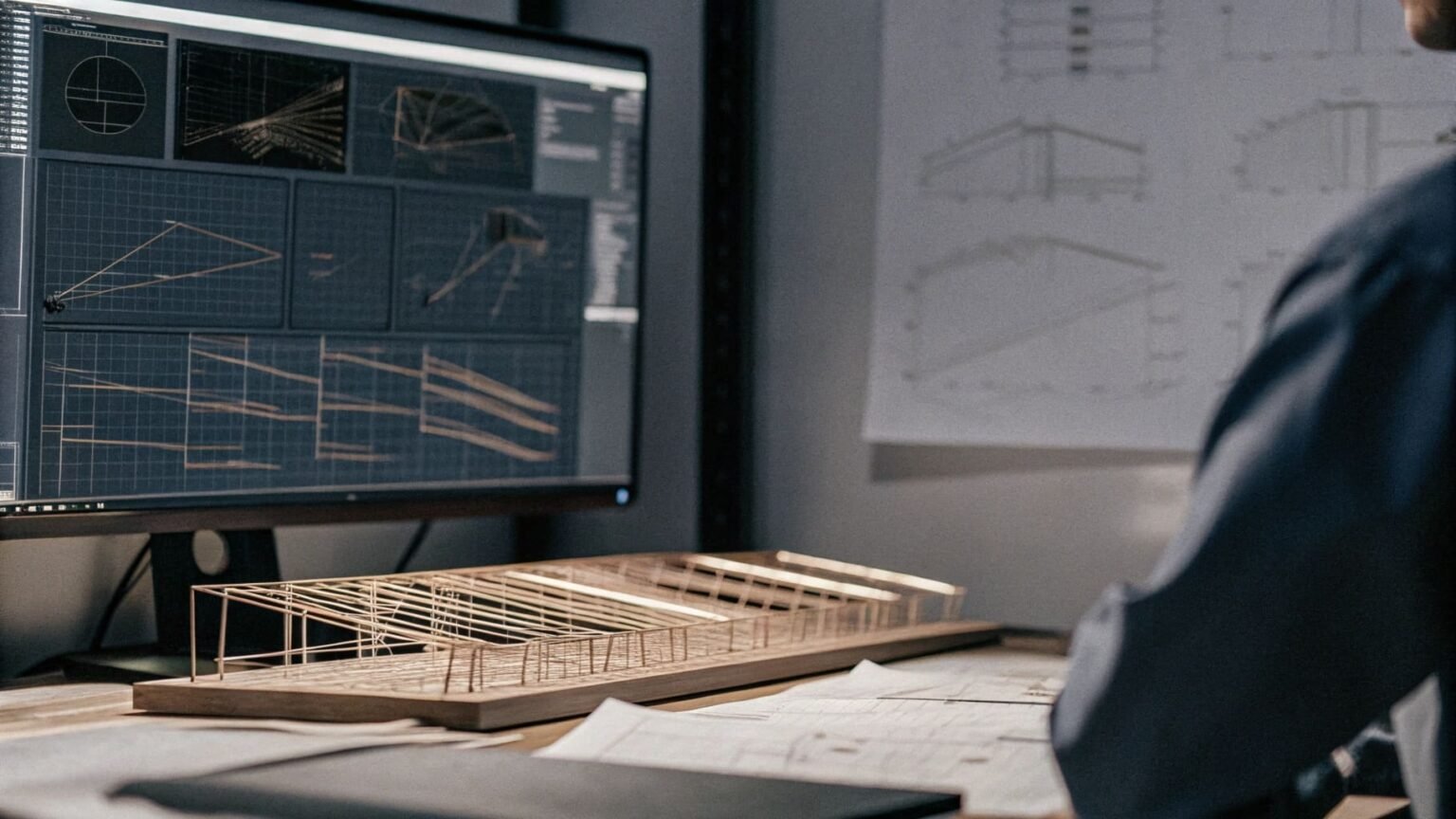
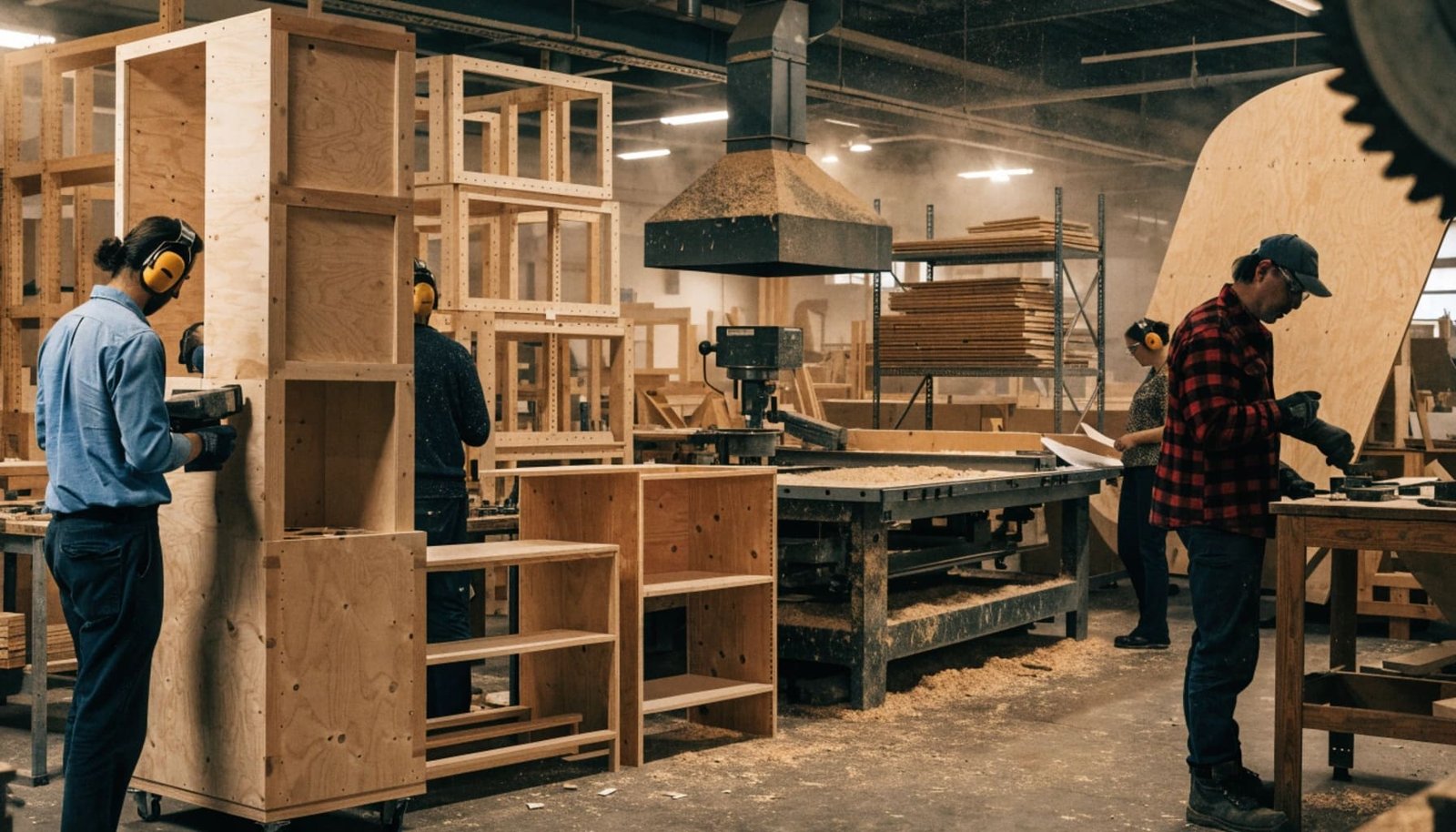
So, how do you get the pros without the cons? The answer isn’t to avoid custom furniture, but to choose a partner with the right capabilities. The solution is what I call “front-loading the engineering.” Instead of fixing problems after they happen, you prevent them from ever occurring. This starts with a process called structural auditing. Before we even think about cutting wood or welding metal, our engineers take the designer’s concept into our 3D modeling software. We build a digital twin of the furniture. Then, we apply forces to it. Where will the stress accumulate on a long-span bookshelf? Can this metal leg truly support the weight of a 500-pound marble slab? The software shows us the potential failure points. We can then add hidden reinforcements, change a material specification, or adjust a joint design to eliminate that risk. Once the design is validated digitally, the manufacturing process is locked in with CNC precision. This industrial approach takes the guesswork out of non-standard design. It replaces “I think this will work” with “the data proves this will work.” By embedding engineering and material physics validation into the very first step, you effectively erase the biggest risk associated with custom work.
Is Custom Furniture a Cost or an Investment?
The high upfront price of custom furniture often makes it feel like an expensive luxury. It’s easy to think that choosing a standard, cheaper option is the financially responsible choice. But the long-term value tells a very different story.
While the initial purchase price is higher, well-engineered custom furniture is a long-term investment. Built with durable, contract-grade materials and a robust frame, its maintenance costs are nearly zero over a 5-10 year lifecycle, resulting in a lower Total Cost of Ownership (TCO).

Most clients focus on the initial purchase price (Capital Expenditure, or CAPEX). It’s an easy number to compare. But this is a mistake that can cost a fortune over time. The real metric to watch is the Total Cost of Ownership (TCO), which includes the initial price plus all maintenance, repair, and replacement costs over the asset’s life. A cheaper, ready-made piece might save you 30% upfront, but it’s not built for heavy commercial use. After two years in a busy hotel lobby, the fabric is worn, the joints are loose, and it looks tired. Now you have to pay to repair or replace it. Suddenly, your “cheaper” option is much more expensive. In contrast, a piece of high-end custom furniture built with a heavy-duty frame and specified with contract-grade materials is engineered for longevity in high-traffic environments. Over a 5 or 10-year period, its maintenance cost is practically zero. When you analyze the TCO, the custom piece is often the more economical choice. It’s not just a purchase; it’s an investment that holds its value and contributes to the property’s overall asset worth.
Conclusion
Ultimately, the value of custom furniture isn’t just in its unique beauty. It’s in the engineering-driven certainty that a factory partner provides, turning a potential risk into a reliable, long-term asset.