Introduction
Tired of sofas that sag, squeak, and disappoint? Finding one that lasts feels impossible. The secret isn’t a brand name, but the engineering standards hidden inside the product.
The best sofa comes from a manufacturer that prioritizes engineering over branding. Look for one that uses a hybrid steel-wood frame, a multi-density foam matrix, and proves its quality with contract-grade testing certifications to guarantee a decade or more of structural integrity and comfort.
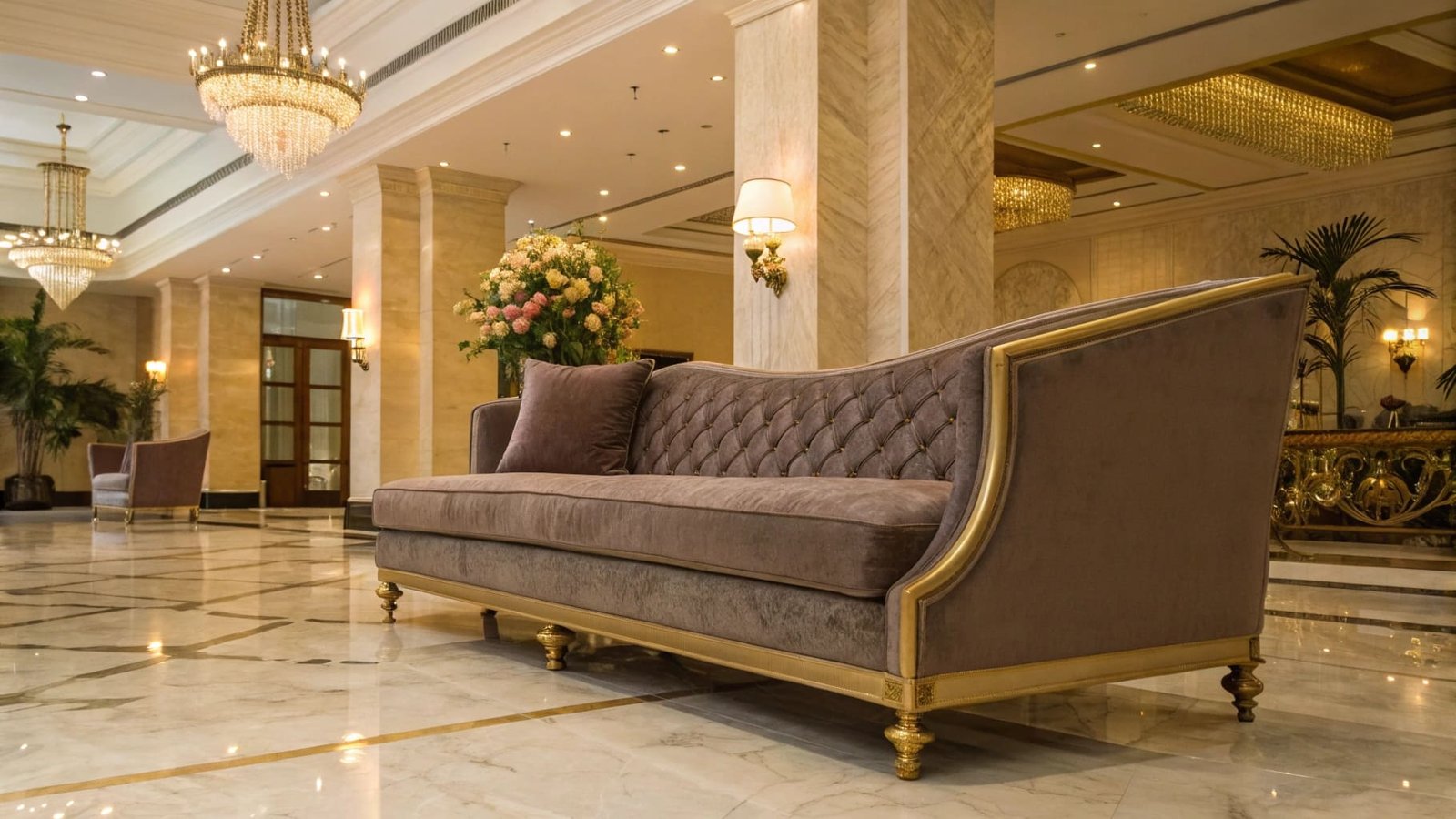
I’ve been in the custom furniture business for a long time, and I’ve seen it all. I’ve seen beautiful sofas that look incredible in a showroom but start to fall apart in a year. I’ve also seen unassuming pieces in hotel lobbies that withstand constant, heavy use for years without showing their age. The difference is never the logo on the cushion. It’s about what’s happening underneath the fabric. When you’re looking for the “best,” you need to think like an engineer, not just a decorator. The real markers of quality are invisible to the naked eye but are crucial for a sofa that will truly last. Let’s peel back the layers and look at what really matters.
Why Should You Examine the "Invisible" Frame First?
Worried your new sofa will start creaking and sagging after just a few years? Many do. That’s because they’re built on cheap plywood or pine that simply can’t handle the stress.
The foundation of a superior sofa is its “invisible” skeleton. A top-tier manufacturer uses a hybrid structure of heavy-duty steel and kiln-dried hardwood. This engineering approach is the only way to guarantee zero structural failures, squeaks, or sagging over the sofa’s lifetime.
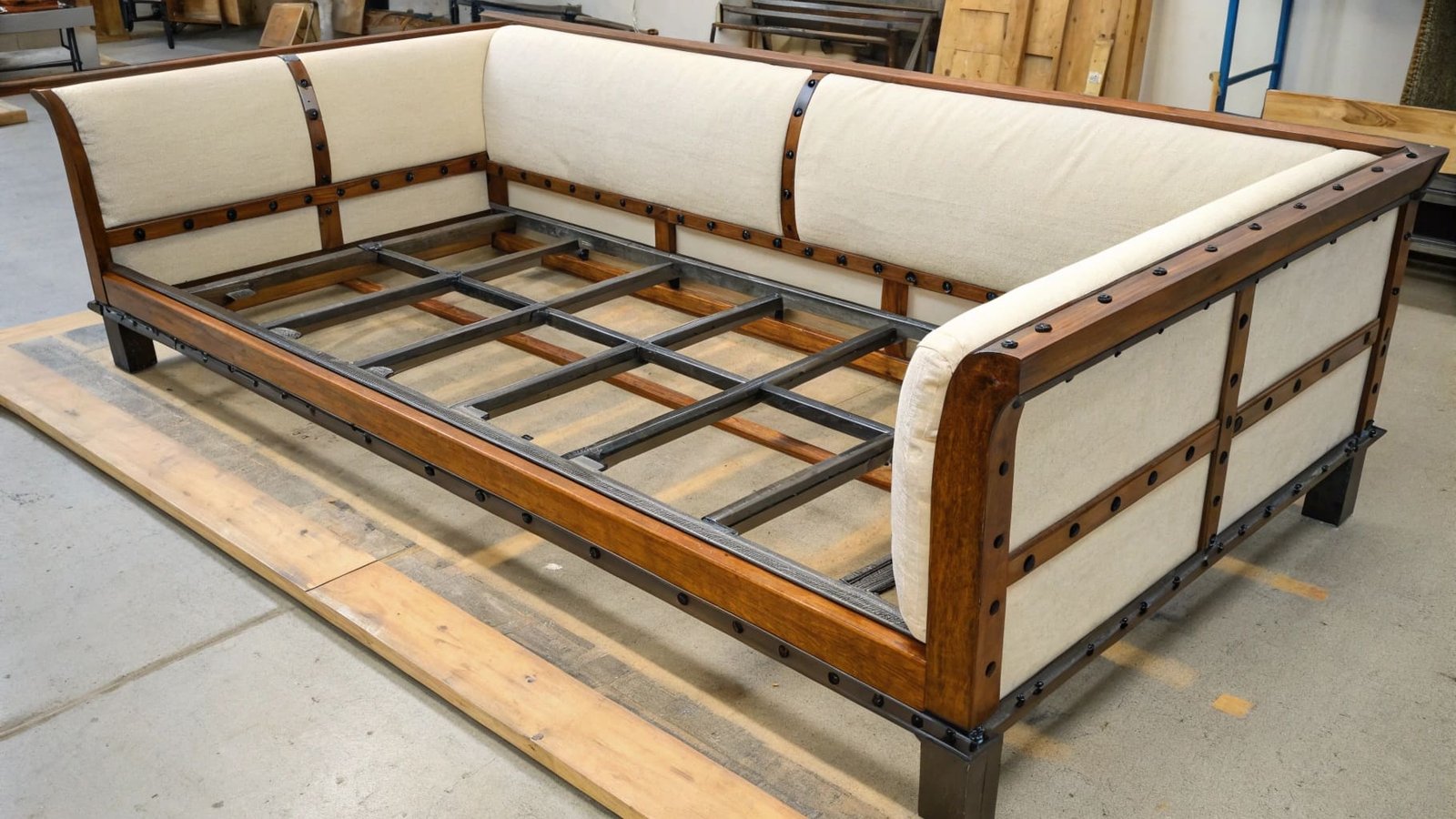
In my experience, around 80% of the sofas you find online or in big-box retail stores are doomed from the start. They use frames made from multi-layer plywood, or worse, pine that hasn’t been properly dried. These materials are cheap, but they are highly susceptible to warping, cracking, and joint failure. When a client comes to me with a sofa that’s squeaking or has a noticeable dip, the culprit is almost always a weak frame.
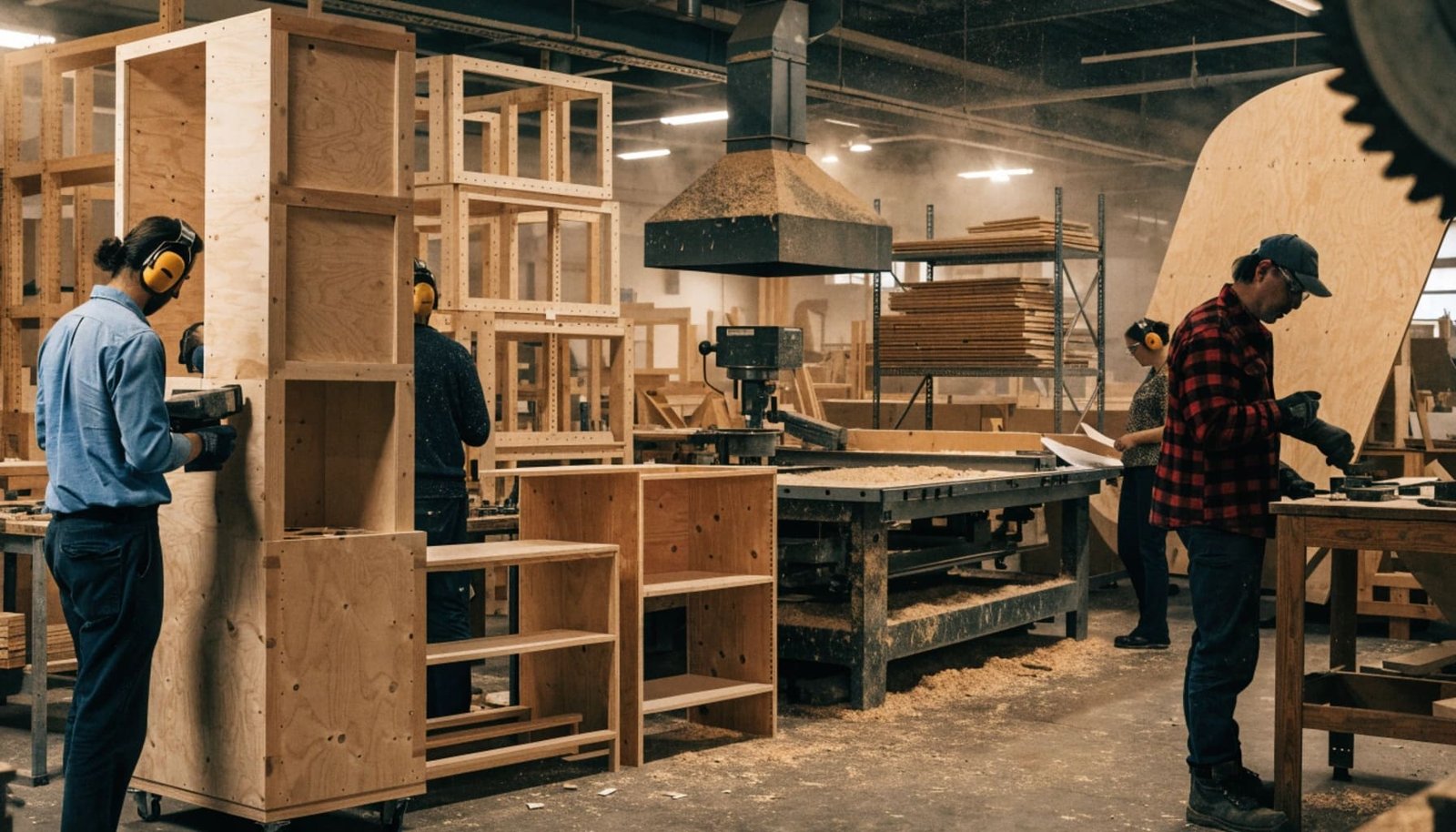
A truly elite sofa manufacturer, the kind that supplies high-end hospitality and commercial projects, takes a completely different approach. We build what I call a “Hybrid Structural Engineering” frame. This isn’t just about using better wood; it’s a different philosophy.
The Engineering Difference: From Wood to a Hybrid System
The best sofas use a composite structure that combines the strengths of different materials to create a frame that is both incredibly strong and resilient. Here’s what that looks like in practice:
- Primary Materials: The core of the frame is built from North American kiln-dried hardwoods like ash or oak. The wood is dried to a precise moisture content of 8-12% to prevent it from warping or cracking as it ages.
- Steel Reinforcement: At critical stress points—like corners, joints, and support spans—we integrate a heavy-duty carbon steel sub-frame. This concept, sometimes called a steel-wood hybrid structure, dramatically increases strength and prevents any possibility of joint loosening over time.
- Precision Joinery: Instead of staples, we use engineering-grade joinery. This includes techniques like mortise-and-tenon joints, reinforced with triangular corner blocks and high-strength bolts. This creates a unified structure that can withstand tens of thousands of impacts without its tolerances shifting.
This level of construction is the first and most important barrier between a disposable piece of furniture and a lifetime investment.
Frame Component | Standard Retail Sofa | NEXTOP Hybrid Engineered Sofa |
Primary Material | Plywood or soft pine | Kiln-dried North American hardwood (Ash, Oak) |
Reinforcement | Staples, glue | Heavy-duty carbon steel sub-frame |
Joinery | Basic butt joints | Mortise-and-tenon, corner blocks, bolts |
Durability | Prone to sagging & squeaking in 2-3 years | Engineered for zero structural failure for 10+ years |
How Can You Avoid the "Sinking Feeling" of a Bad Sofa?
Have you ever fallen in love with a sofa’s feel in the store, only to have it turn into a lumpy pit at home? This comes from single-layer, low-density foam that quickly collapses.
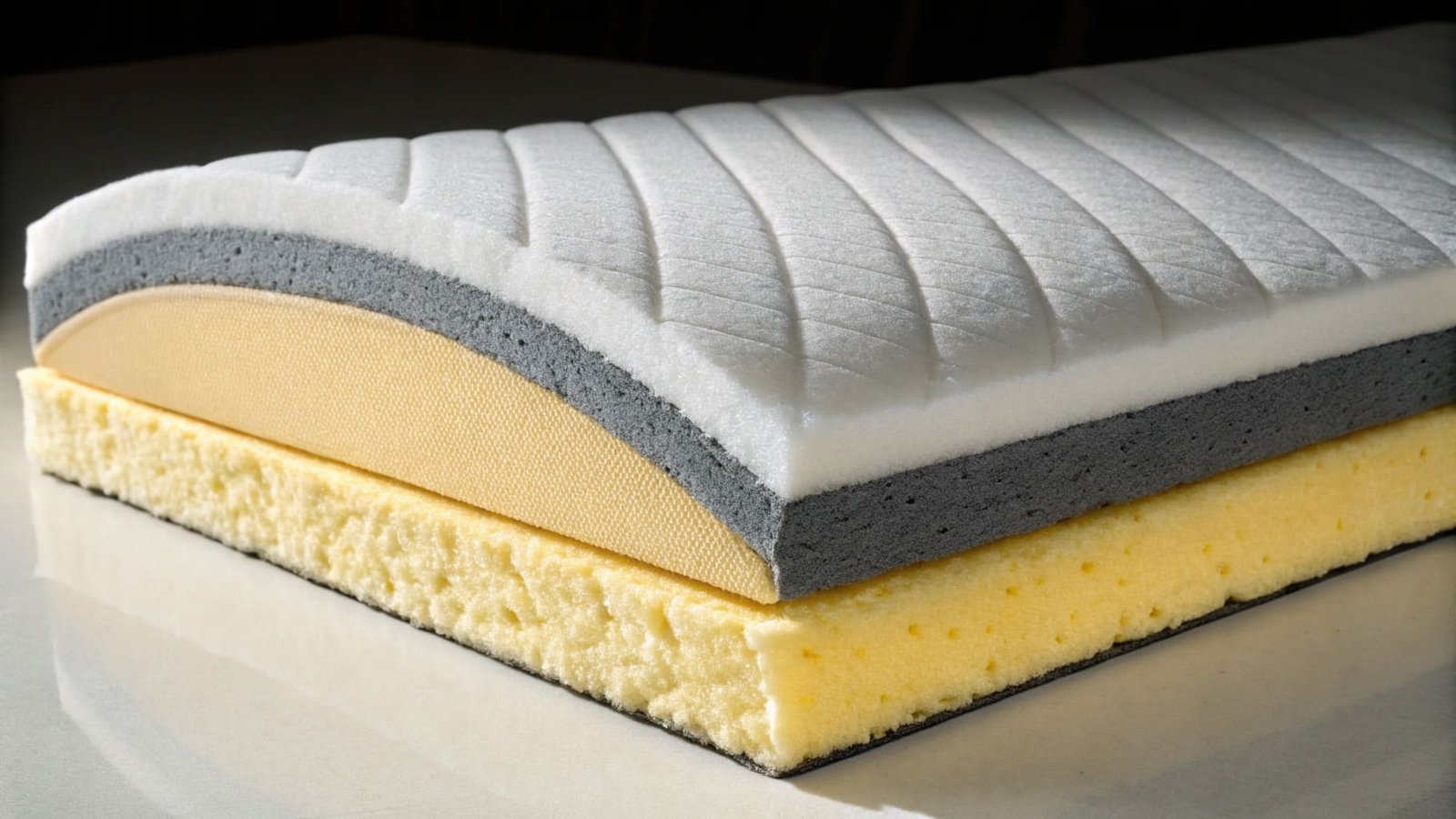
A high-quality sofa uses a “Foam Density Matrix,” a multi-layered system that acts like a luxury car’s suspension. It combines a firm, high-resilience base with contouring memory foam and a soft top layer. This provides both cloud-like comfort and lasting skeletal support.
The “showroom sit” is a classic trap. A sofa can feel amazing for five minutes, but that initial feeling tells you nothing about its long-term performance. The sinking feeling that develops over time is a direct result of foam that has undergone irreversible deformation. Low-density foam has large air pockets and thin cell walls that simply break down under repeated pressure.
Top-tier manufacturers approach cushion design like they are tuning a suspension system. It’s not about finding one “perfect” foam, but about layering different types of foam to perform specific functions. This creates a seating experience that is both immediately comfortable and incredibly durable.
The "Suspension System" of Seating
A truly great sofa cushion is built with a matrix of foams, each with a specific density and purpose. Density is measured in kilograms per cubic meter (kg/m³); a higher number means more material and better resilience.
- Layer 1: The Support Core: The bottom layer is the foundation. We use a commercial-grade, high-resilience (HR) foamwith a density of at least 45 kg/m³. This is the workhorse of the cushion, providing the powerful underlying support that prevents you from ever “bottoming out.” It’s engineered to handle heavy, repeated use without losing its shape.
- Layer 2: The Contouring Mid-Layer: On top of the support core, we add a layer of slow-rebound memory foam. This layer is designed to conform to your body’s specific curves, distributing weight evenly and relieving pressure points. It adds a crucial element of personalized comfort.
- Layer 3: The Comfort Topper: The final, top layer is all about that initial plush feeling. We often use a wrap of natural down, feathers, or a high-quality synthetic equivalent. This layer provides a soft, “sinking-in” sensation without compromising the structural support from the layers below.
This precise physical layering ensures the cushion has both a cloud-like feel and a strong, supportive core that is guaranteed to last for a decade or more without collapsing.
Foam Layer | Standard Retail Sofa | NEXTOP Foam Density Matrix |
Support | Single layer of low-density foam (<25 kg/m³) | High-resilience (HR) support core (45 kg/m³+) |
Comfort | Often just the same low-density foam | Contouring memory foam mid-layer |
Topper | Polyester fiberfill | Natural down or premium synthetic wrap |
Lifespan | Develops “sinking spots” within 1-2 years | Maintains shape and support for 10+ years |
What Defines Luxury in a Sofa's External Craftsmanship?
Do you notice the small details? Many modern luxury sofas fail at the junctions, where metal meets stone or leather. Misaligned seams and wide gaps expose a manufacturer’s lack of true capability.
The soul of a high-end sofa lies in its cross-material craftsmanship. It requires a manufacturer to be a master of multiple disciplines, achieving seamless polished metal, aviation-grade finishes, and ultra-precise tolerances of 0.2mm or less between different materials.
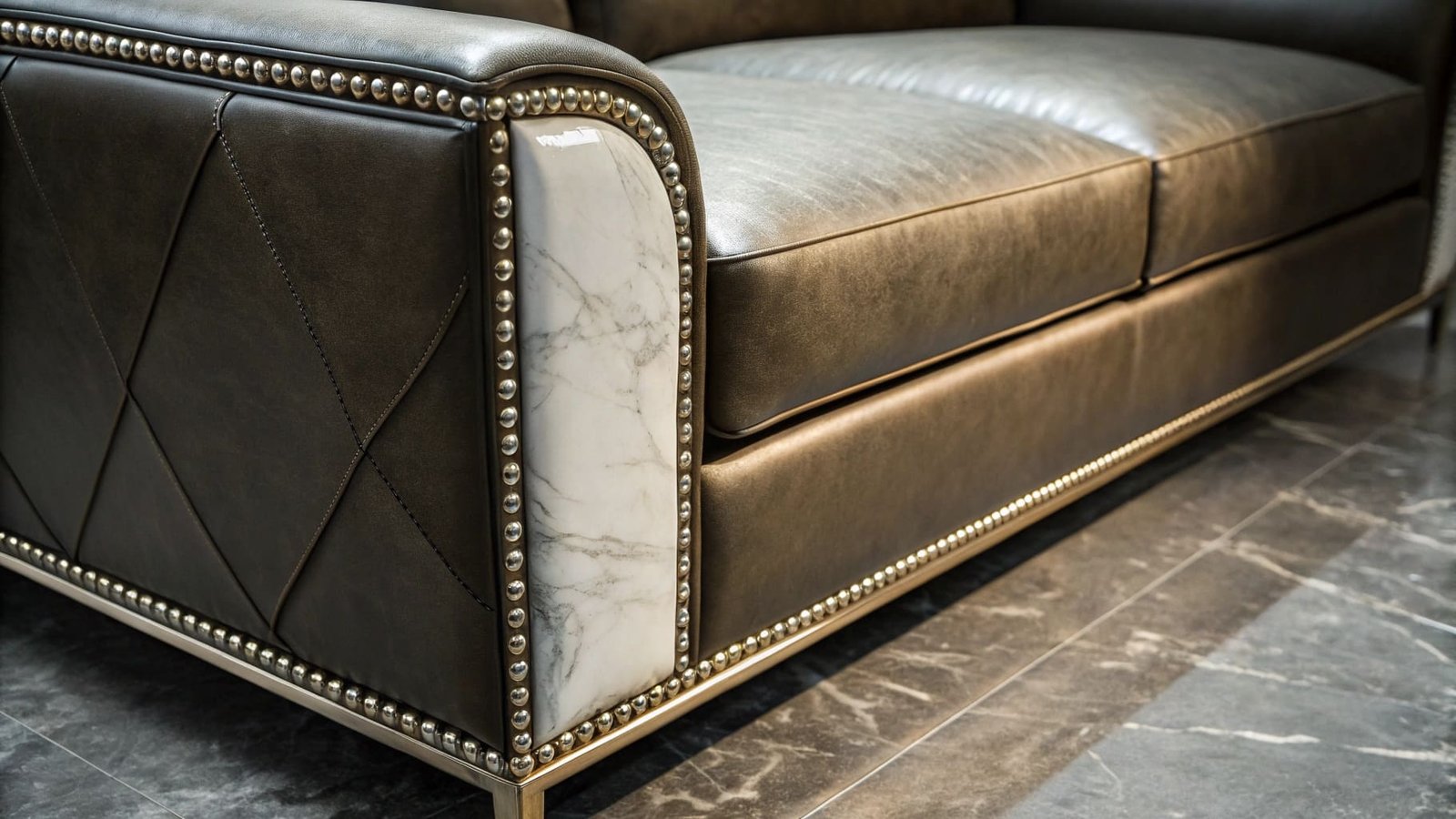
Some of the most beautiful sofa designs today, especially those with an Italian minimalist aesthetic, are defined by their ambitious mix of materials. They might feature a thin, cantilevered metal base, an integrated marble side table, or an outer shell wrapped in saddle leather. This is where most manufacturers fail, because successfully integrating these elements is a test of a factory’s deepest engineering and production skills. It’s one thing to be a good upholsterer; it’s another to be a master of metalwork, stonework, and joinery simultaneously.
As a company that produces both custom furniture and architectural metal works, I can tell you this integration is our specialty. True luxury isn’t just about using expensive materials; it’s about the precision with which they are brought together.
The Challenge of Seamless Metalwork
When a sofa design includes an external metal frame, the standards for fit and finish are unforgiving. Any imperfection is immediately visible.
- Welding and Polishing: Joints in the metal frame must be perfectly welded and then polished until they are completely seamless. When you run your hand over the corner of a high-end metal base, you shouldn’t be able to feel the seam.
- Surface Finishing: The finish on the metal must be flawless. Whether it’s a brushed finish, a mirror polish, or an anodized coating, it needs to be applied with absolute consistency. We aim for an aviation-grade standard, which means it is highly resistant to scratches and wear.
Add Your Heading Text Here
The most telling detail is often the meeting point between two different materials.
- Tolerance Control: When a stainless steel frame seamlessly wraps around a piece of marble or is inlaid into a leather panel, the gap between the materials must be almost non-existent. At NEXTOP, we hold our production to a tolerance of 0.2mm. This isn’t for looks alone; this tight tolerance prevents dust and moisture from getting in and ensures the structural integrity of the joint.
- Multi-Material Expertise: Achieving this requires a factory to have deep expertise in multiple domains. Our engineering teams have to understand how metal, stone, and wood expand and contract differently and design the connections to accommodate this.
This combination of industrial precision and soft, luxurious fabric is what creates the powerful contrast at the heart of a truly high-end sofa.
Why Are "Contract-Grade" Standards the Ultimate Quality Guarantee?
Ever wonder why furniture in a hotel lobby looks pristine after years of abuse? It’s because it’s not regular furniture. It’s built to a completely different standard: commercial or “contract-grade.”
If you want the best sofa, find a manufacturer that builds to contract-grade certifications like BIFMA. This means the materials and construction have passed rigorous, independent tests for durability, ensuring they can handle the intense demands of commercial use—and any challenge of home life.
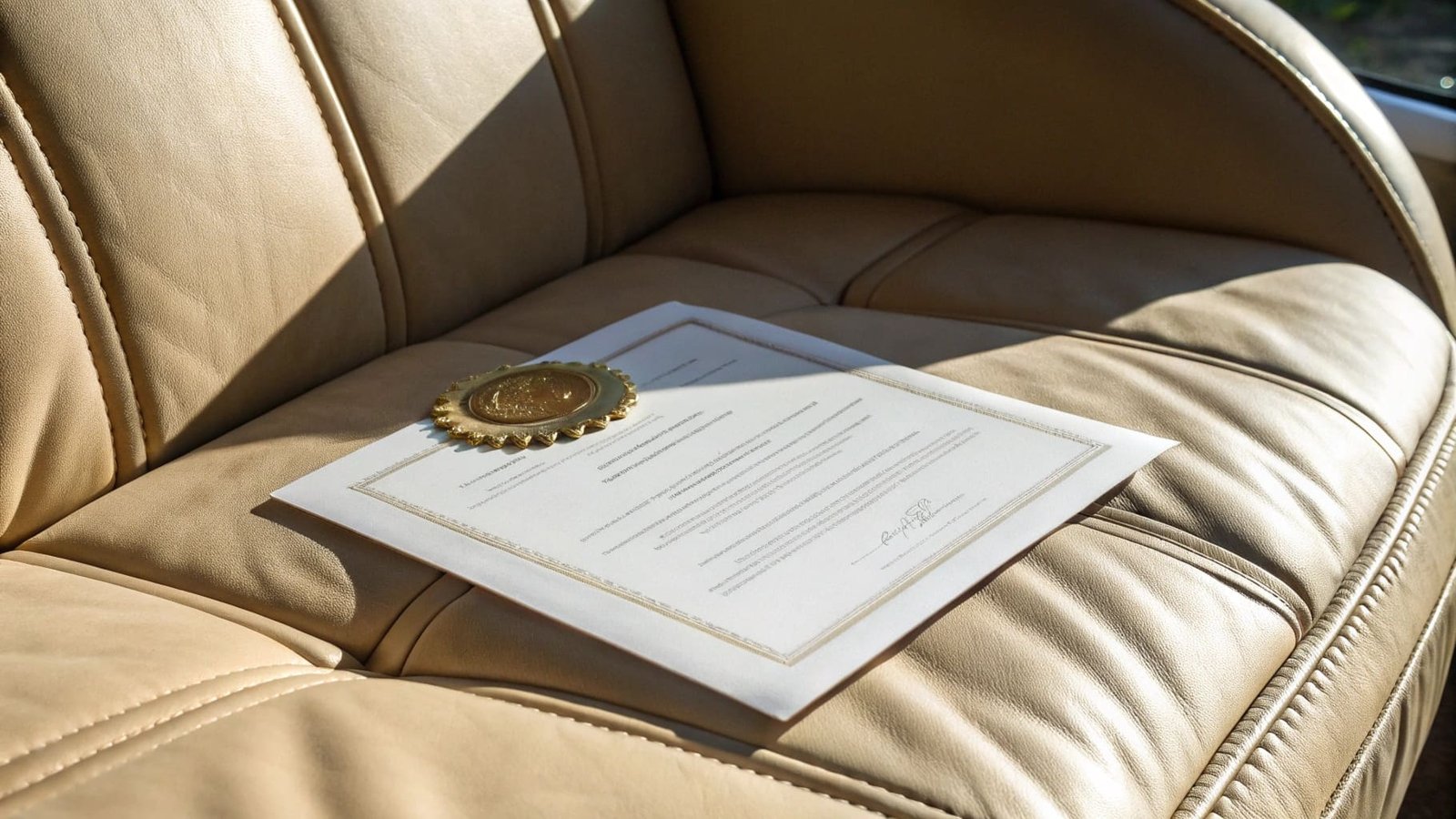
There are two worlds of furniture: residential and commercial. Residential furniture is built for the expected use of a typical family. Commercial, or contract-grade, furniture is built for the chaos of public life—hundreds of people a day, constant cleaning, and zero tolerance for failure. For clients like international hotel groups and high-traffic commercial spaces, specifying contract-grade isn’t a preference; it’s a requirement. It’s the only way to manage risk and ensure a return on investment.
So, if you want a sofa that is truly built to last, you should demand the same standard. You should look for a manufacturer whose products are certified to contract-grade standards, most notably those set by the Business and Institutional Furniture Manufacturers Association (BIFMA).
Breaking Down Contract-Grade Testing
BIFMA standards are not about opinions; they are about repeatable, mechanical tests that simulate years of heavy use. [8, 11] A sofa that passes these tests is proven to be durable in ways that residential furniture is not.
Here are some of the key tests that matter for a sofa:
- Fabric Durability (Martindale Test): This test measures a fabric’s resistance to abrasion. A machine rubs the fabric with a piece of worsted wool until two threads break. For general domestic use, a score of 20,000-25,000 is considered good. For severe contract use, the standard is often 40,000 or higher. We specify fabrics that pass over 100,000 rubs, making them practically indestructible in a home setting.
- Structural Fatigue Tests: BIFMA standards include a series of tests that apply repeated loads to the frame, backrest, and arms to simulate years of sitting, leaning, and impact. For example, a tilt mechanism might be cycled 300,000 times, or a seat might endure a 100,000-cycle durability test.
- Safety and Stability: The furniture is tested to ensure it won’t tip over or fail, even under unconventional loads.
Using these engineering-grade standards removes the guesswork from quality. It provides objective, third-party proof that the sofa is built for extreme durability.
Standard | Typical Residential Grade | NEXTOP Contract-Grade |
Fabric Abrasion | 15,000-25,000 Martindale rubs | 100,000+ Martindale rubs |
Frame Testing | Not typically tested to a standard | Passes BIFMA X5.4 lounge seating fatigue tests |
Foam | Low-to-mid density (25-35 kg/m³) | High-density commercial grade (45 kg/m³+) |
Performance Guarantee | Based on brand reputation | Based on certified, independent lab testing |
Conclusion
To find the best sofa, you must ignore the brand and investigate the engineering. Focus on the hybrid frame, the foam matrix, the precision craftsmanship, and contract-grade certification.