Introduction
You have your new office furniture, but the job is not done. Now you need to install it, and a poor installation can ruin everything. The right partner is key.
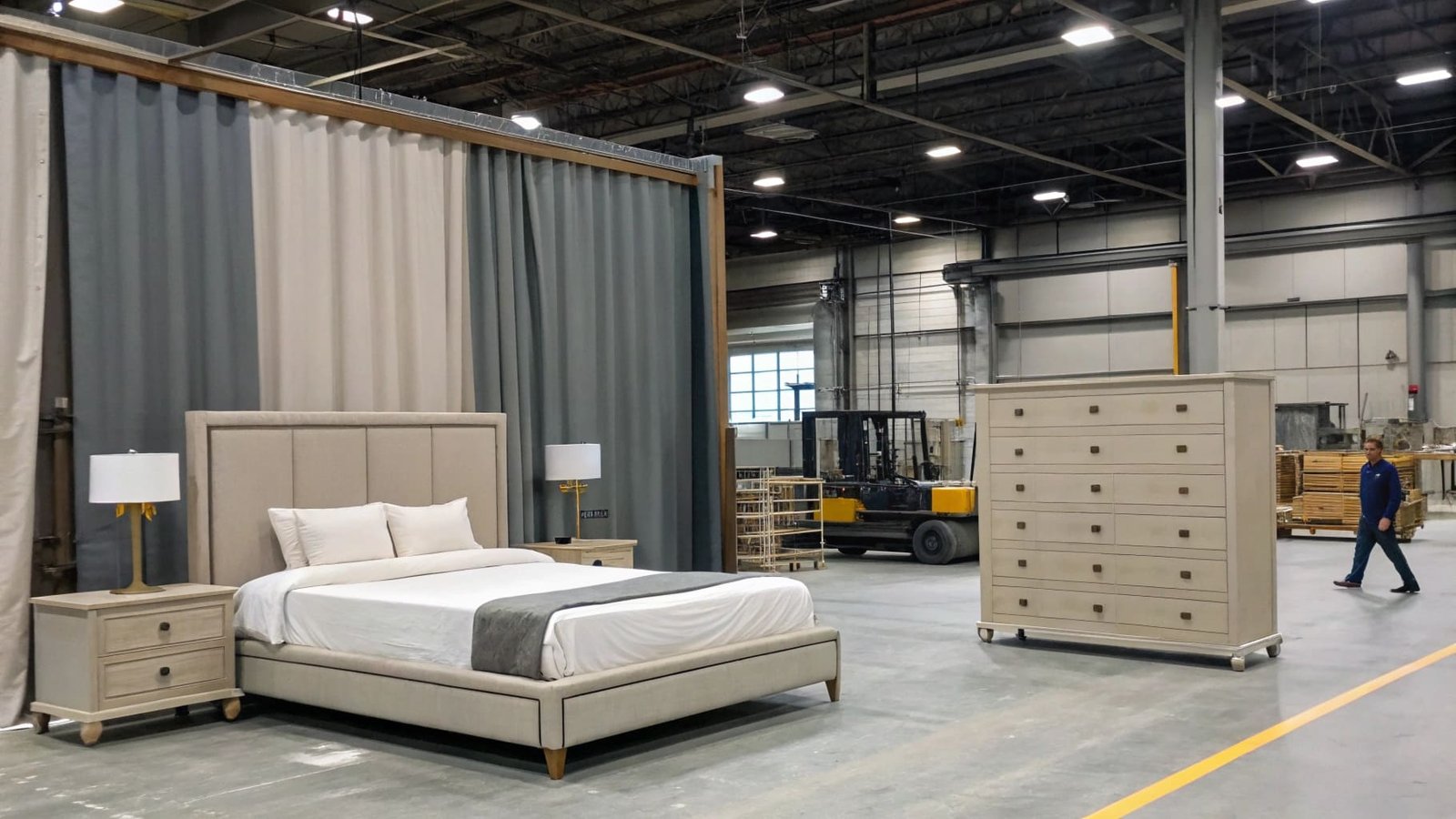
The best place to find a qualified office furniture installation company is through your furniture manufacturer’s certified installer network. These teams are pre-vetted, understand the product’s specific engineering, and can navigate local compliance, ensuring a seamless and risk-free project delivery from factory to final placement.

Finding the right team to install your office furniture seems simple on the surface. But in my experience, this is where many high-stakes projects can go wrong. It’s not about finding someone with a toolbox; it’s about finding a true partner who can protect your investment and bring your vision to life without any issues. Let’s look at what really separates a professional from a basic assembler, and how you can find the right one for your project.
Do they need more than just muscle? The importance of shop drawing literacy?
You hand over detailed architectural plans for your project. You worry the installers won’t see the hidden details. A small mistake could cause big problems with the final look.
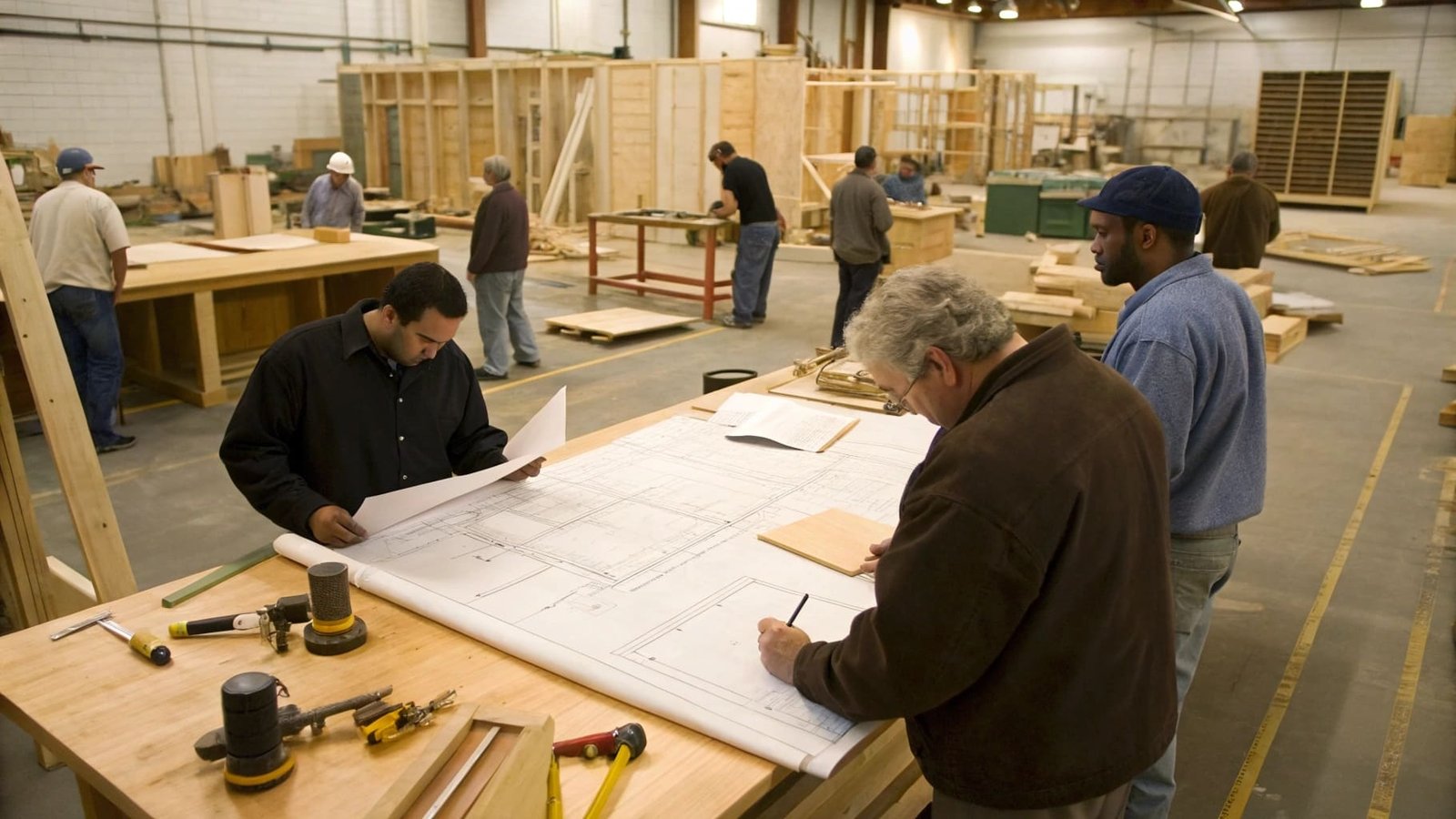
Yes, they need much more than muscle. An elite installation team must have “Shop Drawing Literacy.” They need to understand complex architectural and MEP (Mechanical, Electrical, Plumbing) drawings to avoid costly mistakes and ensure every piece fits perfectly within the building’s infrastructure.
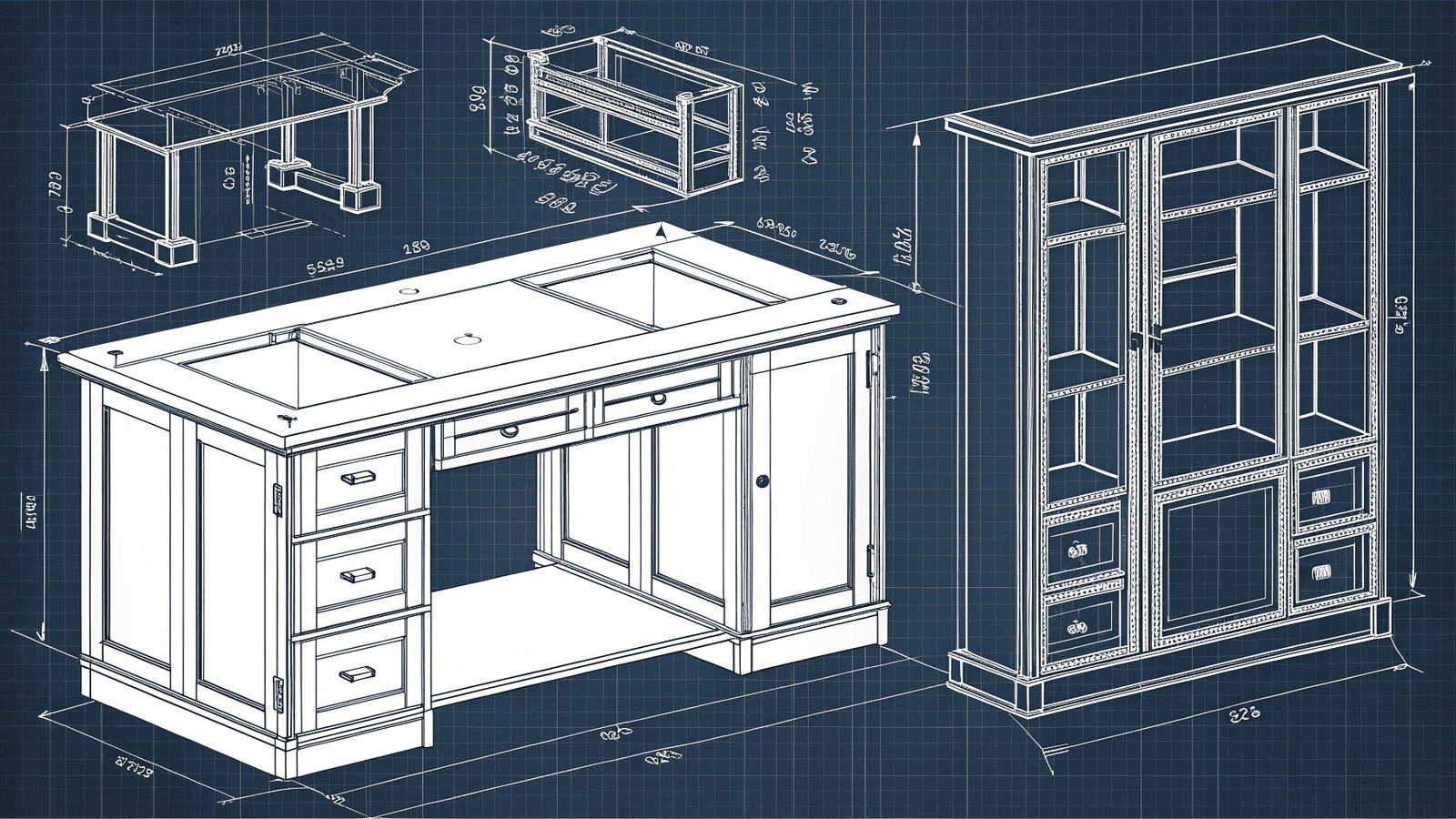
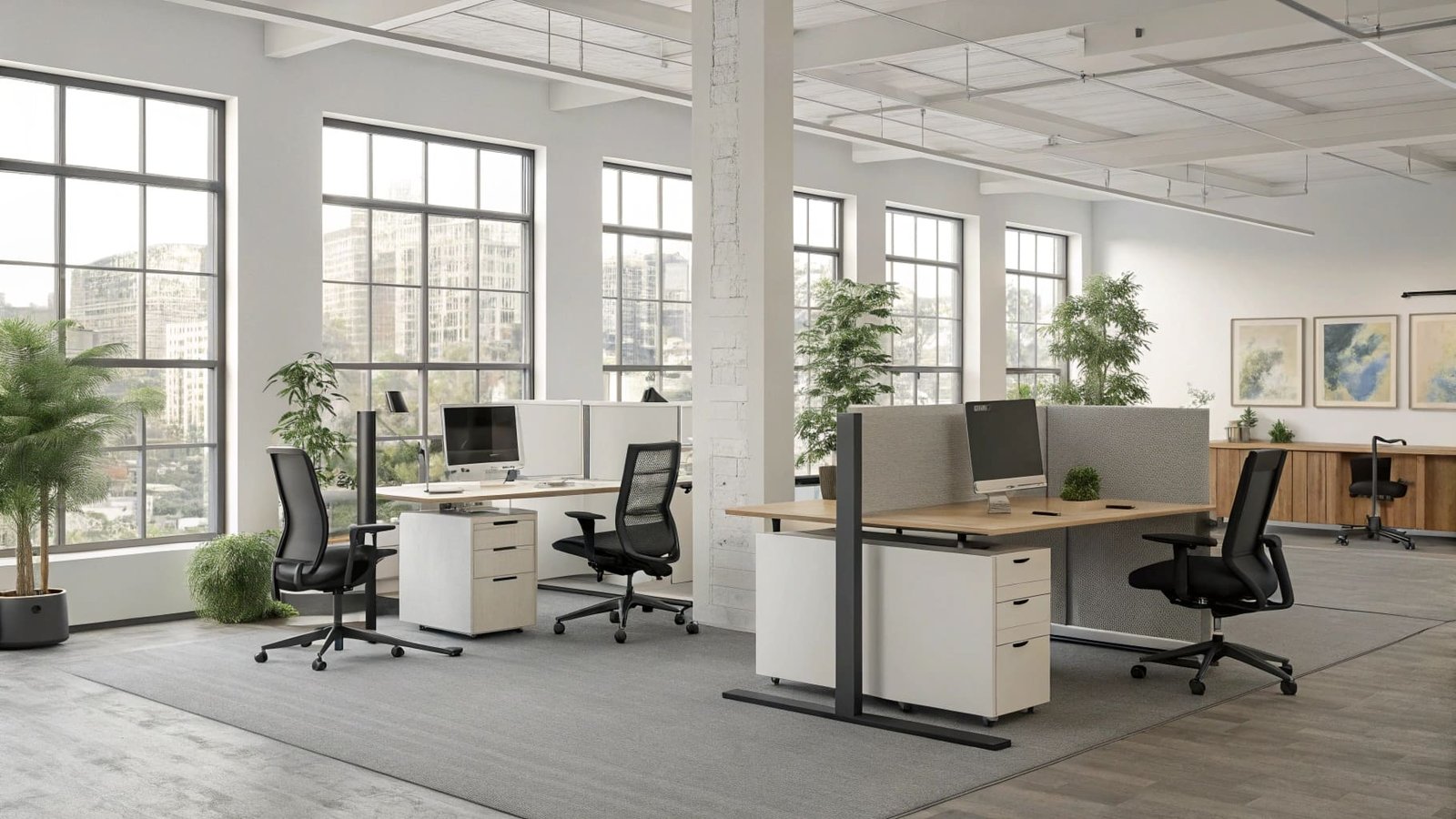
Modern office installation is basically a part of the interior construction process. I’ve seen projects with smart desking systems and complex multimedia conference tables. These are not simple pieces of furniture. A great installation company must be able to read the drawings from the architecture and design (A&D) team. They need to know how to install furniture without hitting underfloor heating pipes. They must align pieces perfectly with electrical outlets embedded in the wall. They also have to manage tiny measurement differences on uneven floors that can add up to big problems. If you hire a team that doesn’t understand the drawings, even the most expensive furniture will look cheap and out of place. It’s a skill that protects the entire project’s quality.
Installer Skill Comparison
Feature | Basic Assembler | Professional Installer |
Drawing Skills | Follows simple picture instructions. | Reads and interprets A&D and MEP drawings. |
Problem Solving | Gets stuck when plans don’t match reality. | Proactively identifies conflicts and finds solutions. |
Building Systems | Unaware of pipes, wires, and vents. | Works around existing building infrastructure. |
Final Result | Gaps, misalignments, and potential damage. | A seamless, fully integrated installation. |
Can they handle more than just wood? Respect for multi-material craftsmanship?
Your new furniture uses premium materials like anodized aluminum and natural stone. You’re afraid an inexperienced installer will scratch or damage these expensive finishes during assembly. It’s a valid concern.
Absolutely. A professional installation team must respect and understand the unique properties of various materials. They need experience with metals, specialty finishes, and heavy components to prevent irreversible damage and ensure the furniture’s long-term structural integrity.
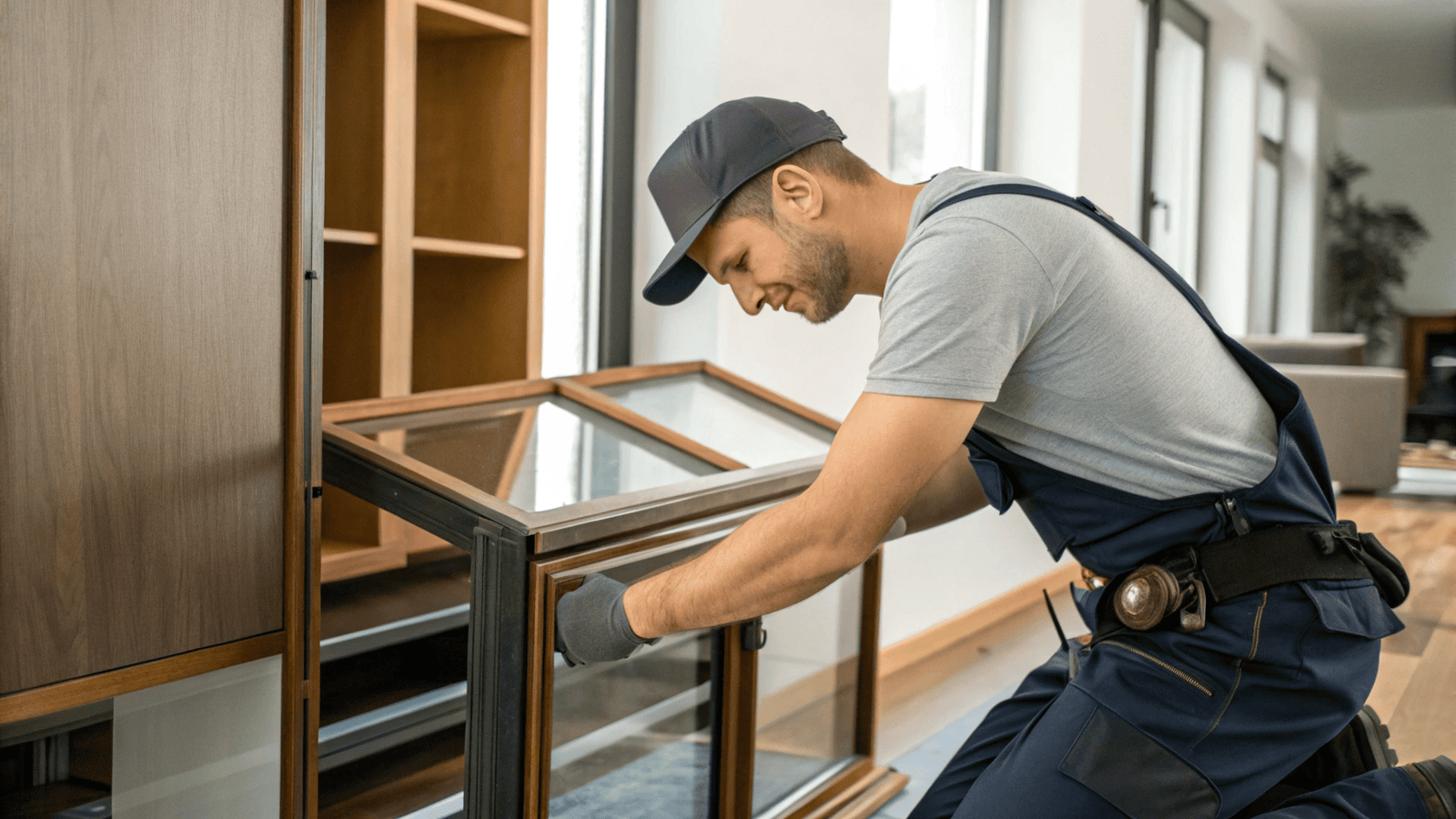
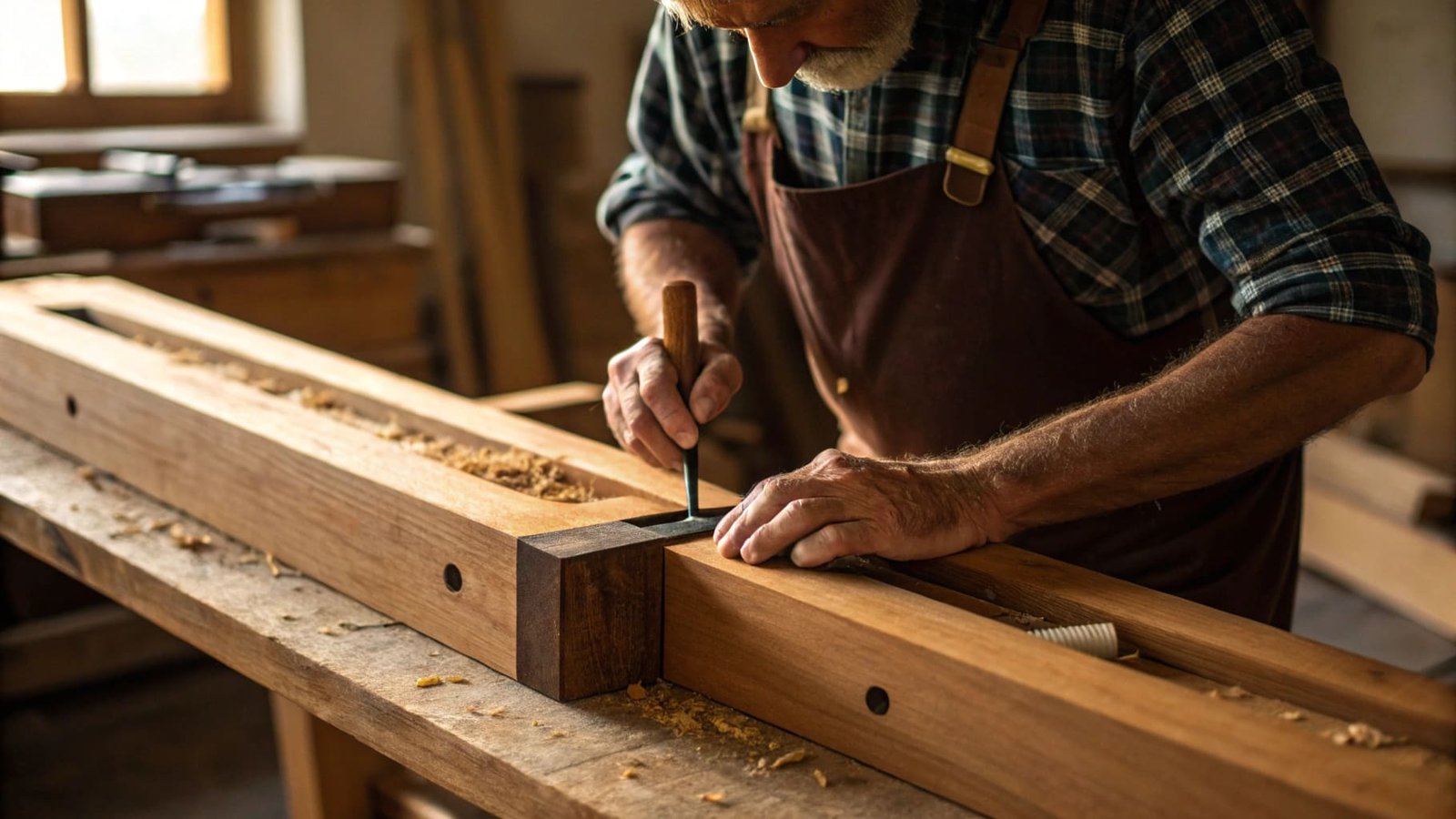
Today’s office furniture is not just wood and screws. We see a lot of anodized aluminum, anti-fingerprint laminates, custom leather, and even cantilevered stone. I have seen projects where a regular installer, who doesn’t know the properties of these materials, caused permanent scratches or put stress on the wrong parts of the structure. This kind of damage is not fixable. The real value in a professional team is their experience with precision hardware and heavy structural parts. They know how to use tools like laser levels and digital torque wrenches. This ensures that every bolt is perfectly tightened, and every surface is perfectly level. This attention to detail means the furniture will remain stable and strong, even after thousands of uses over many years. It is a level of craftsmanship that goes far beyond simple assembly.
Material Handling Skills
Material | Risk with Unskilled Labor | Professional Skill Required |
Anodized Aluminum | Scratches, dents, fingerprints. | Use of soft tools, proper lifting technique. |
Cantilevered Stone | Cracking, improper weight distribution. | Understanding of structural supports and load points. |
High-End Leather | Tears, stains, impressions. | Clean hands, careful handling, no sharp objects. |
Smart Hardware | Miscalibration, damaged electronics. | Knowledge of electronic components and wiring. |
Are they compliant? The reality of union vs. non-union labor and insurance?
You’re managing a big project, maybe in another country like the United States. You might not know about local rules for labor and building access. This lack of knowledge can shut down your project.
Yes, they must be compliant. In markets like the U.S., this is a huge hidden requirement. Professional installers carry high-limit insurance and know when union labor is mandatory, which prevents your project from being stopped by building management.
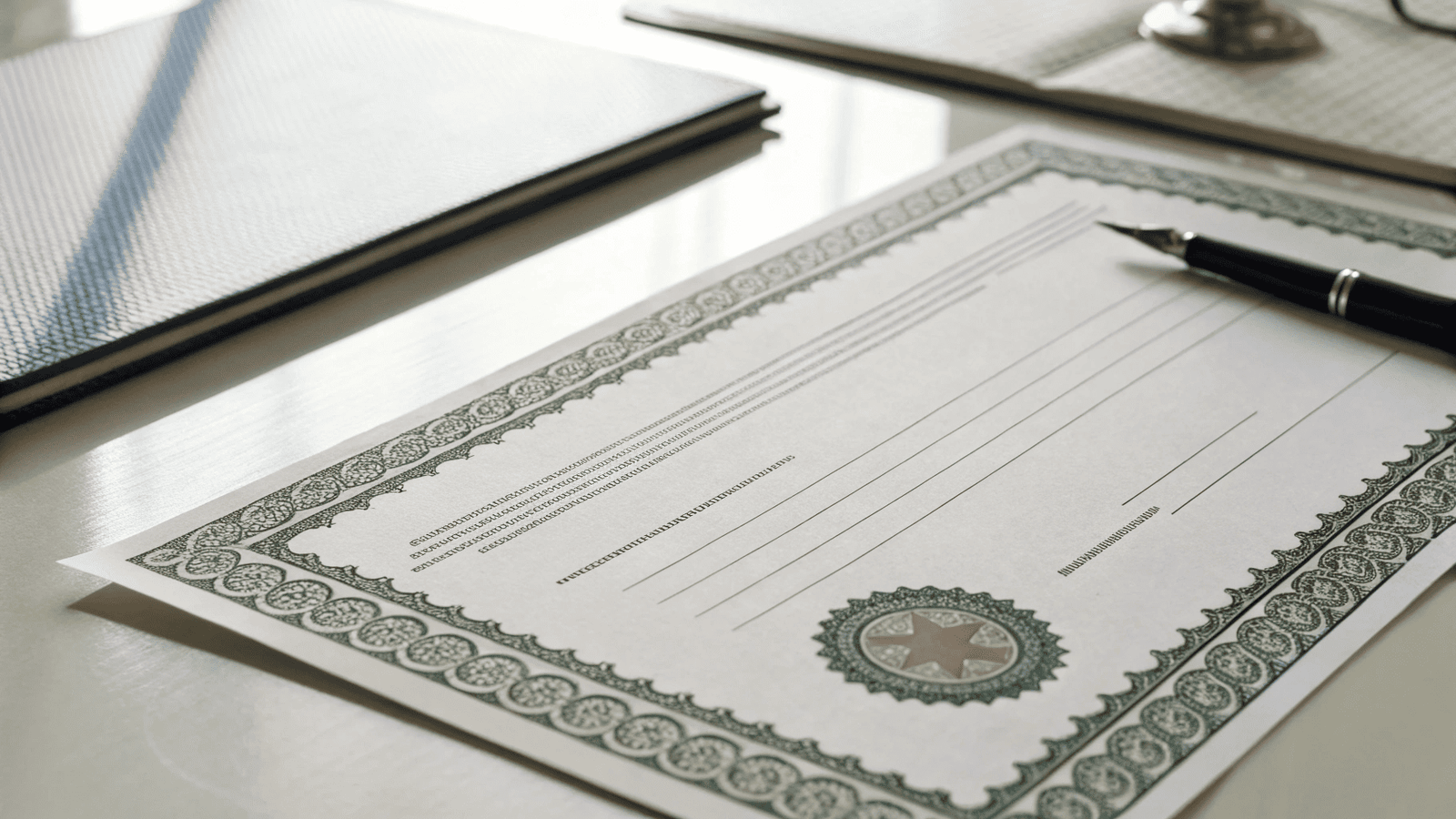
When I work on projects in North America, compliance is one of the biggest unseen challenges. If you want to work in a Class A office building, the rules are very strict. The installation team must have a very high amount of General Liability Insurance. They also need Workers’ Compensation Insurance. If they don’t have the right paperwork, the building management will not let them on-site. In some cities, like New York or Chicago, the rules are even stricter. You might be required to hire union workers for the installation. If you don’t, your project could be stopped immediately. A professional installation company doesn’t just provide labor. They provide a risk-free pass for compliance. They handle all the paperwork and rules so your project can proceed without any delays or legal trouble.
Key Compliance Checklist
Compliance Item | Why It Matters | What to Ask For |
General Liability Insurance | Protects against property damage and injury. | A Certificate of Insurance (COI) with high coverage limits. |
Workers’ Compensation | Covers worker injuries; required by law. | Proof of current Workers’ Comp insurance. |
Union Labor Knowledge | Avoids project shutdowns in union-specific zones. | “Are you a union or non-union company? Do you work in this area often?” |
Building-Specific Rules | Every major building has its own requirements. | Confirmation that they have worked in your building before or have reviewed its rules. |
Is there a secret to finding the best installers? The manufacturer-certified loop?
You are searching online for installers, but it feels like a gamble. You might waste time talking to the wrong people, and you risk hiring a team that isn’t right for your project.
Yes, there is a better way. The smartest clients I work with don’t search on public websites. They ask their furniture manufacturer for a list of certified local installers. This creates a seamless link between manufacturing and installation.
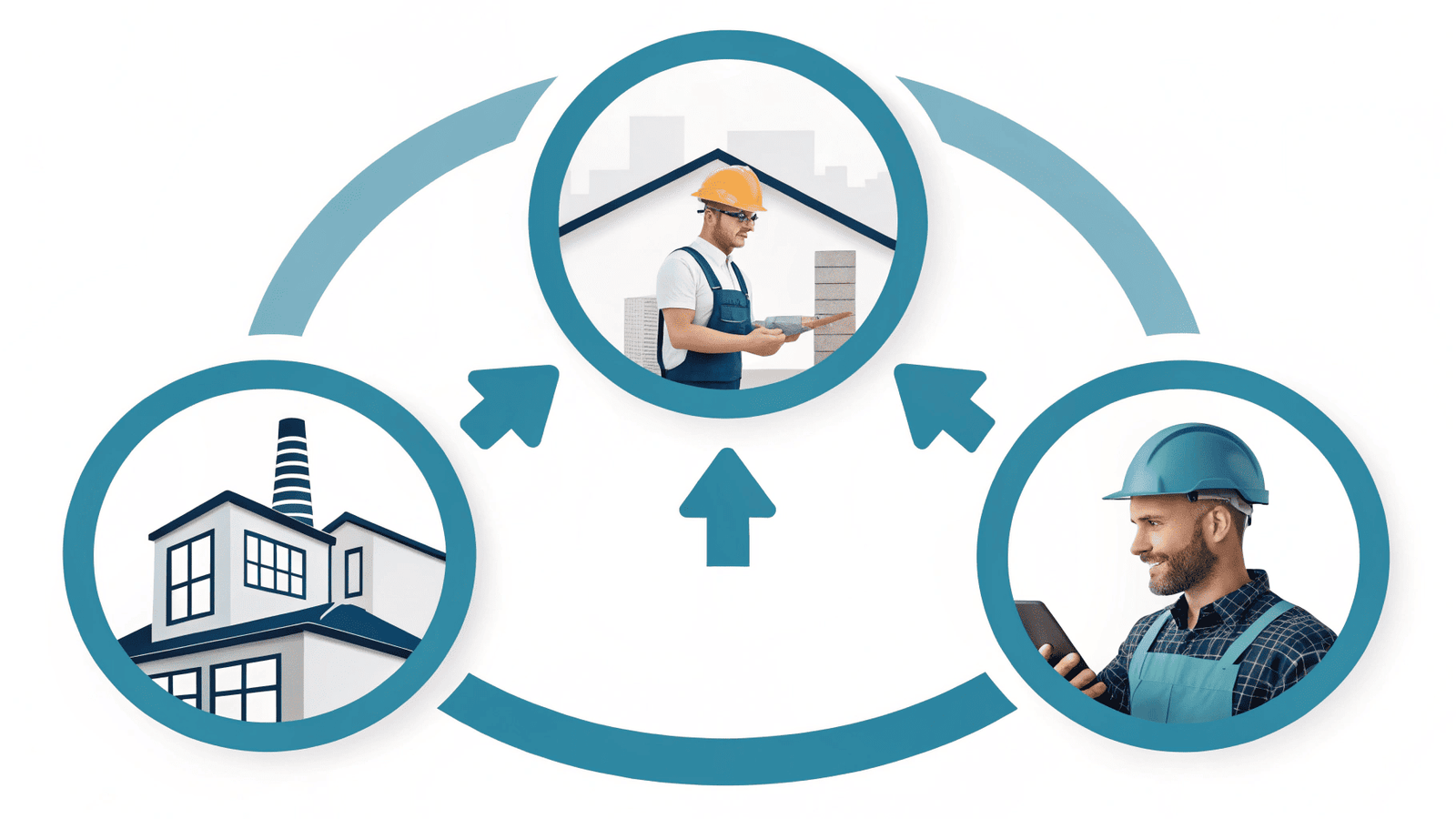
Here is the best strategy I can share for finding an installer. Don’t go to public service platforms and hope for the best. Go directly to the source. If you are working with an engineering-driven furniture manufacturer like NEXTOP, ask us for our network of certified installers in your project’s location. Why is this the best approach? Because the manufacturer knows the product better than anyone. We know the exact structural logic, the hardware tolerances, and the potential challenges of our furniture. A team that we have certified or worked with for a long time is already vetted for quality and professionalism. This creates a perfect, closed loop: manufacturing, logistics, and installation all working together. This simple step can reduce your on-site communication problems to almost zero, because the installation team already knows the product inside and out. It is the most efficient and least risky way to handle a large commercial project.
Two Paths to Finding an Installer
The Public Search Path | The Manufacturer-Certified Path |
1. Search online platforms. | 1. Ask the manufacturer for a recommendation. |
2. Vet multiple unknown companies. | 2. Connect with a pre-vetted, trusted partner. |
3. Risk of inexperience and non-compliance. | 3. Team already knows the product and local rules. |
4. High potential for on-site problems. | 4. Seamless installation with minimal issues. |
Conclusion
Finding the right installer means finding a true delivery partner. Look for technical skill and compliance knowledge, and always start your search with your furniture manufacturer for the best results.