Introduction
Tired of furniture that looks great online but disappoints in reality? You’re not alone. Finding pieces that promise longevity and deliver on style can feel like an impossible search.
The best American-made furniture company is one that combines heritage craftsmanship with modern reliability. Look for brands that value sustainable Appalachian hardwoods, traditional joinery, robust engineering, and the certainty of a domestic supply chain. These are the markers of true, lasting quality.
I’ve learned that the “best” isn’t a single name, but a set of principles. It’s about understanding what makes certain pieces last for generations. This knowledge has completely changed how I approach furnishing projects, allowing me to deliver results that stand the test of time. Let me walk you through what I’ve discovered.
Why does heritage craftsmanship still define the best American furniture?
Worried that the beautiful new table you bought will start to wobble in a year? This fear often pushes us toward brands that value tradition over trends.
Authentic American furniture stands apart because it’s built on a foundation of sustainable Appalachian hardwoods and timeless joinery. Techniques like Mortise & Tenon create a physical structure that doesn’t rely on chemical adhesives, giving the furniture a lifespan that can span decades.
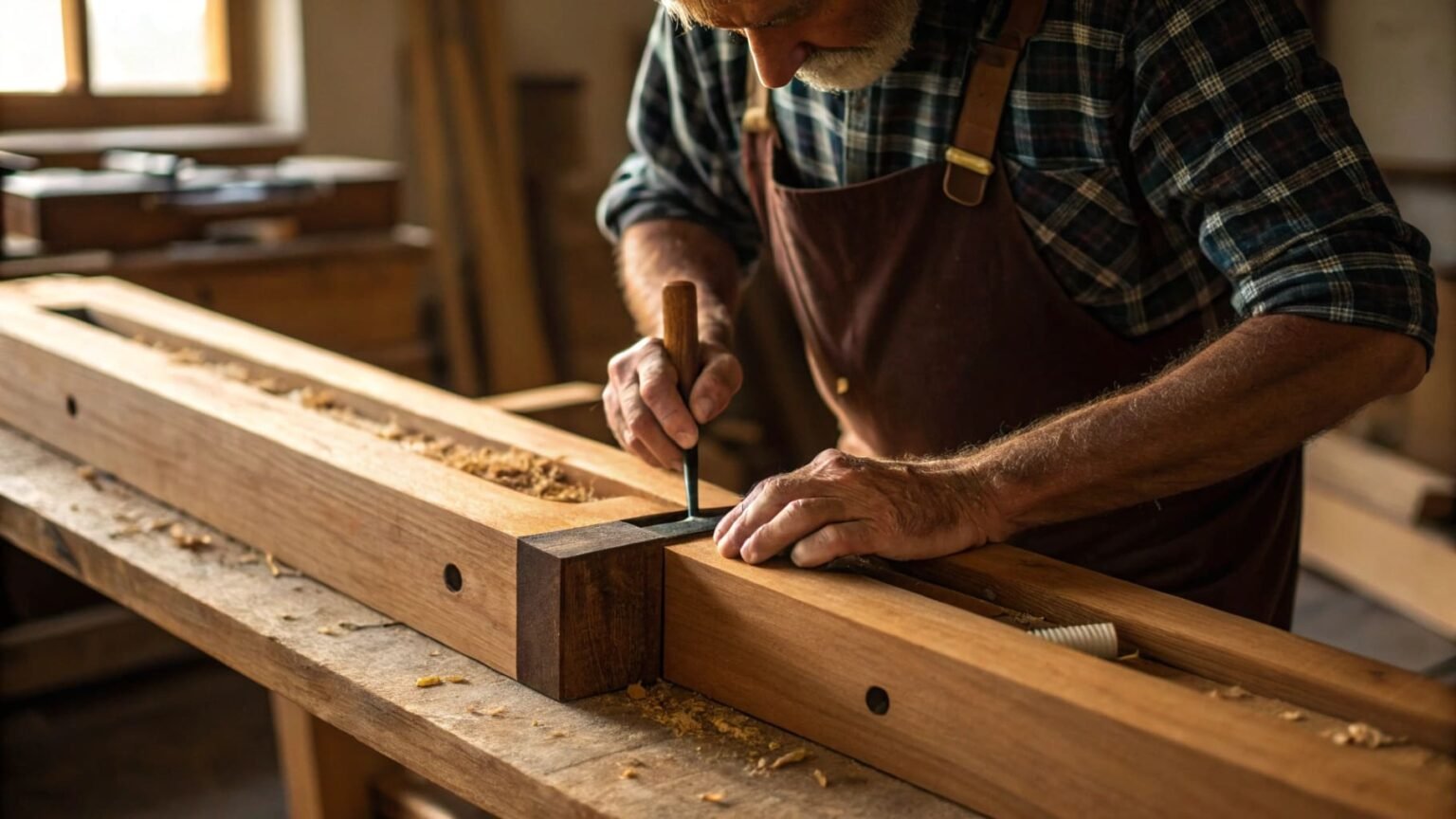
I believe the soul of high-end American furniture lies in its connection to authentic woodworking. It’s about celebrating the materials and the methods that have been proven for centuries. At its core, this means two things: superior hardwoods and time-tested joinery. The industry’s top makers, especially in places like North Carolina or in Amish communities, build their reputation on using sustainably harvested North American hardwoods like Black Walnut, Red Oak, and Cherry. This isn’t just about a “Made in the USA” label; it’s about a tangible difference in quality. Paired with classic joinery techniques like the Mortise & Tenon or Dovetail, these pieces are physically locked together. A well-made Mortise & Tenon joint is renowned for its exceptional strength, capable of withstanding immense force and lasting for generations. This mechanical strength is why you see it in centuries-old buildings and heirloom furniture. It’s a stark contrast to mass-produced items held together by screws and glue, which often fail within a few years.
Is a 'Made in USA' label worth the higher price tag?
Have you ever been frustrated by endless shipping delays and the risk of damaged goods on an important order? The uncertainty of a global supply chain can be a major source of stress.
While American-made furniture often comes with a higher initial cost, that premium buys you certainty. It means you avoid 6-8 week transoceanic shipping times, eliminate customs risks, and get a much more direct and responsive warranty and after-sales service.
For many of my clients, especially on residential and smaller commercial projects, the biggest headache is logistics. Long lead times and the unpredictability of international shipping can derail a project schedule in an instant. This is where domestic manufacturing truly shines. Choosing a U.S.-based company means you are no longer at the mercy of port congestion, container shortages, or customs hold-ups that plague imported goods. Lead times are drastically shorter—weeks instead of months—and communication is clearer without language barriers or vast time zone differences. This reliability is a core business advantage. In my experience, designers and homeowners are often willing to pay a 30-50% premium for this “peace of mind.” They know their investment is protected by a more stable supply chain and that any potential issues can be resolved quickly and efficiently.
How strong is American furniture, really?
Have you ever bought a chair that looked sturdy, only for it to feel flimsy and unstable after just a few months? This is a common disappointment with furniture that prioritizes aesthetics over engineering.
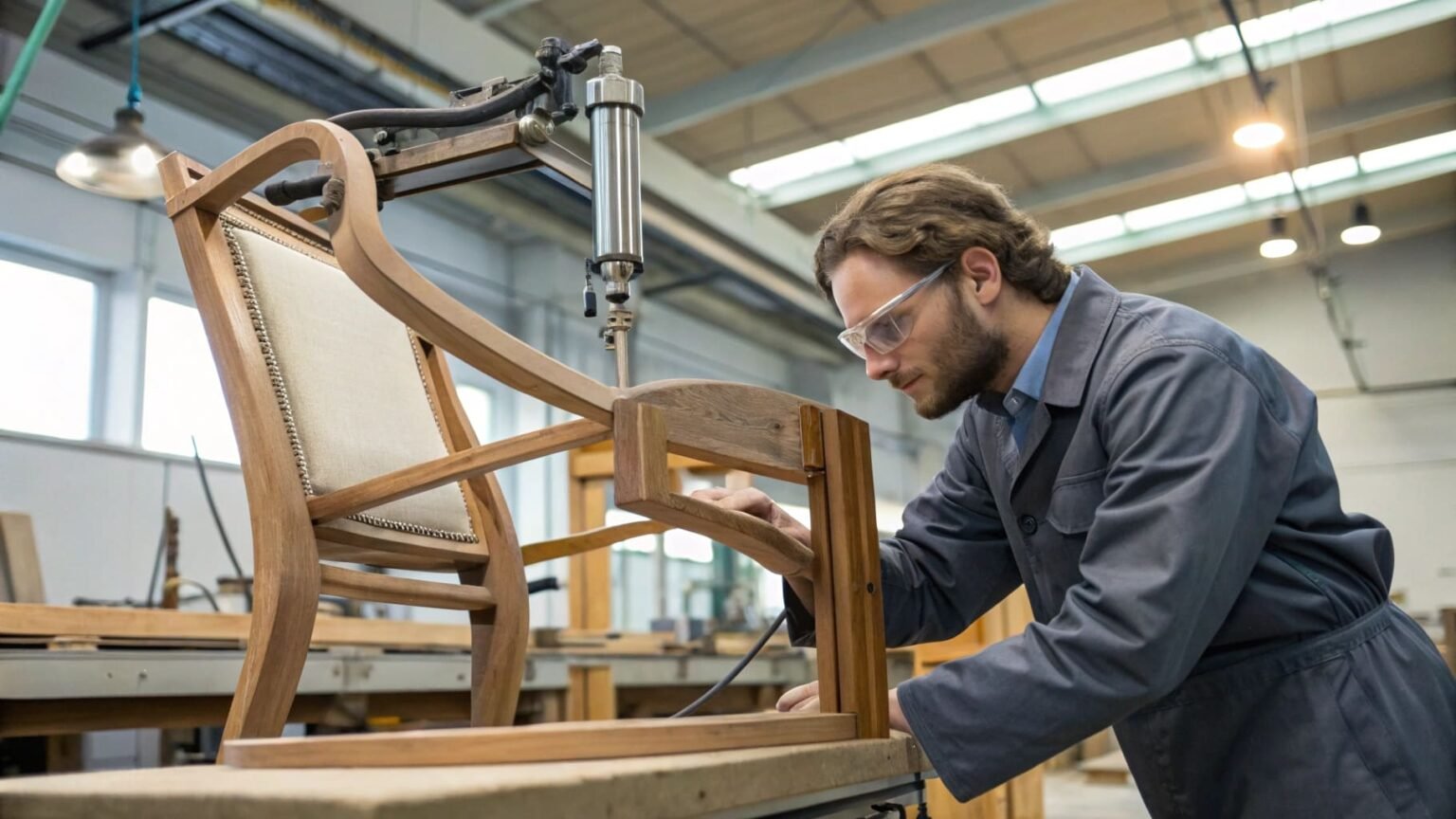
High-end American-made furniture is often built to rigorous commercial standards, even for residential pieces. It features heavy-duty structural engineering, with thick hardwood frames and robust joinery designed to pass demanding BIFMA (Business and Institutional Furniture Manufacturers Association) tests for fatigue and durability.
Unlike some designs that chase extreme lightness, traditional American furniture embraces a feeling of substance and stability. This isn’t just about looks; it’s about a deep-seated commitment to structural integrity. When I specify furniture for high-traffic hospitality projects or large-scale residences, I look for pieces that meet or exceed BIFMA standards. These standards are voluntary but simulate years of heavy use, testing everything from the backrest durability to the impact of a person dropping into the seat. American manufacturers who adhere to these principles use oversized hardwood for frames and combine it with engineered steel components to create an incredibly strong foundation. This robust construction gives the furniture a commanding presence that is perfect for anchoring a large space, providing the “heavy-duty” feel that luxury projects demand. It’s a promise of safety, reliability, and a lower total cost of ownership over time.
When does it make sense to look beyond traditional American makers?
Ever had a bold design vision involving complex shapes and exotic materials, only to find your go-to workshops can’t execute it? This is where traditional craftsmanship can meet its limits.
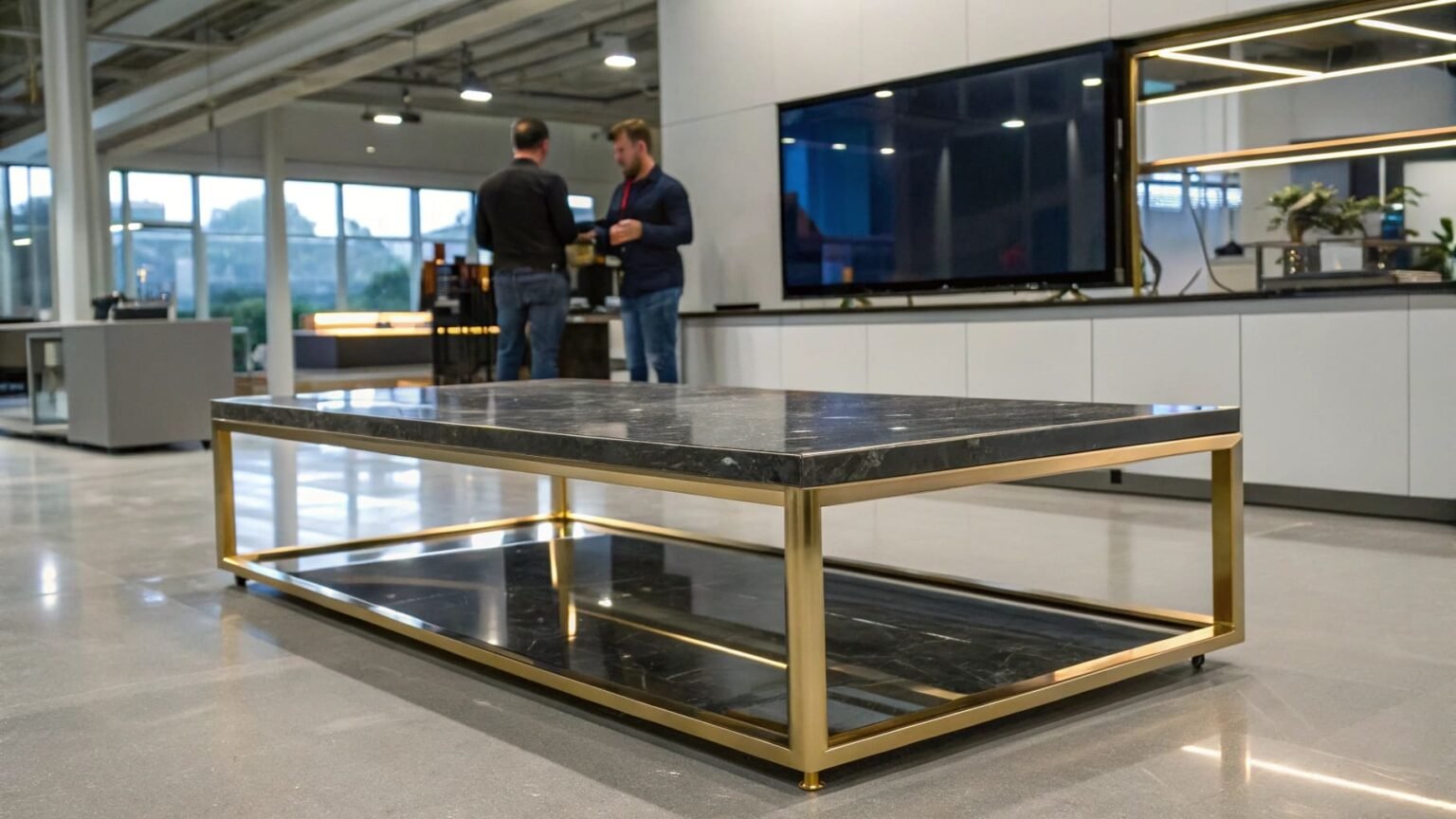
While traditional American factories excel at solid wood and standard upholstery, they can struggle with highly complex, non-standard designs. For pieces involving custom PVD stainless steel, cantilevered stone, or integrated electronics, partnering with a global, engineering-focused factory is often the smarter, more cost-effective solution.

Here’s the turning point I’ve seen in the industry. The very specialization that makes traditional American furniture so good with wood can be a limitation when a design pushes into new materials and technologies. A small, heritage-based workshop may not have the equipment or engineering expertise to produce a large, complex piece that seamlessly integrates metal, stone, and lighting. This is where a new, hybrid approach comes in. Smart designers and buyers are now creating a powerful combination. They rely on trusted American brands for classic items like solid wood dining tables, chairs, and standard sofas. But for the ambitious, statement-making pieces—the large, multi-material items that define a space—they collaborate with engineering-driven source factories that have a global reach. This allows them to achieve the perfect balance of quality, budget, and design innovation.
Strengths of… | Traditional US Makers | Global Engineering Partners (like NEXTOP) |
Core Expertise | Solid wood craftsmanship, standard upholstery | Complex, non-standard, multi-material fabrication |
Best For | Classic dining sets, beds, standard sofas | Custom architectural metalwork, integrated casegoods |
Materials | Appalachian hardwoods, domestic fabrics | PVD stainless steel, specialty stone, veneers |
Key Advantage | Heritage quality, domestic supply chain | Advanced engineering, cost-effective customization |
This blended strategy isn’t about replacing American craftsmanship but complementing it to achieve a design vision without compromise.
Conclusion
Ultimately, the best furniture strategy balances American heritage for timeless pieces with global engineering for complex, custom visions. This hybrid approach delivers both quality and innovation for any project.