Introduction
As an interior designer, you’ve rendered the perfect 3D metal wall installation. But what arrives from a retail site is flimsy and disappointing. How do you bridge this gap between vision and reality?
For professionals in architecture and design, the solution isn’t about finding discounts on retail websites. It’s about shifting your mindset from buying generic decor to sourcing from an engineering factory with pre-production structural auditing capabilities. This ensures your custom metalwork is built to last and matches your exact specifications.
I’ve learned this lesson the hard way. Early in my career, I sourced what I thought was a beautiful, large-scale metal piece for a hotel lobby from a popular online decor store. The pictures were stunning. The reality was a disaster. The piece arrived slightly bent, the finish was uneven, and the mounting hardware was a joke. It looked cheap and, frankly, unsafe. That experience forced me to rethink my entire procurement process for custom features. It’s not about finding a product; it’s about finding a partner who can execute a design. Now, I go directly to the source: engineering-focused factories that understand the technical demands of high-end commercial projects. This approach eliminates the guesswork and ensures the final installation is as impressive in reality as it was in my initial rendering.
The Retail Pitfalls: Are online decor stores creating hidden risks for your project?
Sourcing from retail websites seems easy and affordable, but it often leads to disappointment. The pieces look great online, but what shows up can be a flimsy, poorly made product that compromises your design.
These hidden risks can quickly inflate your project’s total cost of ownership. You end up with something that looks cheap, doesn’t last, and may even be a safety hazard. It’s a classic case of getting what you pay for, and in commercial design, the stakes are too high for that gamble.
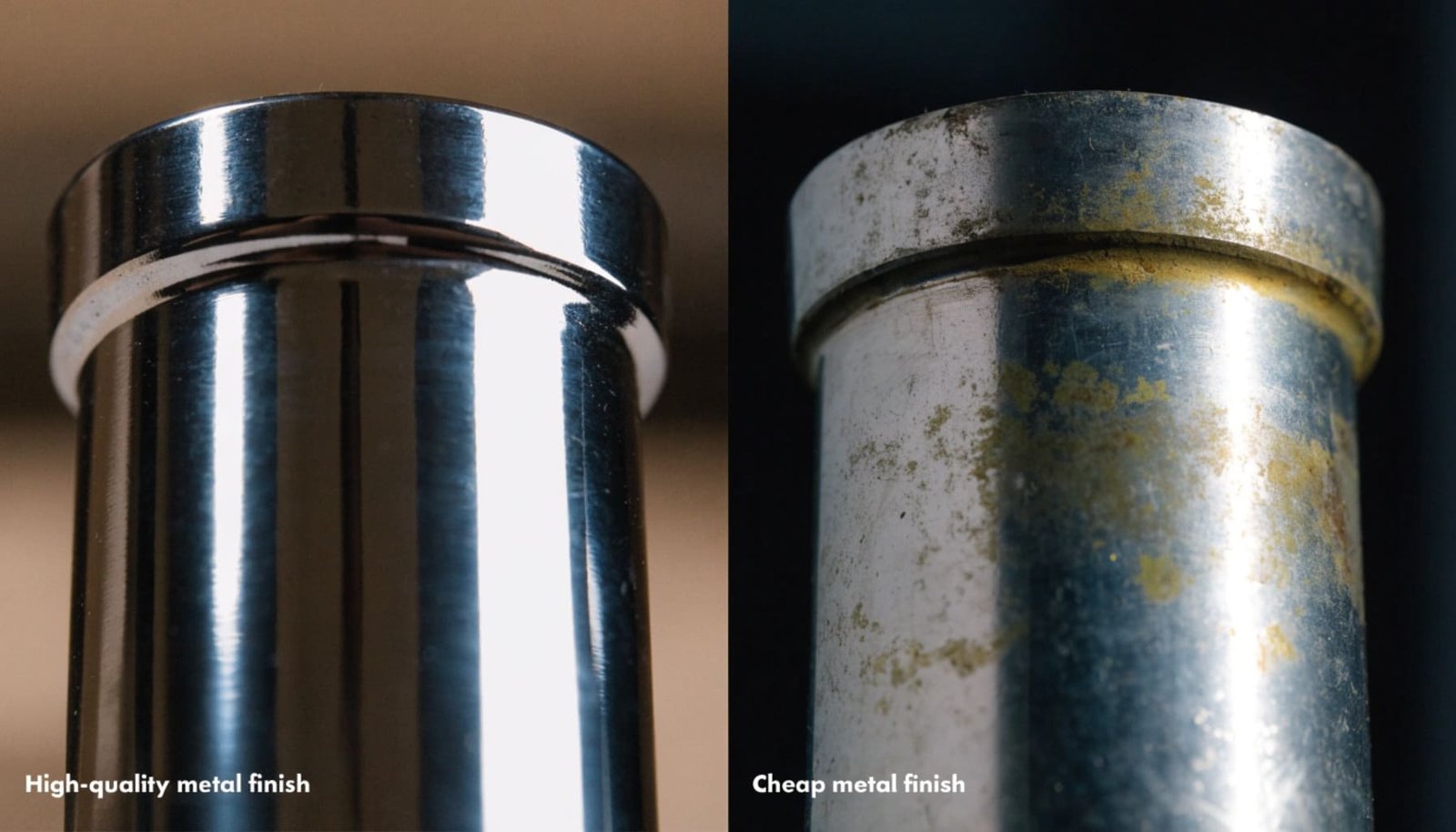
Let’s break down the hidden traps of buying from mass-market retail and generic online stores, which often increase a project’s total cost despite appearing cheaper upfront. These platforms are designed for residential consumers, not for the rigors of commercial or hospitality environments. The problems usually fall into four distinct categories that can derail a project’s timeline, budget, and safety. I’ve seen each of these issues firsthand, and they are entirely avoidable with the right procurement strategy.
Risk Category | The Hidden Problem | Impact on Your Project |
Material Degradation | Retail pieces often use cheap carbon steel with a simple paint finish. This looks fine out of the box but quickly fails. Within a year or two, you’ll see rust spots, bubbling paint, scratches, and a surface covered in fingerprints that are impossible to clean. | The piece looks worn and cheapens the entire space, leading to early replacement costs and damaging the client’s perception of quality. |
No Shop Drawings | What you see is what you get, with no technical review. There are no shop drawings to confirm scale, material junctions, or installation details. This means the piece may look disproportionate once installed, or it may not align with other materials like stone or wood. | Leads to on-site installation nightmares, misaligned elements, and a final look that doesn’t match the design intent. The lack of detailed plans is a recipe for failure in a professional setting. |
Structural & Safety Risks | Mass-produced items have generic, one-size-fits-all mounting hardware. For heavy or three-dimensional pieces, these simple hooks can’t properly distribute weight, causing the art to sag, tilt, or even fall, especially on drywall or delicate surfaces. | This is a massive liability. A falling piece of heavy art can cause significant property damage and, more importantly, injure someone. It’s a risk no designer or contractor should ever take. |
Inadequate Packaging | Items are shipped in standard cardboard boxes that offer little protection for international freight. The risk of damage during transit—dents, bends, and broken welds—is incredibly high, with some sources citing damage rates over 15%. | Your project is delayed while you deal with returns and replacements. The client is unhappy, the schedule is blown, and your reputation takes a hit. |
The Technical Criteria: What defines a true "source engineering factory"?
Tired of metal art that warps, rusts, or just looks cheap? The problem isn’t the material; it’s where you’re sourcing it from. It’s time to stop thinking like a consumer and start thinking like a project manager.
The key is to partner with a source engineering factory. These specialists provide detailed shop drawings, advanced surface treatments, precise fabrication, and engineered mounting systems. This ensures your vision is executed with technical excellence from start to finish.
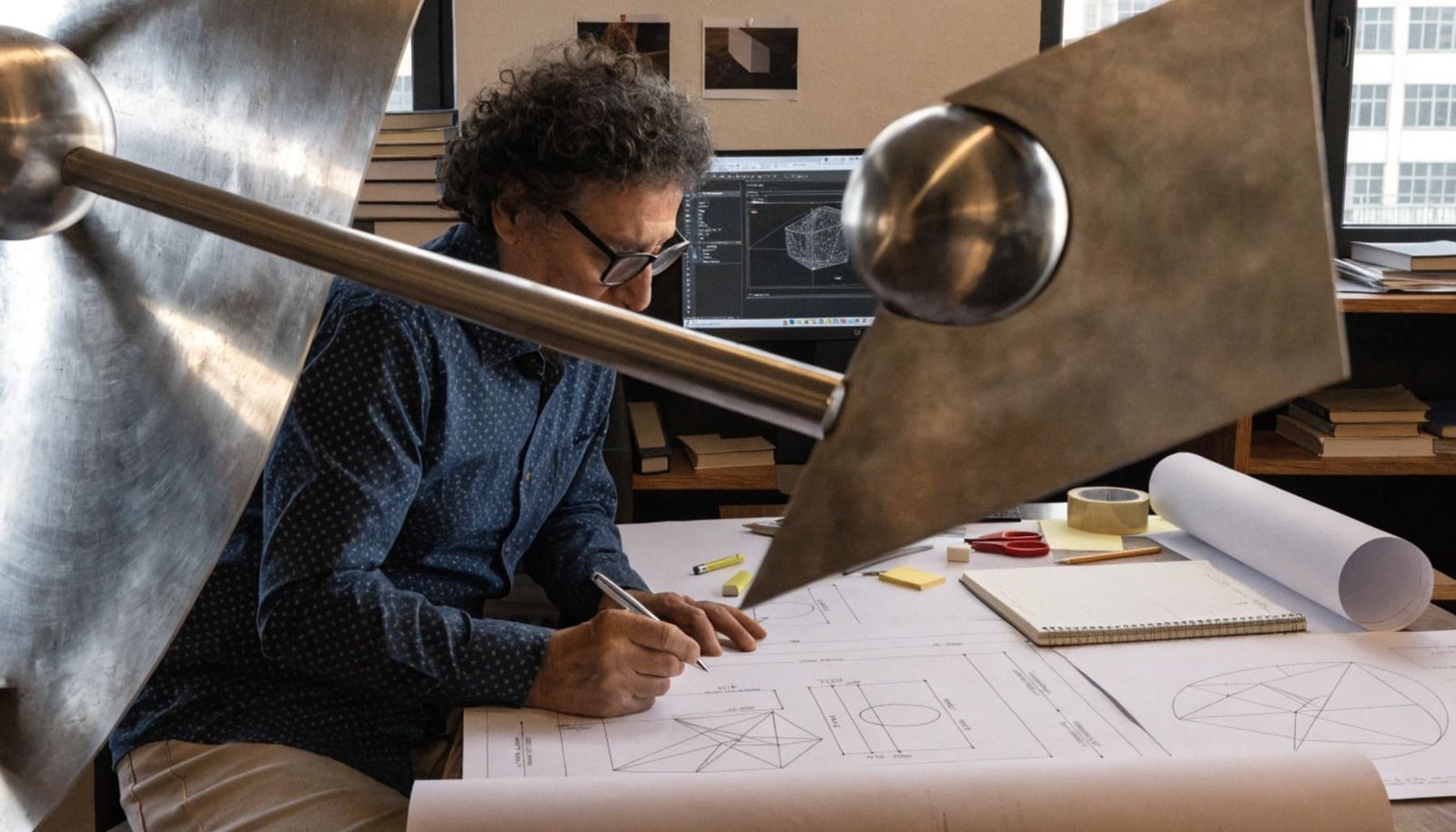
To avoid the pitfalls of retail sourcing, you need to vet your manufacturing partners with a professional set of standards. This is about more than just looking at a portfolio; it’s about digging into their technical capabilities. For architects, designers, and procurement managers, asking the right questions is crucial. A true engineering partner won’t just take your order; they will collaborate with you to refine and perfect the design for manufacturing and installation. They bridge the gap between your creative vision and the physical realities of metal fabrication, ensuring the final piece is not only beautiful but also structurally sound and built to last. This is what separates a supplier from a true project partner.
Can the factory provide detailed shop drawings and 3D models?
The first sign of a professional fabrication partner is their approach to documentation. Before any metal is cut, a dedicated engineering factory should provide detailed shop drawings. These aren’t just simple sketches; they are precise 1:1 construction documents that translate your design intent into a buildable reality. A good set of shop drawings will detail every weld, every connection point, every material specification, and every installation requirement. They serve as the foundational agreement between the designer and the fabricator, eliminating ambiguity and preventing costly mistakes down the line.
Furthermore, ask if they provide 3D modeling and material samples for review before mass production. A 1:1 scale sample of the material with its specified finish allows you to see and feel the texture, confirm the color under different lighting conditions, and check the quality of the finish. This step is critical for managing client expectations and ensuring the final product matches your vision perfectly. It’s the ultimate quality control checkpoint.
Do they offer advanced surface engineering like PVD and AF coatings?
The longevity and appearance of metal art heavily depend on its surface treatment. A basic powder coat might be sufficient for some applications, but for high-touch areas or high-end projects, you need more advanced solutions. Ask potential partners if they offer Physical Vapor Deposition (PVD) coatings. PVD is a process that deposits a thin, ultra-hard metallic film onto the surface in a vacuum chamber. This finish is significantly more durable and scratch-resistant than traditional powder coating or paint, making it ideal for hospitality and commercial projects. It allows for true metallic finishes—like brushed gold, bronze, or matte black—that won’t fade or tarnish.
Equally important is an anti-fingerprint (AF) nano-coating. This is a transparent layer that dramatically reduces the visibility of fingerprints and smudges, which is essential for pieces in lobbies, elevators, or other high-traffic zones. An AF coating not only keeps the artwork looking pristine but also makes it much easier to clean and maintain, reducing long-term operational costs for the client.
Can they achieve tight tolerances and manage cross-material integration?
Many ambitious designs involve integrating metal with other luxury materials like natural stone, wood, or artistic LED lighting. This is where a factory’s precision truly shines. Ask about their tolerance capabilities. Can they control gaps and seams to within ±0.15mm? This level of precision is what creates a seamless, high-end look and prevents awkward junctions or misalignments. It’s the difference between a piece that looks custom-built and one that looks cobbled together.
Moreover, a top-tier factory understands material science. They will engineer hidden stress relief joints when combining metal with other materials that have different expansion and contraction rates. This prevents warping or cracking over time as the building settles and temperatures fluctuate. This foresight demonstrates a deep understanding of structural engineering and is a hallmark of a factory that builds for longevity.
Do they engineer a concealed structural mounting system?
How a heavy or large-scale metal art piece is mounted is as important as the piece itself. A simple hook or wire is a safety risk in a commercial setting. A professional engineering factory will design a concealed mounting system, often using a French cleat or a custom-fabricated internal subframe. This approach distributes the weight of the piece evenly across a larger section of the wall, making it far more secure.
This system should be engineered to handle the specific load of the artwork on the intended substrate, whether it’s drywall, masonry, or a stone veneer. The goal is to achieve a flush, “floating” appearance with a gap of ≤2mm from the wall, hiding all hardware from view. This not only ensures safety but also contributes to a clean, professional aesthetic that allows the artwork itself to be the focus. It’s a non-negotiable detail for any significant metal installation.
Conclusion
Stop buying decorative objects and start commissioning engineered art. Partner with a factory that provides shop drawings, advanced coatings, and structural mounting to ensure your metalwork is flawless, safe, and true to your vision.