Introduction
Struggling to find high-quality metal art that truly fits your project’s vision? Forget generic retail. The best source is a factory that combines engineering precision with artistic execution, ensuring your design becomes a reality.
The best place to buy significant metal wall art is not a retail platform but an engineering-focused source factory. These partners provide shop drawings, advanced material technologies, multi-material integration, and crucial safety engineering, turning your exact vision into a durable, high-quality, and safe installation.
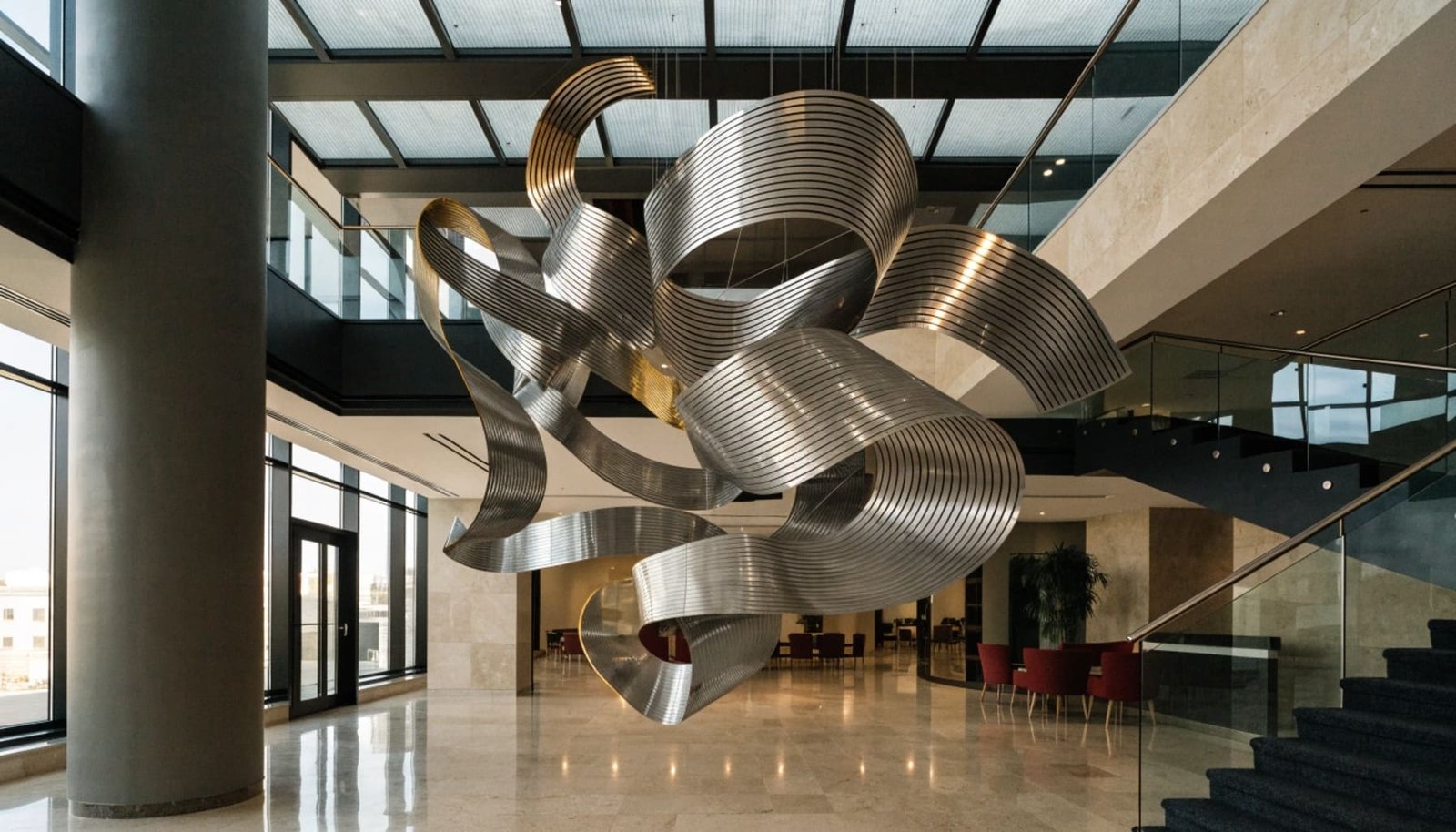
As a custom furniture and metal works provider, I’ve seen countless design professionals get frustrated with off-the-shelf decor. They have a specific vision for a space, but what they find online and in stores is a compromise. It’s the wrong size, the wrong finish, or it just lacks the substantial quality needed for a high-end commercial or residential project. This gap between design intent and available products is a huge problem. But it’s a problem that can be solved by changing where you look. Instead of searching for a product that *exists*, you should be looking for a partner who can *create*. Let’s explore what that really means.
Why skip retail and connect directly with an engineering factory?
Tired of seeing beautiful online photos turn into disappointing, flimsy products? For professional projects, you can’t afford the uncertainty of retail. Direct partnership with an engineering factory eliminates this risk entirely.
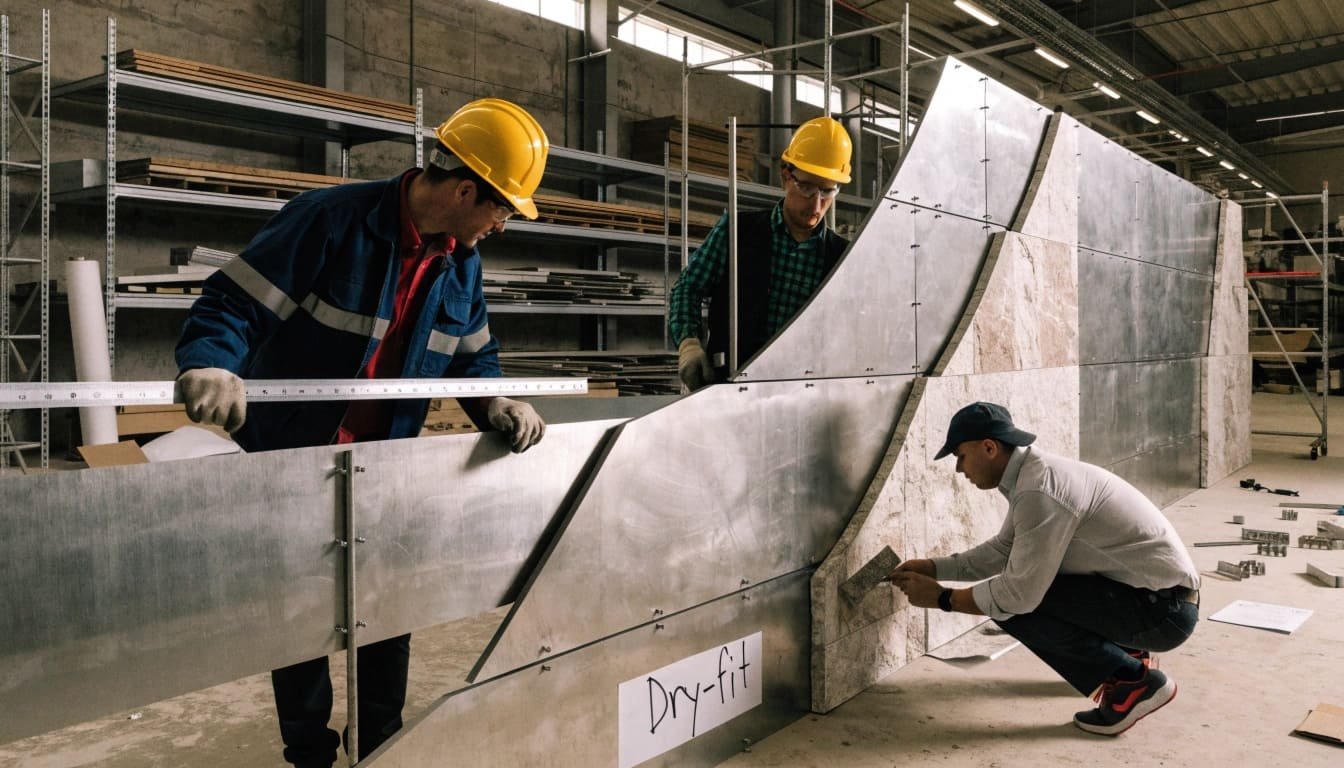
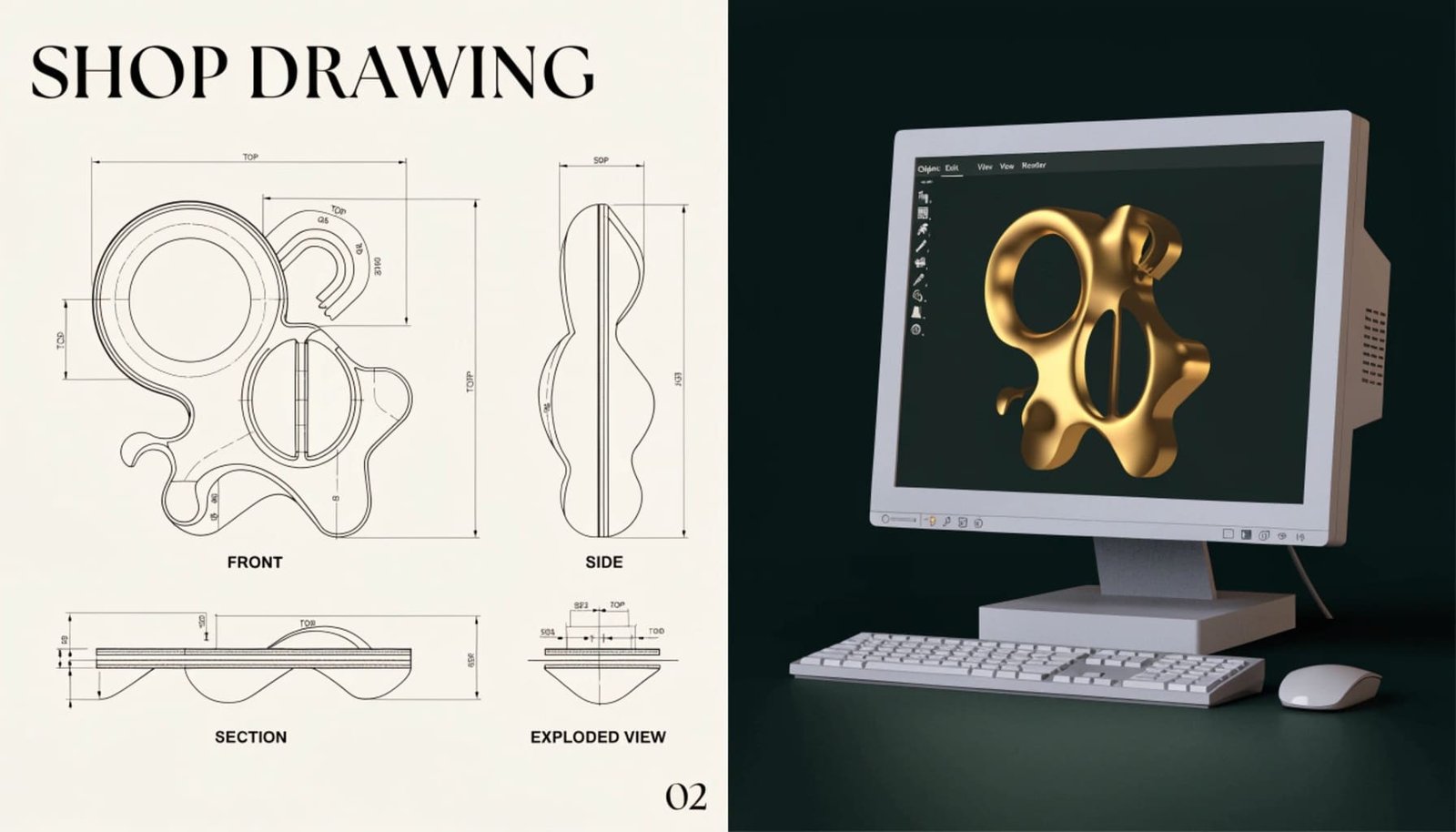
The key is to bypass mass-market platforms and connect with a manufacturing partner that offers shop drawings and 3D modeling. This allows for a 1:1 scale review and physical sample approval before production begins, removing all guesswork from international procurement and guaranteeing the final piece is perfect.
The Power of Precise Plans
I remember a project for a hotel lobby where the designer wanted a series of large, overlapping brass rings to create a feature wall. On a retail site, you might find something that looks similar, but you have no real control. Is it hollow or solid? How is it mounted? What is the “brass finish”–is it paint or real plating?
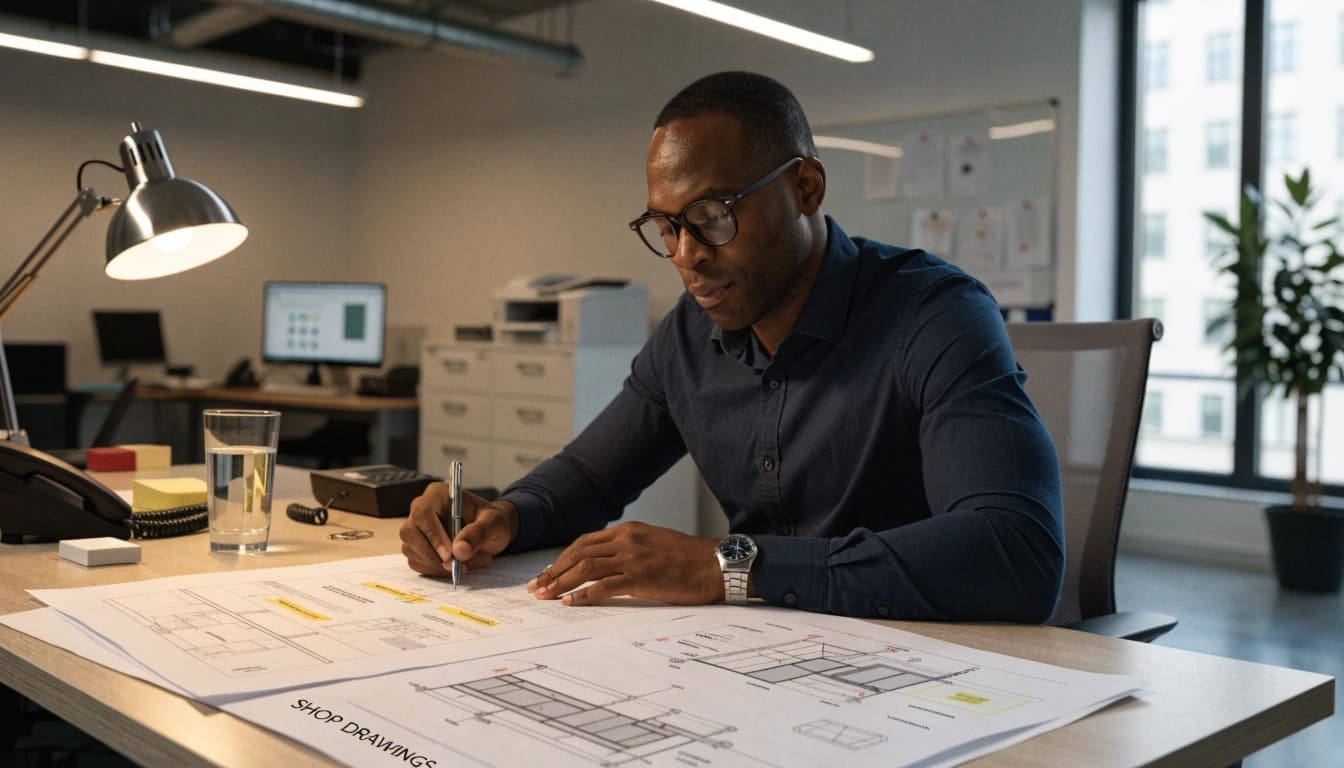
This is where shop drawings become your most powerful tool. A proper shop drawing is a detailed blueprint for fabrication. It provides exact dimensions, material specifications, connection methods, and installation guidelines. We take the designer’s concept and translate it into a technical plan that the workshop can execute flawlessly. For that hotel lobby, our shop drawings specified the exact diameter and thickness of each ring, the 304-grade stainless steel base, the PVD titanium coating for the brass finish, and the hidden structural mounting points. The client could see everything on paper before we cut a single piece of metal. This process eliminates nasty surprises and ensures the final installation matches the vision perfectly. It turns a hopeful purchase into a predictable, engineered outcome.
How do you ensure your metal art lasts for decades?
Worried that your stunning metal art will oxidize, scratch, or become a fingerprint magnet within a year? The secret to longevity isn’t the metal itself, but the science applied to its surface.
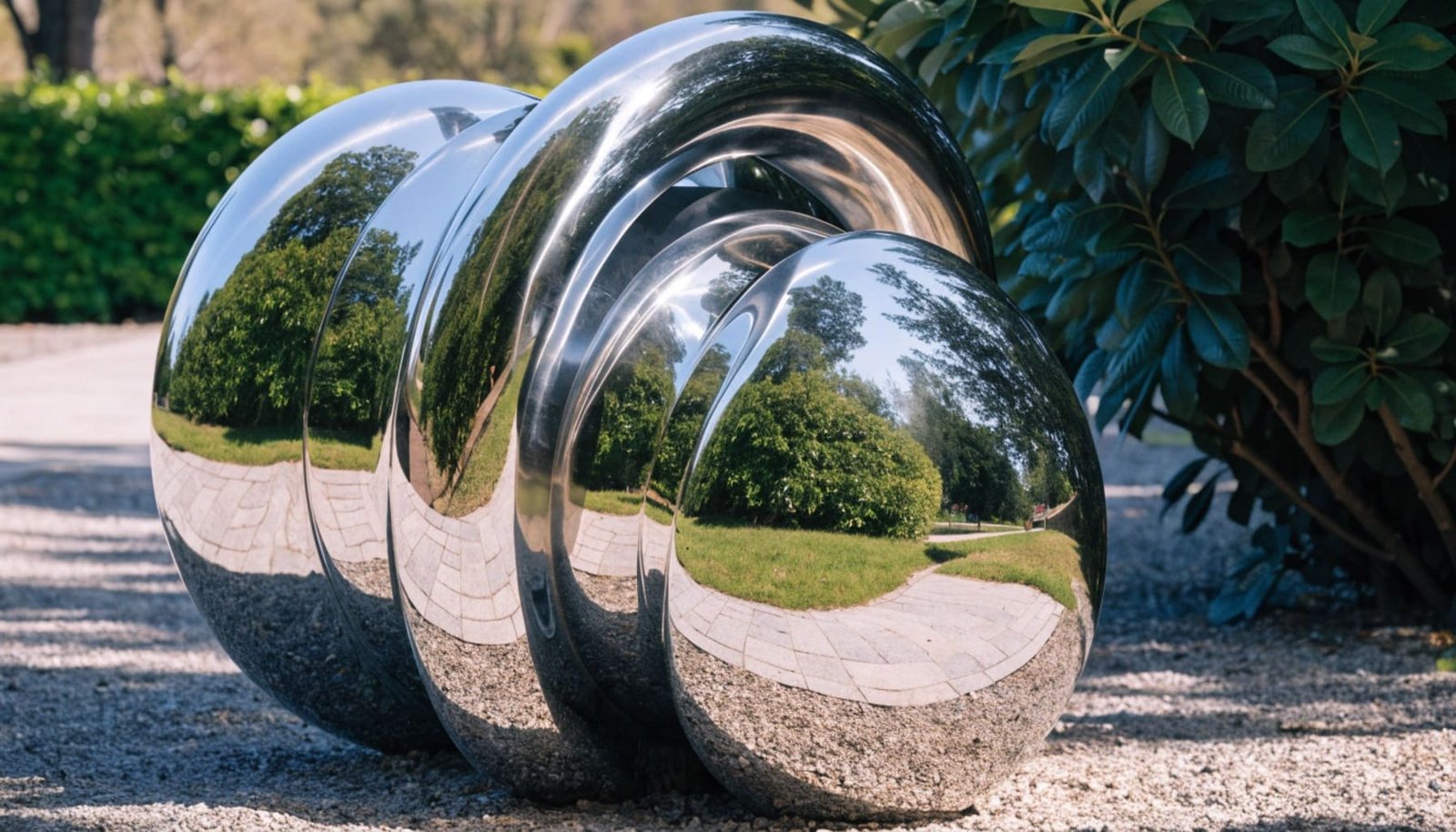
Top-tier factories use museum-grade surface engineering. This involves applying Physical Vapor Deposition (PVD) titanium coatings and nano-scale anti-fingerprint layers onto high-quality base metals like 304/316L stainless steel. This guarantees a flawless finish that lasts for decades.
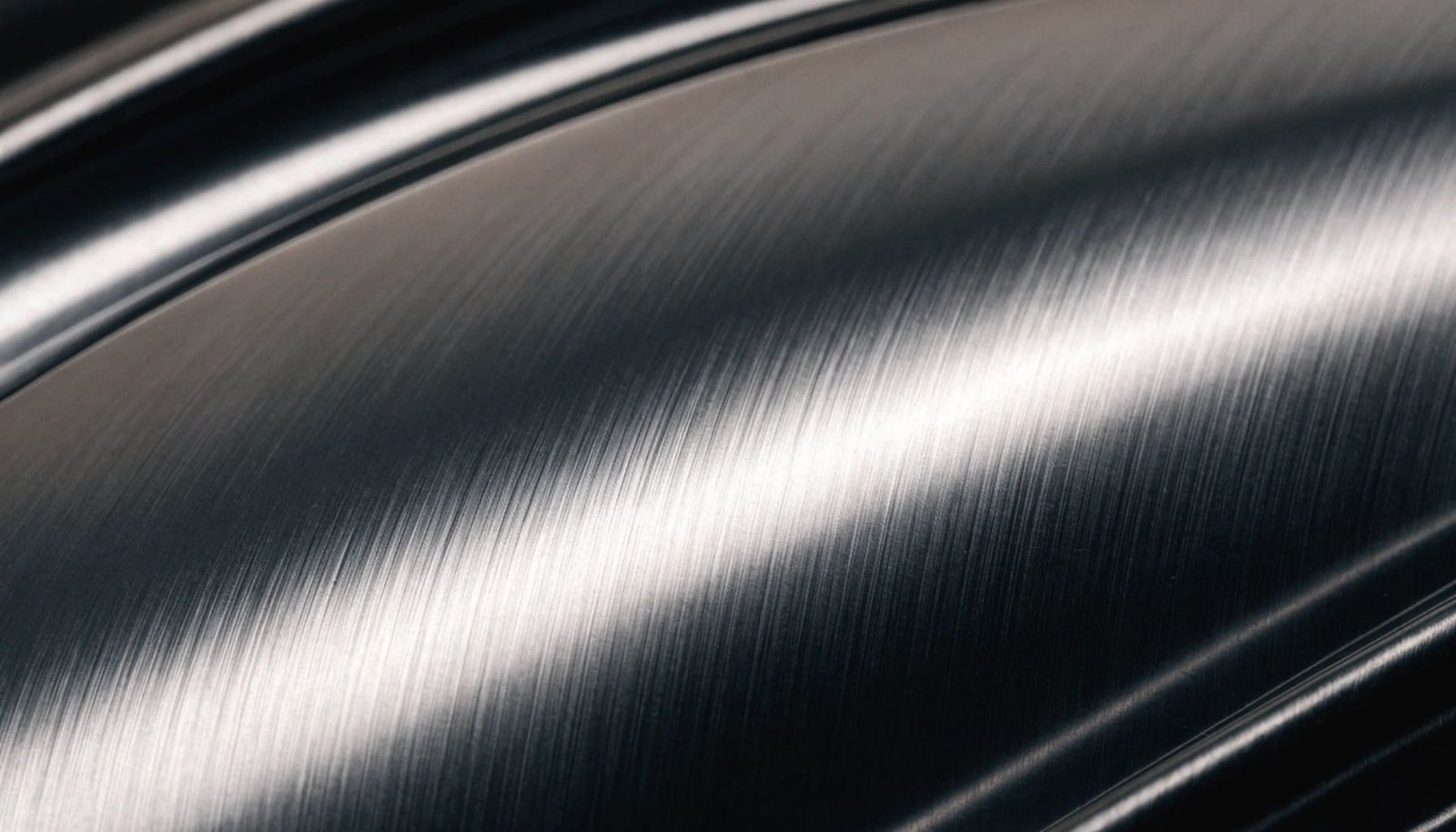
More Than Just a Pretty Finish
The term “finish” can be misleading. On consumer products, a “gold finish” is often a thin layer of paint or cheap electroplating that can easily scratch, peel, or tarnish. We take a completely different approach, using technologies that alter the surface of the metal at a molecular level.
Physical Vapor Deposition (PVD) is a key part of this. In a vacuum chamber, we vaporize a solid metal like titanium and then deposit it onto the stainless steel part. This isn’t a coating that sits on top; it’s a new surface layer that is atomically bonded to the steel. The result is an incredibly hard, durable finish that is highly resistant to scratches, corrosion, and UV light. Whether you want the look of brushed bronze, polished black, or classic gold, PVD provides it with unparalleled longevity.
We start with superior materials like 316L stainless steel, an alloy with molybdenum that offers exceptional corrosion resistance, making it ideal for coastal areas or humid interiors like bathrooms. [3, 16] Then, we often add a final nano-coating that makes the surface resistant to fingerprints and smudges, which is crucial for high-traffic areas in hotels and commercial spaces.
Feature | Retail/Consumer Grade | Engineering/Project Grade |
Base Metal | Often cheap iron or thin steel | 304 or 316L Stainless Steel |
Finishing | Spray paint, basic electroplating | PVD Titanium Coating, Nano Anti-Fingerprint |
Durability | Prone to scratches, oxidation, peeling | Highly scratch and corrosion resistant |
Lifespan | 1–2 years before showing wear | Decades of stability |
What if your design combines metal with stone or wood?
Is your vision being held back by the challenge of combining materials? Trying to coordinate a metal fabricator, a stonemason, and a woodworker for one piece is a recipe for delays and mismatched results.
A top-tier engineering factory can integrate all materials under one roof. Using advanced 5-axis CNC machines and high-precision waterjets, they can seamlessly join metal with luxury stone or wood, controlling the seams to a tolerance of ±0.15mm and engineering solutions to prevent warping.
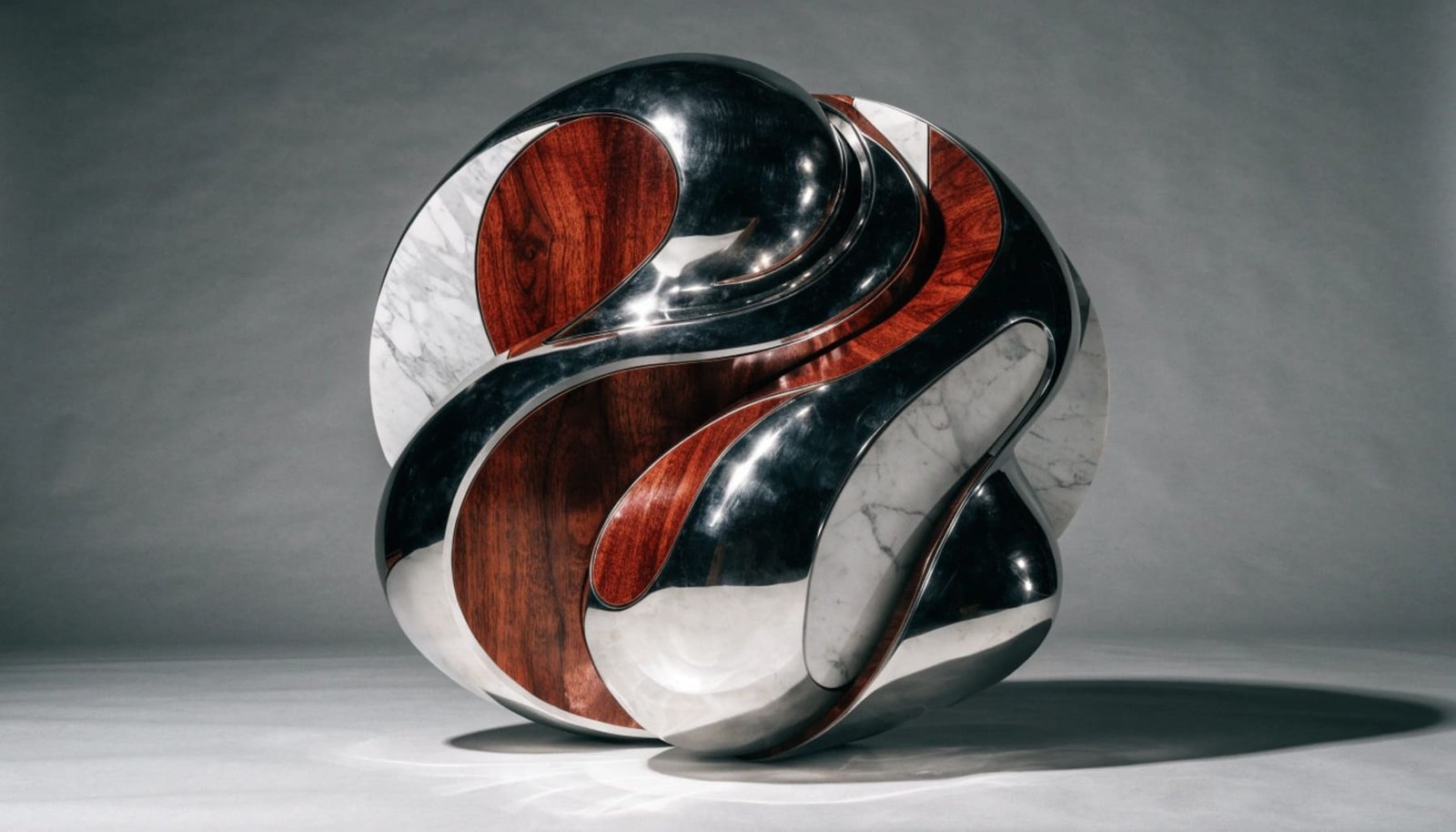
The Art of Integrated Manufacturing
High-end design rarely uses just one material. Think of a feature wall with back-lit marble panels and custom bronze inlays, or a reception desk combining a solid oak body with a stainless steel front. The beauty is in the combination, but the execution is incredibly challenging. Different materials expand and contract at different rates with changes in temperature and humidity. If you just butt them up against each other, you’ll eventually get ugly gaps, cracks, or warping.
This is where our integrated approach makes all the difference. We don’t just assemble parts from different suppliers; we engineer the entire piece as a single system. We use tools like high-pressure waterjets that can cut through both metal and stone with incredible precision, often achieving tolerances of ±0.005 inches or better. This allows us to create nearly invisible seams. More importantly, we design hidden stress-relief joints and use flexible adhesives where needed. This allows the different materials to “breathe” without compromising the structural integrity or aesthetic of the piece. It’s a level of detail you simply cannot achieve when sourcing materials from separate vendors.
How do you safely hang a heavy metal sculpture on a wall?
Does the thought of a heavy, three-dimensional metal sculpture falling from a wall keep you up at night? The safety and elegance of the installation depend entirely on unseen engineering done at the factory.
True quality lies in the hidden structure. A professional factory embeds a reinforced internal skeleton, like an aluminum honeycomb or steel frame, into the artwork. It is then paired with a mounting system like a French Cleat, which distributes the weight evenly and securely for a safe, perfectly flush installation.
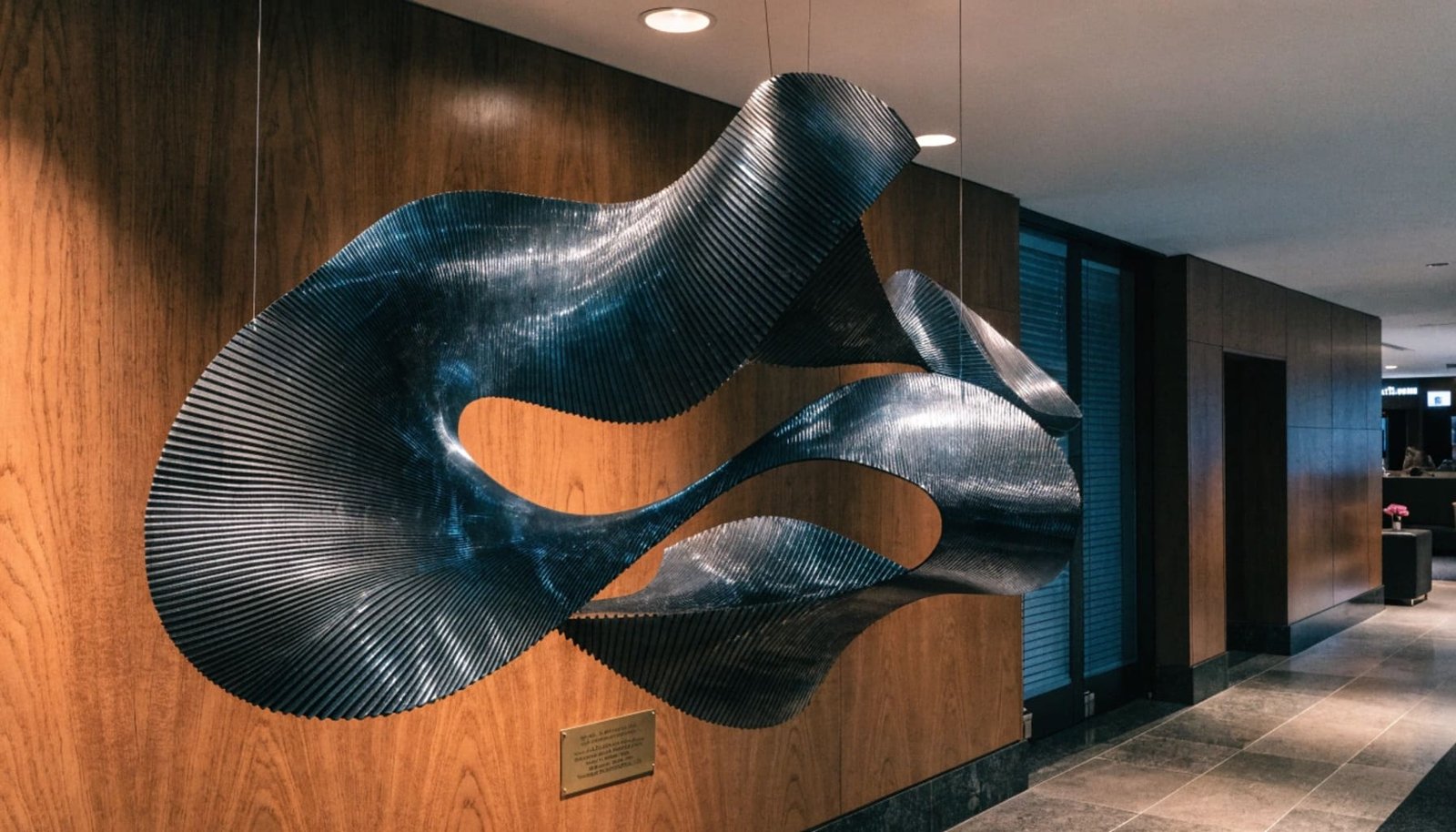
Engineering the Invisible
For any significant piece of wall art, the most important design work is on the back. A cheap piece from a retail store might have a single, flimsy hook welded on. This is completely inadequate and unsafe for a piece that could weigh tens or even hundreds of kilograms.
We treat the mounting system as an integral part of the design from day one. Our preferred method for heavy items is the French Cleat system. It consists of two interlocking angled rails: one is securely fastened to the wall (ideally into studs), and the other is integrated into the back of the artwork. When the art is lowered onto the wall rail, gravity locks them together, creating an incredibly strong and stable connection that distributes the load across a wide area.
For larger or more complex 3D pieces, we go even further. We engineer an internal skeleton, often using lightweight but incredibly strong aluminum honeycomb panels or a custom-welded carbon steel frame. This provides immense rigidity without adding excessive weight. During the design phase, we conduct a “force safety audit,” calculating the total weight and its distribution to ensure the mounting system and the wall it’s attached to can handle the load with a massive safety margin. This is how you achieve a “floating” look that is both seamless and absolutely secure.
Conclusion
The best place for metal wall decor isn’t a store; it’s a partnership. By working directly with an engineering-focused factory, you gain control over every detail, ensuring your vision is realized with precision, durability, and safety.