Introduction
That stunning sculpture, gleaming at the project handover, can become an aged disaster in just two years. It’s a common fear for landscape architects and art consultants: rust, fading, and structural failure destroying a beautiful piece.
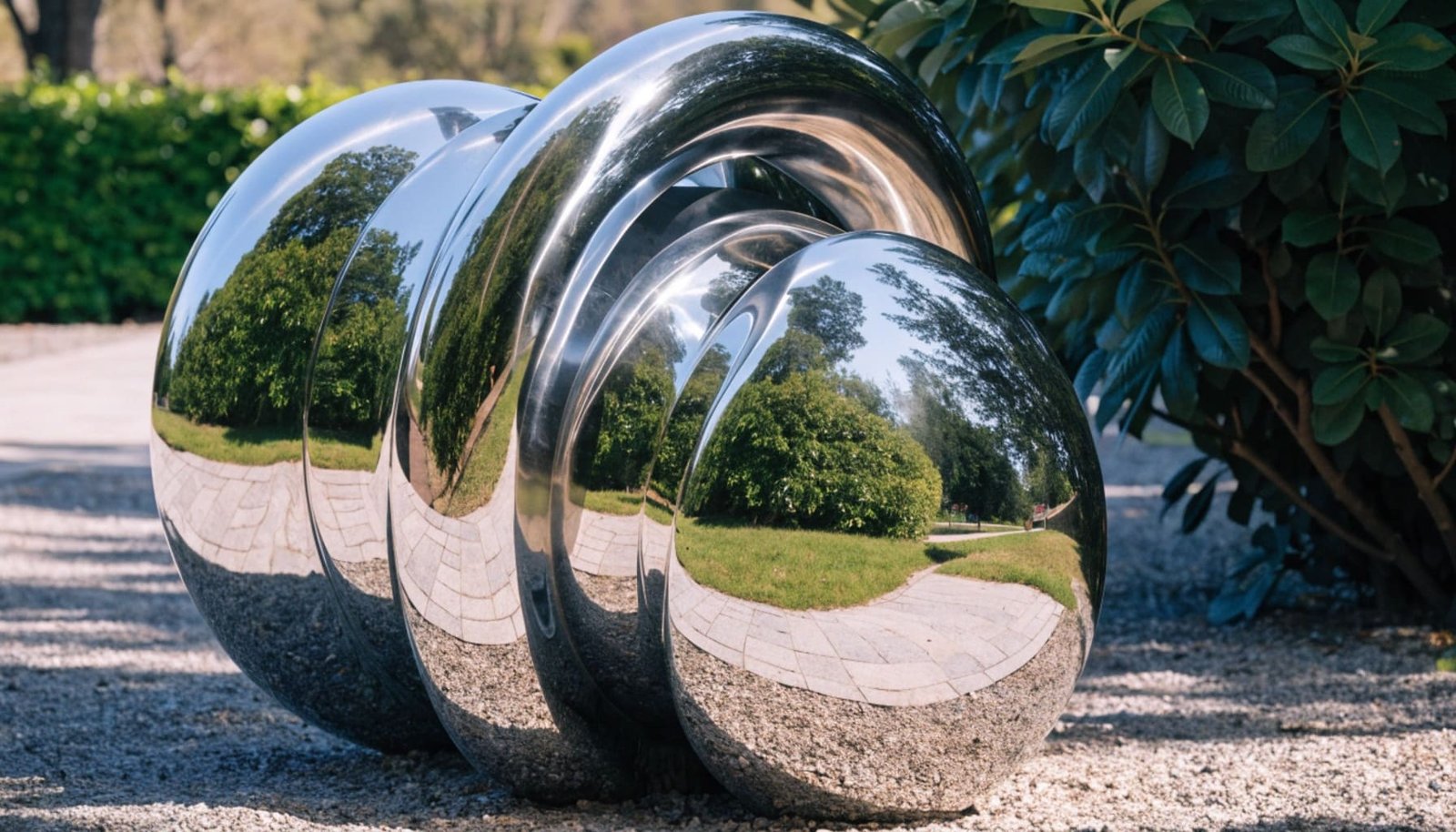
The best material for an outdoor sculpture is one that can withstand its specific climate for decades, maintaining both structural stability and aesthetic beauty. For example, marine-grade 316L stainless steel is ideal for coastal areas due to its resistance to salt corrosion, while high-purity bronze with a hot patina finish is better suited for high-UV environments.
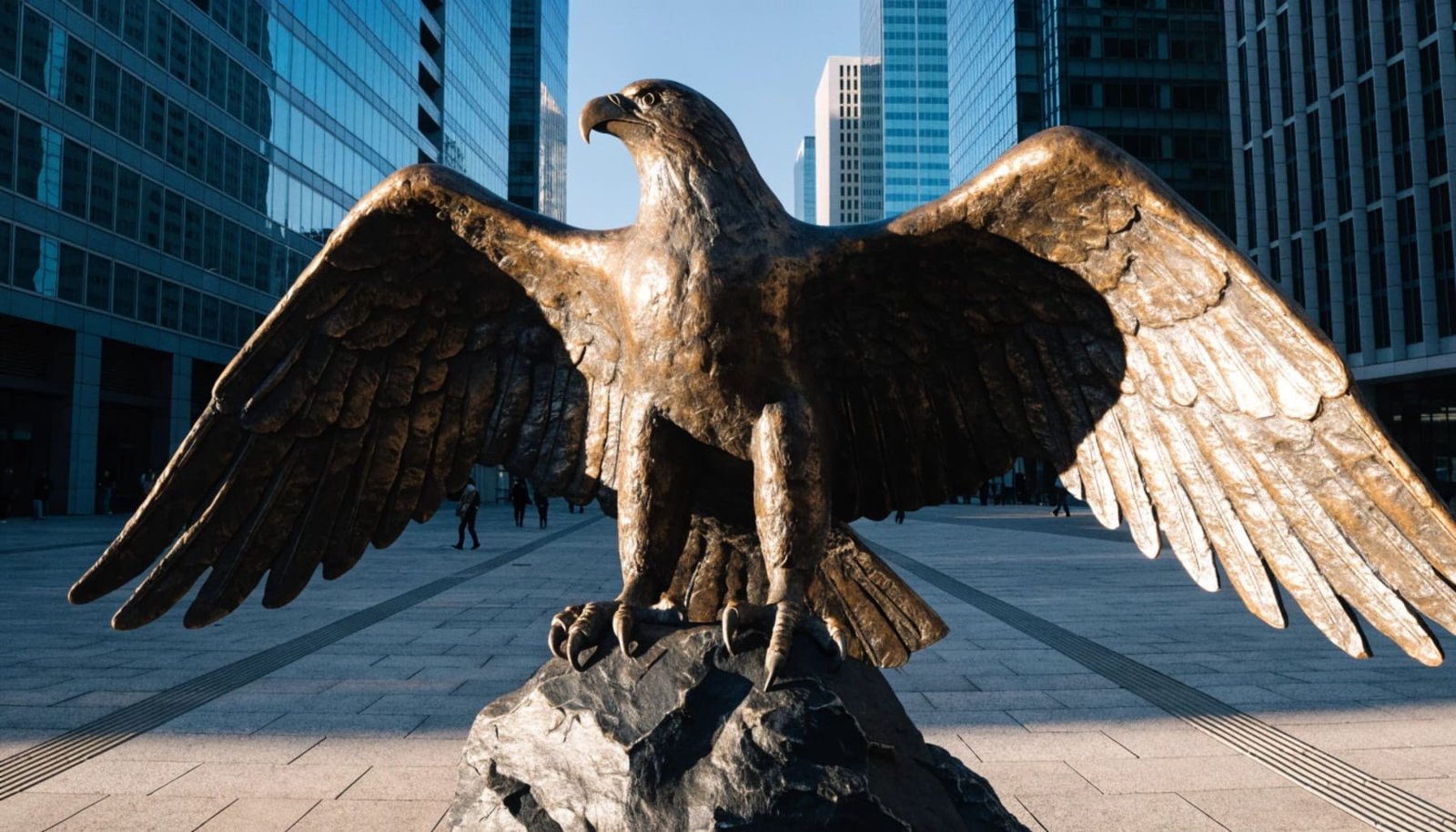
You’ve probably seen those magnificent bronze eagles, horses, or lions that anchor the entrances of high-end commercial properties and luxury resorts. They command attention. Many people think these are made by artists using simple, traditional molding techniques. I used to think that too. But the reality of how these sculptures are made today is a fascinating story of art meeting heavy industry. It’s this combination that allows bronze to capture the raw energy and grace of the animal kingdom. A bronze sculpture connects us to the power of nature, frozen in a material that is itself a force of nature. Let’s explore how modern engineering has given this ancient art form a new lease on life.
How does heavy engineering empower traditional bronze casting?
Worried that a dramatic, beautiful sculpture might not be safe or durable? The fear that a stunning piece could fail under pressure or lose its finish is a valid concern for any large-scale art installation.
Today’s engineering-grade bronze sculptures merge advanced industrial technology with timeless artistry. This ensures that even the most dynamic and complex animal forms are not only visually stunning but also structurally sound and built to last for generations, withstanding harsh weather and time.
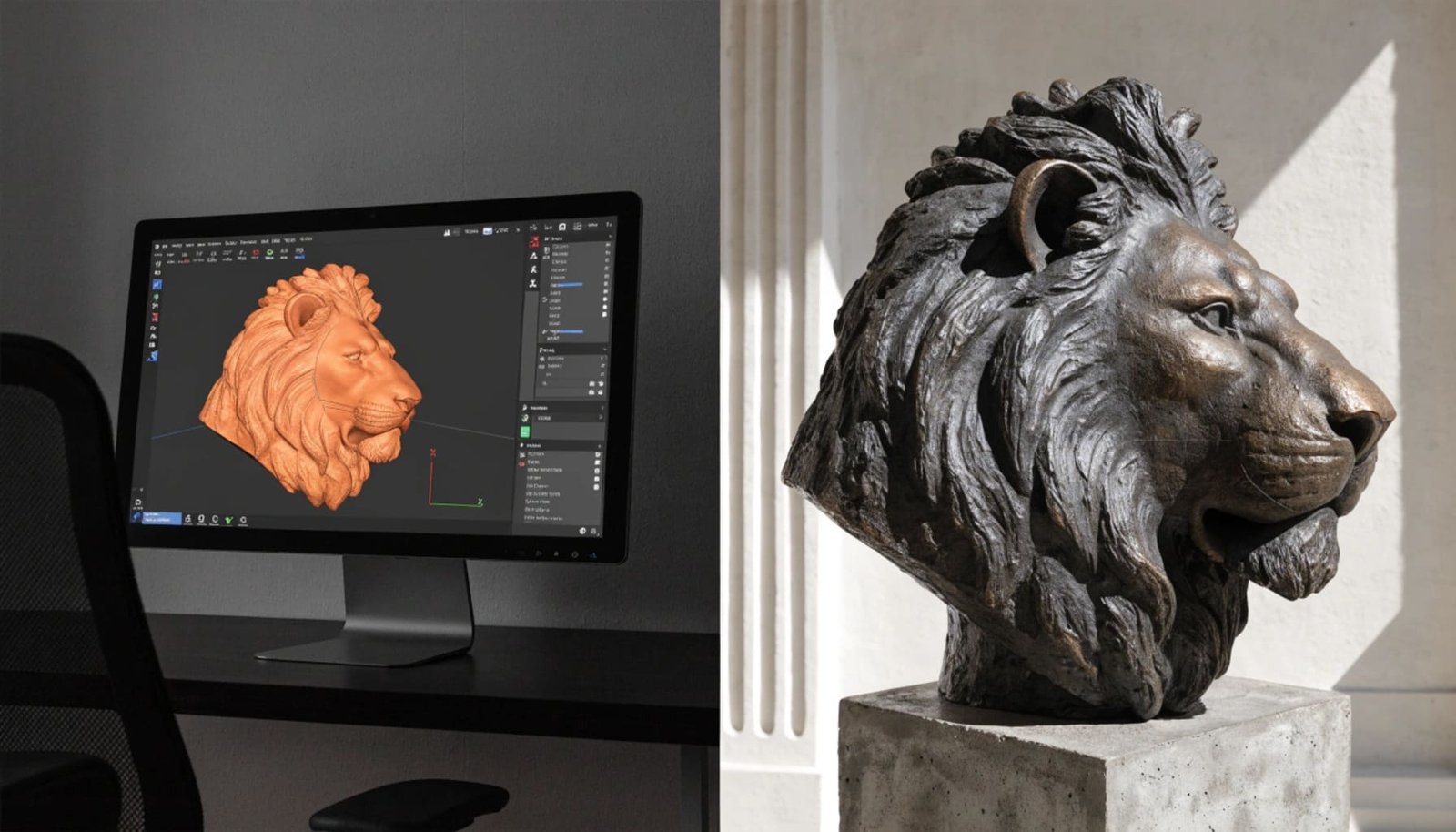
As someone who works with custom furniture and metalwork, I’ve seen firsthand how technology transforms design visions into reality. The same is true for bronze sculptures. What was once a purely manual art form has been revolutionized by industrial engineering. This isn’t about replacing the artist’s hand but augmenting it to achieve things that were previously impossible. Let’s break down the four key technologies that have elevated traditional bronze casting into a precision-driven industry.
Anatomical Precision: 3D Digital Modeling and Hybrid Precision Casting
The traditional lost-wax method, while effective for centuries, often struggled to capture the finest details, like the tension in a muscle or the texture of fur. Modern engineering has solved this. We now use 3D digital modeling to create a perfect, high-resolution virtual model of the animal. This digital file is then used to 3D print a wax or sand mold with incredible accuracy. This hybrid approach, combining 3D printing with precision lost-wax casting, allows us to lock in anatomical details with tolerances as tight as ±0.15mm. The result is a sculpture that doesn’t just look like an animal; it feels alive, capturing its dynamic energy and spirit with micron-level accuracy. This process ensures every detail from the original model is perfectly preserved in the final bronze piece.
Structural Integrity: Internal Armature Engineering
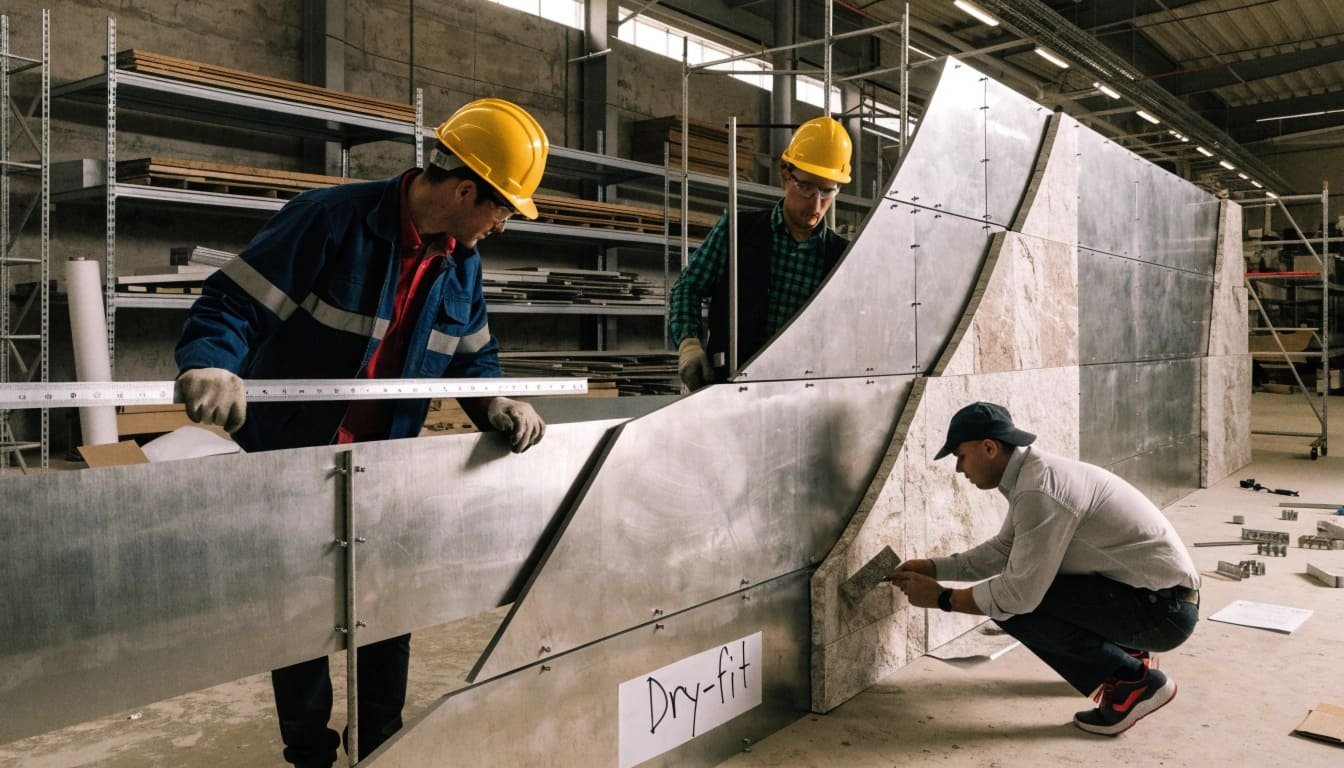
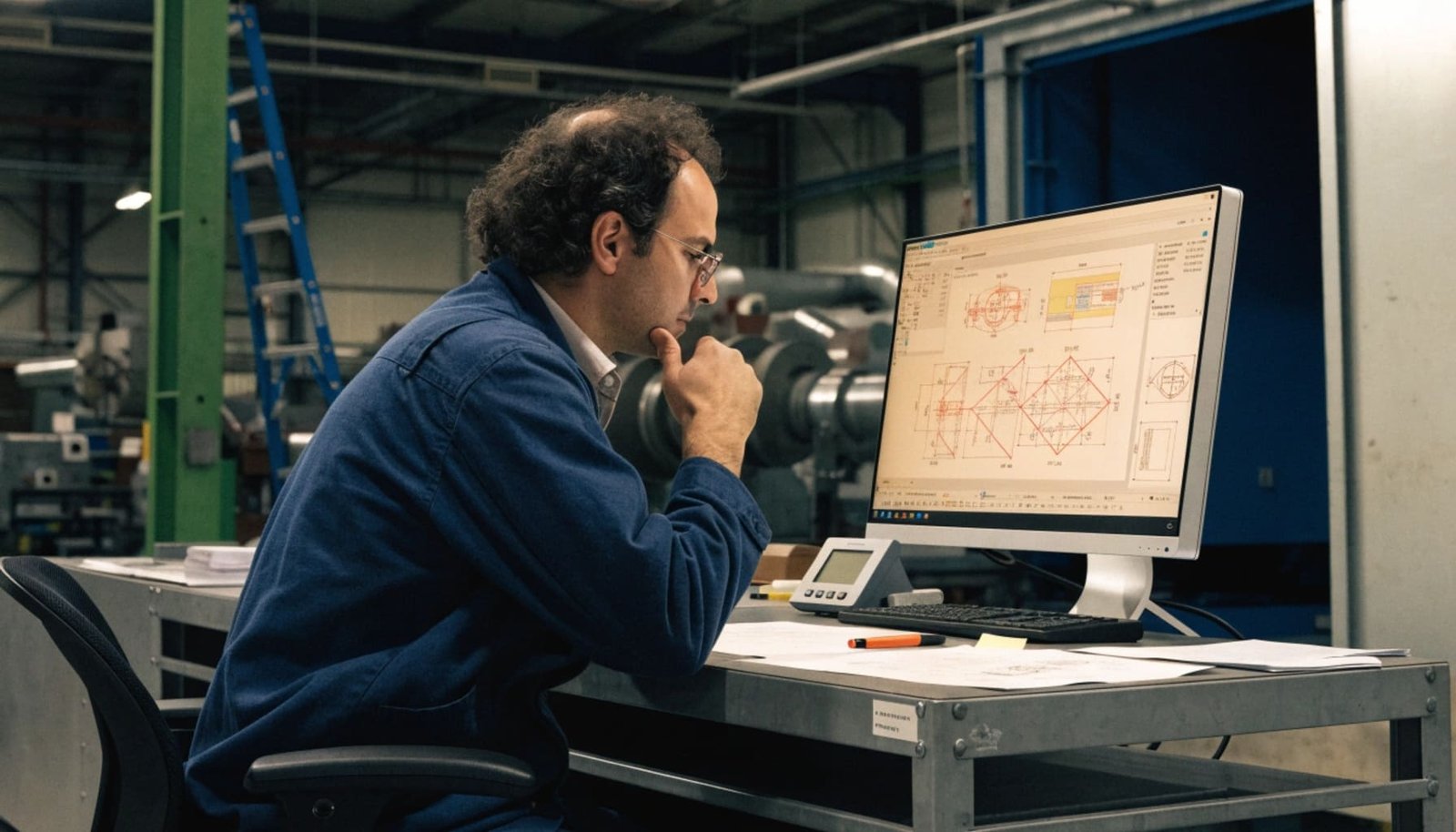
Animal sculptures often feature dramatic, cantilevered poses—a horse rearing on its hind legs or a predator leaping through the air. These dynamic forms create immense structural stress, and without proper support, they risk fatigue and fracture over time. This is where internal armature engineering comes in. An armature is an internal skeleton that provides support and stability. For large bronze works, especially those intended for outdoor display, this framework is essential. Before we even begin casting, we conduct a structural audit using shop drawings. We design a hidden internal skeleton, usually made from heavy-duty 304 or 316 stainless steel, which is highly resistant to corrosion. This internal armature is engineered to withstand forces like high winds (over 12-force) and vibrations, ensuring the sculpture remains structurally sound for its entire life.
A Finish That Lasts: Hot Patina Chemistry
You’ve likely seen outdoor statues with peeling paint or dark, blotchy spots. This is often the result of using cheap surface paints that can’t withstand the elements. We avoid this by using a process called hot chemical patination. First, we use high-purity silicon bronze, an alloy known for its strength and corrosion resistance. The sculpture is heated to several hundred degrees, and then chemical solutions are applied. This isn’t painting; it’s a chemical reaction that permanently alters the surface of the bronze itself. The color becomes part of the metal, making it resistant to UV rays and acid rain. Over time, instead of degrading, the surface develops a beautiful, natural luster, much like the patinas seen on museum-quality artifacts. This ensures the sculpture ages gracefully.Lorem ipsum dolor sit amet, consectetur adipiscing elit. Ut elit tellus, luctus nec ullamcorper mattis, pulvinar dapibus leo.
Predictable Outcomes: 3D Modeling and Shop Drawings
One of the biggest risks in any custom project is the final product not matching the initial vision. To eliminate this “what you see is not what you get” problem, we rely on detailed planning before production begins. Using 3D modeling, we can simulate how the sculpture will look in its intended environment, accounting for viewing angles, sunlight, and the scale of surrounding buildings. From there, we create detailed shop drawings—these are the blueprints for fabrication. They provide exact specifications for every component, ensuring that nothing is left to chance. Before starting the full-size sculpture, we also produce 1:1 scale samples of the material and patina for your review. This guarantees that the final artwork will integrate perfectly into the landscape, with no surprises during installation.
Traditional Workshop vs. Engineering-Grade Custom Bronze Sculptures: What's the Difference?
Are you concerned that the sculpture you invest in might look good from a distance but disappoint up close? It’s a common fear that a piece might lack the fine details or durability promised.
The difference lies in the process. An engineering-grade sculpture uses advanced technology for precision and a robust internal structure, ensuring anatomical accuracy and longevity. In contrast, a traditional workshop piece often relies on methods that can lead to a loss of detail and structural weaknesses.
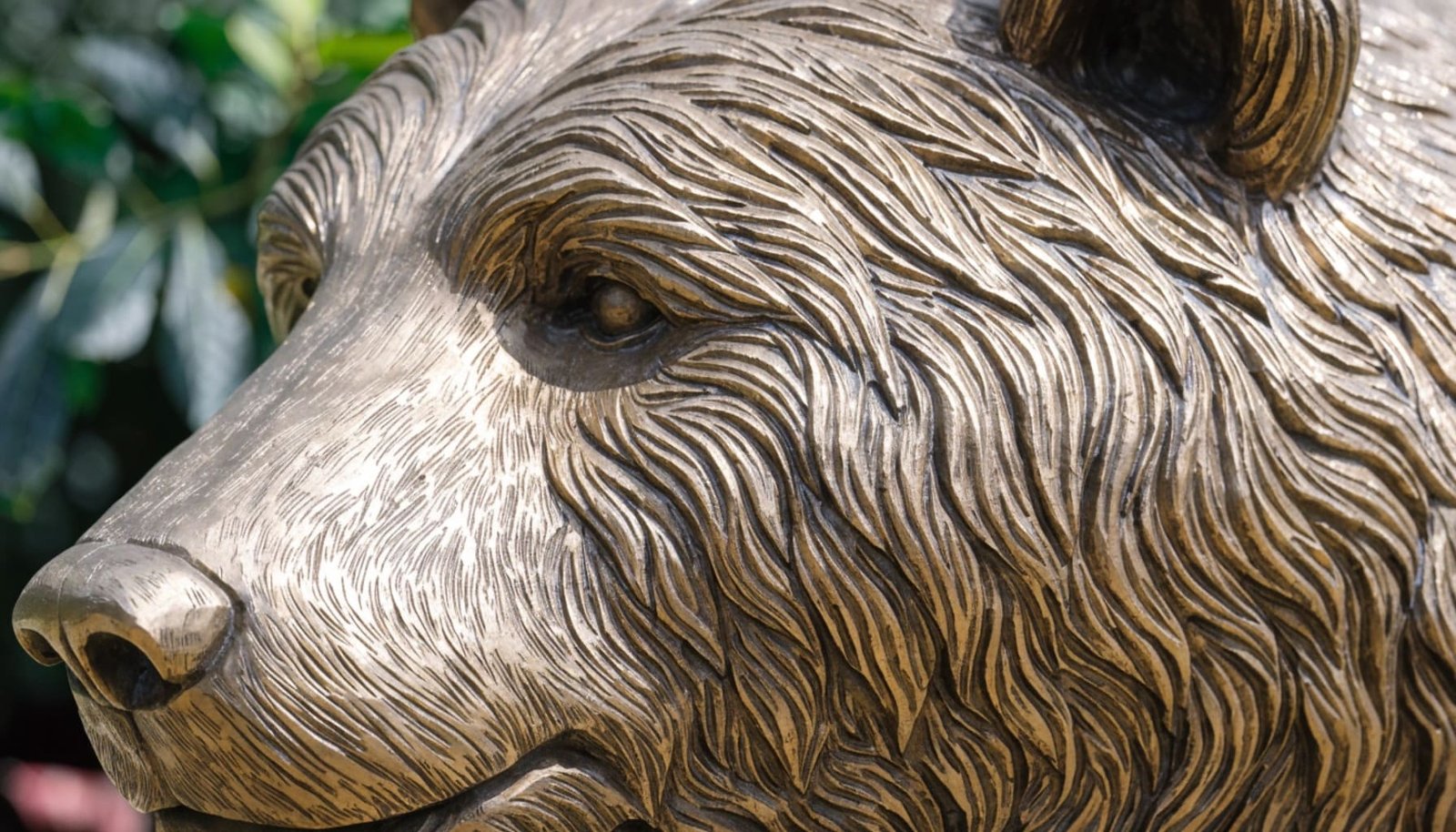
In my line of work, I see a wide range of quality. It’s the same with bronze sculptures. A piece from a small, traditional workshop might look appealing at first, but the differences become clear when you look closer. An engineering-grade sculpture from a specialized fabricator like us is a completely different product. It’s not just about the final look; it’s about the underlying quality, durability, and precision that you are investing in. Let’s compare them side-by-side so you can see exactly what I mean.
A Deeper Dive into the Differences
The distinction between a workshop piece and an engineering-grade sculpture becomes most apparent when you examine the process and materials. It’s the difference between an approximation of an idea and a precisely executed work of art engineered to last.
Feature | Traditional Workshop / Small Factory | Engineering-Grade Source Factory (like NEXTOP) |
Detail Fidelity | Molds are often reused, leading to soft, blurry details. Hair can look matted, and muscle lines appear indistinct and lose their impact up close. | A 3D-printed wax model is used for a single casting via the lost-wax process. This captures anatomical details with a precision of ±0.15mm, resulting in sharp, lifelike features. |
Surface Finish | A cheap chemical paint or clear coat is brushed onto the surface. This finish often peels, flakes, or develops black spots within 1-2 years of outdoor exposure. | High-purity silicon bronze is treated with a high-temperature hot chemical patina. [5, 20] The color is chemically bonded to the metal, making it highly durable, weather-resistant, and more beautiful with age. |
Structural Strength | No structural analysis is performed. The internal frame, if any, is typically made of ordinary carbon steel with simple welds, making it prone to metal fatigue and breakage at stress points. | An internal, hidden armature of thickened 304/316 stainless steel is engineered based on wind load and seismic audits. The structure is incredibly stable and built to last. |
Technical Support | Work is often based on experience without detailed structural plans. This can lead to on-site installation issues, such as mismatched foundations or poor scaling. | We provide micron-level shop drawings and 1:1 scale samples for approval. This ensures the final effect is locked in before production, guaranteeing a perfect fit and finish. |
Conclusion
In short, modern bronze animal sculptures are popular because engineering has elevated them. They now offer unmatched precision, structural safety, and lasting beauty, turning a classic art form into a truly enduring investment