Introduction
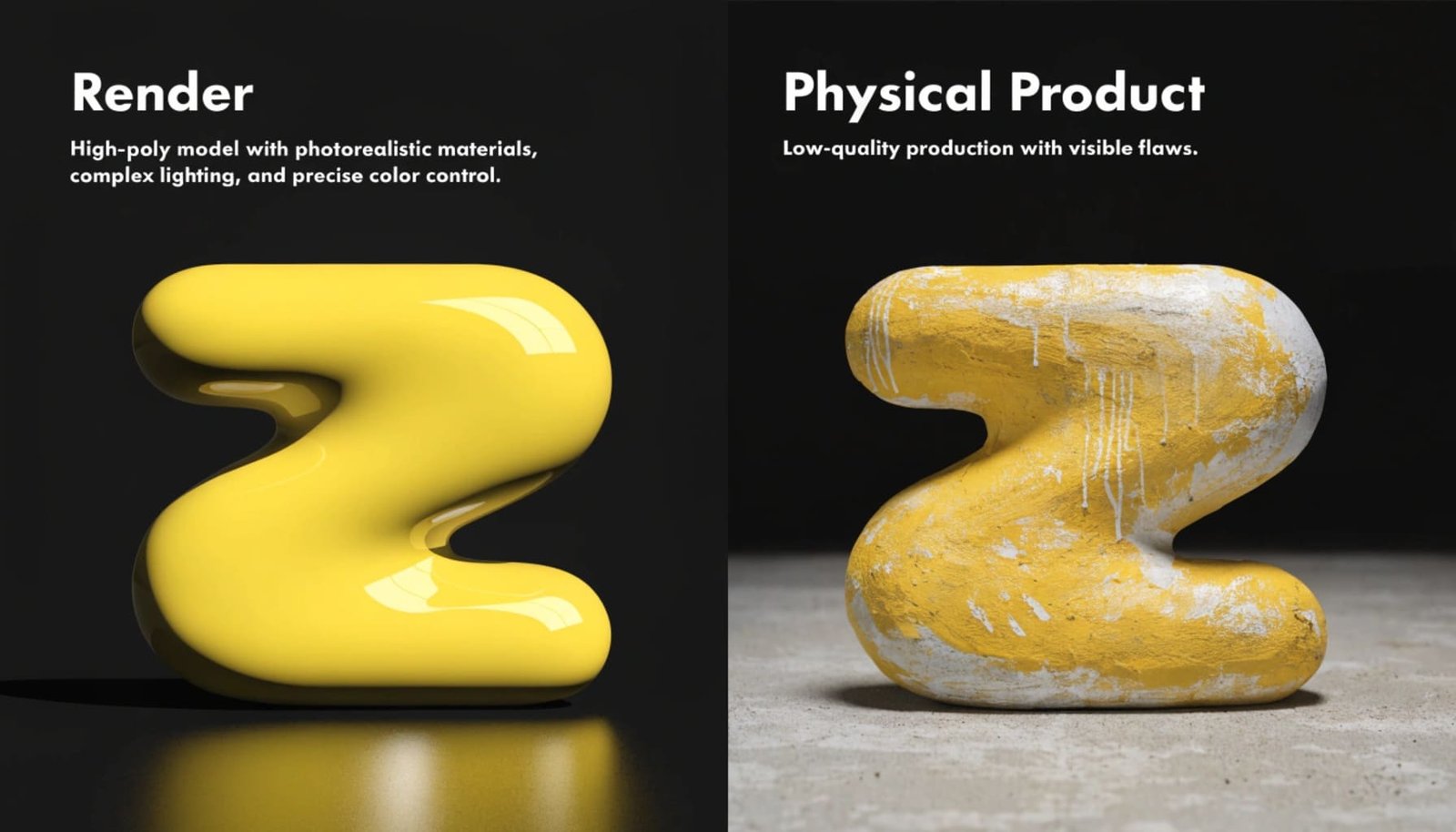
As a designer, you’ve faced the gap between a stunning render and the disappointing reality. That perfect mixed-material wall art arrives with misaligned parts and flimsy construction. The problem isn’t your design; it’s where you’re sourcing it.
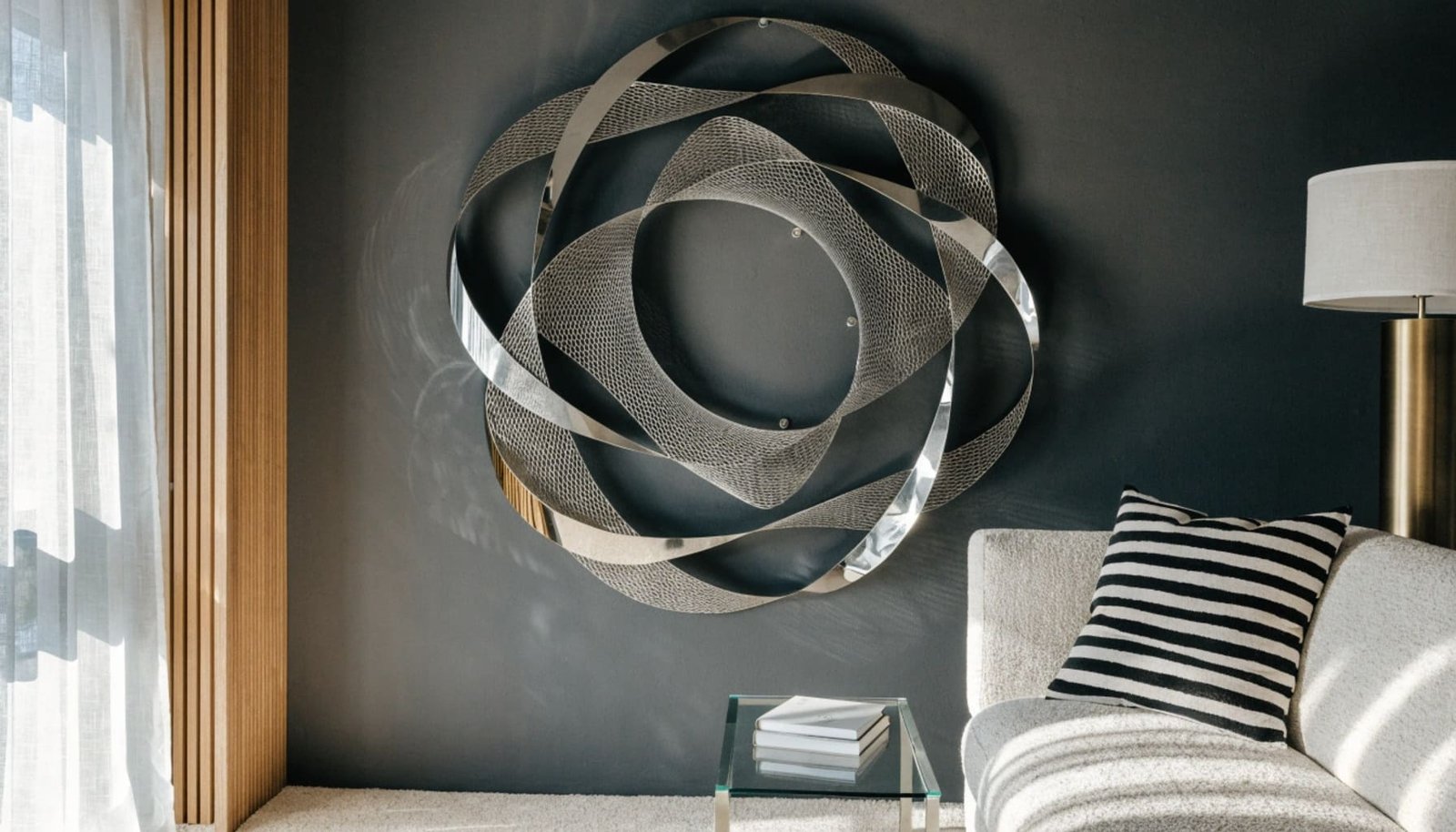
To get high-quality custom wall art, you must look beyond retail platforms. The best source is a manufacturing partner with deep engineering expertise. They can translate complex designs into flawlessly executed pieces, ensuring precision, durability, and perfect installation. This approach focuses on fabrication capability, not just a product catalog.
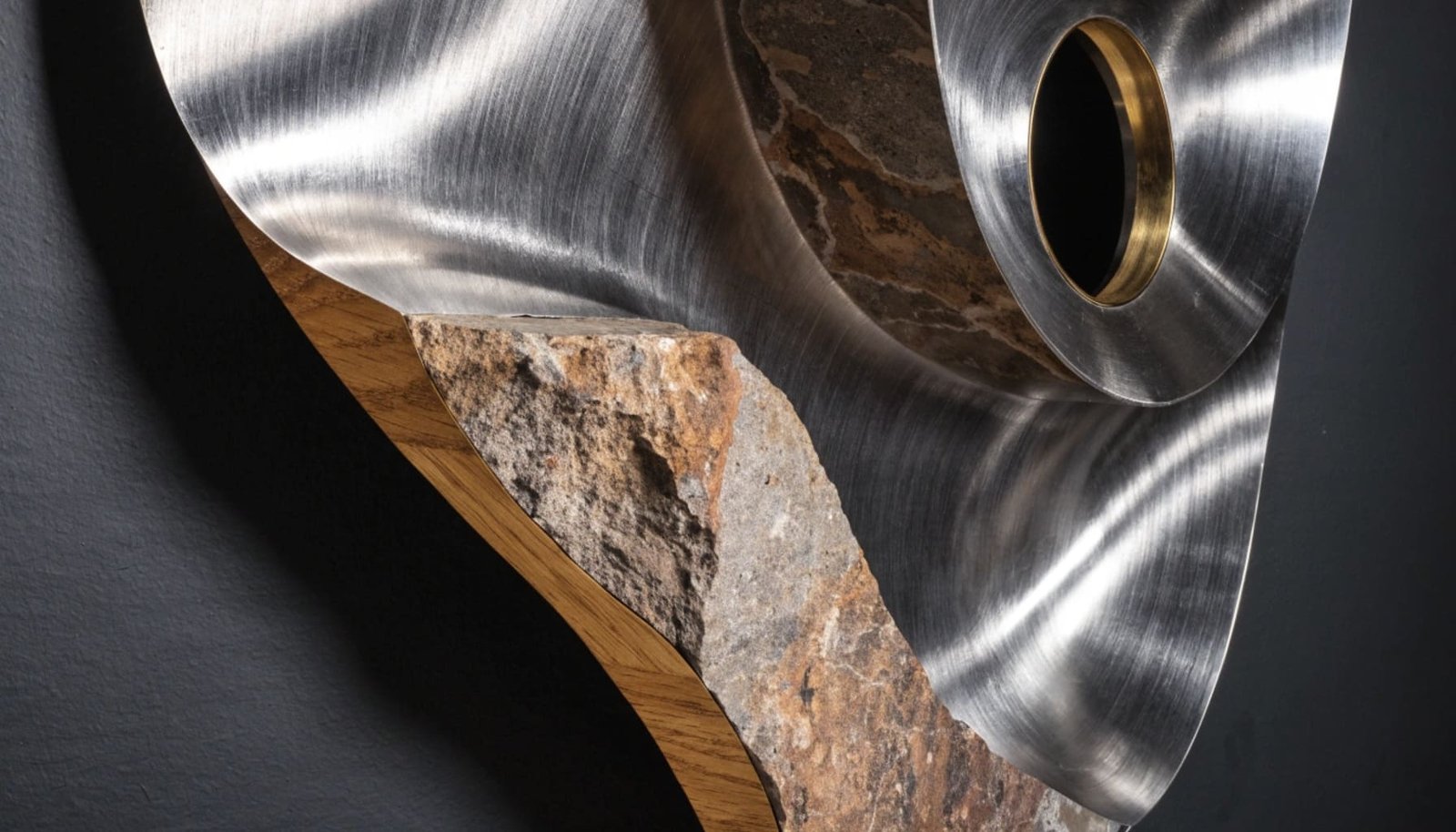
I’ve learned this lesson the hard way. Early in my career, a project called for a large feature wall combining brass, marble, and dark oak. I found a supplier online whose portfolio looked amazing. The price was right, and they promised a perfect match to my drawings. What arrived on-site was a nightmare. The metal was thin, the stone had a cheap-looking polish, and the pieces fit together with noticeable gaps. We spent a fortune on-site trying to fix it, which taught me that true quality comes from the factory’s engineering skill, not their sales photos. This experience reshaped my entire procurement strategy.
What are the hidden pitfalls of retail sites for custom wall art?
Buying from a general online retailer seems cost-effective at first, but it often leads to expensive on-site modifications. These hidden costs quickly add up, turning a perceived bargain into a major budget overrun and project delay.
Retail suppliers often cause problems with misleading renders, cheap finishes that tarnish, poor joinery between different materials, and unsafe mounting systems. These issues result in a final product that fails to meet design standards and requires costly, time-consuming fixes.
These pitfalls aren’t just minor inconveniences; they can derail a project. Let’s break down exactly what goes wrong.
The "Render Scam" and Lack of Shop Drawings
Many online sellers use beautiful 3D images to sell their products. However, these renders often don’t match the final item. The real problem is the lack of shop drawings. Shop drawings are detailed technical plans that translate a design concept into a buildable set of instructions for the factory. They specify every dimension, material, and construction method. Without them, there is no guarantee of precision. The manufacturer is essentially guessing, which leads to pieces that are out of proportion with the space or don’t align with other design elements. An architect’s render shows the *intent*, but the shop drawing provides the *instruction*. This detailed documentation is the bridge between the design concept and the physical construction, ensuring the final product matches the vision.
"Short-Lived" Surface Finishes
To cut costs, retail-grade products often use cheap surface treatments like basic spray paint or conventional electroplating. These finishes look good initially but fail quickly. In environments with high humidity or frequent touching, they can start to bubble, oxidize, or show fingerprints within a year or two. Electroplated layers are often thin and can wear down, tarnish, or corrode over time. In contrast, superior finishes like PVD (Physical Vapor Deposition) offer far greater durability. PVD coatings are highly resistant to scratches, corrosion, and discoloration, making them a better long-term investment, especially for commercial projects. While electroplating might be cheaper upfront, its shorter lifespan often leads to higher replacement costs.
Cracking from Poor Multi-Material Tolerances
When combining materials like metal, stone, and wood, managing how they expand and contract with temperature changes is critical. Each material has a different coefficient of thermal expansion, meaning they expand and contract at different rates. For example, aluminum expands almost twice as much as steel for the same temperature change. Retail products often fail to account for this. They are assembled with wide gaps—sometimes large enough to fit a credit card—and lack any system to absorb thermal stress. As a result, when the piece is moved to a new climate or experiences seasonal temperature shifts, the materials can push against each other, causing cracks, warping, and separation. This is a common issue that compromises both the look and structural integrity of the artwork.
Rough Backing and Structural Safety Risks
A heavy piece of wall art made from stone and metal requires a robust mounting system. This is another area where mass-market products cut corners. They often lack an internal support frame, relying instead on simple, flimsy hanging brackets. This is not enough to distribute the weight safely, especially on non-structural walls like drywall. A proper installation for heavy art uses a system like a French cleat. A French cleat consists of two interlocking angled pieces, one on the wall and one on the art, which distributes weight evenly across its entire length. This method is exceptionally strong and is used by galleries and professionals to hang heavy items securely. Without such a system, the art can sag, damage the wall, or even fall, creating a serious safety hazard.
How do you identify a true "source engineering factory"?
You’re tired of poor quality and want to find a real manufacturing partner. But what technical details should you look for? It’s about shifting your focus from the final product to the production process itself.
To identify a top-tier factory, assess their engineering capabilities. Look for their ability to produce detailed shop drawings, use advanced surface treatments like PVD coatings, maintain extremely tight multi-material tolerances, and engineer robust, concealed mounting systems for safe and seamless installation.
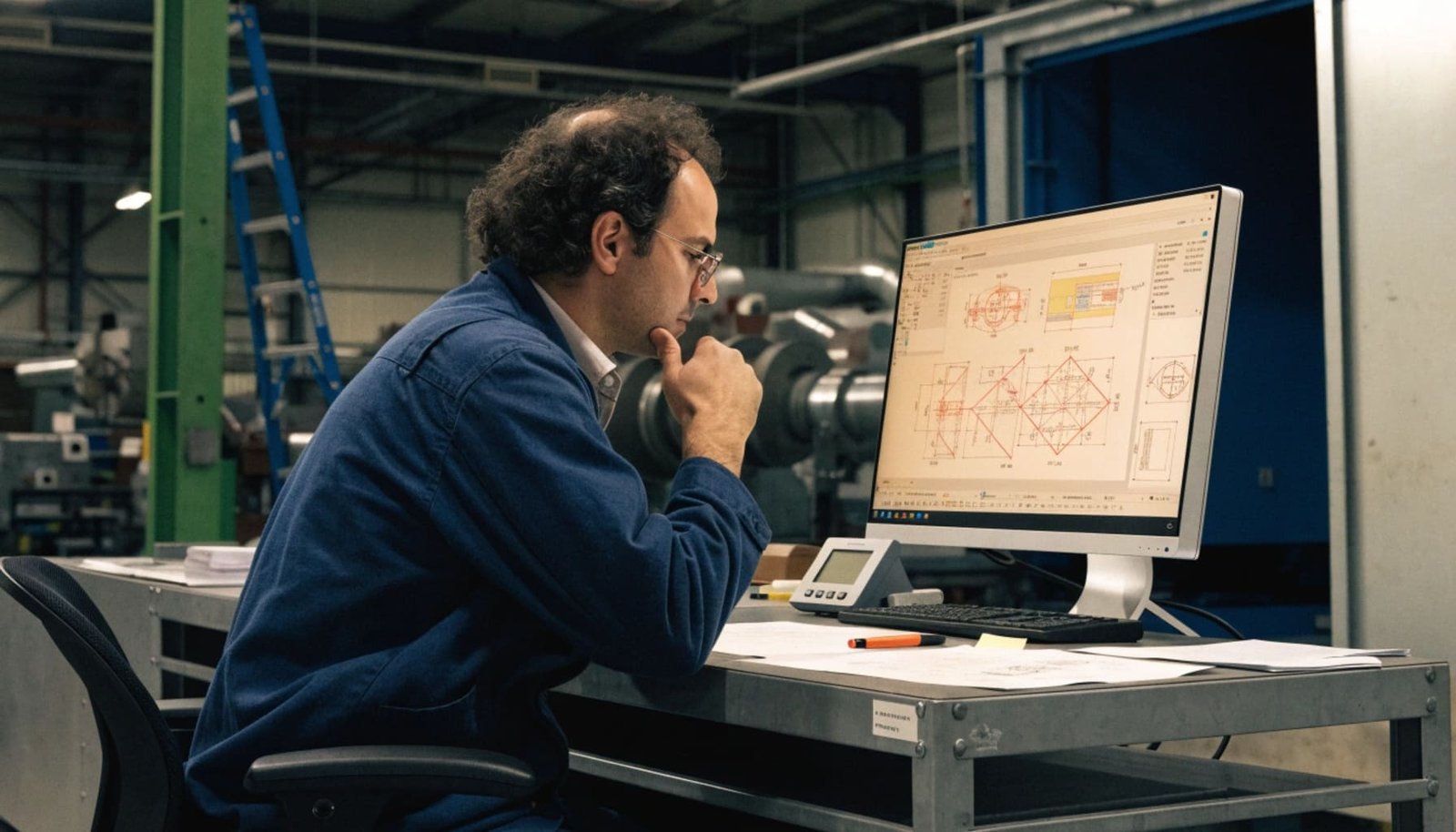
When I visit a potential new factory partner, I don’t just look at their finished products. I ask to see their engineering department and their quality control processes. I want to know about their machinery, their technical capabilities, and how they solve complex fabrication challenges. This “engineering eye” is the key to vetting a partner who can deliver on a high-end design vision.
Reviewing Secondary Engineering and Shop Drawings
The first sign of a capable factory is their approach to technical drawings. A true engineering partner won’t just work from your concept sketches. They will create their own highly detailed shop drawings for approval before any manufacturing begins. These drawings are the most critical document in the fabrication process. They should specify all dimensions, materials, finishes, and construction methods with high precision. Ask if they can produce 1:1 scale drawings for complex structural nodes and installation points. A top-tier factory will provide these detailed schematics to ensure every stakeholder is aligned. Furthermore, they should offer to produce 1:1 physical samples for you to review the material, finish, and light reflection. This crucial step prevents costly mistakes and ensures the final product is exactly what you envisioned.
Inspecting Surface Engineering and Weatherproofing
Surface durability is not an afterthought for a high-end factory; it’s a core engineering discipline. Inquire about their finishing technologies. Do they offer PVD (Physical Vapor Deposition) coating? PVD is a modern vacuum-based process that creates a finish far more durable than traditional electroplating. It is highly resistant to scratches, corrosion, and wear, making it ideal for high-traffic or humid environments. PVD-coated stainless steel can have a hardness 3-5 times greater than electroplated chrome. Also, ask about anti-fingerprint (AF) nano-coatings. This is a molecular-level layer that prevents smudges and makes surfaces easier to clean. A factory that invests in these advanced technologies demonstrates a commitment to longevity and low-maintenance quality, ensuring the artwork looks pristine for decades.
Checking Multi-Material Tolerances and Stress Relief
Joining different materials seamlessly is a mark of high-level craftsmanship. Metals, stone, and wood all react differently to heat and humidity. A superior factory manages this by engineering to incredibly tight tolerances. Ask about their tolerance control. Can they guarantee a seam gap of ±0.15mm or less between different materials? This level of precision is what creates a monolithic, high-end look. However, tight joints alone are not enough. The factory must also design hidden stress relief mechanisms. These are small, invisible gaps or flexible joints that allow materials to expand and contract without causing stress, cracks, or warping. This foresight is crucial for pieces that will be shipped internationally across different climates. It shows the factory understands materials science, not just assembly.
Analyzing the Concealed Structural System
How a heavy art piece attaches to the wall is a critical aspect of its design and safety. A premier factory will engineer a sophisticated, concealed mounting system. Ask to see the back of their products. Is there a reinforced internal armature, such as an aluminum honeycomb or carbon steel frame, to prevent sagging over time? For mounting, the gold standard is a heavy-duty, interlocking French cleat system. This system distributes the weight of the piece evenly and securely across the wall studs. It also allows for a very flush installation, with some systems achieving a wall gap of 2mm or less for a clean, “floating” appearance.
Feature | Weak Retail System | Engineered Factory System |
Internal Frame | None or flimsy wood | Reinforced aluminum/steel armature |
Mounting Type | Simple hooks or wires | Heavy-duty interlocking French cleat |
Weight Distribution | Concentrated on a few points | Evenly distributed across the cleat |
Wall Fit | Visible gap, potential sagging | Flush fit (≤2mm), seamless look |
Safety | High risk of failure for heavy pieces | High load capacity, very secure |
Conclusion
Sourcing high-quality custom wall art means finding a factory with true engineering expertise. Move beyond retail catalogs and partner with a manufacturer who can deliver precision, durability, and safety.