Introduction
Worried your stunning new metal art will tarnish or fade? You’ve seen beautiful pieces lose their shine. I’ll show you how to choose art that lasts a lifetime, looking brand new.
Focus on four key features beyond just looks: museum-grade surface durability, precision joinery for mixed materials, concealed structural anchoring for safety, and detailed shop drawings. These ensure your investment is beautiful, safe, and long-lasting, not just a pretty picture that fades.
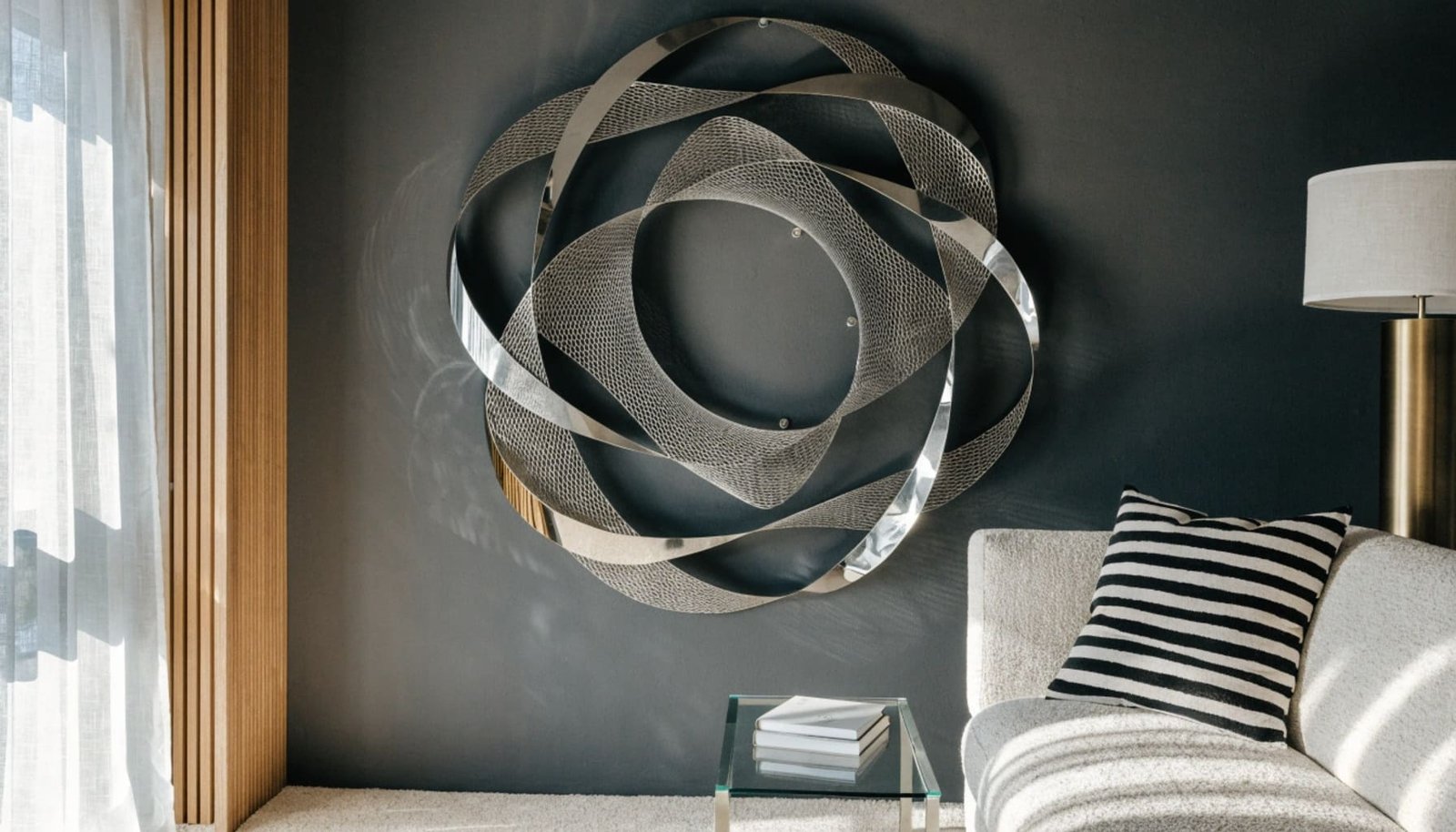
Most people just focus on the design. But I learned the hard way that what’s underneath matters more. The real quality is in the technical details that you can’t see at first glance. Let’s break down what you really need to look for to make an informed and lasting choice.
How can you ensure your metal art's finish lasts for decades?
Is your beautiful metal piece destined to rust or collect ugly smudges? It’s a common fear. Let’s make sure your art’s finish stays flawless for years to come, even in a humid bathroom or kitchen.
Choose art made from 304/316L stainless steel or 6063 aluminum. It must have a Physical Vapor Deposition (PVD) coating for color and a nano anti-fingerprint (AF) layer. This combination fights humidity and touch, keeping the finish perfect for decades.
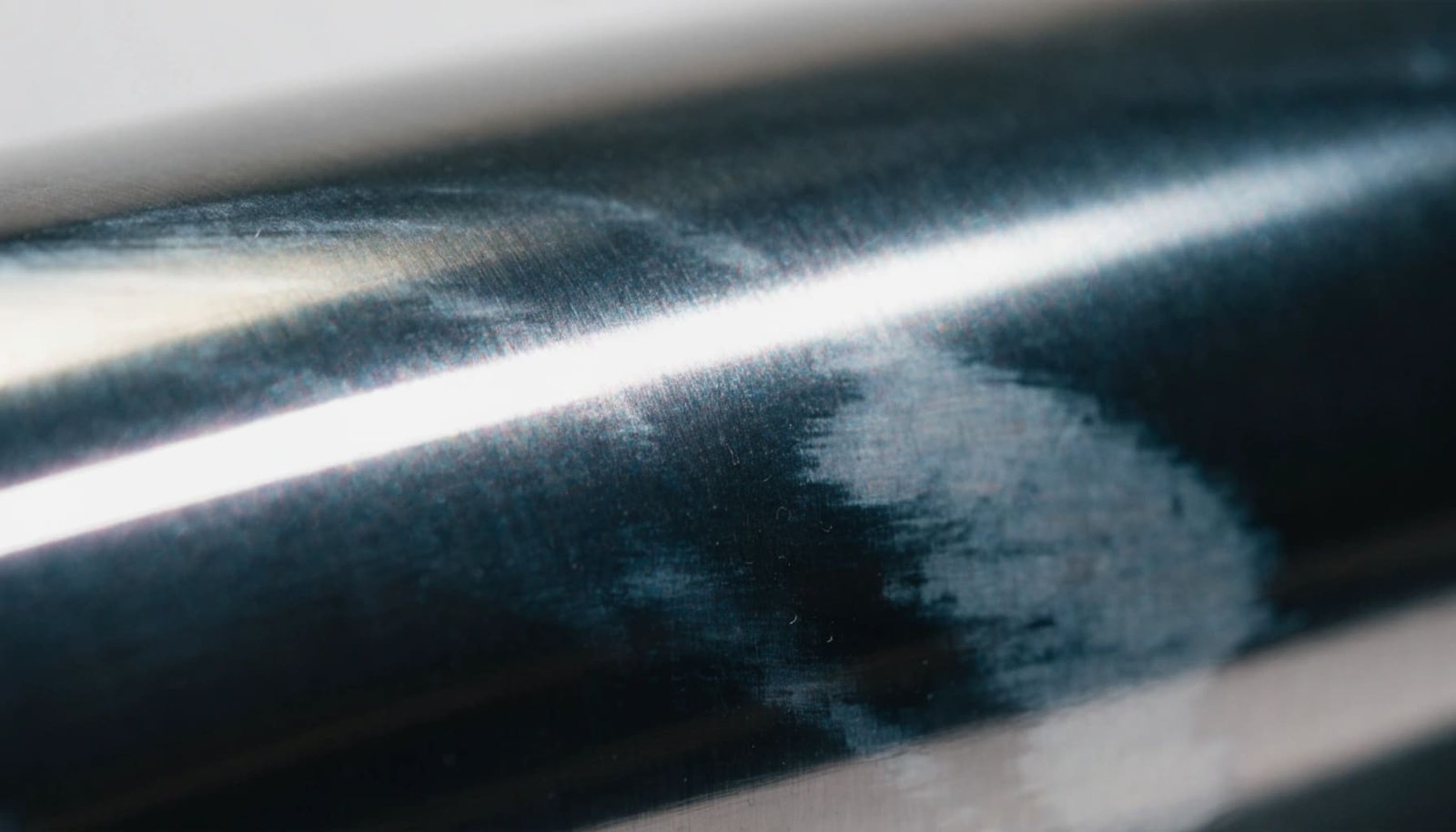
I once sourced a beautiful set of brushed brass panels for a hotel lobby. Within a year, they were covered in dark smudges from fingerprints and the edges looked dull. The problem wasn’t the design; it was the material and finish. Standard metal isn’t enough. You need specific grades like 304 or 316L stainless steel, which are highly resistant to corrosion. PVD coating is an advanced process that bonds a thin, hard layer of metal to the surface, so it won’t peel or fade like paint. On top of that, an Anti-Fingerprint (AF) coating adds a nano-level layer that repels oils and smudges, which is essential for high-traffic areas. This combination is what separates a short-lived decoration from a true long-term art investment.
How do you prevent gaps and cracks when art mixes metal with stone or wood?
You love art that combines different materials, but worry it will fall apart? Gaps and cracks can ruin the look. I’ll show you how pros create seamless mixed-media pieces that last.
Look for suppliers using advanced cutting like 5-axis CNC lasers and waterjets. This ensures the gap between materials is hair-thin, under ±0.15mm. They also need hidden internal joints to absorb stress from temperature changes, preventing future cracks.
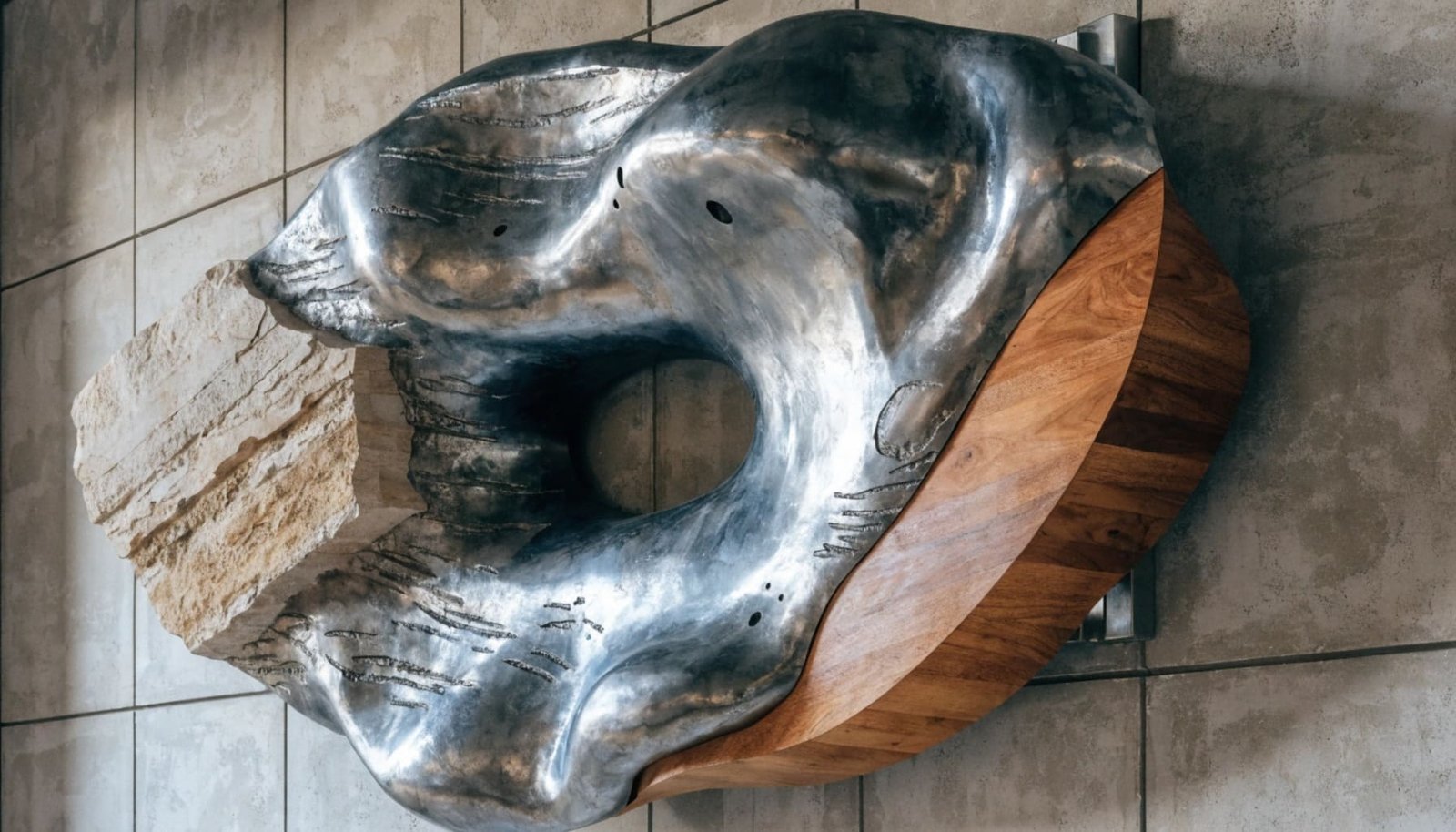
A few years back, I commissioned a piece that integrated metal and marble. It looked perfect on delivery. But after the first winter with the heating on, a visible gap appeared right at the seam. The materials had expanded and contracted at different rates. The only way to achieve a flawless look is with high-tech machinery that can cut materials with extreme accuracy. But precision cutting is only half the battle. A good manufacturer also plans for how different materials react to temperature and humidity.
Material | Reaction to Heat/Humidity |
Metal | Expands and contracts |
Wood | Swells and shrinks |
Stone | Relatively stable, but can be brittle |
They engineer hidden “stress relief joints” inside the artwork. These allow the materials to move slightly without creating visible gaps or putting pressure on each other. It’s a hidden detail that makes all the difference in quality and longevity.
How can you hang heavy metal sculptures securely without them falling?
That big, bold metal sculpture looks amazing. But are you secretly terrified it might fall off the wall? Let’s talk about how to anchor heavy art safely and invisibly.
Check the back of the artwork. It should have a hidden support frame, like aluminum honeycomb or carbon steel, to distribute weight. A French Cleat hanging system is the professional standard for a secure, flush mount (less than 2mm from the wall).
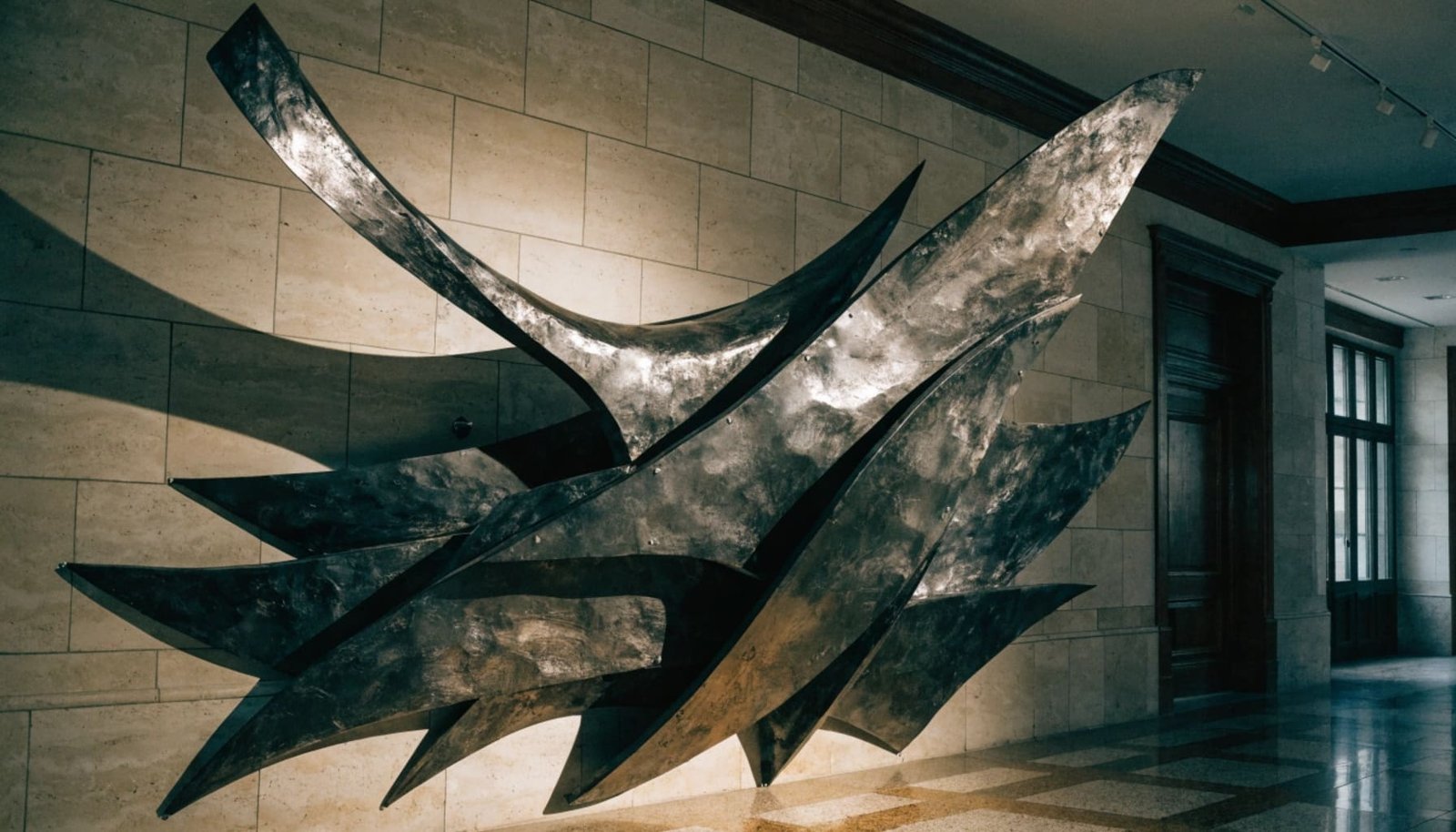
This is a non-negotiable for me, especially in commercial projects. I’ve seen heavy art installed with simple wires or screws, which is a disaster waiting to happen. The wall can’t take the concentrated weight, and the art starts to tilt forward. A safe mount requires two things. First, the artwork needs an internal reinforcement frame to prevent it from warping under its own weight. Second, it needs a French Cleat system. This is a simple but brilliant method where two interlocking brackets—one on the wall, one on the art—lock together. Gravity pulls the piece down, securing it tightly and distributing the weight across the entire length of the cleat. It’s the secret to that clean, “floating” look and ensures your art stays safely on the wall.
How do you guarantee the final artwork looks exactly like the design concept?
You’ve approved a beautiful design render. But how can you be sure the real thing won’t be a disappointment? There’s a key step that prevents bad surprises.
The best suppliers provide detailed “Shop Drawings” before production. These are 1:1 engineering blueprints, not just pretty pictures. They should also provide 3D models and physical material samples for you to review. This process locks in every detail, from proportion to finish.
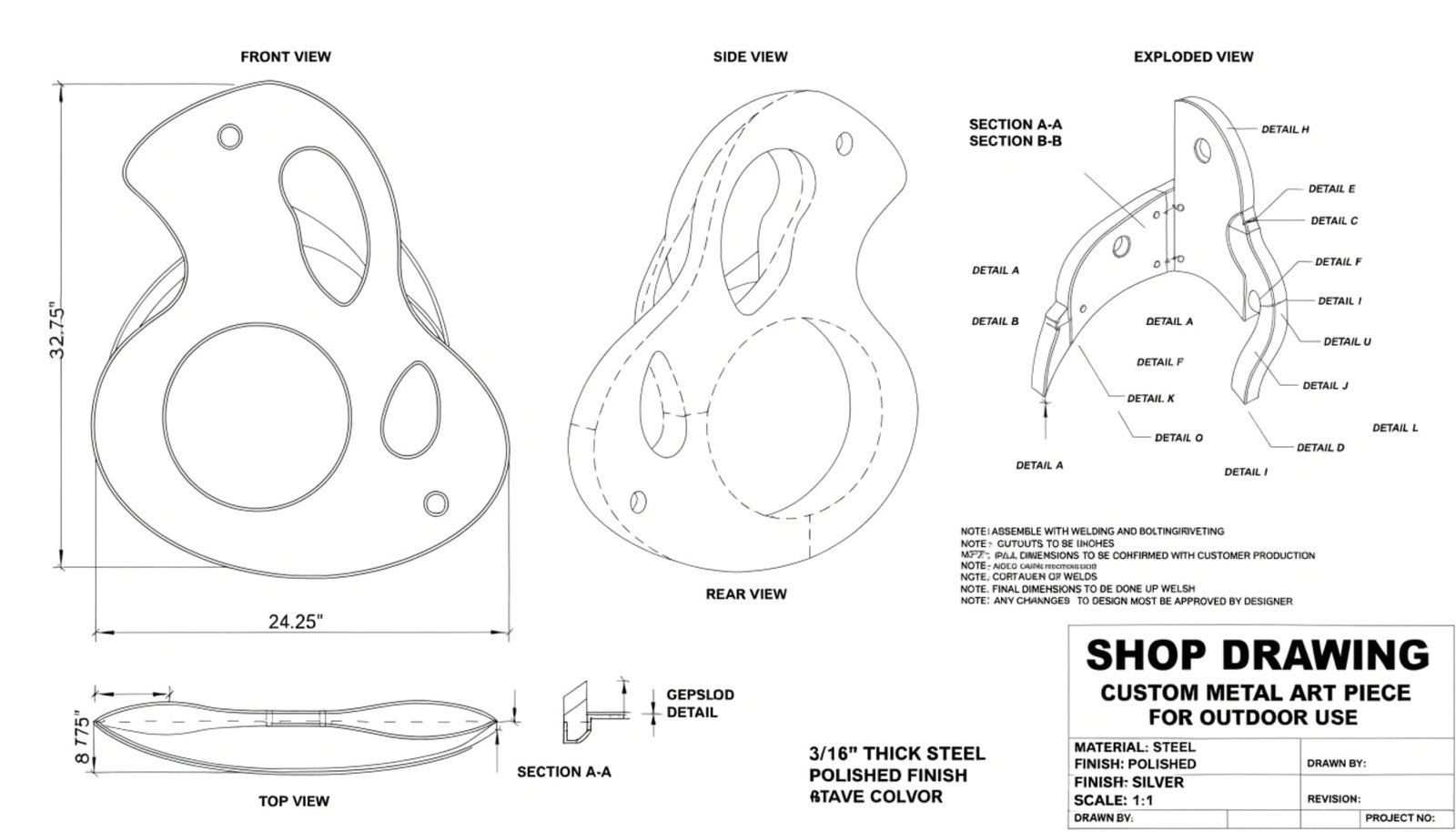
The phrase “lost in translation” is a huge risk when buying custom art. I once received a sculpture where the proportions felt completely wrong for the space. The render was beautiful, but the physical object was clumsy. This is where shop drawings become essential. They are the bridge between the creative idea and the physical reality, specifying exact dimensions, materials, and construction methods. A 3D model lets you see the piece from all angles to confirm its scale before any metal is cut. But don’t stop there. Always ask for a material sample review. A “brushed gold” finish can look a hundred different ways. Holding a sample in your hand, in the actual light of the room, is the only way to be sure. This two-step verification—shop drawings and samples—is your ultimate quality guarantee.
Conclusion
When buying metal wall art, look past the initial design. Focus on durable materials, precision engineering, safe mounting, and a clear production process. This ensures your investment is not only beautiful but will also last a lifetime.