Introduction
Have you ever fallen in love with a stunning rendering, only to be let down by the final product? The gap between a designer’s vision and the delivered reality can be frustrating, especially with custom metalwork.
The most beautiful metal art is not just about a great idea. It’s about perfect execution. The real magic happens when a manufacturer can translate a creative concept into a flawless physical piece through expert engineering and precision craftsmanship. This is where the source factory’s role becomes critical.
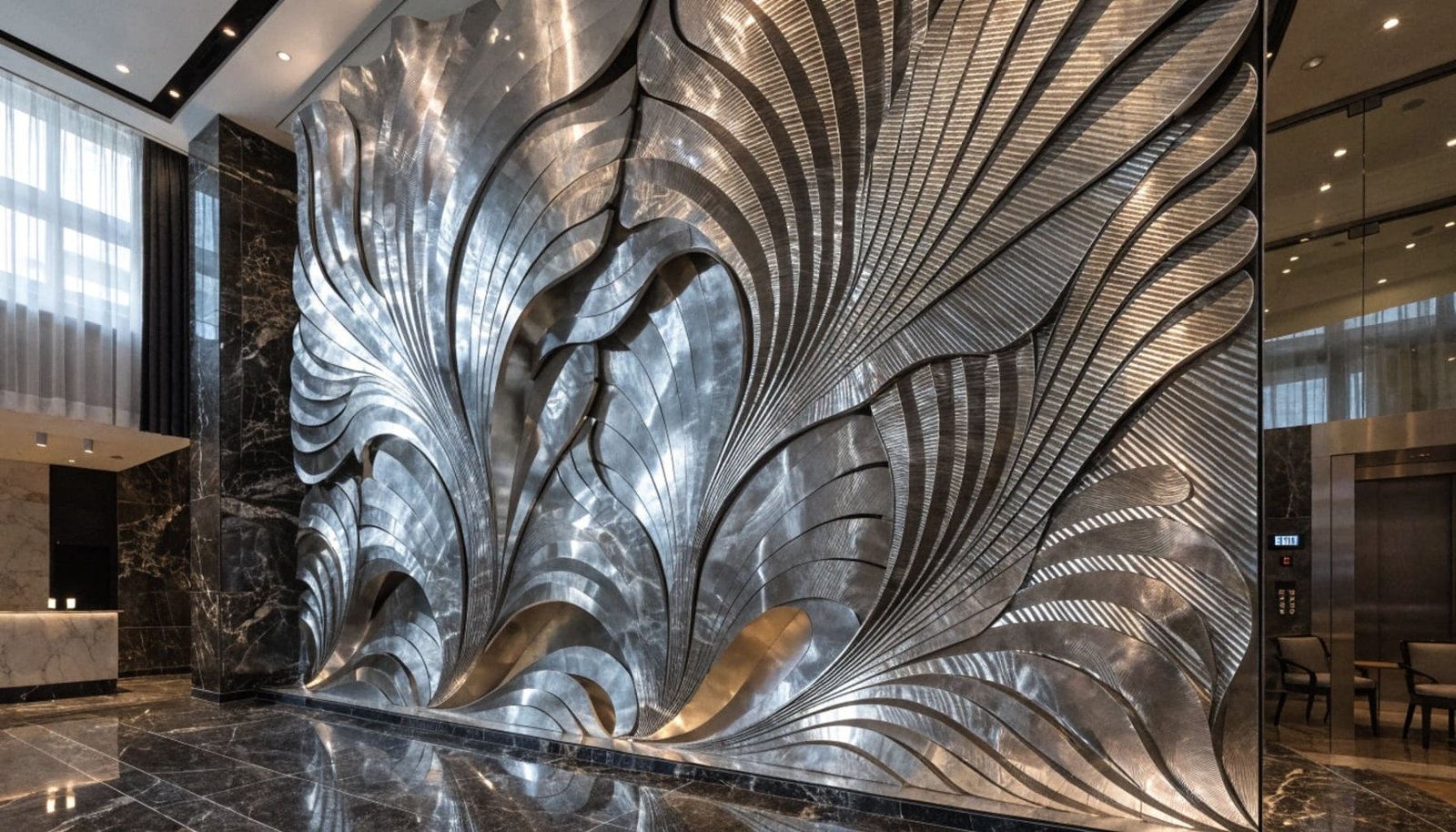
I’ve seen it happen too many times. A designer draws a breathtaking metal sculpture for a hotel lobby or a unique wall feature for a villa. But the piece that arrives on-site is a disappointment. You see rough welding seams, a bubbly surface that’s already oxidizing, and proportions that just feel… wrong. It can ruin the entire feel of a space. This experience has taught me that the most important question isn’t “who can design it?” but “who can actually build it right?” The secret lies in a factory’s ability to use detailed shop drawings and micron-level precision to bring ambitious designs to life, exactly as envisioned.
What defines the beauty of details that look flawless up close?
Are you tired of metal pieces where the joints and welds are the first thing you notice? The kind of flaws that cheapen an otherwise elegant design and tell a story of rushed, careless production.
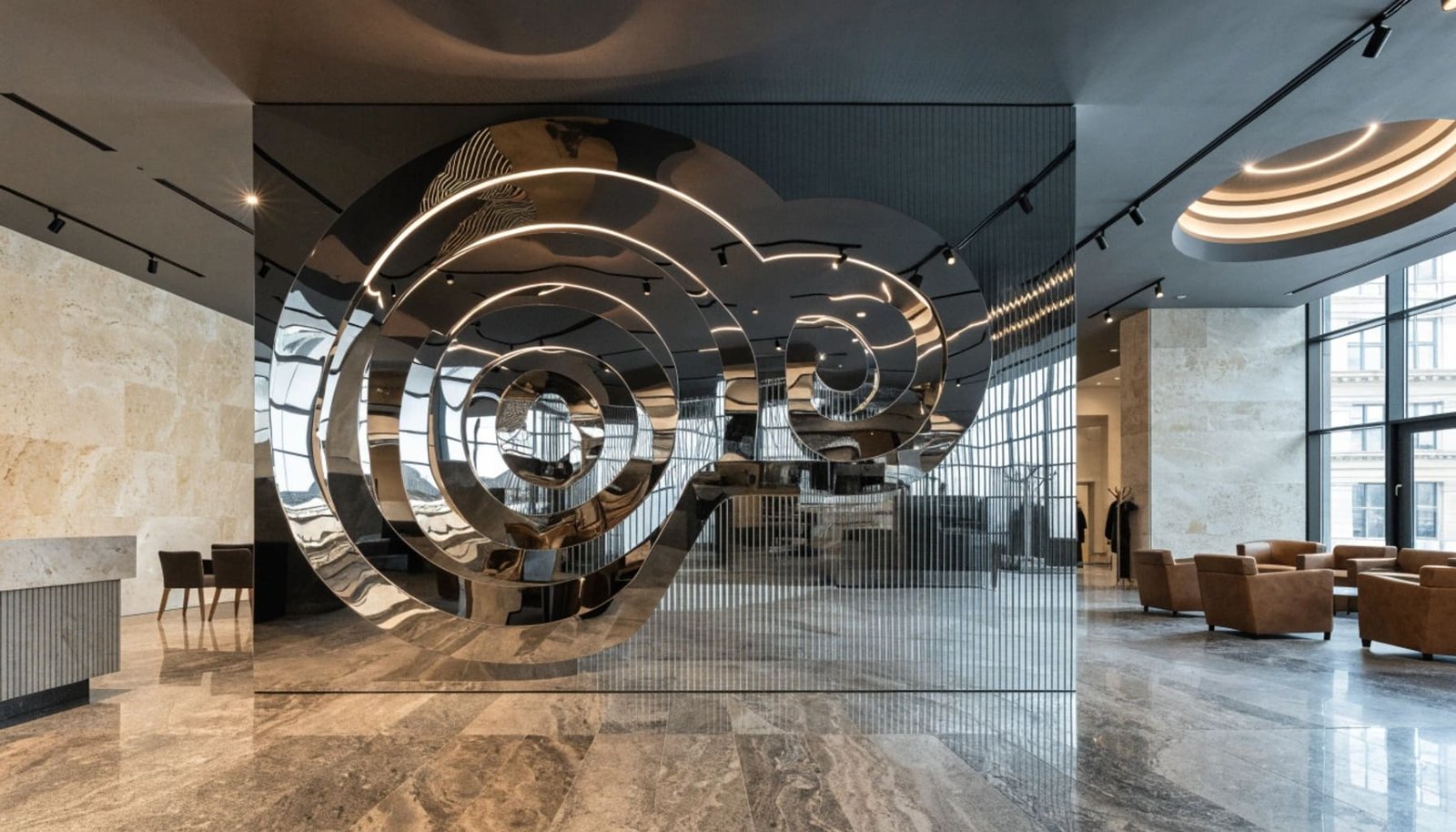
True high-end craftsmanship lies in the details you can’t see. Top-tier metal art should feel like it was created from a single, solid piece. This is achieved through advanced techniques like micro-TIG welding and meticulous hand-polishing that make seams virtually disappear.
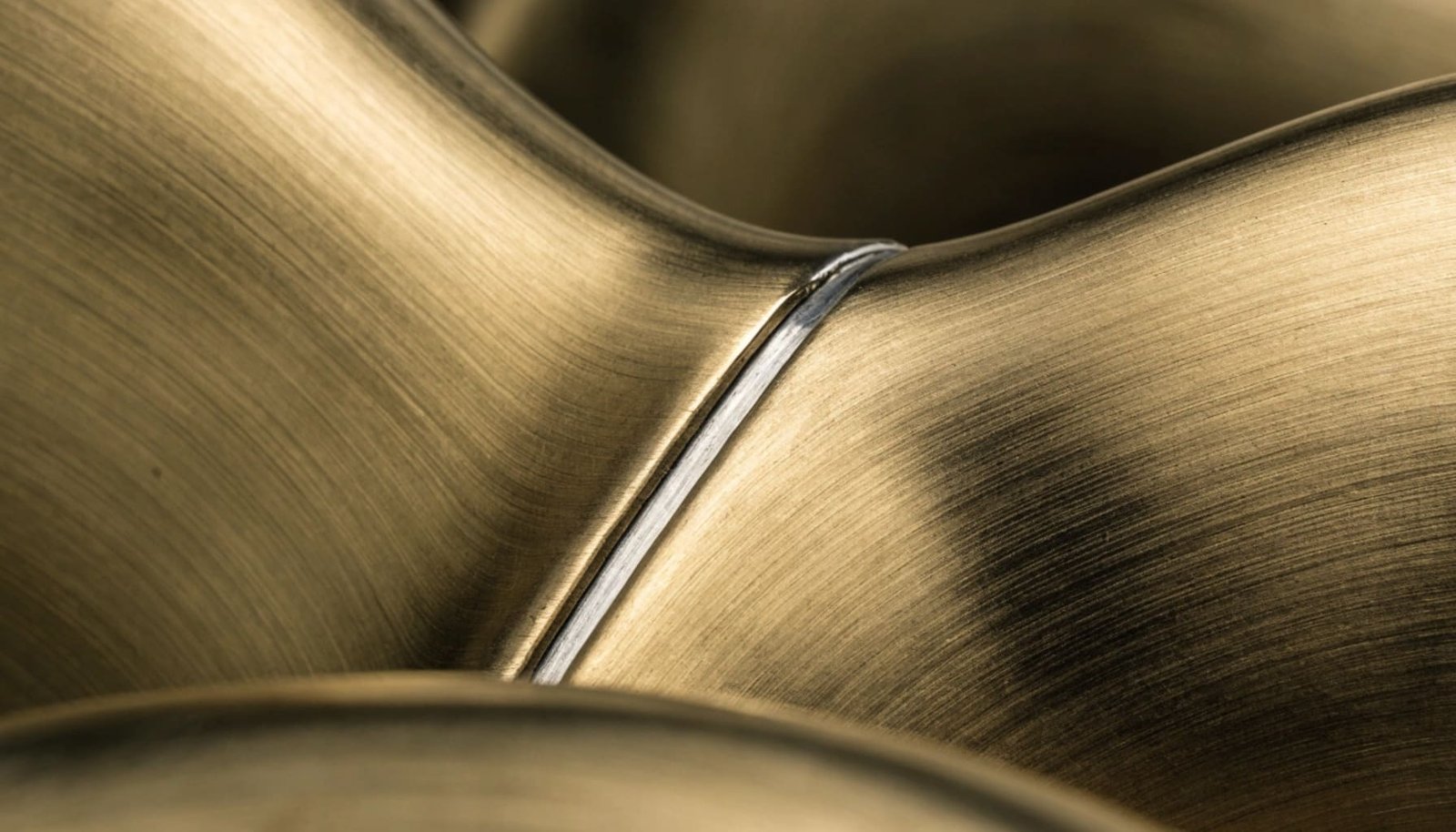
The difference between a standard piece and a masterpiece is often measured in microns. We focus on what’s known as “Zero-Seam Micro-TIG Welding.” TIG welding, or Tungsten Inert Gas welding, is a process that uses a non-consumable tungsten electrode to create a high-temperature arc, melting the metal to form a joint. An inert gas like argon shields the weld area from air contamination, which prevents oxidation and results in a much cleaner, stronger, and more attractive weld. This method is prized for its precision and control, especially on thin metals.
But we take it a step further. Our engineering team insists on a seam tolerance of ±0.15mm. After the initial weld, our artisans perform multiple rounds of manual grinding and polishing. This isn’t just a quick buffing. It’s a painstaking process to smooth the joint until it’s completely flush with the surrounding surface. When you run your hand over it, it feels perfectly smooth, with no bumps or dips. This process eliminates any visible weld marks, heat-affected zones that can cause discoloration, or gaps that disrupt the flow of the piece. This is how we achieve a flawless, monolithic appearance that signals true quality.
How can metal art achieve a texture that stands the test of time?
Worried that the beautiful finish on your metal fixture will quickly become dull, scratched, or covered in fingerprints? Many conventional coatings fail within a year or two, showing signs of oxidation and wear, especially in high-traffic areas.
The secret to lasting beauty is a finish that is bonded to the metal at a molecular level. Using advanced processes like PVD coating and nano anti-fingerprint technology ensures the artwork’s texture and color remain pristine for decades, not just months.
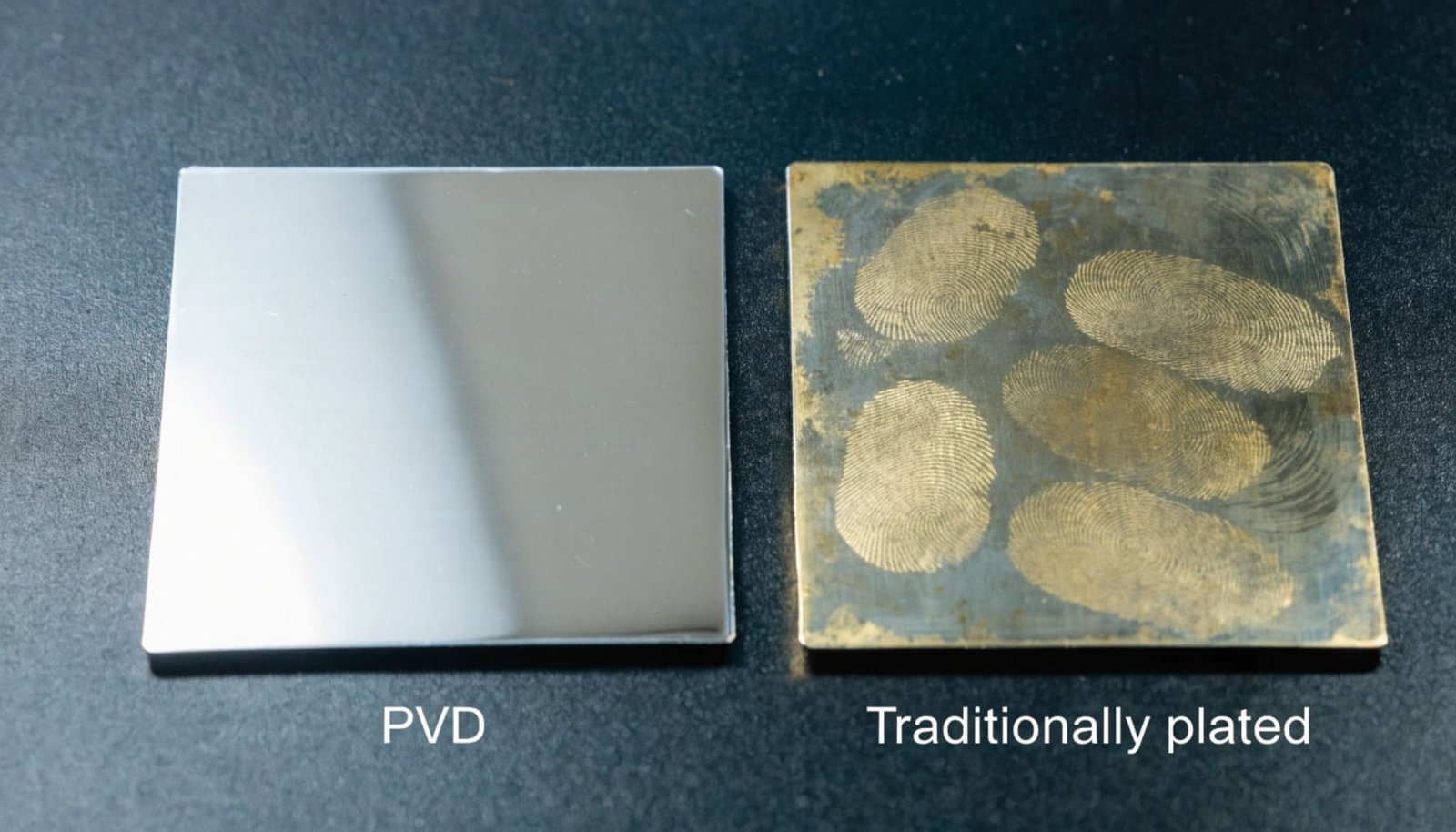
Beauty should not be temporary. That’s why we’ve moved beyond traditional electroplating and lacquers, which are prone to peeling, fading, and showing every single touch. Our go-to solutions are PVD coating and Anti-Fingerprint (AF) nano coatings.
PVD, or Physical Vapor Deposition, is a high-tech process conducted in a vacuum. It vaporizes a solid material, like titanium, and deposits it onto the stainless steel surface atom by atom. This doesn’t just create a layer on top; it forms a molecular bond with the metal itself. The result is a finish that is incredibly hard—up to ten times harder than standard stainless steel—and exceptionally resistant to scratches, corrosion, and UV fading. This makes it perfect for high-traffic commercial spaces and even coastal environments with salt spray.
We then add a nano anti-fingerprint (AF) coating. This creates a transparent, hydrophobic layer that lowers the surface energy of the metal. Instead of spreading out and clinging, oils from fingerprints bead up and can be wiped away easily, keeping surfaces looking clean. This combination of PVD and AF coating ensures that whether the finish is mirrored, brushed, or a custom patina, it will maintain its integrity and appearance for years of enjoyment.
Why is proportional beauty crucial for fitting into a space?
Have you ever installed a custom art piece that looked great on paper but felt clumsy or out of place once installed? This often happens when the design isn’t properly engineered for the specific scale and lighting of the environment.
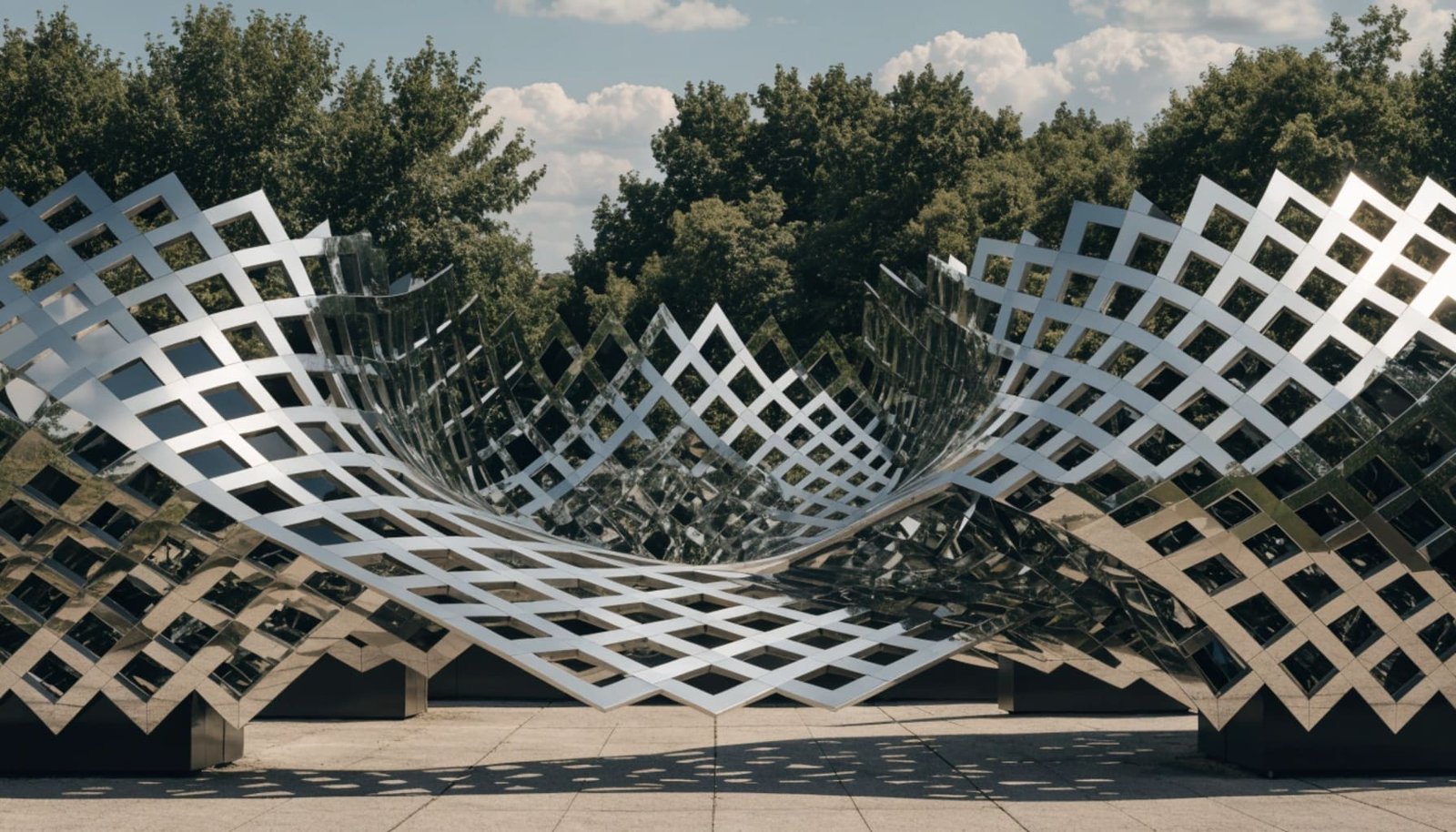
A truly beautiful metal artwork feels like it belongs in the space. This harmony is achieved before any metal is cut, through a rigorous process of 3D modeling and micron-level shop drawings. This ensures the final piece interacts perfectly with its surroundings.
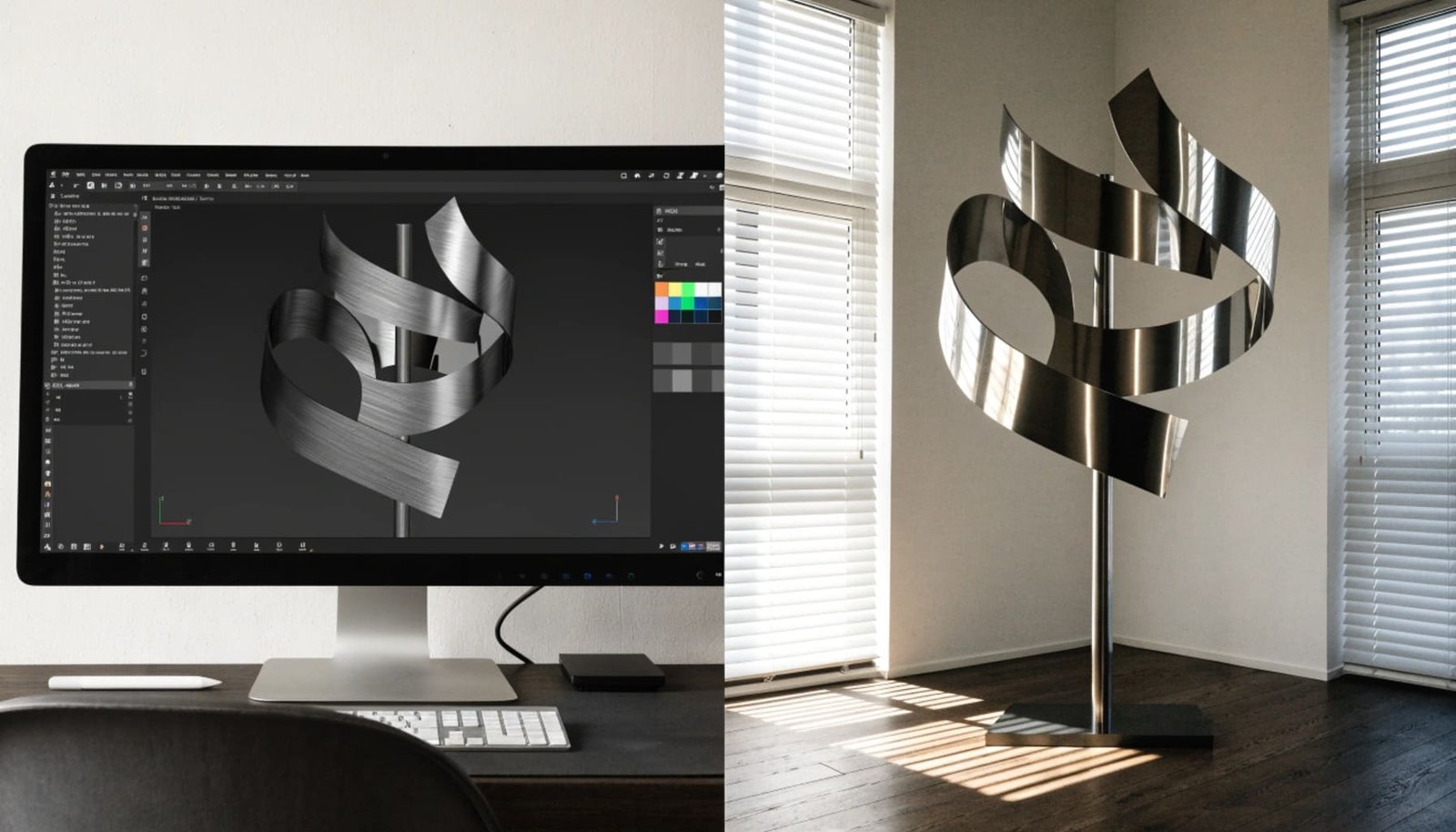
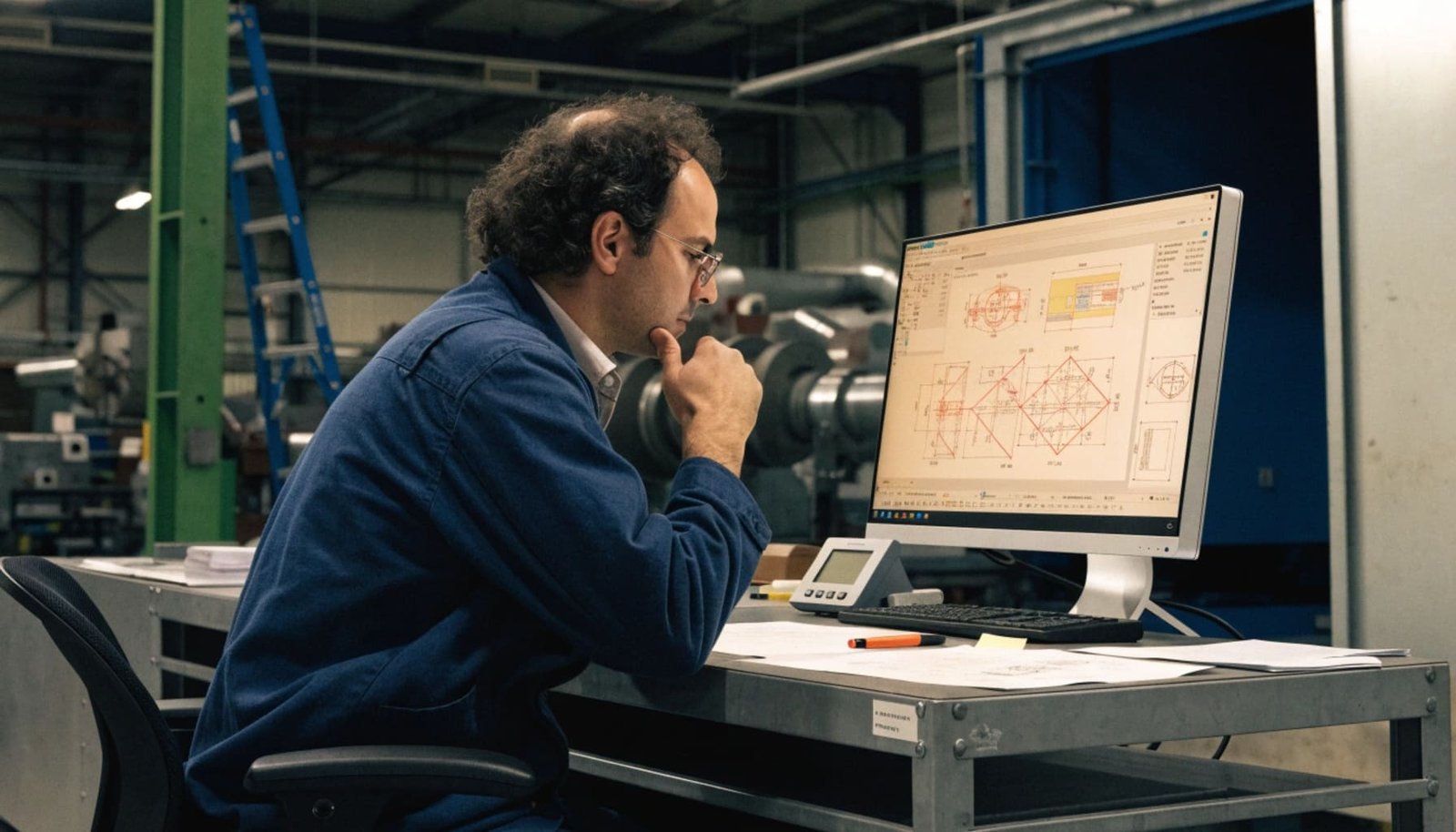
An art piece that looks awkward or bulky is usually a sign of poor planning. At NEXTOP, we believe engineering is an art form in itself. Before we begin production, our team creates highly detailed shop drawings and 3D models. These aren’t just basic sketches; they are precise blueprints that bridge the gap between the architect’s concept and the physical fabrication.
Using 3D modeling, we can simulate how the artwork will look in its intended environment. We analyze how light will reflect off its surfaces, how shadows will be cast, and how its proportions will relate to the surrounding architecture. This allows us to fine-tune the design for optimal visual impact. We then produce 1:1 scale structural node drawings, which detail every connection and joint with micron-level accuracy. This process eliminates guesswork and ensures every component is fabricated to the exact specifications needed for a seamless assembly. Finally, we provide material samples for review. This gives designers the chance to see and feel the exact finish, texture, and color before committing to full-scale production. This meticulous pre-production phase is our guarantee that the final artwork will not only match the vision but will also elevate the entire space.
What is the secret to a seamless, floating installation?
Are you concerned about ugly brackets, visible screws, or large gaps ruining the clean lines of a wall-mounted sculpture? A poor installation can make even the most beautiful artwork look unstable and unprofessional.
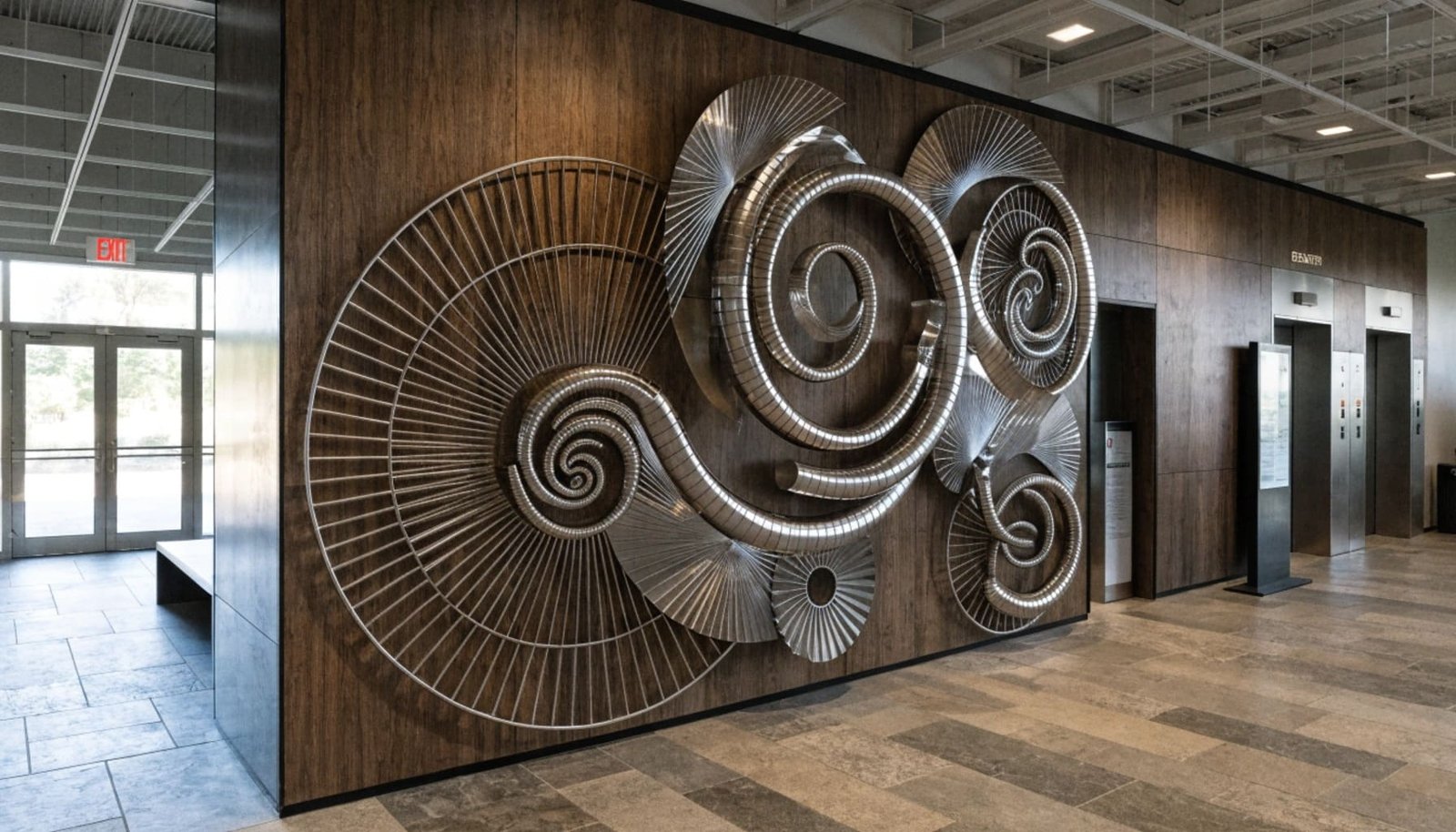
The most impressive installations make the artwork appear to float effortlessly on the wall. This effect is accomplished with a hidden internal armature and a precision mounting system, like a French cleat, which distributes weight evenly and ensures a tight, secure fit.
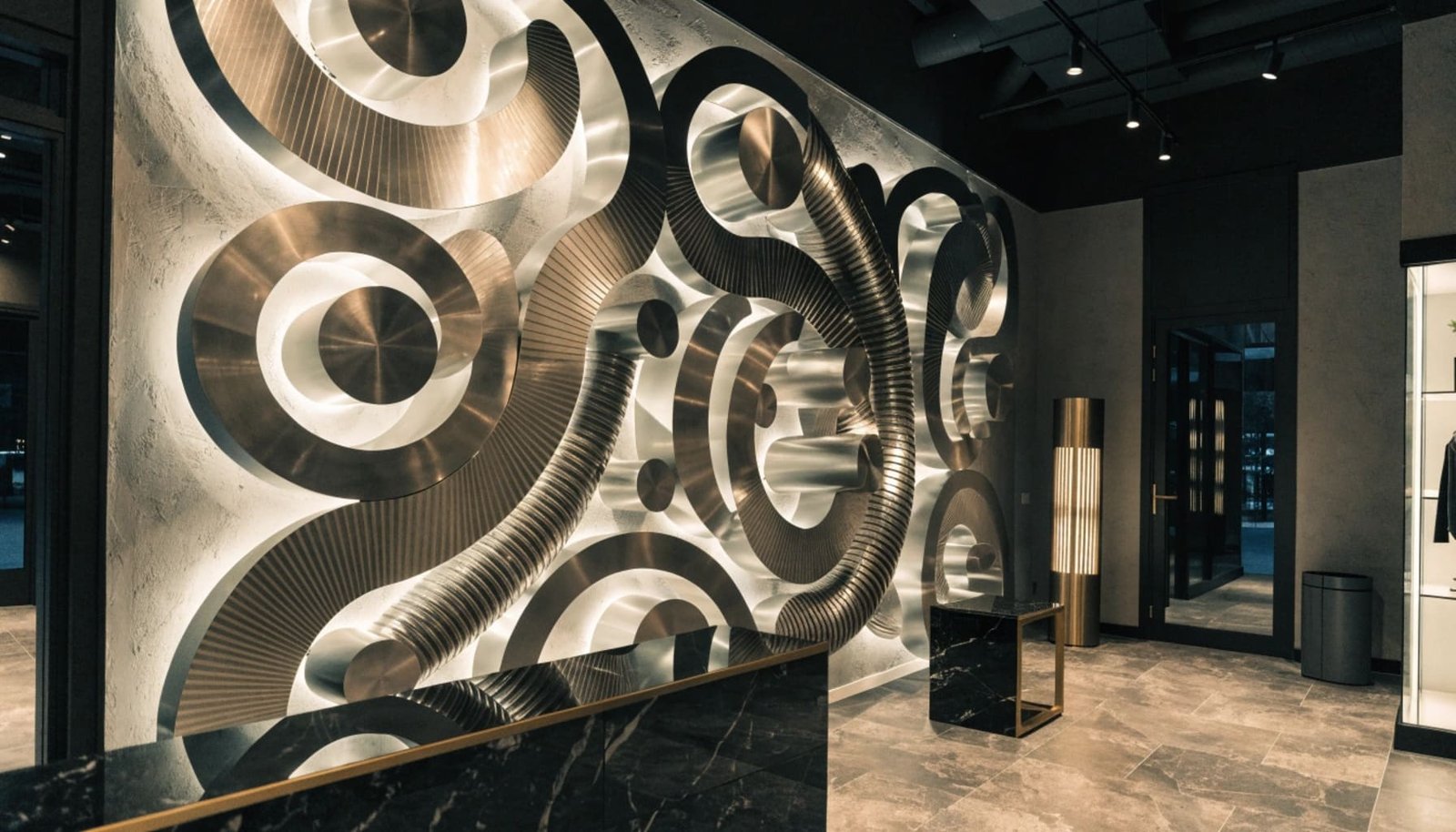
The way an artwork is mounted is just as important as the piece itself. Exposed hardware can distract from the art and disrupt the clean aesthetic you’ve worked so hard to create. We solve this by engineering a hidden support structure directly into the artwork. For large or heavy pieces, we design and pre-embed a concealed steel armature (a hidden frame) into the back of the sculpture. This frame provides the necessary structural integrity and serves as the attachment point for the mounting hardware.
Our preferred method for wall-hanging is the French cleat system. This involves two interlocking pieces cut at a 45-degree angle. One is securely mounted to the wall—ideally into studs for maximum support—and the other is attached to the back of the artwork’s armature. When the art piece is hung, the two cleats lock together, using gravity to create a strong, stable hold that distributes the weight evenly across the wall. By engineering this system with extreme precision, we can achieve a wall-to-artwork tolerance of less than 2mm. This minimal gap creates a powerful visual effect, making even a multi-hundred-pound sculpture appear to float seamlessly against the surface.
Cheap vs. Contract-Grade
When specifying metal art, understanding the difference between a low-cost item and a contract-grade piece is crucial. The visual and functional gap is defined by the engineering and manufacturing standards applied. Here is a clear comparison:
Feature | Cheap Retail / Small Workshop | Contract-Grade Engineering Source |
Drawing Support | Provides only basic 2D images or simple dimensions. Lacks detailed structural analysis. | Delivers micron-level shop drawings, 3D models, and 1:1 node details for pre-approval. |
Seam & Joint Treatment | Visible weld spots, uneven grinding, and discoloration are common. Joints feel rough. | Uses micro-TIG welding and multi-step polishing for a ±0.15mm tolerance. Seams are invisible and smooth to the touch. |
Surface Durability | Relies on cheap paint or standard electroplating that oxidizes, scratches, and collects fingerprints within 1–2 years. | Employs PVD titanium coating and nano anti-fingerprint layers for decades of resistance to corrosion, wear, and smudges. |
Installation & Mechanics | Ships with simple, exposed hooks. The piece may hang with a large gap, feel unstable, or pose a falling risk. | Features a pre-engineered, concealed armature with a French cleat system for a secure, “floating” look with a ≤2mm wall gap. |
Conclusion
Ultimately, the most beautiful metal artwork comes from a partner who masters the engineering behind the art. It requires a deep commitment to precision from the initial drawing to the final installation.