Introduction
Struggling to identify the best office furniture manufacturer? The biggest names aren’t just selling desks. They offer something more valuable that impacts your entire business’s performance and bottom line.
The largest office furniture manufacturers are global giants like Steelcase and MillerKnoll. They dominate the market not just by sales volume, but by providing research-backed workspace solutions, ensuring strict compliance with global safety standards, and guaranteeing on-time delivery for large-scale international projects.
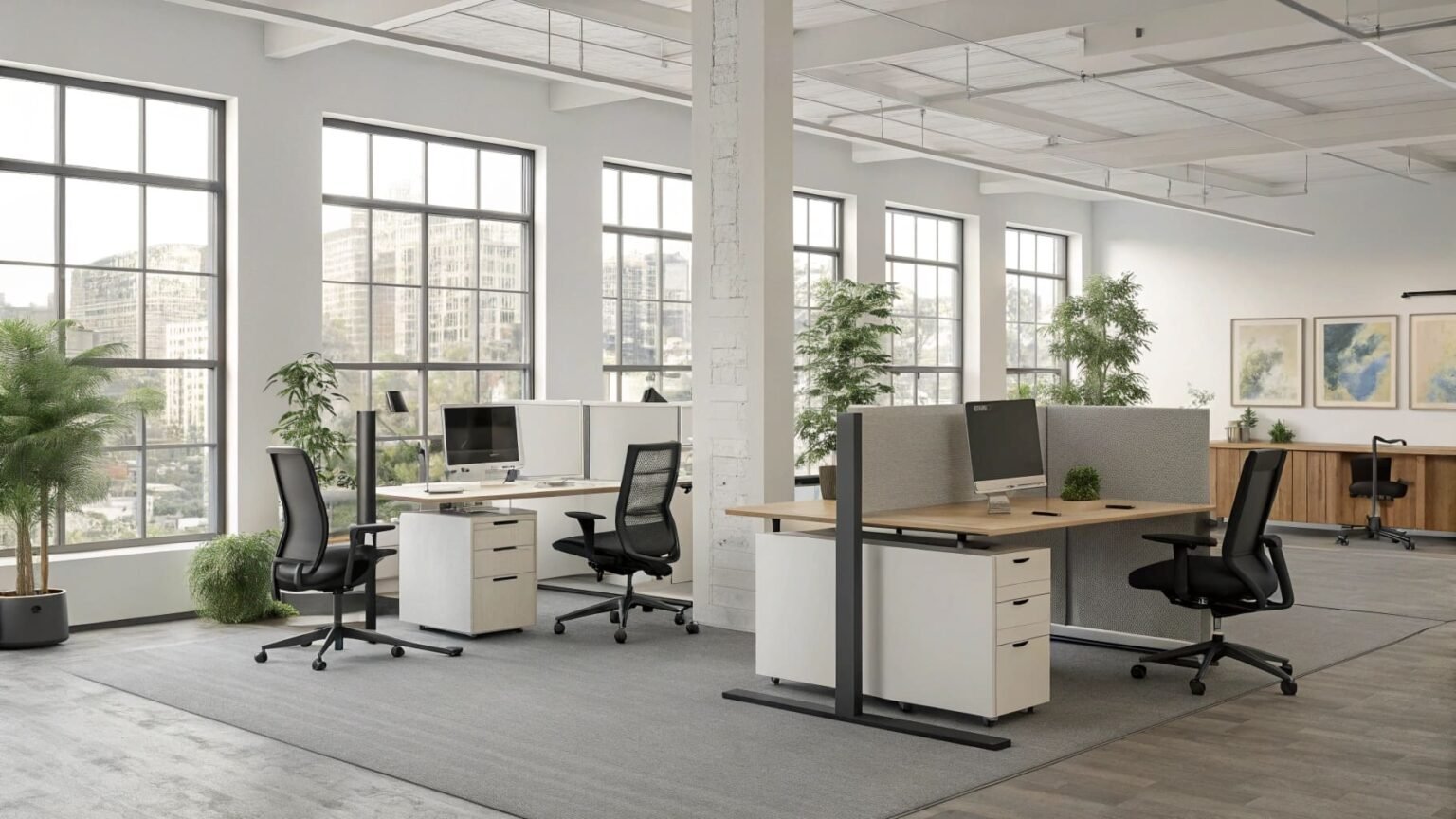
Identifying the largest manufacturer is just the beginning. The real question is *why* they are the largest. Understanding their core strengths reveals what truly matters in a commercial furniture project. It’s not about the chair; it’s about the strategy behind it. I’ve learned over the years that what sets these leaders apart are the deep, underlying capabilities that smaller factories just can’t match. Let’s explore what makes them different.
Why do top brands sell workspace ecosystems instead of just furniture?
Is your office layout hurting productivity and team morale? You’re not just buying furniture; you’re shaping how your team works. Top manufacturers understand this and have a much better approach.
Industry leaders like Steelcase and MillerKnoll sell “workspace ecosystems” driven by behavioral science. They invest millions in researching how people work best, especially in hybrid models. You are buying solutions designed to boost focus, collaboration, and employee retention, not just desks and chairs.
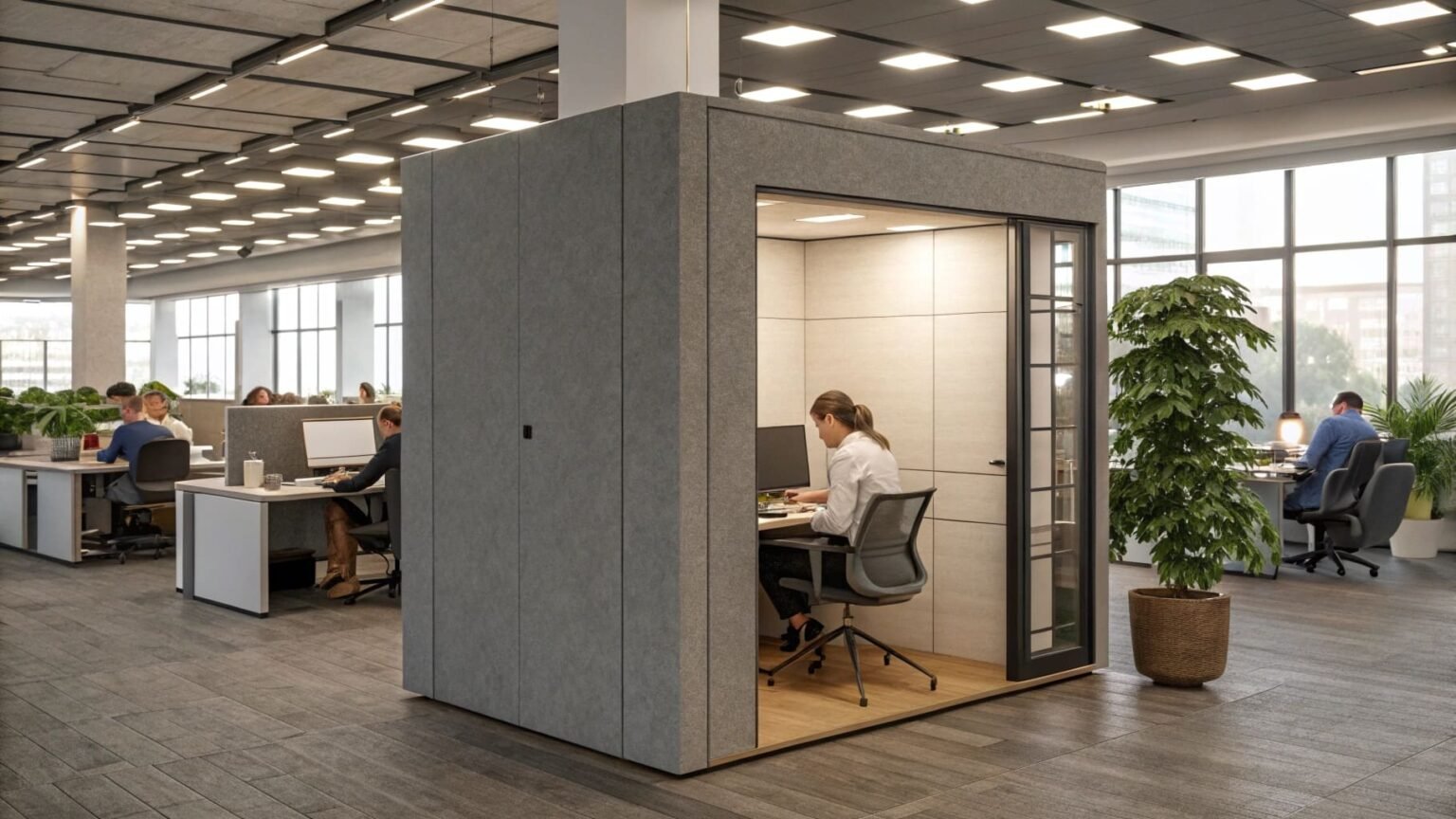
I believe the biggest shift in our industry has been moving from selling individual products to providing comprehensive solutions. The top manufacturers aren’t just building furniture anymore; they are shaping environments based on deep, scientific research. It’s a fundamental change in philosophy that has massive benefits for their clients.
Investing in Behavioral Research
The leading global brands spend millions of dollars every year on research and development. They study how employees behave in the workplace, especially with the rise of hybrid work. This research looks at everything from employee psychology to physical well-being. For example, their studies explore how to reduce burnout, which now affects over 40% of desk workers, and how flexible work schedules can increase productivity by nearly 30%. When you choose a product from one of these manufacturers, you are essentially buying the results of this expensive research. The furniture is designed to increase employee focus, reduce turnover, and promote better teamwork. It’s an investment in a more productive and healthier workforce. I once worked with a client whose team was struggling with constant interruptions in an open-plan office. By bringing in modular “micro-architecture” based on this type of research, we created zones for focused work and collaboration, and their productivity soared.
The Power of Modular Systems
This brings me to the concept of “micro-architecture.” Think of these systems as LEGOs for the office. They are modular walls, pods, and furniture that can be easily reconfigured. This flexibility is crucial because it allows a workspace to adapt as a company grows or its needs change. If you need more private offices one year and more collaborative spaces the next, you don’t have to start from scratch. These modular systems future-proof your office investment. A traditional, static office layout can quickly become outdated. In contrast, an adaptable ecosystem can evolve with your business, which is a much more sustainable and cost-effective approach in the long run.
How do BIFMA and LEED certifications protect your business?
Are you worried about the hidden legal and safety risks in your new office? Non-compliant furniture can lead to expensive lawsuits and health issues. There is a simple way to protect your investment and your people.
BIFMA and LEED certifications are a non-negotiable safety net in commercial projects. They guarantee that furniture is durable and environmentally safe. Choosing certified furniture protects your business from employee health claims, fire safety violations, and environmental legal risks, making it a critical form of asset protection.
In my experience with large-scale hospitality and commercial projects, compliance is everything. In Europe and North America, if a product doesn’t meet standards like BIFMA, it’s an immediate dealbreaker. The biggest advantage of working with major manufacturers isn’t just their designs, but their bulletproof engineering and audited supply chains.
BIFMA: The Standard for Durability
BIFMA stands for the Business and Institutional Furniture Manufacturers Association, and it sets the industry standard for safety and durability. To earn this certification, a product must survive intense testing that simulates years of heavy use. For example, a chair’s backrest and seat undergo tests that replicate constant pressure and impact. This isn’t just about quality; it’s a critical safety measure. A BIFMA-certified chair is far less likely to tip over or break, which protects you from liability if an accident happens. I remember a budget project where a client insisted on non-certified chairs. Within a year, several had failed, and they had to replace the entire lot after a near-injury. Choosing BIFMA-compliant products from the start is an investment in long-term safety and peace of mind.
LEED/WELL: The Standard for Health and Safety
LEED and WELL certifications focus on the health of the people in the building. One of their most important criteria for furniture is the absence of Volatile Organic Compounds (VOCs). These are harmful gases released from certain materials that can cause headaches, allergies, and other health problems. LEED and WELL certified furniture ensures zero or very low VOC emissions, creating healthier indoor air quality. This directly protects your employees’ well-being and reduces the risk of “sick building syndrome.” For businesses, this is a powerful form of risk management. It helps you avoid potential employee health claims and ensures your space complies with modern environmental laws.
Feature | Certified Furniture (BIFMA, LEED) | Non-Certified Furniture |
Durability | Tested for years of simulated heavy use. | Unknown, high risk of premature failure. |
Health Impact | Ensures low or zero VOC emissions for clean air. | Potential for harmful off-gassing and health issues. |
Legal Risk | Mitigates liability and complies with building codes. | High risk of health claims, fines, and project rejection. |
Project Viability | Meets strict requirements for high-end commercial projects. | Often fails to meet code and is rejected by contractors. |
What is the real value of a global supply chain in large projects?
Are you afraid of project delays that could cost your company a fortune? An empty office still means paying rent. The biggest manufacturers offer a powerful solution to this very expensive problem.
The real value is “execution certainty.” Global manufacturers have established dealer networks and logistics systems that ensure on-time, on-budget delivery anywhere in the world. Clients willingly pay a premium for this reliability to avoid the massive costs associated with project delays.

For any large commercial project, the biggest fear is a delay. A missed deadline can lead to huge financial losses from rent on an unused space and operational downtime. I’ve seen it happen. This is where the world’s largest furniture manufacturers have an unshakeable advantage: their global supply chain and delivery capabilities.
The "Certainty Premium"
In major projects, clients are often willing to pay a “certainty premium.” This means they’ll choose a more expensive manufacturer because that manufacturer guarantees the project will be completed on time and within budget. This premium is essentially an insurance policy against delays. The cost of paying a few extra percentage points for the furniture is tiny compared to the cost of an extra month of rent on a skyscraper in New York or Dubai. This is the core strength of the big players. They have invested billions in creating a global logistics network that can deliver with precision. Their ability to manage everything from production to final assembly provides a level of certainty that smaller factories simply cannot match
The Power of a Dealer Network
This certainty is made possible by a mature and extensive dealer network. These networks are made up of local partners in cities all over the world. These local teams handle warehousing, final on-site assembly, and any after-sales service that might be needed. This global-local model ensures a seamless execution, no matter the project’s location. A small factory might be able to ship a container of furniture overseas, but they have no one on the ground to manage customs, transport it to the site, install it correctly, and handle any issues. The large manufacturers have this entire process locked down through their dealers. I once had a project in Singapore where a shipment was damaged in transit. The local dealer was able to source replacements and complete the installation without any delay to the project timeline. That is the power of a true global network.
Conclusion
The largest office furniture manufacturers lead through research-driven design, strict safety compliance, and guaranteed global delivery. Choosing them is an investment in your company’s productivity, safety, and project certainty.Choosing high-end hotel furniture is about investing in durable, low-maintenance, and compliant assets. This approach protects your brand’s reputation and ensures long-term value and safety for your property