Introduction
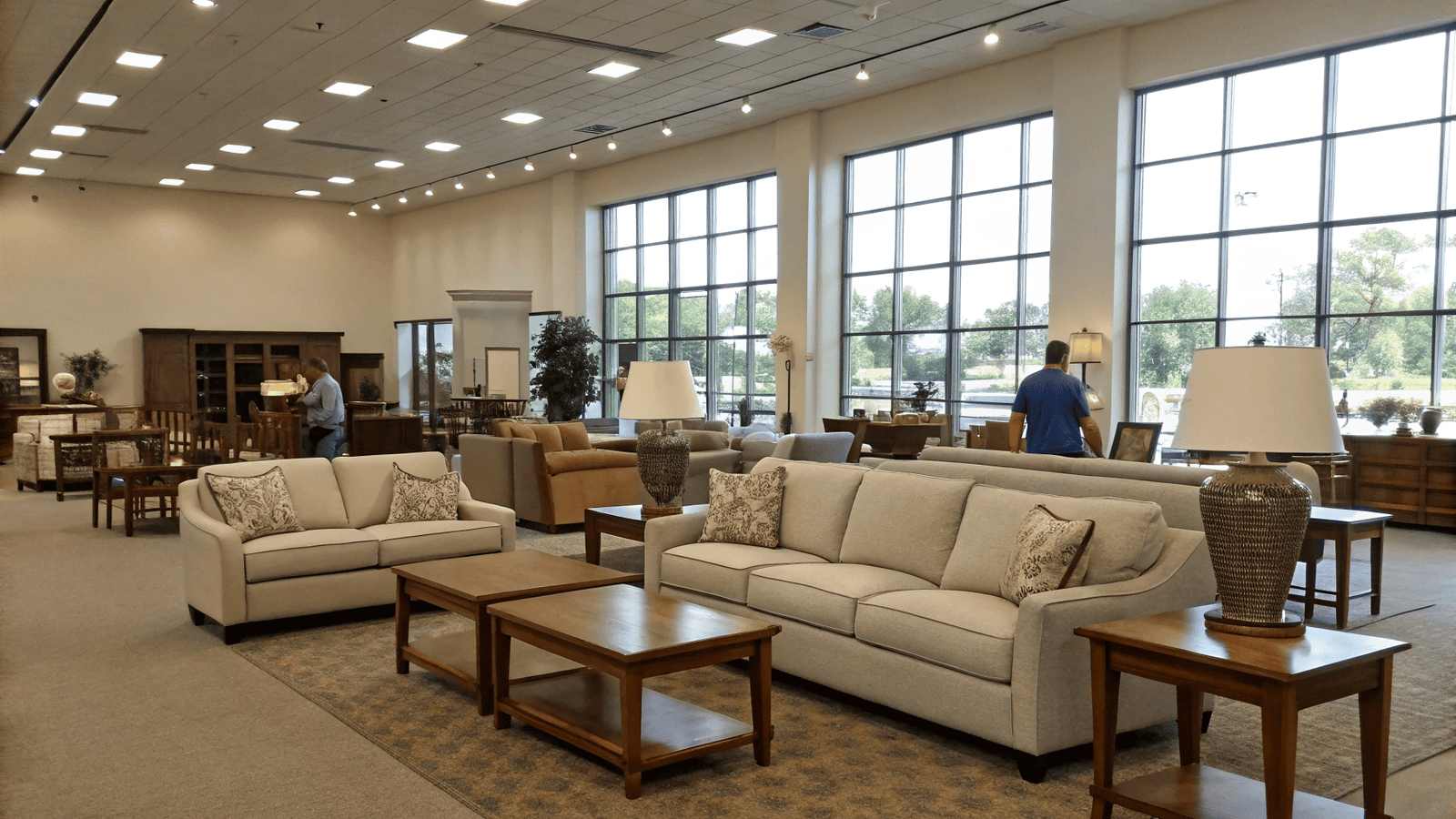
You walk past a big furniture store. It is empty. You wonder how they pay rent. The secret is that they do not rely on walk-in buyers anymore.
Furniture stores survive without walk-in customers by shifting their business models. They act as solution providers for designers[^1], turn showrooms into digital content studios[^2], focus on large B2B contract projects, and serve as local distribution hubs[^3]. Their real money comes from behind-the-scenes deals, not everyday retail sales.
I used to think empty stores were failing businesses. Then I started NEXTOP Furniture and learned the truth about this industry. Let me show you what happens behind closed doors.
How do stores sell whole solutions instead of single pieces?
Selling one chair is hard. You deal with picky buyers and low margins. Stores fix this by selling complete room packages to professional designers instead of normal people.
Stores survive by partnering with interior design studios. They stop waiting for single buyers. Instead, they become a material library[^4]. They provide space planning[^5], material matching, and full installation. They earn high service fees instead of small retail margins.
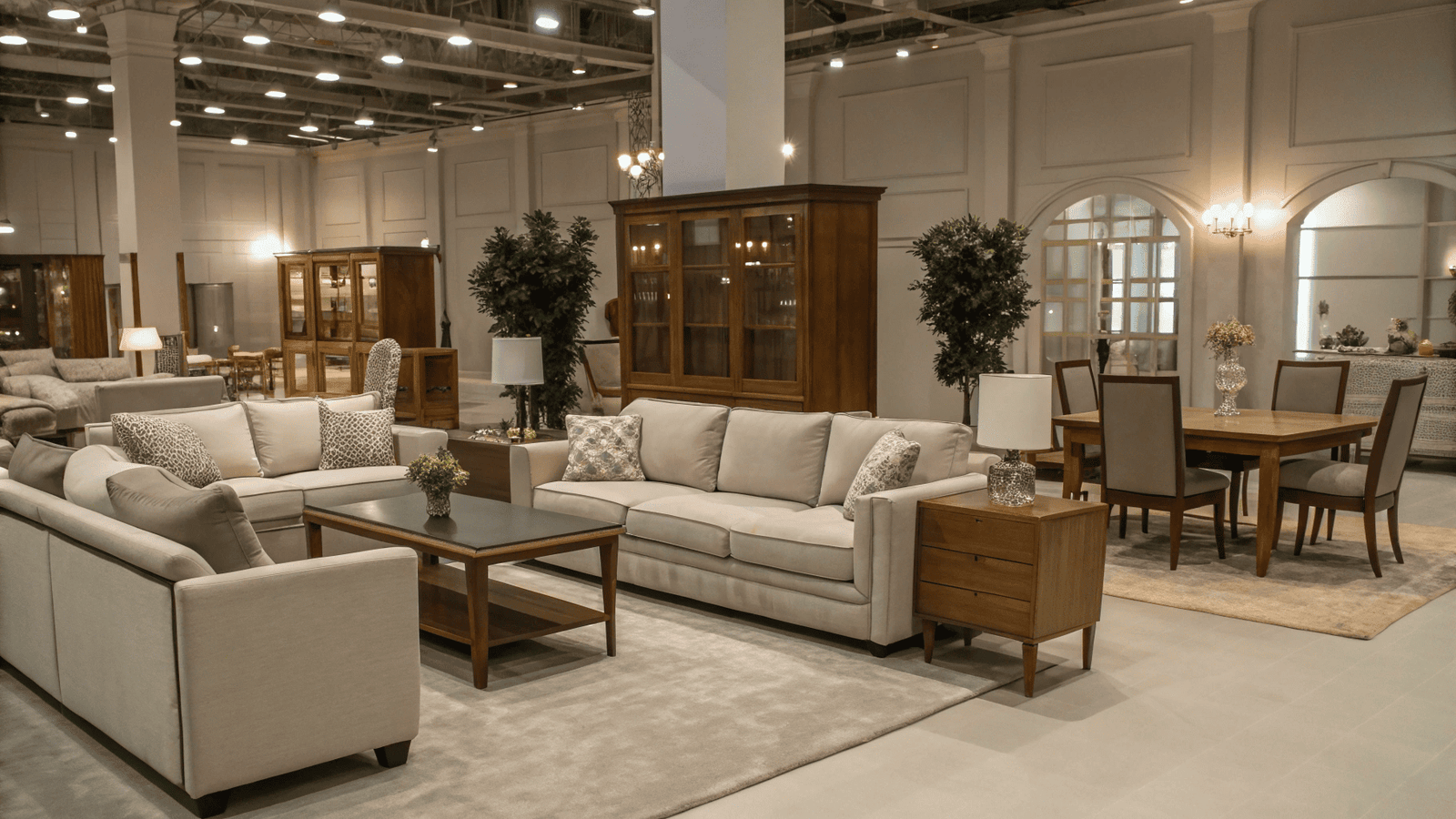
I remember a client who owned a large retail space. He struggled to sell individual sofas. Then he changed his strategy. He stopped targeting regular homeowners. He started targeting interior designers. This is a massive shift in the furniture world. You move from a simple retailer to a total solution provider.
The Value of Design Premium
When you sell a single piece, people compare your price with online shops. When you sell a full solution, you sell peace of mind. Designers need reliable partners. They need someone who can handle casegoods, upholstery, and metal works all at once. At NEXTOP, we see this every day. Our clients do not want to manage ten different factories. They want one unified system.
Retail vs. Solution Provider
Feature | Traditional Retailer | Solution Provider |
Target Customer | Walk-in homeowners | Designers and contractors |
Product Sold | Single furniture items | Complete project solutions |
Profit Source | Product markup | Service and integration fees |
Loyalty | Very low | Very high |
This change creates a strong bond between the store and the design firm. The store becomes an extension of the designer’s team. They handle the messy parts like engineering and strict QC. This is how empty stores make millions.
Why do physical showrooms act like digital broadcasting studios?
Foot traffic is dead. Waiting for people to walk in leads to bankruptcy. Smart store owners move their sales pitch online before the customer even visits.
The empty showroom is actually a busy content base. Stores use videos and 3D tools to reach thousands online. Customers make 90% of their buying decisions on the internet. The physical store simply offers a final touch test and brand trust.
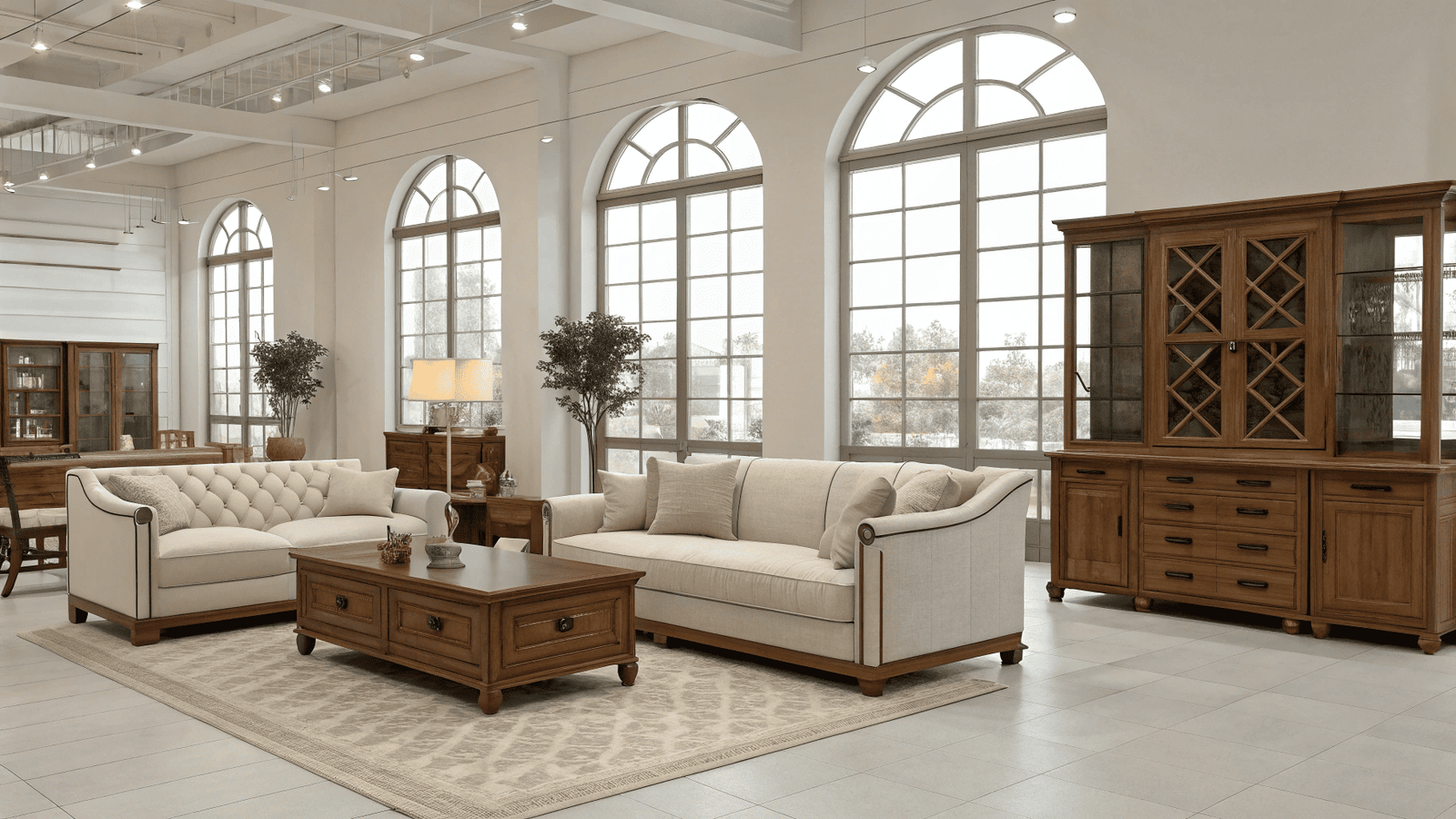
A few years ago, I visited a huge showroom in the city center. There were zero customers inside. But the owner was very happy. He showed me his phone. His team was live-streaming a new custom metal work collection. Thousands of people were watching.
The Shift to Online Pre-sales
Physical traffic is no longer the main goal. The store is now a stage. Furniture stores use social media and 3D cloud tools to show their products. Buyers do their research at home. They check materials, sizes, and colors online. By the time they enter the store, they already know what they want. They just want to touch the fabric or check the finish of the wood.
Showroom Evolution
Function | Past Showroom | Modern Showroom |
Main Purpose | Direct sales | Content creation |
Audience Size | 10 to 50 walk-ins | 100,000+ online viewers |
Decision Stage | Exploring options | Final quality check |
Staff Role | Salesperson | Broadcaster and guide |
This digital shift removes the need for physical crowds. The store stays quiet. The sales numbers keep growing. They use the space to prove their stable quality and provide clear photo reporting[^6] to online buyers.
Can one big contract project replace a year of retail sales?
Relying on families to buy beds is risky. The volume is too small. Stores survive by winning large commercial contracts that pay massive bills.
Many large retailers rely on the B2B contract market[^7]. One hotel or office project can equal a whole year of retail sales. They use empty showrooms as engineering mockups[^8] to attract developers, hotel managers, and global procurement companies.
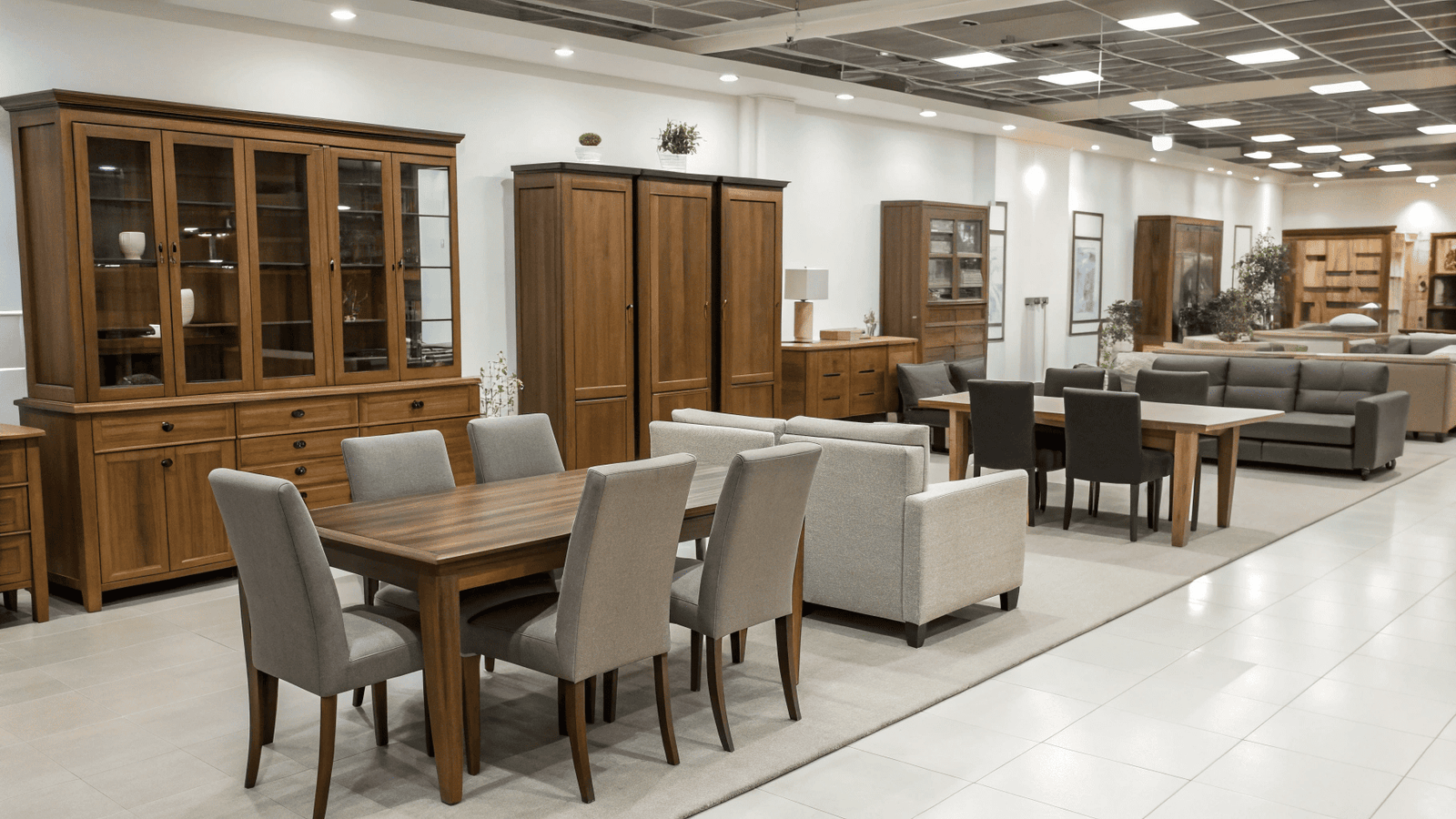
I once worked with a store owner who kept his shop open just to show his work to one hotel developer. That one meeting brought him a huge contract. This is the hidden giant of the furniture business. It is the B2B contract market[^7].
The Power of Engineering Mockups
Stores do not need hundreds of small buyers. They need one big buyer. The quiet showroom is actually a life-sized mockup. When international hotel groups or architecture firms visit, they want to see the quality. They check if the custom furniture and metal works match their project drawings. They look for precise engineering.
Retail vs. Contract Market
Metric | Retail Market | Contract Market (B2B) |
Order Size | 1 to 5 items | 500+ items |
Sales Cycle | Hours or days | Months or years |
Revenue | Small and unstable | Massive and predictable |
Key Focus | Trendy looks | Strict QC and durability |
At NEXTOP, we understand this deeply. We provide flexible materials like wood, veneer, metal, and stone. When a contractor sees a perfect sample in a store, they order hundreds of them. The store lives on project deposits, final payments, and repeat business from these massive developers.
Are retail stores actually just local distribution hubs?
E-commerce kills traditional shops. Shipping big furniture directly to homes causes damage and anger. Stores survive by becoming local warehouses for these online brands.
Many street-level furniture stores have transformed into regional distribution centers. They handle last-mile delivery[^9] and after-sales service for big online brands. They offer repair and maintenance services[^10]. This closed-loop strategy provides a steady cash flow without needing new retail buyers.
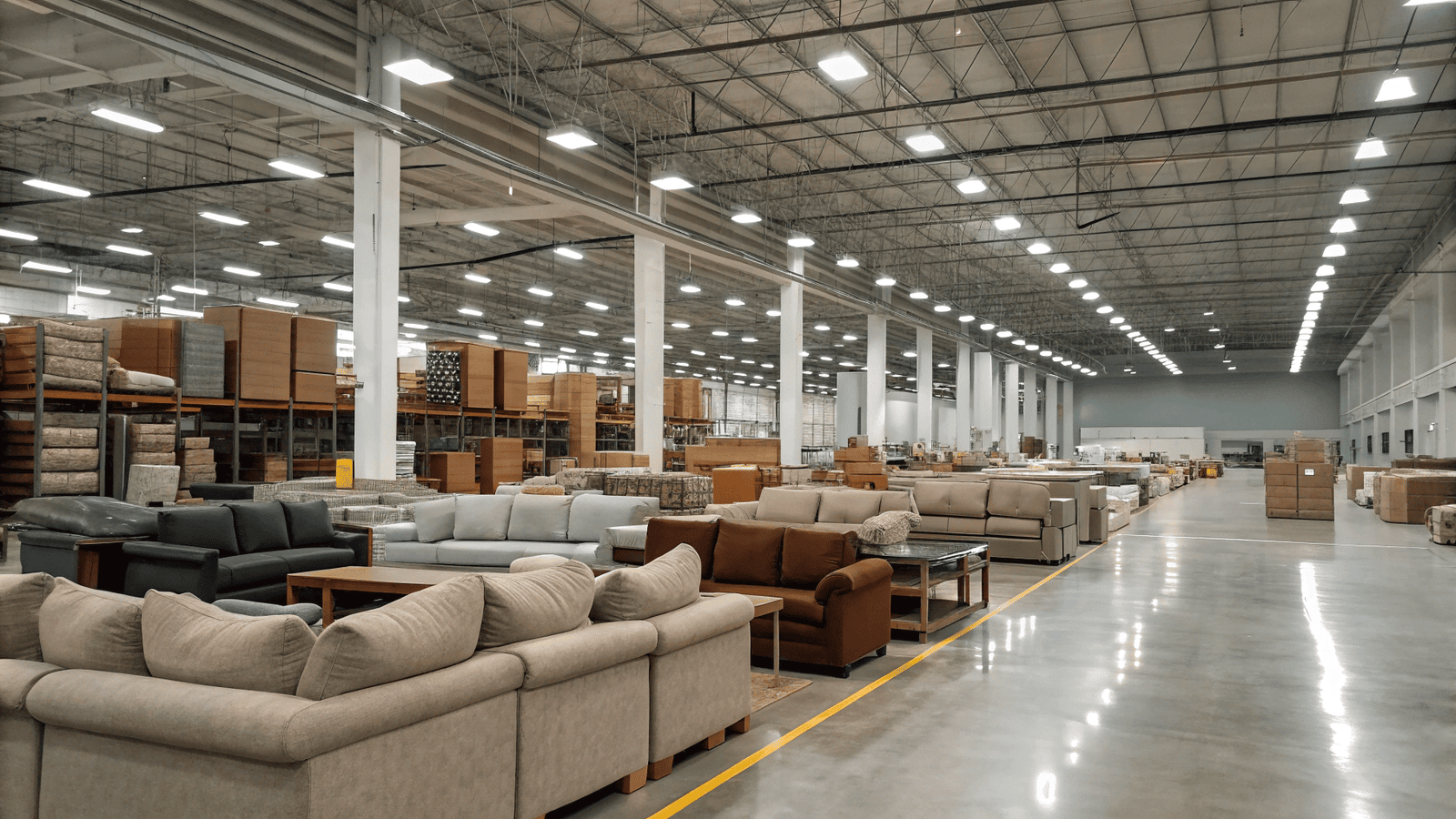
I have a friend who runs a shop on a busy street. He rarely sells anything from his floor. But trucks arrive every morning to drop off boxes. His team then delivers these boxes to local homes. His store is a front warehouse.
The Last-Mile Solution
Online furniture sales are huge. But online brands have a big problem. They cannot easily fix a broken chair in another city. They need local partners. Empty furniture stores fill this gap. They become authorized service centers. They handle the messy logistics. They make sure the final customer gets a perfect product.
Store as a Service Center
Business Activity | Traditional Role | New Hub Role |
Inventory | Showroom display | E-commerce transit |
Main Income | Selling products | Delivery and repair fees |
Customer Interaction | Pitching new items | Fixing and maintaining |
Business Risk | High inventory cost | Low, service-based risk |
This service model generates a very reliable income. It removes the stress of finding new buyers. It also avoids multi-supplier issues. The store owner gets paid to fix, deliver, and maintain. This is a very smart way to fight the internet trend. They use service to feed their business.
Conclusion
Empty furniture stores are not failing. They survive by serving designers, building digital audiences, securing big B2B contracts, and acting as local service hubs for large online brands.
[^1]: Understanding how furniture stores partner with designers can reveal innovative business strategies and opportunities for collaboration.
[^2]: Discovering how showrooms create digital content can provide insights into modern marketing and customer engagement strategies.
[^3]: Understanding this role can show how stores adapt to e-commerce challenges and create steady income through logistics services.
[^4]: Exploring the concept of material libraries can help designers and buyers understand how stores add value beyond selling furniture.
[^5]: Understanding space planning can show how stores assist designers in creating cohesive and functional interiors.
[^6]: Exploring photo reporting can show how stores use visual documentation to assure online buyers of product quality and reliability.
[^7]: Exploring the B2B contract market can reveal how stores secure large, stable revenue streams through commercial projects.
[^8]: Learning about engineering mockups can highlight their role in securing large B2B contracts and showcasing quality to developers.
[^9]: Learning about last-mile delivery can explain how stores ensure customer satisfaction and reduce logistical issues for online brands.
[^10]: Learning about these services can highlight how stores build long-term customer relationships and ensure product satisfaction.