Introduction
You love high-end design, but the price tags feel out of reach. It seems impossible to get that luxurious look on a realistic budget. The secret is knowing where and how to shop.
Designers find affordable furniture[^1] by focusing on design elements[^2] instead of brand names, sourcing directly from manufacturers and B2B platforms, and strategically mixing high-cost statement pieces with low-cost basics. They also customize basic items[^3] to create a high-end, unique look without the associated cost.
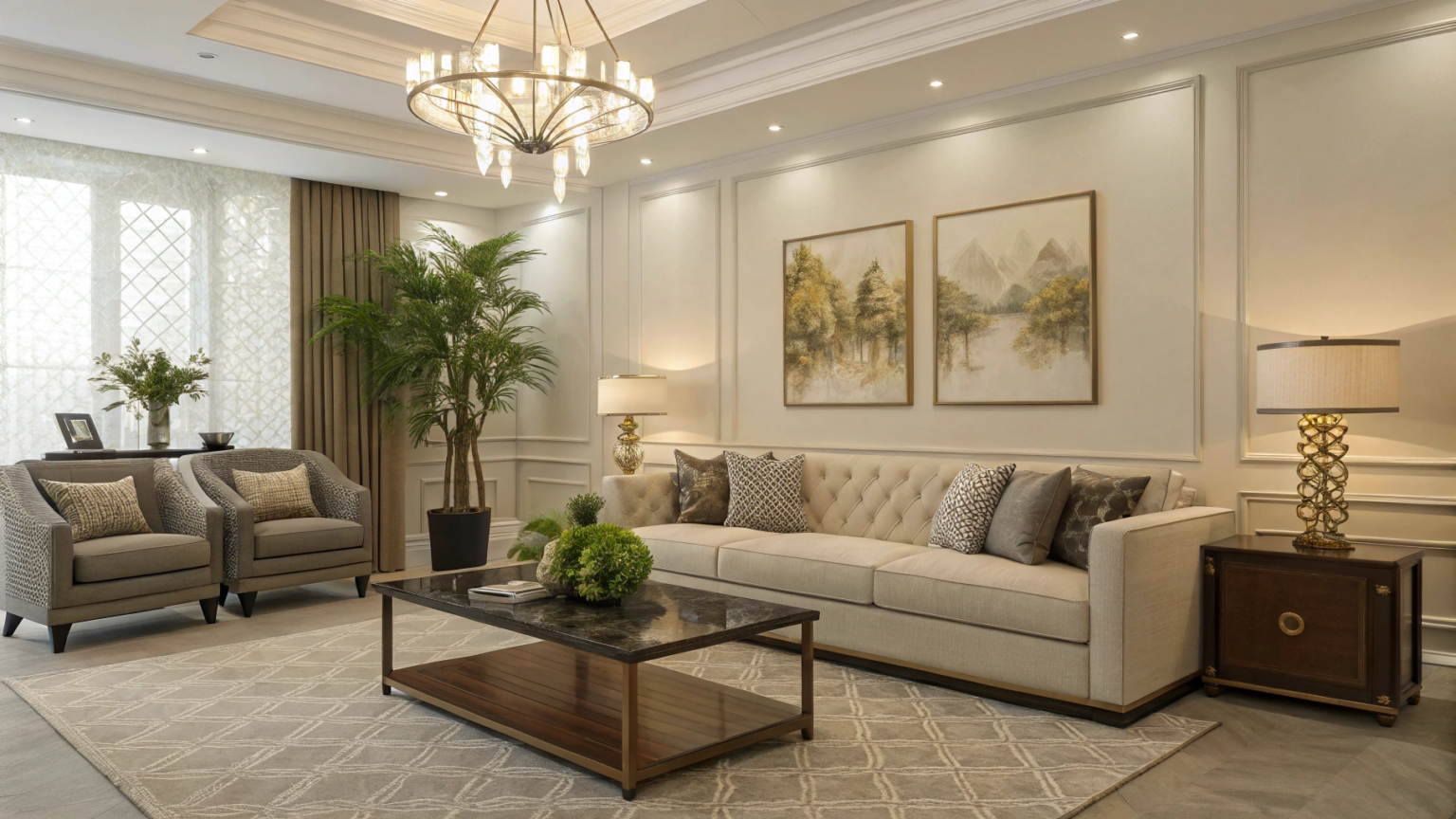
It’s a common frustration to see a beautiful space in a magazine, only to find out the pieces cost a fortune. But achieving that look has less to do with a limitless budget and more to do with a specific mindset. It’s about training your eye to see value beyond the brand and knowing how to allocate your money for the biggest impact. Once you learn to think like a designer, you unlock a new way of creating beautiful spaces. Let’s break down how you can start shopping like a pro.
How can you find high-end looks without the designer price tag?
You see a stunning sofa in a design publication, but its $10,000 price is a non-starter. This makes the entire aesthetic feel unattainable. The solution is to stop chasing brands and start focusing on the design language.
Adopt a designer’s mindset by focusing on the core design elements[^2]—proportion, silhouette, and material—not the brand name. Combine one or two high-value “hero” pieces with stylish, low-cost basics to create a look that feels expensive and curated but stays within budget.
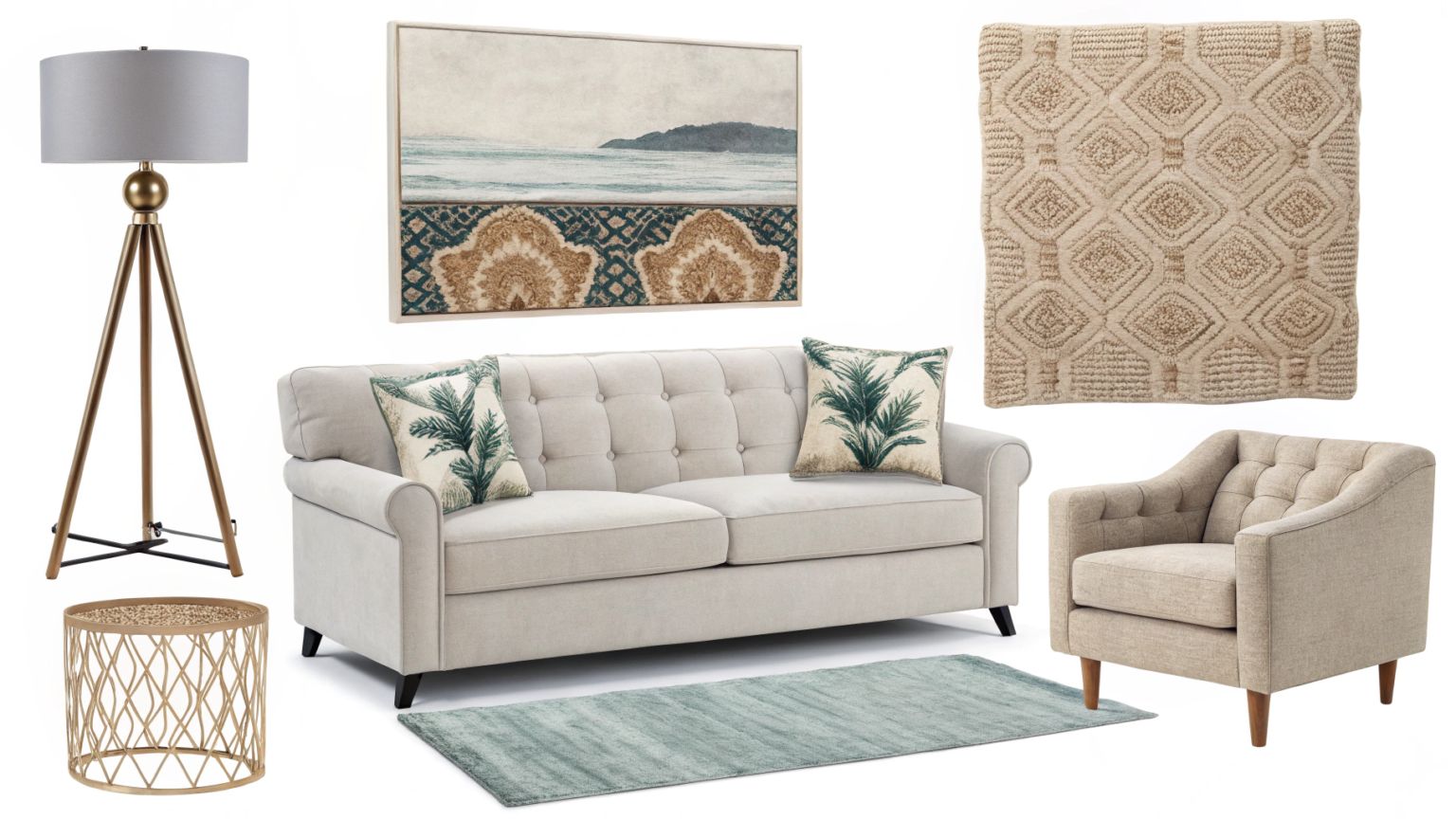
As a professional in the furniture industry, I’ve learned that you can create incredible value by being strategic. It’s about knowing what makes a piece look expensive and where you can save without anyone noticing.
The 80/20 Rule of Furniture Cost
A huge insight from inside the industry is that for many luxury brands, up to 80% of the price you pay is for the brand’s marketing and story, not the materials or craftsmanship. I call this opportunity “aesthetic arbitrage[^5].” When you learn to recognize the design language of a high-end piece—its specific proportions, the texture of its fabric, or its clean silhouette—you can find non-branded alternatives that offer the same visual appeal for a fraction of the cost. You are buying the “look,” not the logo. This “de-branding” approach is how designers make a space feel like a million bucks when the actual cost is closer to a third of that.
Mastering the High-Low Mix
The art of mixing high and low pieces is a designer’s core strategy for managing a budget. [3] You don’t save money everywhere; you save it in the right places. The key is to invest in “core assets[^6]” that anchor a room and get the most use, while saving on “basic consumables” that are more decorative.
Category | Where to Invest (High) | Where to Save (Low) |
Living Room | A high-quality, comfortable sofa. | Side tables, decorative pillows, rugs, decor items. |
Dining Room | A durable, well-made dining table. | Decorative lighting, non-essential decor. |
Bedroom | A solid bed frame and quality mattress. | Nightstands, lamps, decorative textiles. |
Focal Points | Unique artwork or a statement light fixture. | Small accessories, plant pots, throw blankets. |
In one hospitality project, we centered the lobby around a stunning, custom-made reception desk. It was a significant investment. However, we paired it with stylish but inexpensive side tables from a mass-market retailer. The powerful first impression of the desk elevated everything around it, and no one ever questioned the pedigree of the smaller pieces.
What secret sources do designers use to bypass retail prices?
You feel stuck shopping at the same retail stores with generic selections and high markups. It feels like you’re missing out on better options. The truth is, designers rarely shop where everyone else does; we go straight to the source.
Professionals often skip the showroom. We connect directly with manufacturing zones, export-focused factories, and exclusive trade-only B2B platforms. This direct sourcing[^7] cuts out layers of middlemen—distributors, retailers, and marketing—which significantly reduces costs without sacrificing the quality of the final product.
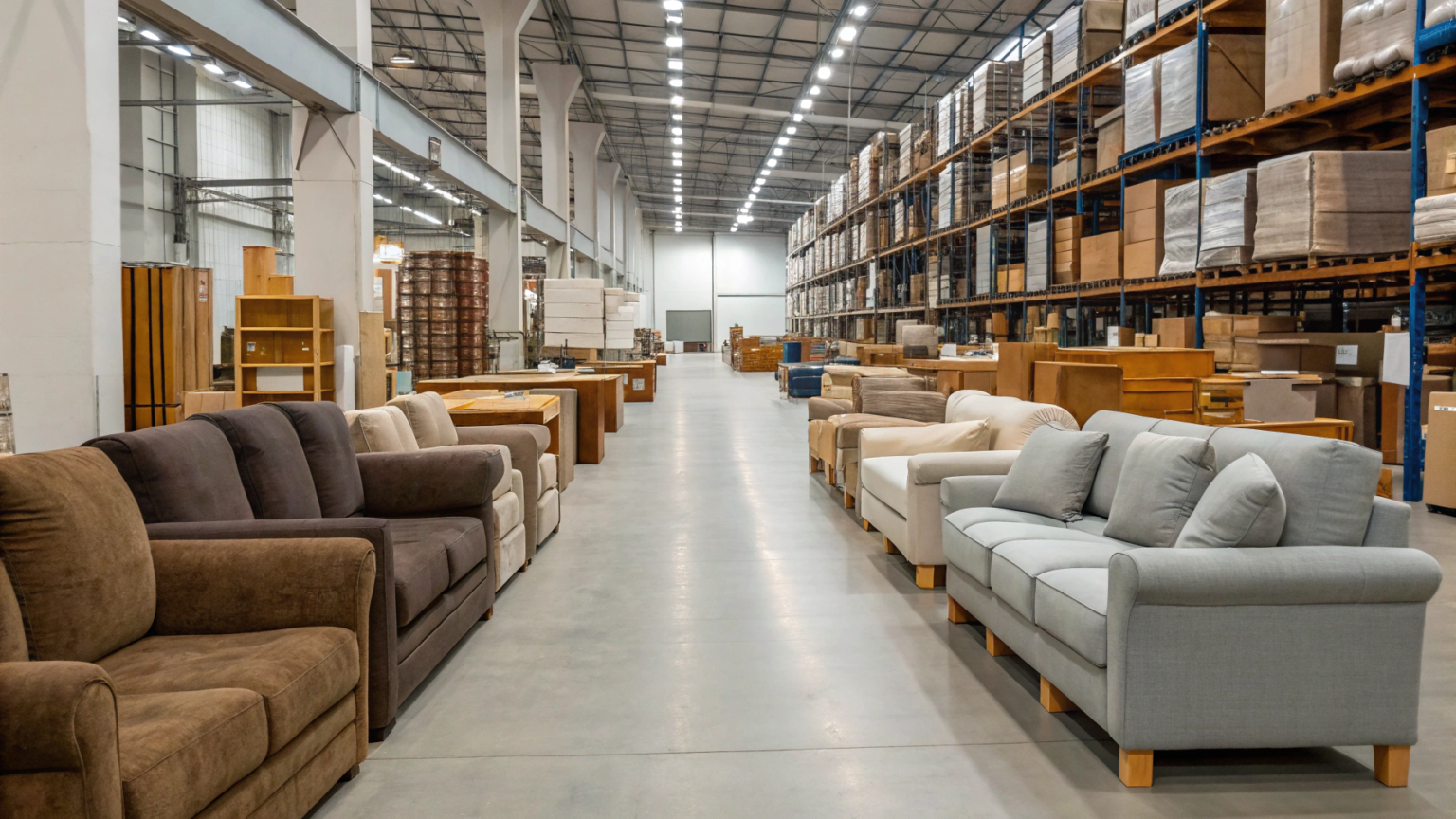
The ability to navigate the supply chain is one of the biggest advantages a design professional brings to a project. We know the “front shop, back factory” rule. While consumers see the polished retail storefront, we are building relationships with the factories in the back that actually produce the goods. This is the core of how we deliver “affordable quality.”
From Showroom to Factory Floor
Many of the beautiful pieces you see in high-end showrooms are produced in industrial hubs that welcome direct business, especially for commercial projects. My company, NEXTOP Furniture, operates in this space. We are the “back factory” that designers and commercial clients work with to get custom furniture and metalwork made to their exact specifications. This model bypasses the retail markup entirely. It provides access to flexible materials and unified production, which avoids the classic issues of managing multiple suppliers.
Your Professional Sourcing Toolkit
While some sources are strictly “to the trade,” there are ways for anyone to get closer to the source.
- Trade-Only Platforms:Websites like StyleRow, Archiproducts, and DTS (Design Trade Service) are built for professionals to source directly from manufacturers. These platforms offer exclusive pricing and access to vast catalogs.
- Factory Outlets & Sample Sales:Research furniture manufacturing hubs near you. These areas often have factory outlets[^8], sample sales, or warehouses selling overstock and export surplus items directly to the public.
- Second-Hand & Vintage Markets:Don’t underestimate the power of second-hand. Estate sales and online marketplaces like 1stDibs and Chairish are fantastic for finding unique, high-quality pieces with character at a low cost. A vintage piece can often serve as that “high” item in your high-low mix[^9].
How do designers turn basic furniture into custom-looking pieces?
You find a functional piece of furniture, but it’s boring and lacks personality. It feels like a compromise, not a statement. The secret is to see that piece not as finished, but as a blank canvas ready for transformation.
We practice what I call “furniture grooming[^10].” We buy affordable, basic items and transform them with simple, targeted modifications. [16] Swapping out hardware, applying a fresh coat of paint, or changing the legs can turn a generic piece into something that looks completely custom.
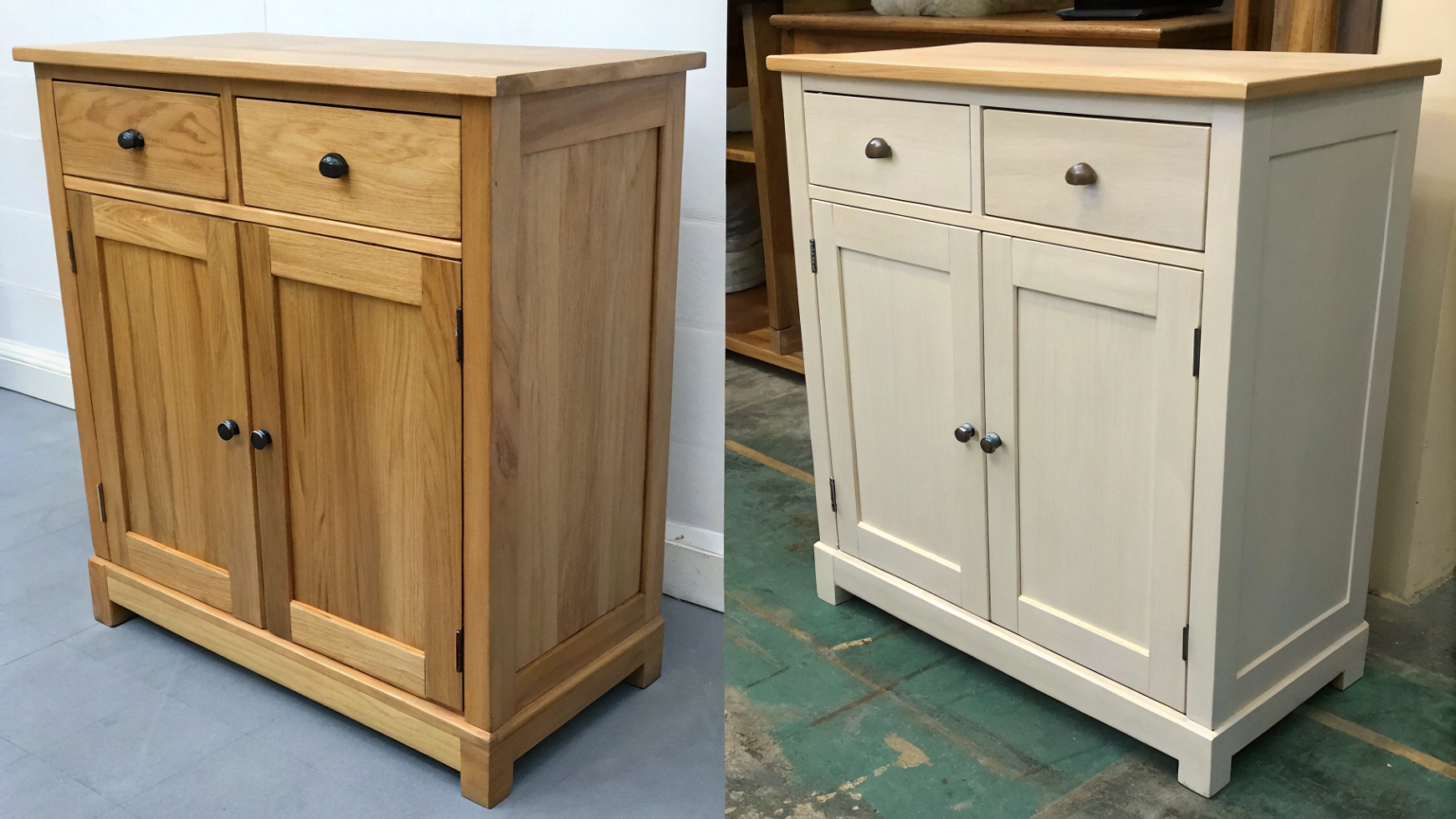
In my experience, there are no truly ugly pieces of furniture—only semi-finished products that are in the wrong context. This mindset opens up a world of possibilities for creating a bespoke look on a budget. It’s our secret weapon for achieving a high-end, private-residence feel even in large-scale commercial projects.
The Art of the Upgrade
The ability to see potential in a basic item is a skill you can develop. Instead of looking at a plain cabinet and seeing what it is, start to imagine what it *could* be with a few small changes. This is where you can inject your own personality and style into a space without spending a fortune on a fully custom piece. A little bit of creativity and effort can produce results that rival expensive, designer-made furniture.
A Practical Guide to "Fake Customization"
This approach is about using low-cost foundational items and adding high-impact details. [14] Here is how you can apply this “cosmetic surgery” to a common, affordable piece of furniture:
Base Item | Upgrade 1: The Foundation | Upgrade 2: The Hardware | Upgrade 3: The Finish |
Plain IKEA Dresser | Replace the standard plinth base with stylish tapered legs or a sleek metal frame. | Swap the basic knobs for elegant brass pulls, leather tabs, or crystal knobs. | Paint the dresser in a bold, high-gloss lacquer or apply a textured finish like grasscloth or cane webbing to the drawer fronts. |
Simple Dining Table | Change the wooden legs for a modern metal pedestal base. | (Not applicable) | Refinish the tabletop with a dramatic dark stain or a durable microcement overlay for an industrial look. |
Basic Upholstered Chair | Add decorative nailhead trim along the edges. | (Not applicable) | Reupholster it in a luxe fabric like velvet or a bold, graphic print. |
For a boutique hotel project, my team sourced simple, inexpensive nightstands. We had them professionally lacquered in a custom high-gloss color to match the accent wall. Then, we replaced the cheap wooden knobs with brushed brass pulls[^13] that we fabricated. The total cost per piece was incredibly low, but the final result looked like it belonged in a showroom for a luxury Italian brand.
Conclusion
Creating a high-end look is not about spending more money. It’s about spending it more intelligently. By focusing on design, sourcing directly, and customizing basic pieces, you can achieve amazing value.
[^1]: Discover how to source stylish furniture that fits your budget without compromising on quality or aesthetics.
[^2]: Learn how to identify and prioritize design elements like proportion, silhouette, and material to elevate your space.
[^3]: Explore creative ways to transform simple furniture into unique, luxurious pieces with minimal effort and cost.
[^4]: Discover how much of a luxury furniture price is tied to branding and how to find alternatives that offer similar quality.
[^5]: Understand how to achieve a high-end look by focusing on design language rather than brand names.
[^6]: Find out which furniture pieces are worth investing in to anchor a room and maximize your budget.
[^7]: Learn how to bypass retail markups by sourcing furniture directly from manufacturers and trade platforms.
[^8]: Discover how to locate factory outlets and sample sales to buy high-quality furniture at discounted prices.
[^9]: Learn the art of combining expensive statement pieces with affordable basics to create a balanced, luxurious space.
[^10]: Learn how to enhance basic furniture with simple modifications to achieve a custom, high-end look.
[^11]: Discover how high-gloss lacquer can add a luxurious finish to your furniture and elevate its appearance.
[^12]: Learn how to use microcement overlays to give furniture a modern, industrial look at a low cost.
[^13]: Find out where to source elegant hardware like brushed brass pulls to enhance the look of your furniture.