Introduction
Your project has a unique vision, but standard furniture just doesn’t fit. You’re left with awkward gaps and a look that feels compromised, not custom.
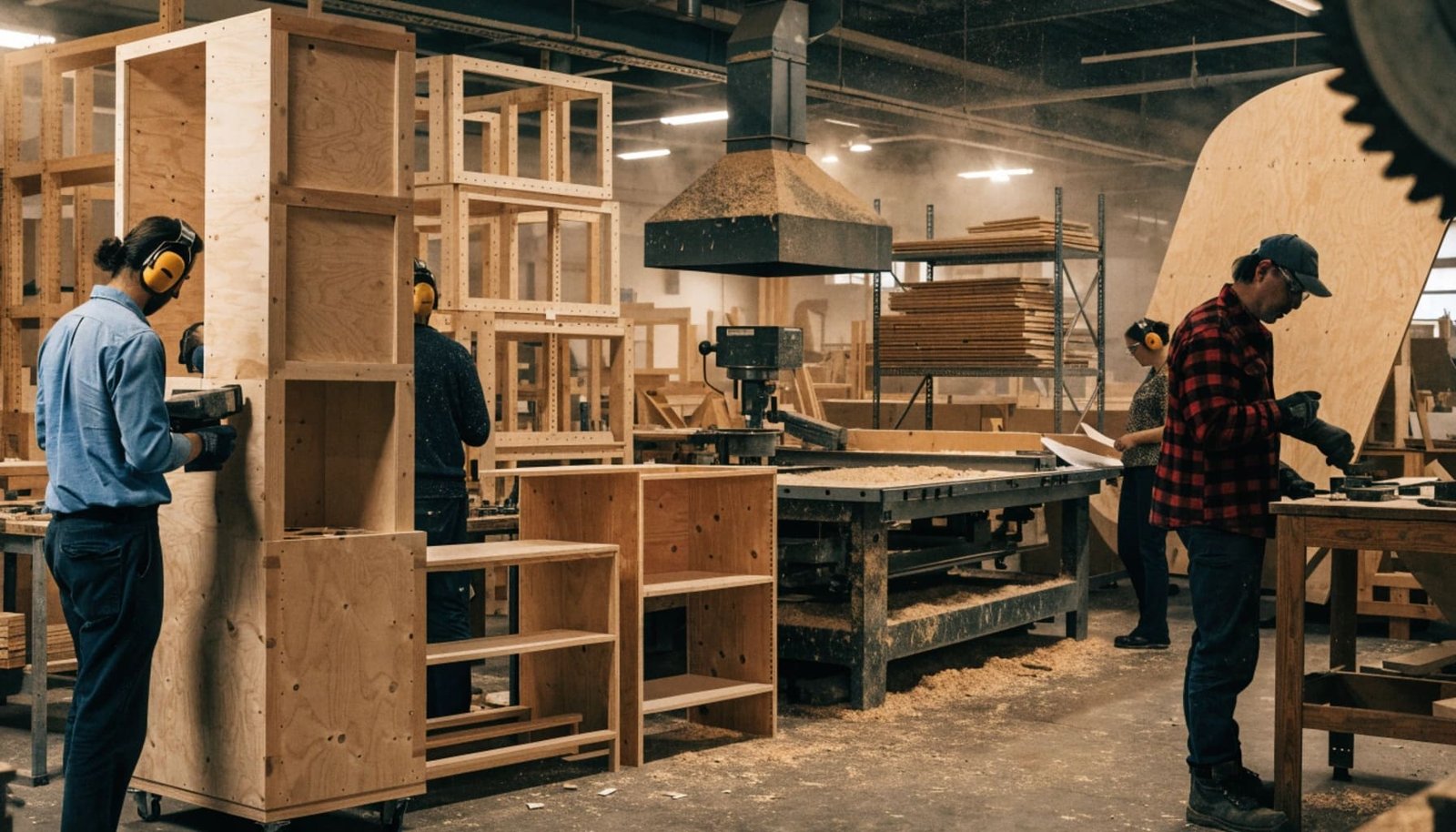
The best place to get custom furniture is from a specialized manufacturer[^1] that handles the entire process, from engineering your drawings to production and delivery. This gives you full control over materials[^2], dimensions, and quality, ensuring the final pieces perfectly match your project’s specific needs.
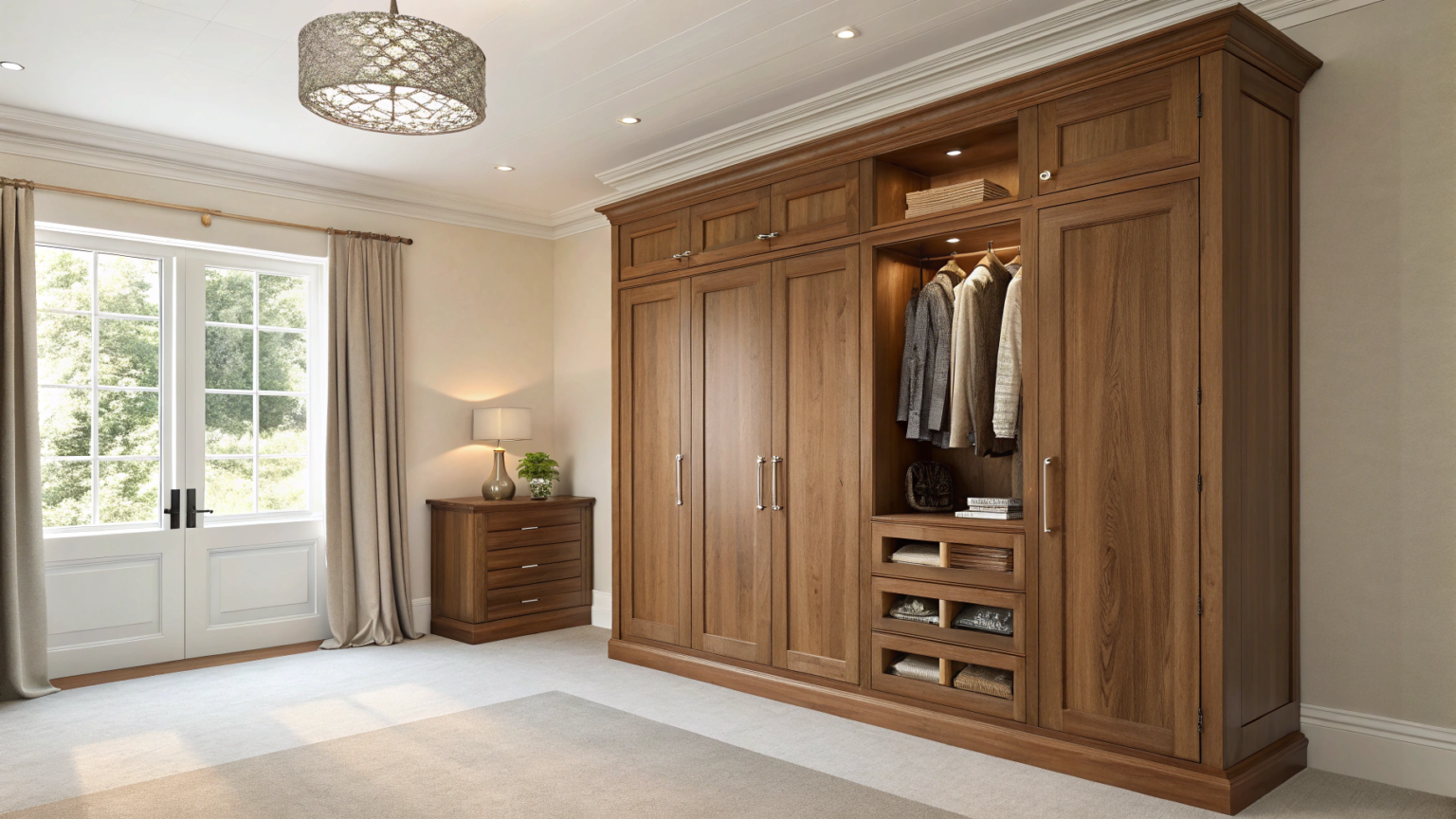
Getting custom furniture is about more than just changing a dimension or a color. It represents a major shift in thinking. You move from trying to make something work to creating the perfect solution from the start. This process puts you in complete control of the outcome. It’s about turning your design challenges into unique features. Let’s explore what that really means for your projects.
How Can Custom Furniture Solve My Awkward Space Problems?
You have that awkward corner, a low slanted ceiling, or structural columns that break up the flow. These dead zones waste valuable space and make a room feel clunky and unfinished.
Custom furniture solves these problems by being engineered to the millimeter[^3] for your exact space. We build around columns, under stairs, and into alcoves. This process transforms wasted areas into valuable, fully-integrated storage or functional zones, maximizing every inch of your property.
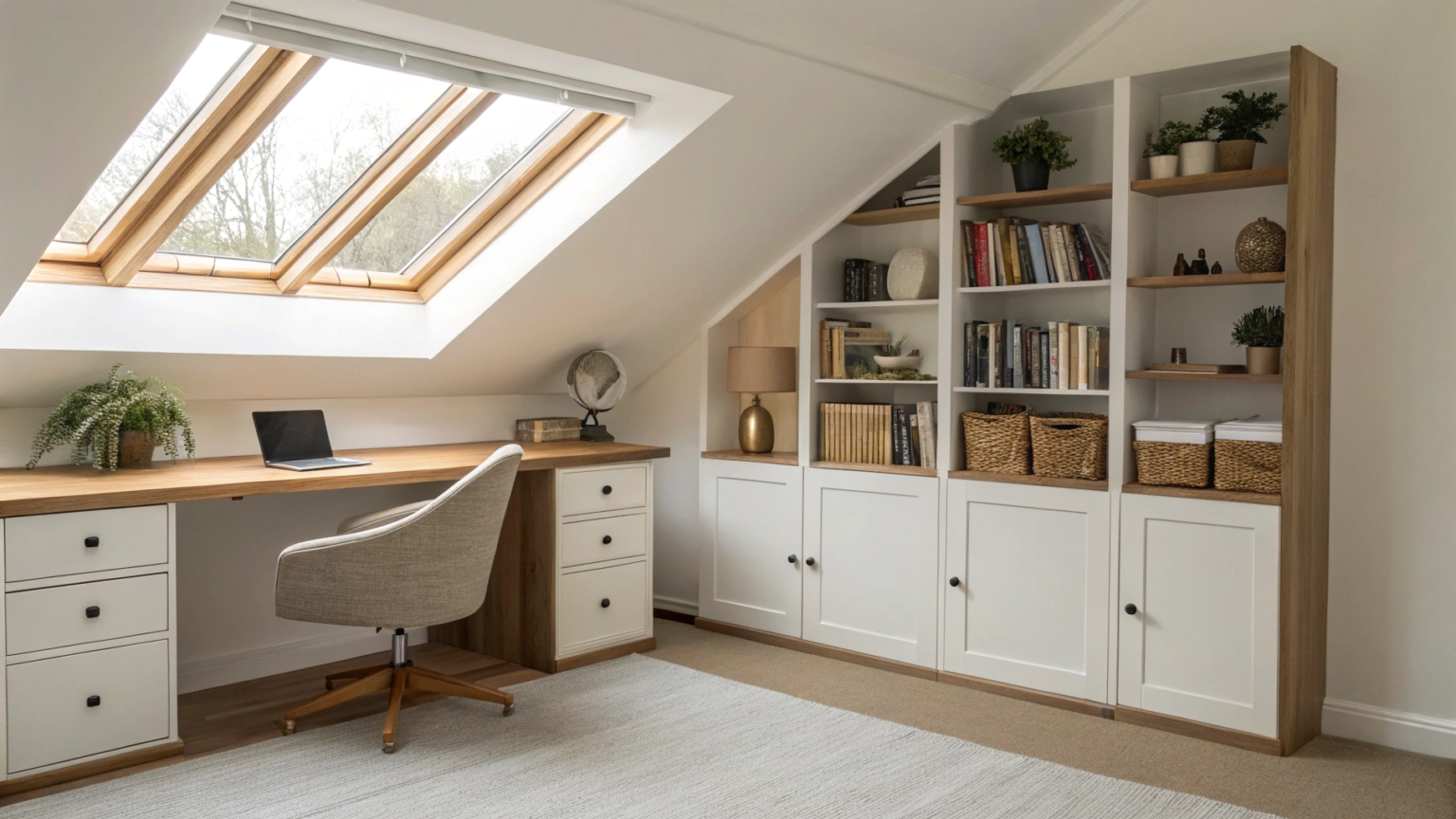
In my line of work, I see this all the time, especially in city projects where every square foot is a significant investment. Standard, off-the-shelf furniture forces you to adapt your space to its dimensions. Custom furniture does the opposite. Its core purpose is to make the space work for you. We treat this as a form of “secondary development[^4]” of the property. You are not just buying a cabinet; you are upgrading the value and utility of the real estate itself. By designing a piece to fit perfectly around a structural beam or into a narrow hallway, you reclaim that area. The “dead corner” suddenly becomes a highly efficient storage unit or a cozy reading nook. This is about achieving millimeter-level precision[^5] to get the most out of your floor plan.
From Problem Area to Prime Feature
Common Space Problem | Standard Furniture Solution | Custom Furniture Solution |
Wall with a column | Place smaller furniture on either side, leaving a gap. | Build a single, seamless unit around the column. |
Slanted ceiling | Use low furniture, wasting vertical space. | Design angled wardrobes or shelves that follow the roofline. |
Narrow hallway | Leave it empty or use a very thin console table. | Install a slim, wall-mounted storage cabinet. |
Under the stairs | Becomes a dusty, unused triangle of space. | Create pull-out drawers, a small home office, or a wine rack. |
Can Custom Furniture Truly Match My Unique Design Vision?
You have a specific aesthetic in mind for your hotel, office, or villa. But the furniture available on the market is generic. You feel stuck choosing from the same limited styles as everyone else.
Yes, custom furniture perfectly matches your unique design vision[^6] because you control every single detail. You can mix materials like warm walnut and cool metal, specify any paint color, and define the exact form. It lets you escape trends and create a signature look for your project.
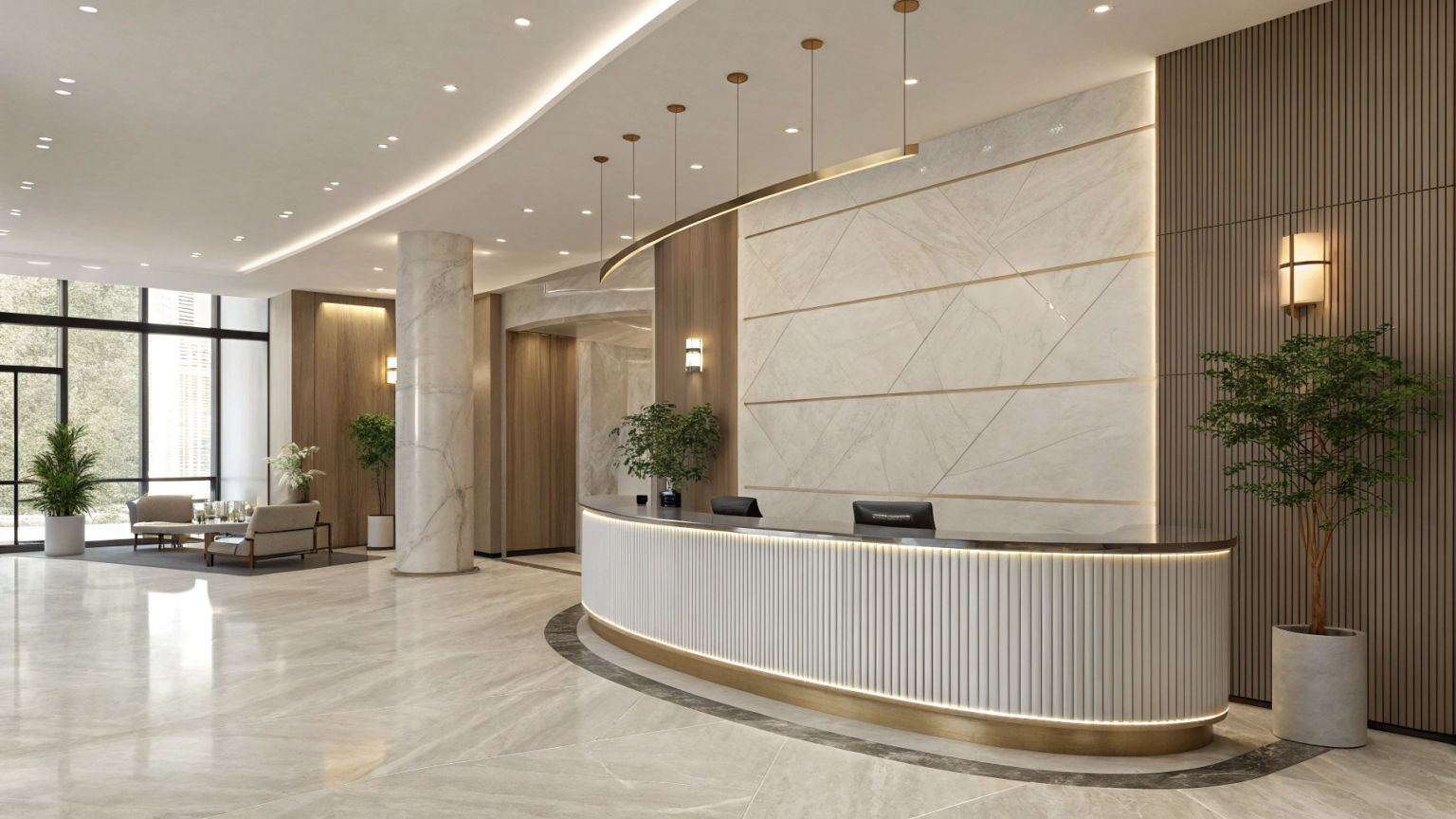
I believe that in an era of fast fashion and mass production, custom furniture is one of the last true forms of personal expression in design[^7]. When clients come to us for custom pieces, they are not just looking for a specific size. They are looking to make a statement. They want to create an atmosphere that is entirely their own. This is your chance to go beyond the limits of style catalogs. You can combine the rich texture of natural wood with the clean lines of minimalist metal. You can select a unique Morandi color that you won’t find in any showroom. This freedom to tailor every element is an emotional benefit that standard furniture can never offer. It’s how interior designers and architects create unforgettable spaces that tell a story and build a strong brand identity.
Total Creative Freedom
Element | Standard Furniture | Custom Furniture |
Materials | Limited selection (e.g., MDF with oak-effect vinyl). | Wood, veneer, metal, stone, fabrics, glass, specialty finishes. |
Finishes | 3-5 standard color options. | Any RAL or Pantone color, custom stains, specific gloss levels. |
Hardware | Basic, unbranded handles and hinges. | Your choice of brand, style, and finish (e.g., brass, matte black). |
Style | Follows current mass-market trends. | A unique blend of any styles you envision. |
Is Custom Furniture Worth the Investment for Quality?
You’ve been disappointed by furniture that looks good but falls apart. Standard pieces often hide cheap materials behind a nice finish, and you worry about durability and getting what you paid for.
Custom furniture is a very smart investment because you control the quality from the inside out. You select the exact materials, specify hardware from top brands like Blum or Hettich, and choose high-performance finishes[^9]. This transparency ensures your furniture is built to last and delivers true long-term value[^10].
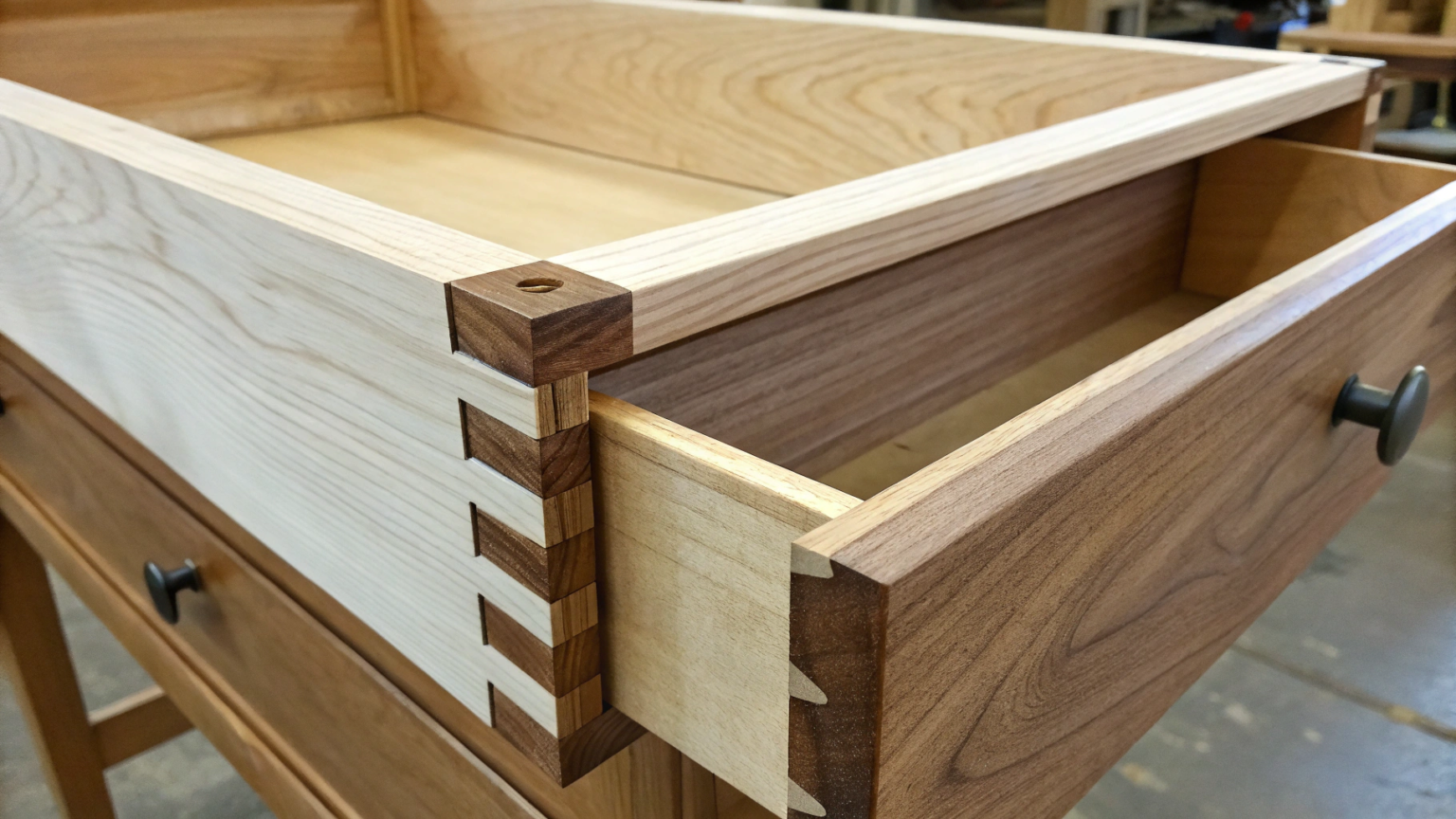
Many people think custom furniture is expensive. I see it differently. I think it offers superior value because you are in the driver’s seat, balancing cost with durability. The process is completely transparent. You move away from the “blind box” approach of buying finished goods, where you don’t really know what’s inside. Instead, you get to make informed decisions. You can specify high-quality hardware for drawers that will be used hundreds of times a day in a hotel. You can choose eco-friendly boards with F4 Star or ENF ratings for a healthy indoor environment. You can even inspect the quality of the edge banding, which is crucial for longevity. This level of control removes the risk of a piece looking great on the outside but being poorly made on the inside. You are essentially buying insurance for the long-term quality of your project.
Key Quality Checkpoints You Control
Quality Point | Standard Furniture (The “Blind Box”) | Custom Furniture (The “Controlled Standard”) |
Core Material | Often unknown particleboard or low-density MDF. | You specify: Plywood, HDF, moisture-resistant board. |
Hardware | Generic, unbranded hinges and slides. | You choose: Blum, Hettich, or other specified brands. |
Eco-Friendliness | Vague or non-existent certifications. | You demand: E0, F4 Star, or ENF grade boards. |
Construction | Staples and glue are common. | You request: Dowels, mortise-and-tenon, or other strong joinery. |
How Can Custom Furniture Adapt to Future Needs?
Your needs change over time, but your furniture stays the same. A piece that is perfect for your project today might become impractical in five years, forcing a premature and costly replacement.
Custom furniture adapts to future needs through forward-thinking design[^11]. We can build in modularity and adjustability[^12] from the start. For example, a child’s wardrobe that can later house a desk, or hotel casegoods with space for future technology upgrades. This makes the furniture a long-term partner.
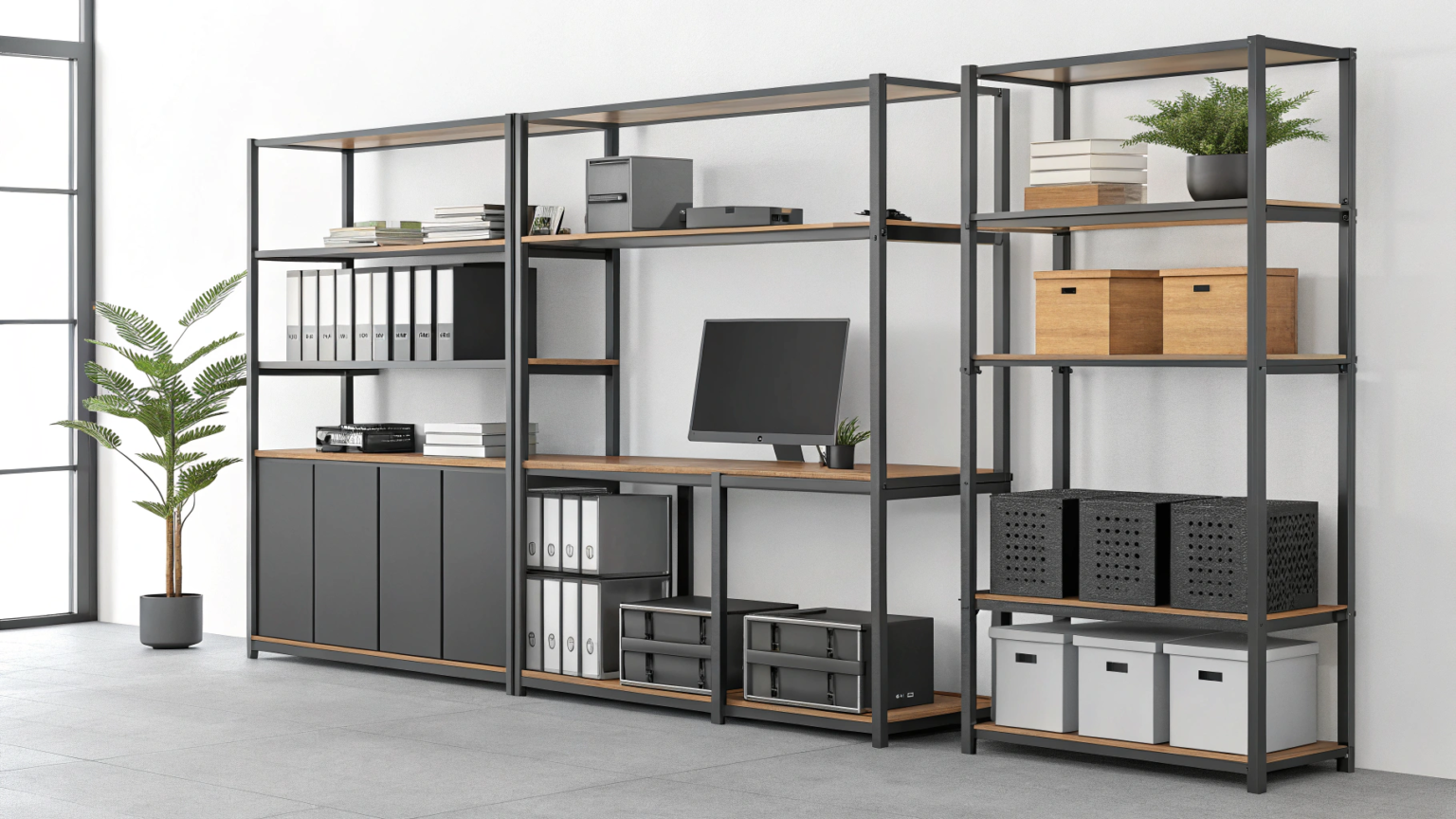
Standard furniture is static. It is built for a single purpose at a single point in time. Great custom furniture, however, is dynamic. I find that the most experienced designers we work with are always thinking about the future life cycle of a space. This “forward-thinking design[^11]” is, in my opinion, the highest level of service in the custom furniture industry. It’s about asking the right questions at the beginning. Can this library shelving in a home office leave a space for a piano later on? Can the desks and chairs in a child’s room be adjusted as they grow taller? For a commercial project, can a hotel’s media unit be designed to accommodate larger screens or new devices in the future? This approach turns furniture from a disposable item into a lasting asset[^13] that evolves with the family or business.
Designing for What's Next
Current Need | Future Possibility | Custom Solution |
Hotel Guest Room | New in-room tech and devices will appear. | Design casegoods with removable panels and extra conduits for easy tech upgrades. |
Child’s Nursery | The child will grow into a teenager. | Build a wardrobe with adjustable shelves and rails that can be removed to create a desk nook. |
Lobby Seating | The hotel needs to host events. | Create a modular seating system that can be easily reconfigured for different layouts. |
Home Office | The room may become a guest room later. | Design a built-in desk and shelf unit that can cleverly conceal a pull-down murphy bed. |
Conclusion
Custom furniture gives you a perfect fit, a unique style, controlled quality, and a future-proof design[^18]. It’s more than just an object; it’s a complete solution for your project.
[^1]: Discover how a specialized manufacturer can ensure quality and precision in custom furniture, tailored to your specific needs.
[^2]: Learn why controlling materials in custom furniture leads to superior quality and satisfaction in your design vision.
[^3]: Explore the precision of custom furniture design that maximizes space and functionality in your home or office.
[^4]: Understand how custom furniture enhances property value by optimizing space and functionality.
[^5]: Find out how precise measurements in custom furniture can transform awkward spaces into functional areas.
[^6]: See how custom furniture allows you to express your personal style and create a distinctive look.
[^7]: Discover how custom furniture offers a unique opportunity to showcase your personal taste and creativity.
[^8]: Learn about the limitless possibilities in materials, finishes, and styles with custom furniture.
[^9]: Explore the benefits of choosing high-performance finishes for durability and aesthetics in custom furniture.
[^10]: Understand why investing in custom furniture is a smart choice for lasting quality and satisfaction.
[^11]: Discover how custom furniture can adapt to future needs, making it a versatile and lasting investment.
[^12]: Learn how these features in custom furniture allow for flexibility and future adaptability.
[^13]: Find out how custom furniture can evolve with your needs, providing ongoing value and functionality.
[^14]: See how removable panels in custom furniture allow for easy updates and maintenance.
[^15]: Discover how these features provide flexibility and adaptability in custom furniture design.
[^16]: Learn how modular seating systems offer versatility for different layouts and uses.
[^17]: Find out how a pull-down murphy bed can maximize space and functionality in a multi-use room.
[^18]: Explore how custom furniture can be designed to accommodate future changes and technology.