Introduction
Tired of high furniture prices for questionable quality? You suspect you’re paying for more than just the product. Buying direct from the factory is the answer you’re looking for.
Many furniture manufacturers, especially those specializing in custom projects, now sell directly to the public. This direct-to-consumer (DTC) model[^1] cuts out middlemen, giving you access to better pricing, direct communication[^2] for customization, and a single point of contact for quality and service.
You’ve probably wondered why a simple table or chair can cost so much in a retail store. The truth is, a large part of that price tag has nothing to do with the actual furniture. You’re paying for showroom rent, marketing campaigns, and several layers of distributor markups. But what if you could bypass all of that? More and more, manufacturers like us are opening a direct line to you. This changes everything, from the price you pay to the product you get. Let’s break down exactly what this means for you.
How does buying direct really cut down on furniture costs?
Sticker shock at a furniture store is common. You see a high price and assume it means high quality. But often, you’re just paying for the store’s overhead and supply chain.
Buying direct from the factory eliminates the “channel tax[^3].” A piece of furniture that costs 3-5 times more in a store can be yours for a fraction of the price, because your money pays for materials and craftsmanship, not middlemen.
When you buy furniture through traditional retail channels, the journey from the factory to your home involves many steps, and each step adds a markup. I’ve been in this industry for decades, and the math is surprisingly simple, yet hidden from the consumer. A piece leaves my factory, goes to a national distributor, then a regional distributor, and finally to a retail showroom. Each one adds their margin. This is why the final price is so inflated. Buying direct collapses this entire chain. Your payment goes directly to the people who source the wood, cut the metal, and stitch the fabric.
The True Cost of Furniture
When you buy direct, you are essentially achieving “quality democratization[^4].” You can afford materials that were previously out of reach. That North American black walnut[^5] or full-grain leather[^6] piece you saw in a high-end showroom? You can get it for the budget of a standard oak piece from a big-box store. Your money is spent on tangible quality, not on a brand’s marketing budget.
Traditional Retail vs. Factory Direct: A Cost Breakdown
Cost Component | Traditional Retail | Factory Direct (DTC) |
Factory Cost | $500 | $500 |
Distributor Markup | +$300 | $0 |
Retailer Markup | +$1,200 | $0 |
Your Final Price | $2,000 | $500+ (Our margin) |
This isn’t just about saving money; it’s about reallocating your budget to what matters: the quality of the item you will live with for years.
Can you truly customize your furniture when buying direct?
You found an almost-perfect piece of furniture, but the dimensions are wrong or the color is off. In a retail store, the salesperson usually just says, “Sorry, that’s all we have.”
Yes, buying direct offers a “direct line” for deep customization. You can speak with the factory’s designers or craftspeople to adjust details like drawer pulls, wood finishes, or even stitching colors, ensuring your vision is perfectly executed.
In a traditional store, the salesperson is trained to sell, not to build. Their knowledge of production processes is often limited. When you have a specific request, it gets passed through a long chain of communication, and details get lost. I’ve seen it happen countless times—a client’s simple request gets distorted and the final product is a disappointment. Direct communication eliminates this information gap. You get what I call a “God’s-eye view” of the production process.
Shortening the Feedback Loop
You have a direct connection to the source. You can ask our engineers about the load-bearing capacity of a shelf or discuss the specific type of foam for a sofa cushion with our upholstery team. I remember a recent project for an architecture firm designing a boutique hotel. They wanted a very specific brass finish for the table legs to match the light fixtures. Through direct video calls with my finishing department, they were able to approve the exact patina before we produced the full order. This level of control is impossible in a retail setting.
From Idea to Reality, Without Misinterpretation
This shortened feedback loop[^7] guarantees that your design is brought to life with 100% accuracy. There are no “creative interpretations” by a middleman or “unfortunate misunderstandings” that lead to project failures. Your vision is our blueprint, and we build it precisely as you intended.
Is it possible to get custom sizes for just one piece of furniture?
Big brands focus on mass production for efficiency. They need to produce thousands of identical items. This leaves no room for your unique needs, like that awkward corner or that slightly-too-narrow hallway.
Absolutely. Many direct-to-public factories now use “flexible manufacturing[^8].” This means they have the capability to adjust dimensions or features for a single item, giving you a custom-fit piece[^9] with large-scale production quality.
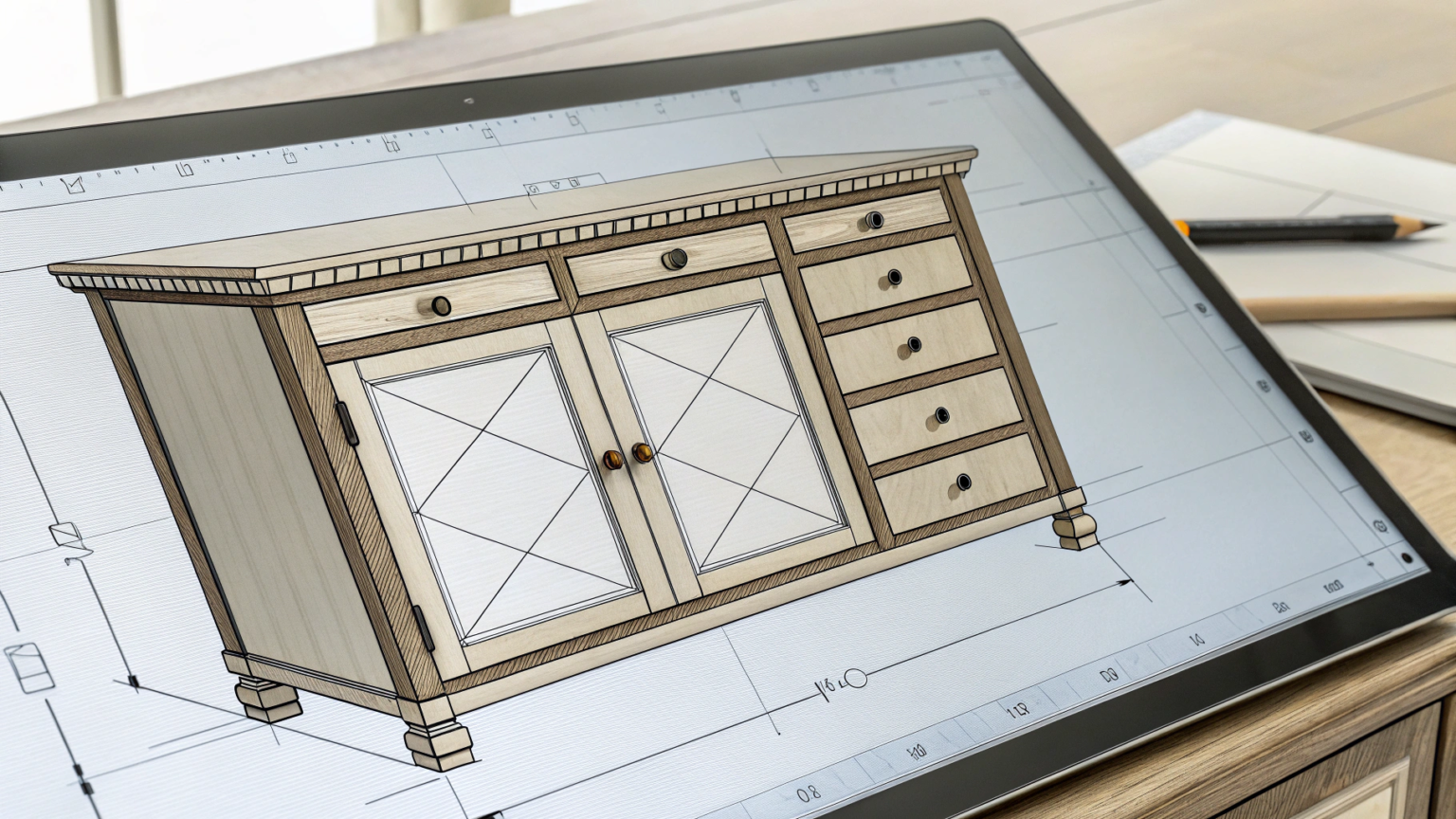
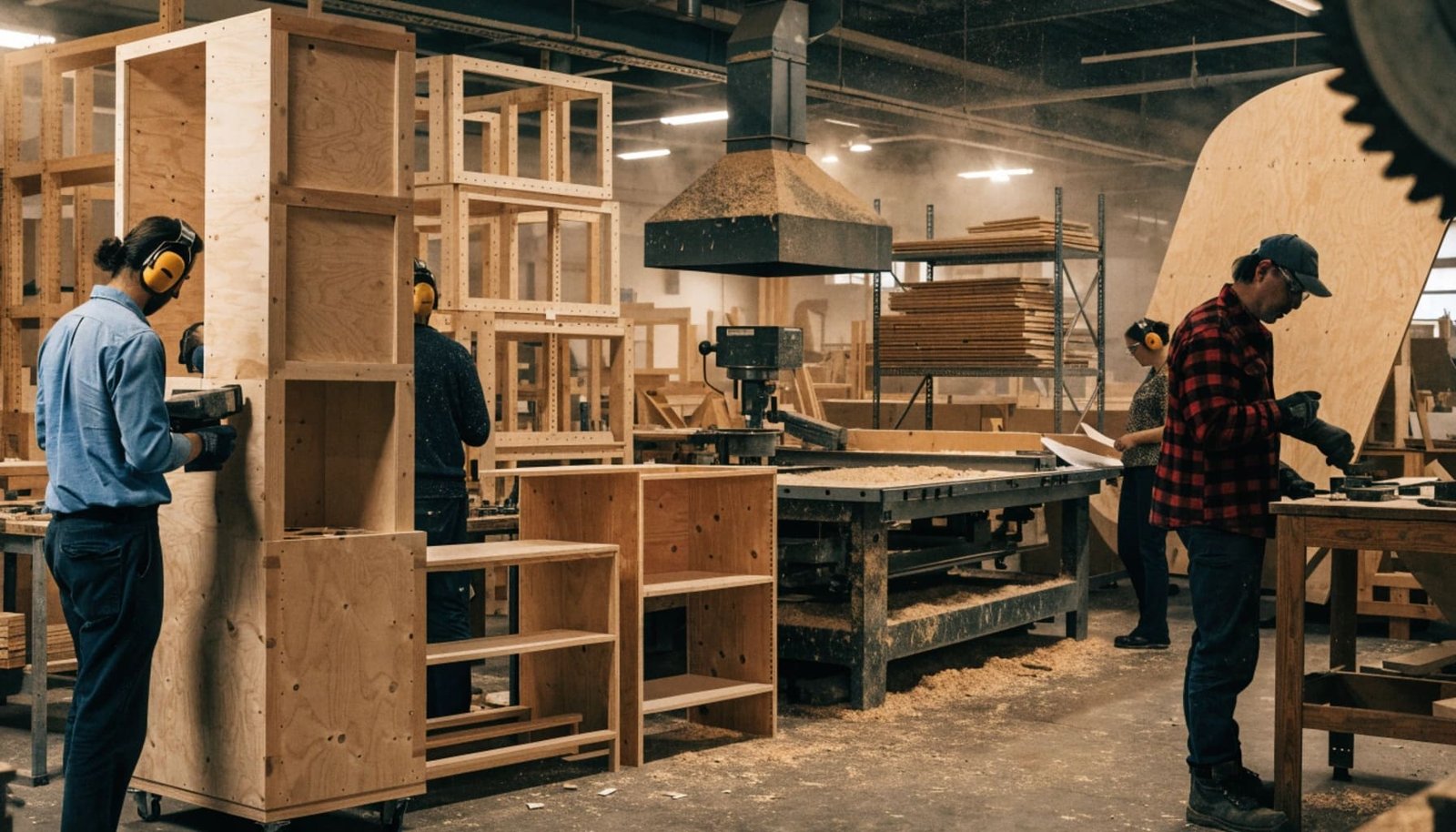
The old factory model was built on rigidity. To be profitable, you had to make everything the same. But technology and processes have changed. Today, my factory and others like it are undergoing a “flexible transformation.” We use advanced software and skilled craftspeople who can adapt production for a single order without disrupting the entire workflow. This is a game-changer for anyone who has ever struggled with standard-sized furniture.
Big Factory Quality, Private Workshop Service
Think about that alcove in your living room that’s just 5 centimeters wider than a standard bookshelf. With a traditional brand, you’d have to live with a gap or pay a fortune for a fully bespoke carpenter. With our flexible manufacturing[^8], we can simply adjust the width of one of our existing designs for you. You get the quality, engineering, and stable materials of a large-scale manufacturer combined with the personalized attention of a small, local workshop. It’s a unique combination that serves the modern demand for personalization.
The Rise of Individual Aesthetics
This shift is a direct response to a cultural change. People no longer want the same cookie-cutter furniture as their neighbors. They want pieces that reflect their personal style and fit their unique spaces perfectly. Flexible manufacturing is the industry’s answer to this rising demand for individuality. It’s a powerful benefit of the direct-to-consumer model.
What happens if there’s a problem with my direct-from-factory furniture?
You have an issue with a piece of furniture. You call the store. The store blames the brand. The brand blames the factory. Meanwhile, you’re stuck with a broken item and a lot of frustration.
When you buy direct, the manufacturer is the single point of responsibility[^10]. From material sourcing to warranty claims, there’s no finger-pointing. The factory’s reputation is on the line, ensuring a reliable after-sales guarantee.
The traditional after-sales process is a nightmare I’ve heard about from countless clients. The accountability is spread so thin that it practically disappears. A problem can take months to resolve, if it ever gets resolved at all. This is one of the most compelling reasons to work directly with the source. When you buy from my company, NEXTOP, you are buying from a single, accountable entity.
The Power of a Single Responsible Party
We are responsible for everything. We sourced the wood, we welded the metal, we applied the finish, and we engineered the final product. If something goes wrong, the responsibility is ours alone. There is nowhere for us to hide. This creates a powerful incentive to get it right the first time. We have to stand behind our work because our name and our “reputation asset[^11]” are attached to every single piece that leaves our facility. This isn’t just a sales pitch; it’s a structural reality of the direct-to-consumer model.
From Source to Solution
This direct accountability[^12] covers the entire lifecycle of the product.
– Material Traceability: We can tell you exactly where the materials came from.
– Environmental Standards: We are directly responsible for meeting and certifying our environmental claims.
– Long-Term Warranty: Our structural guarantees are not passed off to a third party; we honor them ourselves.
This source-level credit[^13] and trust is the most secure after-sales guarantee a consumer can have. It replaces endless phone calls and emails with a single, clear path to a solution.
Conclusion
Buying direct from manufacturers gives you better prices, deeper customization, and clear accountability. It puts the power back in your hands, ensuring you get the exact furniture you want.
[^1]: Understanding the DTC model helps you see how buying directly from manufacturers can save money and offer customization.
[^2]: Direct communication ensures your design ideas are accurately implemented without misinterpretation.
[^3]: Learning about channel tax explains why retail furniture prices are inflated and how buying direct eliminates these costs.
[^4]: Exploring this concept shows how direct purchasing makes high-quality materials affordable for more people.
[^5]: Learning about this material helps you appreciate its quality and why it’s often used in high-end furniture.
[^6]: Understanding full-grain leather highlights its durability and premium feel, making it a valuable choice for furniture.
[^7]: A shorter feedback loop ensures faster and more accurate customization, enhancing the buying experience.
[^8]: Learning about flexible manufacturing reveals how factories can adapt designs for individual needs without high costs.
[^9]: Understanding this shows how direct buying accommodates unique spaces and needs with tailored furniture.
[^10]: Knowing this ensures accountability and simplifies resolving issues with your furniture purchase.
[^11]: A manufacturer’s reputation ensures they prioritize quality and accountability in every piece they produce.
[^12]: Direct accountability guarantees quality and simplifies after-sales service, making it a reliable choice.
[^13]: This ensures transparency and trust, giving you confidence in the entire lifecycle of your furniture.