Introduction
Struggling to find furniture that fits your space and style? Off-the-shelf pieces just don’t work. A custom designer brings your exact vision to life, perfectly tailored for you.
You can find custom furniture designers[^1] through interior design studios, architecture firms, or specialized custom furniture companies like ours. The key is finding a “space problem solver[^2],” not just a product seller, who can manage the entire process from concept to installation and ensure quality.
Finding the right designer is about more than just a quick search online. It’s about understanding the unique value they bring to your project. So, what exactly does a top-tier designer do that makes them so essential? Let’s explore the real skills that set them apart and turn your ideas into a functional reality.
How do designers turn vague ideas into real furniture?
You know you want a “luxurious feel” or “better storage,” but can’t describe the specifics? This communication gap can stall your project. A great designer translates your feelings into buildable plans.
Designers use a process I call “spatial translation[^3].” They take your abstract desires and apply principles of ergonomics[^4], workflow logic[^5], and material science[^6]. They convert your vision into detailed technical drawings that a workshop can actually build, ensuring the final piece is both beautiful and functional.
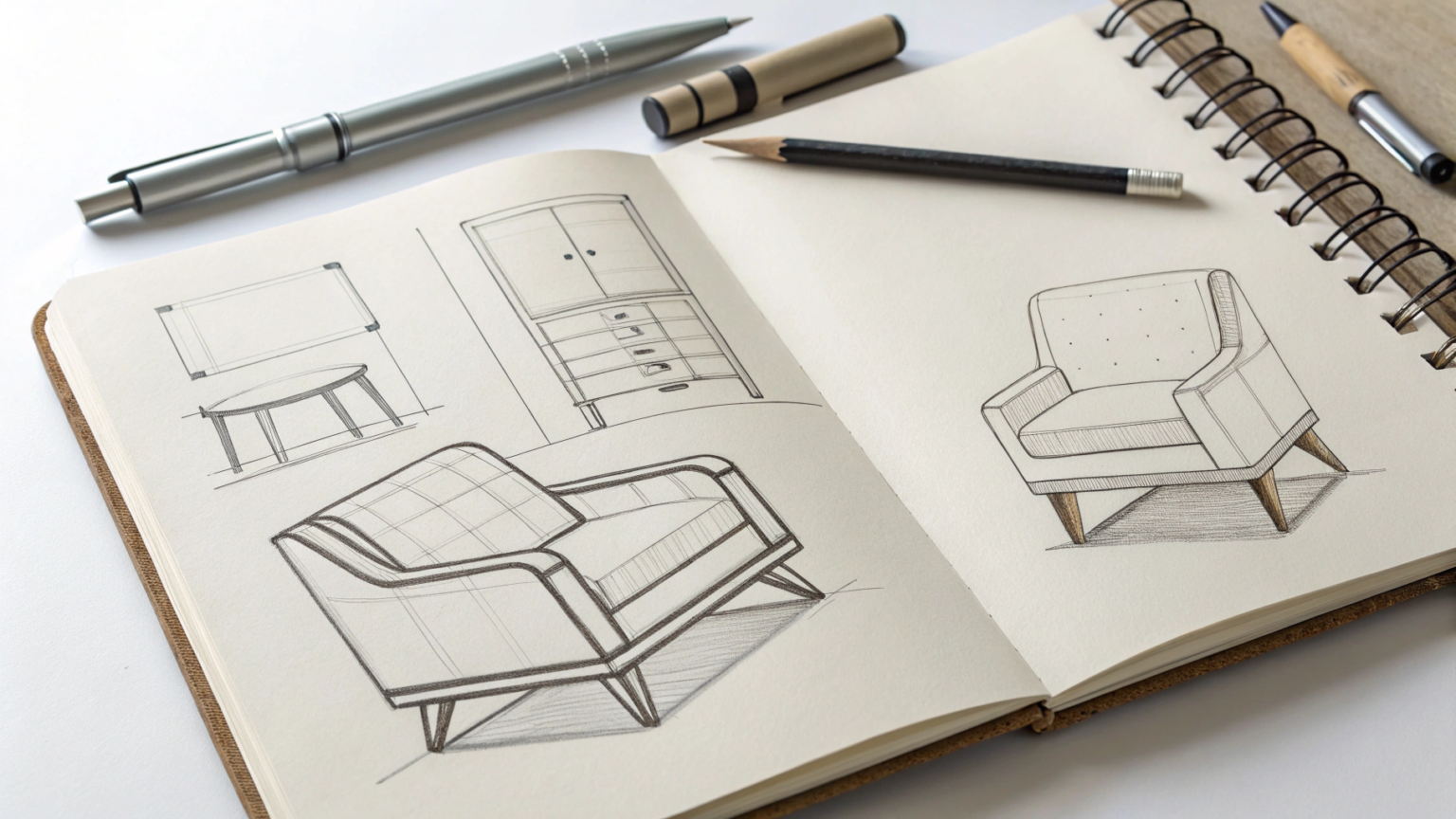
A client once told me they wanted their kitchen to feel “effortless.” That’s a great starting point, but you can’t build “effortless.” This is where a designer’s true value shines. We don’t just sketch pretty pictures; we are “space problem solver[^2]s.” We break down your abstract needs into concrete, actionable data. For that “effortless” kitchen, we analyzed the client’s daily routine, or their “workflow.” We used ergonomic principles to set counter heights. A simple but effective rule we often use is the formula `Counter Height = (User’s Height / 2) + 5cm`. This simple calculation ensures comfort and reduces strain. We translate vague requests into a language of dimensions, materials, and mechanics. It’s a process of turning a feeling into a function.
From Abstract to Concrete
Client’s Vague Request | Designer’s Concrete Solution |
“I want a high-end feel.” | Specifies solid wood with a specific grain, integrated lighting, and seamless hardware. |
“I need more storage.” | Designs a floor-to-ceiling unit with custom dividers based on the items to be stored. |
“Make it feel open.” | Uses floating shelves, integrated handles, and a light color palette to reduce visual weight. |
They aren’t selling you a cabinet; they are selling you a system designed around your life. It’s a fundamental shift from buying a product to commissioning a solution.
Why is a designer's supply chain knowledge so valuable?
Confused by terms like PUR versus laser edge banding? Choosing the wrong materials or hardware can be a costly mistake. A designer acts as your expert guide through this complex landscape.
A designer’s value lies in their curated network of suppliers and deep material knowledge. They know which vendors offer the best quality for the price and which new technologies are worth investing in. You are essentially paying for their experience to avoid common pitfalls and get the best value.
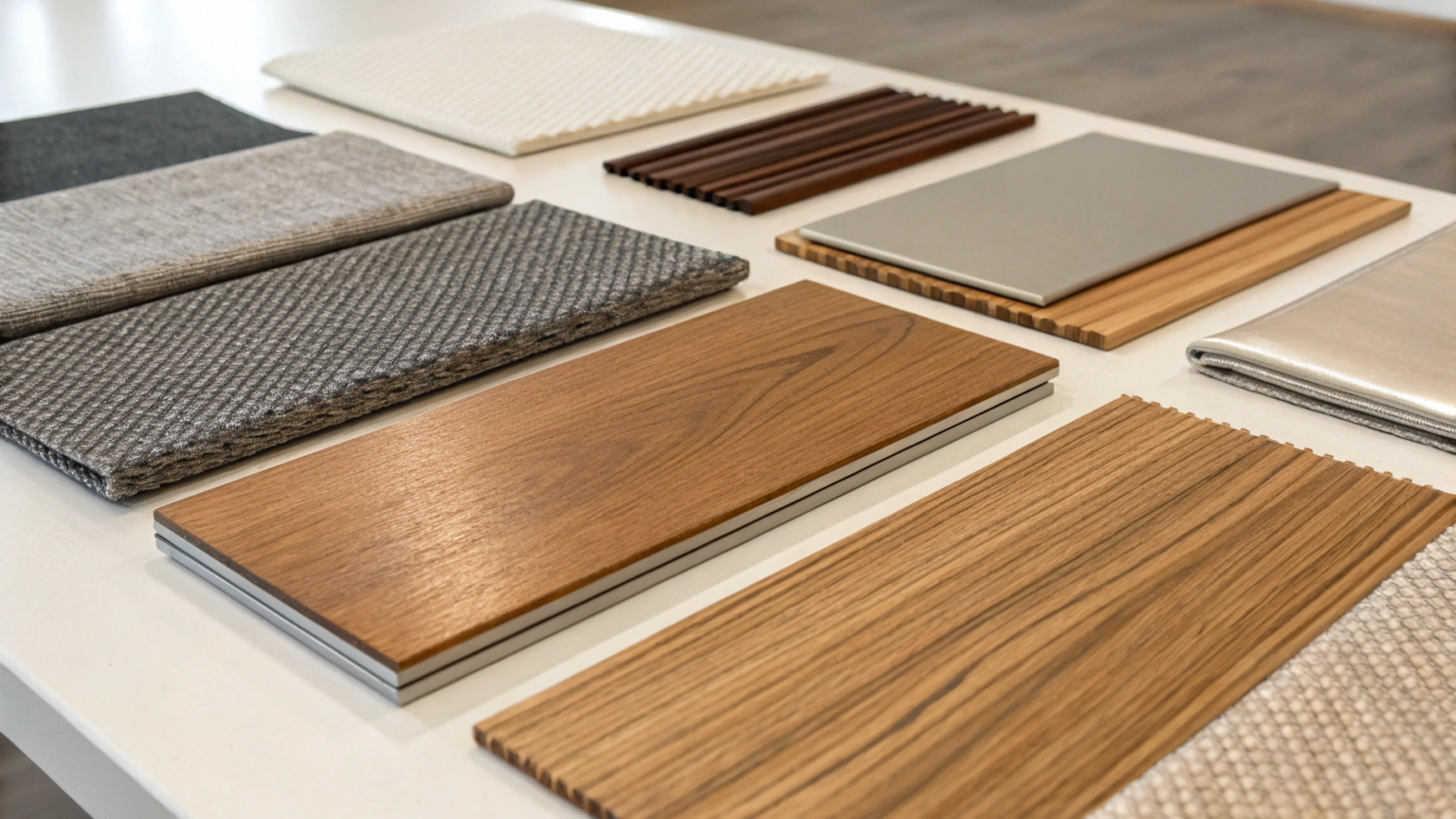
As a custom furniture provider, I’ve seen it all. A client might see two wood panels that look identical, but one will warp in a year while the other will last a lifetime. The difference is in the details the average person can’t see. This is the industry knowledge gap. A good designer bridges that gap. They are your “pitfall guide.” They have spent years building relationships with suppliers and testing materials. They know which workshop has the most stable solid wood[^7] joinery[^8] or which hardware brand offers the best soft-close mechanism[^9] for its price. Think of it like this: when you hire a designer, you are buying their curated list of trusted partners. You’re paying to skip the years of trial and error they went through.
Common Choices & A Designer's Insight
- Edge Banding: A factory might offer standard options. A designer knows to specify PUR (polyurethane) edge banding for areas near water, like kitchens and bathrooms, because it creates a much more durable, water-resistant seal than standard EVA glue.
- Hardware: You might see a drawer slide that looks good. A designer knows the difference in load capacity, cycle testing, and smoothness between brands like Blum, Hettich, and lesser-known high-value alternatives.
- Finishes:A designer can specify a finish not just for its color, but for its durability, VOC content[^10], and suitability for the specific application, like a high-traffic table versus a decorative panel.
Hiring them is an investment in quality control from the very start. It’s a way to buy their credibility and avoid costly mistakes down the line.
How do designers guarantee the final product looks like the drawing?
You love the design rendering, but fear the final result will be a cheap imitation. This “design vs. reality” gap is a common problem. A professional designer ensures what you see is what you get.
A designer’s core skill is ensuring “what you see is what you get.” They achieve this by deeply understanding construction and installation. They don’t just draw; they plan for real-world details like baseboard integration[^11], power source concealment[^12], and precise joinery[^8], bridging the gap between design and execution.
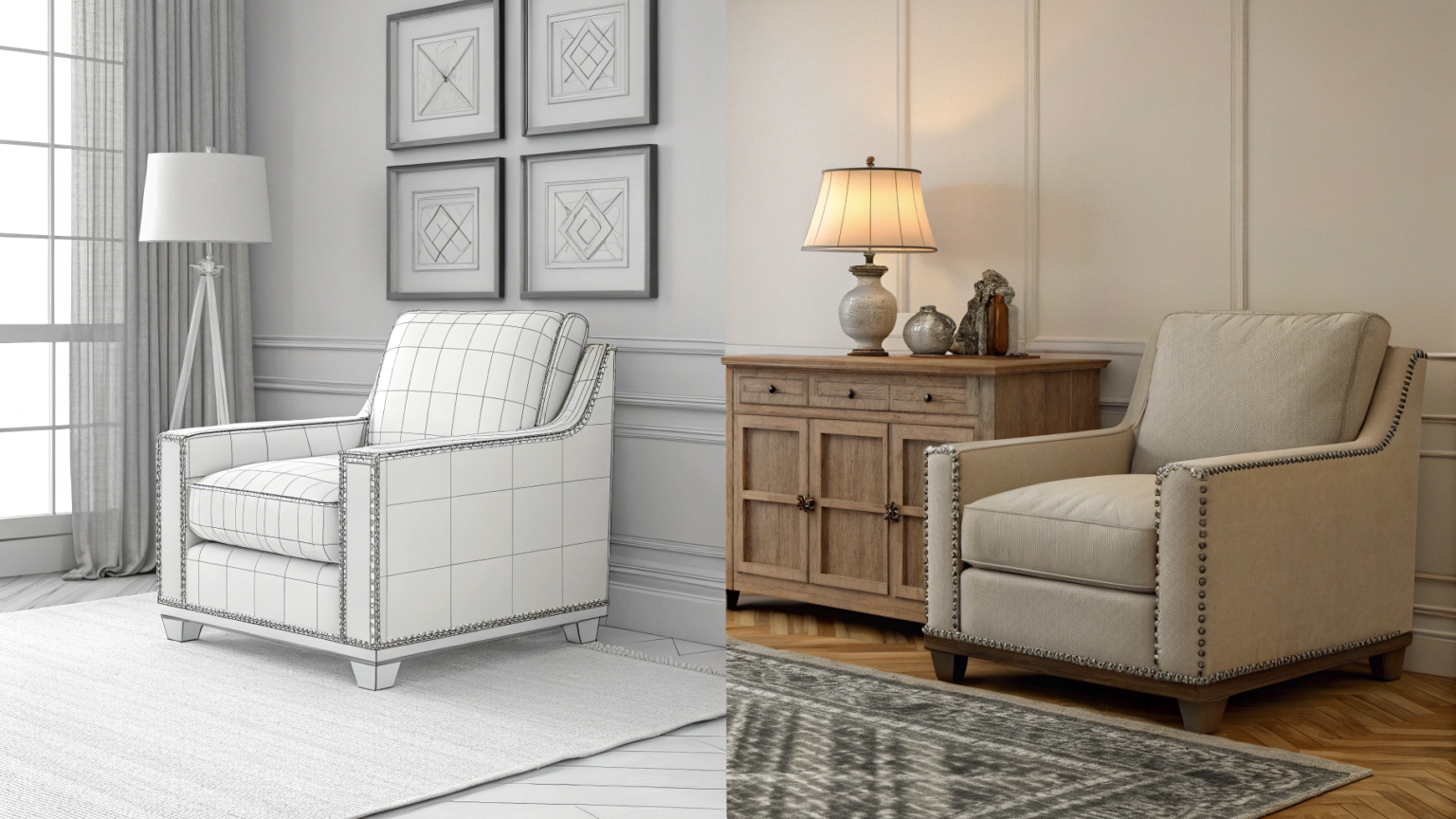
The difference between a stunning project and a failed one often comes down to the final centimeter. I’ve seen beautiful drawings get ruined by poor execution. This is what separates a true custom furniture designer from a factory draftsman. A draftsman can draw a cabinet. A designer can make that cabinet integrate flawlessly into your room. They obsess over the details that make or break a project. They anticipate problems before they happen. For example, how will the custom wardrobe meet the existing baseboard? A designer will specify a recessed plinth or a custom-cut solution for a seamless look. Where will the power supply for the under-cabinet LED lighting be hidden? They plan the wiring path from the beginning. How will an unusually shaped countertop edge be finished to look clean and intentional? They know the right fabrication techniques.
The Designer's Detail Checklist
Challenge | Draftsman’s Approach | Designer’s Solution |
Baseboard Intersection | Ignores it, leaves a gap. | Designs a recessed toe-kick or scribes the cabinet to the wall. |
Visible Wires | Assumes an electrician will handle it. | Integrates hidden channels and specifies outlet locations in the plan. |
Mismatched Finishes | Uses standard materials. | Coordinates finishes across all elements for a cohesive look. |
This obsession with the “last centimeter” is their signature. It’s the practical, hands-on knowledge of construction that guarantees the final result matches the initial vision.
Can custom furniture actually increase my property's value?
You see custom furniture as an expense, not an investment. But this view overlooks its potential to increase your property’s long-term value. Let me show you how it becomes a powerful asset.
Yes, high-quality custom design increases property value. By creating integrated, built-in solutions, designers practice “de-furniturization[^13].” The furniture becomes part of the architecture, enhancing the home’s overall appeal and commanding a higher price on the real estate market.
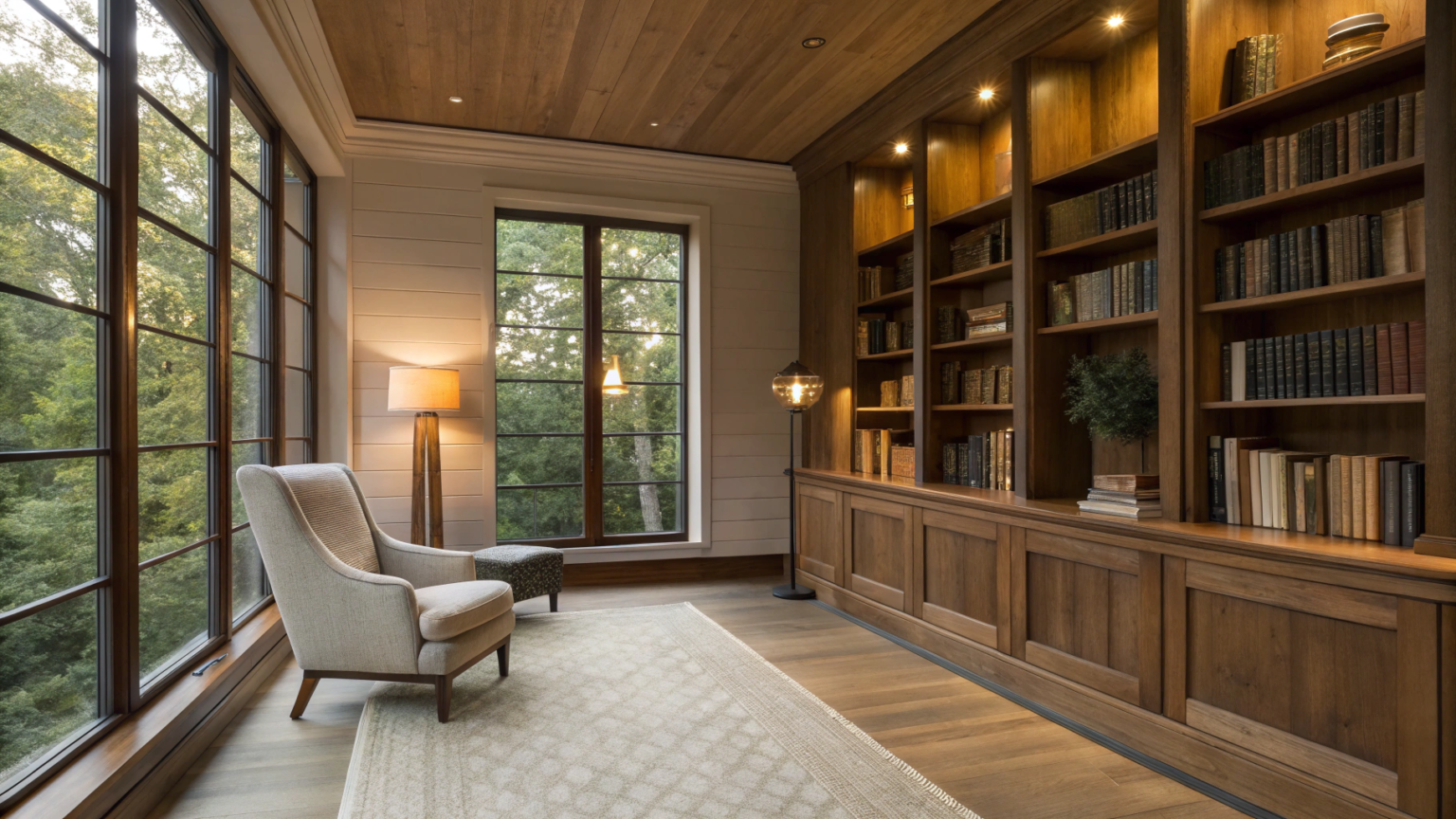
We need to shift our thinking about custom furniture from a short-term expense to a long-term asset. A top designer doesn’t just fill a room with objects; they enhance the architecture itself. This is a concept I call “de-furniturization[^13].” The goal is to make the furniture disappear into the building, creating a seamless, integrated whole. Think of a wall-to-wall library that feels like it was part of the original house, or a kitchen where all appliances are hidden behind custom panels that match the cabinetry perfectly. This isn’t just a cabinet; it’s a permanent architectural upgrade. When a potential buyer walks into a home with this level of thoughtful, integrated design, it feels more valuable. It communicates quality and permanence. This “visual quiet” not only improves your daily life—what we call emotional value[^14]—but it also translates directly to a higher valuation in the real estate market.
How Custom Design Adds Asset Value
- Architectural Integration:Built-in units create a bespoke feel that can’t be replicated with freestanding furniture.
- Maximized Space:Custom solutions use every inch of space efficiently, which is a major selling point, especially in smaller homes.
- Cohesive Aesthetic:A unified design language throughout the home makes it feel more premium and professionally curated.
You are no longer just buying furniture. You are investing in your property’s artistic and financial worth[^15].
Conclusion
In the end, a great custom designer is your partner. They translate your vision, navigate the industry, ensure flawless execution, and add lasting value to your home.
[^1]: Discovering skilled custom furniture designers can transform your space with personalized solutions that fit your style and needs.
[^2]: Learn how a designer can address your unique spatial challenges, offering tailored solutions beyond standard furniture options.
[^3]: Explore how designers convert abstract ideas into functional furniture through spatial translation, ensuring both beauty and utility.
[^4]: Understand how ergonomic principles in design enhance comfort and functionality, making your furniture a joy to use.
[^5]: Discover how designers use workflow logic to create furniture that seamlessly fits into your daily routine, enhancing efficiency.
[^6]: Learn how material science ensures durability and aesthetic appeal in custom furniture, providing long-lasting value.
[^7]: Explore the benefits of solid wood in creating luxurious, durable furniture that adds elegance to your space.
[^8]: Discover joinery techniques that ensure strength and beauty in custom furniture, providing lasting quality.
[^9]: Learn about top brands providing smooth and reliable soft-close mechanisms, enhancing the quality of your furniture.
[^10]: Understand the significance of VOC content in finishes, ensuring healthier indoor air quality and safer living environments.
[^11]: Explore techniques designers use to integrate furniture with existing baseboards, achieving a polished and cohesive look.
[^12]: Learn how designers plan for hidden power sources, maintaining the aesthetic integrity of your custom furniture.
[^13]: Explore the concept of de-furniturization, where furniture becomes part of the architecture, enhancing property value.
[^14]: Discover how thoughtfully designed furniture improves daily life, providing emotional satisfaction and comfort.
[^15]: Learn how investing in custom furniture enhances both the artistic appeal and financial value of your property.