Introduction
Are you used to seeing metal[^1] as just a structural material? Cold, rigid, and purely functional. This view overlooks its incredible potential to become stunning, expressive, and truly artistic.
Yes, metal[^1] is an exceptional medium for art. Its unique combination of strength, flexibility, and longevity allows artists and fabricators to create everything from intricate decorative pieces to massive, awe-inspiring public sculptures that can last for generations.
We’ve confirmed that metal[^1] is a fantastic medium for art, but that’s just scratching the surface. The real magic lies in understanding which metal[^1]s to use and how they are transformed from raw industrial materials into polished, finished masterpieces. Let’s dig into the specific materials and techniques that make this transformation possible. You might be surprised by the sheer versatility that metal[^1] offers to artists, designers, and architects.
Which metals are best for artistic sculptures?
Choosing the right metal[^1] for an art project can feel overwhelming with so many options. The wrong choice can lead to rust, weakness, or a look that misses the mark.
Stainless steel, corten steel[^3], aluminum[^4], and bronze[^5] are the top choices for artistic sculptures[^2]. Each offers a unique look, level of durability[^6], and workability, making them suitable for different creative visions, budgets, and environments, whether indoors or outdoors.
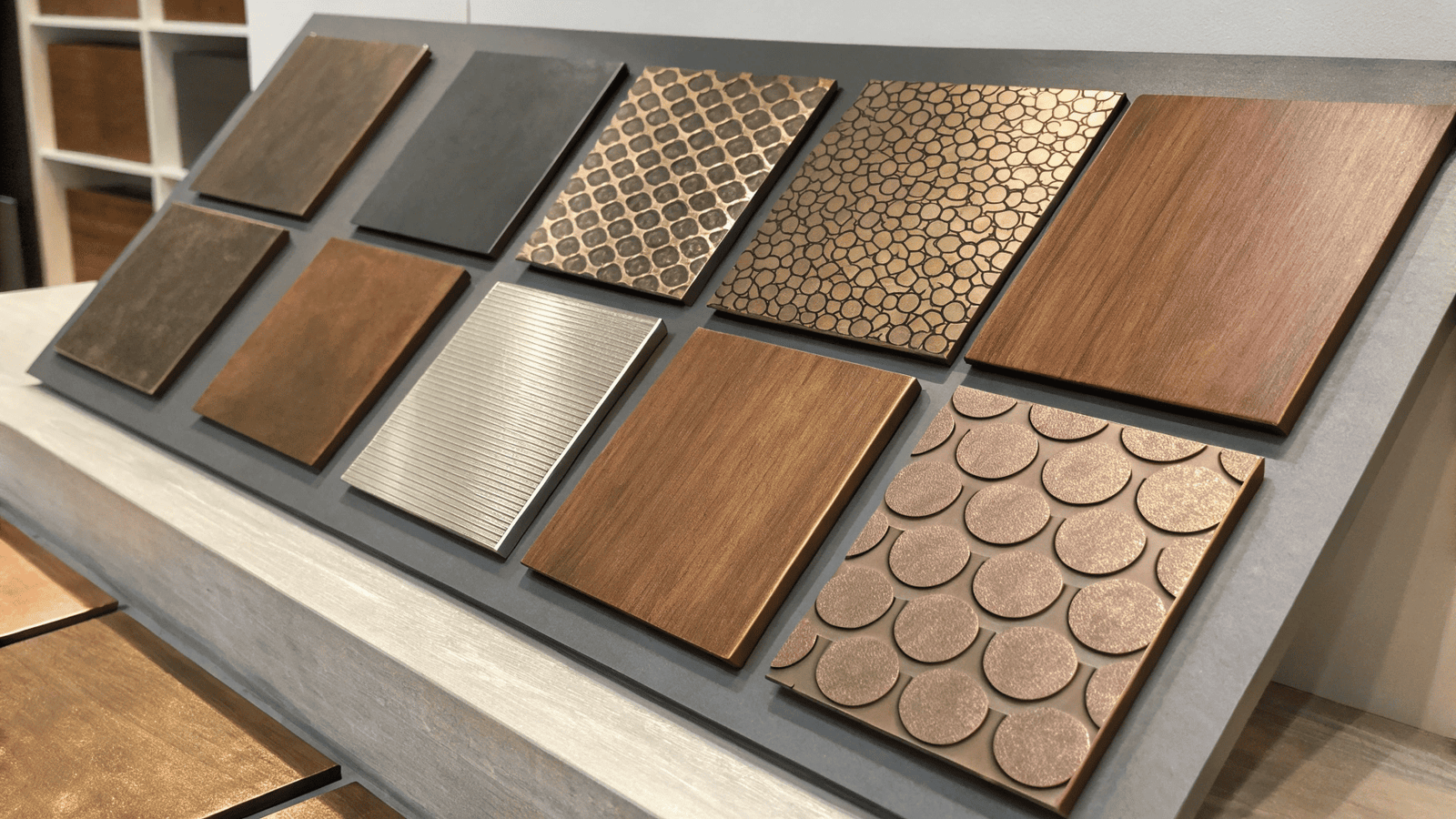
The choice of metal[^1] is the first critical decision in any sculpture project. It defines the artwork’s appearance, its lifespan, and the fabrication methods[^7] needed to create it. As a fabricator, I’ve worked with them all, and each has its own personality and strengths. It’s about matching the material to the artistic intent[^8] and the practical demands of the project.
A Closer Look at Artistic Metals
Let’s break down the most common metal[^1]s we use. Understanding their properties helps you and your design team make an informed decision.
Metal | Key Characteristics | Best For |
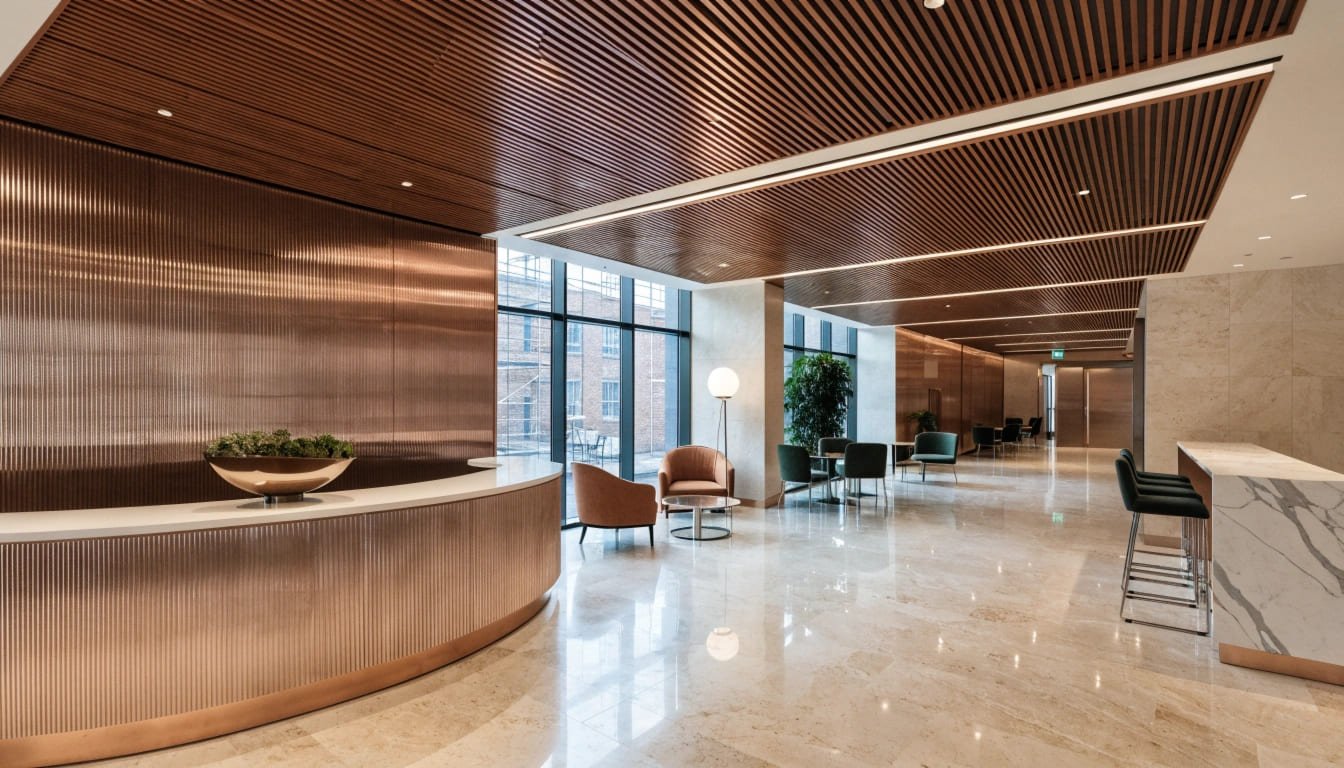
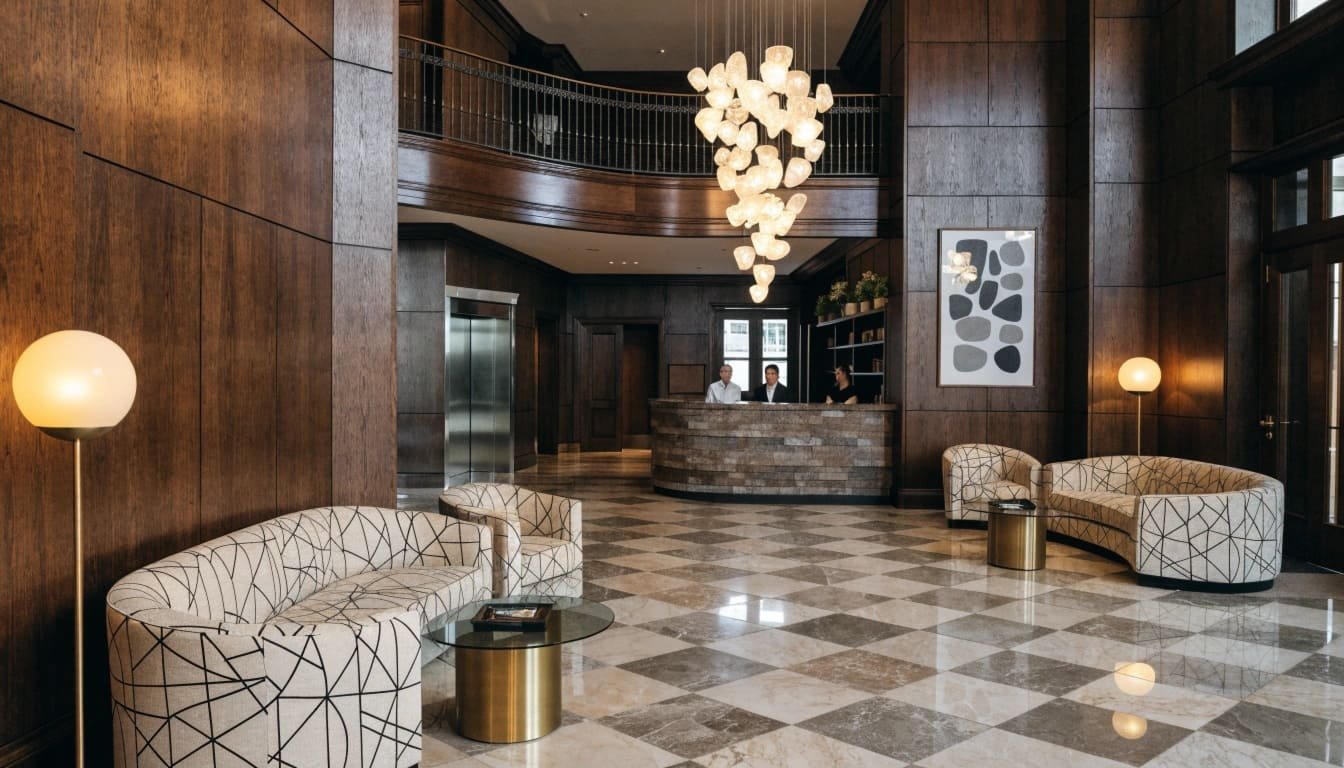
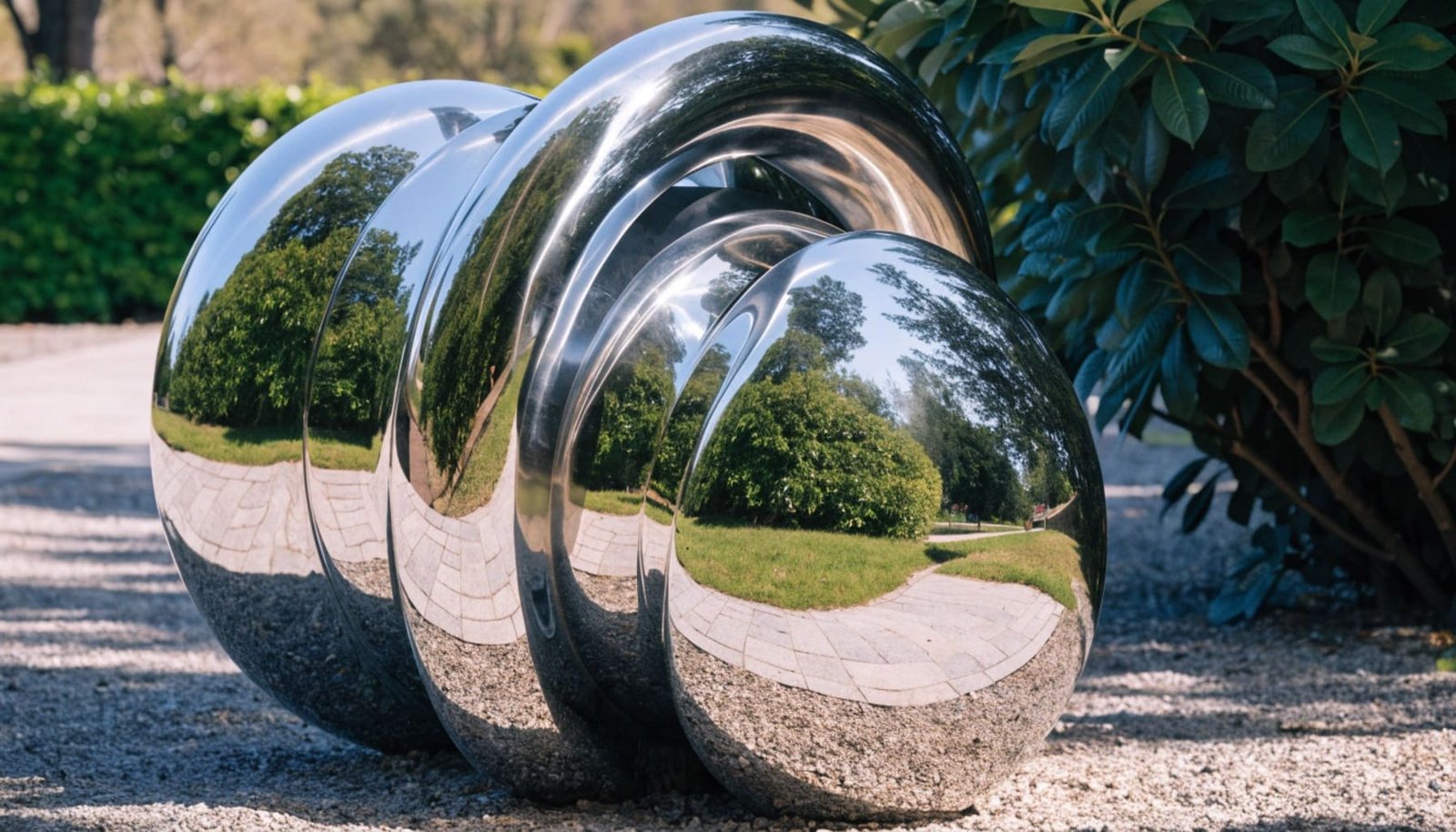
Stainless Steel | Modern, clean look; high corrosion resistance. | Sleek public art, corporate lobbies, and luxury architectural features. |
Corten Steel | Develops a stable, rust-like protective layer. | Rustic, organic outdoor sculptures and large-scale landscape art. |
Aluminum | Lightweight, naturally rust-proof, easy to shape. | Complex, suspended sculptures or pieces requiring vibrant color finishes. |
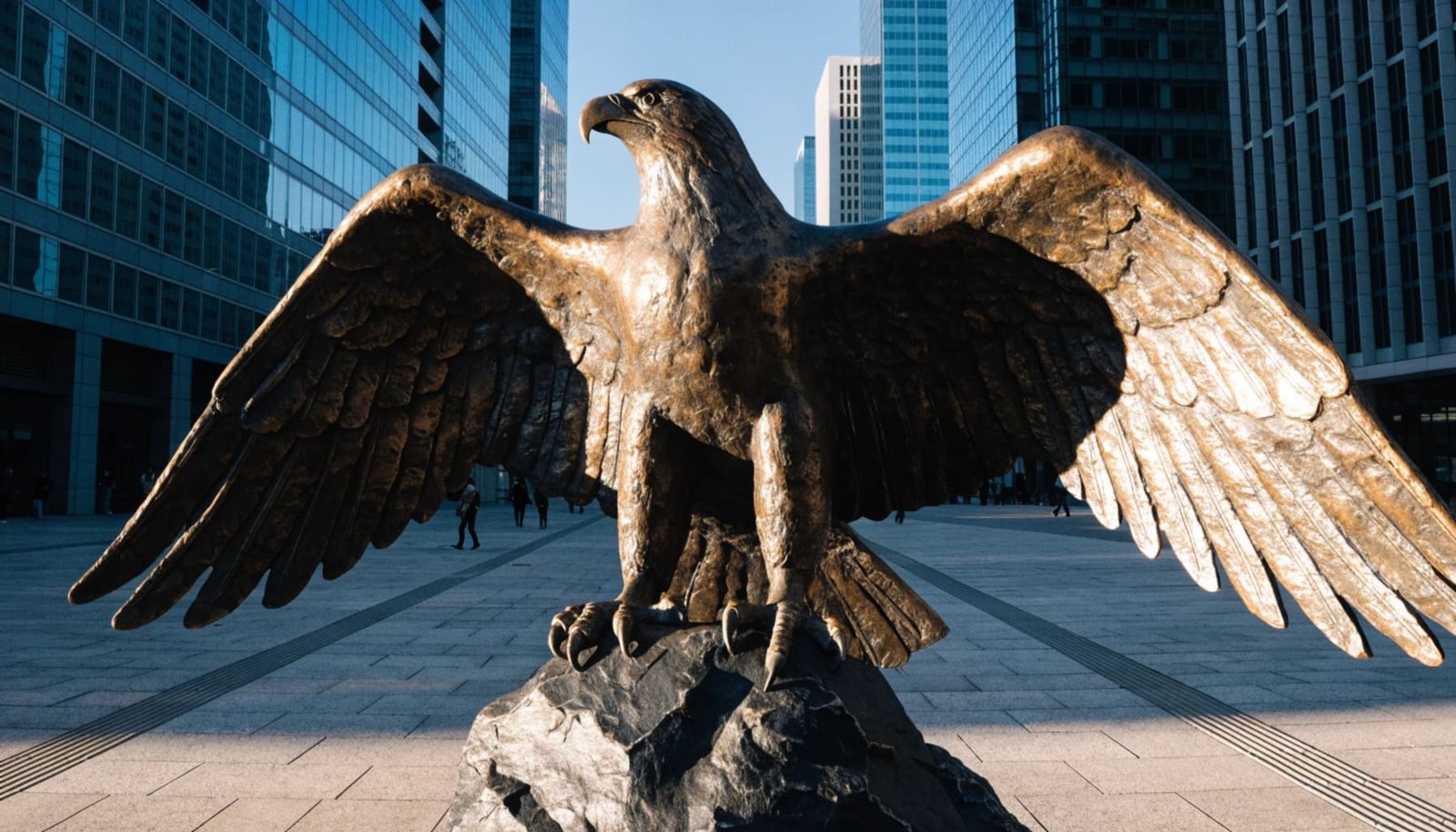
Bronze / Copper | Classic, traditional feel; develops a green patina. | Detailed cast statues, historical plaques, and high-end decorative work. |
Stainless steel, especially grade 316, is my go-to for outdoor projects in harsh environments because it simply does not rust. It can be polished to a perfect mirror or given a soft, brushed finish. Corten steel is fascinating; it’s designed to rust on the surface, which then creates a protective barrier for the steel underneath. This gives it a beautiful, evolving, and natural look that blends well with outdoor settings. Aluminum is a dream to work with when weight is a concern. We once fabricated a large, intricate ceiling feature that would have been too heavy in steel, but aluminum[^4] made it possible. Finally, bronze[^5] is timeless. It’s perfect for casting highly detailed figures and has an elegance that no other metal[^1] can match.
How is raw metal transformed into a finished art piece?
You see a complex metal[^1] sculpture and wonder how it went from a raw sheet to a finished form. The process can seem mysterious, hiding the incredible skill and engineering[^10] involved.
Metal art is made using techniques like cutting, forging, welding[^11], and finishing. Fabricators use everything from high-tech laser cutters to traditional hammers, blending modern technology with timeless craftsmanship to shape, join, and polish the final sculpture.
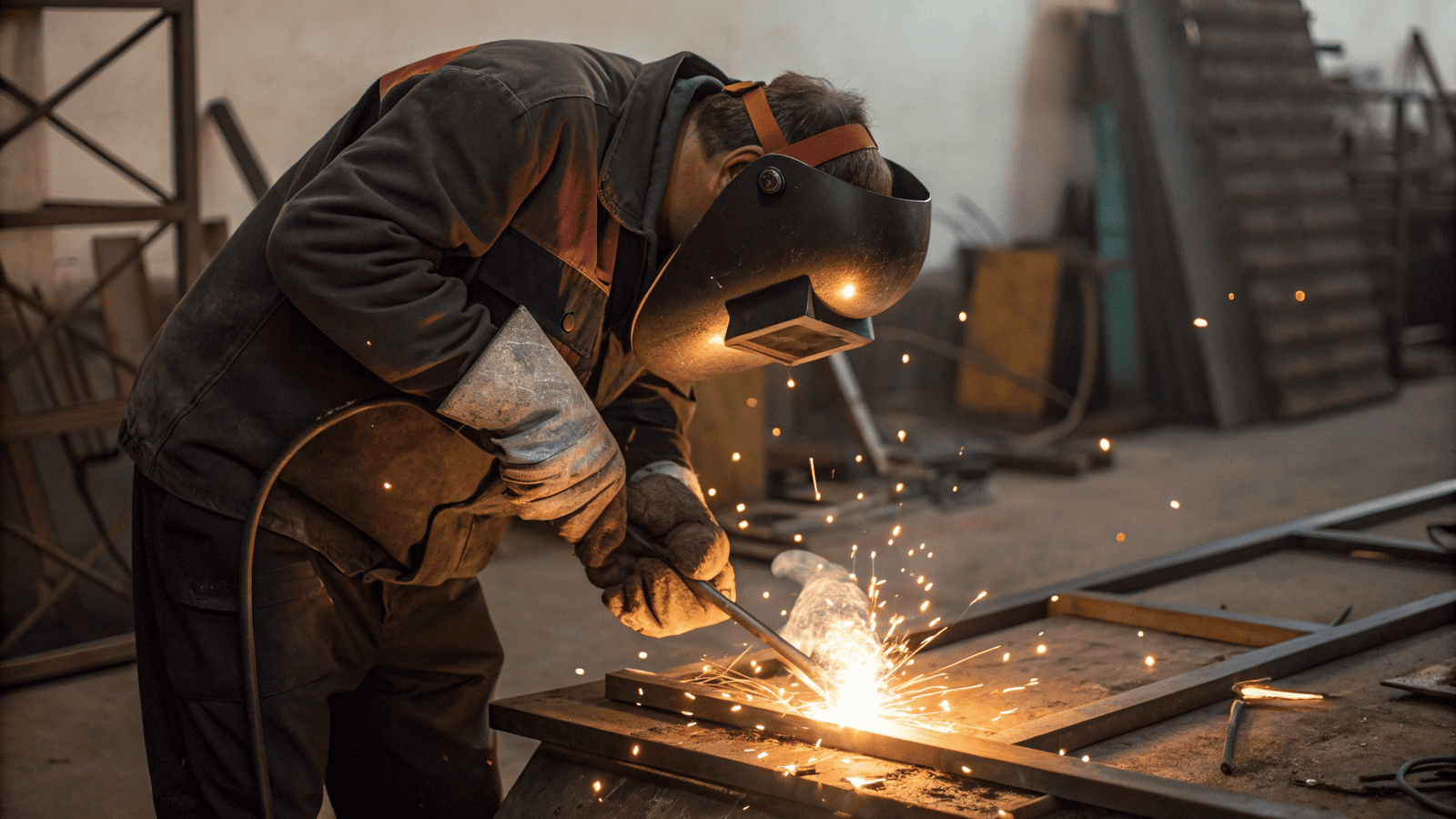
The journey from a flat sheet of metal[^1] to a three-dimensional work of art is a perfect blend of artistic vision and technical execution. It’s not just about brute force; it’s about precision, planning, and a deep understanding of the material. I’ve seen countless designs come across my desk, and bringing each one to life requires a clear, step-by-step process.
The Journey from Metal to Masterpiec
Every metal[^1] sculpture follows a critical path from concept to completion. This ensures the final piece is not only beautiful but also structurally sound and true to the original design.
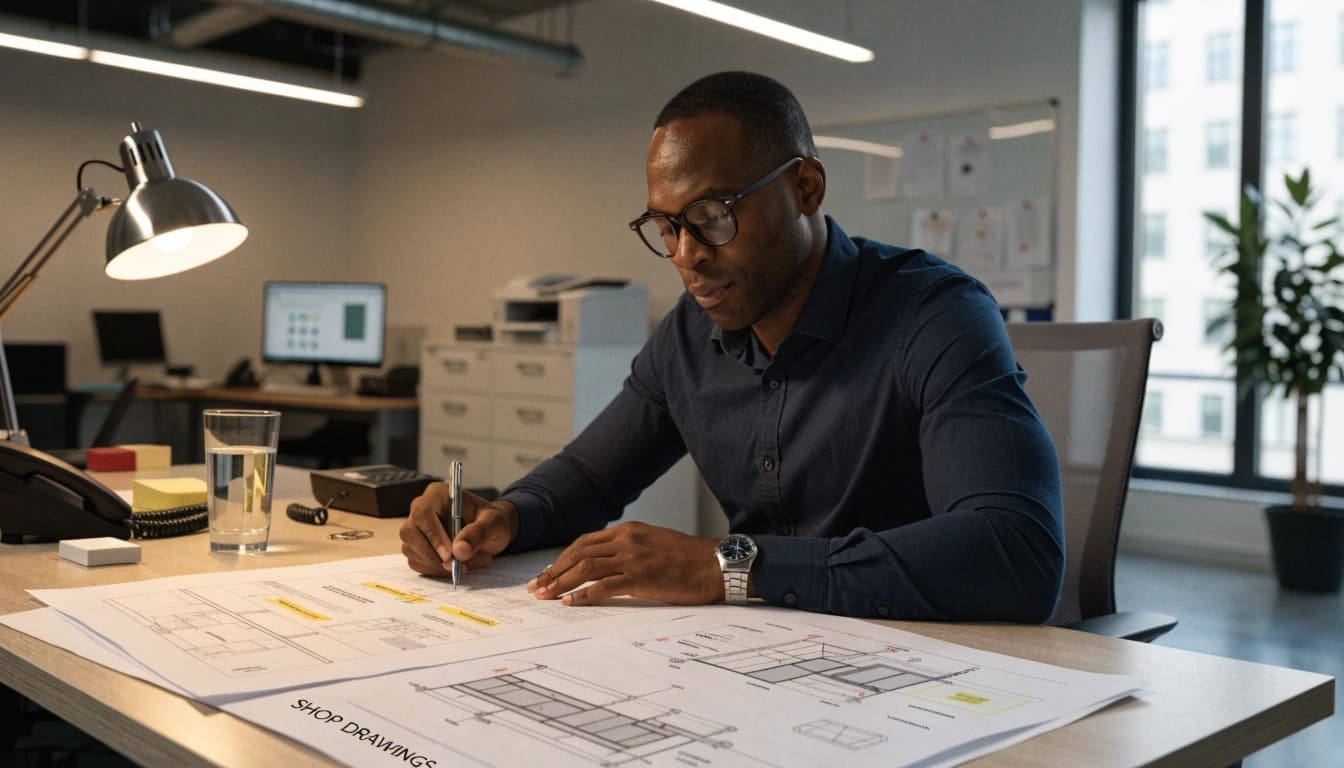
- Design & Engineering:It all begins with the artist’s or architect’s drawing. Our first step is to translate that vision into a technical plan[^12]. Our engineers use software to create detailed shop drawings, calculating structural loads, planning connection points, and solving potential fabrication challenges on paper. This is where art meets science, ensuring the sculpture will be safe and buildable.
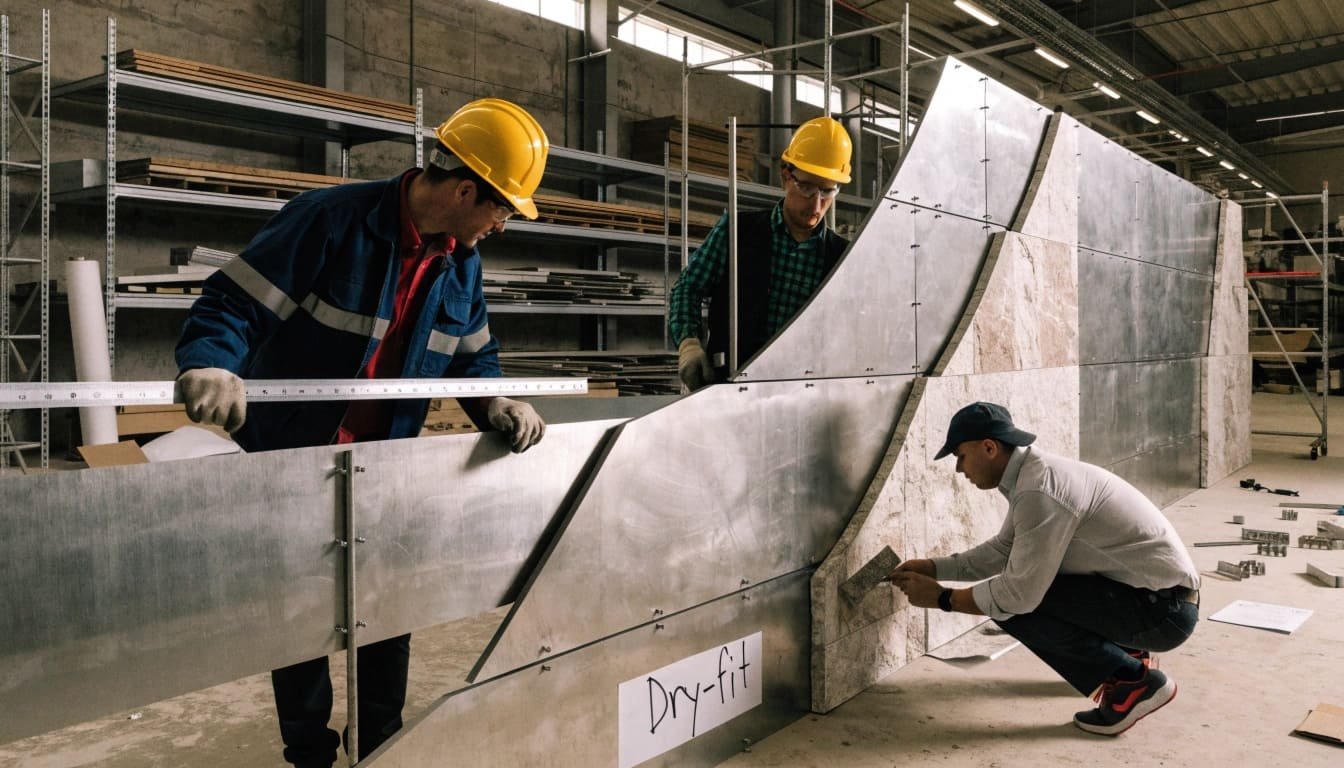
- Cutting & Shaping:Once the plan is set, we select the raw material. For precise, intricate patterns, we use laser or waterjet cutters. For thick, heavy plates, a plasma cutter does the job. Then comes the shaping. We use powerful machines to bend and roll metal[^1]into curves, but for more organic forms, nothing beats forging—heating the metal[^1] until it’s malleable and shaping it with hammers and presses.
- Assembly & Welding:This is where the sculpture starts to take shape. Skilled welders carefully join the individual pieces together. We often use TIG welding[^11]for clean, almost invisible seams that are critical for high-end finishes. The quality of the weld is not just structural; it’s an aesthetic detail that can’t be overlooked.
- Finishing & Polishing:The final step is what truly brings the sculpture to life. Our finishing team grinds down welds until they are perfectly smooth. They then sand the entire surface to create a uniform brushed texture or polish it for hours to achieve a flawless mirror look. This is also when we might apply a chemical patina to bronze[^5]or copper to accelerate its natural aging process, adding color and depth.
Why is metal a superior choice for large-scale and public art?
When you plan a large outdoor sculpture, you worry about safety, weather damage, and constant maintenance. A piece that quickly degrades or is structurally weak is a failed investment.
Metal is ideal for large-scale art because it has unmatched structural strength, weather resistance, and longevity. It allows for ambitious, gravity-defying designs that are safe and easy to maintain, ensuring the art endures for decades.
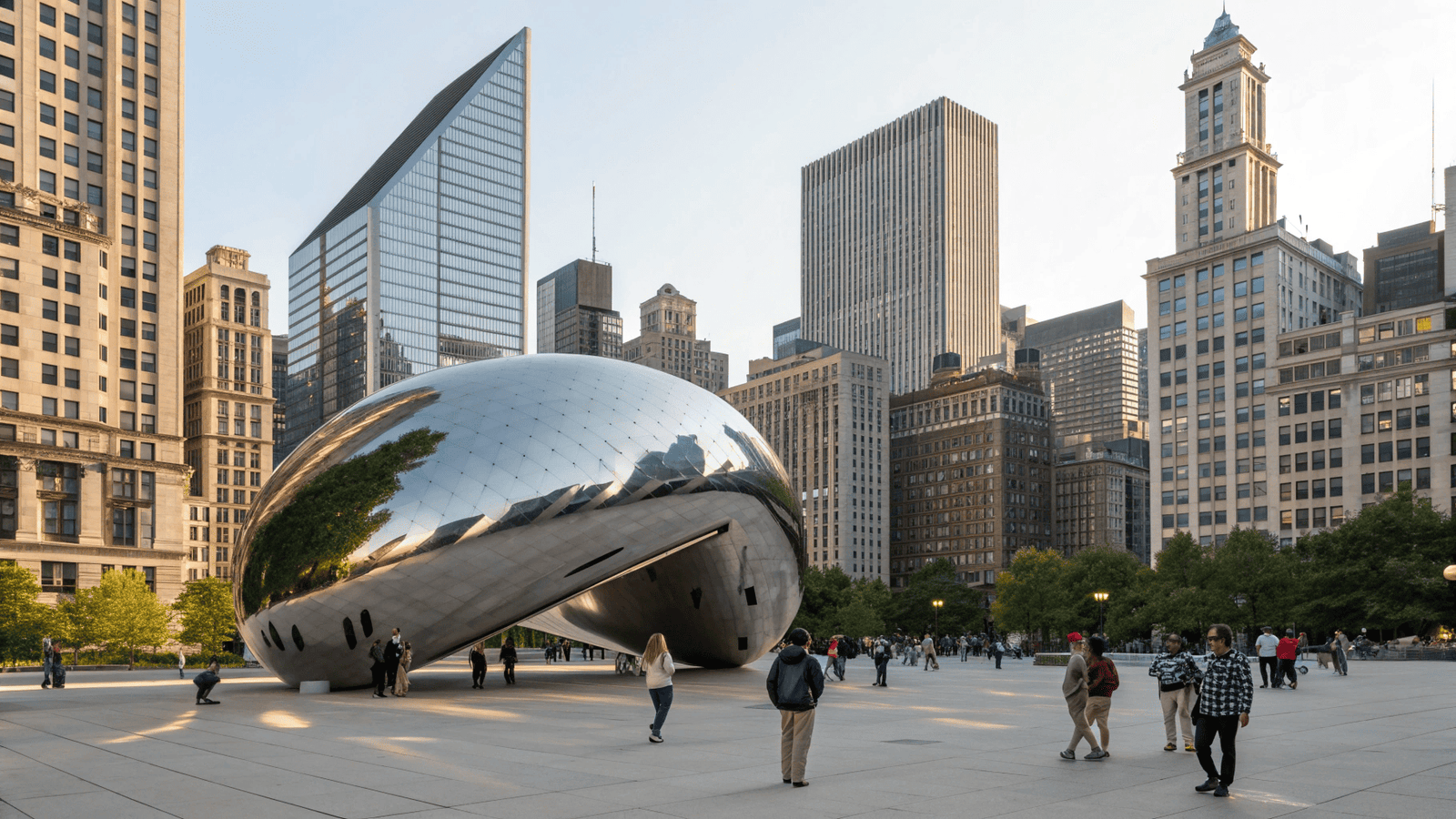
When you move into the realm of large-scale public and commercial art, material choice becomes even more critical. These pieces aren’t just decorative; they are landmarks. They have to stand up to public interaction, extreme weather, and the test of time. In my experience, metal[^1] is often the only material that can meet all these demands without compromising the artistic vision.
The Advantages of Metal in Public Spaces
The reasons architects and developers consistently choose metal[^1] for major installations come down to a few key, undeniable benefits.
- Structural Integrity:Metal has an incredible strength-to-weight ratio. This allows us to create massive, sweeping forms and cantilevers that would be impossible with stone or wood. We can engineer a sculpture to support its own weight over huge spans, handle wind loads in a skyscraper plaza, and remain perfectly safe for the public.
- Durability & Low Maintenance:This is a huge factor for our clients. Materials like 316-grade stainless steel[^13] and corten steel[^3] are built for the outdoors. They resist corrosion from rain, salt, and pollution. Once installed, they require very little maintenance compared to wood that needs sealing or painted surfaces that chip and fade. This longevity protects the client’s investment.
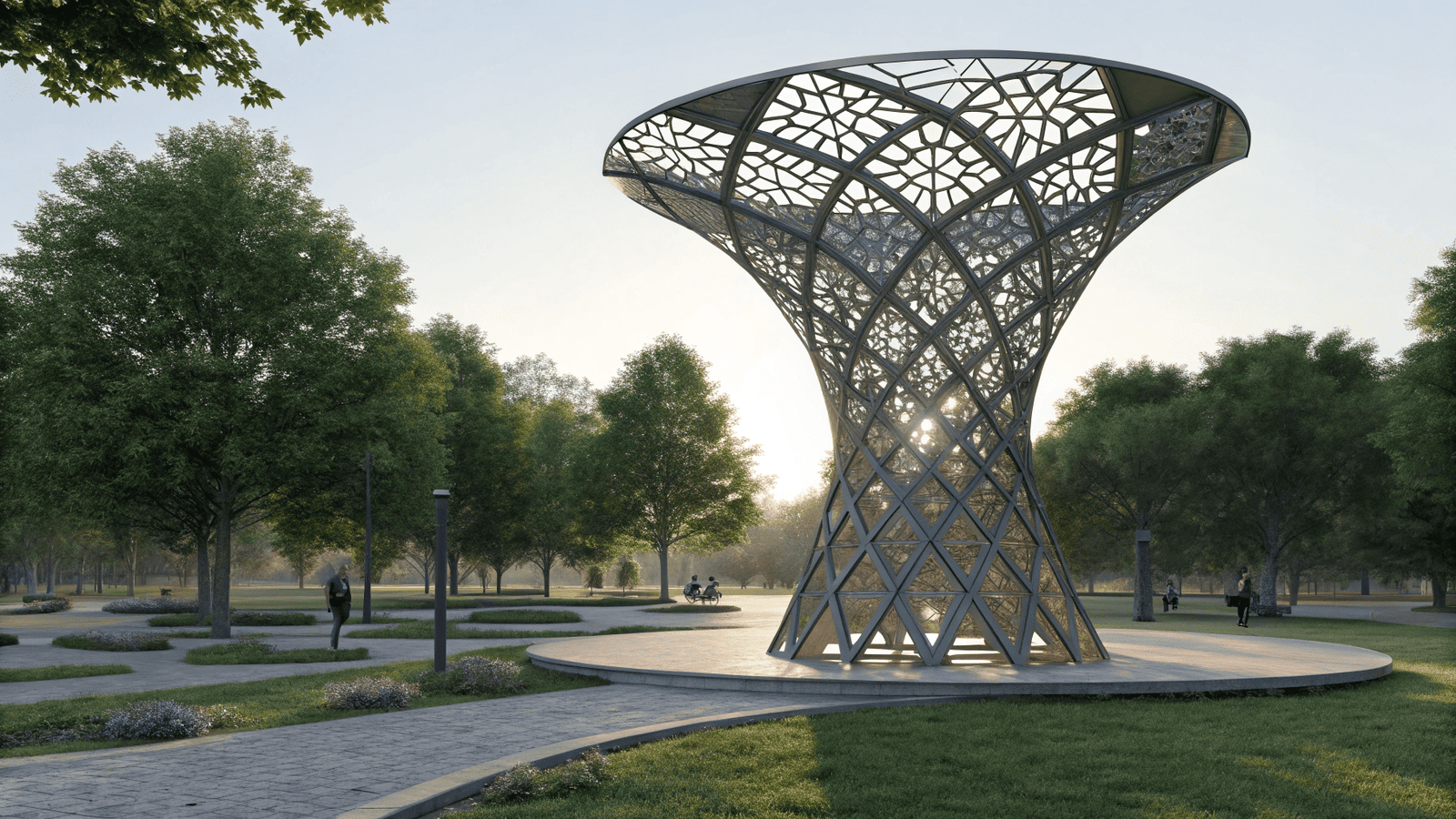
- Design Freedom:Metal is wonderfully versatile. It can be shaped into fluid, organic curves or sharp, geometric angles. It can be perforated to create patterns of light and shadow, or polished to reflect its surroundings. This gives designers immense freedom. I remember a project for a hotel client who wanted a huge, flowing ribbon of polished steel hanging in their atrium. Made from any other material, it would have been too heavy or fragile. Metal made their bold vision a safe and stunning reality.
How does NEXTOP bridge the gap between a design and a finished metal sculpture?
You have a brilliant design for a metal[^1] feature, but turning it into reality is a different skill set. Finding a partner who understands both your artistic intent[^8] and the engineering[^10] is tough.
We act as the essential bridge between your design and the finished product. Our integrated team of engineers and craftsmen works from your drawings to manage everything from planning to fabrication in one place.
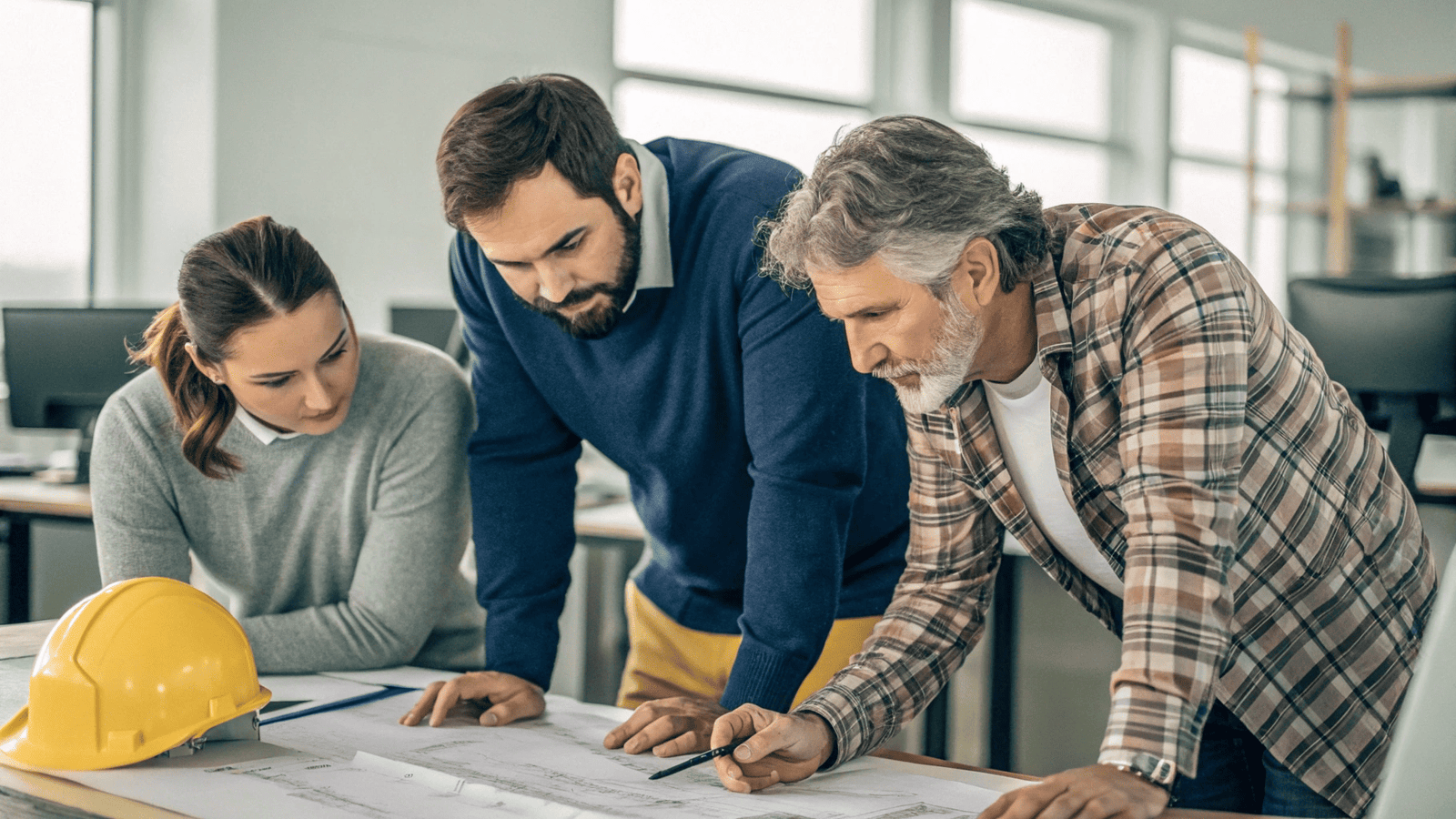
Over the years, I’ve seen where projects go wrong. It’s almost always due to a disconnect between the designer, the engineer, and the fabricator. An artist has a vision, but the fabricator might not understand the subtle aesthetic details. Or, a fabricator builds something that looks good but isn’t engineered to last. At NEXTOP[^14], we’ve built our entire system to eliminate these problems.
From Your Drawing to Delivered Reality
Our process is designed to give you a seamless, predictable, and successful outcome. We turn your design vision into a dependable, on-time reality.
- One-Stop Execution:Your entire project—from engineering[^10] and sampling to production and finishing—is handled under one coordinated system. You communicate with one team. This avoids the classic issues of multi-supplier projects, like mismatched finishes, communication breakdowns, and costly delays.
- Expert Engineering: We start with your design. Our engineers don’t just look at it; they analyze it. They provide feedback on material choices, structural stability, and fabrication methods[^7]to ensure the final piece is both beautiful and robust. We create detailed shop drawings that leave nothing to chance.
- Transparent Process: We believe in complete transparency. Throughout the fabrication process, we provide you with clear photo and video reports. You get to see your vision come to life at every stage. This gives our clients—from international hotel groups to interior design studios—total confidence in the process and the outcome.
- The Result:The final product is a precisely engineered, beautifully finished piece that matches your exact specifications. It’s delivered on time and ready for installation, with consistent quality you can count on.
Conclusion
Metal is far more than a building material; it’s a premier medium for art. It blends beauty with engineering[^10], allowing for bold visions that transform spaces and endure for generations.
[^1]: Explore how metal transcends its structural role to become a medium for stunning art.
[^2]: Discover the top materials that artists use to create breathtaking sculptures.
[^3]: Find out how corten steel’s unique properties enhance outdoor sculptures.
[^4]: Understand why aluminum is favored for lightweight and intricate art pieces.
[^5]: Explore the timeless appeal of bronze in creating detailed and elegant sculptures.
[^6]: Discover why metal is a long-lasting choice for outdoor art.
[^7]: Discover the various methods that bring metal sculptures to life.
[^8]: Explore how metal can express an artist’s vision and creativity.
[^9]: Understand the advantages of using metal for large-scale public art.
[^10]: Learn about the role of engineering in transforming artistic visions into reality.
[^11]: Learn about the welding techniques that ensure strong and aesthetic metal art.
[^12]: Understand the importance of planning in the successful execution of metal sculptures.
[^13]: Learn about the benefits of stainless steel in creating durable and beautiful outdoor art.
[^14]: Find out how NEXTOP bridges design and engineering for successful projects.