Introduction
Tired of sofas that look great but sag after a year? You spend good money, only for it to become uncomfortable and need replacing far too soon.
The best sofa isn’t about the highest price or biggest brand. It comes from a manufacturer that balances a strong internal structure[^1], true comfort, and proven durability[^2]. Look for makers who control their production and can prove their quality, not just market it.
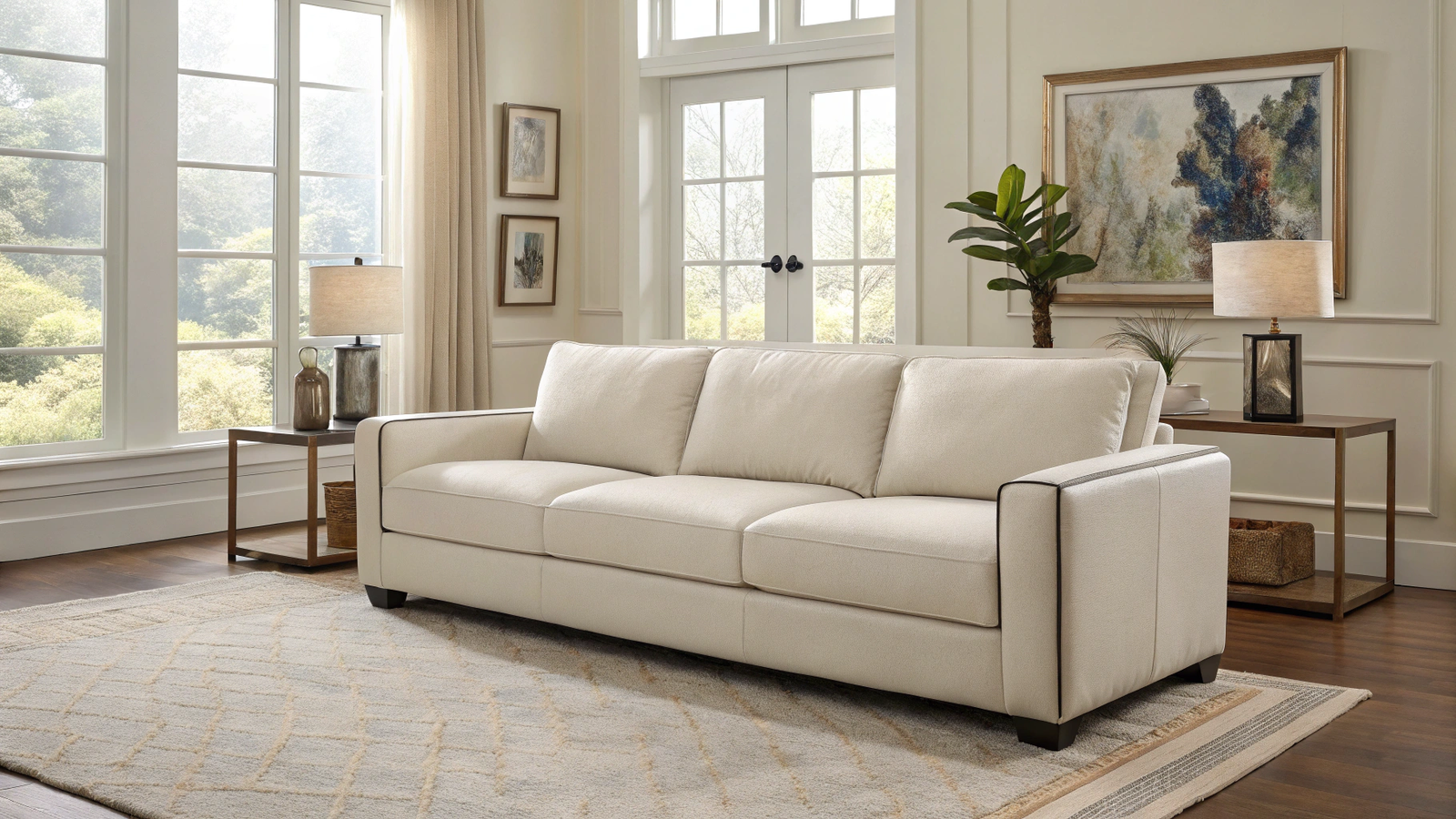
Finding that perfect sofa can feel overwhelming. I’ve seen countless clients struggle with this choice. But I’ve learned that once you know what to look for *under* the surface, the decision becomes much clearer. The real secret to a sofa that lasts for years isn’t just about the fabric you touch or the style you see. It’s about the hidden quality inside. Let’s break down what really matters, so you can choose with confidence and avoid the common pitfalls that lead to disappointment.
What Truly Defines the Structure of a High-Quality Sofa?
Worried your new sofa’s frame will crack or bend? Many beautiful pieces hide weak materials inside, leading to a wobbly, unstable future for your investment.
A high-quality sofa structure is defined by its core components. It needs a solid wood or reinforced metal frame[^3], strong joinery, and a durable suspension system. These hidden elements are what prevent sagging and ensure the sofa remains stable and supportive for many years.
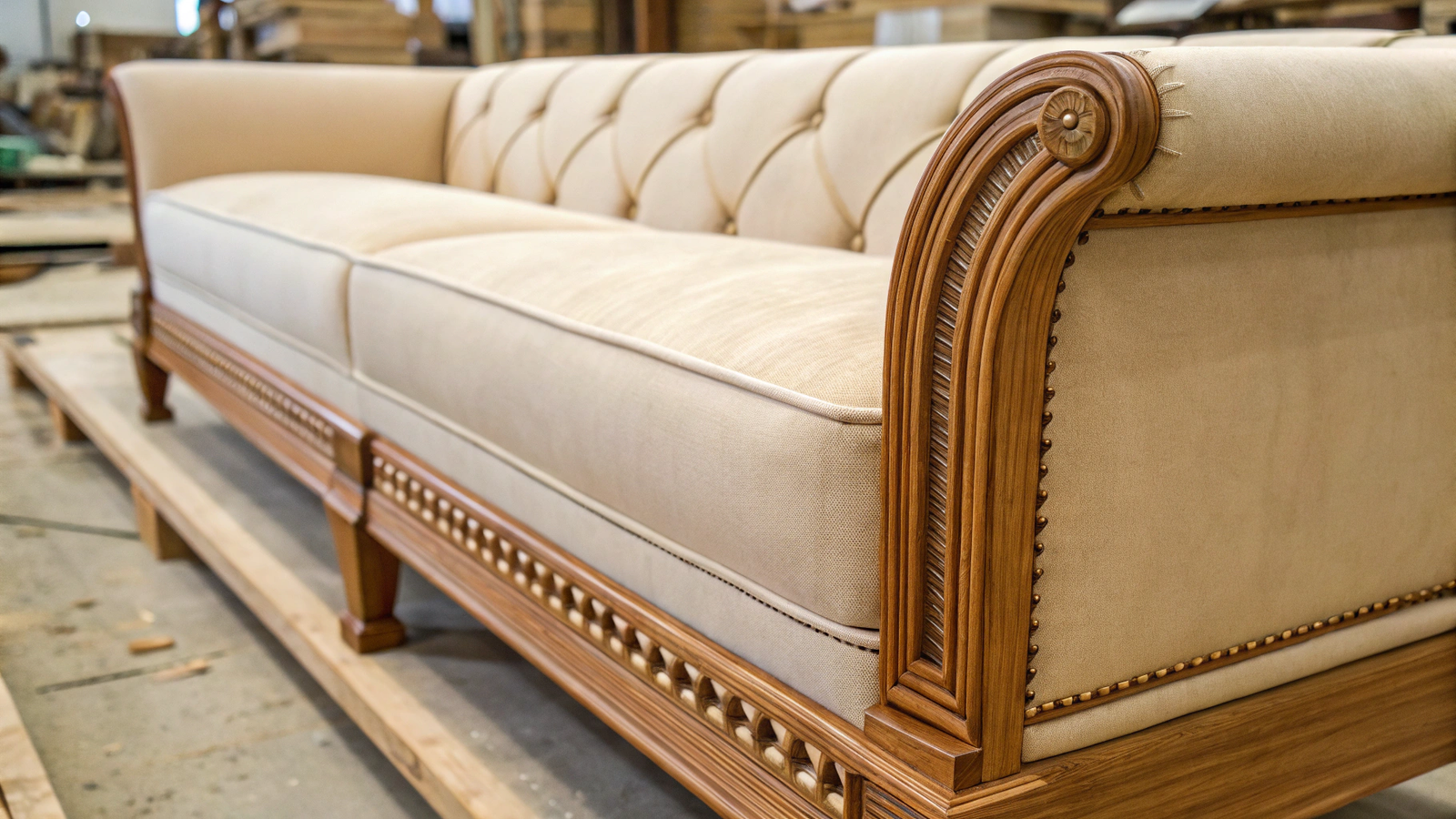
When I inspect a sofa for a project, I’m not just looking at the design. My first questions are always about the frame and the joinery. These are the bones of the furniture. A manufacturer that uses cheap materials here is cutting a corner you’ll pay for later. I remember a project for a boutique hotel where the initial budget was tight. They sourced sofas from a supplier who promoted “hardwood frames.” But after just two years, we got calls about creaking and sagging. It turned out the frames were mostly particleboard[^4] with a few hardwood blocks. We had to replace them all. This experience taught me to always verify the materials. A truly great manufacturer is transparent about what’s inside.
The Frame: The Foundation of Your Sofa
The frame is the skeleton. If it’s weak, nothing else matters. Solid wood, like kiln-dried oak or maple[^5], is the gold standard because it resists warping and cracking. Metal frames can also be excellent, especially for modern designs, as long as they are properly welded and reinforced.
Frame Material | Pros | Cons |
Solid Kiln-Dried Hardwood | Extremely strong, durable, holds its shape | More expensive, heavier |
Engineered Wood/Plywood | Less expensive, lighter | Prone to warping, can weaken over time |
Metal | Very strong, allows for slim designs | Can be heavy, requires quality welds |
Joinery and Suspension: The Support System
Joinery is how the frame is held together. Look for methods like mortise-and-tenon joints[^6], dowels, or reinforced corner blocks with screws. Staples and glue are red flags. The suspension system supports the cushions. Sinuous springs are a good, durable standard, while an 8-way hand-tied system[^7] is the premium choice for its even support.
How Can You Judge a Sofa's Comfort and Durability?
You found a sofa that feels amazing in the showroom, but will it stay that way? Many cushions flatten quickly, and fabrics can wear out, pill, or stain easily.
You can judge a sofa’s long-term comfort and durability by its foam density[^8] and fabric rating. High-resiliency (HR) foam with a high density rating will keep its shape, while a high Martindale score[^9] for the fabric indicates it can withstand years of use without showing wear.

The “sit test” in a store only tells you how a sofa feels today, not how it will feel in five years. The key is in the materials specification sheet, which a good manufacturer will always provide. I always ask for the foam density[^8] and the fabric’s double rub[^10] or Martindale test results. These numbers tell the real story. For hospitality projects, these are non-negotiable. A hotel sofa has to withstand constant use, so we specify foam with a density of at least 2.5 lbs/ft³ and fabrics with a Martindale rating over 30,000 cycles. These standards aren’t just for commercial projects; they are a great benchmark for a high-quality residential sofa too. A manufacturer who can provide these details is one who takes durability seriously.
Understanding Cushion Fill
The comfort of your sofa comes from its cushions, but the longevity comes from the quality of the fill. Low-density foam will feel soft at first but will quickly compress and flatten.
Foam Type | Description | Best For |
High-Resiliency (HR) Foam | Bounces back quickly, very durable. Density of 2.5+ lbs is excellent. | Seat cushions, long-term use |
Standard Foam | Common and affordable. Density around 1.8 lbs. | Back cushions, occasional use furniture |
Down/Feather Blend | Very soft and luxurious feel. | Cushions you don’t mind fluffing regularly |
Decoding Fabric Durability
The fabric is what you see and touch every day, but its beauty needs to be more than skin deep. The Martindale test is a standard used to measure the abrasion resistance of a fabric. It simulates natural wear and tear.
- 10,000-15,000 cycles: Good for decorative use (e.g., accent pillows).
- 15,000-25,000 cycles: Suitable for general domestic use.
- 25,000-30,000 cycles: Ideal for heavy domestic use (e.g., main family sofa).
- 30,000+ cycles:Commercial grade, extremely durable.
Always ask for this number. A supplier who doesn’t know it or won’t provide it is likely using a fabric that won’t last.
Why Does a Manufacturer's Process Matter More Than Just the Brand Name?
You see a famous brand and assume it means quality, right? But many big brands outsource production, losing control over the final product and creating inconsistent results.
A manufacturer’s process is critical because it ensures consistency and quality control. A maker with in-house engineering, production, and quality checks can guarantee that every component, from the hidden frame to the final stitch, meets their standards. This avoids the problems of multi-supplier chaos.
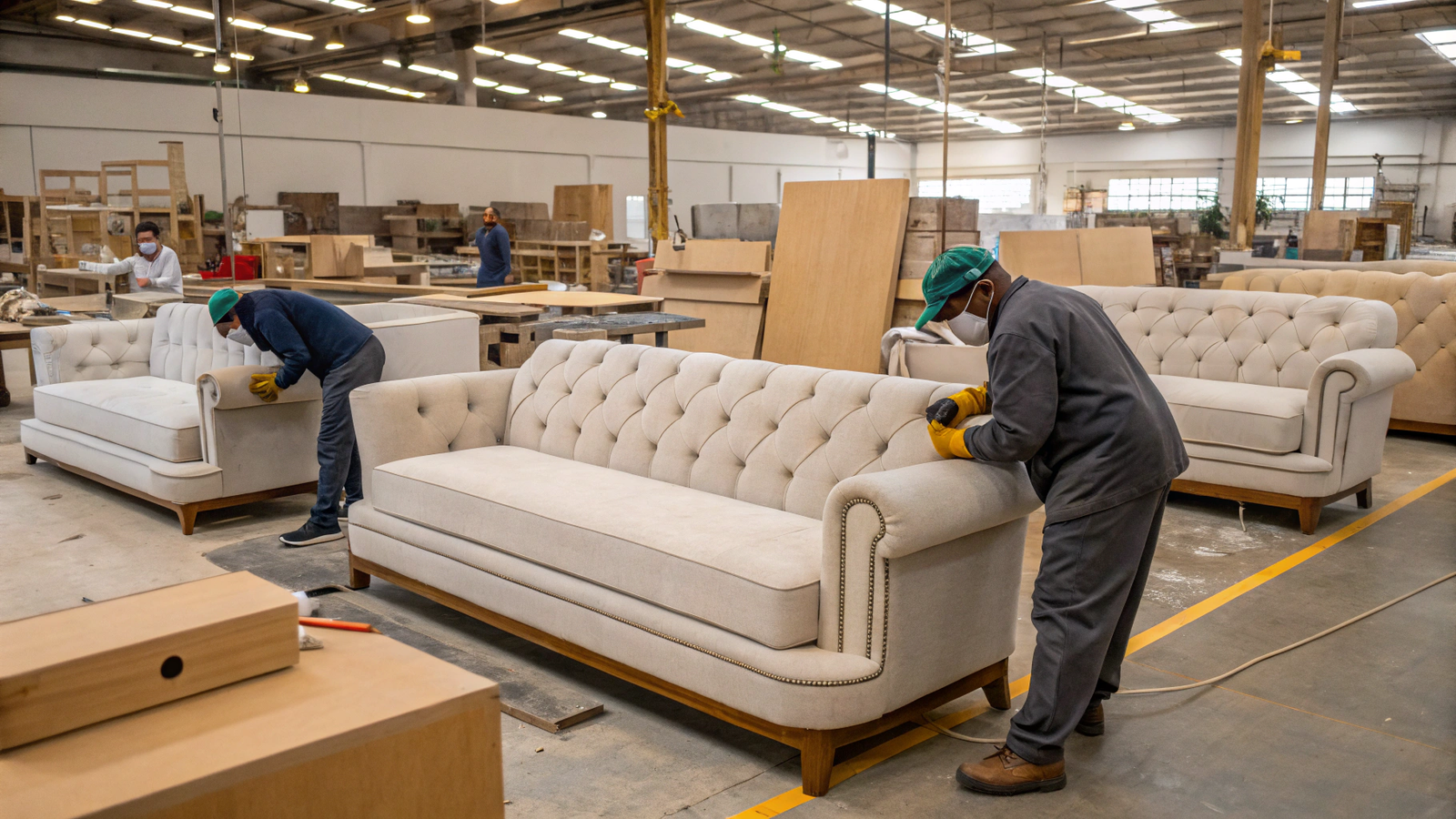
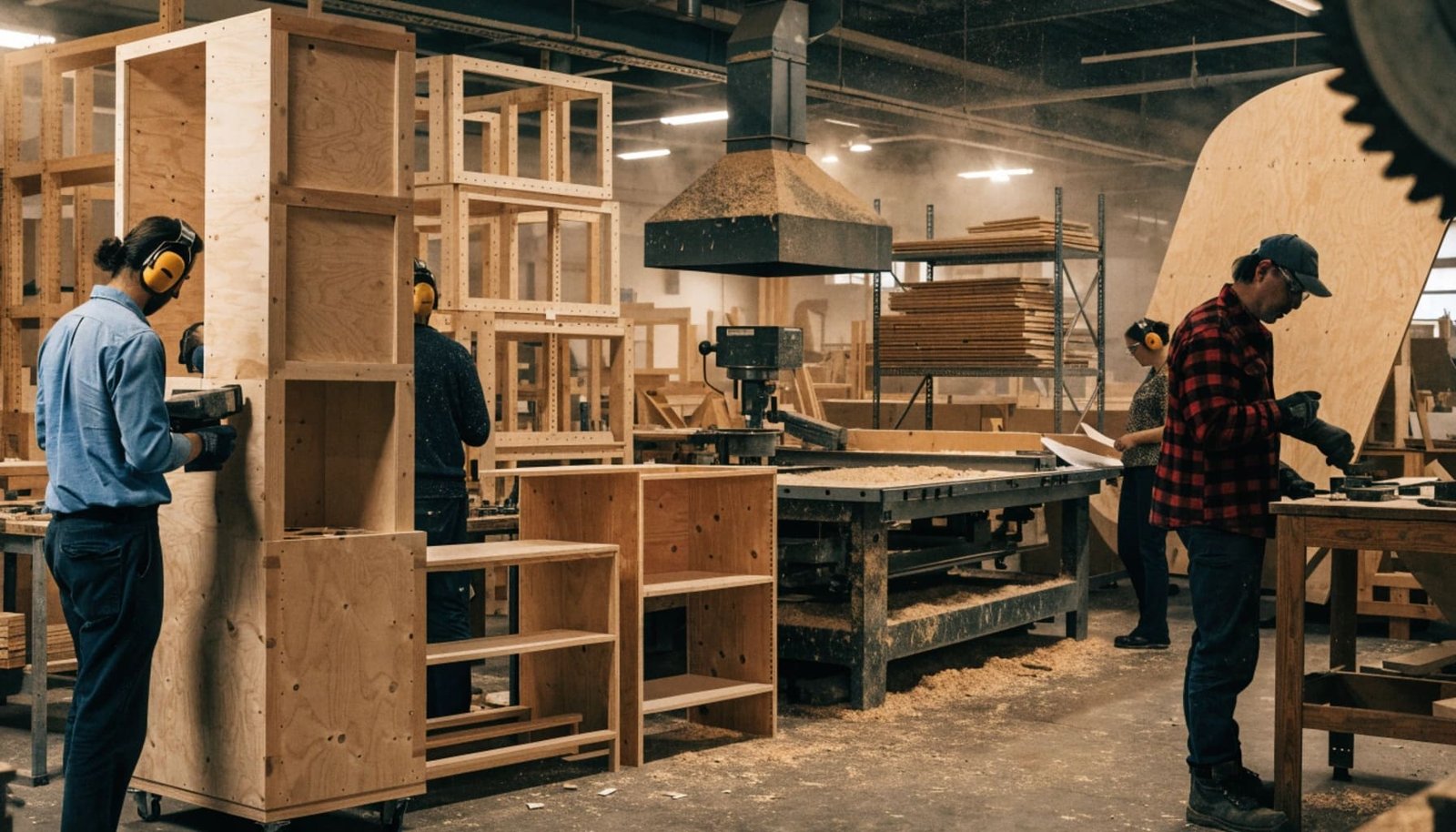
The biggest difference I’ve seen between successful and failed projects comes down to the manufacturer’s control over their own process. When we work with a company like ours, NEXTOP, we handle everything under one roof. The engineering team that reviews the drawings is in the same building as the team that builds the frame and the team that upholsters the cushions. If there’s a problem, we solve it instantly. I’ve seen the alternative, where a brand acts as a middleman. They send drawings to one factory for the frame, another for the upholstery, and a third for the metal legs. When the pieces arrive for assembly, they don’t fit. The finishes don’t match. The project gets delayed for weeks while everyone blames someone else. A manufacturer with a unified production system eliminates these headaches. They own the quality from start to finish.
The Power of One-Stop Execution
When a single company manages the entire workflow, you get a better result. This is what we call one-stop execution[^12].
- Unified Engineering[^13]: The people who draw the plans understand the people who build them. This means designs are practical and built to last. It avoids a situation where a designer draws something that looks good but is structurally weak.
- Consistent Quality Control[^14]: A dedicated QC team inspects the product at every stage: after the frame is built, after the springs are set, after the foam is cut, and after the final upholstery. This catches small problems before they become big ones.
- Material and Finish Matching[^15]: When furniture and metal works are produced in the same facility, you can guarantee that the wood finish on the casegoods perfectly matches the wood on the sofa legs. The metal finishes are consistent across the entire project. This level of coordination is nearly impossible with multiple suppliers.
The Result: Reliability and Confidence
Working with a manufacturer who controls their process gives you peace of mind. You get clear, reliable reporting with photos and videos throughout production. You know that what you approved in the sample stage is what you will receive in the final delivery. It turns the complex process of creating custom furniture into a smooth, predictable experience. You are not just buying a product; you are buying the confidence that it will be delivered correctly and on time.
Conclusion
The best sofa comes from a maker who values engineering over marketing[^16]. Prioritize a strong frame, quality materials, and a transparent, unified production process for a piece that truly lasts.
[^1]: Understanding the internal structure helps you choose a sofa that won’t sag or break, ensuring long-term comfort and durability.
[^2]: Learn how to assess a sofa’s durability to make a wise investment that withstands daily use without losing its appeal.
[^3]: Discover why these materials are essential for a stable and long-lasting sofa, preventing future sagging and instability.
[^4]: Learn why particleboard is a poor choice for sofa frames, leading to potential sagging and instability.
[^5]: Find out how these woods prevent warping and cracking, ensuring a durable and stable sofa frame.
[^6]: Explore this joinery method to understand its role in enhancing the strength and longevity of your sofa.
[^7]: Find out why this premium suspension system is preferred for its superior comfort and even support.
[^8]: Understand the importance of foam density in maintaining a sofa’s shape and comfort over years of use.
[^9]: Learn how this score measures fabric durability, helping you choose a sofa that resists wear and tear.
[^10]: Understand this fabric durability test to ensure your sofa’s upholstery can withstand regular use.
[^11]: Discover the benefits of HR foam for long-lasting comfort and support in your sofa cushions.
[^12]: Explore how this approach ensures consistent quality and coordination in your furniture purchase.
[^13]: Learn how this integrated approach leads to practical, durable designs that meet high-quality standards.
[^14]: Discover how regular inspections at every production stage ensure a high-quality final product.
[^15]: Find out why consistent finishes across all components are crucial for a cohesive and high-quality sofa.
[^16]: Learn why focusing on engineering ensures a durable, high-quality sofa rather than just a well-marketed one.