Introduction
You struggle to keep furniture project budgets low. High costs hurt your profit. I will show you why IKEA succeeds and how their methods can help your next project.
IKEA is so good at making furniture because they design products based on a set price tag. They also master flat-pack shipping, use simple modular parts, and invent smart material swaps. These four rules allow them to make good designs at the lowest cost.
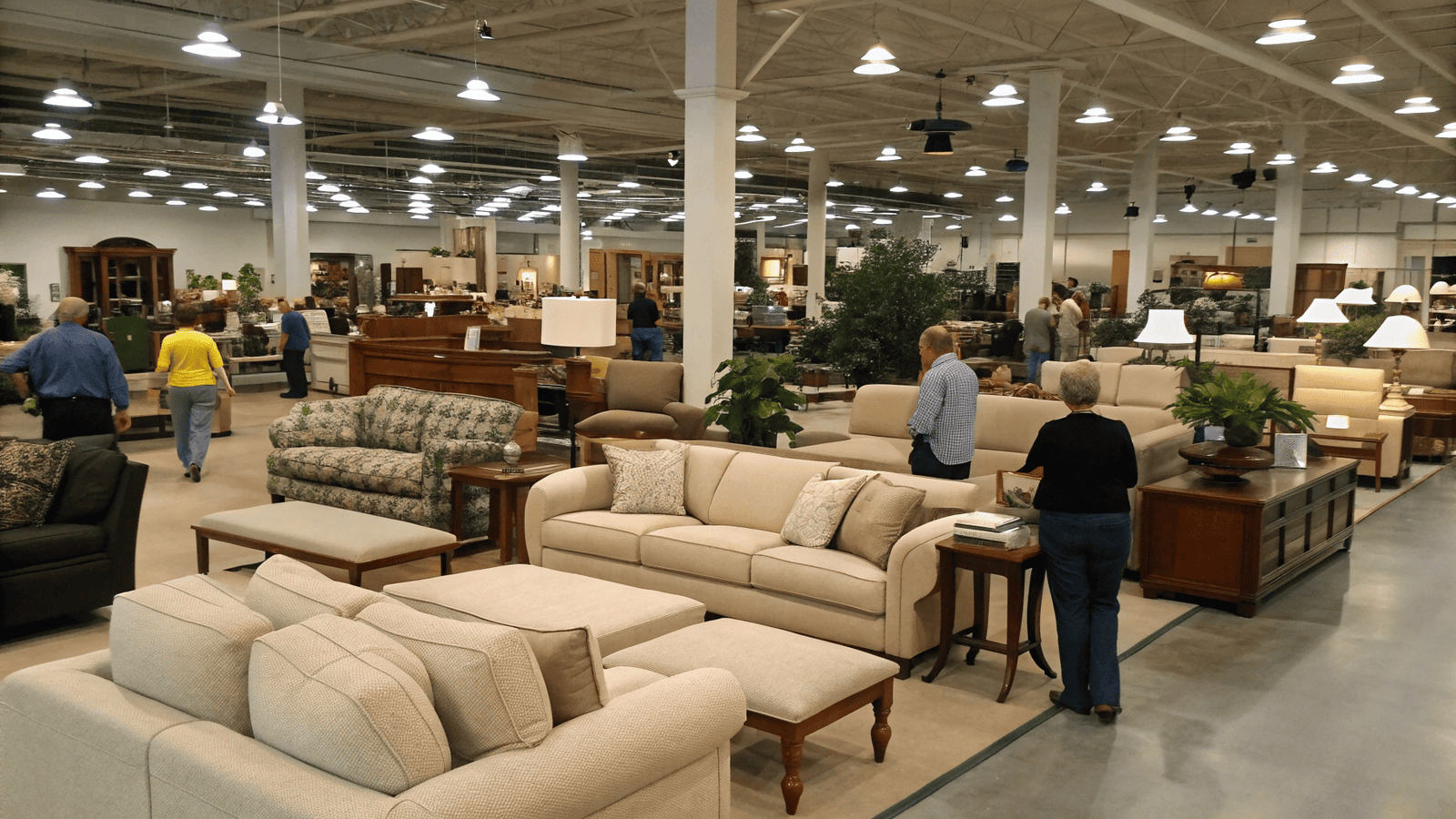
I remember walking into an IKEA store ten years ago. I wanted to furnish my first small office. I saw a nice desk for just twenty dollars. I could not believe it. I asked myself how they made money. Today, I run a custom furniture factory at NEXTOP. I work with big hotel groups and interior design studios. I now understand the secret behind that twenty-dollar desk. You might think they just use cheap materials. The truth is much smarter than that. Let us look at the exact rules they follow.
Why does IKEA design products based on the price tag first?
Designers often draw a beautiful chair and then panic over the high production cost. This ruins your budget. IKEA solves this by picking the exact price before they draw.
IKEA sets a low retail price first, like $19.99. Then, engineers work backward to design the chair to fit that exact budget. They calculate waste, change parts, and cut extra costs. This backward cost planning is their biggest secret to success.
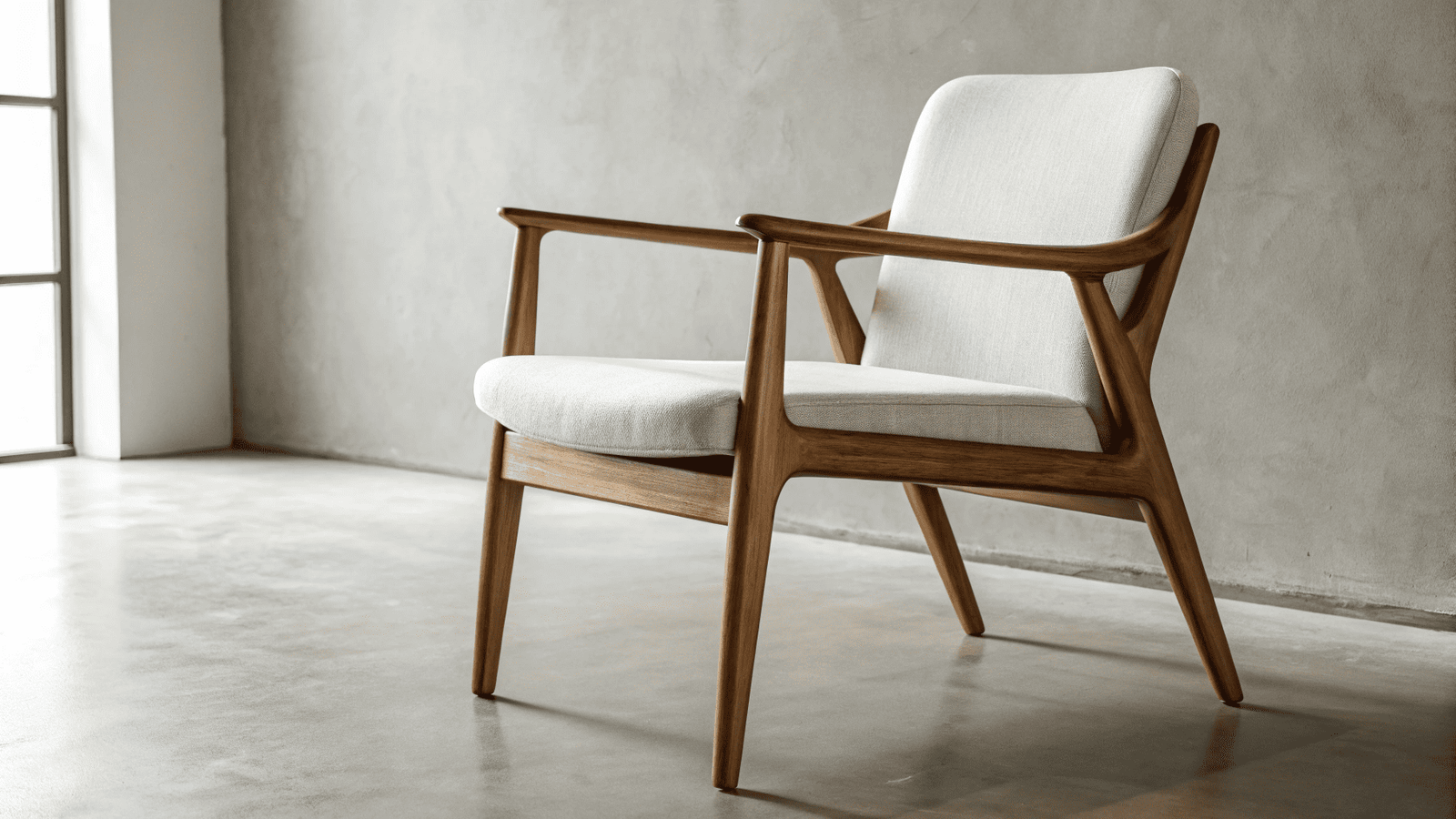
At NEXTOP, we usually get custom drawings from clients. We then quote a price based on the materials and labor. IKEA flips this normal process upside down. I call this extreme cost planning. You force creativity when you set a hard price limit. You cannot just use standard methods. You must rethink everything about the product.
How Backward Planning Works
The design team must squeeze out all unnecessary costs. They measure how to cut wood boards. They want zero waste. They change the inner structure of cushions. They even redesign the metal screws. They do all this without losing the good look of the furniture.
Normal Rules vs. IKEA Rules
Feature | Normal Furniture Making | IKEA Price-Driven Method |
Starting Point | Shape and beauty | Retail price tag |
Material Choice | Picked to match the look | Picked to fit the budget |
Waste Control | Acceptable scrap amount | Near-zero waste target |
Profit Margin | Added at the end | Built into the start |
This method creates a strong wall against competitors. No one else can easily copy their low prices. We learn a lot from this at NEXTOP. We also look at the target budget first when we do value engineering for big hotel projects. We then suggest smart changes to the drawings. This helps our clients stay on budget and still get great furniture.
How does flat-pack shipping make IKEA so much money?
Shipping bulky furniture costs too much. High freight bills eat up your project profits. Flat-pack shipping solves this by removing empty air from the shipping boxes.
IKEA is actually a giant shipping company. Their flat-pack boxes save huge money on global shipping and warehouse space. They also make the customer do the final assembly work. This cuts labor costs and makes buyers love what they build.
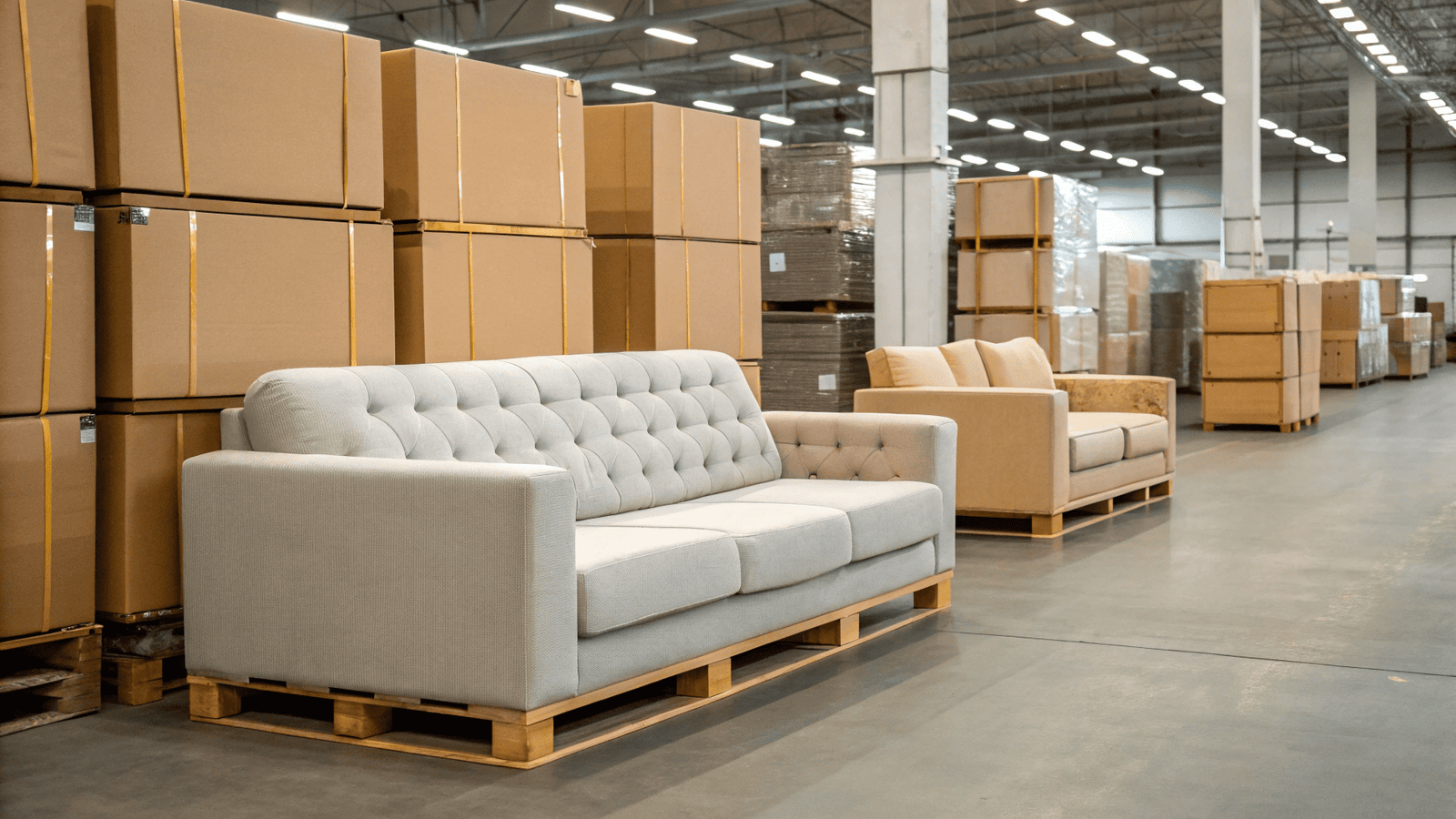
The biggest pain in the furniture business is shipping air. A fully built sofa takes up too much room in a truck. The shipping cost is often higher than the actual product cost. I deal with ocean freight every day at NEXTOP. I know how expensive shipping containers are. IKEA solves this huge problem with flat boxes.
The Two Levels of Cost Saving
First, flat boxes stack perfectly. They fill every inch of a shipping container. This drops the global freight cost to almost nothing per item. Second, they push the final assembly to the buyer. Factory labor is expensive. Home labor is free.
The Hidden Mind Trick
There is a hidden mind trick here. You feel proud when you build a table with your own hands. You value that table more.
Shipping Step | Normal Furniture Brand | IKEA Flat-Pack System |
Factory Work | 100% finished in factory | 0% finished in factory |
Shipping Space | Ships mostly empty air | Ships solid, dense boxes |
Final Labor | Paid factory workers | Free consumer labor |
Customer Feeling | Just another bought item | Proud owner and builder |
This strategy pushes production steps to the outside world. It keeps their profit margins very high. We also try to pack smart when we pack custom casegoods for our hospitality clients. We want to save container space for our buyers.
Why do IKEA products fit perfectly in any room around the world?
You struggle to match different furniture styles in your projects. Mismatched items look bad and confuse buyers. IKEA fixes this by using simple blocks that fit everywhere.
IKEA builds products using a block system. They create basic shapes without a strong specific style. This allows their shelves to fit a tiny apartment or a large family home. This global design language ensures very fast inventory sales.
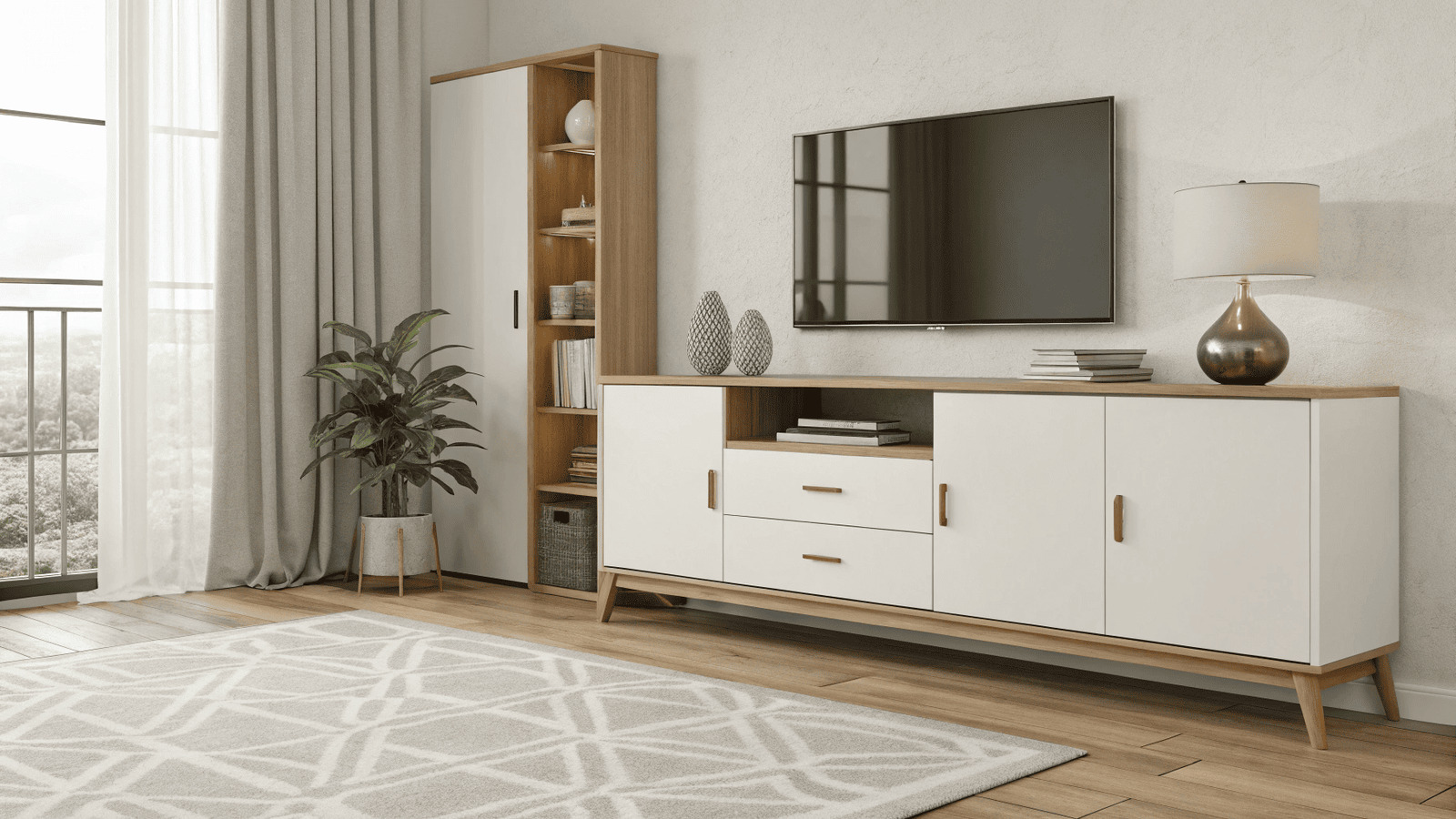
IKEA does not sell a specific local style. They sell a global room language. I see many interior designers struggle with trends. Trends change fast. Dead inventory kills a business. IKEA avoids this trap with their block system.
Building Blocks for Adults
Think about their famous square shelves or tall bookcases. They are like toy building blocks for adults. You can stack them. You can add doors. You can put baskets in them. They solve space problems anywhere in the world. They strip away heavy decorations. I call this basic styling.
The Formula for Fast Sales
They mix basic, boring items with a few bright, trendy items. This mix works perfectly to sell items fast.
Product Type | Design Trait | Business Benefit |
Basic Blocks | Simple, no strong style | Fits any room, zero dead stock |
Add-on Parts | Drawers, colored boxes | Lets buyer change things easily |
Trendy Items | Bright colors, new patterns | Attracts attention in the store |
They do not just sell a desk. They sell a basic frame. You can expand this frame forever. We apply this idea to hotel rooms at NEXTOP. We use standard inner boxes for wardrobes. We only change the outer doors and finishes. This speeds up our production and keeps the quality very stable.
How does IKEA make cheap materials act like expensive solid wood?
Solid wood is too expensive and heavy for large projects. Your budget breaks when you use it everywhere. IKEA uses smart material science to replace heavy wood with light alternatives.
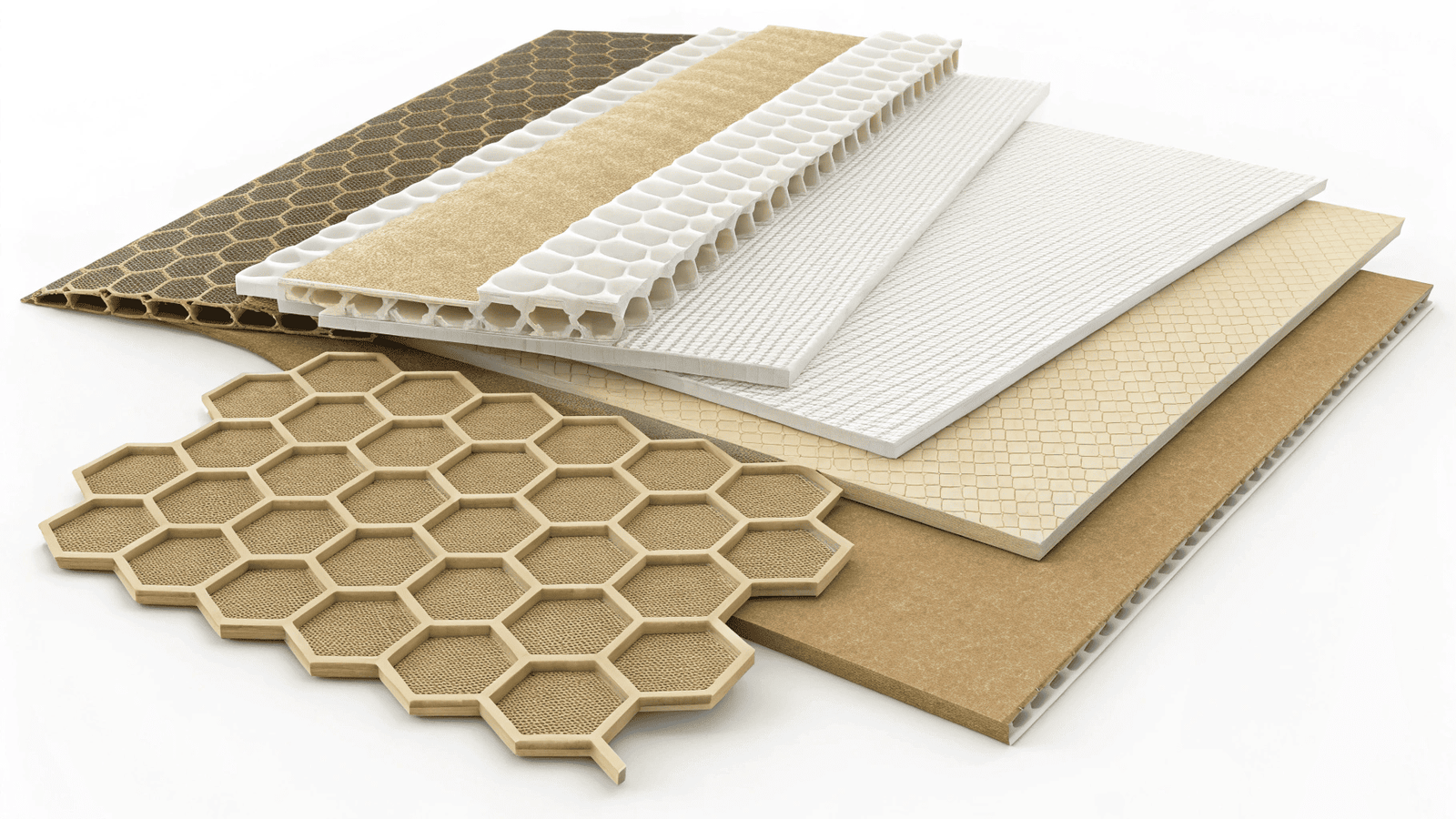
IKEA is great at swapping expensive materials for cheap ones. They use paper shaped like a honeycomb inside thick table tops. This makes the table look heavy and expensive. The table stays very light, strong, and incredibly cheap to make in huge numbers.
Many new buyers in the furniture industry only want solid wood. I hear this a lot at NEXTOP. But solid wood cracks. It is heavy. It costs too much to ship. IKEA understands the limits of old materials. They push the limits of what is possible with cheap swaps.
The Honeycomb Paper Secret
Their biggest trick is the paper core. They take two thin layers of wood veneer. They put stiff paper shaped like a bee’s honeycomb in the middle. They glue it all together.
Looks Heavy But Feels Light
The final table looks two inches thick. It looks very expensive. But you can lift it with one hand. It can hold a lot of weight on top.
Material Type | Visual Look | Physical Weight | Production Cost |
Solid Oak Board | Thick and rich | Very heavy | Very high |
Honeycomb Board | Thick and rich | Very light | Extremely low |
This is a brilliant engineering choice. They test the exact limits of material strength. They deliver high visual value at super low costs. We also use hollow metal frames and smart veneers in our commercial fit-out projects. We give the client the high-end look they want without the massive weight and cost.
Conclusion
IKEA succeeds through strict price-first design, flat-pack boxes, simple building blocks, and smart material swaps. These four rules create perfect, low-cost furniture solutions for the entire world.