Introduction
You worry about custom furniture failing after a few months. Warped doors and broken joints ruin your project. We solve this by combining smart engineering with precise manufacturing.
We make high-quality custom furniture by using preventive engineering, controlling material moisture, applying CNC digital precision, and managing the final delivery process. This system ensures every piece matches your design perfectly and lasts for years in tough commercial environments.
Many people think good furniture is just about beautiful wood and shiny metal. I used to think the same way until a major hotel project taught me a hard lesson about hidden flaws. True quality hides beneath the surface. If you want to know how we build pieces that survive heavy daily use without losing their beauty, keep reading.
Why does preventive engineering matter for custom furniture?
Cracks and warped panels destroy beautiful designs. You hate replacing damaged furniture in a busy hotel. We prevent this by doing structural engineering before we start production.
We use preventive engineering to stop physical stress and climate damage before they happen. We place hidden metal straighteners inside tall doors[^1]. We also improve traditional mortise and tenon joints with strong metal supports. This keeps your furniture perfectly aligned for decades.
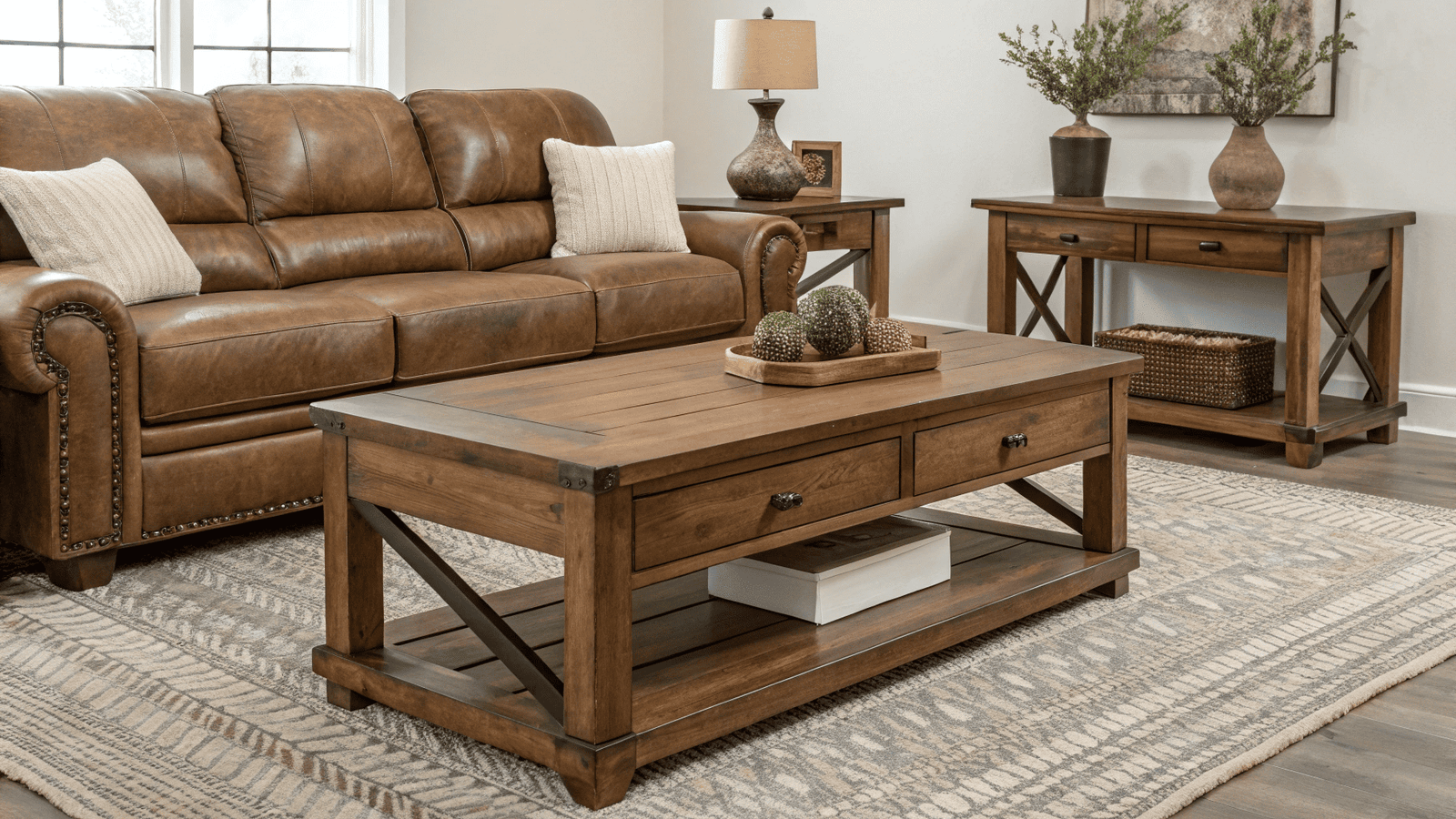
I always tell my clients that high quality is not just a smooth surface. It is a long fight against physical stress. Environmental changes, like temperature and humidity shifts, are the biggest challenges for custom furniture.
Breaking Down the Structural Defenses
We introduce engineering analysis during the design stage. We call this “front-loaded structure.” We predict physical flaws and compensate for them early. For example, a tall wardrobe door will naturally bend over time. We do not wait for it to bend. We embed hidden straighteners inside the panel[^2]. We also mix old wood joints with modern metal hardware. This hybrid method adds incredible strength to the final product.
I remember a villa project in a very humid area. The client worried about the wood cracking. We used our preventive engineering system. Five years later, the furniture still fits together perfectly.
Here is how we handle common structural risks:
Risk Factor | Traditional Method | Our Preventive Engineering |
Tall Door Warping | Thicker wood | Hidden metal straighteners |
Joint Loosening | Glue and wood dowels | Mortise and tenon with metal brackets |
Climate Changes | Basic drying | Stress-relief cuts and expansion gaps |
This early planning is our core strength. It makes sure your project stays flawless long after the grand opening.
How do we manage the lifecycle of our materials?
Cheap materials look bad and break easily. Finding matching wood grains is a nightmare. We solve this by tracking every single board from the source to the finish.
We manage material lifecycles by strictly controlling moisture content and bookmatching wood grains. We dry the wood twice so it adapts to your project climate. We also use wood from the same source to keep colors and patterns perfectly unified.
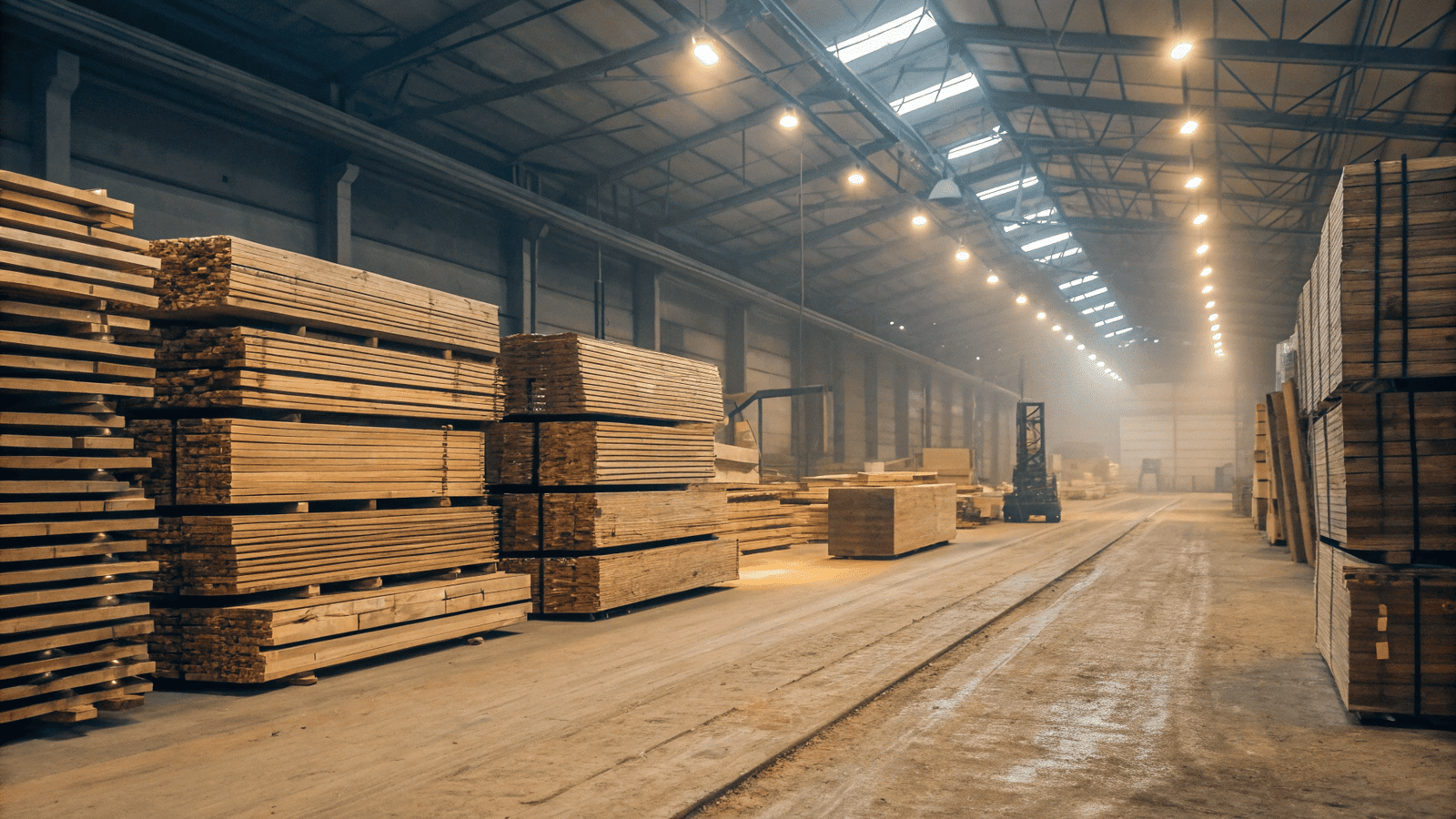
Top-level custom work is not just about buying expensive wood. It is about choosing the right batch and treating it correctly. The biggest gap in this industry is the lack of strict moisture control.
The Science of Wood Selection
High-quality manufacturing requires deep care for the raw materials. We put every single wooden board through a secondary drying and resting period[^3]. This step is crucial. It forces the wood to adapt to the specific climate of your project destination.
I once visited a luxury hotel where all the veneer colors clashed. It looked cheap. We prevent this by following a strict “one wood source” rule. We make sure all panels for a room come from the exact same log. This guarantees continuous colors and flowing grain patterns.
We use digital tracking to follow the materials[^4] from the very beginning. This gives every piece of furniture a unified, artistic look.
Material Control | Standard Practice | Our Lifecycle Management |
Moisture Content | Dried once at the mill | Dried twice and rested for local climate |
Wood Grain | Random matching | Bookmatching from a single source |
Visual Unity | Noticeable color gaps | Seamless, artistic flow |
We respect the materials. This respect turns raw wood into dependable, beautiful furniture.
Can digital precision fix traditional manufacturing errors?
Human errors cause uneven gaps and bad joints. You waste time fixing these mistakes on site. We use digital machines to guarantee millimeter-level accuracy every time.
Digital precision removes human measuring errors. We use 5-axis CNC machines and laser edge banding[^5] to achieve sub-millimeter tolerances. This technology creates zero-gap splicing[^6] and handles complex shapes easily. What you see in the design drawing is exactly what you get.
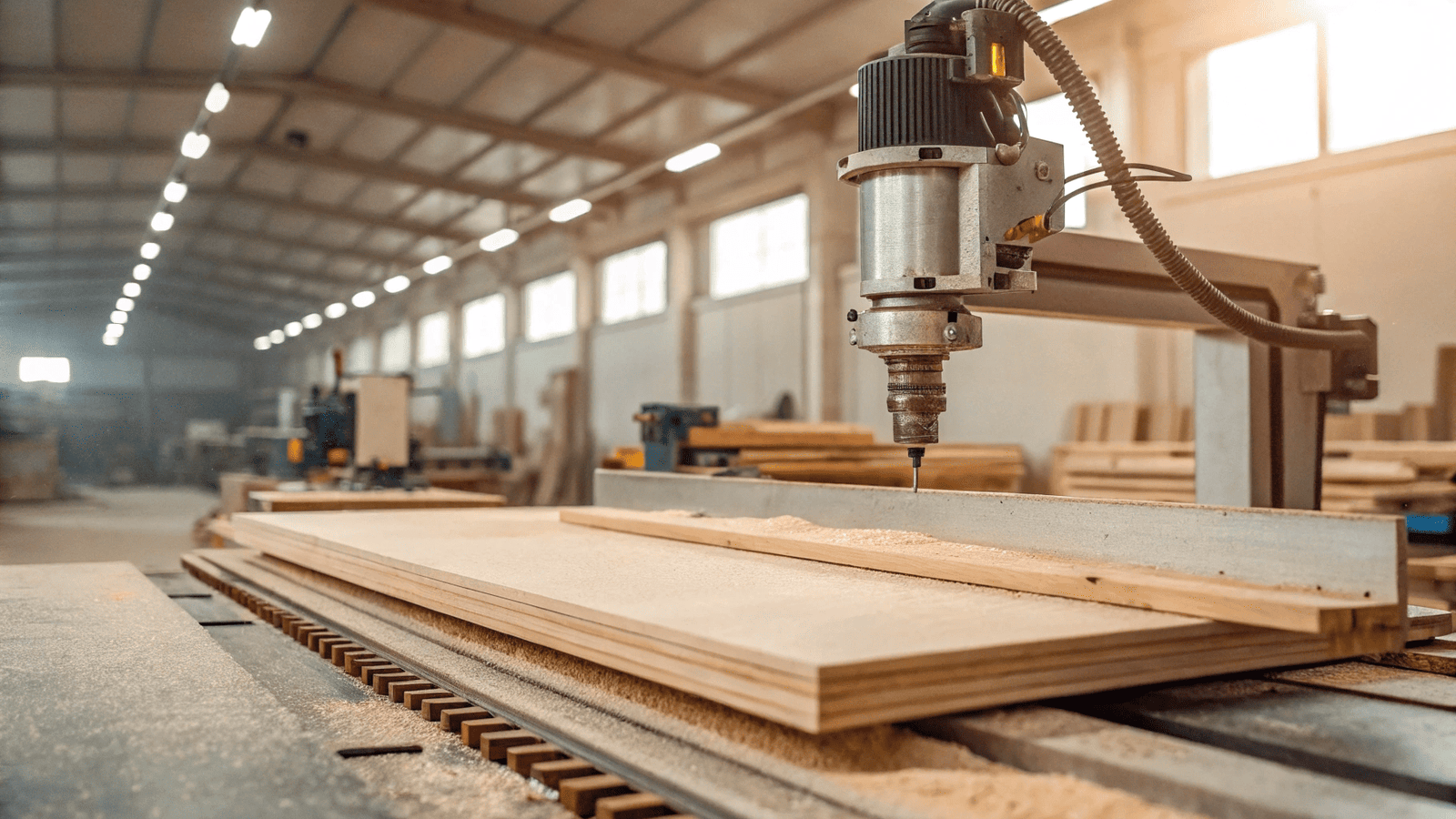
Handcrafted details have a certain charm, but true precision must come from machines. In today’s manufacturing world, the true mark of high-quality custom furniture is zero-gap splicing.
Machine Accuracy Over Manual Guesswork
Real quality comes from combining a 5-axis CNC machining center with laser edge banding technology. We use digital 3D models to drive our production lines directly. This completely removes the risk of stacked errors caused by manual measuring. Traditional carpenters simply cannot cut complex curves or handle difficult edge closures with perfect consistency.
I had a commercial fit-out project with very complex curved desks. The client was nervous because two previous suppliers failed. Our CNC machines cut the pieces perfectly on the first try. The assembly was incredibly smooth.
Here is a breakdown of our digital manufacturing advantages:
Production Step | Manual Woodworking | Digital Precision (CNC) |
Tolerance Level | +/- 3mm | Sub-millimeter accuracy |
Complex Curves | Slow and inconsistent | Fast, exact, and repeatable |
Edge Banding | Visible glue lines | Laser bonding with zero gaps |
This industrial-grade precision gives us absolute confidence. We deliver exact project-ready solutions without any nasty surprises.
Why is full-link control crucial for final delivery?
Great furniture gets ruined by bad handling and poor installation. You hate delays and mismatched finishes at the very end. We control the entire workflow to prevent this.
Manufacturing is only half the battle. We control the full link from engineering to final delivery. We use clear photo and video reporting[^7] to show our strict quality control. This unified system avoids multi-supplier issues and ensures your furniture arrives perfectly ready.
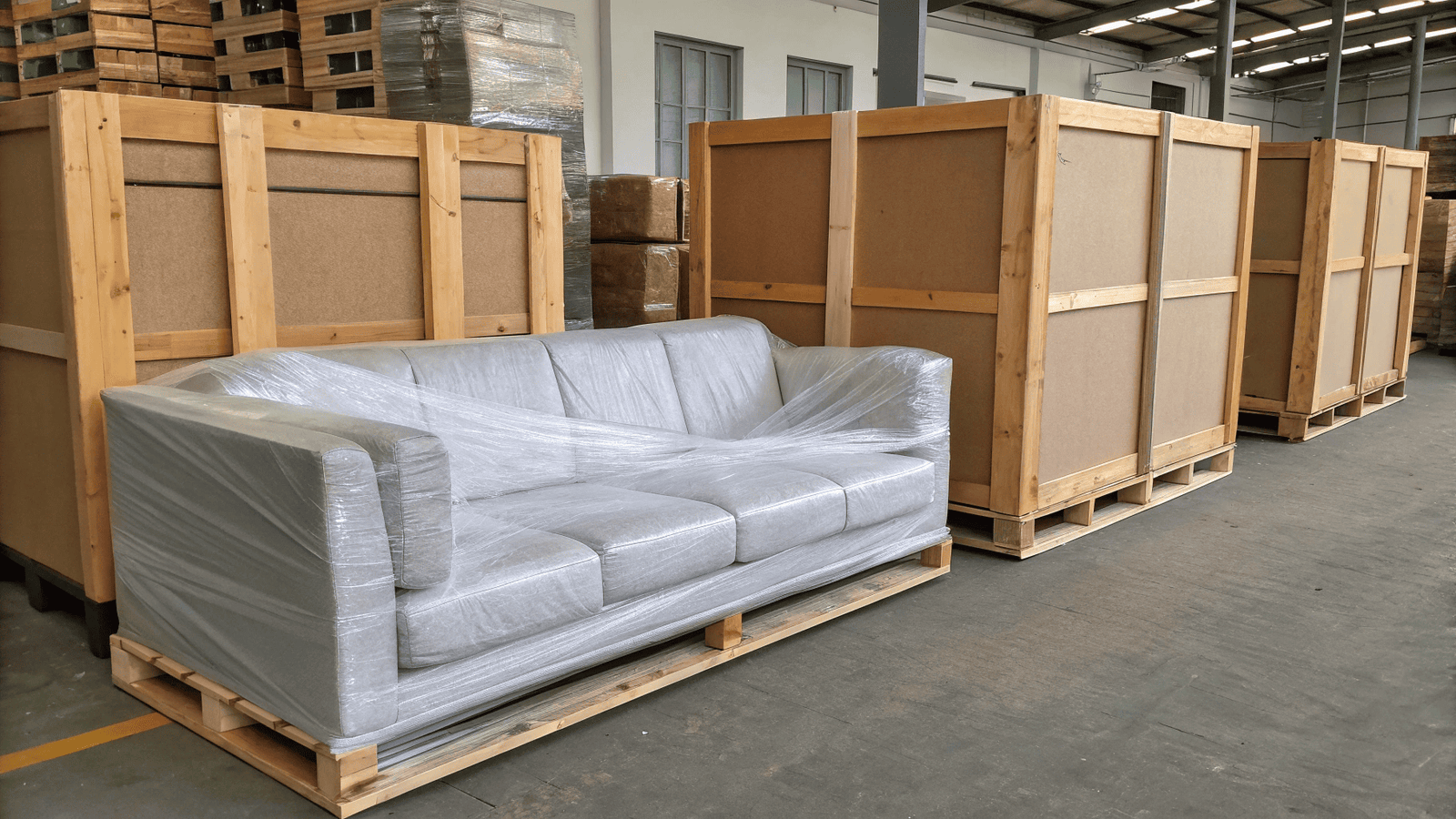
Producing the furniture perfectly in the factory means you are only 50 percent done. The remaining 50 percent depends on the final delivery and coordination. Many high-end designs get destroyed at the very last step.
Closing the Loop on Quality
High-quality manufacturing must extend all the way to the final handover. We handle engineering, sampling, production, finishing, quality control, and logistics under one coordinated system. We even establish strict standards for site coordination. For example, we check site wall deviations with infrared levels before finalizing dimensions[^8]. We demand that installation gaps stay under 1mm.
I recall a massive hospitality project where the contractor used five different suppliers. The metal finishes did not match the wood finishes. It was a disaster. Because we handle both furniture and metal works, we avoid these multi-supplier headaches.
Workflow Stage | Multi-Supplier Chaos | Our One-Stop Execution |
Finish Matching | High risk of mismatch | Unified production and matching |
Quality Tracking | Blind spots in transit | Clear photo and video reporting |
Final Fit | Requires on-site cutting | Pre-engineered for exact fit |
This closed-loop system from the factory floor to your project site is our ultimate guarantee. It ensures consistent quality and smooth communication.
Conclusion
We build high-quality custom furniture through smart engineering, strict material control, digital precision, and a unified workflow. This ensures your project is delivered on time with absolute accuracy.
[^1]: This source explains how hidden metal straighteners can prevent warping in tall furniture doors, providing structural stability over time. Evidence role: mechanism; source type: education. Supports: Hidden metal straighteners prevent warping in tall furniture doors..
[^2]: This source explains how hidden straighteners inside furniture panels prevent bending over time. Evidence role: mechanism; source type: education. Supports: Hidden straighteners inside furniture panels prevent bending over time..
[^3]: This source explains the benefits of secondary drying and resting periods for wood, ensuring stability in varying climates. Evidence role: mechanism; source type: research. Supports: Secondary drying and resting periods improve wood stability for furniture in different climates..
[^4]: This source explains how digital tracking systems ensure material consistency and quality in furniture manufacturing. Evidence role: mechanism; source type: research. Supports: Digital tracking systems ensure material consistency and quality in furniture manufacturing..
[^5]: This source explains how 5-axis CNC machines and laser edge banding achieve sub-millimeter tolerances in furniture manufacturing. Evidence role: mechanism; source type: research. Supports: 5-axis CNC machines and laser edge banding ensure sub-millimeter tolerances in furniture manufacturing..
[^6]: This source explains how zero-gap splicing techniques achieve seamless furniture assembly. Evidence role: mechanism; source type: research. Supports: Zero-gap splicing techniques achieve seamless furniture assembly..
[^7]: This source discusses the role of photo and video reporting in maintaining quality control during furniture production and delivery. Evidence role: mechanism; source type: research. Supports: Photo and video reporting maintain quality control during furniture production and delivery..
[^8]: This source discusses the use of infrared levels to measure site wall deviations for precise furniture installation. Evidence role: mechanism; source type: research. Supports: Infrared levels help measure site wall deviations for precise furniture installation.