Introduction
Have you seen stunning metal art online, only to have it arrive looking cheap and flimsy? This disconnect is frustrating. Your home deserves better than a piece that undermines your design’s integrity.
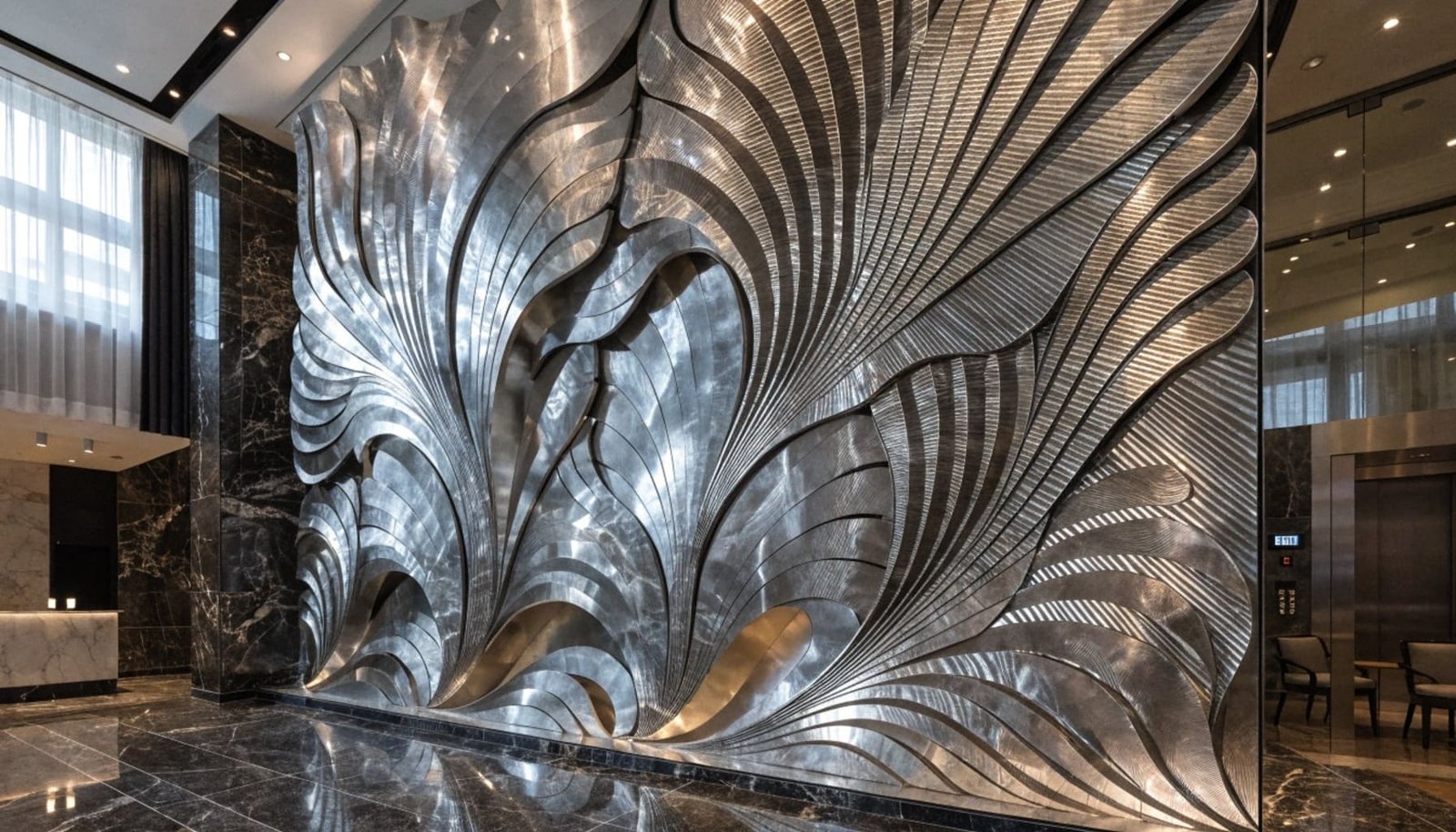
The key is to stop treating metal decor like a disposable accessory. Instead, think of it as a miniature architectural sculpture. This requires sourcing it from an engineering-focused factory that provides detailed drawings and uses industrial-grade materials and techniques to ensure it fits your space and lasts for decades.
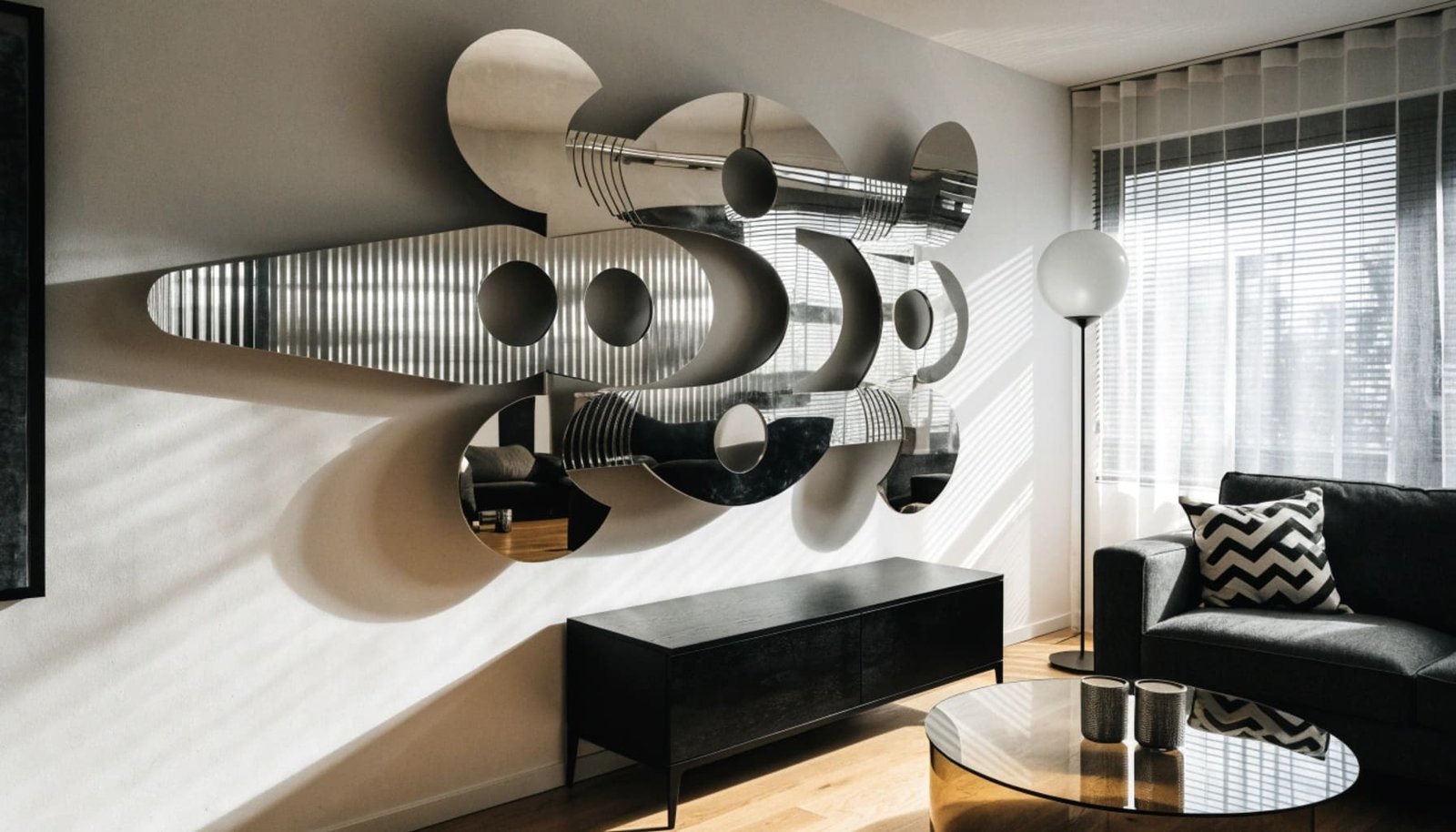
This shift in perspective is everything. I’ve seen too many clients disappointed by an off-the-shelf purchase that looked incredible in a photo but felt like a thin piece of tin in reality. The scale was wrong, the corners were rough, and after a year, it was covered in fingerprints and tarnish. True custom metalwork is a permanent feature, an investment that should be chosen with the same care as your stonework or architectural finishes. It’s about bringing a vision to life with precision and quality that you can see and feel every day.
What Are the Hidden Traps of Consumer-Grade Metal Decor?
That low price on a retail metal art piece is tempting. But it often hides future costs in repairs, replacements, and general disappointment. Understanding these common pitfalls is the first step to avoiding them.
Consumer-grade decor often suffers from poor scaling due to a lack of shop drawings, surfaces that quickly tarnish and degrade, rough welds that cheapen the look up close, and unsafe mounting systems that pose a risk to your walls and your family.

Let’s dive deeper into the specific problems I see time and again with mass-market metal art. These issues aren’t just minor annoyances; they can undermine the entire aesthetic of a high-end space and even create safety hazards.
1. "Empty" Proportions and No Drawings
Retail metal art is typically offered in a few standard sizes, often promoted with rendered images that don’t reflect reality. Without 1:1 shop drawings that audit the scale against your specific wall, a piece can look comically small in a grand entryway or bulky and awkward against a delicate feature wall. I once had a designer tell me about a large piece they ordered for a double-height living room. On the website, it looked majestic. In reality, it was lost on the vast wall, completely failing to make the intended statement. This is because consumer-grade products are not designed for your space; they are designed for mass production.
2. "Disposable" Surfaces and Quick Oxidation
To keep costs down, retail pieces often use cheap spray paint or basic electroplating. These finishes are not made to last. In humid environments like a bathroom or a coastal home, or with frequent touching, they can begin to bubble, peel, or tarnish in as little as a year. You’ll notice ugly, dark smudges from fingerprints that can’t be wiped away. This surface degradation is progressive, meaning the piece will continue to look worse over time, quickly losing the “wow” factor it had on day one.
3. Rough Welds and Visible Flaws
The true quality of metalwork is revealed in the details. On cheap pieces, the corners and joints are a dead giveaway. You will find messy weld marks, uneven surfaces from poor grinding, and discoloration from heat. From a distance, you might not notice. But up close, where details matter, these flaws instantly shatter the illusion of luxury. It’s the difference between an object that feels solid and seamless and one that feels hastily assembled in a workshop focused on quantity over quality.
4. Unsafe Mounting and Falling Risks
This is perhaps the most critical flaw. A large, three-dimensional metal sculpture can be quite heavy. Yet, many consumer-grade pieces come with nothing more than a simple keyhole or a flimsy hook on the back. This is completely inadequate for safely distributing the weight, especially on drywall or expensive stone backdrops. The piece can shift, hang unevenly, or, in the worst-case scenario, fall and cause significant damage or injury. A proper installation should be as well-engineered as the art itself.
What Standards Should We Look For in a High-End Metal Art Factory?
If you want metal art that looks like it was born in your space and will last a lifetime, you need to know what to ask for. How can you tell a top-tier factory from a simple workshop? Look for these four non-negotiable engineering standards.
A true contract-grade factory provides micron-level shop drawings and 3D models, uses archival materials with advanced PVD coatings, employs micro-welding for seamless joints, and engineers concealed, heavy-duty mounting systems for a flawless and safe installation.

These standards are the foundation of our work at NEXTOP. We believe that custom metal art is a blend of artistic vision and industrial precision. It’s not just about making something that looks good; it’s about engineering a solution that performs for the long haul. Here is what you should demand from any custom metal fabricator.
1. Micron-Level Drawing Refinement
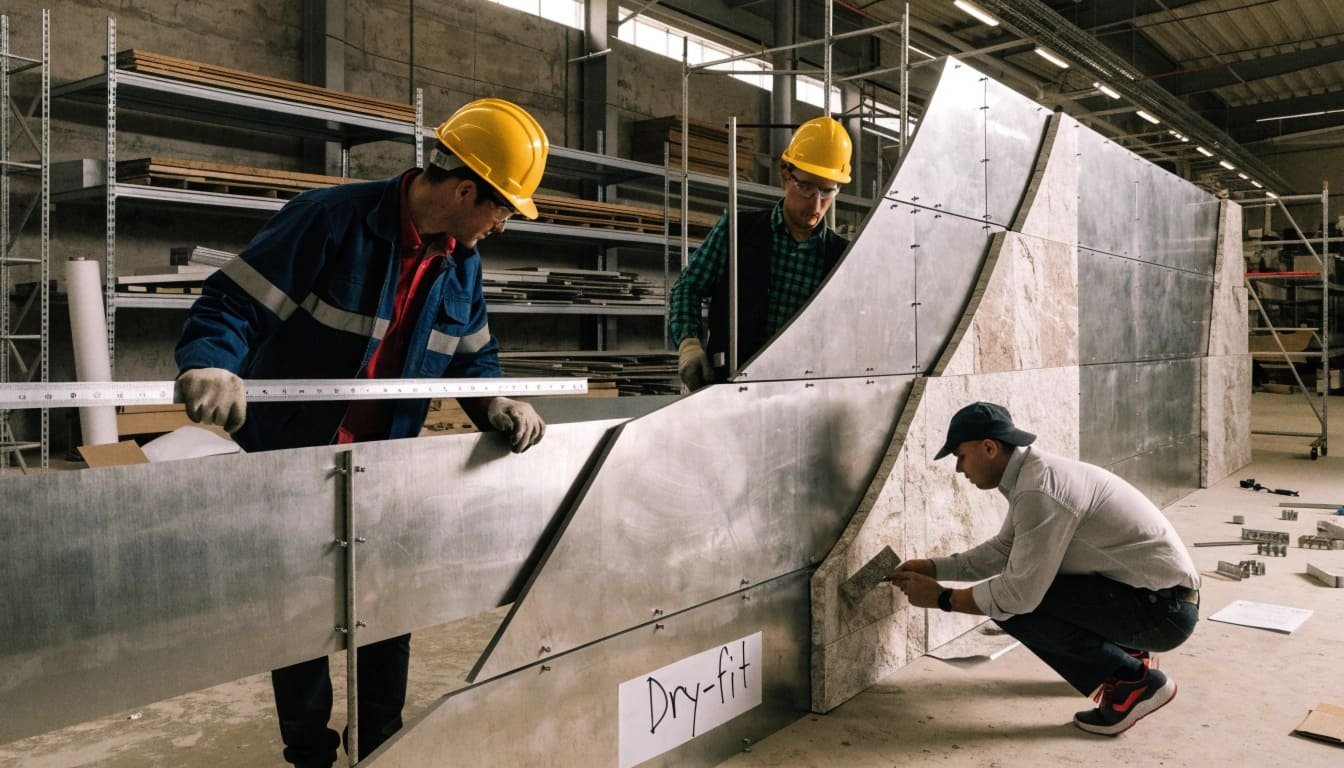
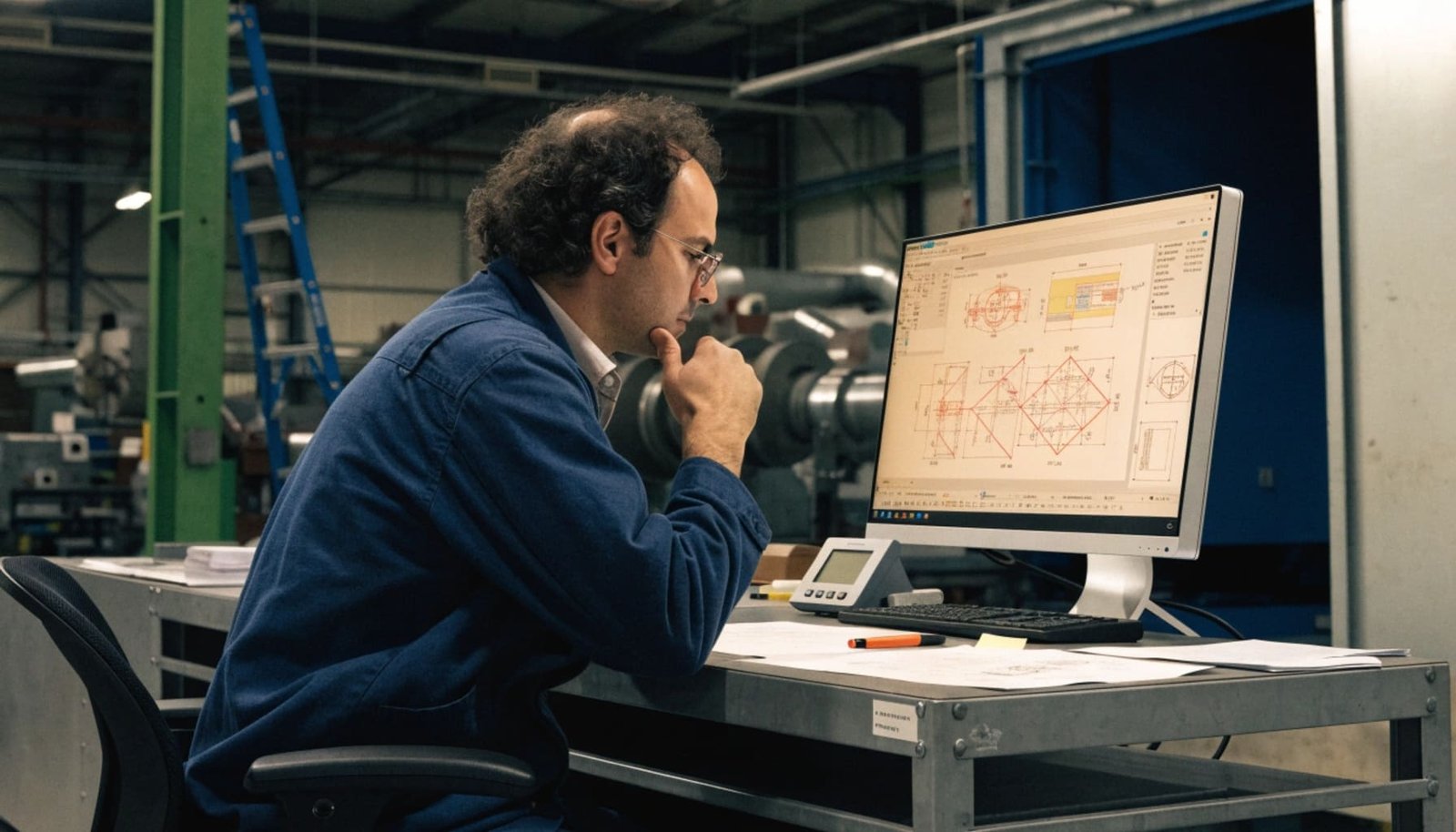
Before any metal is cut, a high-end factory should produce detailed 1:1 shop drawings and 3D models. This process isn’t just about confirming dimensions; it’s about perfecting proportions, analyzing how light and shadow will interact with the form, and ensuring the piece complements surrounding furniture and architectural elements. We also provide 1:1 material and finish samples for review. This allows you, the designer, or the homeowner to see and feel the exact finish, texture, and color before committing to full-scale production. It removes all guesswork.
2. Museum-Grade Weatherproof Protection
The material itself is only half the story; the surface finish determines its longevity and ease of maintenance. We start with superior base materials like 304/316L medical-grade stainless steel. Then, we apply advanced coatings like Physical Vapor Deposition (PVD). PVD is a process that molecularly bonds a thin layer of durable metal (like titanium) to the surface, creating a finish that is incredibly resistant to scratches, corrosion, and fading. To top it off, we add an Anti-Fingerprint (AF) nano-coating. This means the surface stays pristine and can be cleaned with just a damp cloth, retaining its beauty for decades without tarnishing.
3. Micron-Level Seamless Welding
To achieve a truly monolithic, sculptural feel, the joints must be invisible. We use Tungsten Inert Gas (TIG) welding, a precision technique that allows for meticulous control. Our skilled artisans then engage in multiple stages of hand-grinding and polishing. The goal is to control the seam tolerance to within ±0.15mm—a level of precision that makes the joint virtually undetectable to the touch and the eye. The final piece feels solid, smooth, and seamlessly integrated, as if it were carved from a single block of metal.
4. Concealed Structural Support Systems
A heavy, valuable piece of art deserves an equally robust mounting solution. We engineer a concealed armature or internal frame, often using lightweight aluminum honeycomb or a carbon steel skeleton, to provide structural rigidity without adding unnecessary weight. This frame integrates with a French cleat system—a set of interlocking brackets that distributes the weight of the artwork evenly and securely across the wall. This professional method ensures the art hangs perfectly flush with a wall tolerance of 2mm or less, creating a clean, floating effect with no visible hardware.
How Does Cheap Decor Really Compare to Contract-Grade Quality?
Is the price difference between a generic online purchase and a custom-engineered piece really justified? When you look at the details, the compromises made for a lower price become glaringly obvious. Let’s compare them side-by-side.
The difference is stark. Contract-grade art is defined by precise engineering drawings, invisible seams, highly durable surfaces that resist wear, and robust mounting systems designed for safety and a flawless aesthetic. Cheap decor consistently fails on every one of these critical points.
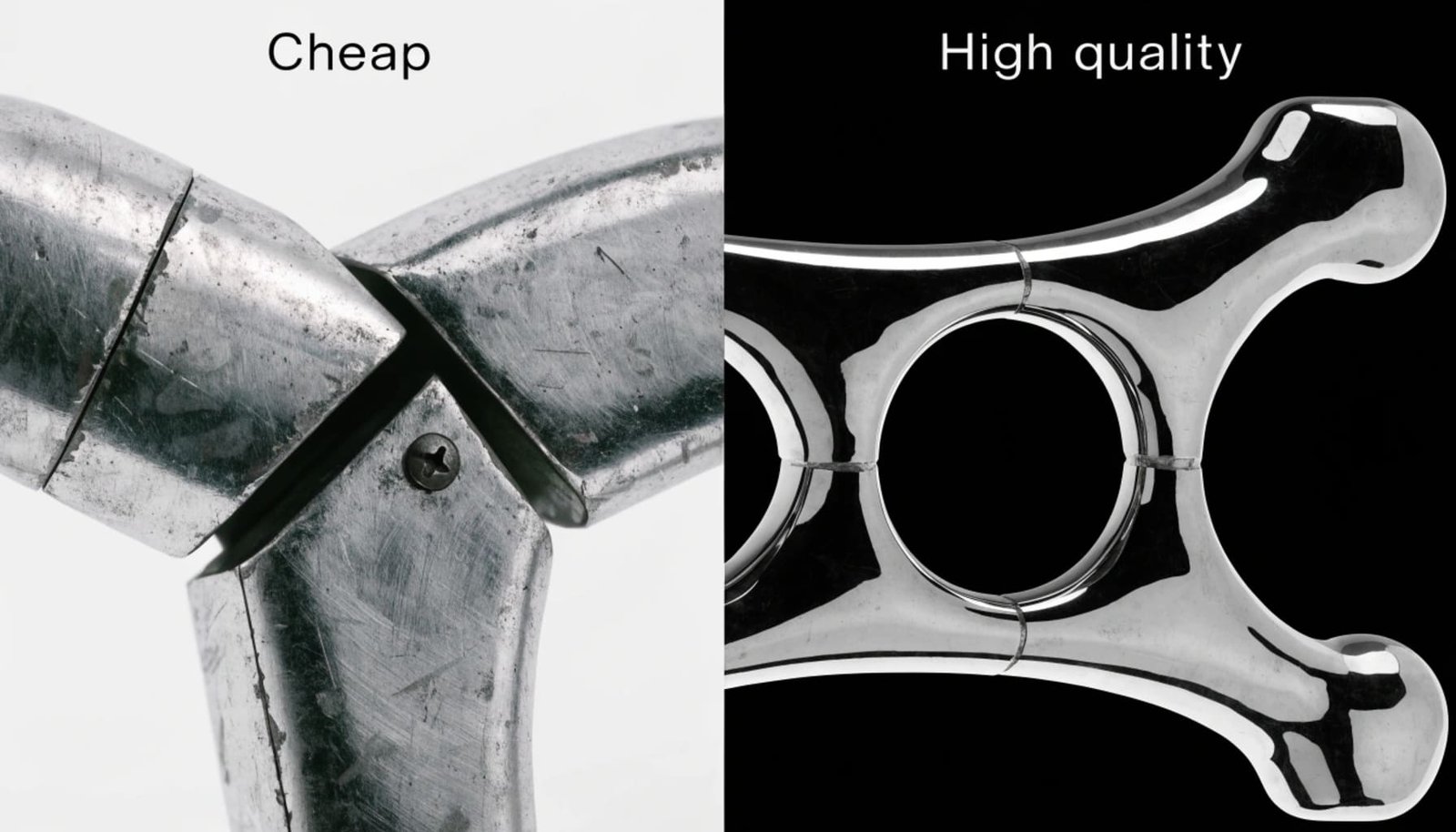
This isn’t just a matter of “good” versus “bad.” It’s a fundamental difference in philosophy. Consumer-grade items are made for a single transaction. Contract-grade pieces, like the ones we create, are built for a long-term relationship with the space they inhabit. The initial investment in quality pays for itself through longevity, zero maintenance, and the peace of mind that comes with a perfectly executed design.
Here is a direct breakdown of what you get—and what you give up.
Feature | Consumer-Grade Decor | Contract-Grade Custom |
Drawing Support | Relies on promotional photos or basic dimensions. The piece often looks out of proportion once installed. | Starts with detailed Shop Drawings & 3D models to ensure perfect scale and integration before production begins. |
Seam & Joint Details | Shows visible, rough weld seams with uneven grinding. The areas around the welds are often discolored. | Uses TIG micro-welding and multi-stage polishing for a seamless finish with a tolerance of ±0.15mm. It feels smooth and monolithic. |
Surface Durability | Uses cheap paint or basic plating that easily scratches, tarnishes, and collects fingerprints, especially in humid areas. | Employs PVD titanium coating plus a nano anti-fingerprint layer. It’s highly resistant to scratches and corrosion and wipes clean easily. |
Installation & Structure | Comes with simple, exposed hooks that can’t safely support heavy pieces and leave a gap between the art and the wall. | Features a concealed internal armature and a French cleat system for a secure, perfectly flush, “floating” installation. |
Conclusion
Ultimately, choosing custom metal art is not about buying a product off the shelf. It’s about commissioning a piece of architectural significance that elevates your space with lasting quality and precision.