Introduction
Struggling to find a furniture supplier who can deliver on a complex design? You’re tired of beautiful renderings turning into on-site nightmares, causing delays and budget overruns. The problem isn’t the design; it’s the execution.
The world’s best furniture maker is not a luxury brand with a great story. It is an engineering-focused manufacturer that delivers absolute certainty. They achieve this through meticulous shop drawings, contract-grade materials, full pre-assembly mockups, and a zero-damage global supply chain, ensuring your vision is built perfectly.
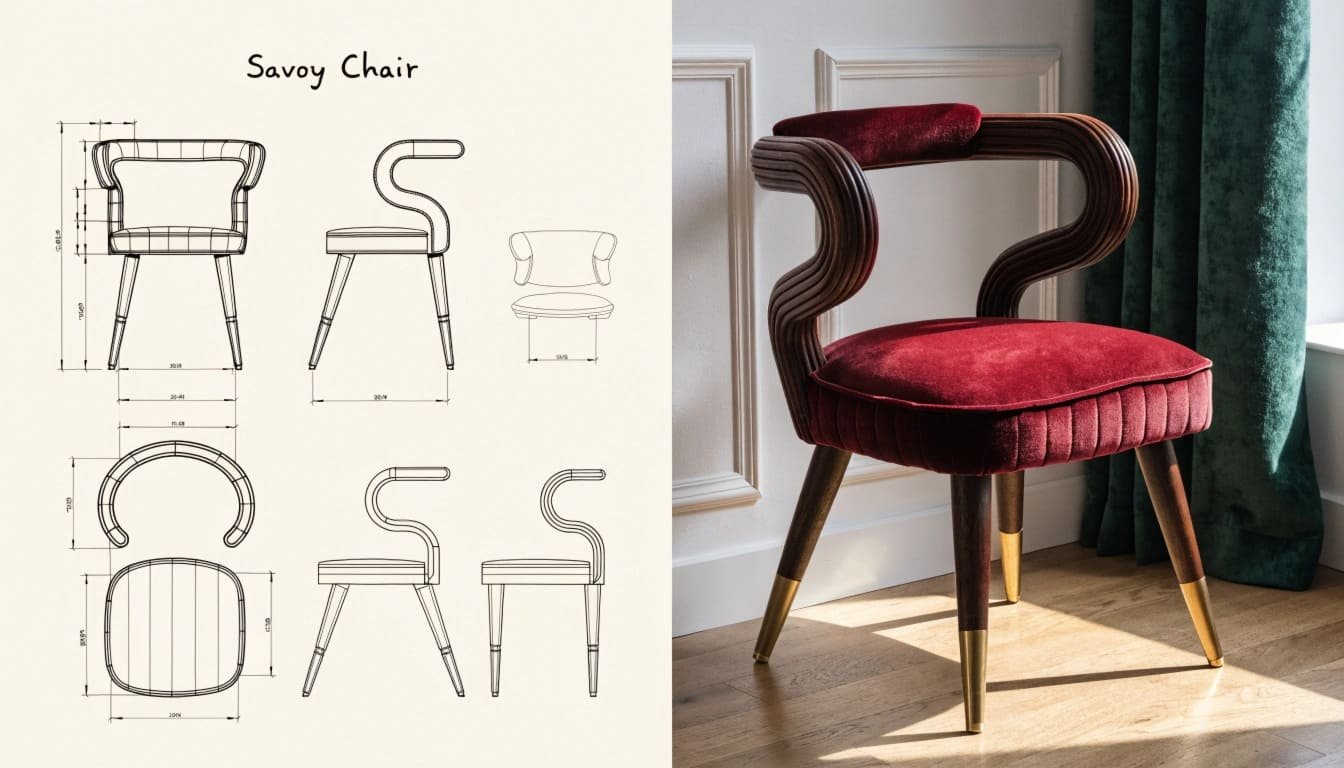
I’ve seen countless projects go sideways. A procurement director for a luxury hotel chain once told me about a batch of custom metal fixtures that arrived on-site already showing signs of oxidation. The original renderings were stunning, but the factory chosen had no real engineering capability. They had sold a story, not a durable product. This experience taught me that the most critical question isn’t “who has the best brand?” but “who has the most control over their manufacturing process?” True excellence is found on the factory floor, where potential problems are solved long before they can ever reach your project site.
What Defines a World-Class Furniture Manufacturer?
It can feel impossible to tell a great factory from a mediocre one from their website alone. A wrong choice can derail your entire project, leading to costly fixes and damaged reputations. The key is knowing exactly what to look for beyond the marketing.
A world-class manufacturer is defined by four pillars of industrial precision: advanced shop drawings that perfect the design, contract-grade materials for extreme durability, 1:1 factory pre-assembly to guarantee a perfect fit, and a bulletproof supply chain that ensures zero-damage delivery.
The 4 Pillars of World-Class Manufacturing
To truly vet a potential partner, you need to dig deeper into their process. I evaluate them based on four non-negotiable engineering pillars. These are the difference between a supplier who creates problems and one who solves them.
1. The "Drawing Brain" (Shop Drawings & Joint Audits)
A standard factory will take a designer’s drawing and just start building. This is where the problems begin. A world-class manufacturer, however, starts by creating their own hyper-detailed shop drawings. These aren’t just sketches; they are micron-level technical blueprints that map out every single detail. They audit every joint and material connection, calculating tolerances for things like thermal expansion between metal and wood down to ±0.15mm. They plan for hidden structural supports and provide 1:1 material samples for you to review, ensuring what you see and feel is exactly what you’ll get. This process closes the gap between the design concept and manufacturing reality.
2. "Contract-Grade" Durability (PVD/AF Engineering)
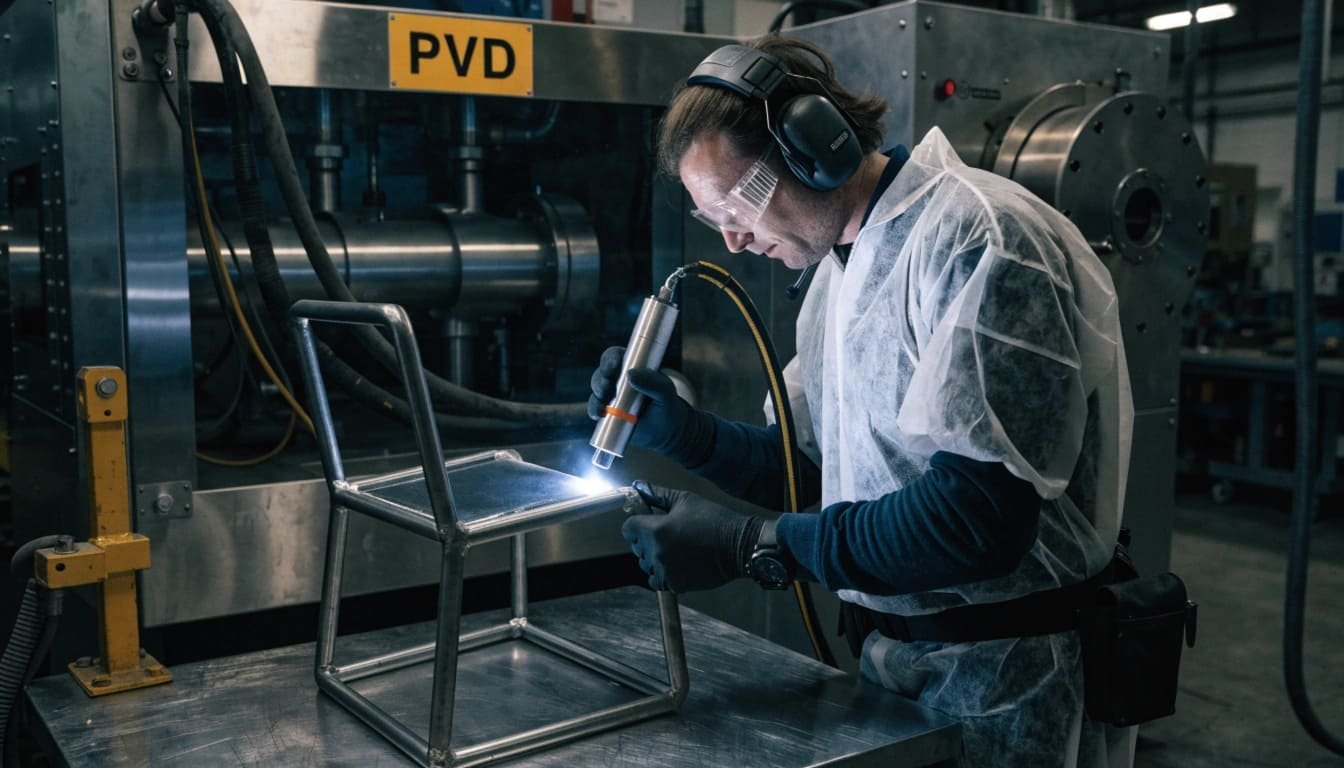
In high-traffic commercial environments like hotels and restaurants, residential-grade finishes don’t last. They oxidize, bubble, and scratch within months. This is why elite manufacturers adhere to “Contract-Grade” standards, which are specifically designed for heavy commercial use. For metal components, this means using advanced processes like PVD (Physical Vapor Deposition) coating. PVD is a vacuum deposition method that applies a thin, extremely durable layer of material like titanium onto the furniture’s surface. This makes the finish highly resistant to scratches, corrosion, and fading. When combined with an anti-fingerprint (AF) nano-coating, the result is a surface that stays pristine for decades, even in humid environments, and cleans with a simple wipe.
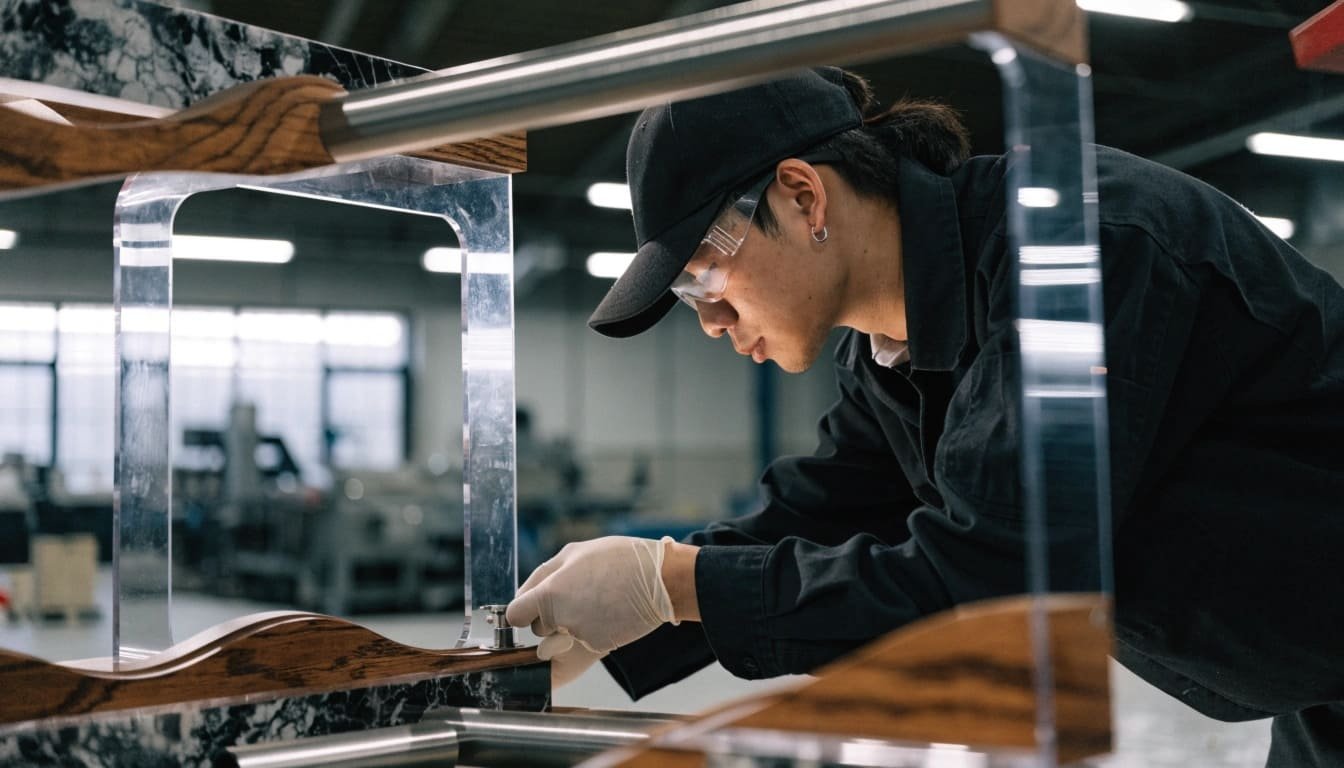
3. The End of "On-Site Unboxing" Surprises (1:1 Factory Dry-Fit)
One of the biggest risks in custom furniture is discovering on-site that complex pieces don’t fit together. A low-quality factory ships the parts and hopes for the best, leaving your construction team to deal with the “blind box” nightmare of misaligned components. A top-tier manufacturer eliminates this risk entirely by performing a 1:1 “Dry-Fit” or pre-assembly test in their workshop. They build the entire piece—especially complex, multi-material, or unusually shaped items—to ensure every component aligns perfectly. They often use systems like a French Cleat for wall-mounted units to guarantee a tight fit (≤2mm tolerance) and even provide assembly videos. This turns on-site installation into a simple, seamless process, like snapping Lego blocks together.
4. The "Zero-Damage" Supply Chain (Export Crating & QC)
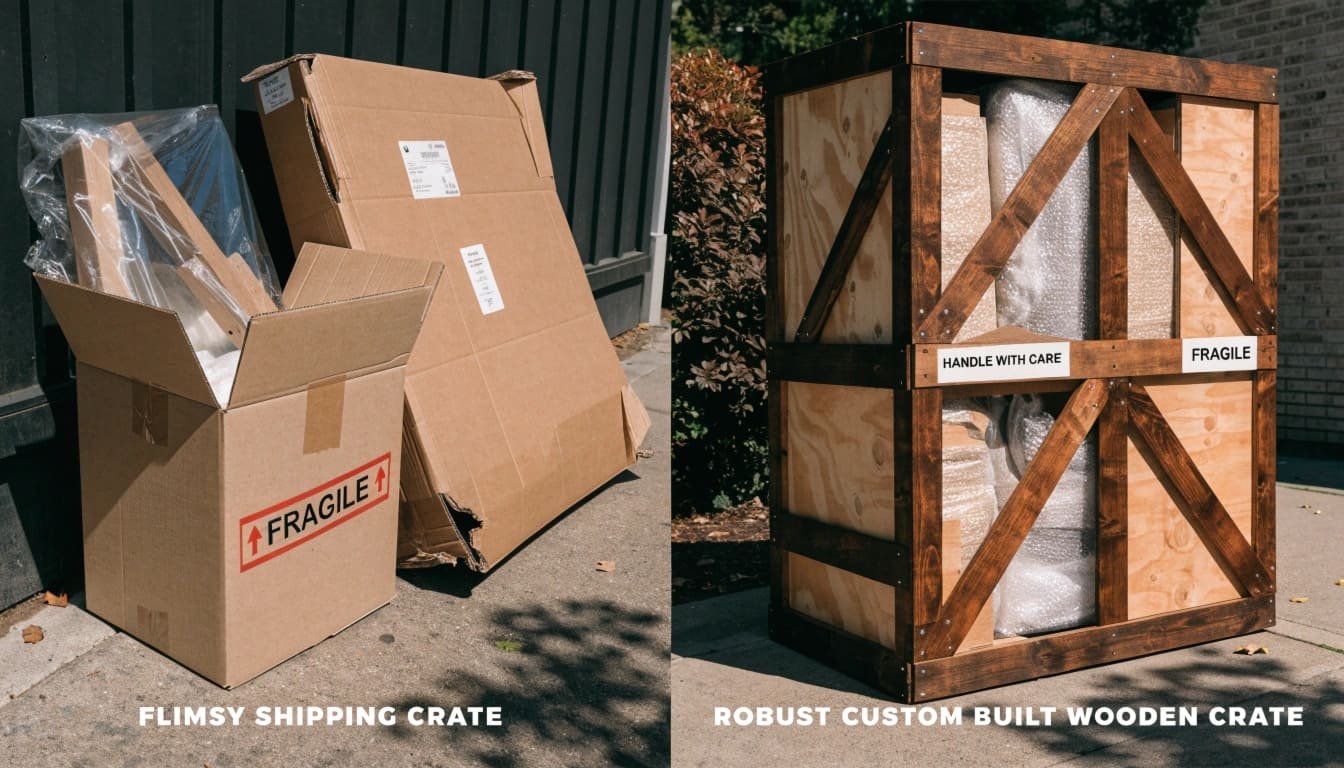
Custom furniture is worthless if it arrives damaged. Standard packaging is simply not enough for international shipping, often resulting in damage rates over 15% and project delays of 30-60 days for replacements. A world-class manufacturer views logistics as an engineering challenge. They implement a full quality control (QC) system that tracks every component from raw material to final loading. Each piece is then packed in custom-built, shock-resistant, fumigated wooden crates designed to withstand the rigors of global transport. This obsessive attention to detail brings the transportation damage rate down to nearly zero, ensuring your project stays on schedule and on budget.
Marketing Agent or Engineering Manufacturer: Who Should You Trust?
You’re paying a premium for a well-known furniture “brand,” but are you just funding a middleman? This choice adds layers of risk and cost to your project. To protect your investment, you must understand who you are really working with.
Always choose a direct engineering manufacturer over a marketing agent. The manufacturer offers deep engineering audits, superior materials, and factory pre-assembly. This approach dramatically lowers your Total Cost of Ownership (TCO) by preventing expensive on-site rework, delays, and future maintenance problems.
The distinction between a marketing agent and a true engineering manufacturer is the most important one you’ll make. One sells a story; the other delivers a physical certainty. I’ve learned to identify them by comparing their capabilities across four key areas. The differences are stark and directly impact your project’s outcome and final cost. The Total Cost of Ownership (TCO) goes far beyond the initial purchase price; it includes all costs over the asset’s lifecycle, from installation and maintenance to disposal.
Capability | Marketing Brand Agent | Engineering Source Manufacturer |
Shop Drawing & Audit | Simply forwards the designer’s 2D files. They do no structural or joint audits, leading to on-site conflicts and fitting issues. | Produces micron-level shop drawings. They digitally pre-assemble parts to audit every joint, clearance, and connection, planning for hidden supports and utility access before production. |
Surface Durability Standard | Uses standard residential-grade finishes like basic paint or electroplating. These surfaces are prone to fingerprints, smudges, and will peel or oxidize in high-traffic areas. | Mandates Contract-Grade finishes. Metal parts receive PVD titanium coating plus an AF nano-layer, making them incredibly resistant to wear, moisture, and scratches. |
Pre-Shipment Risk Control | Sends you photos of the finished, packed products. When assembly issues arise on-site, they are powerless to help, often leading to a blame game. | Conducts a full 1:1 Dry-Fit of complex pieces before shipping. They provide detailed inspection reports and assembly videos to ensure a flawless on-site installation. |
Total Cost of Ownership (TCO) | Your costs are high due to a significant brand markup, plus the massive, unbudgeted expenses of on-site modifications, project delays, and frequent maintenance. | Your TCO is significantly lower. You pay for engineering certainty, which eliminates on-site rework and ensures long-term durability, resulting in near-zero maintenance costs. |
Conclusion
Ultimately, the best furniture maker is one that delivers engineering certainty, not just a brand story. They transform your vision into a flawless physical reality by solving every problem before it ever leaves the factory.