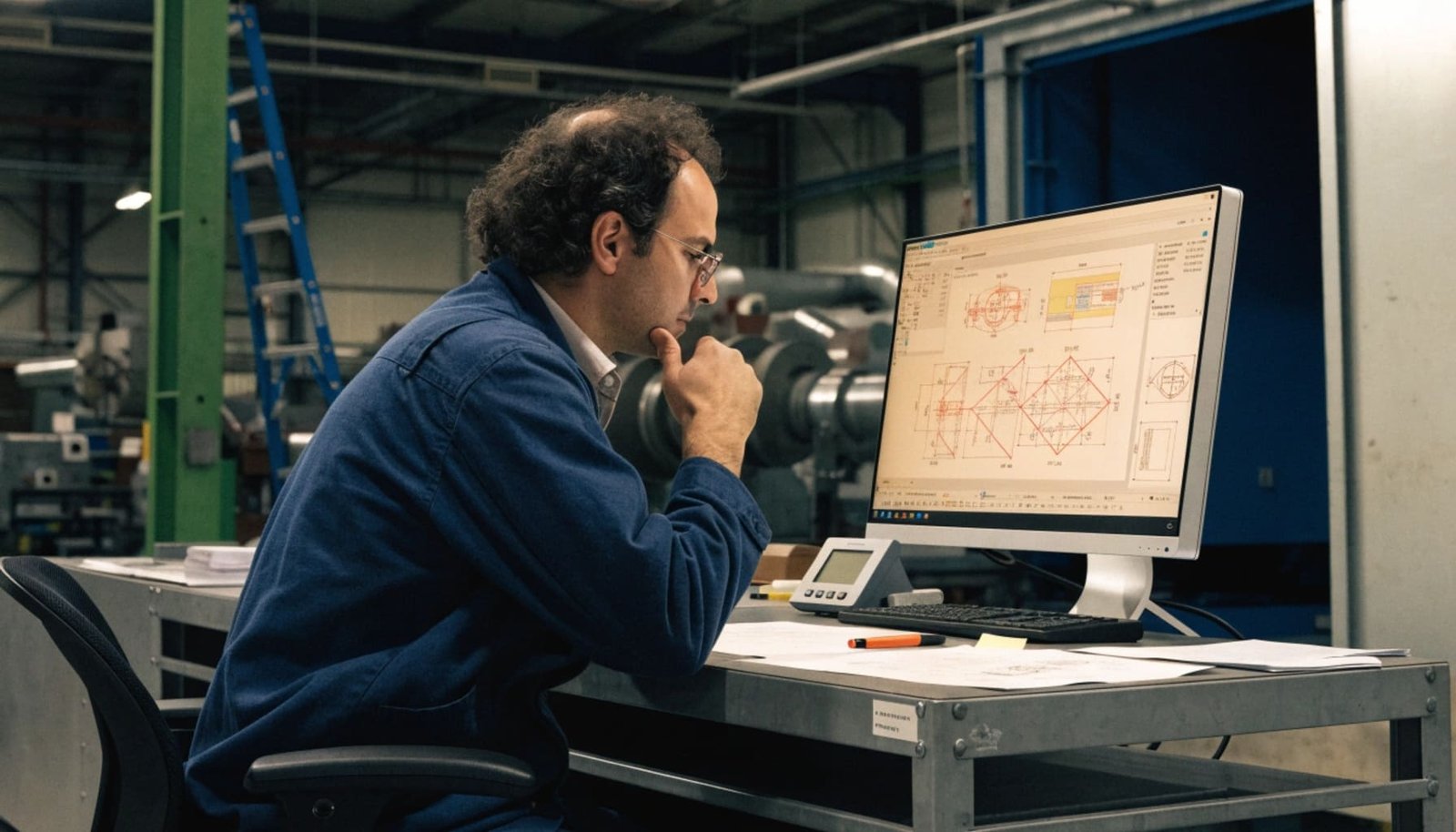
Introduction
Beautiful renderings often hide a nightmare of on-site “hidden costs.” The moment of truth—unboxing FF&E—can reveal costly gaps, misalignments, and damage, forcing projects into delays and rework.
Excellent FF&E project management is not about comparing quotes in an Excel sheet. It is about systematically eliminating every potential on-site issue through engineering-led control *before* the products ever leave the factory. This proactive approach ensures your design vision becomes a flawless reality.

These on-site disasters are frustratingly common, but they don’t happen by accident. They are the direct result of predictable gaps in traditional sourcing methods. Understanding the root causes is the first step to avoiding them on your next project. So, what are the key issues that turn a promising project into a series of costly emergencies?
What Are the Real Causes of FF&E Delays and Cost Overruns?
You sourced the FF&E on time, but the project is now facing delays and budget overruns. The stress mounts as stakeholders demand answers, and your reputation is on the line.
These problems usually originate from four common traps in traditional procurement: a lack of pre-production engineering, the use of low-durability materials, no pre-assembly verification at the factory, and inadequate packaging for international shipping. These are especially common when working with sourcing agents or small, unspecialized workshops.
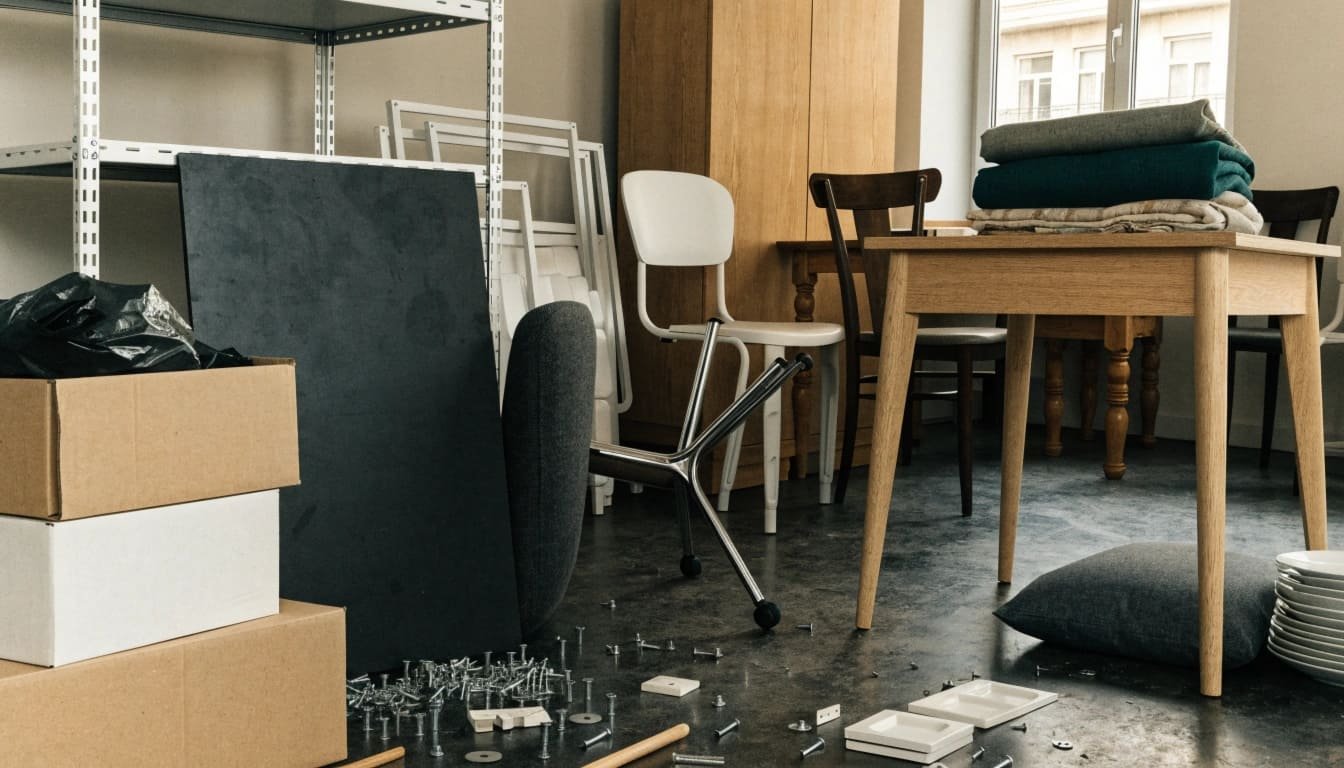
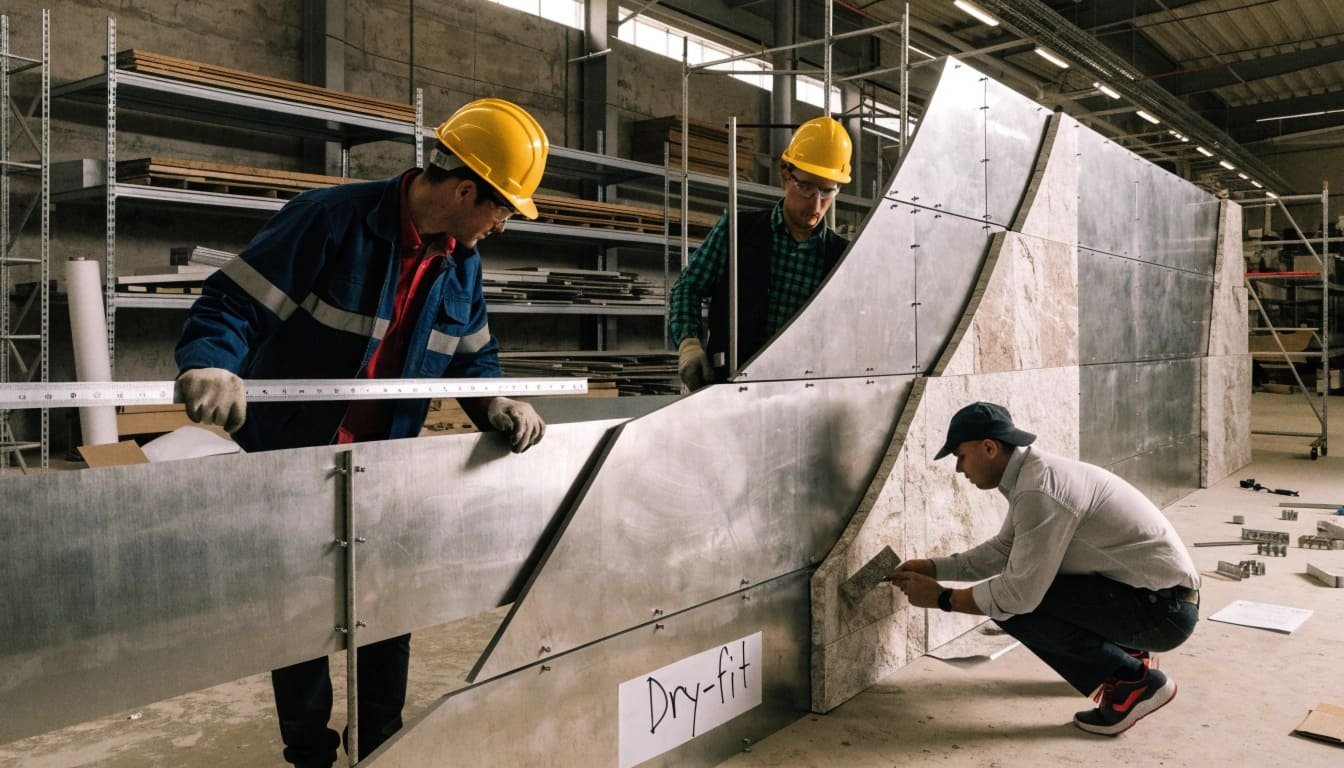
Let’s dive deeper into these four root causes. First, many projects proceed with manufacturing based only on conceptual renderings. This approach ignores crucial details. FF&E drawings, or shop drawings, are detailed plans that specify dimensions, materials, and assembly for every item. Without them, there is no technical guide for production. This leads to clashes between different materials, like metal and stone, which have different properties. Second, there’s a huge difference between residential and contract-grade materials. Contract-grade furniture is built specifically for high-traffic commercial use, meeting strict standards for durability and safety that residential furniture does not. Using cheaper, consumer-grade materials means metal finishes can tarnish and surfaces can wear out quickly, failing to meet the demands of a commercial environment. Third, complex and heavy items are often shipped without a trial assembly, or “dry fit.” A dry fit is a crucial quality control step where components are temporarily assembled to ensure everything aligns perfectly before final installation. Skipping this step forces on-site modifications, which can damage walls and create serious safety risks. Finally, inadequate export packaging is a major source of failure. International shipping involves multiple handling points, and items are exposed to vibration, moisture, and impact. Poor crating can lead to a high percentage of damage, causing replacement delays of a month or more.
As someone who works with custom furniture and metalwork, I’ve seen firsthand how technology transforms design visions into reality. The same is true for bronze sculptures. What was once a purely manual art form has been revolutionized by industrial engineering. This isn’t about replacing the artist’s hand but augmenting it to achieve things that were previously impossible. Let’s break down the four key technologies that have elevated traditional bronze casting into a precision-driven industry.
How Can Engineering-Led Management Solve These FF&E Headaches?
You’re tired of watching beautiful designs get compromised by on-site FF&E problems. These preventable issues cost you time, money, and professional credibility, turning creative projects into logistical nightmares.
An engineering-led approach provides a clear framework for success. It builds quality control into every step, from initial drawings to final delivery, ensuring a predictable and seamless outcome for your project.

This engineering-focused methodology is built on four pillars. First, we finalize all details before production with comprehensive shop drawings and material audits. These aren’t just basic layouts; they are micron-level technical plans that define every joint and connection, ensuring materials like metal and stone fit together with a tolerance of ±0.15mm. We also provide 1:1 physical samples for review, which allows you to see and feel the exact material, finish, and construction quality before committing to bulk production. This eliminates any chance of the final product not matching the approved design. Second, we use contract-grade materials and finishes built for durability. For metal components, this means using Physical Vapor Deposition (PVD) coating, a modern vacuum process that creates a much harder and more durable finish than traditional electroplating. We pair this with nano anti-fingerprint (AF) coatings to keep surfaces clean. All upholstery meets international fire safety and high-abrasion standards, reducing future maintenance costs from the start. Third, we conduct 1:1 factory pre-assembly tests (dry-fits) for all large or complex items. This allows us to verify the fit and identify any issues before they reach your site. We integrate hidden structural frames and French cleat hanging systems—a simple, strong method using interlocking brackets—to ensure heavy items mount securely and flush against the wall. Finally, we manage the entire logistics chain with rigorous quality control and specialized packaging, ensuring near-zero damage during transit.
In my line of work, I see a wide range of quality. It’s the same with bronze sculptures. A piece from a small, traditional workshop might look appealing at first, but the differences become clear when you look closer. An engineering-grade sculpture from a specialized fabricator like us is a completely different product. It’s not just about the final look; it’s about the underlying quality, durability, and precision that you are investing in. Let’s compare them side-by-side so you can see exactly what I mean.
Should You Choose a Broker or an Engineering Partner for Your FF&E?
Choosing the right FF&E partner is one of the most critical decisions for your project’s success. The wrong choice can lead to all the headaches we’ve discussed, while the right one ensures a smooth process.
The fundamental difference comes down to this: a broker or agent primarily facilitates a transaction, often prioritizing the lowest price. An engineering partner, on the other hand, actively manages the entire production and delivery process, focusing on quality, precision, and risk prevention from start to finish.
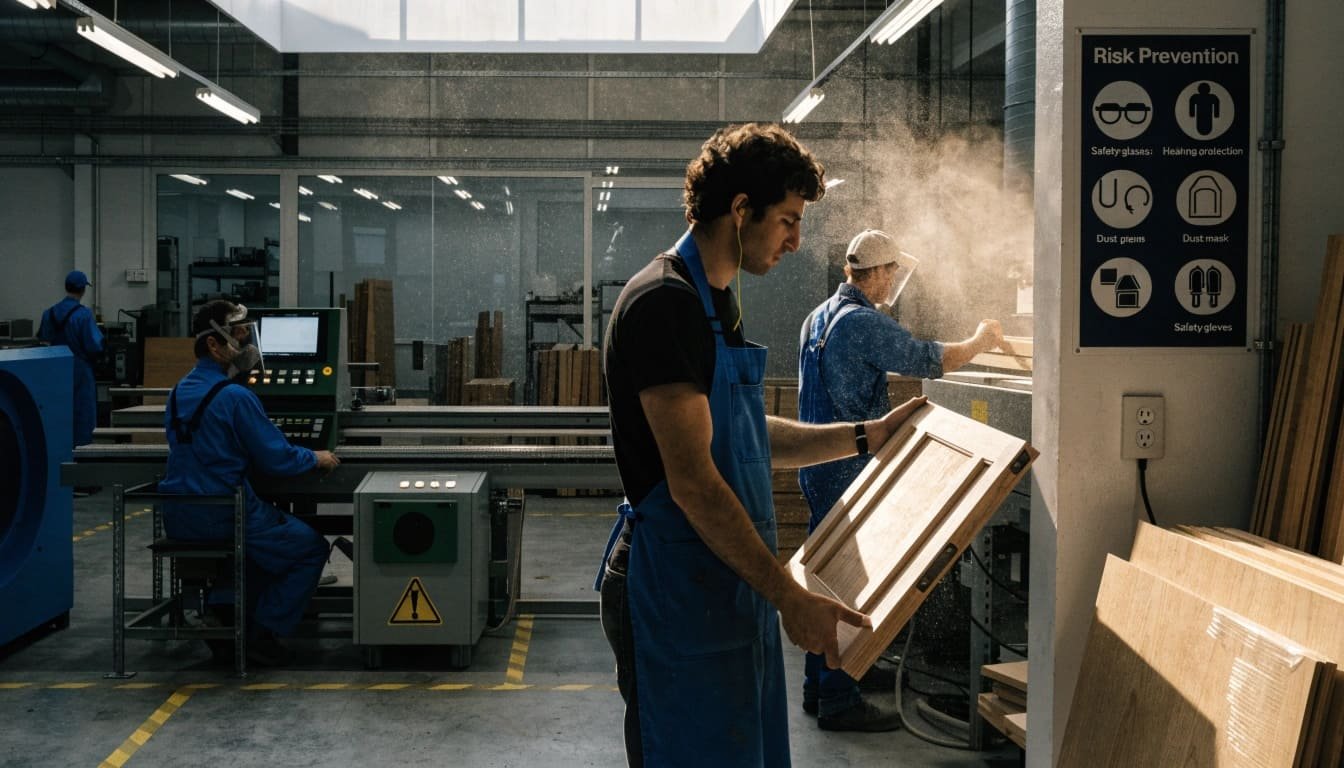
The distinction between a sourcing agent and a true engineering partner becomes clear when you compare their approach at each stage of the project. A traditional agent’s role is often limited to passing information between you and the factory. An engineering-led manufacturer, however, takes full ownership of the technical execution. This difference in engagement directly impacts the final quality, timeline, and budget of your project. To make the choice clearer, let’s break down how each partner handles key aspects of an FF&E project.
Feature | Traditional Procurement Agent | Engineering-Led Manufacturer |
Drawing Review | Forwards 2D renderings to factories. Does not audit structural or joinery details, leading to on-site installation conflicts. | Creates detailed, micron-level shop drawings. Audits all cross-material joints and installation points before production begins. |
Surface & Material Quality | Often sources materials based on the lowest cost, using consumer-grade finishes like basic electroplating that can easily tarnish or show fingerprints. | Specifies contract-grade materials. Uses advanced finishes like durable PVD coatings and nano anti-fingerprint (AF) layers for long-term performance. |
Factory Inspection | Typically provides photos of already-packed boxes. The actual quality remains unknown until the “blind box” is opened on-site. | Conducts and documents full 1:1 pre-assembly tests (dry-fits). Provides videos and reports to verify fit and function before shipment. |
Logistics & Delivery | Uses generic cardboard boxes or simple wooden frames. This results in a higher risk of damage and lengthy delays for replacement parts. | Engineers custom, fumigated, and shock-proof wooden crates with moisture and ventilation controls, ensuring zero-defect delivery on schedule. |
Conclusion
Successful FF&E execution is not about sourcing; it’s about engineering. Partnering with a manufacturer who manages the technical details de-risks your project and ensures your design vision is delivered perfectly.