Introduction
That stunning sculpture, gleaming at the project handover, can become an aged disaster in just two years. It’s a common fear for landscape architects and art consultants: rust, fading, and structural failure destroying a beautiful piece.
The best material for an outdoor sculpture is one that can withstand its specific climate for decades, maintaining both structural stability and aesthetic beauty. For example, marine-grade 316L stainless steel is ideal for coastal areas due to its resistance to salt corrosion, while high-purity bronze with a hot patina finish is better suited for high-UV environments.
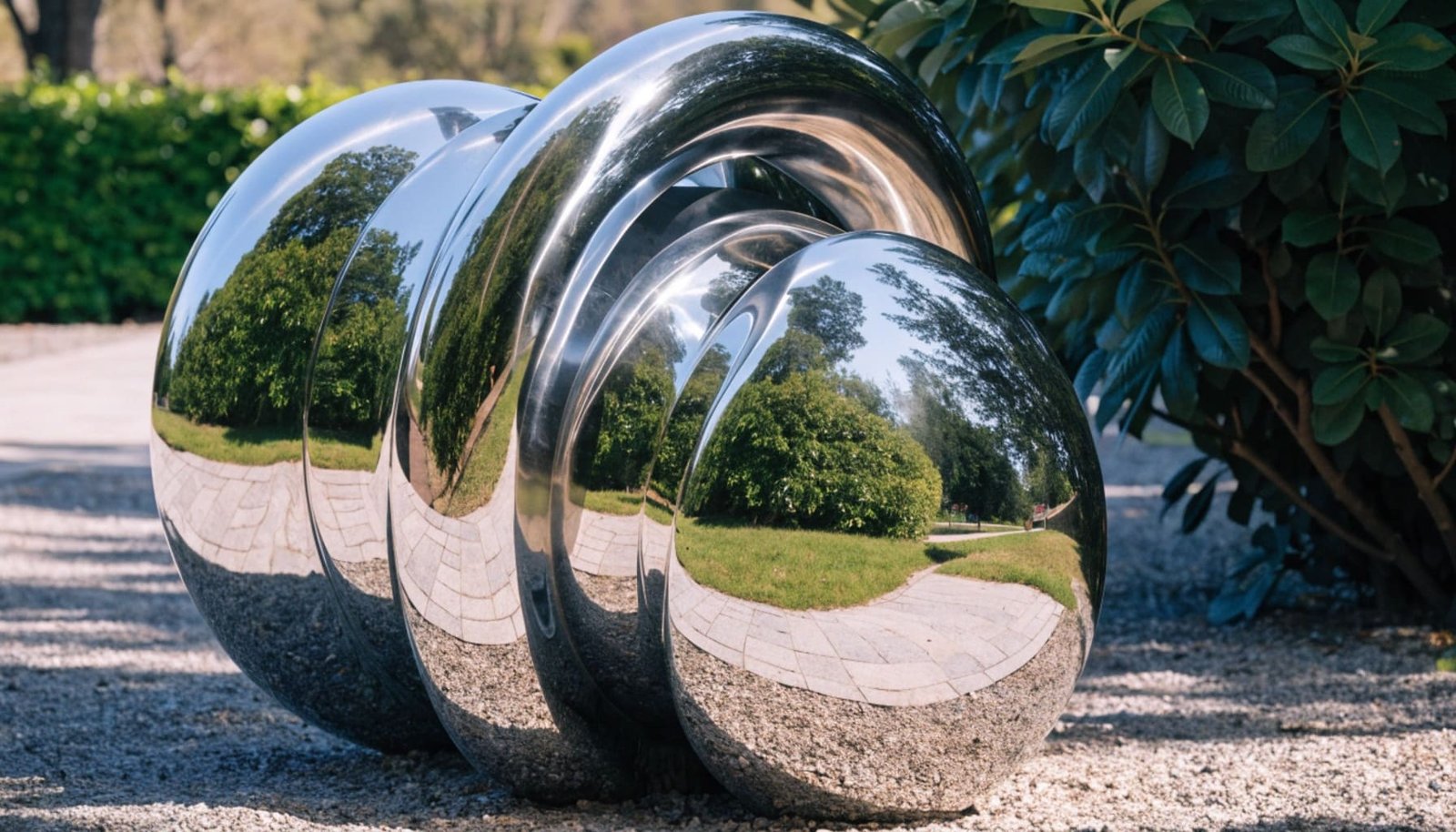
Choosing the right material for an outdoor sculpture is essentially a battle against the elements. It’s a decision based on heavy-duty industrial material engineering, not just aesthetics. The goal is to select a material that not only looks incredible on day one but continues to stand strong and beautiful against wind, rain, salt, and sun for years to come. This choice is the foundation of a lasting artistic legacy.
How do you choose materials for coastal and high-salinity zones?
The salty air and constant moisture in coastal areas can be a nightmare for many metals, leading to rapid corrosion. You’re not just picking a material; you’re selecting an ally against the relentless attack of salt spray and humidity.
In these environments, the best choices are 316L marine-grade stainless steel or 6063-T6 architectural aluminum. The added molybdenum in 316L stainless steel provides superior resistance to the chloride ions in salt spray, preventing the pitting and “tea staining” rust spots that plague lesser grades like 304 stainless steel.
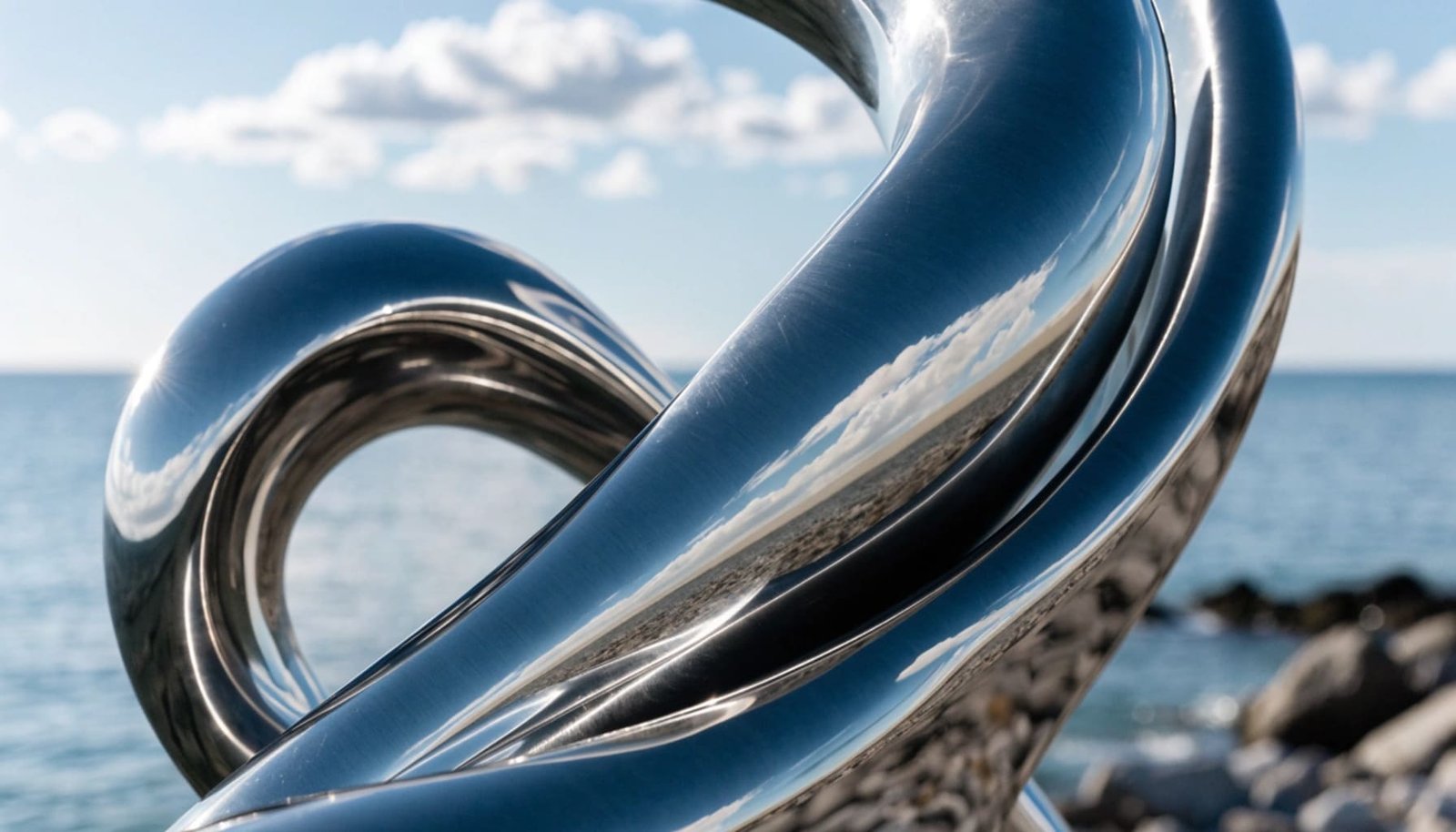
To truly understand the performance difference in high-salinity environments, it’s crucial to look beyond the material name and into the engineering specifications. My work in custom furniture and metal works has shown me firsthand why this matters. A client once specified “stainless steel” for a beachfront villa project, assuming it was all the same. The local supplier used 304 stainless steel, which is often standard. Within 18 months, the beautiful mirror-polished fixtures were covered in unsightly brown “tea stains.”
This experience highlights the critical importance of material specification.
- The Problem with 304 Stainless Steel: Standard 304 stainless steel lacks molybdenum. In a coastal environment, chloride ions from salt spray attack the passive layer of the steel, leading to localized corrosion like pitting and crevice corrosion, which appears as staining.
- The 316L Advantage: Marine-grade 316L stainless steel contains molybdenum, which significantly enhances its resistance to chloride-induced corrosion. The “L” signifies low carbon content, which further improves corrosion resistance, especially after welding.
- Engineering Standards:For critical projects, specifying a material that passes a 2000-hour salt spray test provides a quantifiable measure of its durability. This test simulates accelerated aging in a saline environment, offering peace of mind that the material will perform as expected for years, not just months. By insisting on 316L and certified testing, we ensure the sculpture’s integrity from its very core.
What is the best choice for high UV and extreme temperature environments?
Intense sun and dramatic temperature swings create a brutal environment for outdoor art. Traditional paints and coatings simply can’t survive, quickly chalking, peeling, and leaving the sculpture looking neglected and worn out.
For these harsh conditions, the ideal solution is high-purity silicon bronze finished with a hot chemical patina (hot patina) or a PVD (Physical Vapor Deposition) titanium coating. Unlike paint, which sits on the surface, a hot patina is a chemical reaction that colors the metal itself, creating a finish that becomes part of the bronze.
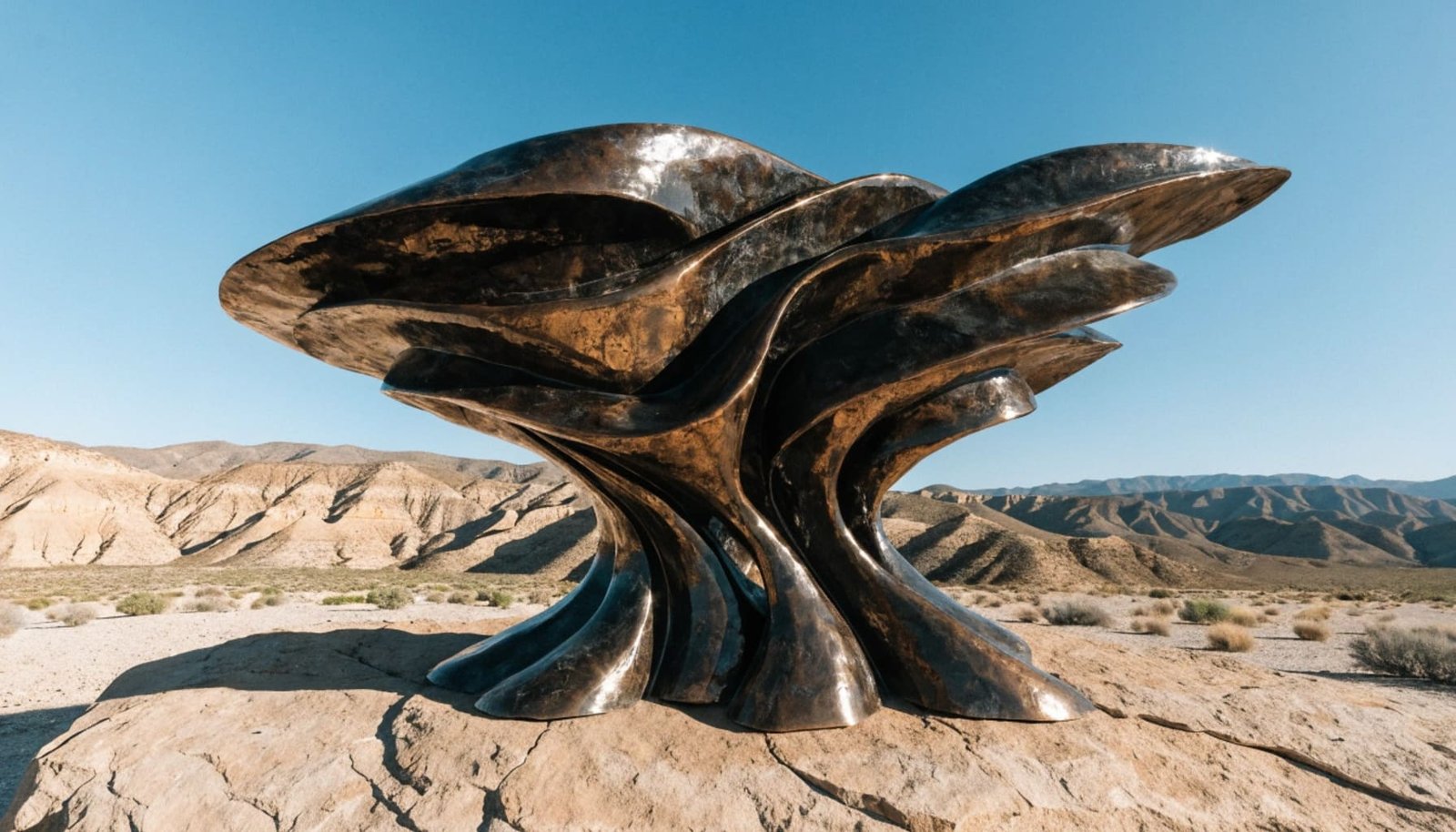
I remember a project for a resort in a desert location. The intense UV exposure was a primary concern for the client’s commissioned sculptures. They had previously installed painted steel pieces that looked faded and flaky within two years. They were understandably worried about a repeat performance. This is where a deep dive into finishing technology becomes essential.
The failure of traditional coatings is predictable in high-UV zones.
- The Failure of Paint:Standard organic coatings like automotive paint break down under constant UV radiation. The UV light degrades the polymer binders in the paint, causing it to lose its flexibility and adhesion. This results in the characteristic “powdering” or chalking, followed by peeling and flaking, exposing the metal underneath to the elements.
- The Permanence of Hot Patina:A hot chemical patina is not a coating; it’s a controlled oxidation process. By applying specific chemicals like ferric nitrate or cupric nitrate to heated bronze, we accelerate a natural process, creating a thin, stable layer of colored oxides. This color is integral to the metal itself, measured in microns. It won’t peel or flake. Instead, over time, it will slowly deepen and evolve, developing a rich, layered surface akin to what you see on museum-quality artifacts.
- High-Tech Alternatives:PVD titanium coating is another excellent, though more modern, solution. In this process, a thin layer of titanium is vaporized and deposited onto the sculpture’s surface in a vacuum. This creates an incredibly hard, abrasion-resistant finish with exceptional UV stability.
For the desert resort project, we opted for a hot patina on bronze. Years later, the sculptures haven’t faded; they’ve matured, their color and depth enriched by the sun, proving that the right engineering choice can turn a harsh environment into an artistic partner.
How can sculptures withstand acid rain and high-traffic urban spaces?
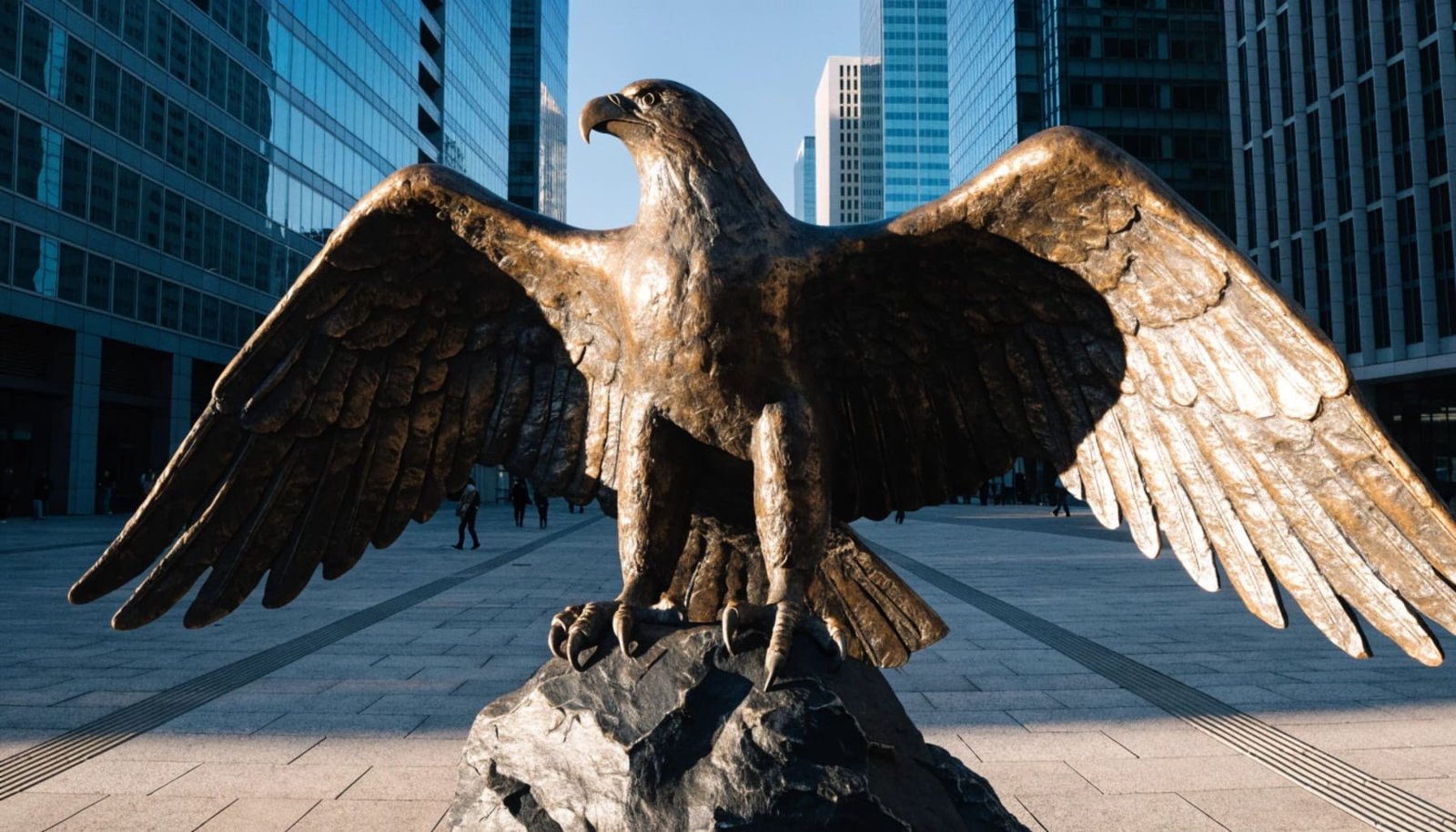
City life is tough on art. Acid rain chemically attacks polished surfaces, while constant touching from curious crowds leaves behind oils and acids from skin, which can mar the finish. A sculpture in a busy plaza needs to be a fortress.
The solution is a two-part defense system: a super-durable PVDF (Polyvinylidene Fluoride) coating combined with a molecular-level anti-fingerprint (AF) nano-coating. This combination creates an incredibly resilient and low-maintenance surface that essentially cleans itself.
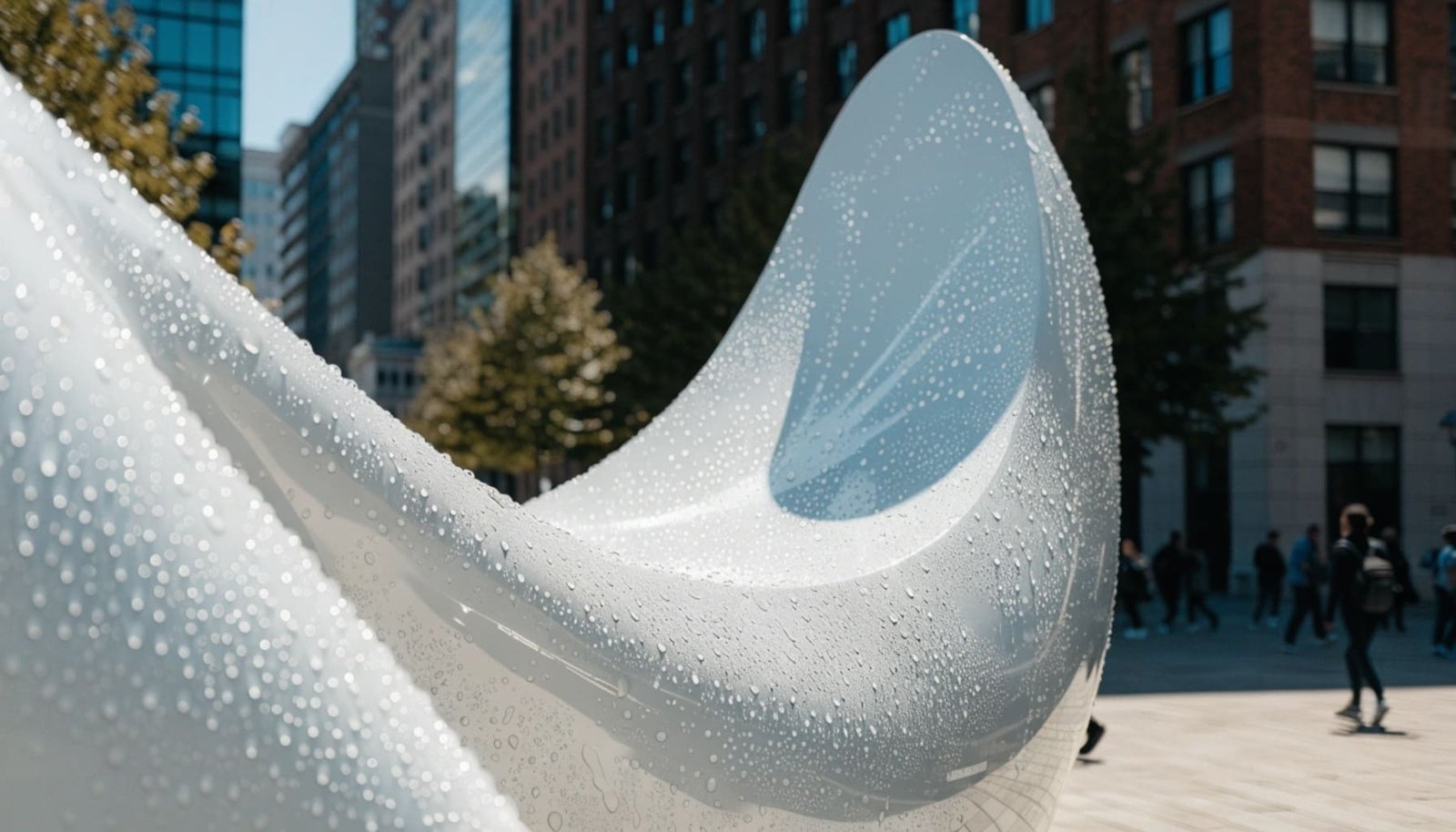
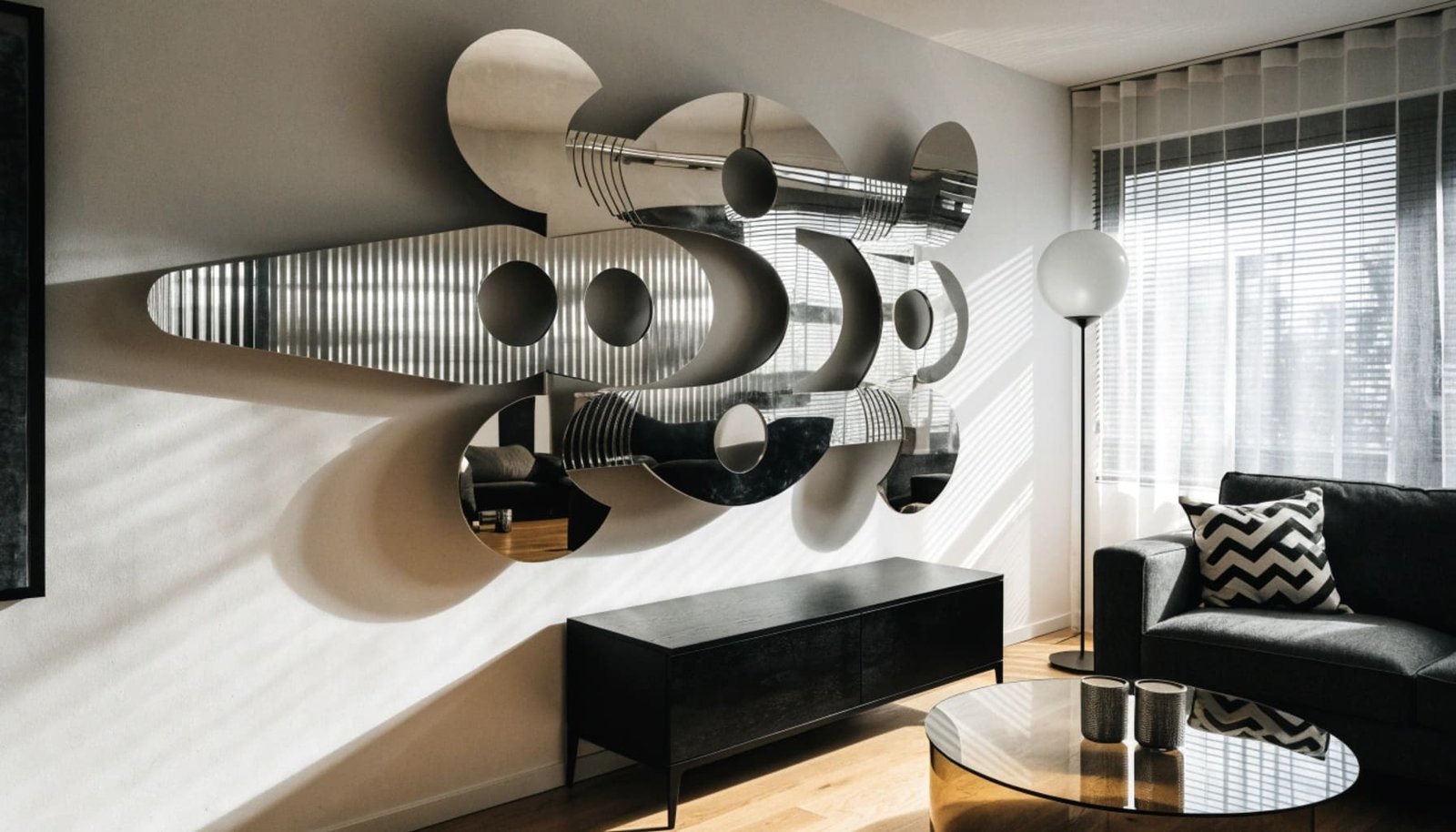
We were tasked with a large installation for a public transit hub, a space with massive foot traffic and exposure to urban pollution. The designers wanted a flawless, mirror-like finish that would stay pristine. My experience told me that a standard polished finish would be a maintenance nightmare.
Here’s how we approached the engineering to solve this urban challenge:
- The Enemy: Acid Rain and Touch:Acid rain contains sulfuric and nitric acids, which can etch and dull even durable materials like stainless steel over time. Furthermore, the salts and acids in human sweat are corrosive and can permanently mark many metal finishes.
- The Shield: PVDF Coatings:PVDF is a high-performance fluoropolymer resin used in coatings for major architectural projects. Its chemical structure is extremely stable, providing exceptional resistance to UV radiation, chemicals, and abrasion. A 70% PVDF system is the industry’s highest standard, ensuring color and gloss retention for decades, not just years.
- The Self-Cleaning Layer:AF Nano-Coating: The anti-fingerprint coating is the final touch. This is a superhydrophobic and oleophobic (water- and oil-repelling) layer. It works by creating a microscopic surface texture that minimizes contact area for liquids and oils. Water beads up and rolls off, taking dirt and pollutants with it—a “lotus effect.” This drastically reduces cleaning needs and ensures that rainwater helps wash the sculpture, rather than stain it.
By combining these two technologies, we delivered a sculpture that could withstand the rigors of its environment. The PVDF provided the long-term barrier against acid rain, while the AF coating kept it looking clean and untouched, even in the heart of the city.
What ensures a sculpture's safety in high wind and seismic zones?
For a large outdoor sculpture, the most dangerous threat is often invisible. It’s not the surface that fails, but the hidden internal structure that gives way during a typhoon or earthquake. The stunning outer form is only as strong as its skeleton.
The ultimate guarantee of safety lies in a meticulously engineered internal armature, typically made from 304 or 316 stainless steel, or hot-dip galvanized steel for corrosion prevention. This is not just about using strong materials; it’s about advanced engineering before fabrication even begins.
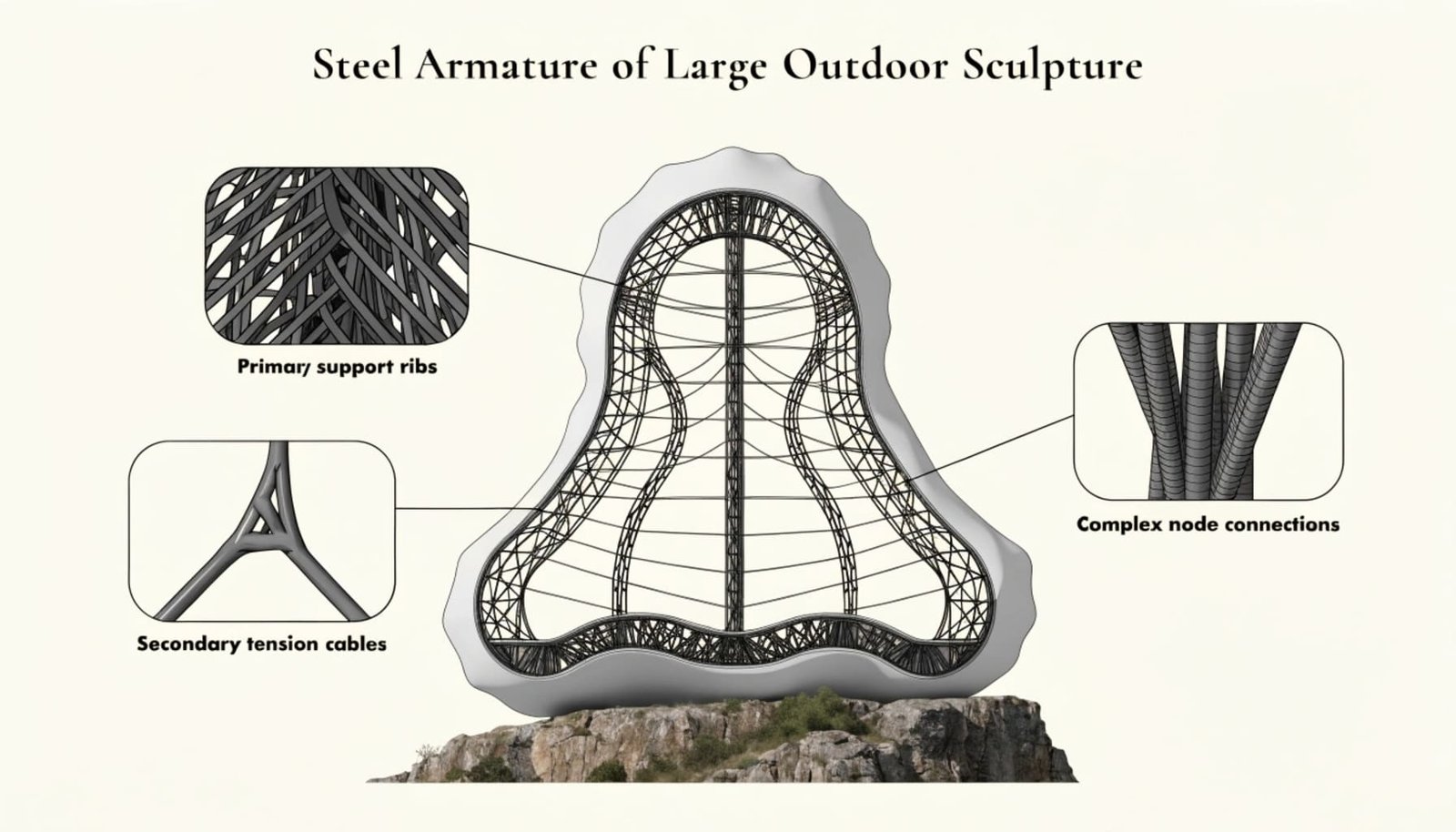
I’ll never forget the call I got about a large sculpture that had failed during a storm. It wasn’t one of our projects, thankfully. The piece had literally torn itself apart. When I reviewed the photos, the cause was obvious: a weak internal frame made from ordinary carbon steel with shoddy welding. It had rusted from the inside out, completely hidden from view until the moment of catastrophic failure.
This is why our process at NEXTOP is so rigorous and begins long before we cut any metal.
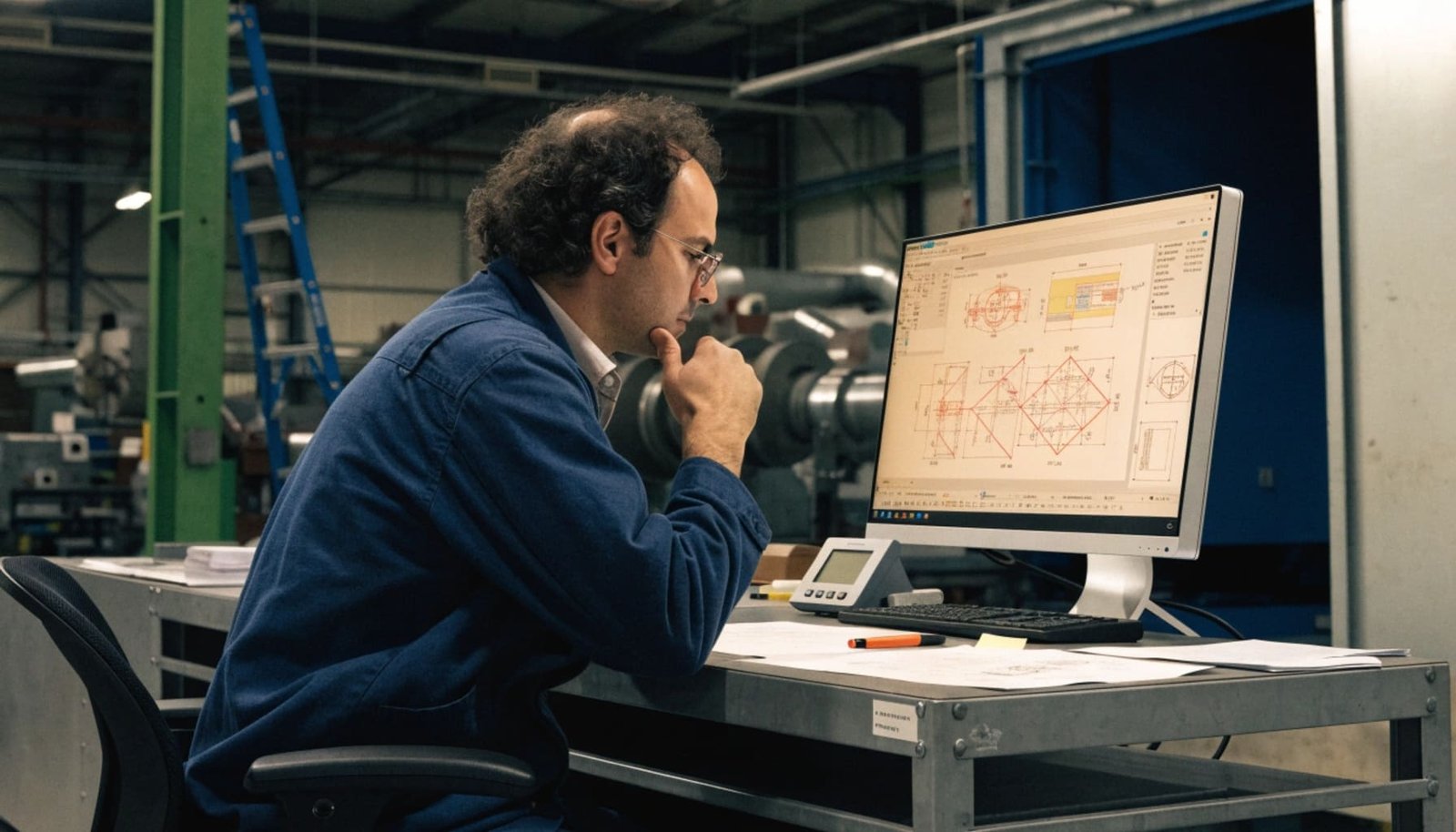
- Pre-emptive Engineering:Before any physical work starts, we conduct a full structural audit using 3D modeling and Finite Element Analysis (FEA). This involves creating a digital twin of the sculpture and subjecting it to simulated wind load and seismic stress based on the specific installation site’s meteorological and geological data. We can identify potential weak points in the design and optimize the internal structure accordingly.
- The Right Skeleton:The internal armature is the sculpture’s spine. We use robust materials like stainless steel or hot-dip galvanized steel to ensure it’s resistant to corrosion, even if moisture finds its way inside. All internal welds are sealed completely to create an airtight and watertight interior, preventing internal rusting, which is a common cause of failure.
- Designing for Force:Our engineering must account for extreme events. For a project in a typhoon-prone region, we engineer the structure and its foundation to withstand wind loads equivalent to a Category 12 storm or higher. This includes precise calculations for the foundation and anchoring system, which are just as critical as the sculpture itself.
A sculpture is not just an object; it’s a piece of engineering. The unseen internal work is what allows it to stand tall and safe for generations, confidently facing down the most powerful forces of nature.
Lorem ipsum dolor sit amet, consectetur adipiscing elit. Ut elit tellus, luctus nec ullamcorper mattis, pulvinar dapibus leo.
How does contract-grade material selection differ from the cheaper alternatives?
The difference between a sculpture that lasts and one that fails in a few years comes down to choices made at the engineering level. It’s the contrast between “consumer-grade” shortcuts and “contract-grade” professional standards.
A cheap sculpture might look good initially, but it’s built with compromises that will inevitably reveal themselves. A professional, contract-grade piece is engineered for longevity from the inside out, using specified, tested, and certified materials and processes.
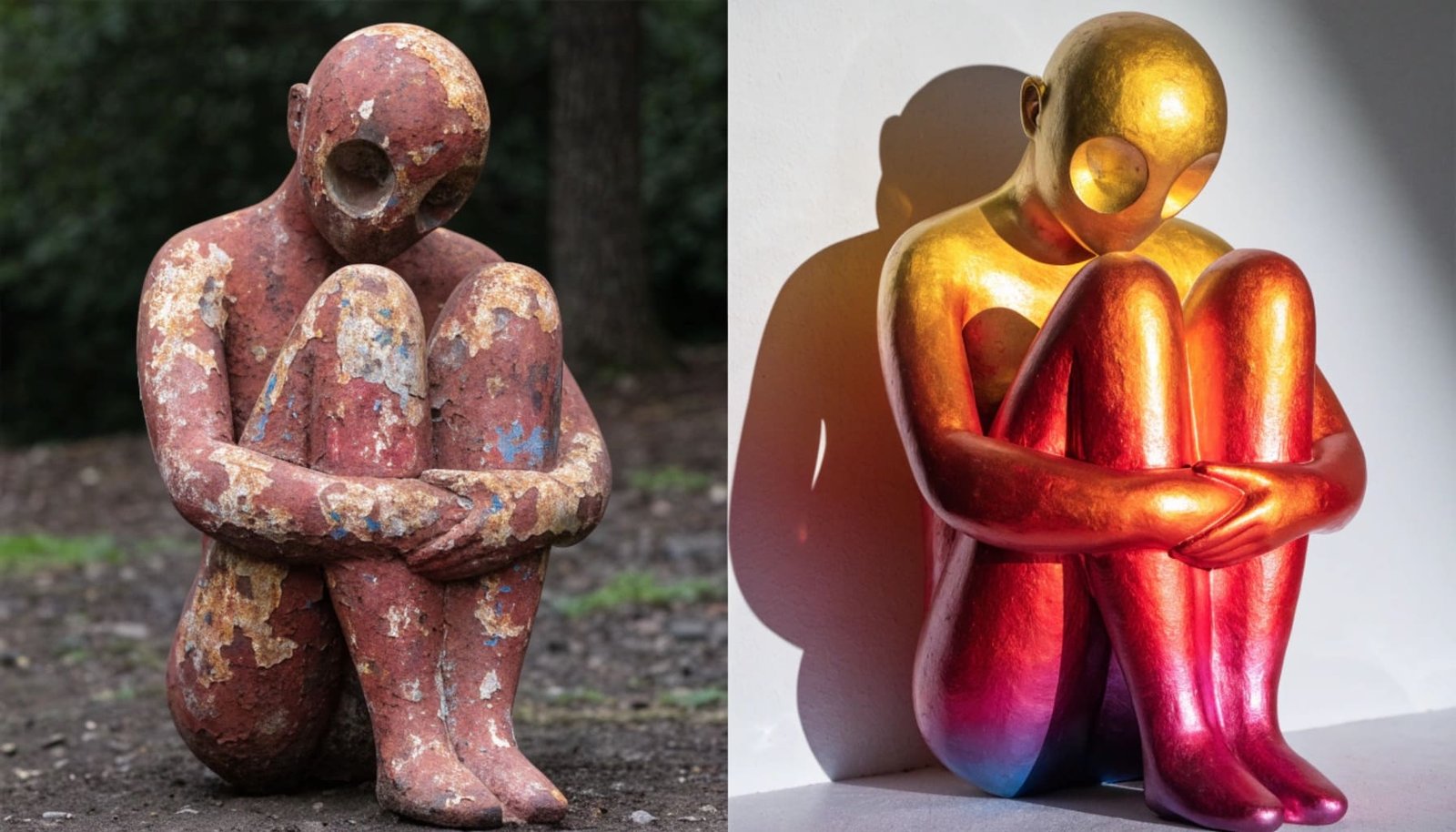
I’ve been called in many times to diagnose why a new sculpture is already failing. The story is almost always the same: a focus on the initial price tag led to compromises on materials and engineering that ultimately cost the client more in repairs and replacement. The difference is stark when you break it down.
Here is a technical comparison based on what we’ve learned from countless projects:
Feature | Cheap / Small Workshop Grade | NEXTOP / Engineering-Grade |
Base Material | Uses 201 or standard 304 stainless steel, which can show rust stains within 1-2 years in outdoor conditions, especially in humid or polluted areas. | Specifies 316L marine-grade stainless steel or 6063 aluminum, verified with salt spray testing to resist corrosion for decades, even in coastal zones. |
Surface Durability | Relies on standard clear coats or basic electroplating. These finishes degrade under UV light, leading to peeling, cracking, and fading within a few years. | Employs hot chemical patina, PVD titanium, or 70% PVDF coatings with an AF nano-layer. These finishes are integral to the material or are chemically bonded, providing superior resistance to UV, acid rain, and wear. |
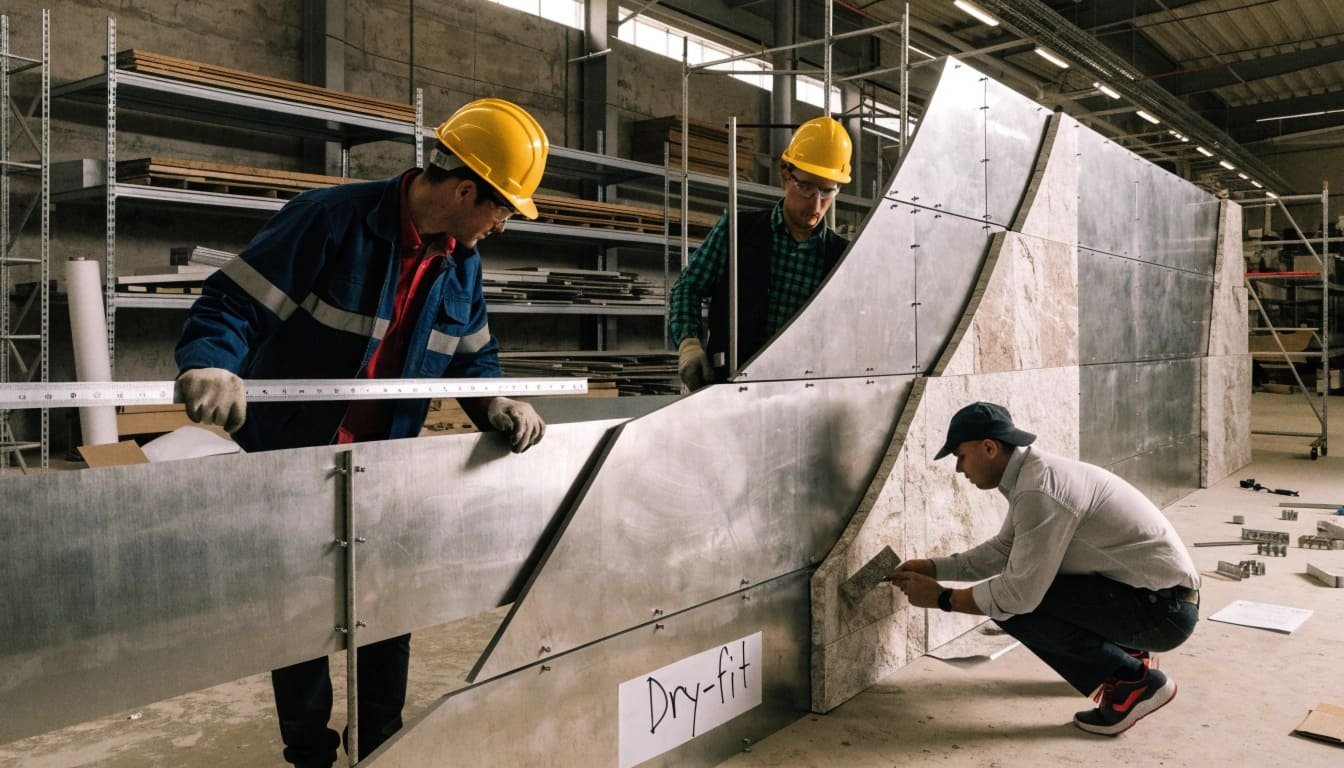
Material Joining | Seams and joints can have gaps of several millimeters. There’s no consideration for thermal expansion, leading to stress cracks, buckling, or water ingress that causes internal rust. | Uses 5-axis CNC and waterjet cutting for precision tolerances within ±0.15mm. Hidden stress relief joints and internal drainage channels are engineered to manage thermal expansion and moisture. |
Structural Safety | The internal frame is often an afterthought, using untreated carbon steel with simple welds and no structural calculations. This is a primary failure point, leading to rust from within and potential collapse. | Begins with a full structural audit (wind load/seismic analysis). The internal armature is built with oversized, hot-dip galvanized or stainless steel, with fully sealed welds, engineered to withstand extreme weather events. |
Choosing contract-grade isn’t an expense; it’s an investment in permanence, safety, and the long-term integrity of the artistic vision. It’s the professional way to build.
Conclusion
Ultimately, selecting the best material for an outdoor sculpture is a technical decision that balances artistic intent with environmental reality. It ensures the artwork endures for decades, not just seasons.