Introduction
Finding the right furniture factory in China can feel overwhelming, especially when you’re juggling quality, compliance, and deadlines. How do you separate the best from the rest?
Look for factories that excel in engineering capabilities, material integration, compliance standards, and logistics optimization. These four critical benchmarks ensure dependable results for complex hospitality and commercial projects.
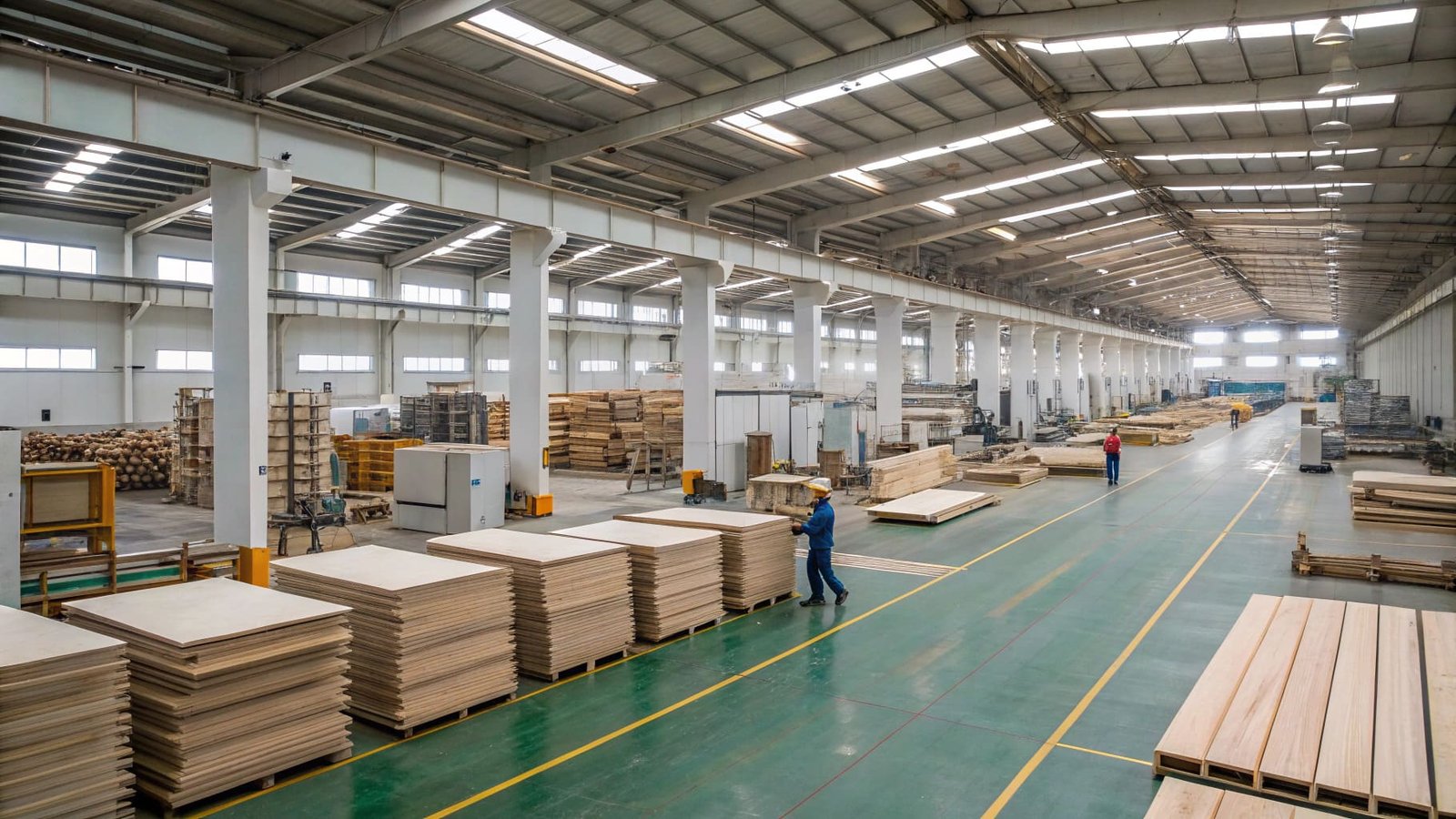
Choosing the wrong factory can lead to mismatched finishes, structural instability, or failed inspections. But the right one? They’ll act as your engineering partner, ensuring flawless execution.
What role does shop drawing and structural auditing play?
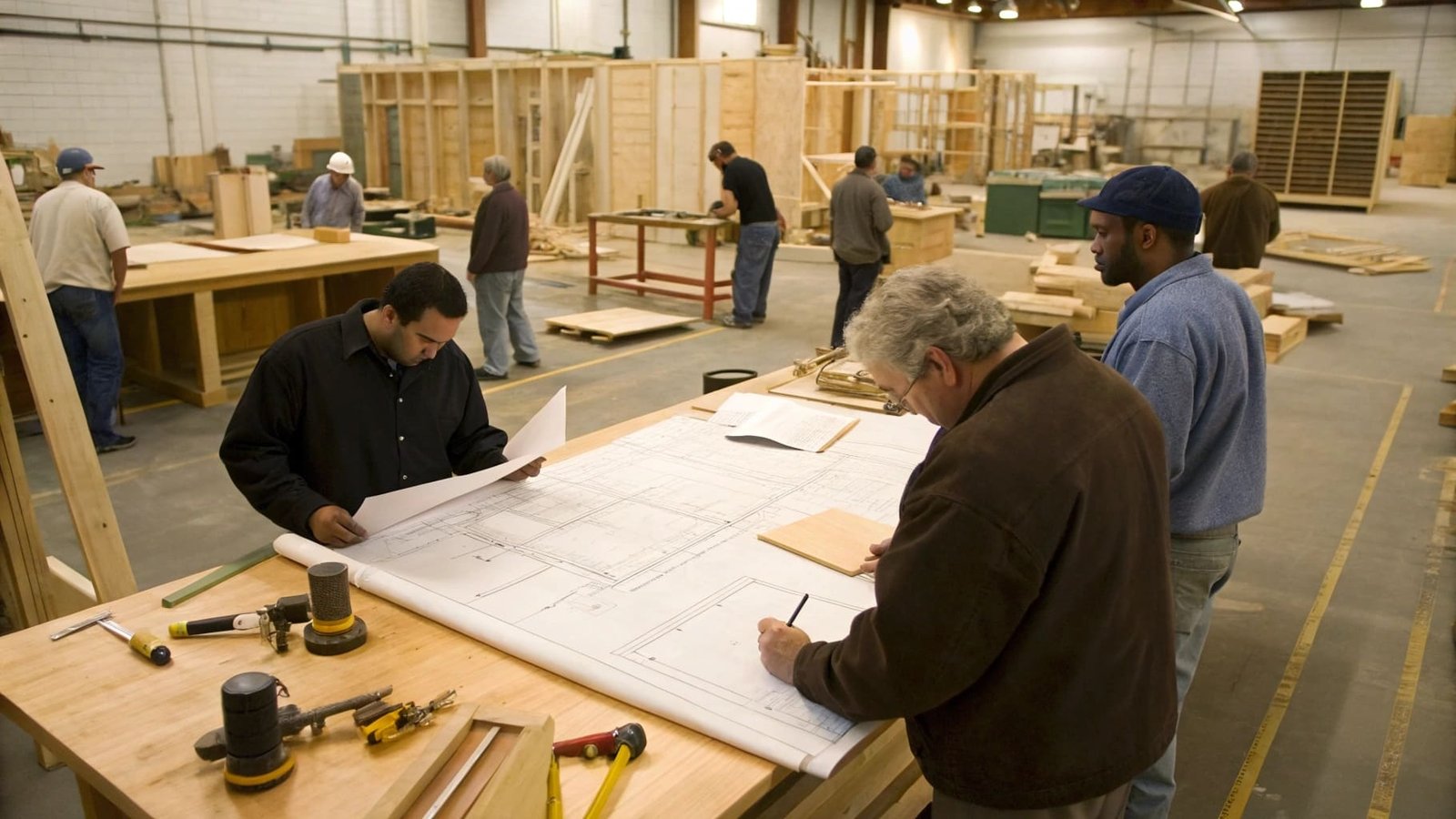
Concept drawings can lead to confusion during production. Without proper shop drawings and audits, structural errors, size mismatches, and installation issues arise.
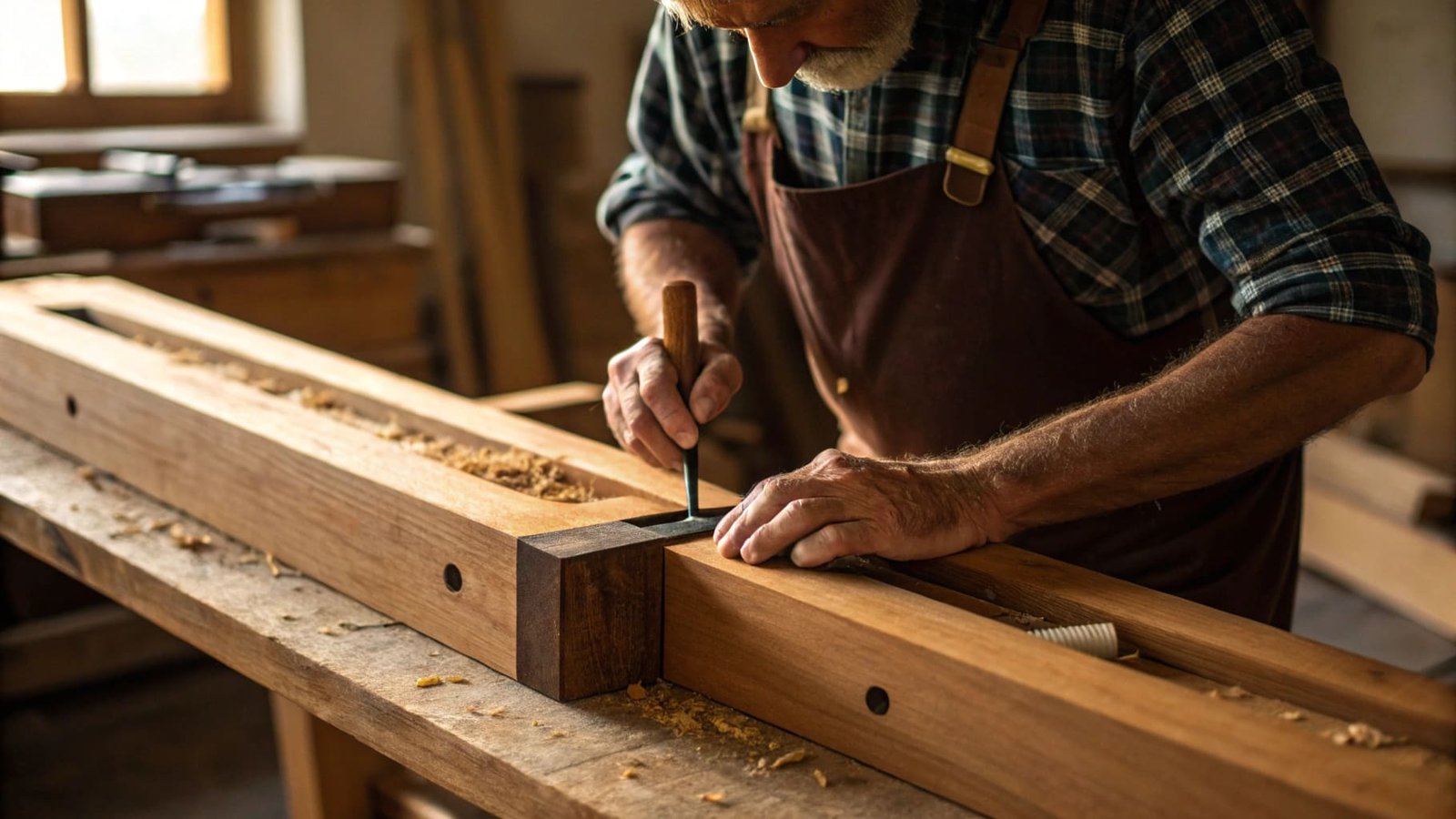
A top-tier factory translates design sketches into factory-ready shop drawings with micron-level precision and pre-production structural audits. This ensures load-bearing integrity, hidden steel frames, and durable cushioning.
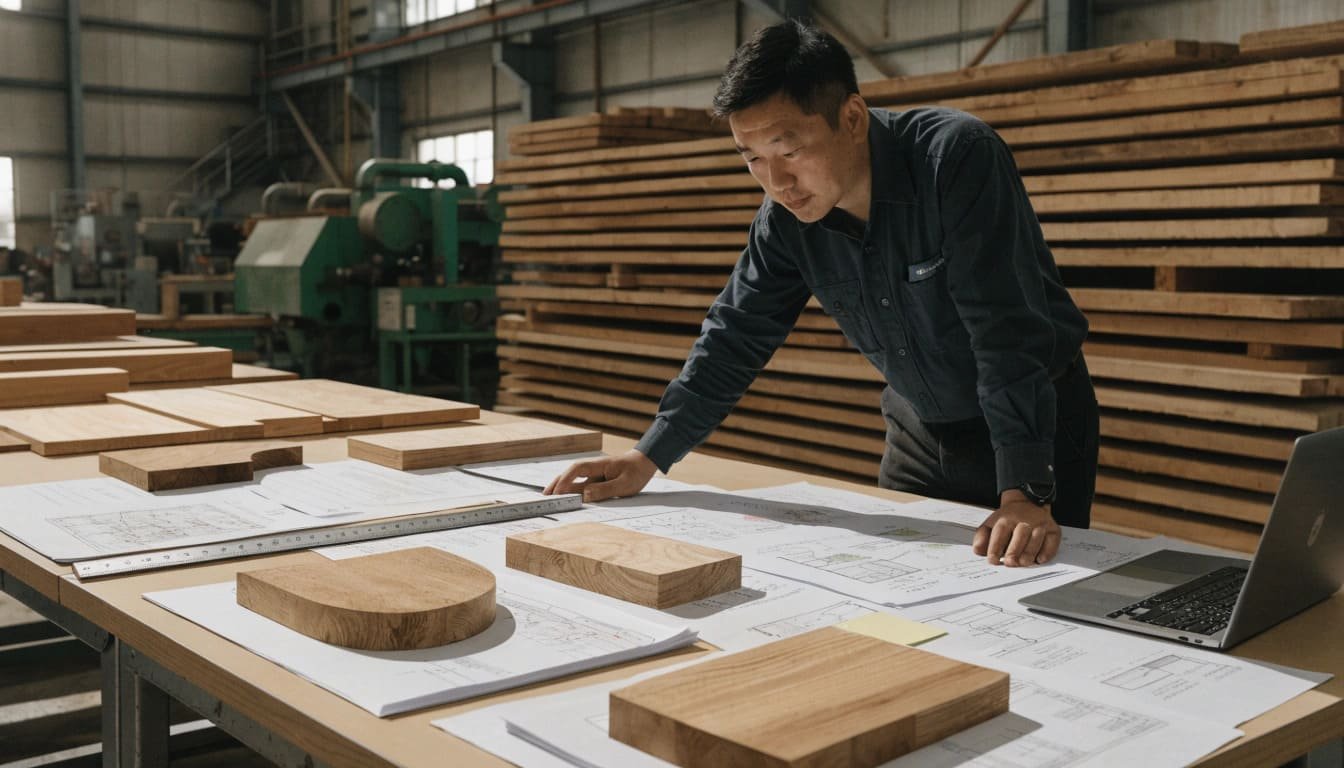
Dive deeper into why this matters. Overseas designers often provide renderings or conceptual sketches rather than detailed technical drawings. Ordinary factories replicate these blindly, leading to shaky structures or size discrepancies during installation. A superior factory steps in as an “engineering translator,” turning creative designs into safe, functional products. They audit cantilevered structures for weight capacity, embed hidden steel skeletons for support, and measure rebound decay in foam cushioning. This proactive approach eliminates risks before production even begins.
Why is material integration and tolerance control essential?
Modern commercial projects often feature mixed materials—stainless steel, natural stone, leather, and wood veneers. Managing this complexity is a challenge.
Top factories master multi-material integration, controlling joints to ±0.15mm tolerance. They pre-plan invisible settlement gaps to handle humidity changes, ensuring seamless aesthetics.
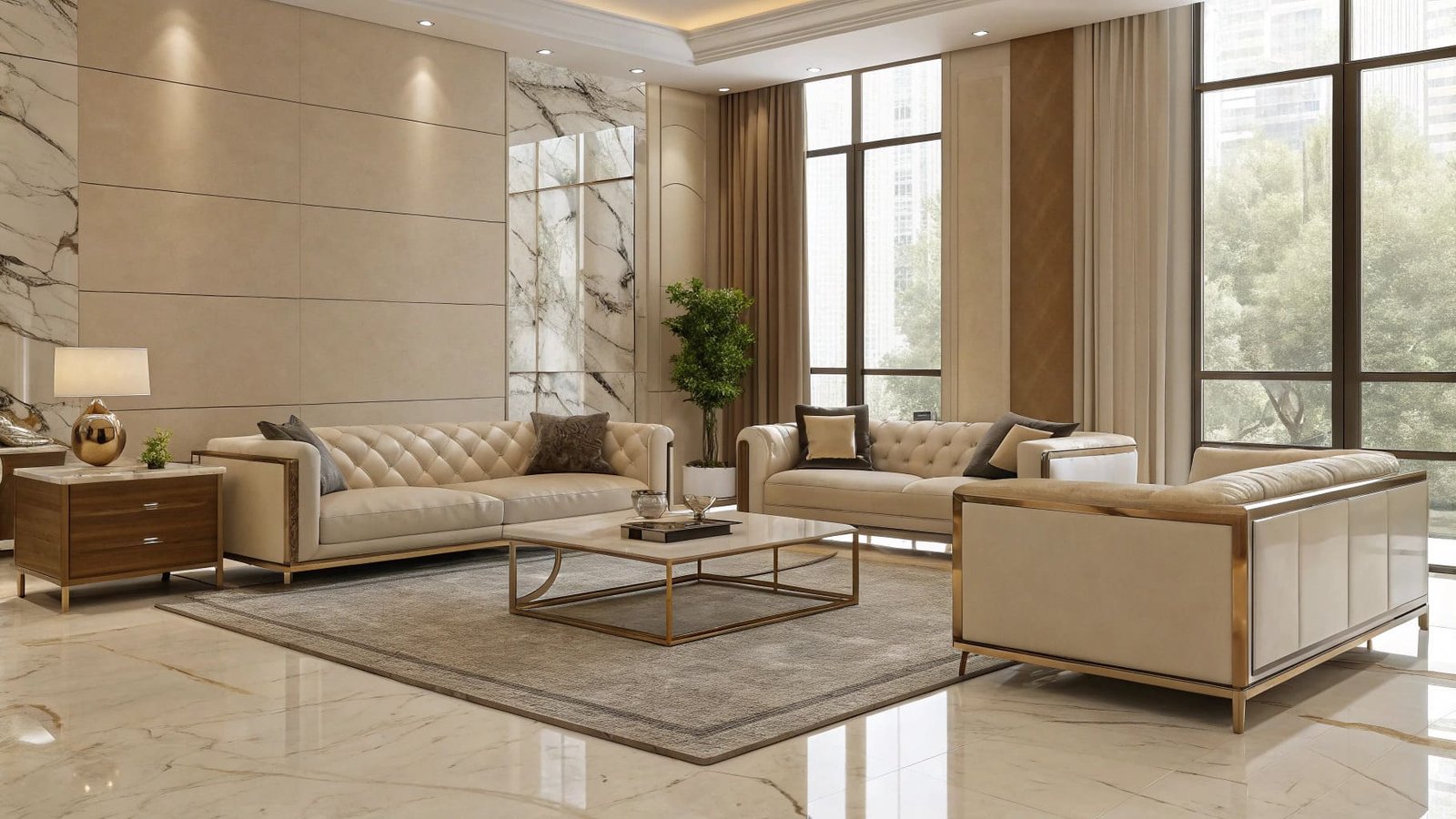
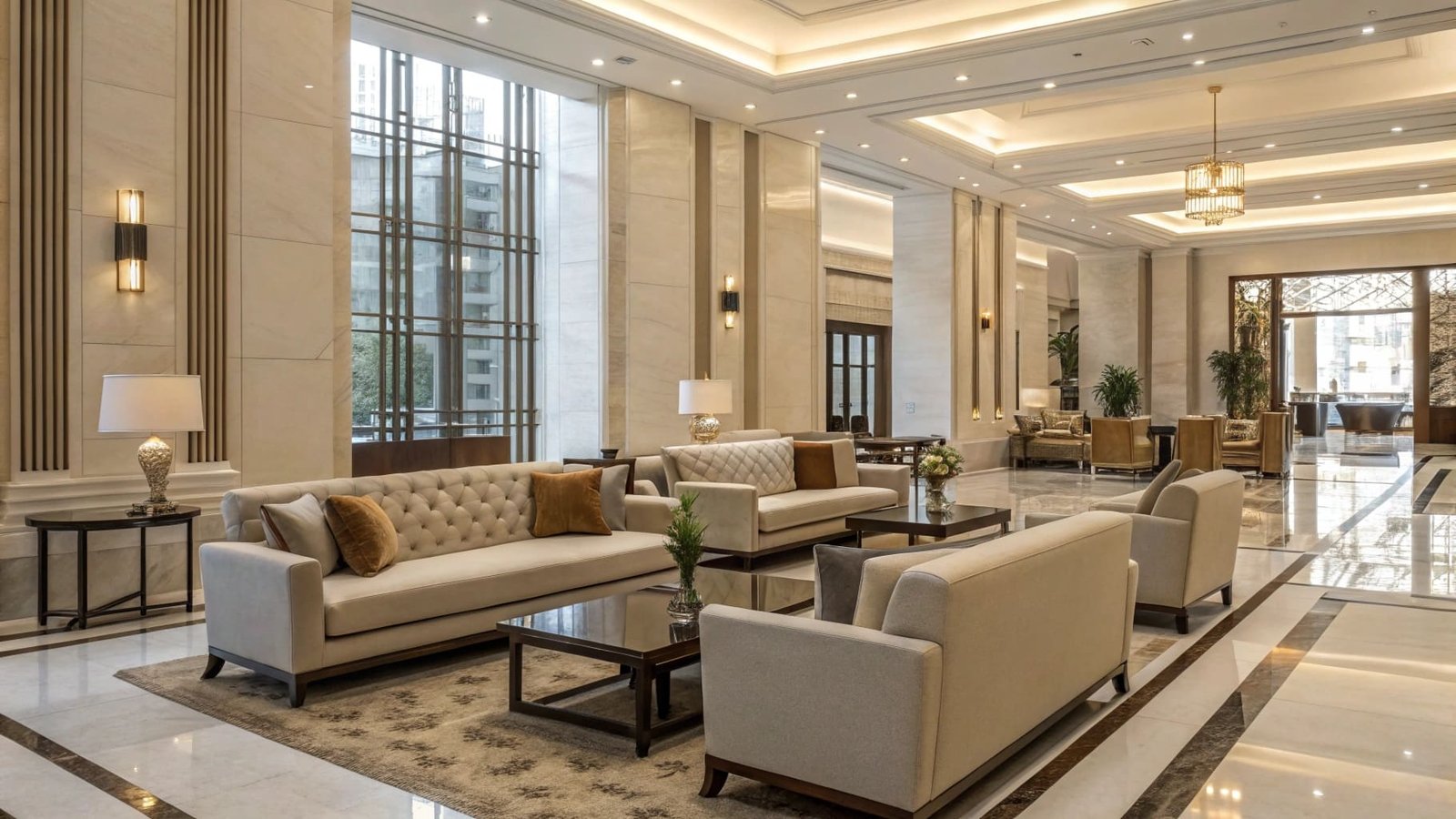
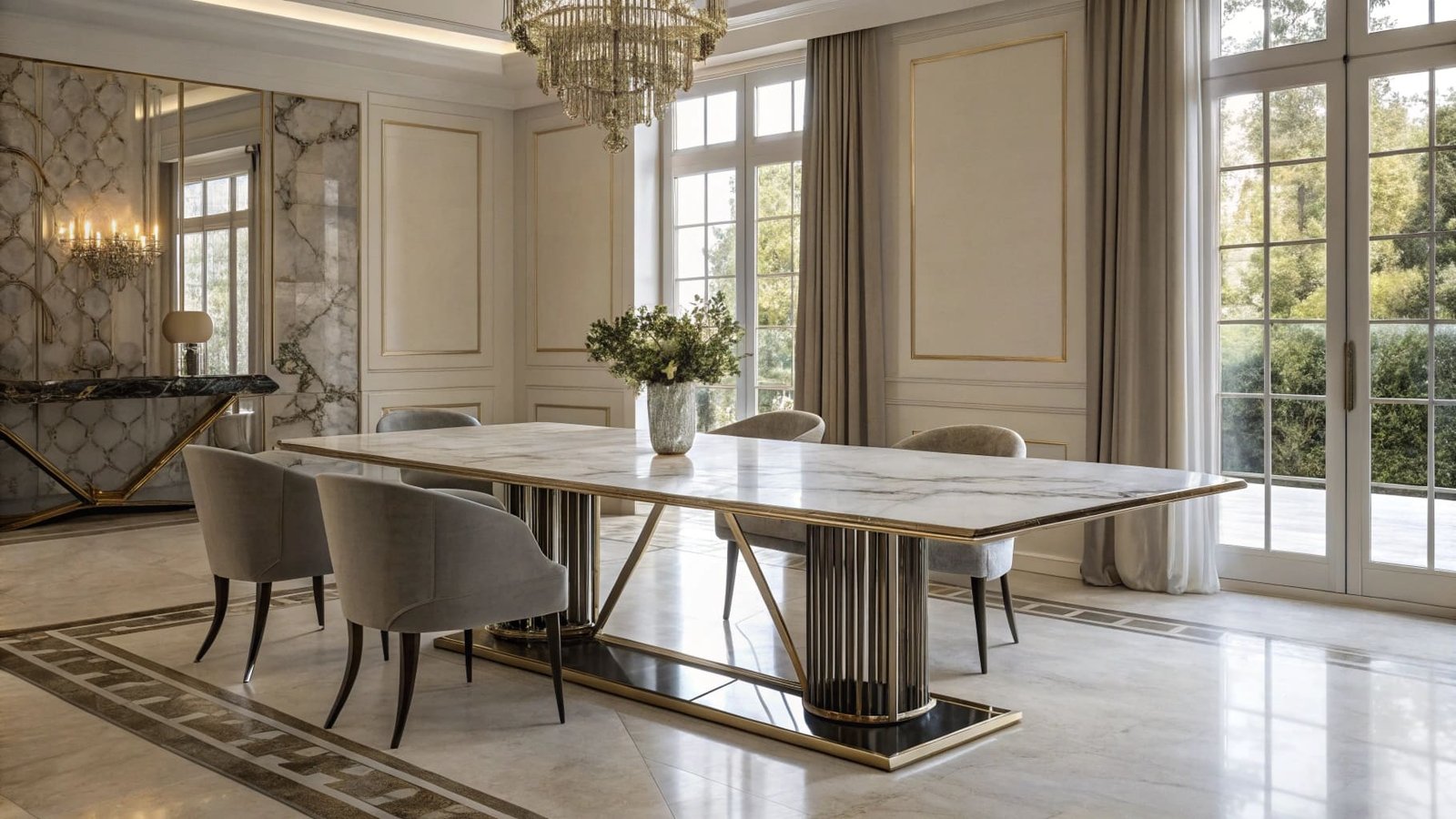
Dive deeper into the process. It’s common for high-end interiors, like hotel lobbies or luxury villas, to combine diverse materials. If each material is outsourced to different suppliers, the result is a disaster—misaligned joints and mismatched finishes. Leading factories use advanced CNC machines and precision water jets to achieve micron-level accuracy at intersection points. They leave invisible gaps to adapt to environmental changes without disrupting the overall design. The result? Perfectly aligned surfaces that appear as though they are naturally fused together.
How can global compliance standards protect your project?
Furniture stuck at customs or rejected on-site due to failed inspections is a nightmare for international buyers. Compliance is non-negotiable.
Premium factories ensure compliance with UK BS 5852, US CAL 133 fire standards, CARB P2 emissions, and BIFMA durability tests. Full reports guarantee risk-free delivery.
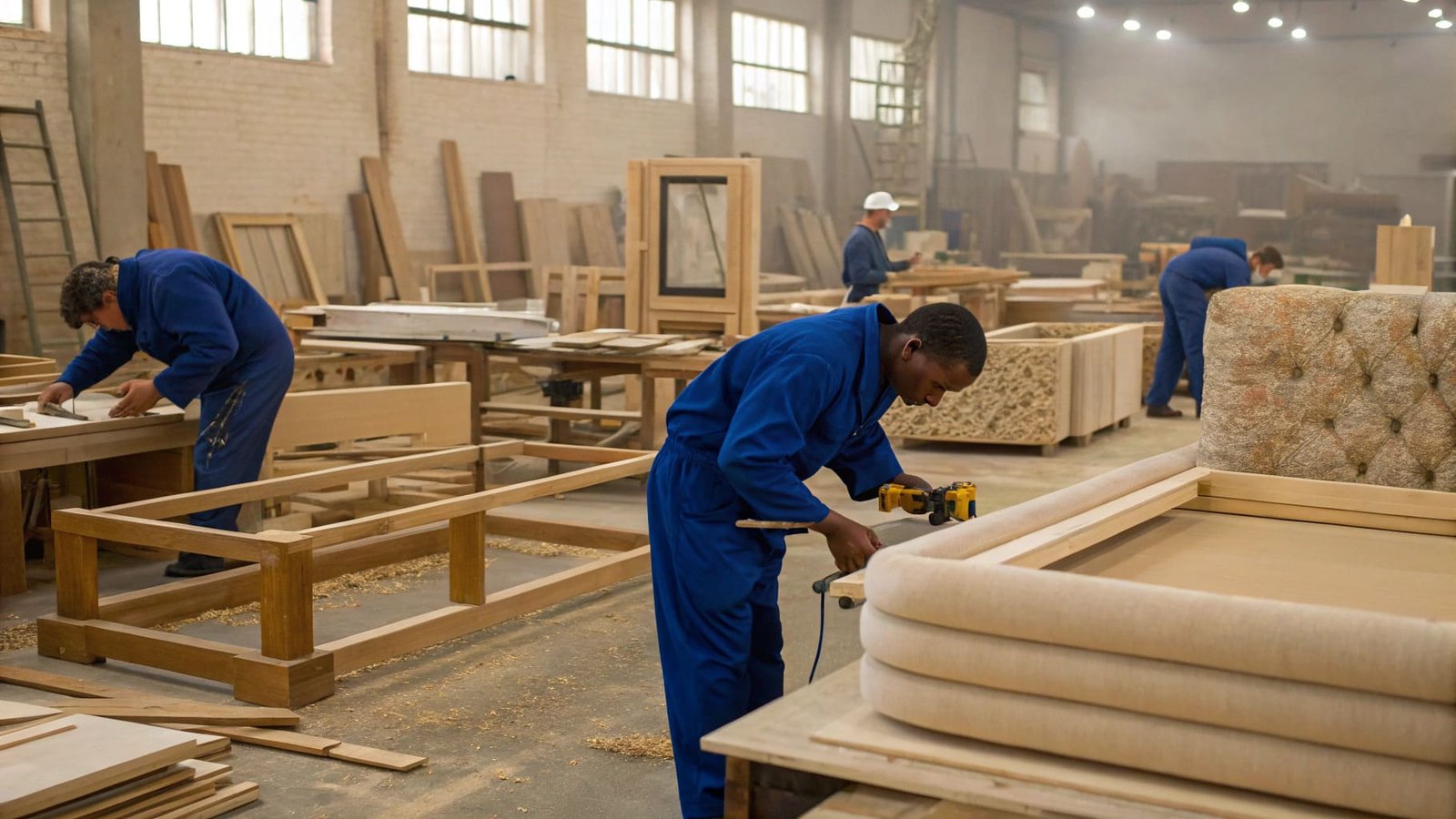
Dive deeper into why this matters. Commercial buyers face strict regulations in areas like fire safety, emissions, and structural durability. Leading factories address these at the source—materials undergo rigorous tests for fire and environmental safety. Upholstery complies with stringent international fire codes, wood emissions meet CARB P2 and LEED standards, and furniture structures pass BIFMA’s heavy-load endurance tests. Buyers get comprehensive testing certifications, ensuring their projects meet all regulatory requirements without delays or penalties.
How does a mock-up review and KD logistics optimize cross-border deliveries?
Distance and shipping costs can cause headaches for cross-border furniture procurement. Predictability is key.
Advanced factories build full-scale mock-ups for pre-shipment approval and optimize knock-down (KD) designs to cut shipping volume by 30% while enabling quick assembly on-site.
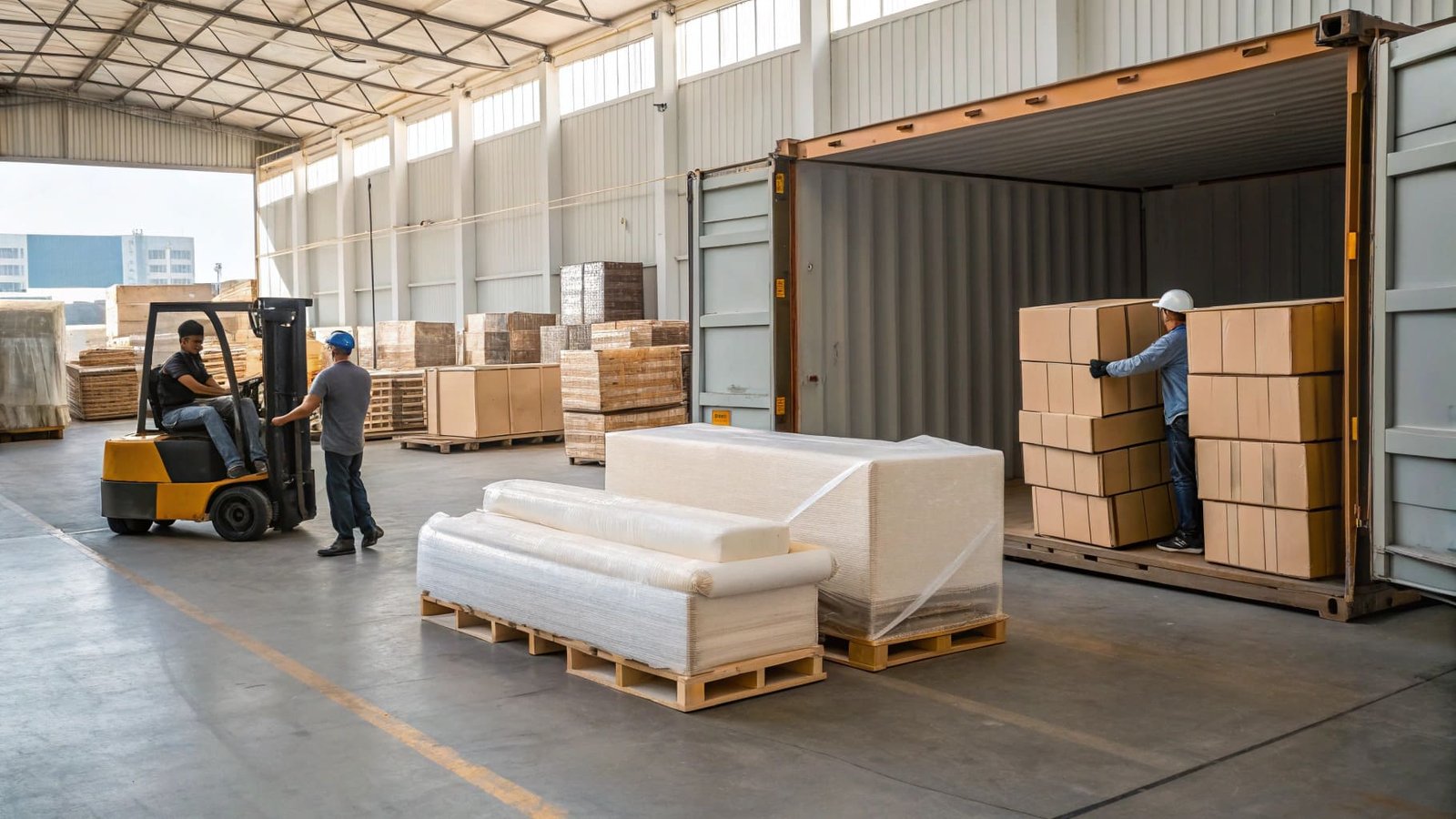
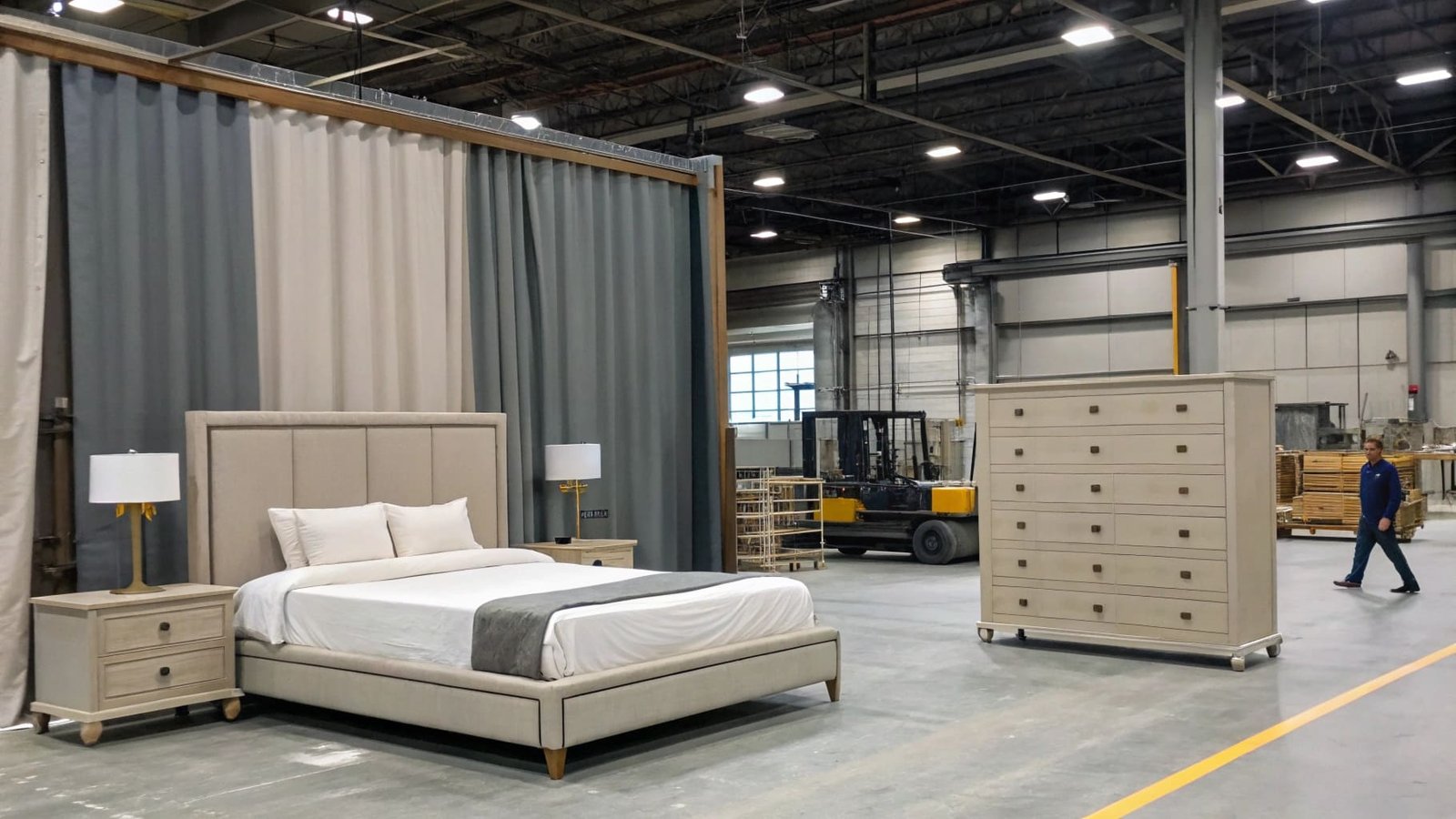
Dive deeper into the solution. Cross-border projects are plagued by uncertainty. Professional factories eliminate guesswork by constructing full-scale mock-ups for buyer approval before mass production begins. High-definition videos and third-party inspections ensure transparency. They also refine KD structures during design phases, making furniture easier to disassemble for compact shipping. This saves over 30% on freight costs and simplifies on-site assembly. The entire workflow is designed to minimize risks, reduce expenses, and ensure seamless execution.
Conclusion
Finding the right furniture factory in China isn’t about chasing the lowest price. It’s about partnering with factories that turn your designs into compliant, precision-engineered, risk-free solutions that elevate your projects.