Introduction
You have an upholstered chair that looks old and dirty. No matter how much you clean it, the dinginess remains. What if the problem isn’t dirt at all?
The chair looks dingy because of physical wear, not just dirt. Tiny fabric fibers break down, and the inner foam sags, creating shadows. High-performance fabrics and strong internal structures are the real solutions for a long-lasting, clean look in commercial furniture.
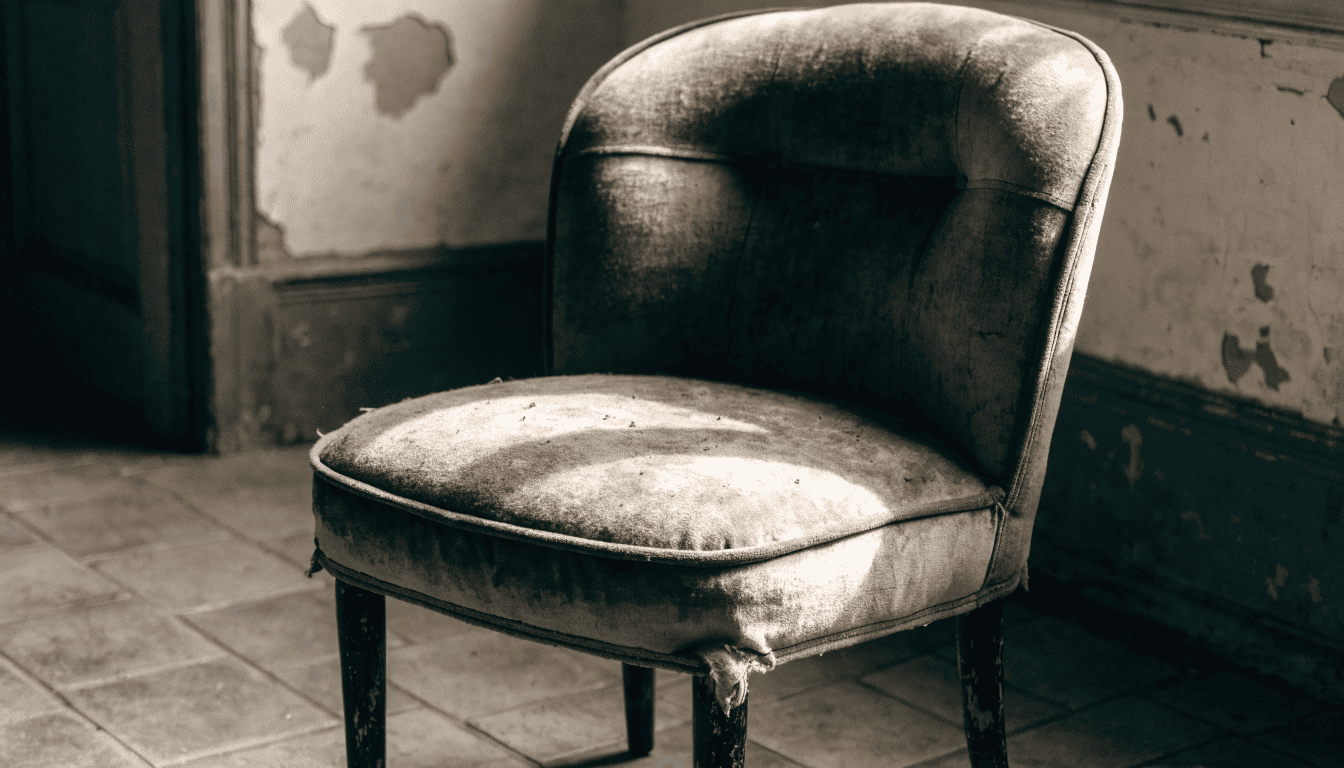
It’s a frustrating situation I’ve seen many times in my projects. A client points to a chair in their hotel lobby or villa and asks why it looks so tired, even after a deep clean. They feel like they are fighting a losing battle to keep their space looking fresh. But the problem is often misunderstood. Let’s break down the real reasons your chair looks old and what you can actually do about it.
Is it really dirt, or is the fabric just tired?
You scrub and clean, but that greyish haze on your chair won’t budge. It makes you question your cleaning methods and the fabric’s quality. The truth is, it’s likely not dirt.
Often, what looks like dirt is actually “fiber fatigue.” After thousands of uses, microscopic fibers break and pill, losing their original sheen. This dullness is often mistaken for grime, but it’s a physical change in the fabric itself, altering how it reflects light.
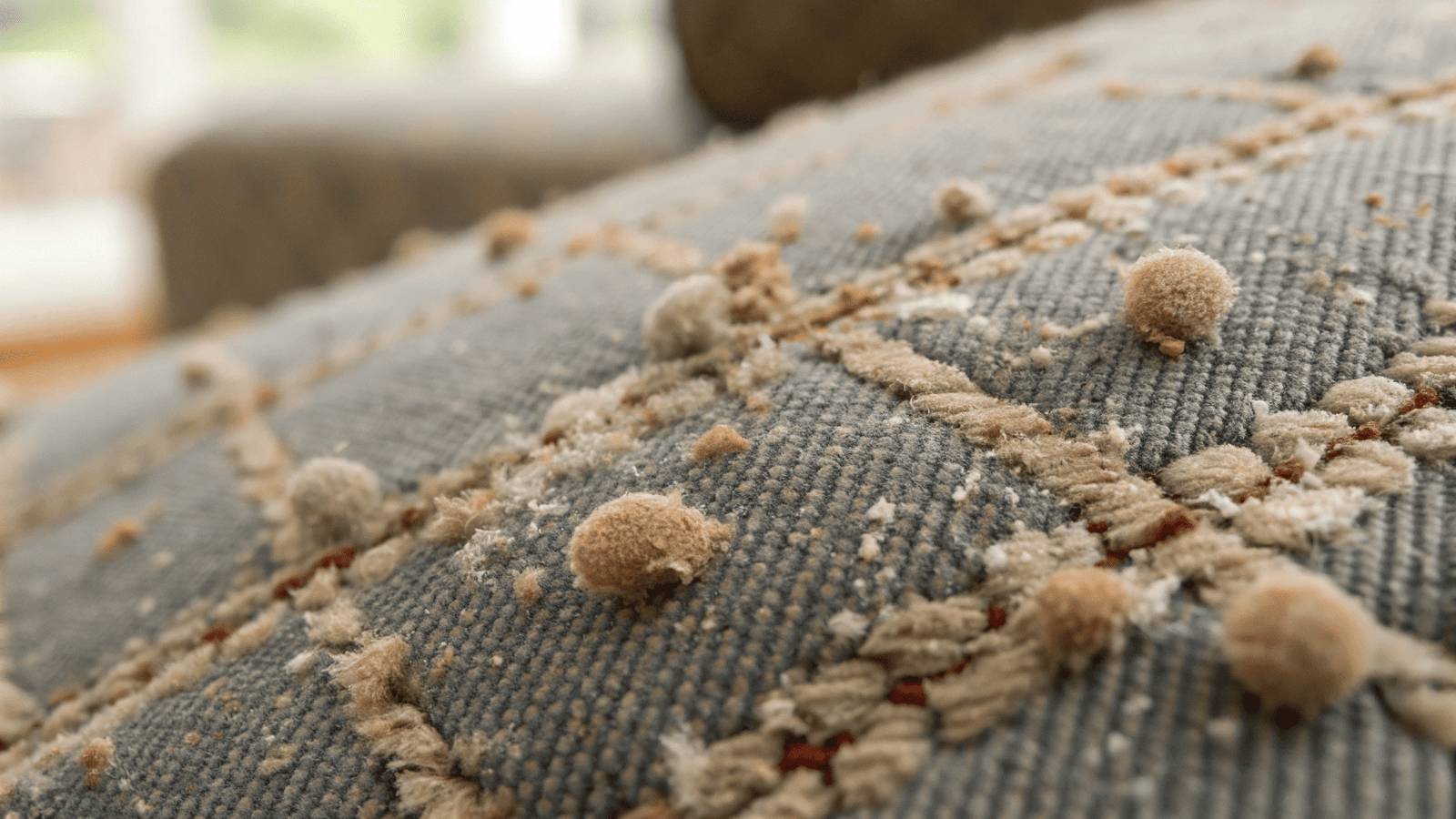
In my line of work, we see this all the time. A fabric’s ability to resist this wear and tear is measured by a test called the Martindale Rub Count. A typical residential fabric might withstand 15,000 to 25,000 rubs. But for a high-traffic hotel lobby, we need much more. Engineering-grade fabrics start at 50,000 rubs and can go well over 100,000. These heavy-duty fibers don’t break or fuzz easily. As a result, they continue to reflect light evenly and hold their color, looking new for years. When a fabric looks “dirty,” it’s often just that the fibers have become so damaged they absorb light instead of reflecting it. This is why no amount of cleaning will restore that original vibrant look. It’s a physical problem, not a chemical one.
Feature | Standard Fabric | Engineering-Grade Fabric |
Durability | Lower Martindale Count (e.g., 20,000) | High Martindale Count (e.g., 100,000+) |
Appearance Over Time | Prone to pilling, fuzzing, looking dull | Resists wear, maintains sheen and color |
Light Reflection | Becomes uneven, creating a “dingy” look | Stays consistent, looks clean longer |
Why do new wrinkles make my chair look so old?
Your chair’s fabric seems loose and puckered, even when no one is sitting on it. These wrinkles create shadows that look like stains. The real problem lies hidden underneath the surface.
The culprit is often the internal foam losing its shape and resilience. When the foam sags, the fabric on top becomes loose and wrinkles. These folds cast tiny shadows, which our eyes interpret as dirt and age, creating a “shadow magnification effect.”
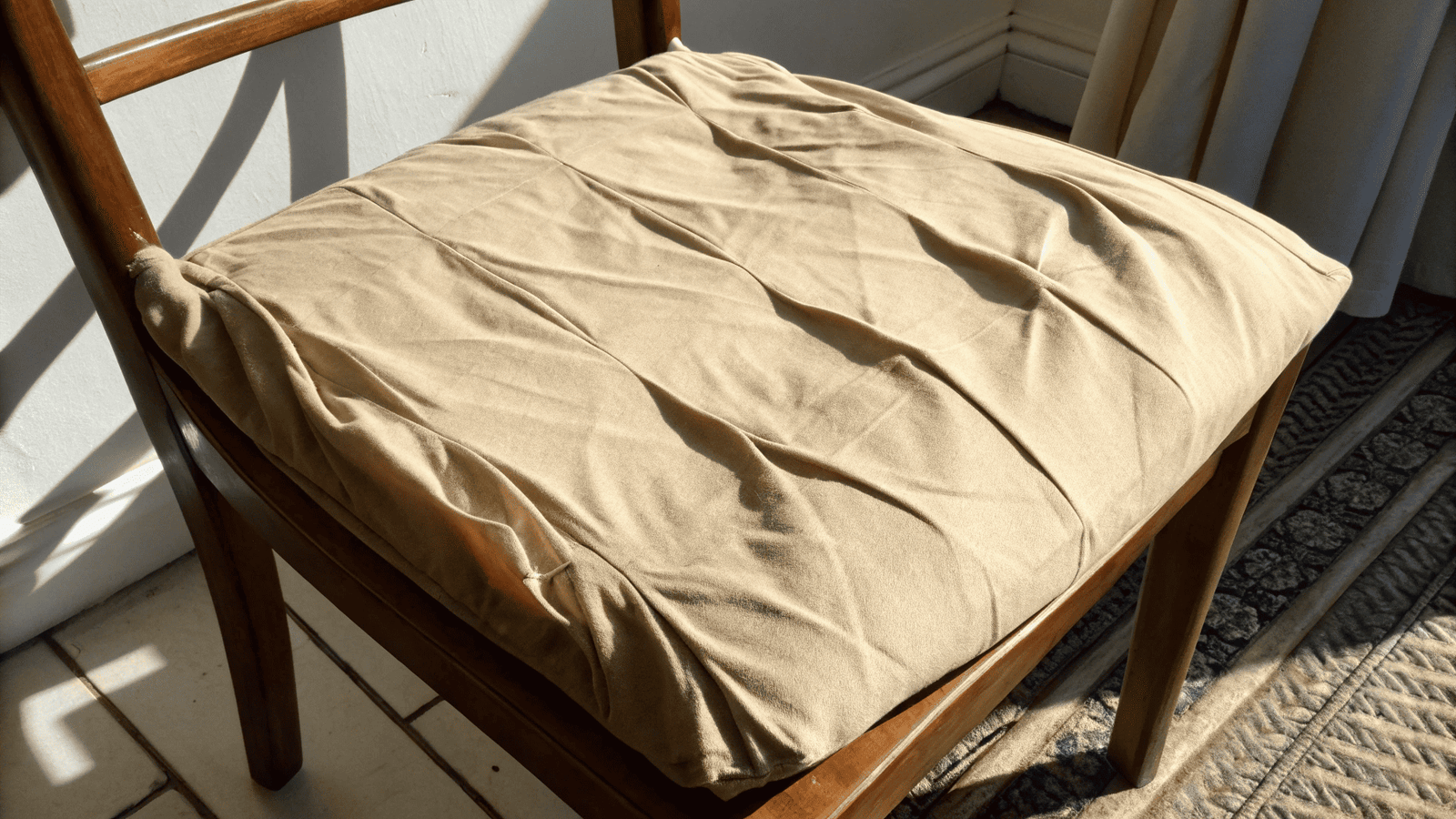
A chair is only as good as its internal structure. I often explain to clients that the fabric is just the skin; the foam and frame are the bones and muscle. If the foam collapses, the skin will sag. Low-density foam breaks down quickly under the constant pressure of use. It creates permanent dips and hollows. These areas cause the fabric to pool and wrinkle, casting shadows that make the chair look perpetually old and uninviting. For the custom furniture we produce, we insist on using high-density, high-resilience (HR) foam. This type of foam bounces back to its original shape time and time again. In some ultra-premium pieces, we even use pocket spring systems, just like a high-end mattress. This provides unwavering support, keeping the fabric perfectly taut and smooth. A tight, well-supported surface doesn’t create those deceptive shadows.
Foam Type | Density | Resilience | Long-Term Effect on Fabric |
Standard Foam | Low | Low | Collapses, causing wrinkles and shadows |
HR Foam | High | High | Maintains shape, keeps fabric smooth |
Pocket Springs | N/A | Very High | Provides firm, even support for fabric |
Can a chair's fabric really be immune to stains?
One small spill, and you are left with a permanent dark spot on your upholstery. You live in constant fear of accidents in your commercial space. Modern fabric technology offers a near-perfect solution.
Yes, with today’s technology. Performance fabrics from brands like Crypton or Sunbrella use molecular-level treatments. These create a barrier that repels liquids and oils, so spills bead up on the surface instead of soaking in, allowing for simple, immediate cleanup.
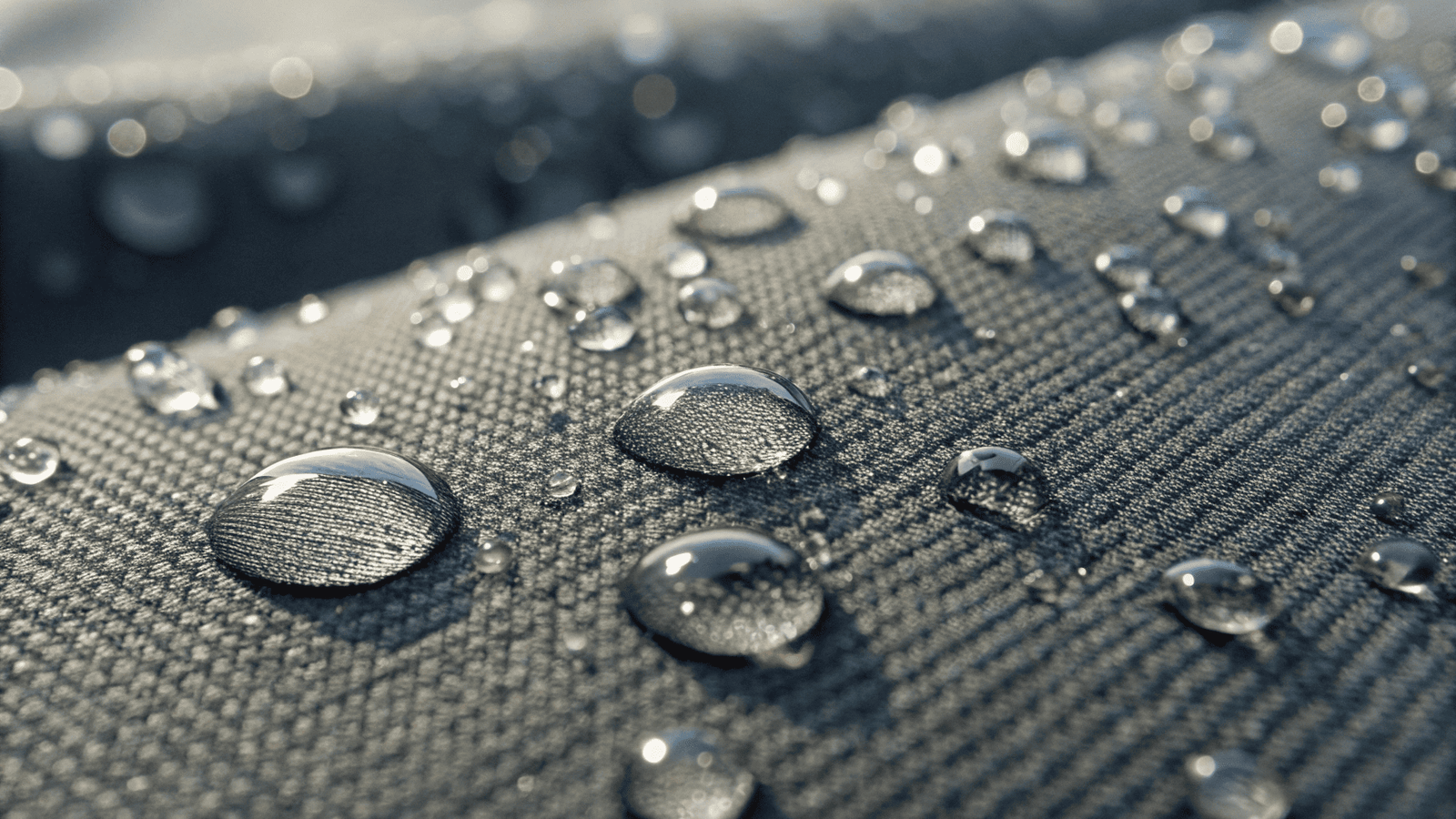
There is a huge difference between a fabric that is “stain-resistant” and one that has been engineered to be “stain-immune.” A traditional fabric acts like a sponge. When a liquid like coffee or wine hits it, the tiny fibers wick the liquid deep inside, making a permanent stain almost inevitable. Modern performance fabrics change the game completely. Through a process we call functional surface engineering, the fabric is treated at a molecular level to be hydrophobic (repels water) and oleophobic (repels oil). I have seen demonstrations where someone pours red wine onto a light-colored sofa, and it just sits there in perfect little beads. A simple wipe with a cloth, and it’s gone without a trace. This is not a coating that wears off; it’s integrated into the fabric. For our hospitality clients, this is a must-have. It dramatically lowers maintenance costs and keeps furniture looking pristine for its entire service life.
Fabric Type | Spill Response | Cleanup | Long-Term Result |
Traditional Fabric | Absorbs liquid immediately | Difficult, often leaves a mark | Permanent staining, looks old quickly |
Performance Fabric | Liquid beads on the surface | Easy wipe-away with a cloth | No stain, fabric looks new |
Should I fix my old chair or just buy a new one?
Your chair looks terrible, and you’re facing a tough decision. Buying new is expensive, but is fixing the old one just throwing good money after bad? Let’s think about it like an asset manager.
**The answer depends on the chair’s frame. If it has a high-quality solid wood or custom metal frame, reupholstering is a smart investment to revive the asset. If the entire structure is weak, it’s better to invest in a new, well-engineered piece.**
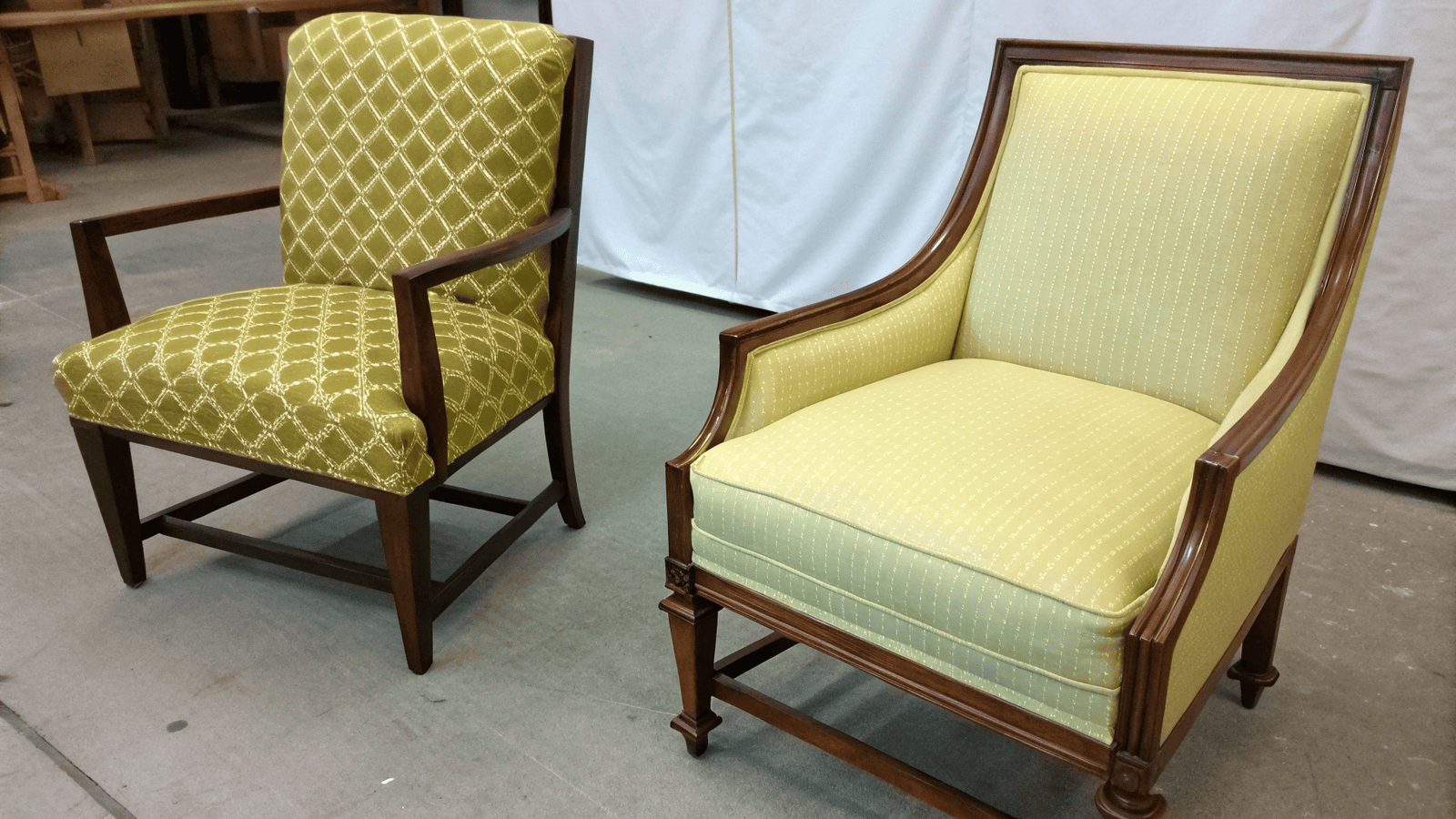
I advise my clients to adopt a “total lifecycle management” mindset. Before you spend a dollar on cleaning or repairs, evaluate the core asset. Is the chair’s frame made of solid hardwood or finely welded metal? Is it structurally sound, without any wobbles or creaks? If the answer is yes, then the chair has “good bones.” In this case, professional reupholstery is an excellent choice. You are essentially putting new skin on a strong skeleton. You can choose a modern performance fabric and high-resilience foam, upgrading the chair to better-than-new condition. However, if the chair is a mass-produced piece with a cheap particleboard frame that is already loose, then reupholstering is a waste of money. You are just putting an expensive new jacket on a failing body. In that scenario, the smarter financial move is to invest that money into a new, high-quality piece of furniture that is engineered to last.
When to Reupholster | When to Replace |
Frame is high-quality (solid wood, metal). | Frame is low-quality (particleboard, weak joints). |
Structure is solid and stable. | Structure is wobbly, loose, or broken. |
The chair has unique design or sentimental value. | The chair is a generic, mass-produced item. |
The cost is less than a new high-quality chair. | Repair cost approaches or exceeds replacement cost. |
Conclusion
A dingy chair is about more than dirt. It’s about fiber fatigue, foam collapse, and outdated fabric tech. Understanding this helps you make smart choices that protect your investment.