Introduction
Do you ever feel stressed in your own home for no reason? Your furniture might be the silent source, draining your energy without you even realizing it.
The furniture with the most negative energy isn’t about style, but about quality. Pieces made from fake materials, emitting toxic chemicals, having unstable structures, or being poorly proportioned for the space can create constant psychological and physical stress, draining your well-being.
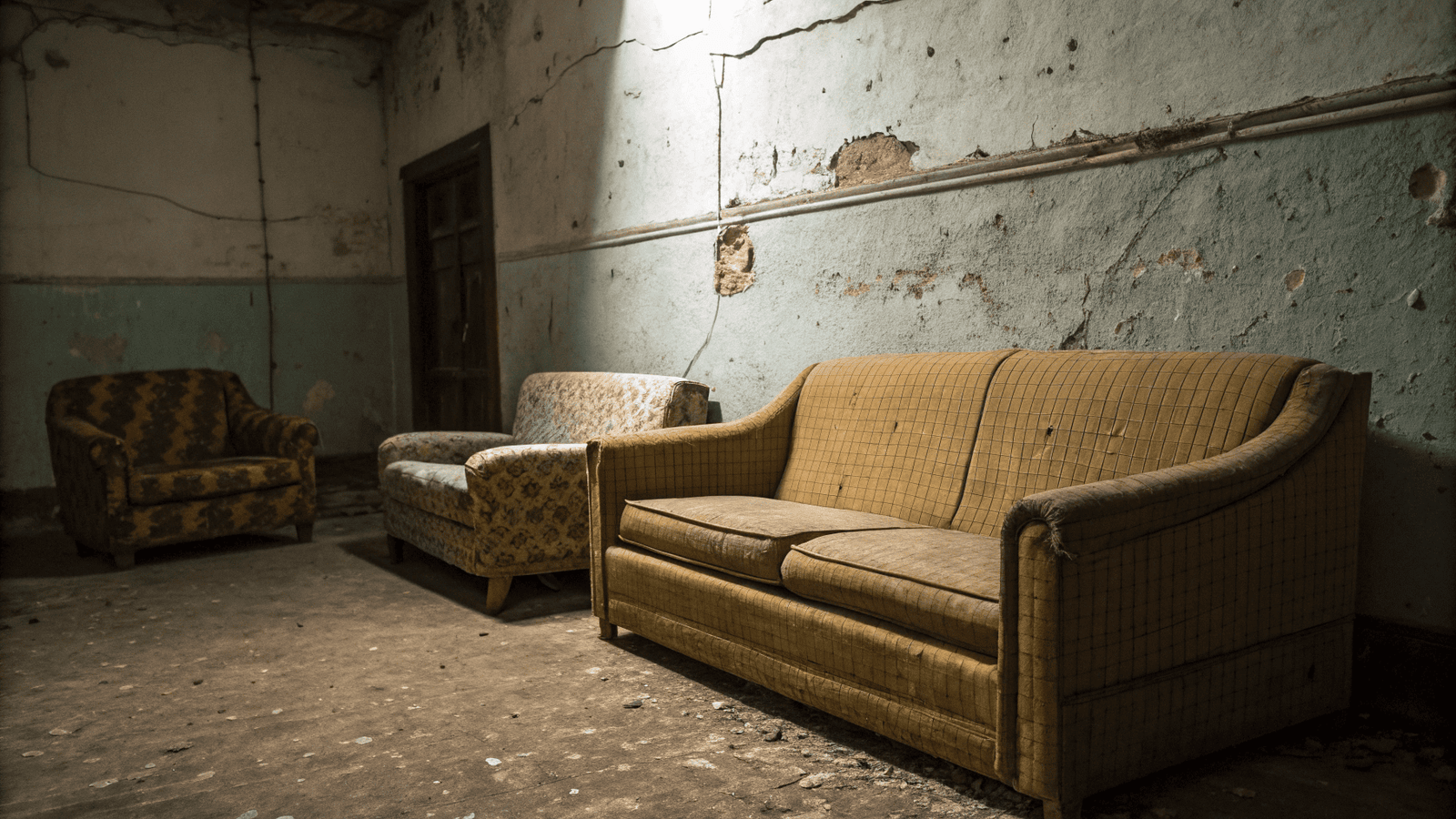
It’s not about superstition or strange energy fields. From my years in the furniture business, I’ve seen how tangible manufacturing choices directly impact how a space feels. It comes down to real, physical problems that create negative experiences. When we talk about “negative energy,” we are really talking about subtle stressors that chip away at our peace. Let’s break down exactly what to look for.
Does Furniture Made from Fake Materials Drain Your Mental Energy?
You bought a beautiful piece, but something feels off. It looks like wood, but feels cold and plastic. This disconnect can be surprisingly unsettling and create subconscious unease.
Yes, it can. When furniture pretends to be something it’s not, like plastic imitating wood, your brain experiences cognitive dissonance. This subtle conflict between sight and touch creates a background sense of inauthenticity and cheapness, slowly draining your mental peace and sense of security.
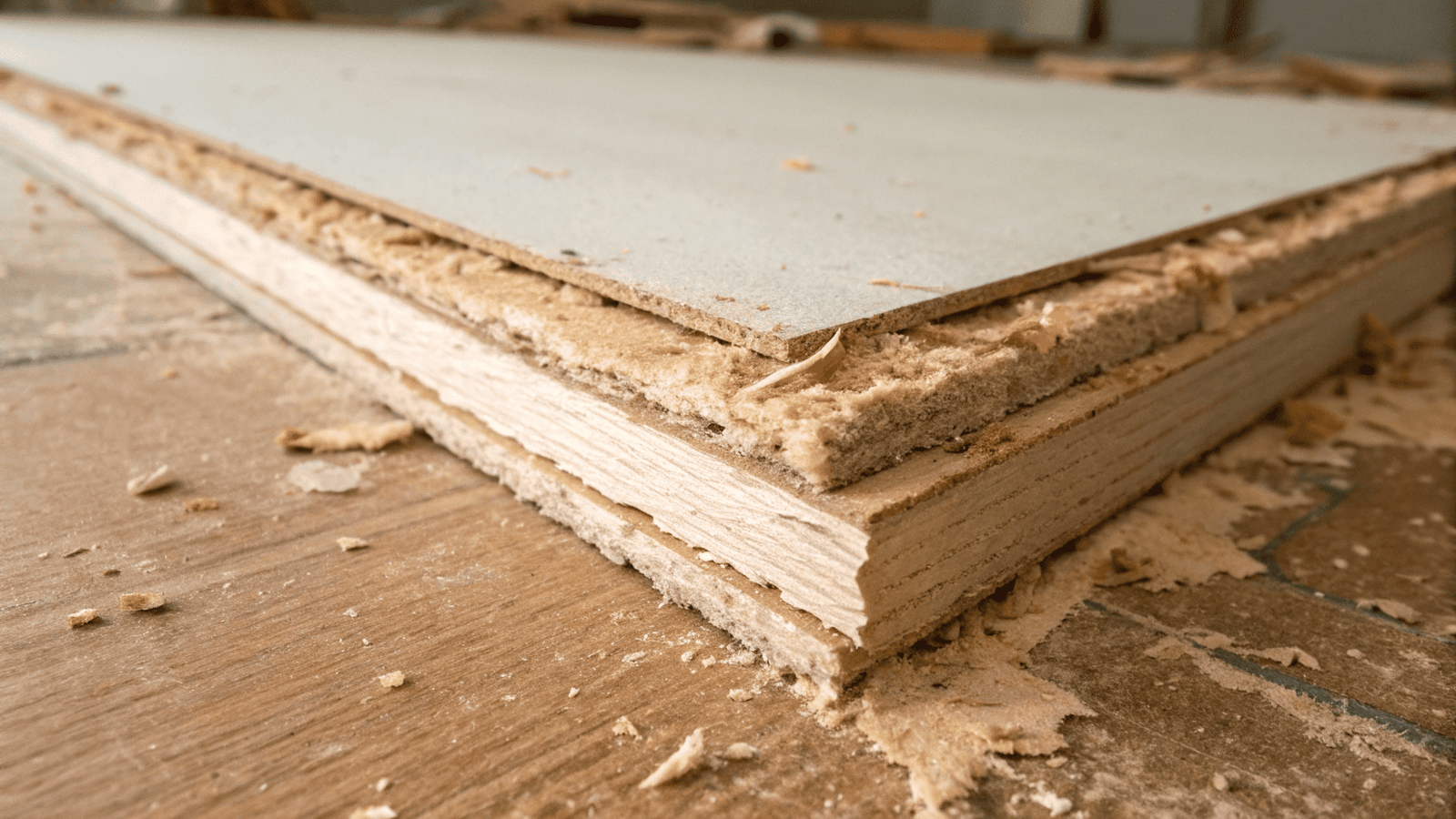
Based on my experience, our connection to materials is instinctual. We are naturally drawn to the honesty of real wood, the coolness of true stone, and the heft of solid metal. These materials ground us. They feel permanent and secure. When you fill a space with imitations, you create an environment of subtle deception.
The Deception of Sight and Touch
This issue is rooted in a psychological principle called Cognitive Dissonance. Your eyes see a rich wood grain, and your brain anticipates the warmth and texture of real wood. But when your hand touches a cold, smooth plastic surface, there’s a mismatch. This small conflict, repeated every day, creates a low-level mental strain. It’s like a quiet alarm in your subconscious that something isn’t right. These pieces constantly send negative signals: “I’m temporary,” “I’m cheap,” “I’m not what I appear to be.” This feeling of inauthenticity prevents you from feeling truly settled and secure in your own space. In contrast, furniture made from genuine materials feels honest. A solid oak table doesn’t need to pretend. Its weight, texture, and presence provide a sense of stability and positive, grounding energy.
Material Feature | Fake Materials (e.g., Laminate) | Real Materials (e.g., Solid Wood) |
Touch | Cold, uniform, plastic-like | Warm, varied, natural texture |
Durability | Prone to peeling, chipping, and fading | Develops a patina, can be repaired |
Subconscious Signal | Temporary, disposable, inauthentic | Permanent, valuable, authentic |
Psychological Impact | Unsettling, low-level stress | Grounding, reassuring, peaceful |
Could Your Furniture Be Secretly Making You Sick?
Headaches, fatigue, or a constant stuffy feeling at home? You blame allergies or stress, but the real problem could be the air you breathe, polluted by your furniture.
Absolutely. Low-quality furniture often uses particleboard with high levels of glue and cheap finishes. These can release volatile organic compounds (VOCs) into the air for years. This invisible pollution can cause headaches, anxiety, and chronic fatigue, a condition known as Sick Building Syndrome.

This form of “negative energy” is not psychological; it’s purely physical and chemical. Some of the most harmful furniture is the kind that actively poisons the air you breathe. The problem is that it happens so slowly and subtly that you might not connect your symptoms to your new cabinet or desk.
The Air You Breathe: Sick Building Syndrome
Many mass-produced furniture pieces are made from MDF (medium-density fiberboard) or particleboard. These materials rely on strong adhesives to bind wood dust and chips together. These glues, especially cheaper ones, often contain formaldehyde and other chemicals that “off-gas” for months or even years. This process releases invisible but harmful volatile organic compounds (VOCs) into your home. The “new furniture smell” is often the smell of these chemicals. Long-term exposure to low levels of these toxins is linked to a condition called Sick Building Syndrome. The symptoms are vague but persistent: headaches, dizziness, fatigue, and respiratory irritation. Your furniture becomes a source of chronic physical stress, directly robbing you of your health and vitality. I once consulted for a hotel that had to replace all its new casegoods because guests were complaining about chemical smells and feeling unwell. The furniture was literally making people sick. That’s why at NEXTOP, we are so strict about using low-VOC finishes and quality core materials.
Is Your Wobbly Furniture Quietly Stressing You Out?
Does your chair wobble when you sit? Does your bed frame creak with every movement? These small annoyances might be creating more stress than you think, keeping you on edge.
Yes, unstable furniture creates constant, low-level anxiety. Every wobble, creak, or squeak acts like a tiny shock to your nervous system. This erodes your sense of safety and security, preventing you from fully relaxing, even in your own home. The foundation of trust is broken.
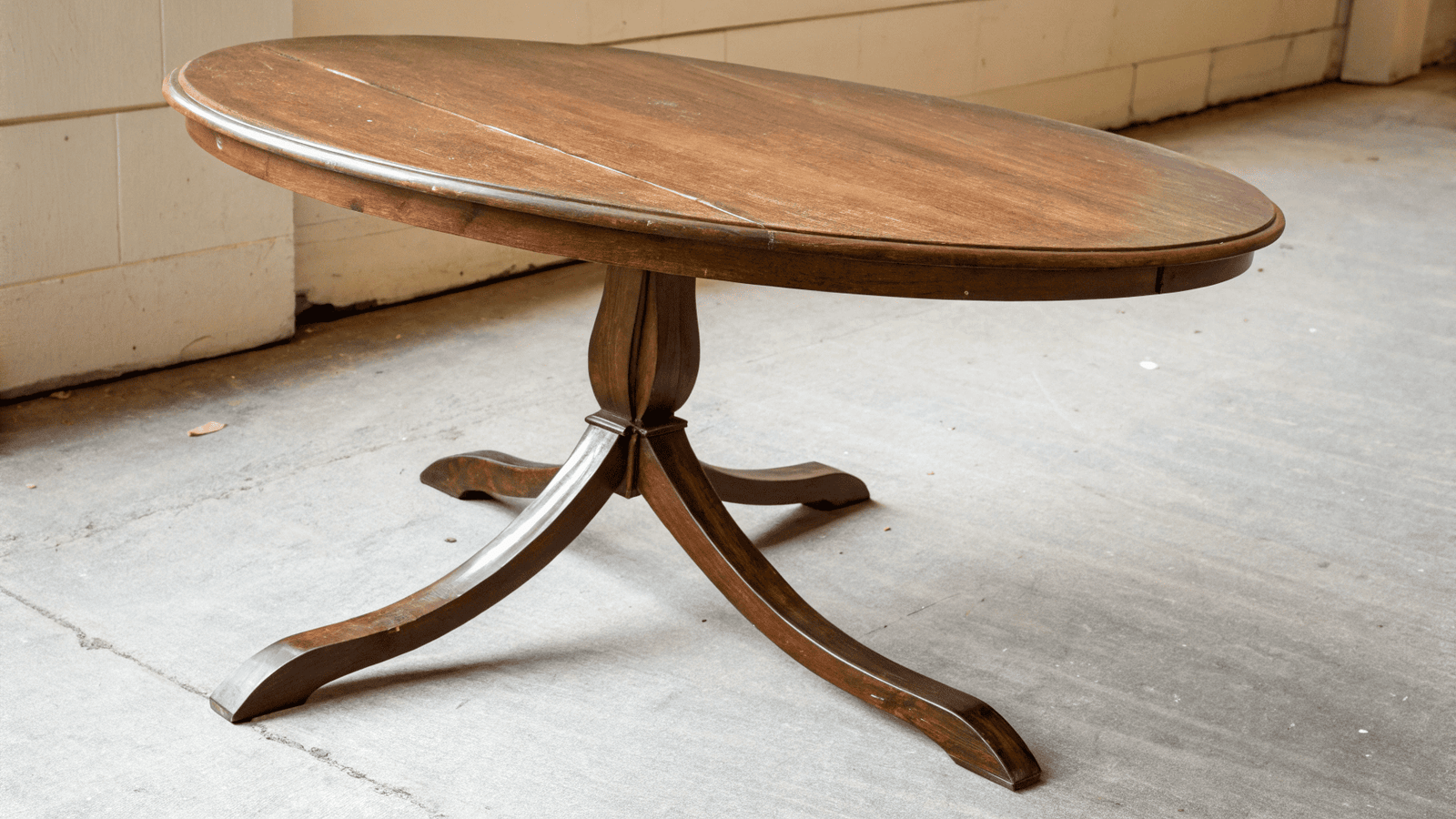
A piece of furniture should be a reliable, silent partner in your daily life. You should be able to sit, sleep, or work without giving its stability a second thought. When that trust is broken, your body remains in a state of subtle alert.
Micro-Shocks to Your Nervous System
In quality manufacturing, we work with very tight “tolerances,” which are the tiny, acceptable variations in a part’s dimensions. When tolerances are poor, joints don’t fit snugly. Legs are not perfectly even. Hardware misaligns. Over time, with daily use, these imperfections lead to structural looseness. The result is a wobbly table, a squeaky bed frame, or a cabinet door that scrapes every time you open it. Each of these small failures is a “micro-shock” to your senses. The wobble makes you brace yourself. The creak in the night disturbs your sleep. This unreliability creates a deep sense of unease. You can’t fully relax because a part of your brain remains on guard, questioning the safety and integrity of the objects around you. I remember staying in a hotel where the headboard wasn’t properly secured to the wall. Every time I shifted, it would knock against the wall. It was impossible to get a good night’s sleep. This is why precise engineering and strict quality control are not just about luxury; they are fundamental to creating a truly restful and secure environment.
Can Bulky Furniture Make Your Space Feel Oppressive?
Does your room feel cramped and dark, even if it’s not small? A single piece of oversized, heavy furniture can be the culprit, suffocating the entire space visually.
Definitely. Furniture that is too large, dark, or solid for a room disrupts its natural flow and blocks light. It creates physical and visual dead ends. This physical confinement translates directly into a psychological feeling of being trapped, oppressed, or even claustrophobic.
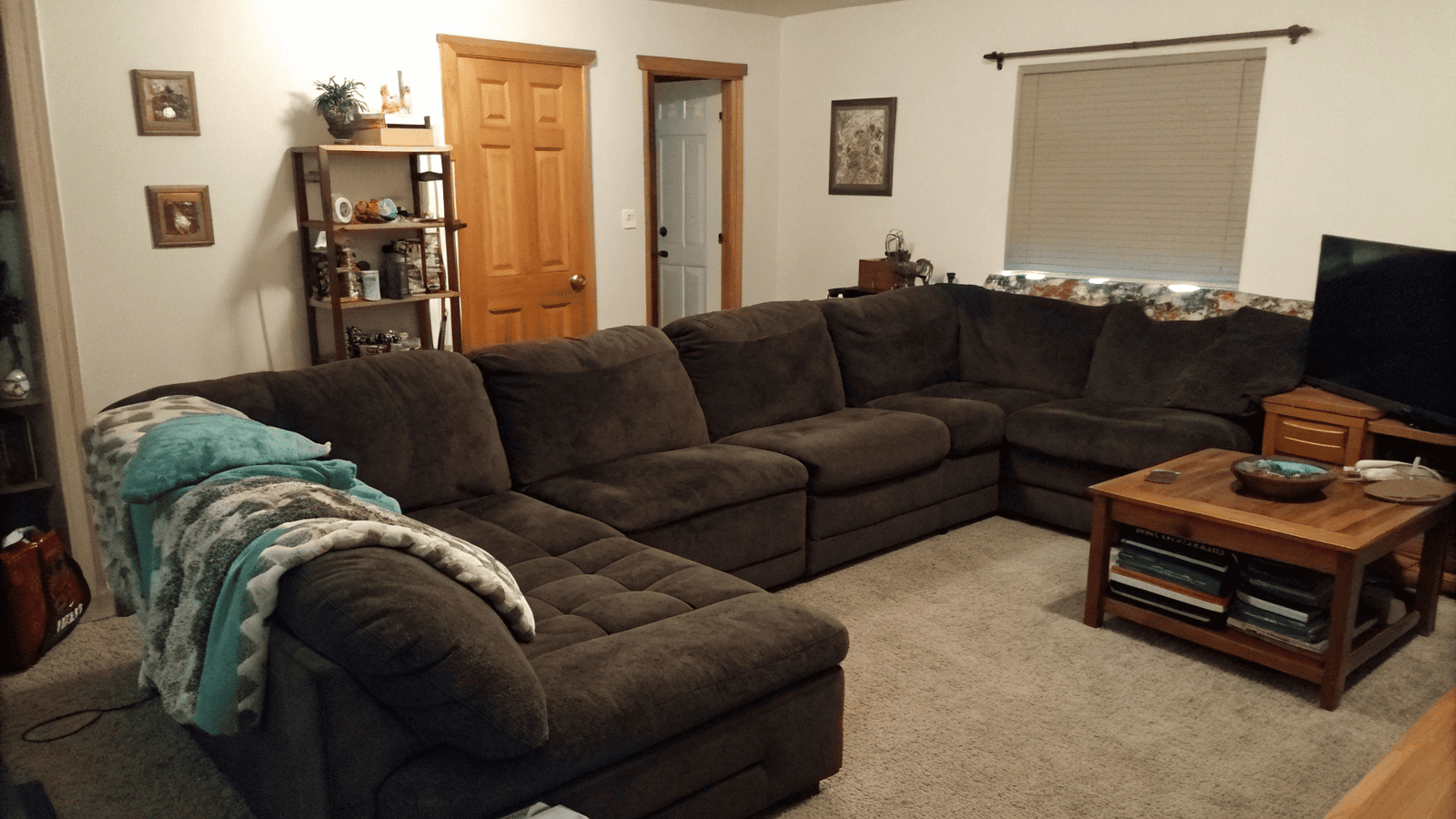
The “energy” of a room is also about how you move through it. A good layout feels effortless. A bad layout creates friction and frustration. Often, the problem is a single piece of furniture that is simply the wrong scale for the space.
The Space-Stealing Monster
Think of your room’s layout as a river. Light and movement should be able to “flow” freely. A poorly scaled piece of furniture acts like a dam. A massive, dark-colored sofa in a small apartment, for example, can absorb all the light and visually shrink the room. A tall, wide wardrobe placed incorrectly can block a natural walkway, forcing you to squeeze past it every day. This creates a “dead corner” and disrupts the room’s entire flow. This physical blockage has a direct psychological effect. It can make you feel confined and restricted. The lack of open space and light can lead to feelings of oppression and even claustrophobia. Your home should be a place where you can breathe and move freely. When furniture fights against the space instead of working with it, it becomes a constant source of low-level irritation. This is a key benefit of custom furniture—we can design pieces that are perfectly proportioned to enhance a room’s flow and sense of spaciousness, rather than dominate it.
Conclusion
Truly negative furniture isn’t about style. It’s about poor manufacturing that creates physical discomfort and psychological stress through fake materials, toxins, instability, and bad proportions.