Introduction
You see beautiful furniture, but it’s expensive and you’re unsure of the quality. Making your own gives you total control, creating pieces you can truly trust and be proud of.
You can make many pieces yourself, especially items with simple construction like shelving units, basic tables, benches, and modular storage cubes. The key is choosing projects that match your skill level and give you full control over materials, dimensions, and quality.
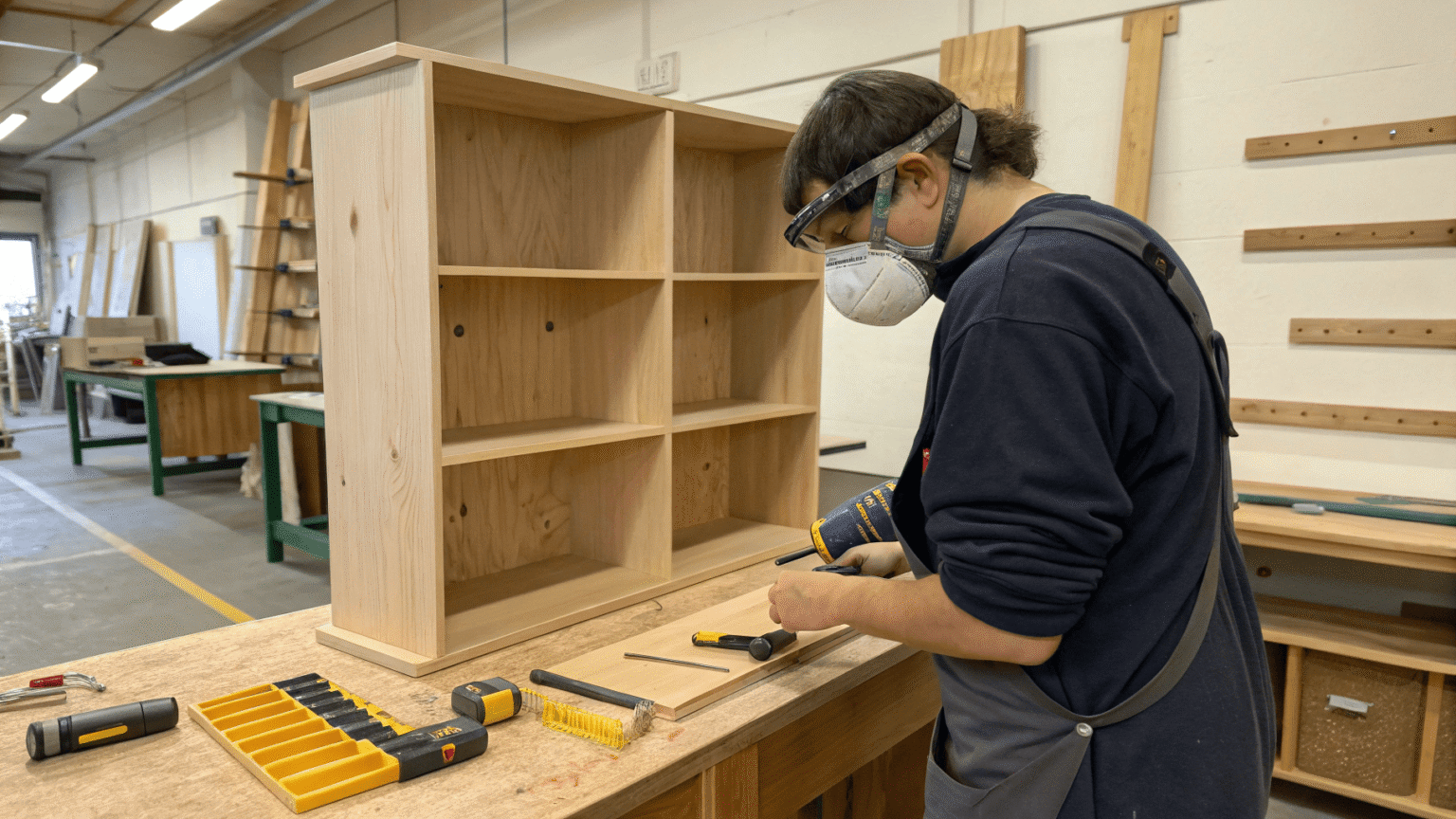
Building your own furniture is more than just a weekend hobby. It is a practical way to solve real problems that store-bought pieces simply cannot address. It gives you a level of control and satisfaction that is hard to find elsewhere. Let’s look at the powerful advantages you gain when you decide to build instead of buy. This journey allows you to create pieces that are not only functional but also deeply personal and perfectly suited to your life.
How can you be sure your furniture is truly safe and strong?
You buy a new cabinet that looks great, but it feels wobbly. You start to wonder what’s hidden inside and if it’s truly safe for your home. When you build it yourself, you choose every part and know it’s built to last.
You guarantee furniture safety by personally selecting every material and construction method. This means using solid wood, high-quality hardware, and strong joints. You get complete transparency and peace of mind, which commercial furniture often hides under a thin veneer.
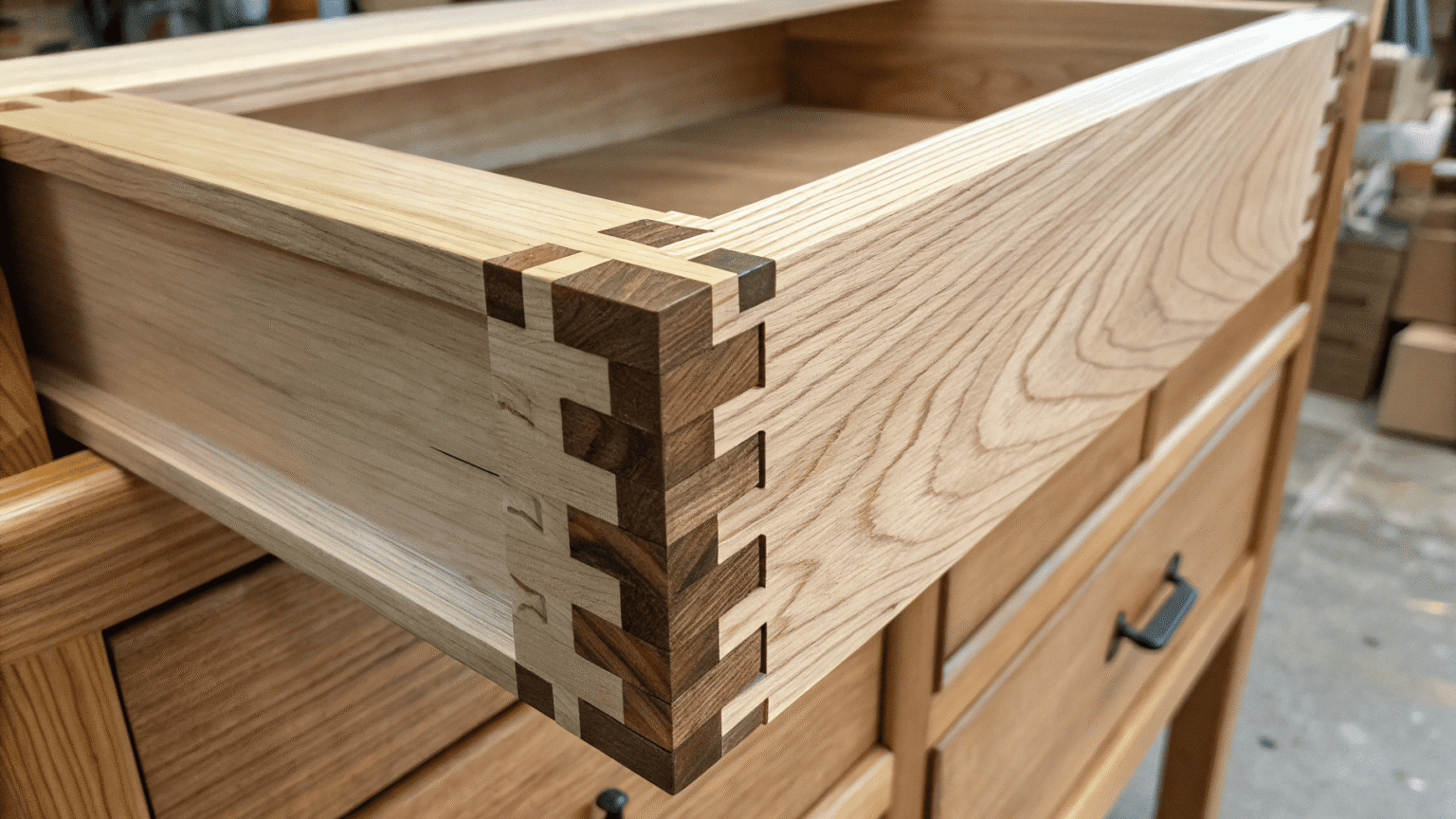
In my work at NEXTOP, we engineer custom furniture for hotels and high-end projects, so I see the difference in quality firsthand. Many mass-produced furniture pieces look good on the surface, but underneath they often use low-density particleboard held together with a lot of glue. These materials can contain formaldehyde and lack long-term strength. When you make a piece yourself, you bypass this completely. You get to choose F4-star rated solid wood panels, eco-friendly finishes like wax oil, and superior hardware. The experience of assembling a strong mortise and tenon joint or installing heavy-duty drawer slides gives you a deep confidence in the furniture’s durability. This “structural transparency” creates a psychological feeling of safety. You are not just building a shelf; you are building a safe haven for your family.
Feature | Mass-Produced Furniture | Your DIY Furniture |
Core Material | Often Particleboard/MDF | Solid Wood or High-Grade Plywood |
Adhesives | High-VOC Glues | Low-VOC Glues or No Glue (Joinery) |
Joinery | Staples, Cams, Dowels | Mortise & Tenon, Dovetails, Screws |
Transparency | Hidden Construction | 100% Visible & Controlled by You |
How do you make furniture fit perfectly in awkward spaces?
You have an odd nook or a wall with a protruding pipe. Standard furniture leaves ugly gaps, wasting valuable space and looking completely out of place. By building your own, you can measure and cut each piece to fit your room’s exact dimensions.
You achieve a perfect fit by designing and building furniture based on your specific space. This “site-specific” approach lets you build around obstacles like pipes or baseboards, using every inch of an awkward corner, something impossible with standard-sized furniture.
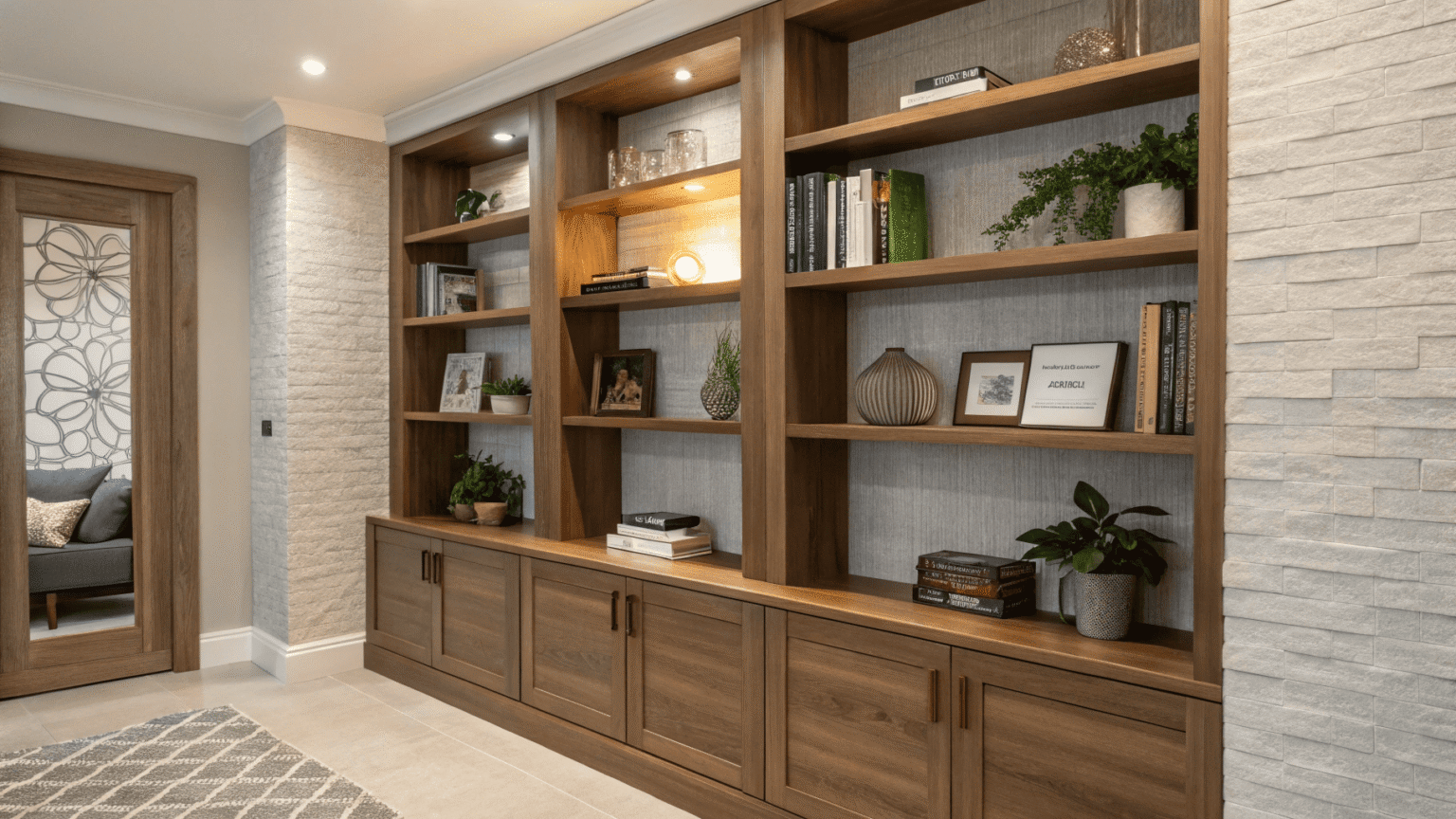
The greatest advantage of making your own furniture is its perfect adaptability to your space. Any standard, off-the-shelf piece will look awkward when placed in a non-standard corner of your home. Think about that strange recess in the living room, the exposed heating pipe in the bedroom, or a corner that just feels empty. The magic of DIY is that you let the space define the furniture, not the other way around. I see this principle in every custom commercial project we handle; we measure the site first to ensure a flawless fit. When you personally cut a small notch to fit perfectly over a baseboard or set your workbench to your exact ergonomic height, you’re performing a small act of engineering for your home. This millimeter-level precision instantly elevates the look of a room, especially in smaller homes, by creating a seamless and integrated appearance.
Common Space Problem | Standard Furniture “Solution” | Your DIY Solution |
Awkward Wall Nook | Leaves ugly gaps on the sides. | Build shelves or a cabinet to the exact width. |
Exposed Pipes | Place furniture in front, wasting space. | Build a unit with a cutout to go around the pipe. |
Sloped Ceiling | A tall bookcase won’t fit. | Build an angled bookcase that follows the ceiling line. |
How can your furniture adapt as your life changes?
Your life is not static. A new baby arrives, or you suddenly need a dedicated home office space. Your old, heavy furniture no longer works. Getting rid of it is a hassle and feels wasteful. Building modular furniture means you can reconfigure or add to it as your needs evolve.
Make your furniture adaptable by building it with a modular design. Pieces like industrial pipe shelving or stackable cube units can be easily taken apart, reconfigured, or expanded. This turns your furniture from a static object into a flexible asset that grows with you.
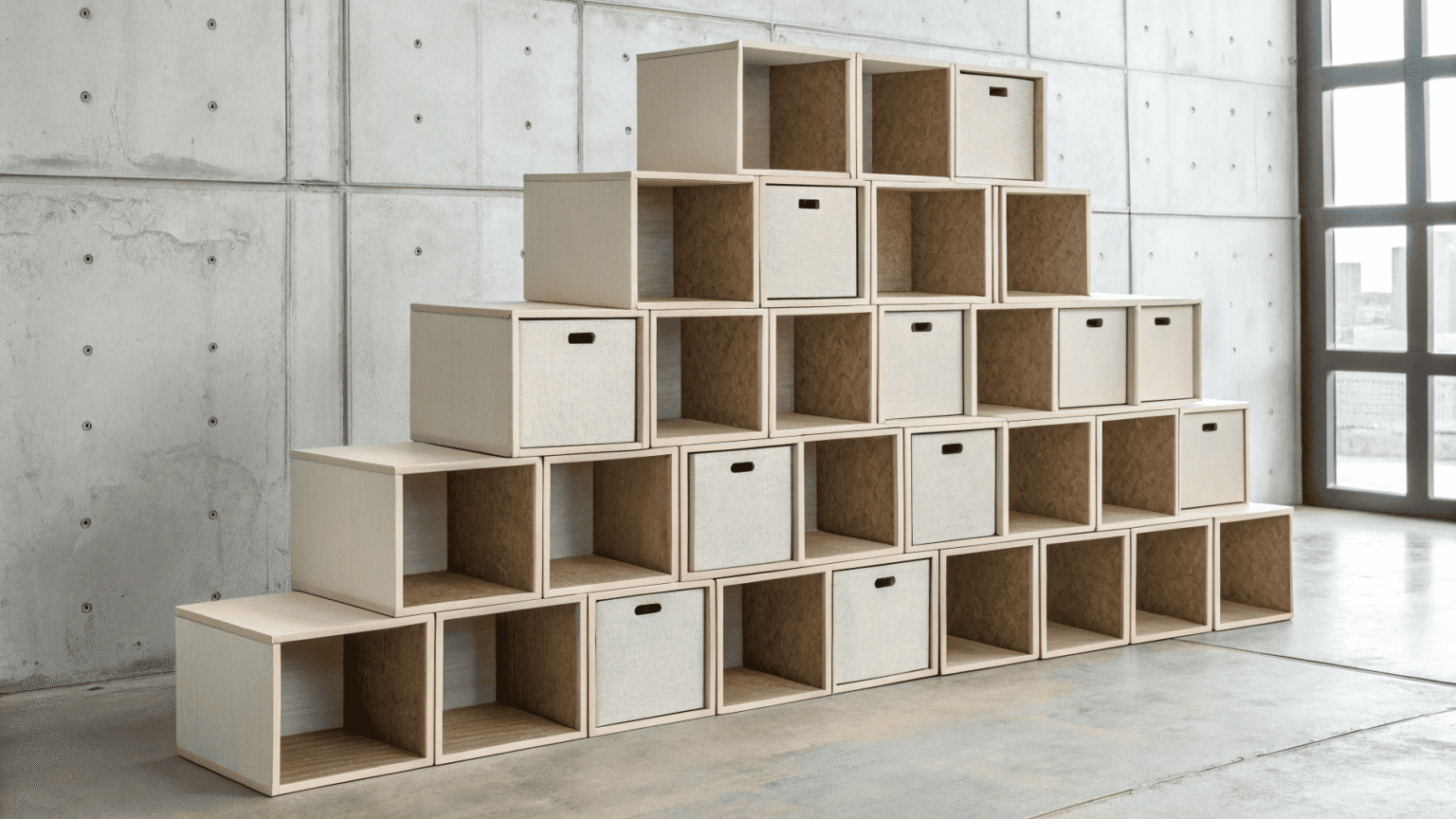
Experienced DIY builders don’t aim for a “once-and-for-all” solution. They pursue “flexible iteration.” This means creating furniture that can change over time. I recommend starting with projects that are modular by nature. These pieces are designed for disassembly and reconfiguration, making them incredibly practical. As your family grows or your living situation changes, these DIY items can “transform” to meet new demands. Your shelving unit can become two smaller units. Your cube stools can be re-stacked into a media console. In the commercial world, we see this demand for flexibility all the time in retail and office spaces that need to adapt quickly. This same thinking turns your furniture from a heavy burden into a living asset that evolves with you.
Great Modular DIY Projects
- Industrial Pipe Shelving: This system uses threaded pipes and wood planks. You can easily adjust shelf height, add more levels, or take it apart when you move. It is simple, strong, and has a cool, modern look.
- Plywood Cube System: These are simple boxes you can build and finish. Stack them to create a bookshelf, arrange them as a room divider, or use single cubes as side tables or stools. Their versatility is nearly endless.
- French Cleat Wall: This is a wall-mounted system where a strip of wood with a 45-degree angle holds various cabinets, shelves, and tool holders. It allows you to rearrange your storage with zero effort.
How can you get high-end designer looks without the high price?
You love the look of minimalist or Mid-Century Modern furniture, but the price tags are shocking. It can feel like that beautiful style is simply out of reach. You can actually replicate these iconic designs yourself for a fraction of the cost.
You can achieve a high-end look by identifying the core design elements—simple lines, specific materials, and unique joints—and recreating them yourself. Projects like a live-edge table or a woven rattan cabinet are very achievable and cost far less than designer versions.
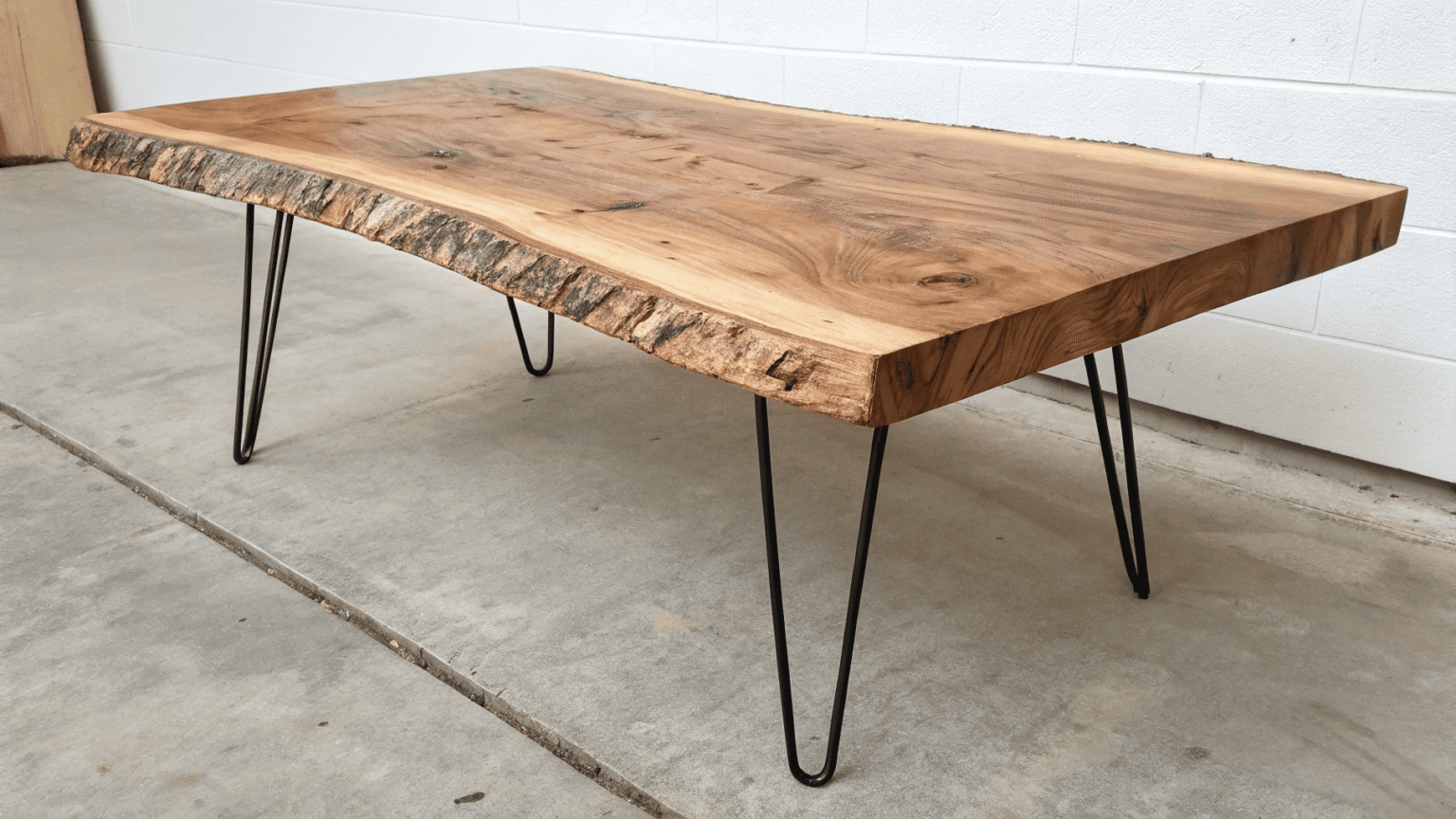
Many iconic furniture designs are not complex to build. Their beauty comes from elegant lines and interesting material combinations, not from complicated construction. This is where you can perform a kind of “aesthetic arbitrage.” By making it yourself, you can replicate an artistically significant piece for less than 20% of the brand’s price tag. The key is to deconstruct the design to its essential elements. A minimalist bookshelf might just be a clean metal frame and solid wood shelves. A famous Mid-Century Modern chair’s appeal might come from its curved plywood and simple upholstery. The satisfaction you get from this process is immense. You not only get a beautiful piece of furniture but also develop a professional eye for design. You start to understand the essence of why certain shapes and materials work so well together, a skill I’ve spent years developing in the furniture industry.
High-Impact DIY Projects
- Live-Edge Slab Table: Find a beautiful slab of wood. The wood itself is the star. Your job is to sand it smooth, apply a finish, and attach a set of simple legs.
- Woven Rattan Details: Adding woven cane webbing to cabinet doors or a headboard is a simple way to add texture and a high-end, bohemian feel.
- Minimalist Bookshelf: Weld or assemble a simple steel frame and add solid wood shelves. The clean contrast between the metal and wood is a timeless minimalist look.