Introduction
You know brands like Rolex, Gucci, and Hermès. But can you name a famous luxury furniture brand? This isn’t an accident. It’s a deliberate choice.
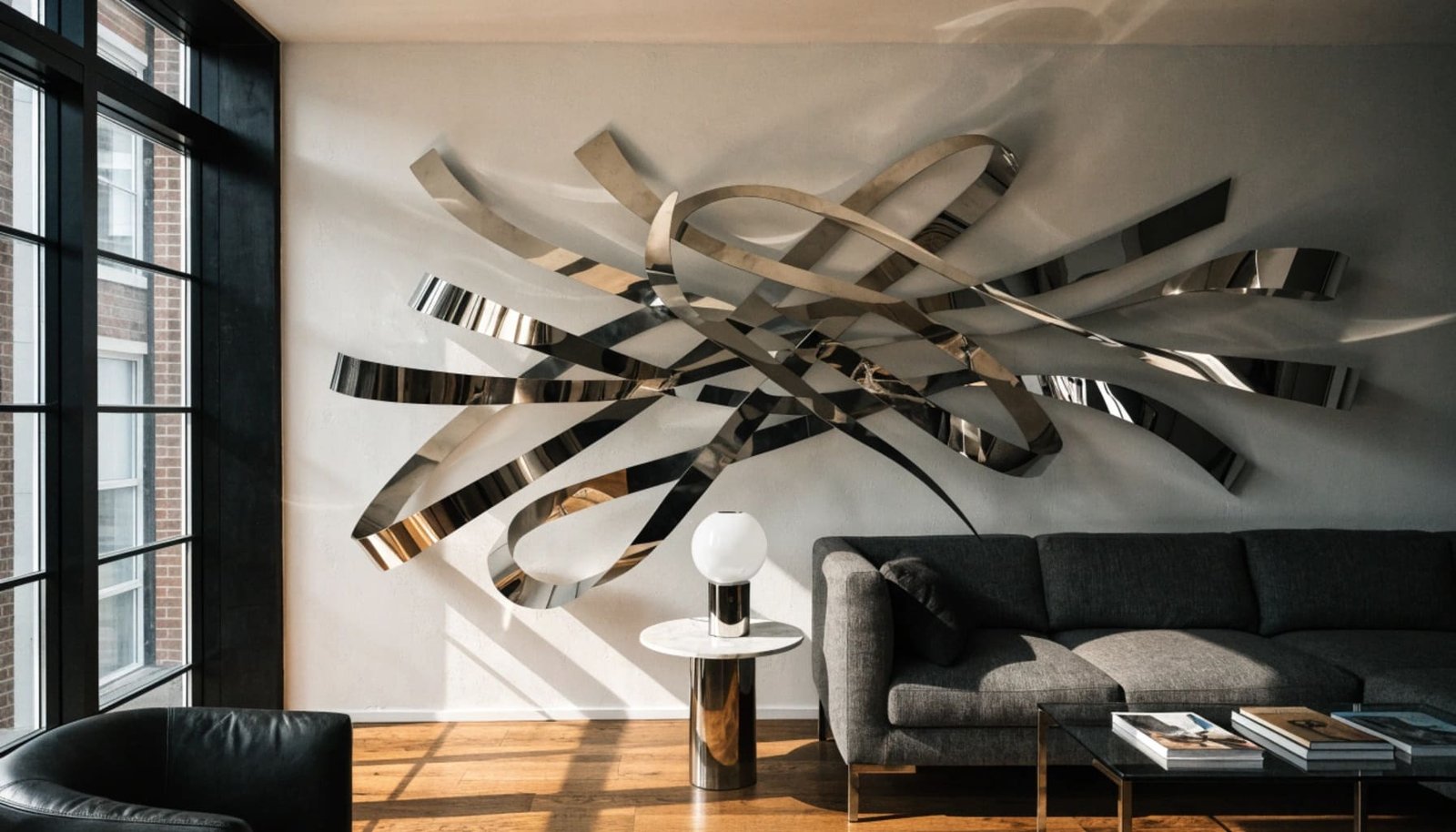
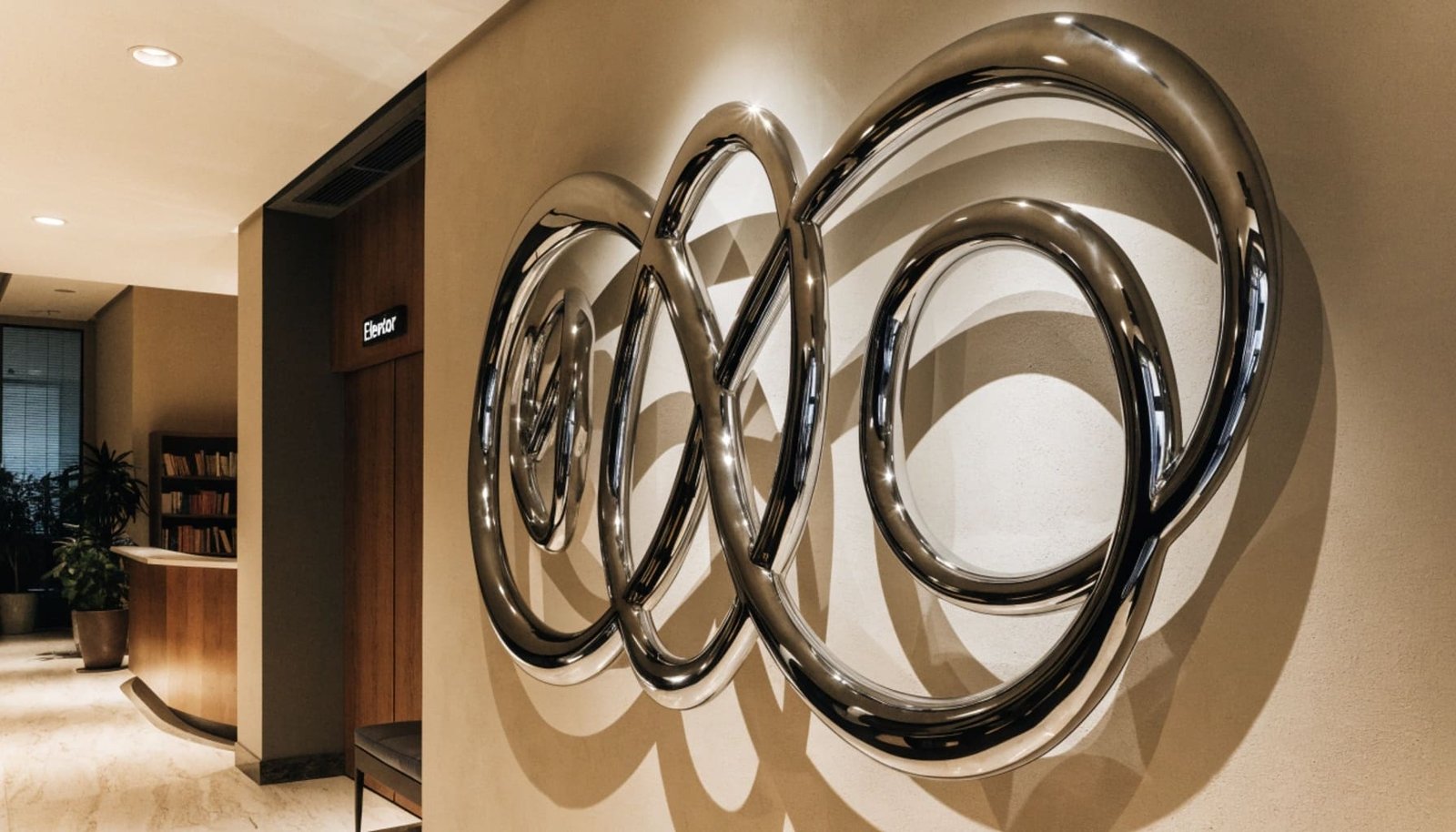
Luxury furniture avoids mainstream fame to maintain total exclusivity. Its value comes from unique design, rare materials, and custom project execution, not a recognizable logo. The true “brand” is often the designer or the material itself, creating a world of quiet luxury known only to insiders.
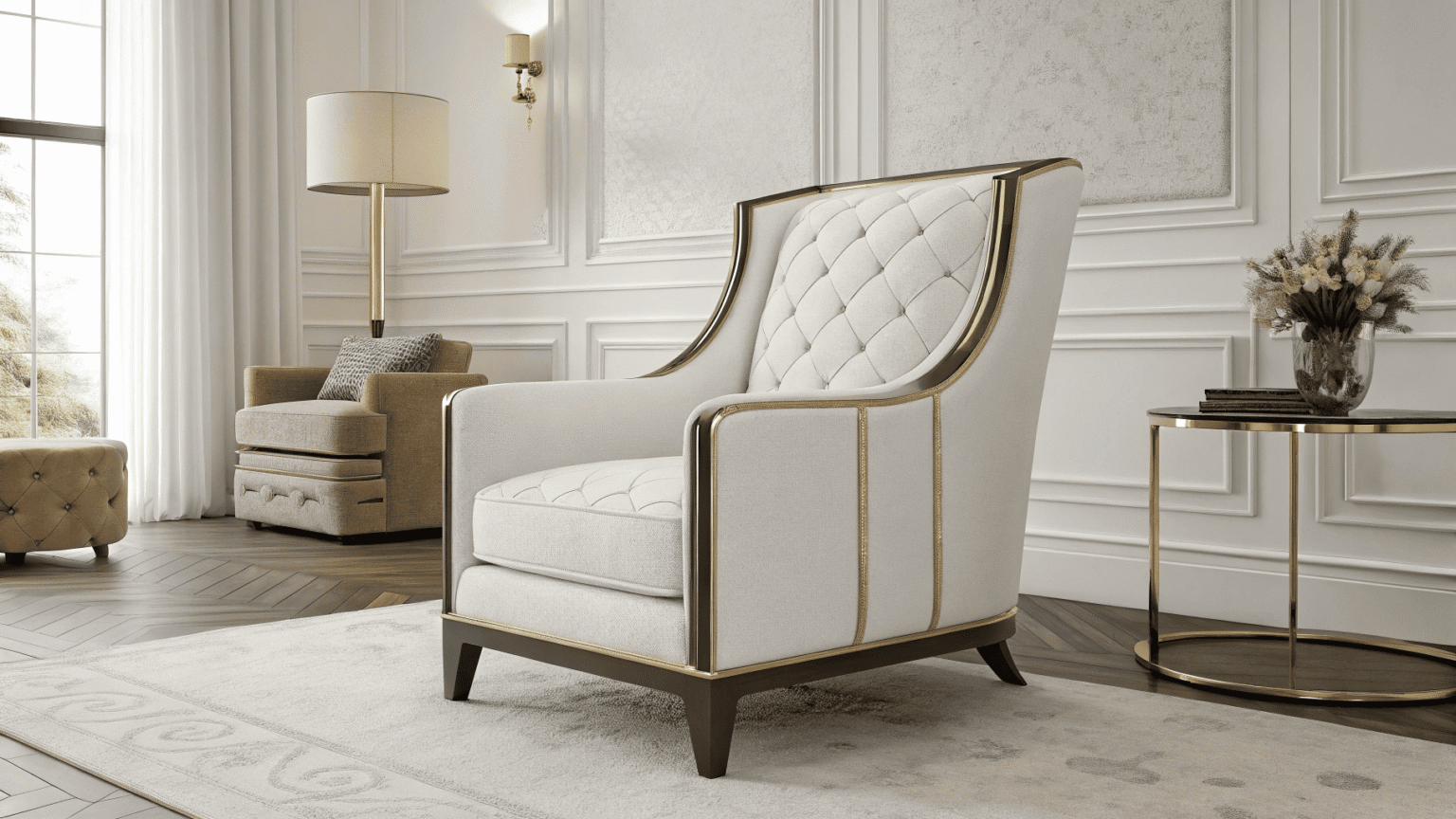
This seems strange at first. We live in a world obsessed with brands. So why would the most expensive items want to be anonymous? I’ve spent my entire career in the custom furniture business, and I’ve learned the answer. It’s all about understanding what true luxury clients are actually buying. They aren’t just buying a product; they are buying a statement that only a select few can read. Let’s break down why this world stays so hidden.
Is being unknown the new status symbol in furniture?
Worried your high-end project looks like everyone else’s? Mass-market luxury can feel generic. Real exclusivity comes from pieces that are not instantly recognizable to the public.
Yes, for top-tier furniture, anonymity is a key feature. It signals a custom, unique piece, not a mass-produced item. The value is in the “aesthetic barrier”—only those with a trained eye for design and materials will recognize its worth, creating an exclusive club.
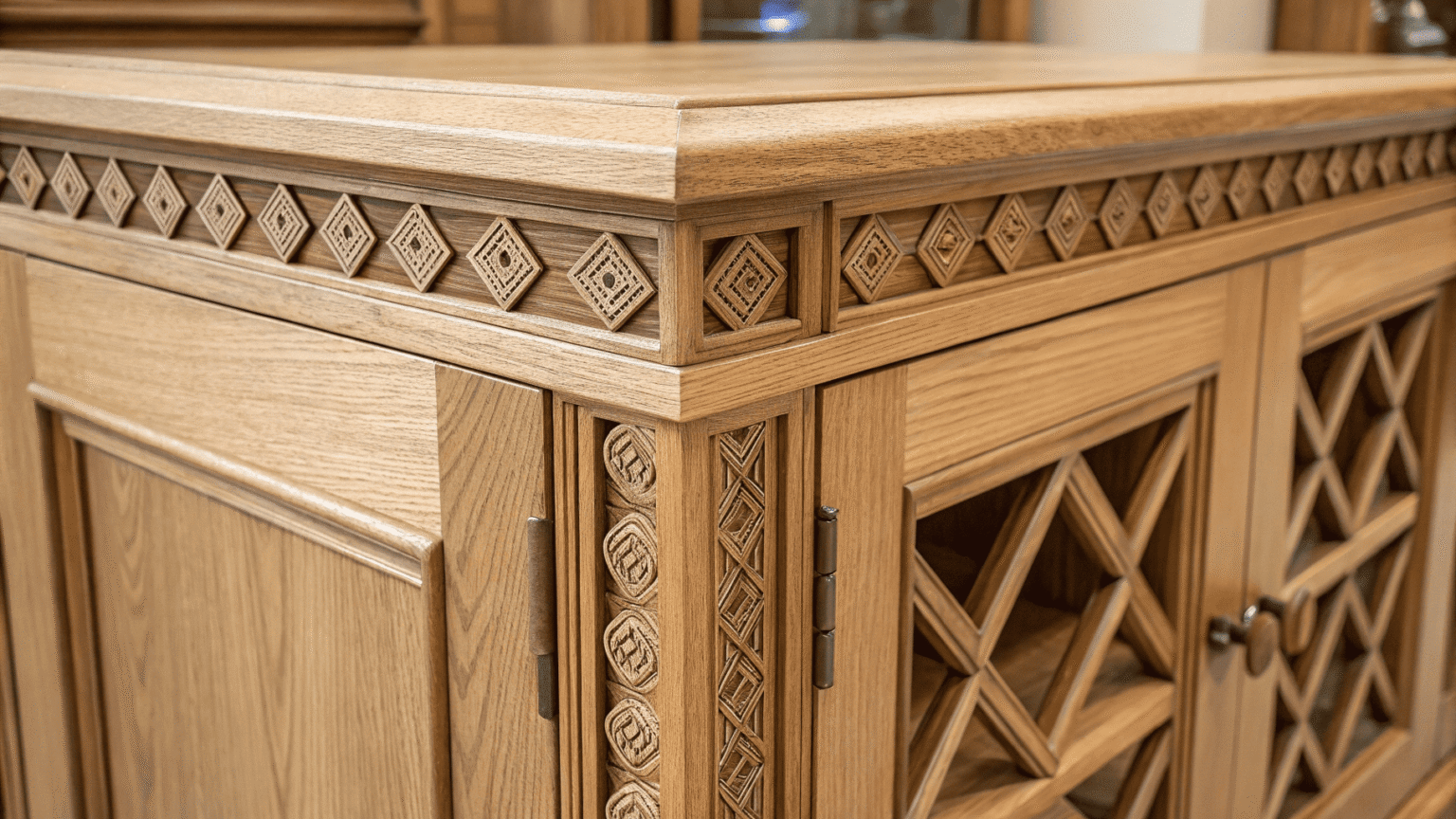
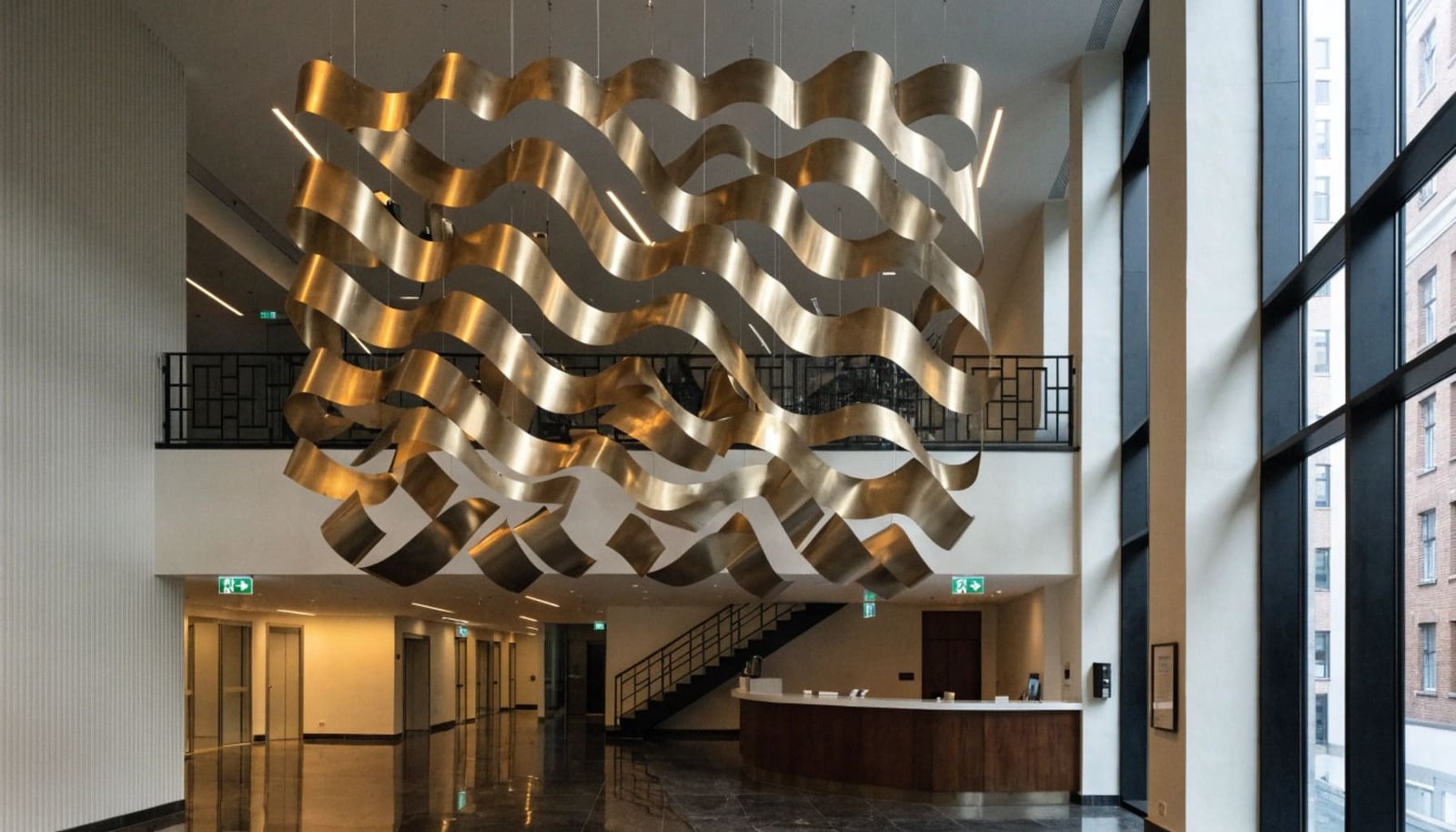
I once worked with a client on a luxury hotel lobby. They explicitly said, “If a guest walks in and can name the brand of that sofa, we’ve failed.” This really stuck with me. In mass luxury, the logo does the talking. It screams, “I am expensive.” In furniture, true luxury whispers. It’s an insider’s code. This code is not based on a name but on a deep appreciation for design and craft.
The Shift from Logo to Aesthetic
In most luxury sectors, the brand logo is a shortcut to perceived value. For furniture that occupies our most personal spaces—homes, exclusive hotels, private offices—that shortcut can feel cheap.
- Uniqueness over Recognition:A piece that is instantly recognizable means it is part of a production line. For our clients, uniqueness is the ultimate luxury. They want a piece that tells their story, not a brand’s.
- The “Insider” Signal:The value is communicated through subtle, expert-level details. Think about the perfect proportions, the seamless transition between wood and metal, or the specific texture of a hand-stitched fabric. Only another designer, architect, or connoisseur would spot it. This creates a silent, shared understanding among a very small group.
This table shows the difference in thinking:
Feature | Mainstream Luxury (e.g., Handbags) | Furniture Luxury |
Value Signal | Prominent Logo | Design, Material, Craft |
Audience | The general public | Insiders, connoisseurs |
Goal | Widespread recognition | Exclusivity and uniqueness |
Statement | “I can afford this brand.” | “I have a sophisticated eye.” |
At NEXTOP, we live in this world. Our clients don’t ask for a brand. They bring us drawings for a vision, and our job is to translate that vision into reality with flawless engineering and material work. The final piece is anonymous, but its quality is unmistakable to the right people.
Is luxury furniture more of a service than a product?
You found the perfect furniture design, but the delivery and installation are a nightmare. High-end pieces demand more than just a drop-off. They require a complete execution strategy.
Absolutely. Luxury furniture is essentially “movable architecture.” Its sale includes complex site measurement, material integration, and expert installation. The real value is the “turnkey solution” and project management, which is a highly localized and non-standard service.
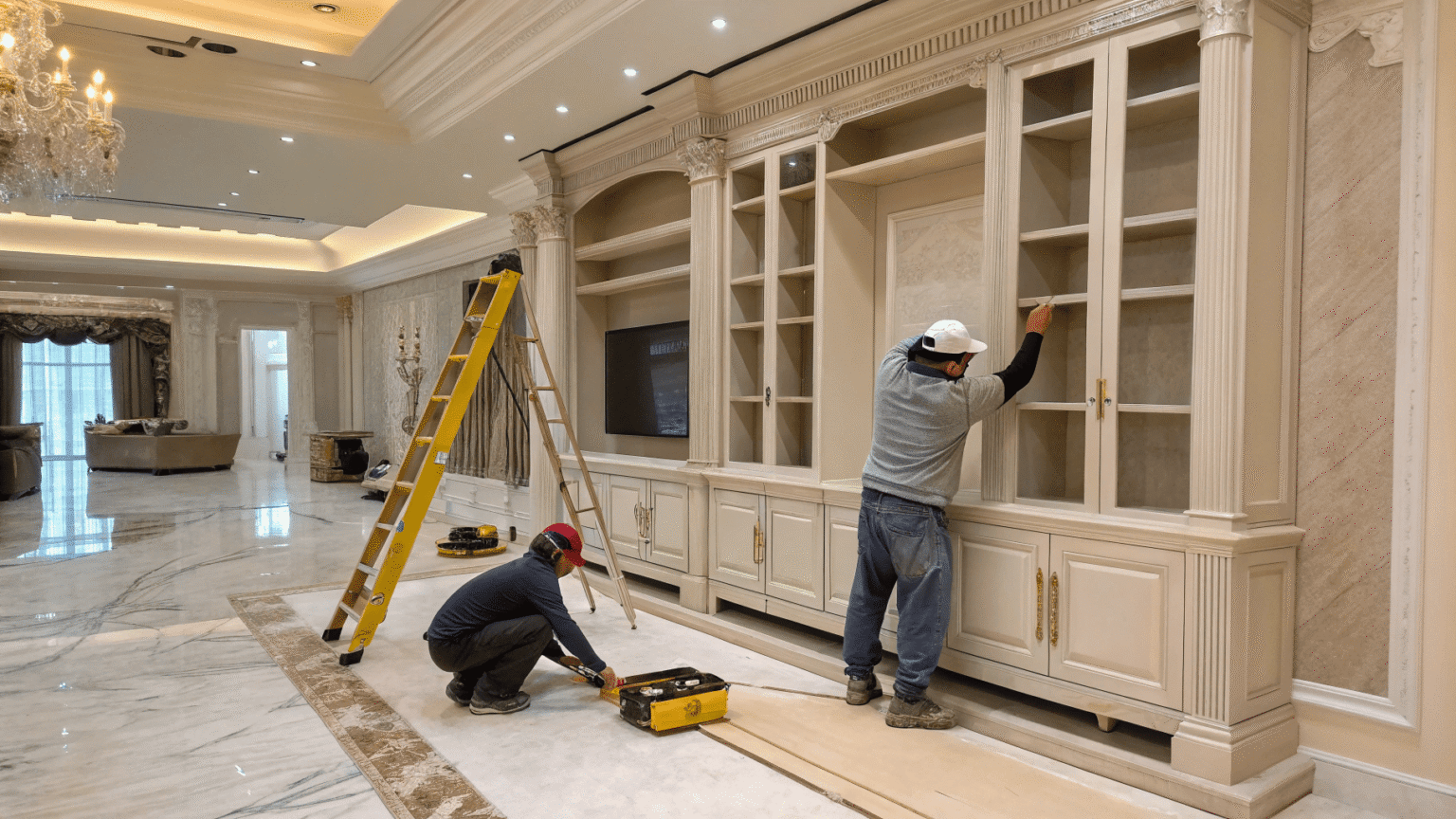
You can’t just ship a ten-foot, single-piece marble and brass console table in a box and hope for the best. I’ve seen projects delayed for months because of a millimeter of miscalculation. This is why the luxury furniture business isn’t about selling products from a catalog. It’s about selling project execution capability. This is a service, and it’s incredibly hard to scale globally. A standardized brand model just can’t handle this level of customization and on-site problem-solving.
The Three Pillars of Execution
This service is built on three critical stages that go far beyond simple manufacturing.
- Site-Specific Engineering:Every space is different. A luxury piece must integrate perfectly. This involves precise digital measurements of the space, accounting for uneven floors, wall angles, and existing fixtures. Our engineers then translate the designer’s drawing into a technical plan that works for that specific room. It’s more like architectural planning than furniture making.
- Complex Material Integration:A design might call for connecting Italian leather, Brazilian rosewood, and brushed bronze components in one piece. Making these materials meet perfectly, with tight tolerances and a flawless finish, is a huge engineering challenge. This requires a unified production system where metalworkers and woodworkers are in constant communication, something you can’t get from multiple suppliers.
- White-Glove Installation:The final step is where many projects fail. The piece must be transported, assembled, and installed without a single scratch. This requires a team of skilled artisans, not just delivery guys. They understand the piece’s construction and can solve any on-site issues discreetly.
This process is why you don’t see global chains of luxury furniture stores. The business relies on elite, local teams who can provide this intensive, hands-on service. It’s a “get it done right” business, not a “sell as many as possible” business.
Do rare materials matter more than the brand name?
You see a dining table with a huge price tag but no famous brand. What are you actually paying for? It’s frustrating when the value is not obvious.
Yes, in the world of high-end furniture, the material’s origin, story, and rarity hold more value than any brand name. You are paying a premium for a specific block of rare burl wood or a forgotten metalworking technique, not for a logo. The brand is simply the curator.
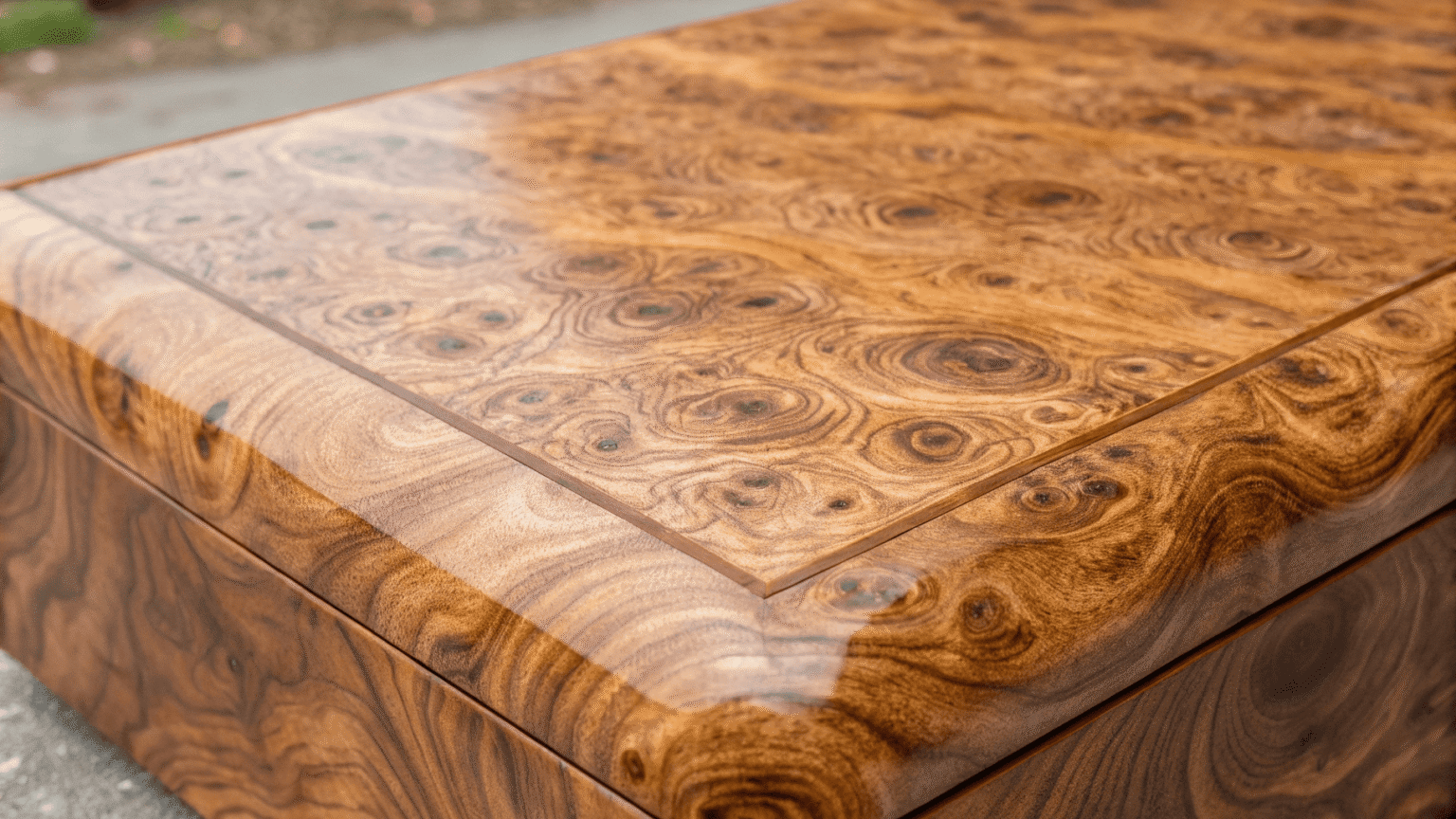
I remember sourcing a single, massive slab of Macassar ebony for a client’s boardroom table. The search took months. That wood had a story, a specific origin, and a unique pattern that could never be duplicated. The client wasn’t buying a “NEXTOP table”; they were buying that specific piece of wood. Our role was to find it, respect it, and shape it into a functional work of art. The pride of ownership comes from possessing something truly one-of-a-kind and finite, a piece of the earth’s history.
The Pedigree of Materials
In this market, materials have a “pedigree,” just like a racehorse. This pedigree is more powerful than any brand.
- The Story of Wood:A client isn’t just buying “wood.” They are buying Amboyna Burl from a specific region, known for its unique “eyes,” or 500-year-old oak reclaimed from a European monastery. The story and scarcity are where the value lies.
- The Art of Metal:Standard metal finishes are common. But a hand-hammered bronze finish using a traditional Japanese technique? Or a custom patina that takes weeks to develop in a controlled environment? These are skills possessed by only a few master artisans. You are buying that artist’s touch.
- The Feel of Fabric:It’s not just “wool” or “leather.” It might be leather aged for 20 years using a specific vegetable tanning process, or cashmere woven by a single family in Scotland.
Here’s how the value breaks down:
Component | Where the Money Goes | What the Client Gets |
Material | Sourcing rare, finite resources | Ownership of a unique natural or artisanal element |
Craftsmanship | Paying for mastery of a difficult skill | A level of detail and quality that is visible and tactile |
Brand | Project management and curation | The guarantee that the materials and craft are authentic |
The brand acts as a trusted organizer of these rare resources. The real pride for the buyer is owning the “un-gettable” material, not a name anyone can look up online.
Are designers the real luxury brands in furniture?
You want a signature look for your project but don’t know where to start. Following a furniture manufacturer can feel limiting. What if the real “brand” is a person?
Yes, in the high-end furniture world, the designer’s name often carries more weight than the manufacturer’s. Clients and developers seek out the vision of a specific star designer or architect. This keeps the market creative, fragmented, and focused on artistry over mass production.

Think about it. Projects are often marketed as “a new hotel designed by Yabu Pushelberg” or “residences by Kelly Wearstler.” The name that attracts buyers and guests is the designer’s, not the company that built the nightstands. I’ve been in countless meetings where the client says, “I want the Piero Lissoni look.” They are buying a philosophy, a specific taste level. The manufacturer is the chosen instrument to bring that vision to life. This person-centric model is fundamental to why the luxury furniture industry is made up of many small, specialized players rather than a few giant brands.
The Power Shift to the Creator
This structure protects the very essence of luxury: creativity and scarcity.
- A Signature, Not a Logo:Designers cultivate a unique, recognizable style over their entire career. Clients are buying a piece of that creative DNA. A manufacturer’s brand, by contrast, needs to be flexible enough to serve many different designers, so its identity must remain in the background.
- Keeps the Market Fragmented:Because clients follow individual designers, no single furniture manufacturer can dominate the market. This creates a dynamic ecosystem of smaller, highly skilled workshops and companies (like ours) that specialize in execution. It prevents the industry from becoming a monopoly controlled by a few giants.
- Protects Creative Purity:When the designer is the brand, they have the freedom to create without being forced into a rigid brand identity. This “de-branding” of the furniture itself ensures that the work remains pure, artistic, and fresh. It’s all about the design, not the factory it came from.
Our role at NEXTOP is to be the perfect partner for these visionary designers. They are the “what.” We are the “how.” We provide the engineering, material expertise, and production power to execute their vision flawlessly, ensuring the final piece is a true representation of their signature style.
Conclusion
Luxury furniture remains nameless to protect its core values: uniqueness, masterful craftsmanship, and the designer’s pure vision. It is a world where what you don’t see matters most.