Introduction
The process of designing furniture isn’t just about crafting beautiful shapes. It’s about creating functional and manufacturable pieces that blend creativity with engineering precision.
Designing a furniture concept involves integrating material physics, reverse engineering, dynamic ergonomics, and supply chain empathy to ensure aesthetic brilliance and practical feasibility in production.
Creating a great furniture design concept is a complex task. It requires understanding materials, engineering, and human interaction. Let’s explore the key factors that make a concept not only innovative but also production-ready.
How can material physics shape furniture design?
A stunning furniture concept can fail during prototyping if material physics isn’t considered from the start. Designing isn’t just about form; it’s about understanding materials.
Material physics helps ensure that furniture concepts can be manufactured. Designers must plan for material interactions, stress points, and structural balance while sketching ideas.
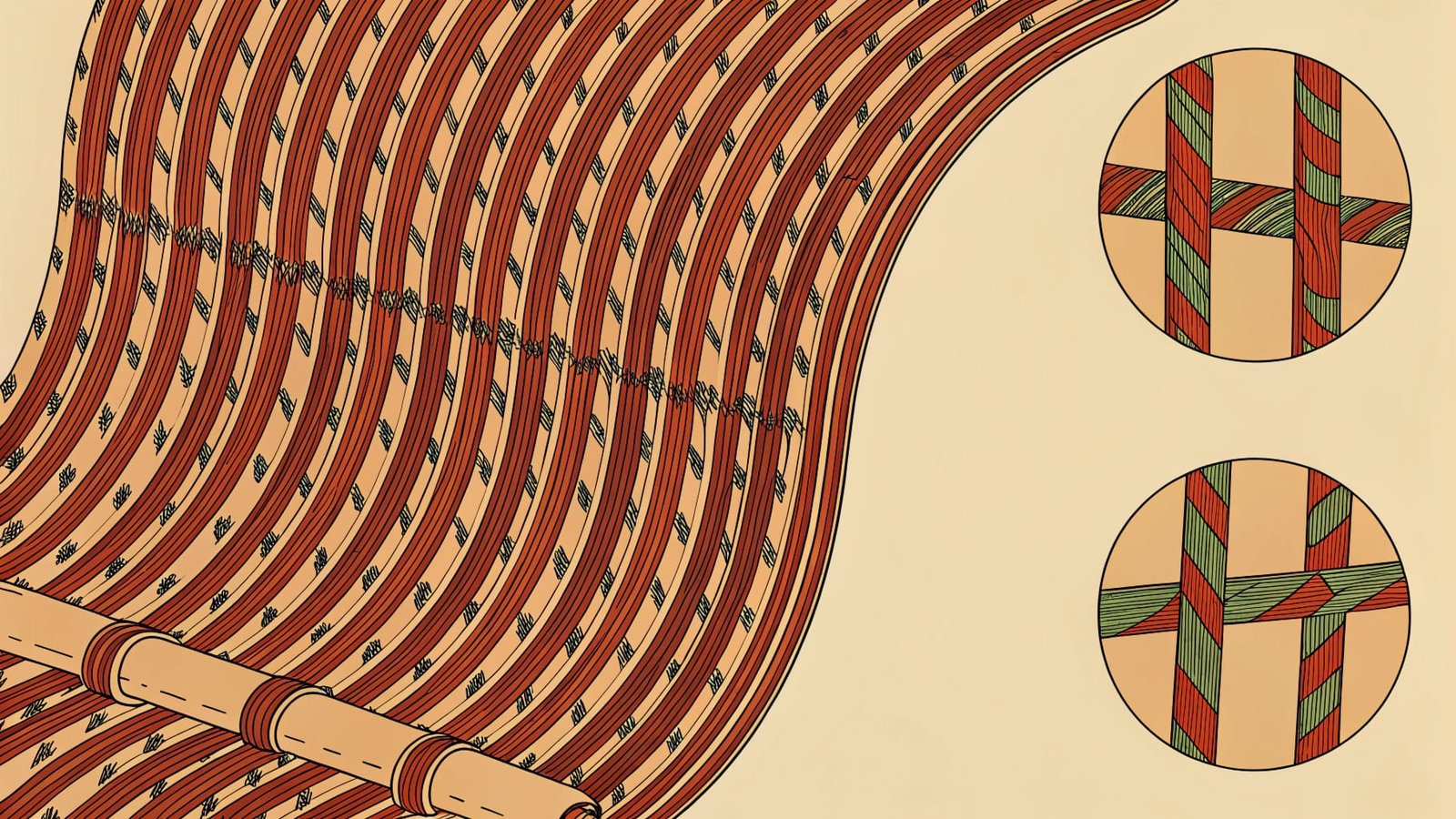
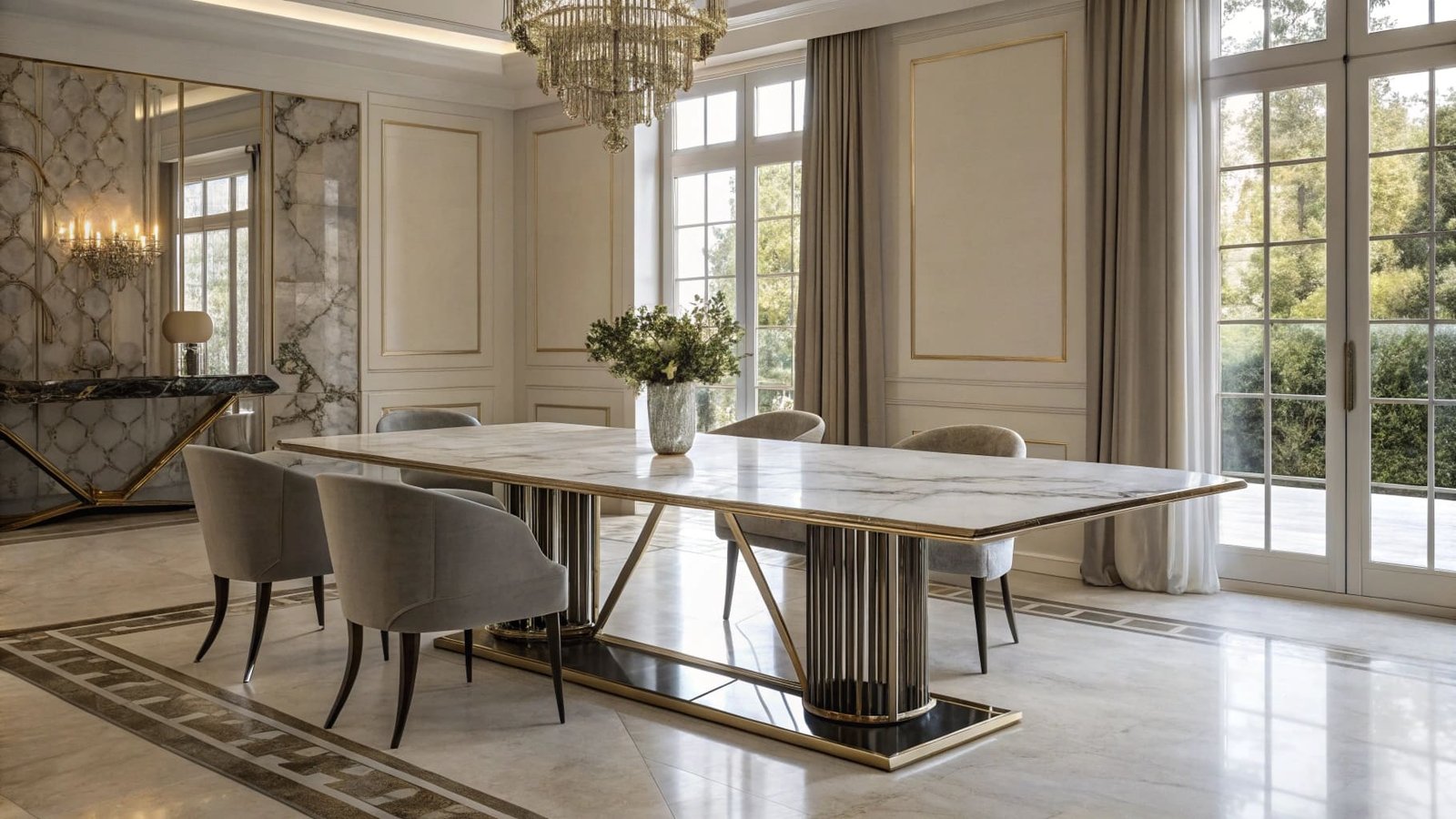
When incorporating luxurious stone or delicate metal into a design, the physical properties of each material matter. For example, a cantilevered stone table requires high-strength embedded metal components to balance weight and prevent collapse. Similarly, thin metal legs must account for wood’s expansion and contraction over time. By considering thermal expansion, embedded frames, and tolerance compensation during the design phase, the concept becomes inherently manufacturable. This approach is the backbone of premium furniture design.
What role does reverse engineering play in design concept creation?
Amateur designs often emphasize ornamentation to hide manufacturing limitations, while professional designs focus on precision and simplicity.
Reverse engineering is critical in furniture design. By starting with manufacturing constraints, designers can define structural and aesthetic boundaries that enhance the concept’s feasibility and elegance.
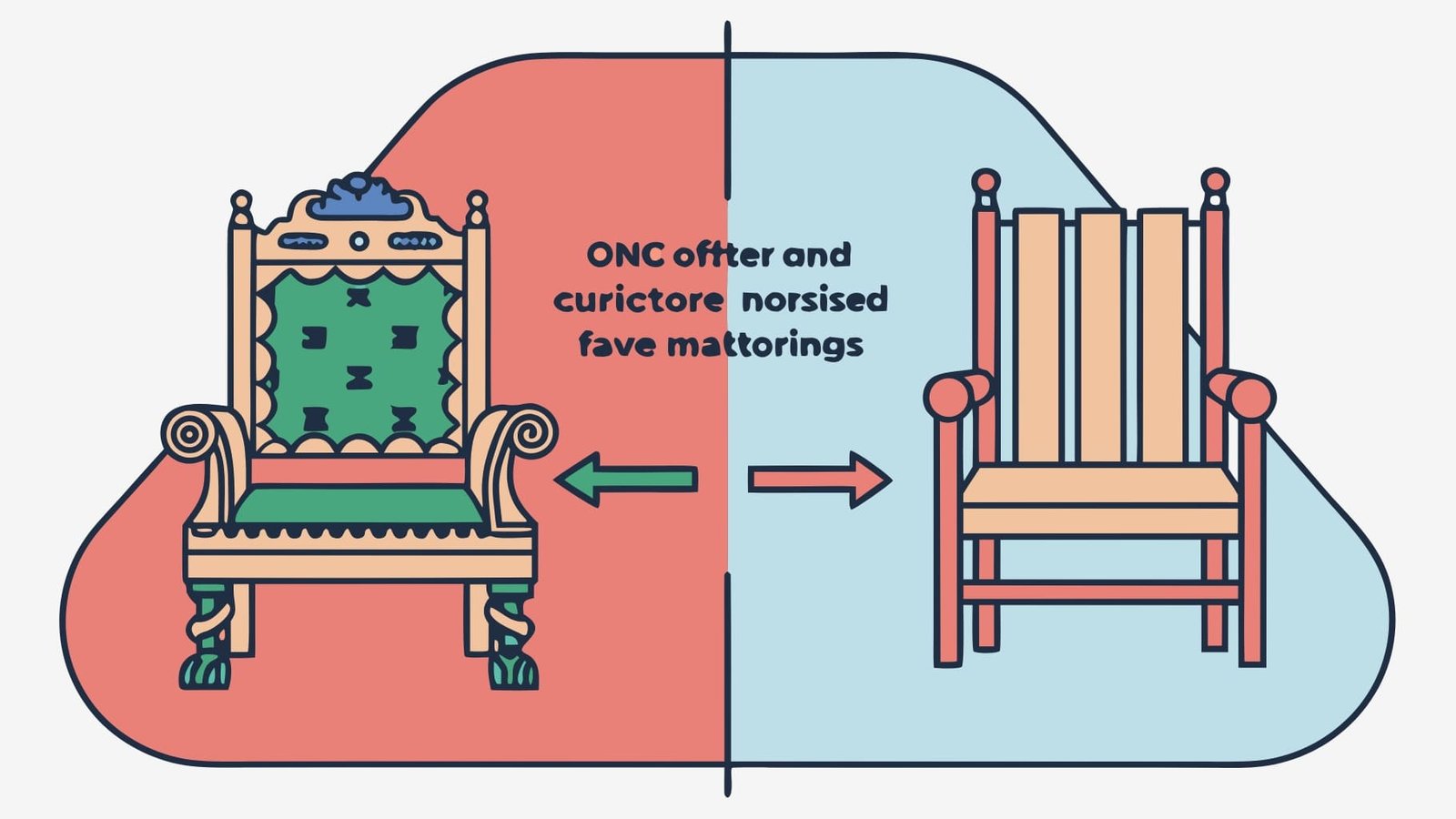
Advanced furniture concepts rely on subtractive design principles. For example, a minimalist cabinet without handles may feature beveled edges with precise angles and shadow gaps under 2mm. Details like invisible hinges or seamless welds aren’t afterthoughts—they’re built into the initial design language. This approach allows designers to harness engineering precision as an aesthetic driver, ensuring that the final product mirrors the concept perfectly.
Why is dynamic ergonomics essential for furniture design?
Furniture isn’t just sculpture—it’s an extension of the human body. Designs that fail to consider movement and interaction often look great but aren’t practical.
Dynamic ergonomics involves analyzing how people interact with furniture in real-world scenarios, ensuring comfort, usability, and emotional impact.
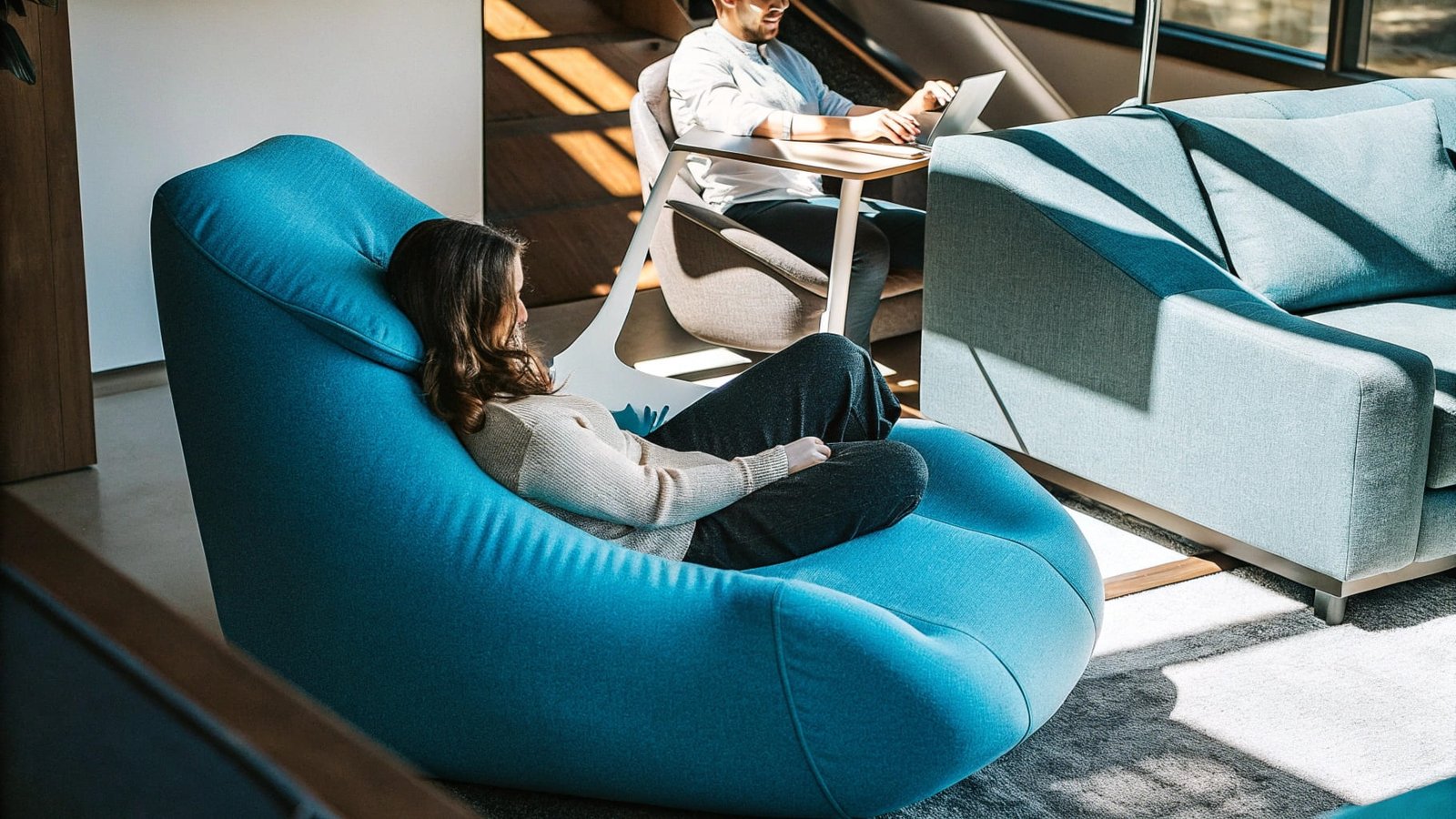
Designers should model human behavior and emotions to refine their concepts. For instance, a CEO’s desk needs to support comfortable leaning while signing documents, while a lobby chair must provide relaxed support for guests lounging or chatting. Dynamic ergonomics explores how users move, adjust, and interact with furniture over time. Mapping behaviors—like arm angles, viewing lines, and spatial flow—turns static designs into living solutions, infused with intentionality and life.
How does supply chain empathy influence design concepts?
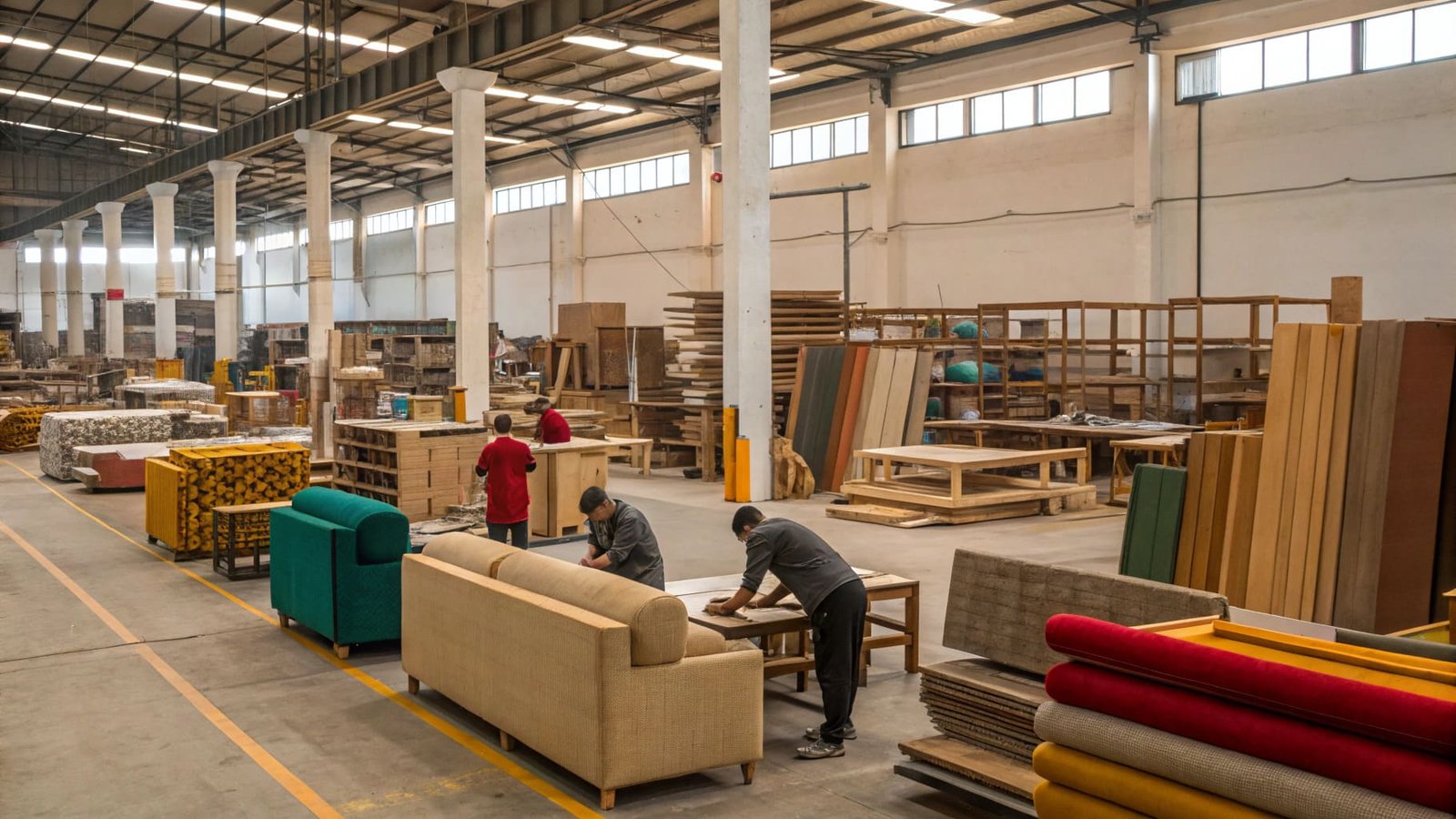
In commercial projects like luxury hotels or large-scale interiors, an impractical concept can lead to cost overruns and delays. Designers must understand manufacturing realities to avoid such pitfalls.
Supply chain empathy ensures that furniture concepts balance creativity with production feasibility, enabling efficient delivery within budget and timeline constraints.

High-value furniture concepts consider modularity and logistics early in the design stage. A knock-down (KD) structure facilitates transportation and assembly, while durable packaging reduces damage during shipping. Advanced manufacturing techniques, such as five-axis CNC machining, can execute non-standard designs efficiently. By harmonizing bold creativity with lean manufacturing practices, designers create concepts that appeal to architects and developers seeking cost-effective yet distinctive solutions.
Conclusion
Furniture design concepts thrive when they integrate material physics, reverse engineering, dynamic ergonomics, and supply chain empathy to ensure creativity and practicality. These principles transform ideas into production-ready masterpieces.