Introduction
Struggling with a cramped living space? The challenge of small homes often feels overwhelming, leading to a cluttered and uncomfortable environment.
The best furniture designs for small homes focus on maximizing visual space and functionality through clever engineering. I believe in designs that utilize floating elements, slim profiles, hidden kinetic systems, and reflective materials to create a more open and adaptable living area.
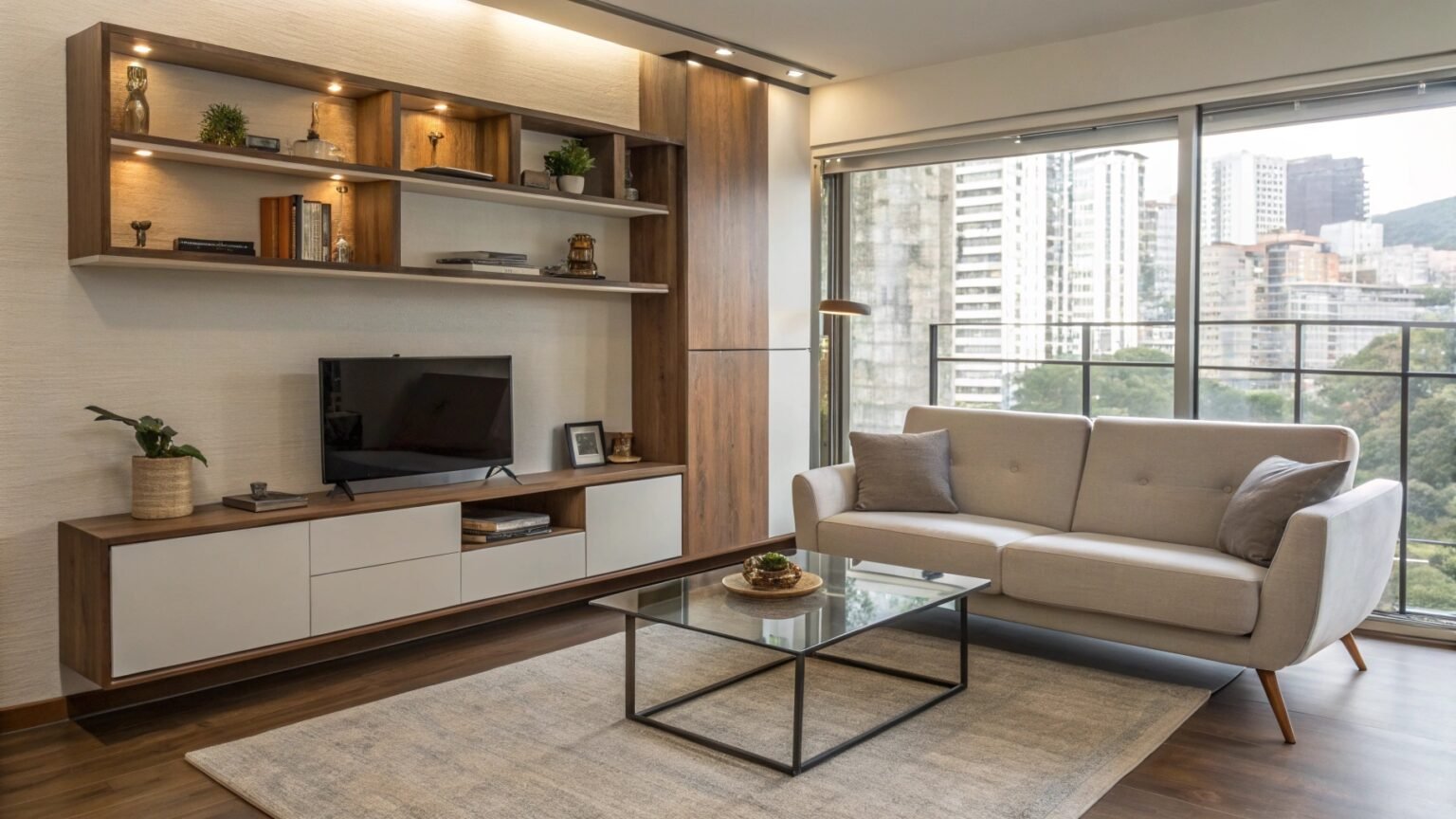
When I talk with clients about their small spaces, I often hear a sense of resignation. They think they must compromise on style or comfort. But what if I told you that with the right approach, a small home can feel just as grand, even more organized, than a large one? Let me show you how precision engineering can transform your compact living.
Why are floating and cantilevered designs ideal for small spaces?
Feeling boxed in by bulky furniture? Traditional pieces can make a small room feel even smaller, trapping light and restricting movement.
The best floating and cantilevered designs free up the floor line, allowing light and sight to pass underneath. This creates an optical illusion of more space, making any room feel instantly larger and more open.
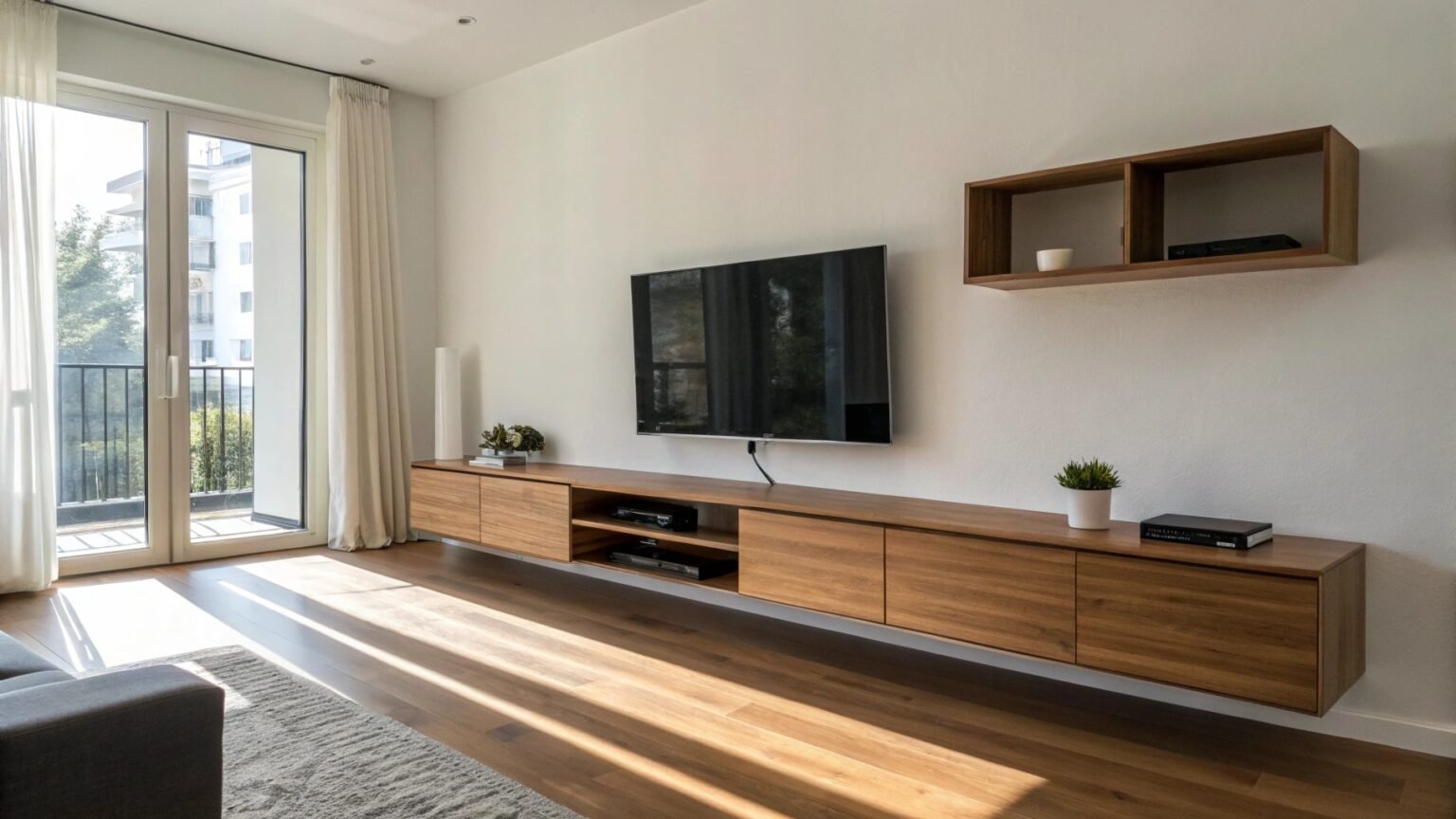
From my experience, the visual impact of a clear floor line in a small apartment is nothing short of magical. When I first started working on projects for compact urban dwellings, I realized how critical it was to make every square inch count, not just physically, but visually. Floating side tables, wall-mounted long TV units, or even cantilevered desks might seem simple in their aesthetic, but their underlying engineering demands are incredibly high. Many people think they can just hang a wooden shelf, only to find it sagging within months. This is where NEXTOP’s expertise truly shines. We do not just build furniture; we engineer solutions. We use high-strength carbon steel internal pre-embedded components. These parts are specifically designed to convert the vertical gravitational force into a stable tensile force against the wall structure. This ensures that even large cantilevered structures, designed to hold hundreds of kilograms, maintain a zero-millimeter deflection tolerance. This means your sleek, minimalist furniture will remain perfectly level and stable, year after year, without any sagging. It’s not just about looking good; it’s about providing unwavering stability and durability while maximizing the perceived space in your home. We turn a visual trick into a structural reality, giving you both beauty and peace of mind.
How do slim-profile multi-material pieces enhance small interiors?
Is your small home overwhelmed by heavy, chunky furniture? Traditional solid wood pieces often consume valuable visual and physical space.
Slim-profile multi-material pieces enhance small interiors by replacing bulky structures with strong, lightweight metals. This reduces physical volume significantly while maintaining a luxurious aesthetic, creating an airy and sophisticated feel without sacrificing durability.
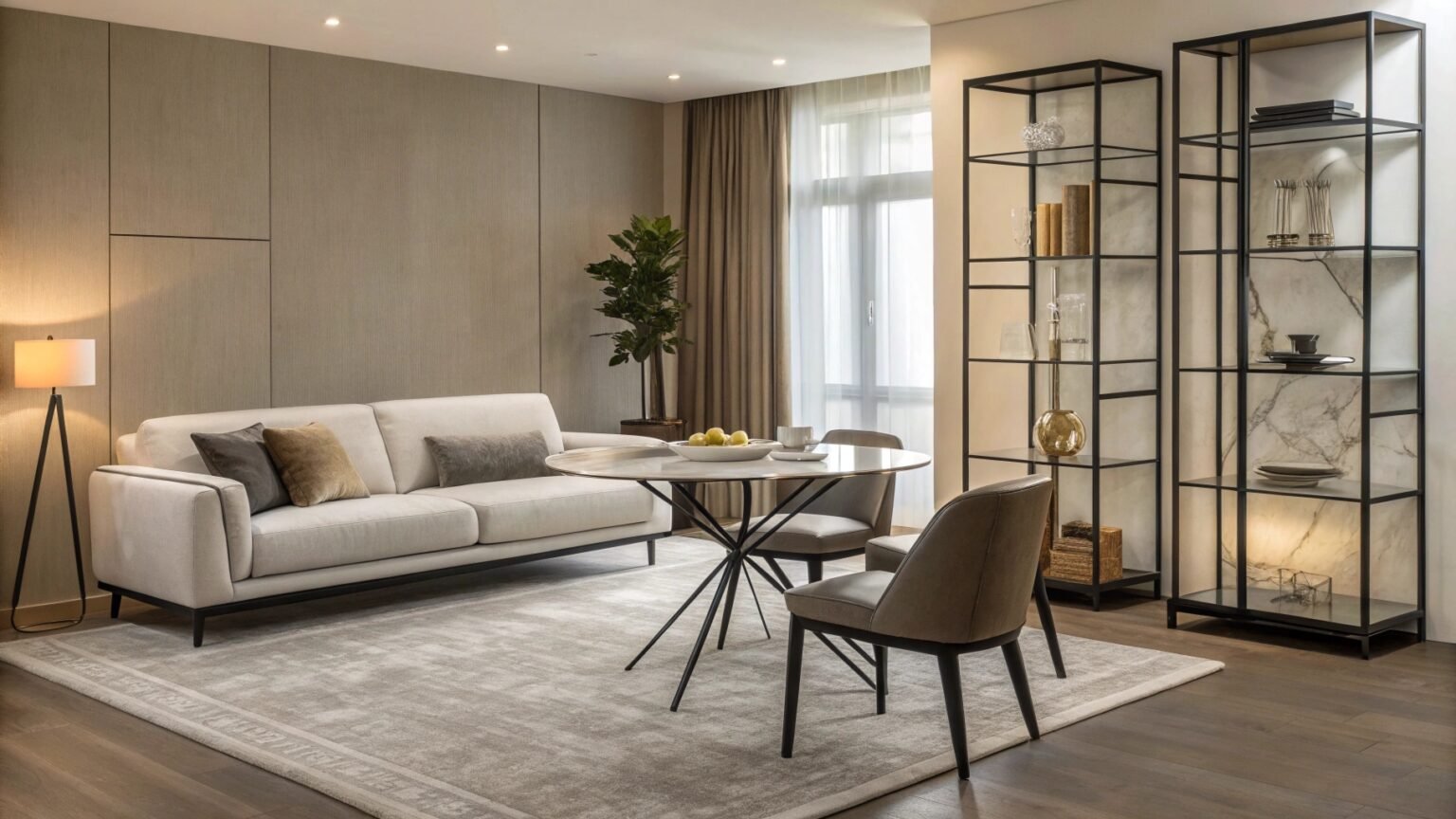
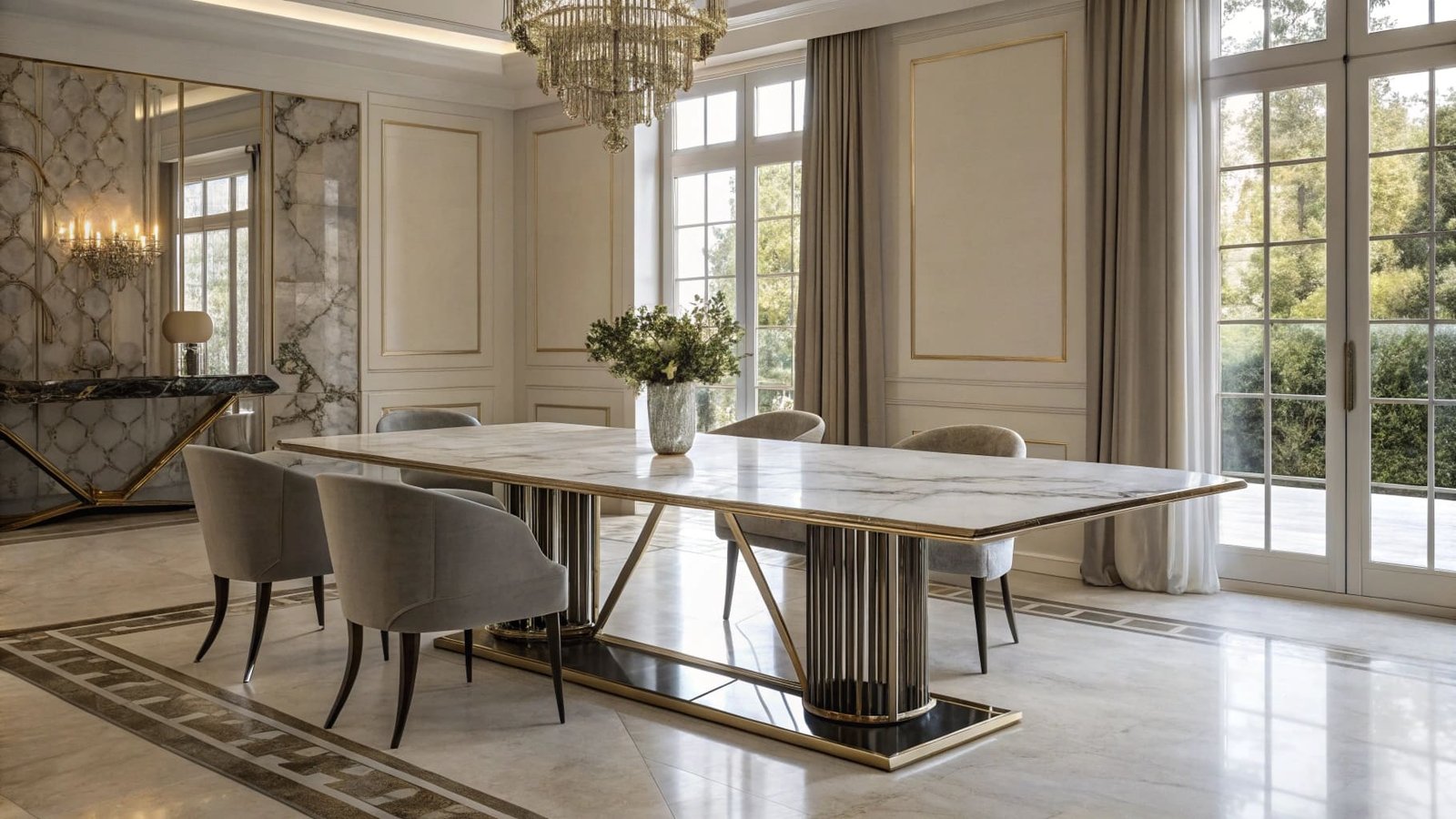
I’ve often seen clients struggle with the dilemma of wanting high-quality, luxurious furniture but feeling limited by their small home’s footprint. Traditional solid wood or panel furniture, while beautiful, can be incredibly heavy and visually dense, making a small room feel even more cramped and cluttered. My solution, and what we implement at NEXTOP, is to strategically replace these heavy wooden structures with robust, yet slender, metal components. For instance, imagine a console table or a dining table with an outer frame crafted from precision-rolled stainless steel or even red copper. These metals can have a diameter as slim as 12mm, yet possess an incredibly high yield strength. This means they are exceptionally strong despite their minimal presence. On top of this minimalist frame, we might seamlessly inlay a 5mm slab of luxurious marble, which has been treated with aluminum honeycomb for significant weight reduction. This innovative approach allows us to cut down the physical volume of the furniture by over 60%. The result is a piece that retains the natural elegance and high-end feel of premium materials, but without the visual bulk. It’s a perfect balance of structural lightness and sophisticated aesthetics, proving that you don’t need large pieces to make a grand statement in a compact space. This method ensures your furniture feels open, light, and perfectly scaled for your home.
Why are zero-tolerance hidden kinetic systems essential for small living?
Do your small home furnishings lack flexibility? Static furniture limits how you use your space throughout the day.
Zero-tolerance hidden kinetic systems are essential because they allow furniture to transform, offering multiple functions from a single piece. This “scene-switching” capability maximizes versatility in small spaces, keeping your home adaptable and clutter-free without visible hardware.
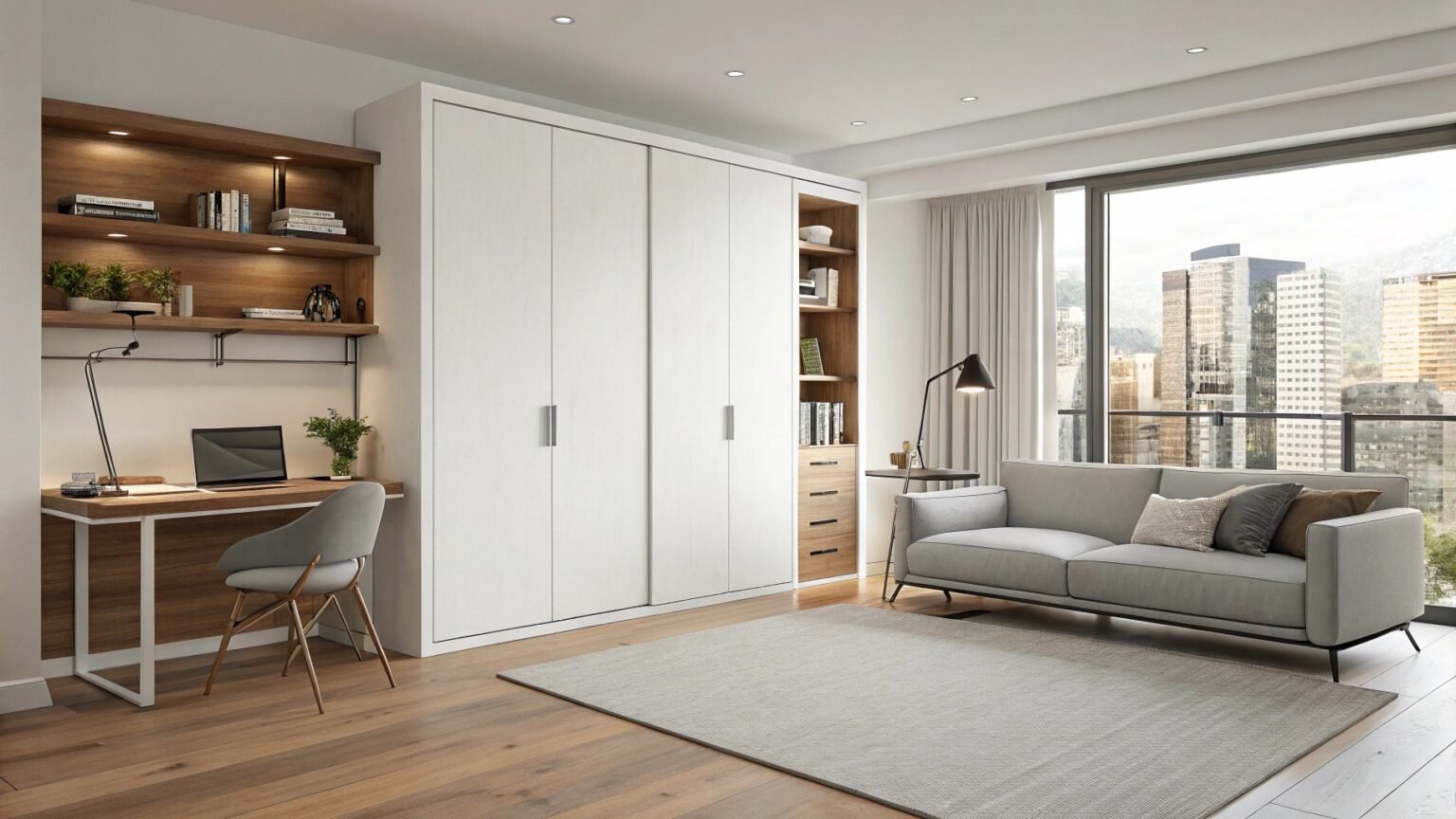
In my work, I’ve observed that the true genius of furniture for small homes lies in its ability to adapt and transform. A single piece should ideally serve multiple purposes, allowing a room to shift from a dining area to a workspace, or from a living room to a guest bedroom, with minimal effort. Think of a kitchen island that extends into a dining table, or a cabinet with pocket doors that conceal a home office. However, I’ve seen too many designs where the mechanics – the tracks, hinges, and sliders – are exposed, giving off a distinctly “cheap rental” vibe. This is something I refuse to let happen with our projects. At NEXTOP, we pride ourselves on what I call “hardware invisibility.” Our modular designs prioritize concealing all the moving parts. We achieve this by using advanced CNC (Computer Numerical Control) machining to create micro-level grooves precisely at the junction points where metal meets wood. These tiny, perfectly cut channels allow us to fully embed and hide commercial-grade, heavy-duty linkage guides. The precision is paramount; we maintain an assembly tolerance of ±0.15mm. This meticulous attention to detail ensures that even after tens of thousands of high-frequency pushes, pulls, and transformations, the mechanisms operate with buttery smoothness, remain completely silent, and fit together seamlessly. This extreme mechanical precision completely eliminates any sense of cheapness, instead conveying an undeniable feeling of quality, sophistication, and thoughtful engineering. It’s about designing a dynamic home that feels effortlessly elegant, not just functional.
How do mirror-finished and translucent designs create more space?
Does your small home feel dark and confined? Opaque furniture can absorb light and make any room feel smaller.
Mirror-finished and translucent designs create more space by reflecting light and allowing views to pass through. Mirror-polished stainless steel bases reflect the surroundings, while ultra-clear fluted glass keeps the space airy, visually expanding the room.
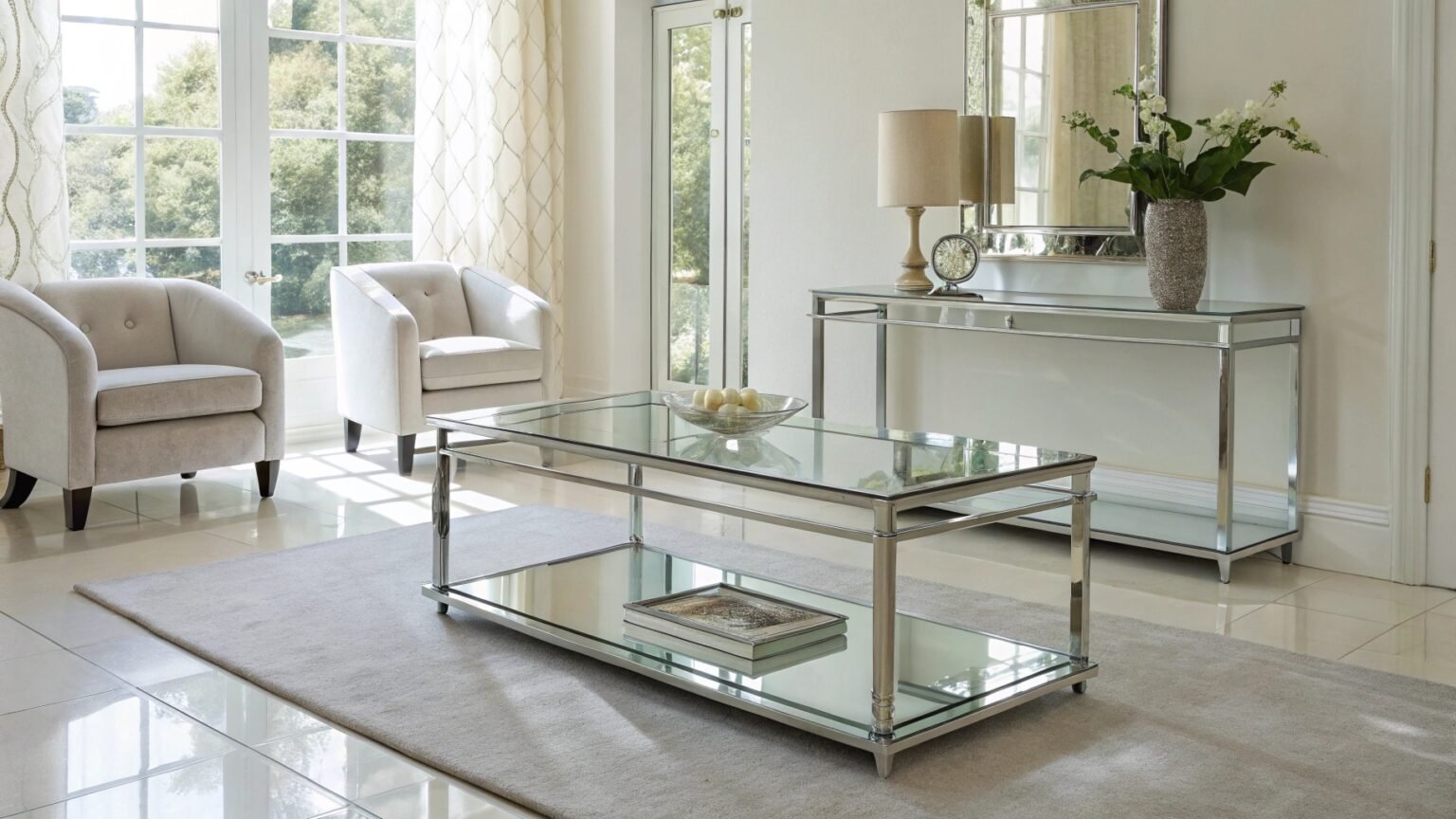
For me, one of the most effective ways to combat the feeling of confinement in a small space is to make the furniture an active participant in light distribution, rather than an obstruction. Furniture in a compact home should never be a visual dead end. Instead, I believe it should be a conduit, a multiplier of light and space. My top recommendation for achieving this involves combining high-polished mirror-finished stainless steel with elements like ultra-clear fluted glass. Imagine a coffee table or a console with a base crafted from mirror-finished stainless steel. This material acts like a subtle, integrated mirror, reflecting the floor, the walls, and the ambient light around it. This reflection makes the furniture itself seem to disappear, or at least become less visually dominant, creating an illusion of floating or invisibility. When paired with semi-translucent geometric structures, such as tabletops or cabinet doors made from ultra-clear fluted glass, the effect is even more profound. The fluted glass, while offering a degree of privacy, still allows light to filter through, maintaining a sense of openness and airiness. This combination ensures that the space remains transparent and unblocked. It completely dispels the common feelings of oppression and claustrophobia often associated with small living areas, transforming them into bright, expansive, and inviting environments. It’s about using the inherent properties of materials to perform a visual magic trick, making your small home feel significantly larger and more luminous.
Conclusion
By embracing precision-engineered floating, slim-profile, kinetic, and reflective furniture, I believe small homes can achieve grand, open, and highly functional living.