Introduction
That initial thrill of a low bid is powerful. But what happens when that “deal” leads to a delayed opening, costing you millions in lost revenue? It’s a nightmare scenario many in hospitality are facing right now.
The lowest bid is almost never the best value. True success in 2026 isn’t about the cheapest spreadsheet; it’s about finding a partner who turns supply chain chaos into predictable, on-time execution. This protects your opening date and the long-term value of your asset.
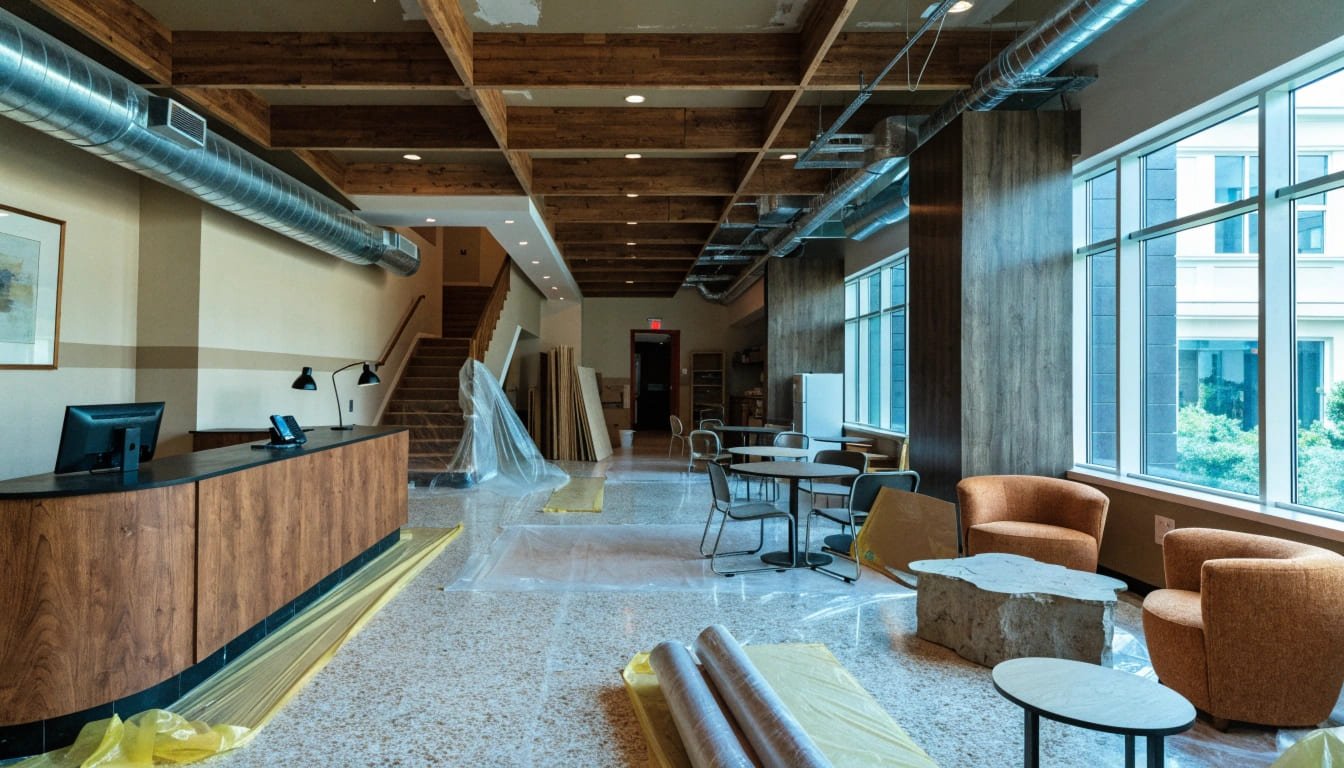
I’ve seen it happen too many times. A procurement team selects the lowest bidder to save money on the FF&E package. Everything looks good on paper. But as the delivery date approaches, the problems start. The custom millwork doesn’t fit, the paint on the casegoods is already peeling, and a significant portion of the order is damaged during shipping. The hotel’s grand opening is pushed back by weeks, sometimes months. Each day of delay means thousands in lost room revenue, creating a financial hole that far exceeds any initial savings. The focus on the lowest upfront price often ignores the total cost of ownership (TCO), which includes maintenance, repairs, and the massive financial hit of a delayed launch.
What Are the “Low-Bid Traps” in Hospitality Procurement?
Feeling pressure to cut costs, many procurement teams fall for deceptively low prices. This often comes from middlemen or low-quality suppliers who know how to win a bid but not how to deliver a project.
The cheapest quote often leads to the highest total cost. These low-bid suppliers attract you with an unbeatable price, but they make up for it with shortcuts that cause massive headaches, delays, and expenses down the line, ultimately costing you far more.

I once worked on a project where the client chose a procurement agent based on a bid that was 15% lower than ours. This agent was essentially a “paper pusher.” They took the designer’s drawings and just forwarded them to the cheapest factory they could find, with no technical review. This led to what I call the first major trap:
1. "No Shop Drawings" Procurement
This is a huge red flag. Low-cost agents act as simple intermediaries, not technical partners. They don’t invest in creating detailed shop drawings that refine the design for manufacturing. They ignore the critical interface points, like how a metal screen should meet a stone countertop or how a heavy headboard should be supported. When the items arrive on-site, nothing fits. I saw installers trying to force a large millwork unit into a space that was 10mm too small. The result was a choice between damaging the unit or tearing down a newly finished wall. Both options cost time and money that weren’t in the budget.
2. Using Residential-Grade Materials
Another common trap is substituting “contract-grade” materials with cheaper, residential-grade alternatives. A low-bid supplier might use a standard paint finish on metal fixtures. In a hotel environment with high humidity and constant cleaning, that finish will bubble and tarnish in less than two years. Upholstery might not meet essential fire safety standards like BS 5852 or CAL 133, which are critical for public spaces. These shortcuts lead to soaring maintenance costs and furniture that looks worn out just a year after opening.
3. Skipping the Factory Pre-Assembly Test
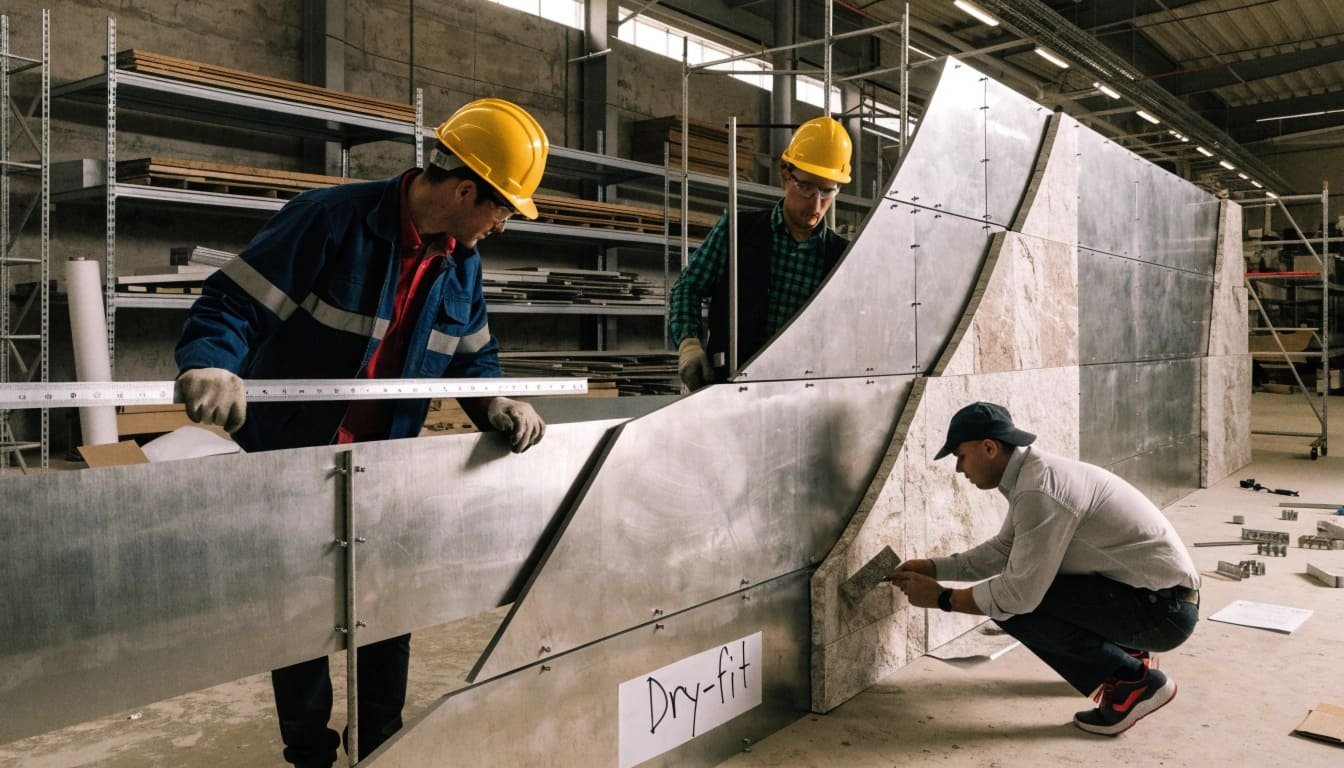
To save time and money, cheap suppliers often skip the crucial dry-fit or mockup stage. Complex pieces like large lobby installations or uniquely shaped furniture are shipped without ever being fully assembled at the factory. When they arrive, the on-site team is forced to become assemblers, drilling new holes or cutting pieces to make them fit. This not only ruins the original finish and structural integrity but also introduces serious safety risks, especially with heavy, wall-mounted elements.
4. Inadequate Export Packaging
The final trap is often the most frustrating: poor packaging. FF&E items are shipped across oceans in flimsy cardboard boxes or basic wooden frames that offer little protection. It’s no surprise that damage rates can exceed 15%. If a single component of a custom piece is broken, a replacement has to be manufactured and shipped, which can take 30 to 60 days. That one broken part can be the single reason your hotel opening is delayed, turning your carefully planned launch into a logistical nightmare.
How Can You Identify a Top “Engineering-Led” FF&E Partner?
Tired of delays and compromises? The key is to shift your focus from the bid price to the supplier’s engineering and process control. An elite FF&E partner doesn’t just sell furniture; they deliver certainty.
Look for a company that thinks like an engineer, not just a salesperson. They should have robust systems for managing every detail, from drawings to delivery. This “engineering-led” approach is what separates the best from the rest and ensures your project is delivered perfectly.
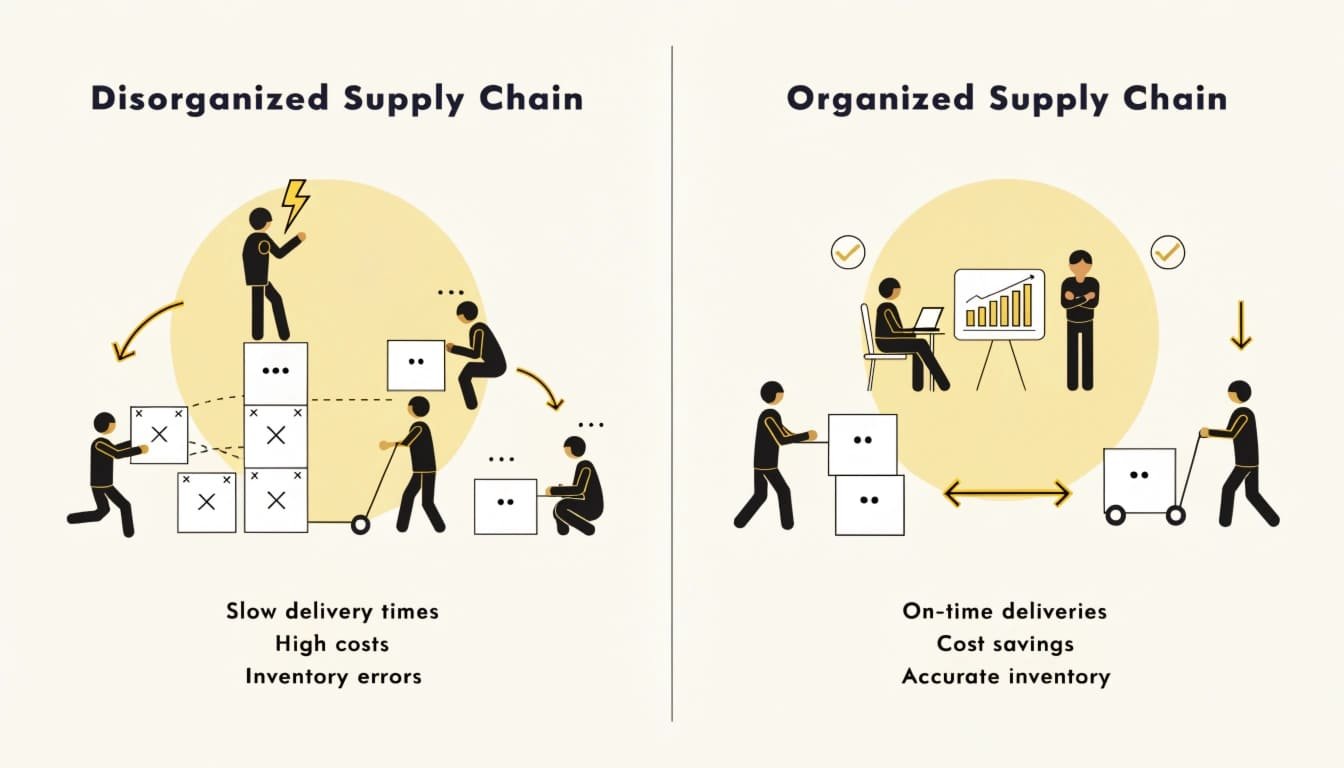
The best FF&E suppliers are fundamentally engineering companies. They build processes to eliminate risk before it becomes a problem on-site. Here are the four key indicators of an engineering-led partner:
1. They Provide an "Engineering Brain" Upfront
A top-tier partner will never just forward a designer’s sketch. They will create their own highly detailed shop drawings. These drawings will specify every single detail, down to the micron level. For example, they will define the tolerance for a seam between metal and wood at ±0.15mm. Before full production begins, they will provide 1:1 samples of materials and finishes for you to review. This ensures what you see is exactly what you get, eliminating any surprises upon delivery. This deep-level engineering audit is the foundation of a successful project.
2. They Insist on Contract-Grade Finishes like PVD
An engineering-led supplier will mandate the use of superior materials and processes. For all metalwork, they should use Physical Vapor Deposition (PVD) coating. This advanced process, originally developed for the aerospace industry, bonds a thin layer of metal to the surface in a vacuum chamber, creating a finish that is incredibly durable, corrosion-resistant, and won’t fade. They should also apply an anti-fingerprint (AF) nano-coating, which keeps surfaces looking clean and new with just a simple wipe, even in high-traffic areas. This is the difference between furniture that lasts and furniture that needs replacing.Lorem ipsum dolor sit amet, consectetur adipiscing elit. Ut elit tellus, luctus nec ullamcorper mattis, pulvinar dapibus leo.
3. They Eliminate Risks with 1:1 Factory Pre-Assembly
Before a single item ships, a reliable partner will conduct a full 1:1 pre-assembly test, also known as a dry-fit mockup. They build the entire piece in their factory to ensure every component aligns perfectly. For heavy, wall-mounted items, they will pre-engineer the support structure, often using a hidden French cleat system for a secure and flush installation. They will document this entire process with photos and videos, giving your on-site team a clear guide for a fast and flawless installation. It turns a complex task into something as simple as assembling LEGOs.
4. They Guarantee a "Last Mile" Delivery with Flawless QC
Finally, a true partner manages the entire quality control (QC) and logistics process with military precision. They track quality from the moment raw materials arrive at the factory to the final loading of the container. For fragile or uniquely shaped items, they design and build custom, fumigated wooden crates with specialized internal padding and moisture protection. This meticulous approach to packaging reduces the risk of international shipping damage to nearly zero, ensuring every piece arrives on schedule and in perfect condition.
What Is the Difference Between a Broker and an Engineering Supply Chain?
Are you working with a simple middleman or a true project partner? The difference is everything. A broker forwards emails and hopes for the best, leaving you to deal with the fallout when things go wrong.
An engineering-led supply chain, on the other hand, takes full ownership. They manage every technical detail from start to finish. This proactive approach eliminates problems before they happen, ensuring your project timeline and quality standards are met without fail.

I remember a client who came to us after a disastrous experience with a procurement broker. The broker had secured what seemed like a fantastic price for the guestroom casegoods. However, they had simply passed the design sketches to a factory without any technical oversight. When the furniture arrived, the dimensions were off, the finishes didn’t match the control sample, and many pieces were damaged in transit. The client spent weeks trying to resolve the issues, which ultimately delayed their opening by a month.
This experience highlights the critical difference between a hands-off broker and a hands-on, engineering-led supply chain. A broker’s job ends when the order is placed. An engineering partner’s job only ends when the last piece is installed perfectly. Let’s break down the key differences in a table.
Feature | Traditional Procurement Broker | Engineering-Led Supply Chain (like NEXTOP) |
Drawing Review | Forwards designer sketches to the factory. No technical audit is performed. | Creates detailed, micron-level shop drawings. Audits all connections between different materials and plans for structural support and wiring. |
Material Quality | Often sources cheaper, residential-grade materials that look good initially but fail quickly under high use. | Mandates contract-grade materials and advanced processes like PVD coatings and anti-fingerprint finishes for long-term durability. |
Factory Inspection | May provide a few photos of the packed goods before shipping. The on-site team is left to “unbox” and hope for the best. | Conducts a full 1:1 pre-assembly (dry-fit) of complex items before shipping. Provides videos and reports to ensure a smooth on-site installation. |
Logistics & Delivery | Uses basic, low-cost packaging, leading to high damage rates. Replacement cycles for broken parts can be long and cause significant delays. | Engineers custom, shock-resistant wooden crates with moisture protection. This reduces shipping damage to nearly zero, protecting the project timeline. |
Choosing the right type of partner is the most important decision you’ll make. A broker sells you a price; an engineering supply chain delivers a guaranteed outcome.
Conclusion
Choosing your FF&E partner based on who can provide the most certainty, not the lowest price, is the key. This protects your opening date and ensures your hotel’s long-term success.