Introduction
Are you still thinking of “Made in China” as just cheap, low-quality copies? Worried about the risks of importing? What if you could get five-star hotel quality furniture, fully customized to your design, without the massive brand premium?
Importing furniture from China is no longer about chasing low prices. Today, it’s about accessing world-class value engineering, integrated manufacturing, and risk-free delivery systems. This allows leading design firms and developers to execute high-end projects while cutting unnecessary costs by 40%–60%, achieving an unparalleled return on investment.

The global perception of Chinese manufacturing has shifted dramatically from “cheap workshop” to “high-precision execution.” The old reasons for hesitation—concerns about quality, communication, and compliance—are being replaced by a new reality. For professionals in the hospitality, commercial, and luxury residential sectors, China offers a strategic advantage that is hard to ignore. Let’s dive into the four foundational reasons why the world’s top project developers now see China as the smartest choice for custom furniture.
How can you achieve ultimate ROI without sacrificing quality?
Are you tired of seeing your project budget disappear into huge premiums for Western luxury brands? Do you find the high costs of local on-site labor and non-standard customization prohibitive? There is a much smarter path to bringing your vision to life.
The answer is value engineering, executed by top-tier source factories in China. This isn’t about buying “cheap” furniture; it’s about achieving an exceptional return on investment. By optimizing shop drawings and replacing expensive on-site work with precise industrial manufacturing, you get the exact high-end aesthetic you want while eliminating 40%–60% of the cost.

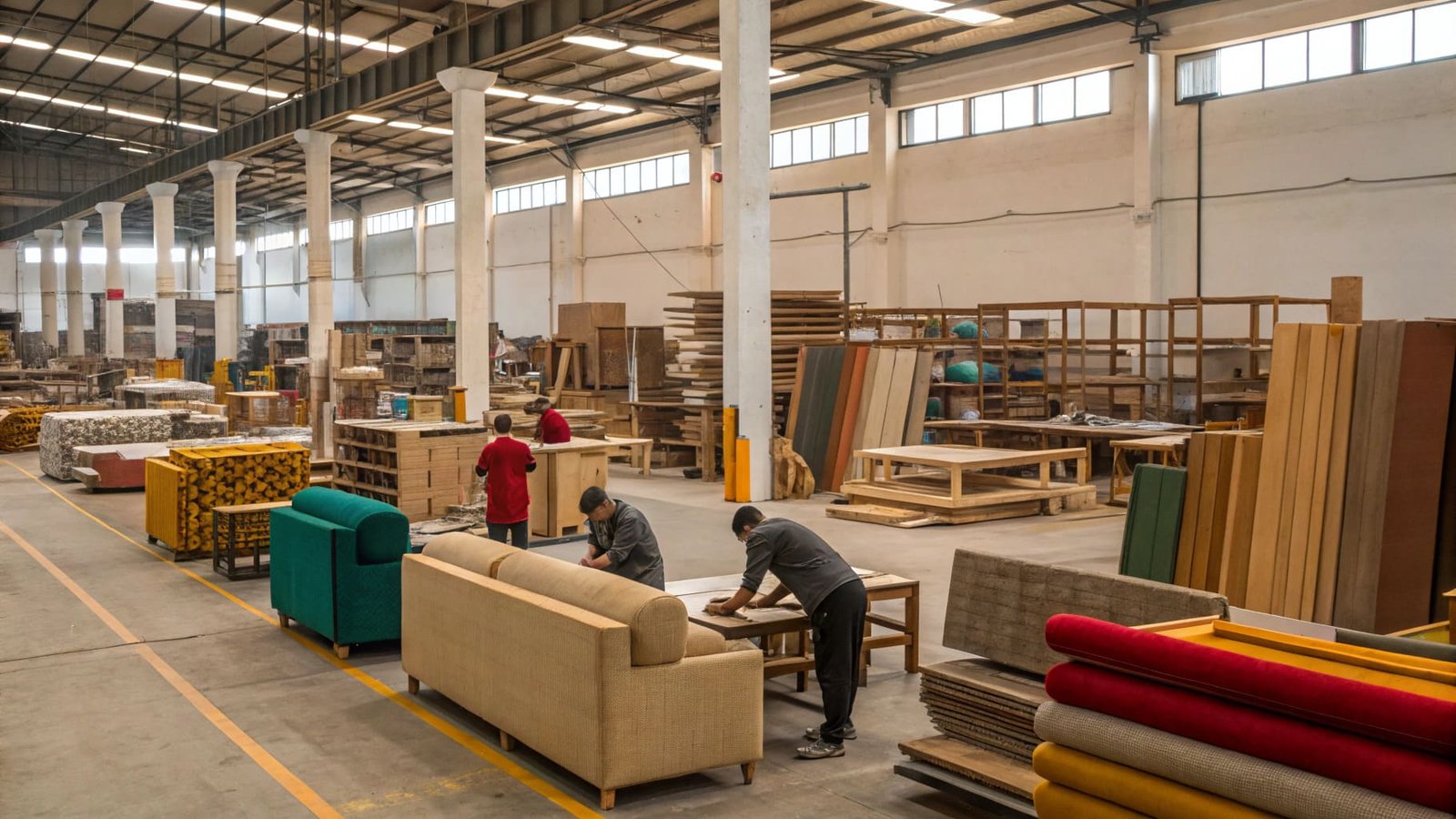
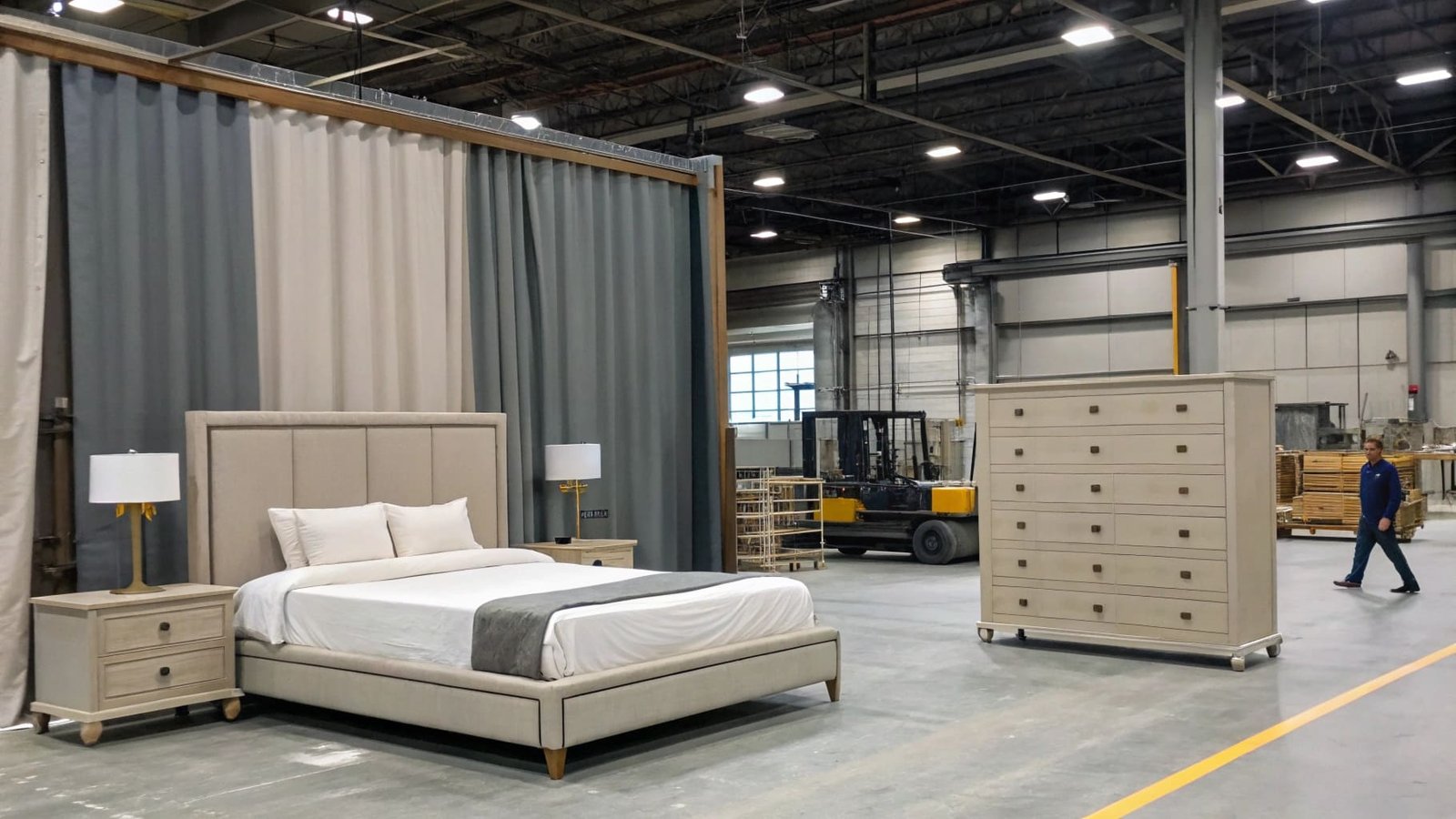
Let me explain how this works in practice. I often work with international design firms and hotel developers who are shocked by the price quotes from famous European brands. On top of that, the cost of skilled on-site artisans for custom installations in the US or Europe is astronomical. This is where we step in. Our process begins with your design drawings. Our engineers then conduct a thorough value engineering analysis. We might propose optimizing the internal structure for greater stability or suggest a different material combination that achieves the exact same visual and functional result at a lower cost. We take the complex work that would be done by hand on-site—at great expense and with potential for error—and move it into our controlled factory environment. This industrial pre-fabrication allows us to create stunning, intricate pieces for luxury hotels and high-end residences with incredible precision. The furniture arrives ready for a simple, fast installation, perfectly matching the original design intent. This is the new logic for global sourcing: not “cheap,” but ultimate ROI.
Why is a one-stop integrated ecosystem crucial for modern furniture?
Your latest design is a beautiful mix of PVD-coated metal, rare stone, custom leather, and fixed millwork. But the thought of coordinating separate suppliers for each material is a nightmare. Are you worried about mismatched finishes and assembly tolerances that could ruin the final look?
Modern high-end furniture is rarely made from a single material; it’s a complex assembly. China’s Greater Bay Area offers a globally unique, one-stop integrated manufacturing ecosystem that solves this problem. Factories here can seamlessly combine diverse materials with incredible precision, eliminating the coordination issues and tolerance errors common when using multiple specialized workshops.
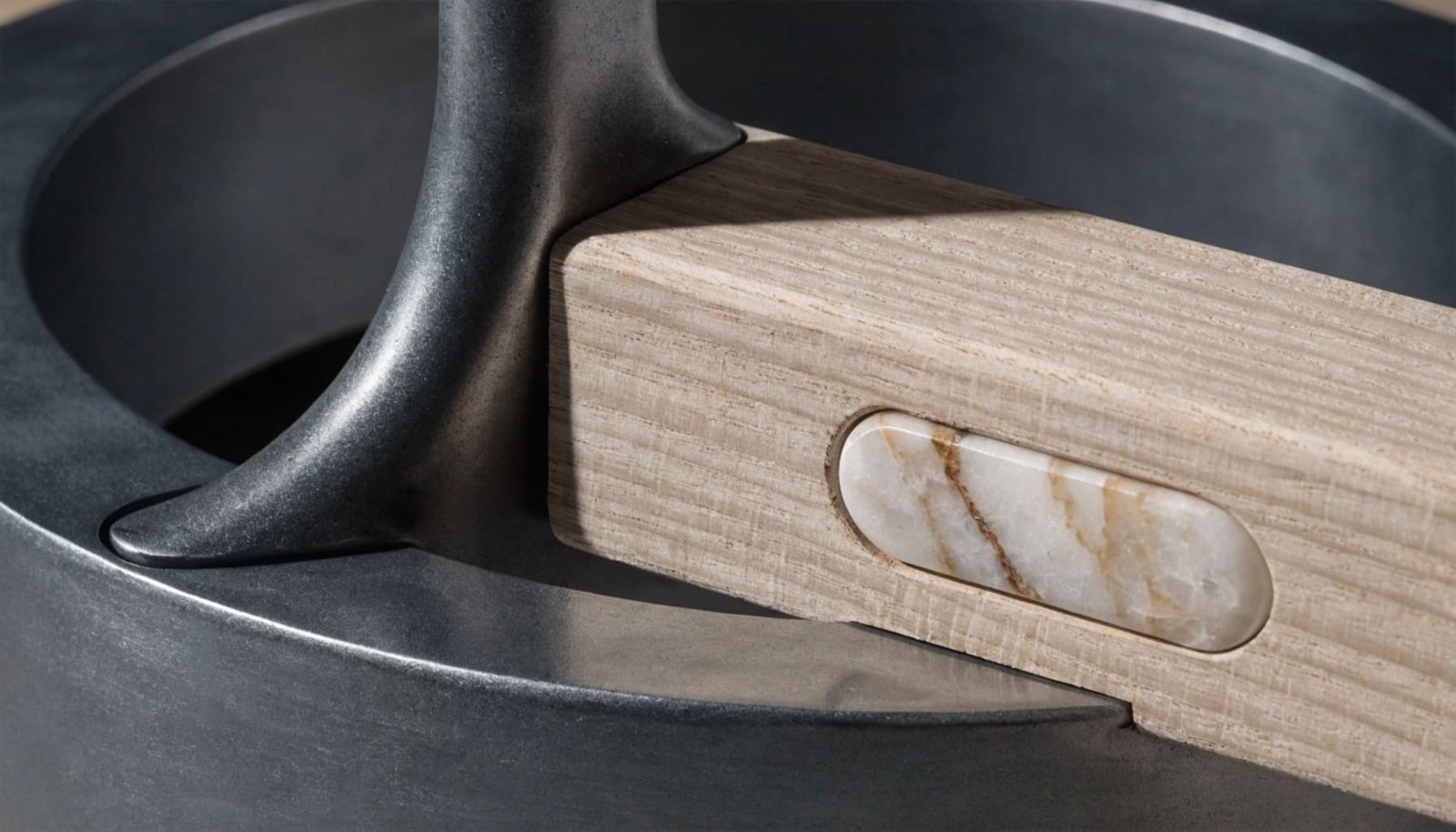
I recall a challenging project for a hotel lobby that featured a large reception desk with a complex design: a marble top with brushed brass inlays, set on a fluted solid wood base. In North America or Europe, executing this would require a metalworker, a stonemason, and a cabinet maker. Managing these three separate suppliers to ensure the final pieces fit together perfectly would be a huge challenge, with a high risk of error. This is where the integrated ecosystem in Southern China truly excels. Our factory is part of a dense supply chain network where these specialized skills are readily available and coordinated. Our engineers understand the different thermal expansion coefficients of metal, stone, and wood. We design the connections to accommodate these natural movements, controlling joining gaps to a tight tolerance of ±0.15mm. We even incorporate hidden stress-relief fasteners within the structure. This smart engineering prevents the materials from cracking or warping when the furniture is shipped across continents to different humidity and temperature zones. It’s a level of seamless, multi-material integration that is nearly impossible to replicate elsewhere.
How can you eliminate the risks of international furniture delivery?
Does the thought of your custom furniture arriving damaged after a long sea voyage keep you up at night? Are you concerned that carefully specified pieces won’t fit correctly once they arrive on-site? These are major risks that can derail a project timeline and budget.
Leading Chinese engineering factories have developed a zero-risk prediction mechanism to solve this. Before mass production begins, we build a full 1:1 scale mock-up of the room or furniture for your review via high-definition video. We then use sophisticated Knock-Down (KD) engineering to optimize the structure for safe shipping and simple, dust-free on-site assembly.
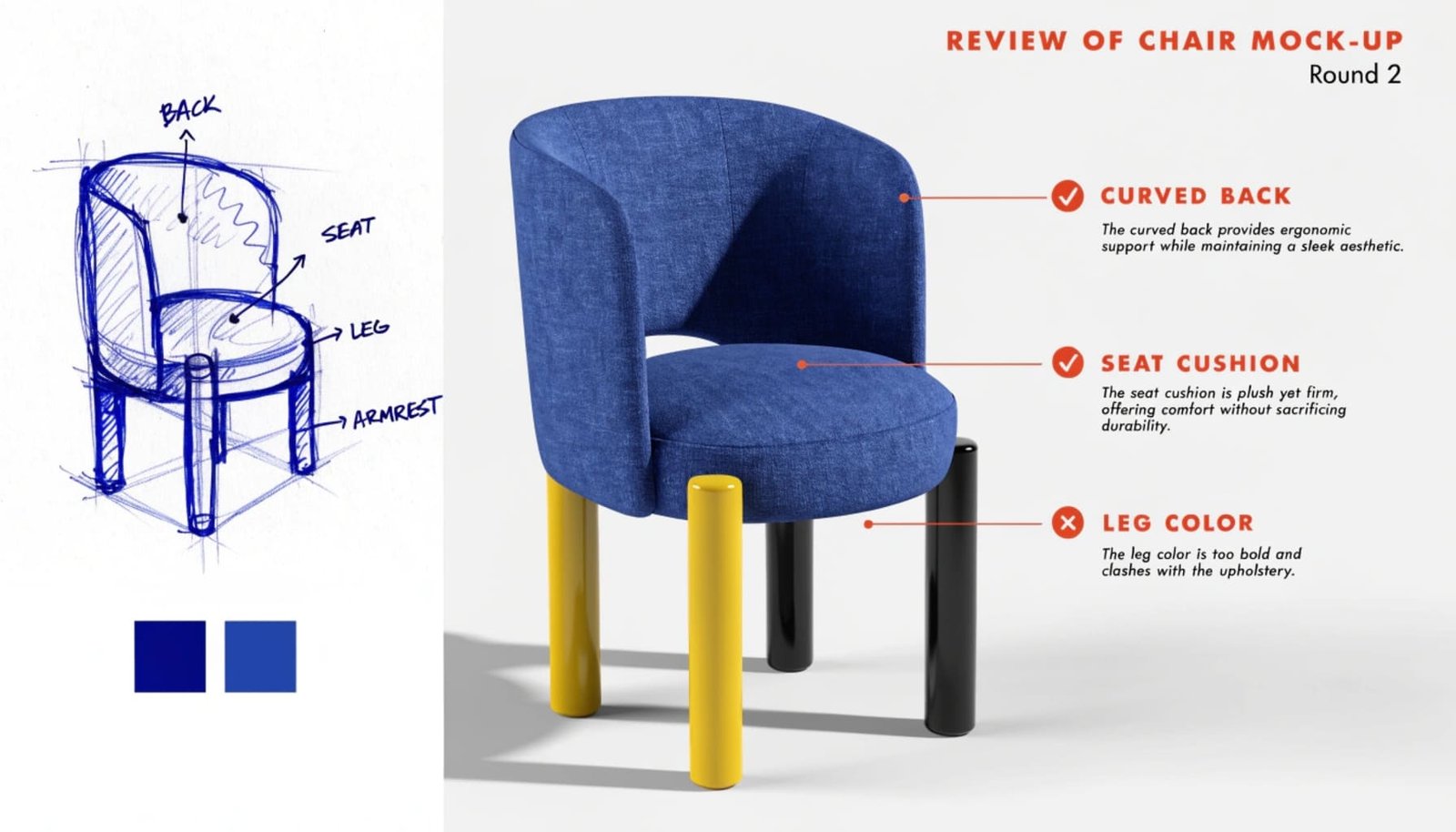
For any overseas buyer, the biggest fear is the unknown. What happens if the container arrives and the custom-built pieces are broken? Or what if the reception desk we built is just a few centimeters too wide for the niche it was designed for? We have a robust system to prevent these disasters. First, we construct a full-scale mock-up in our workshop. You can inspect every detail through a live video call, ask questions, and request adjustments as if you were standing right there with us. Once you give your final approval on this 1:1 physical sample, and only then, we proceed with mass production. Second, our engineers are masters of Knock-Down (KD) design. This is far more than simple flat-packing; it’s a scientific approach to disassembling large, complex items into smaller, protected components. This method not only maximizes container space—often saving clients over 30% on ocean freight costs—but it also ensures that assembly on-site is fast, quiet, and clean. It’s a dry installation process with no sawing, sanding, or dust. This predictive, closed-loop approach transforms a potentially high-risk international purchase into a controlled, reliable, and predictable operation.
How do you ensure your imported furniture meets local regulations?
Are you worried that an entire shipment of furniture could be impounded by customs for failing to meet safety standards? Or that the on-site fire marshal will reject your seating because it lacks the proper fire-retardancy certification? These are project-killing risks.
The top-tier manufacturers in China provide what I call a “100% zero-risk customs green card.” Every product is engineered from the source to comply with stringent international codes. This includes high-level fire retardancy standards like Britain’s BS 5852 or America’s CAL 133, environmental certifications like CARB P2 for zero VOC emissions, and structural durability testing like BIFMA. We provide third-party international testing reports (from SGS or Intertek) with every shipment
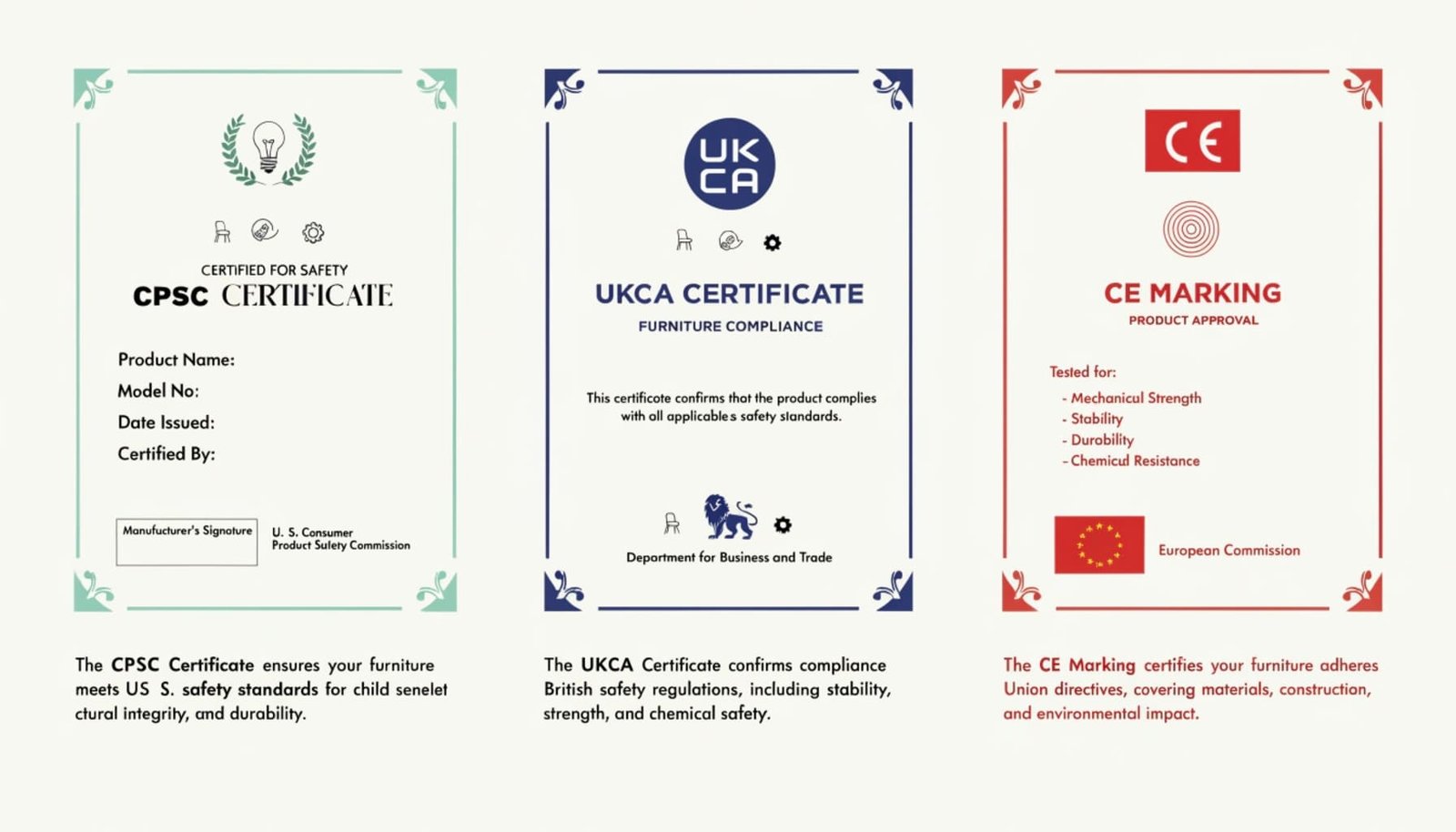
Compliance isn’t an afterthought; it’s a critical line of defense for any commercial project. I’ve seen firsthand how a lack of proper documentation can lead to disaster. That’s why we embed compliance into every stage of our process. For a hotel project we supplied in the UK, all upholstered seating had to pass the BS 5852 “Crib 5” fire test, a legal requirement for commercial spaces there. For a university project in California, our products met both the CAL 133 full-burn test and CARB Phase 2 standards for formaldehyde emissions. Our contract-grade furniture is also subjected to BIFMA testing, which simulates years of heavy commercial use through thousands of stress cycles. [3, 4] We don’t just claim compliance; we prove it. Every shipment is accompanied by official, verifiable reports from world-recognized agencies like SGS. This documentation is your legal and safety shield, guaranteeing that your project will pass inspection without costly delays or rejections.
Conclusion
Importing from China is a strategic decision for achieving superior quality, cost-effectiveness, and flawless execution. It empowers you to realize your most ambitious design visions with complete confidence and precision.