Introduction
When designing furniture for small spaces, people often focus on making things fit. But what happens when the furniture itself stops you from feeling the freedom of the room? Maximizing space isn’t just about measurements; it’s about feeling, practicality, and engineering.
Designing furniture for small spaces requires optimizing visual weight, incorporating multifunctional elements, utilizing vertical surfaces, and blending materials that create an open and expansive feel.
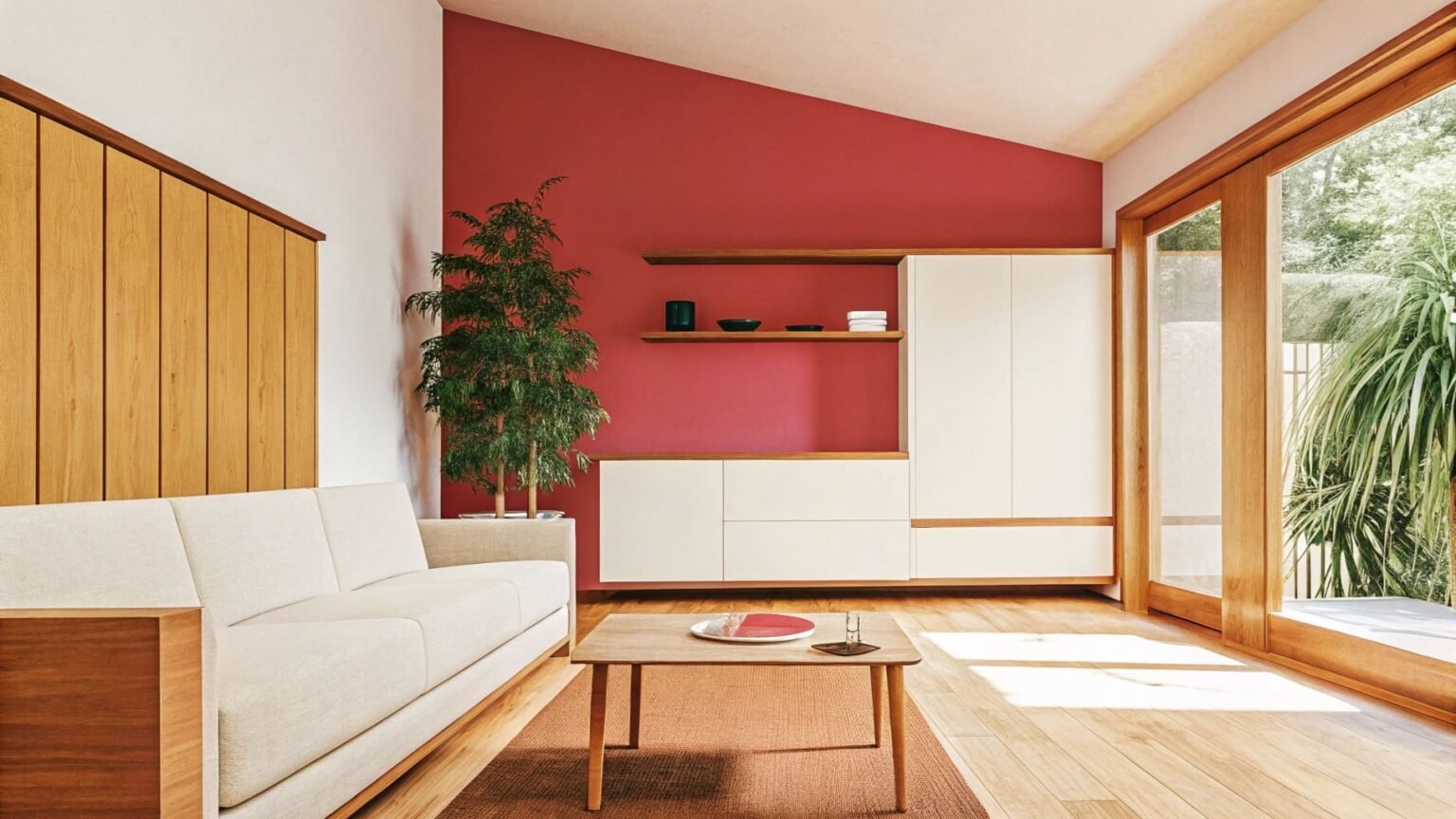
The challenge lies not just in creating compact furniture but also in ensuring that it enhances the space and doesn’t suffocate it. Let me walk you through some principles and techniques that make this possible.
How does visual lightness and "skeletal engineering" redefine small space furniture?
Heavy furniture in small rooms can block the flow of light and make the space feel cramped. Think about those bulky wooden furniture pieces that dominate every inch of space. That’s the exact opposite of what we want in a small space.
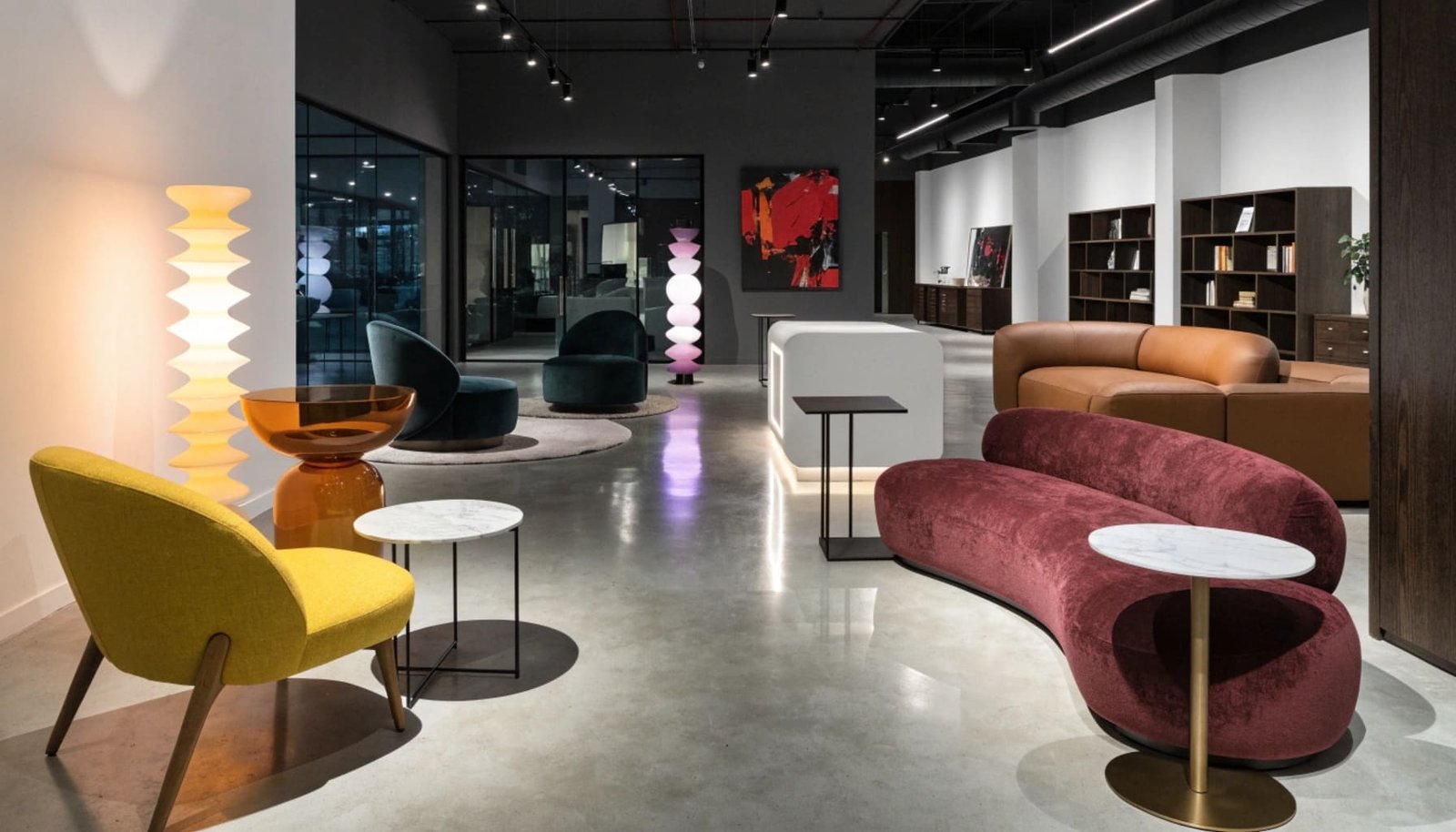
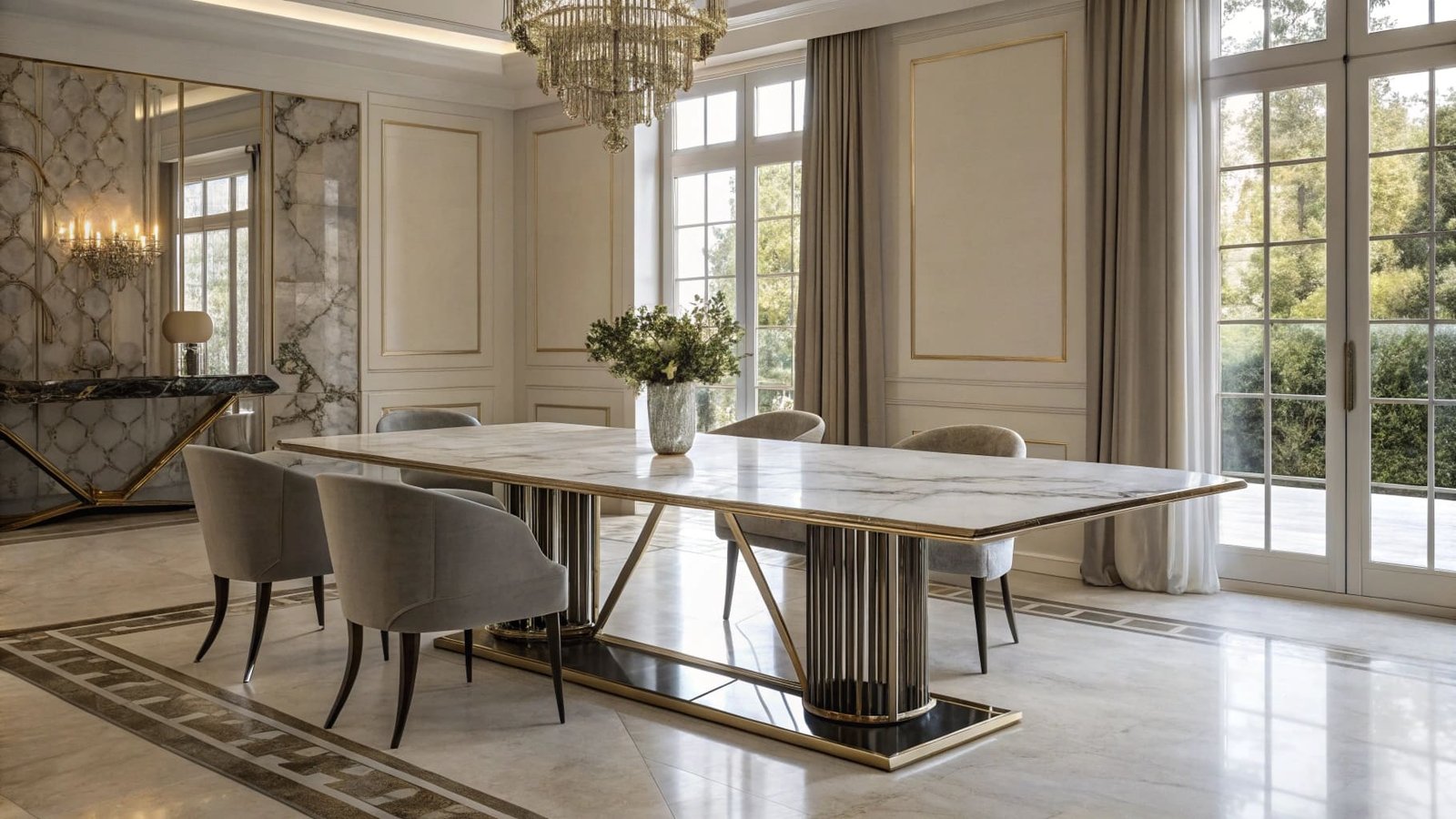
Using narrow metal frames instead of bulky wood structures can create a sense of visual lightness while maintaining strength and stability. This increases the visible floor area and promotes an open aesthetic.
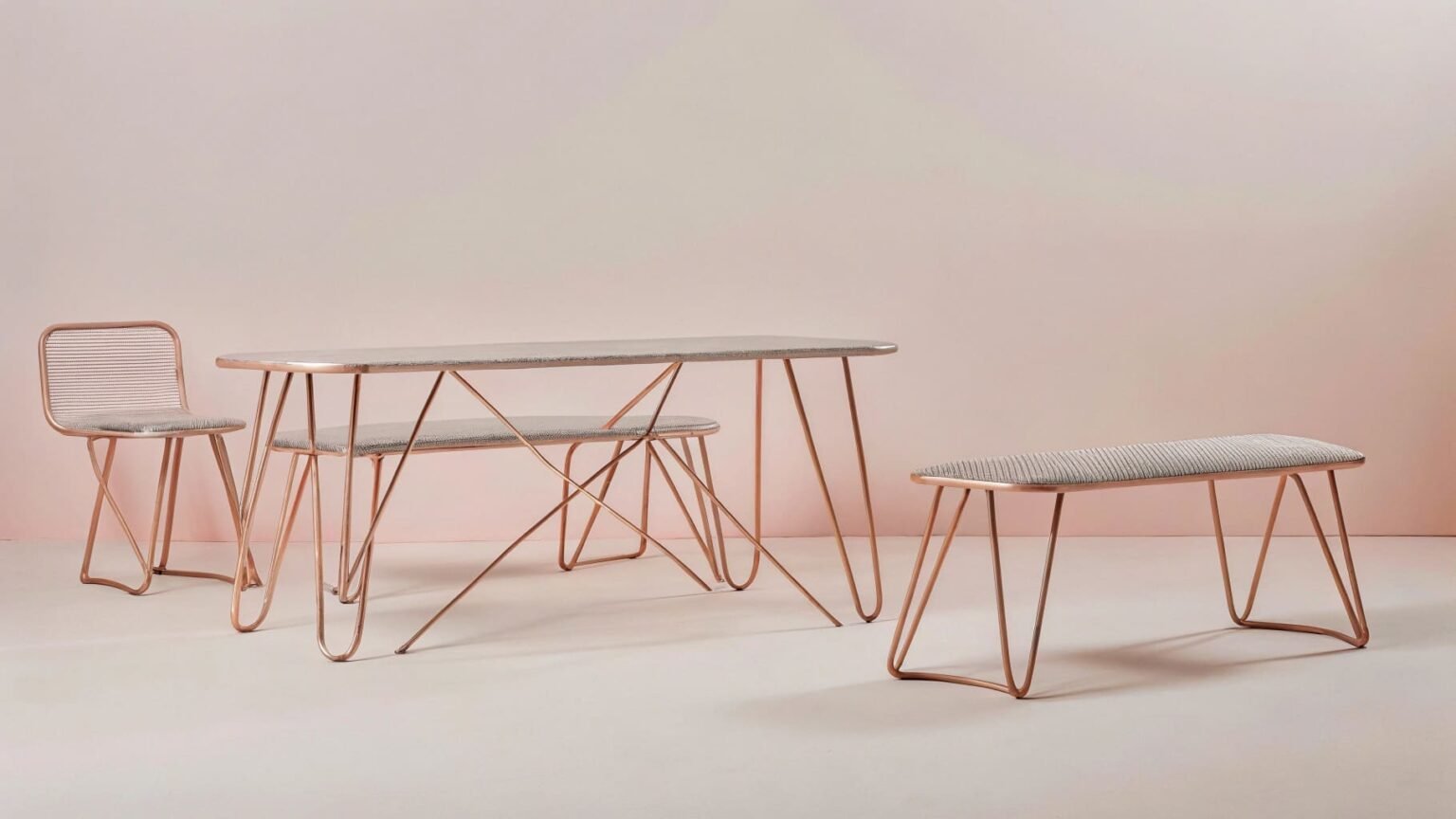
By substituting thick traditional wood frames with high-strength stainless steel or titanium alloys, you achieve both durability and elegance. For example, a table with thin metal legs not only passes commercial-grade load-bearing tests but also allows for an uninterrupted line of sight, making the room appear larger. This approach doesn’t just serve function but creates “breathing space” that visually expands the room.
What’s the secret behind "zero-tolerance" in dynamic compound furniture design?
Foldable and multifunctional furniture pieces are a blessing for small spaces. But let’s be honest, poorly designed hinges and wobbly parts can make these pieces feel cheap. This is where precision engineering comes into play.
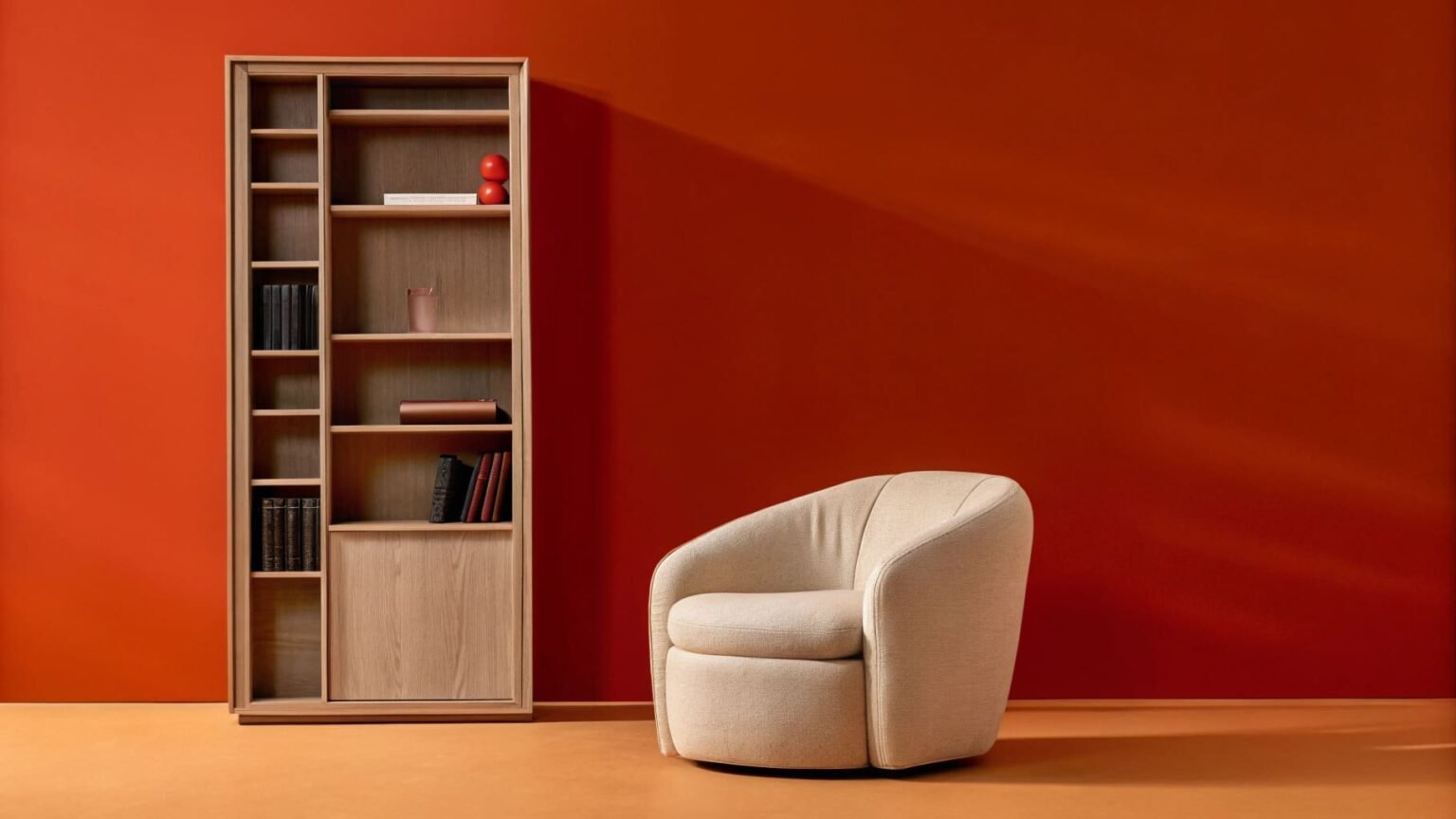
The key lies in micro-level precision. Systems like hidden dampers, multi-stage pneumatic shock absorbers, and smooth gliding rails elevate these elements from “basic utility” to “luxury experience.” Imagine a rotating TV wall that glides effortlessly into place or a foldable desk that locks securely and feels solid. It’s the difference between a budget foldable table and a high-end transforming piece.
Why is "wall sovereignty" crucial in small spaces?
Floor space is prime real estate in compact areas. Yet, how often do we ignore the potential of walls? Making better use of vertical surfaces can completely revolutionize small space design.
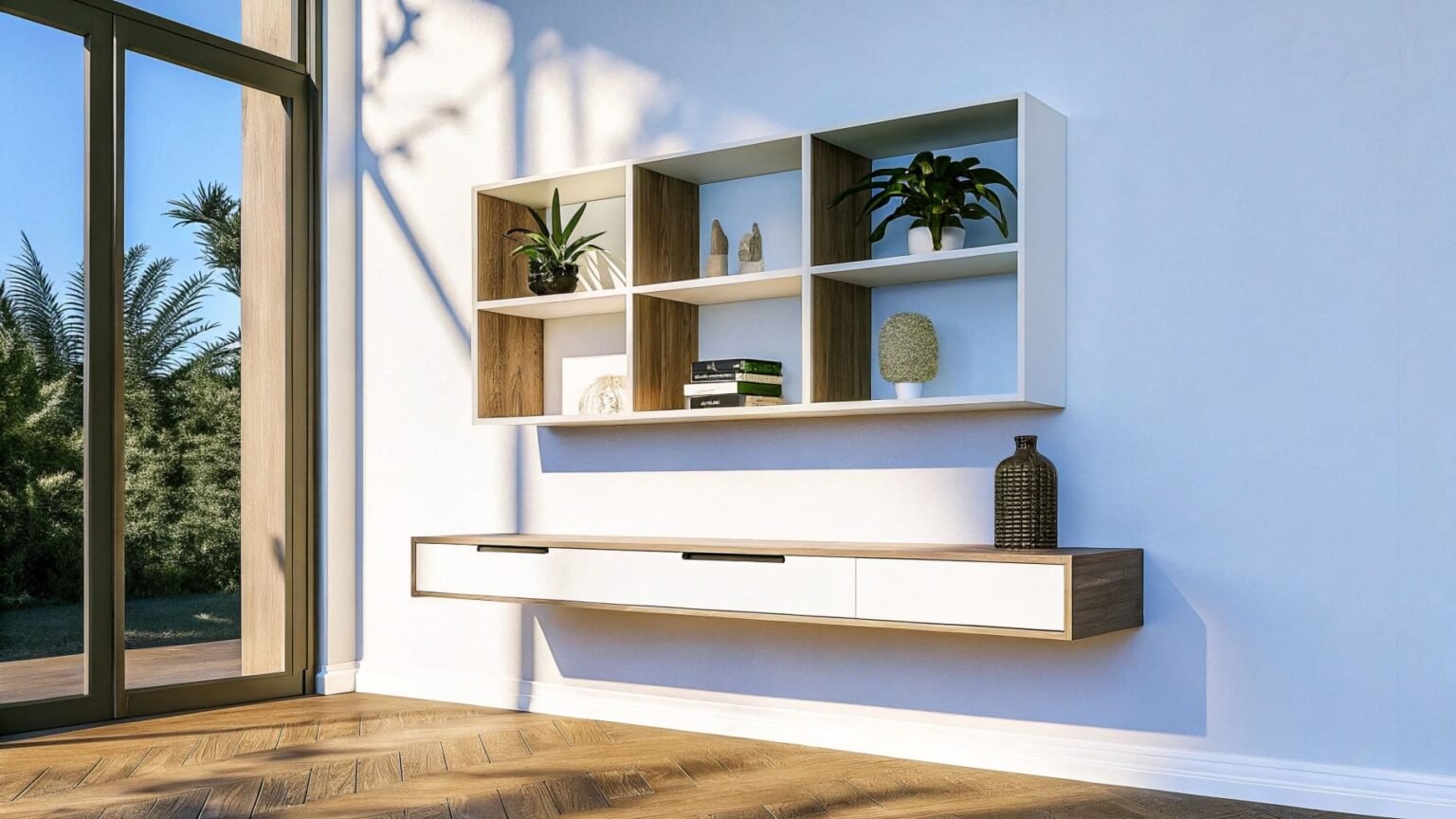
Consider floating metal side tables or wall-mounted foldable countertops. These designs demand precise load-bearing calculations and strong wall anchors. But the payoff is worth it. By eliminating contact with the floor, you gain 100% of your floor’s “real estate” for movement and flexibility. The result is a decluttered, open environment that feels far less restrictive.
How does material integration create a sense of expansion?
A single material can feel monotonous and, in small spaces, even oppressive. Imagine dark wood furniture dominating a tiny room—it’s suffocating. The right mix of materials can work wonders.
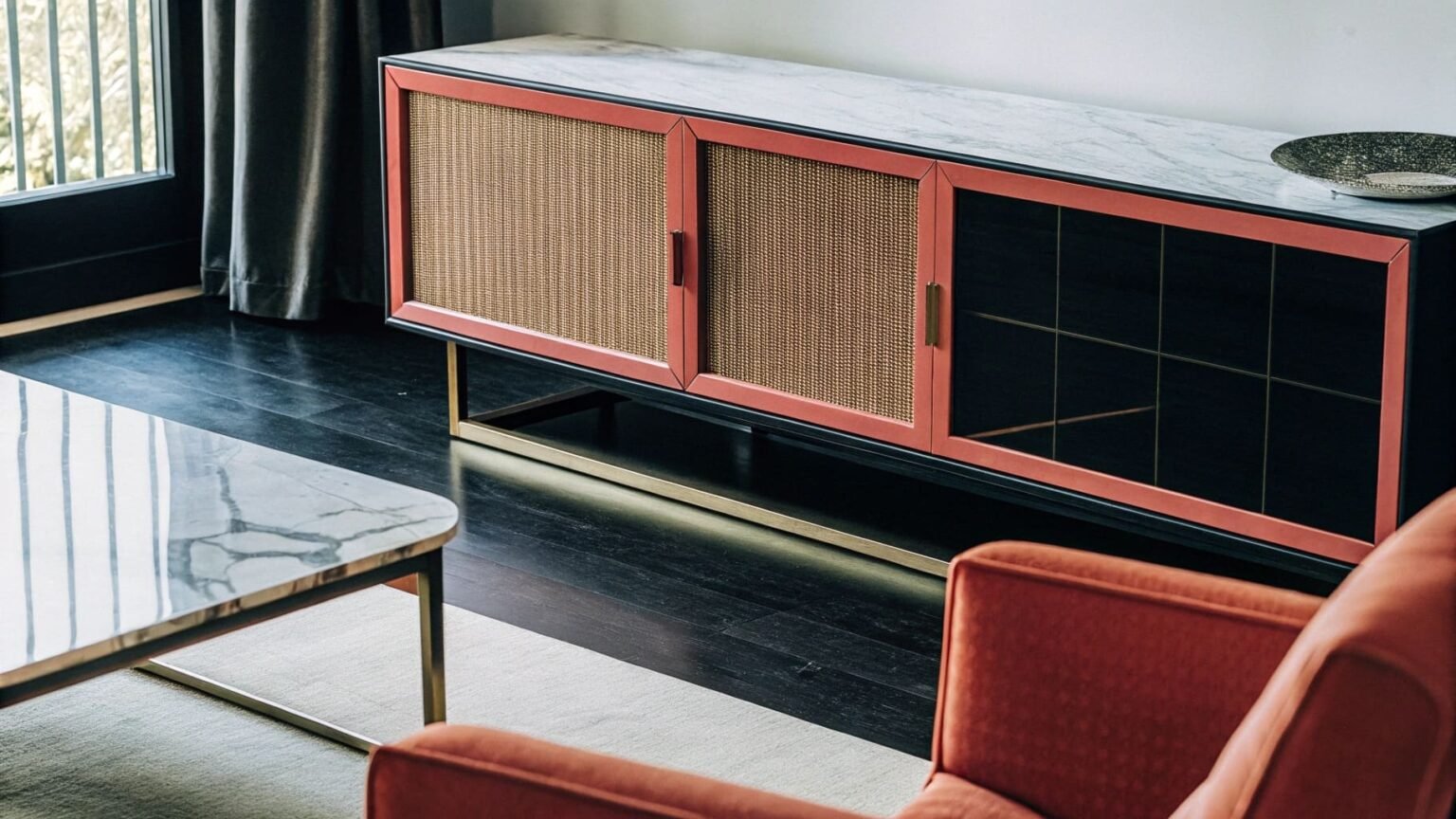
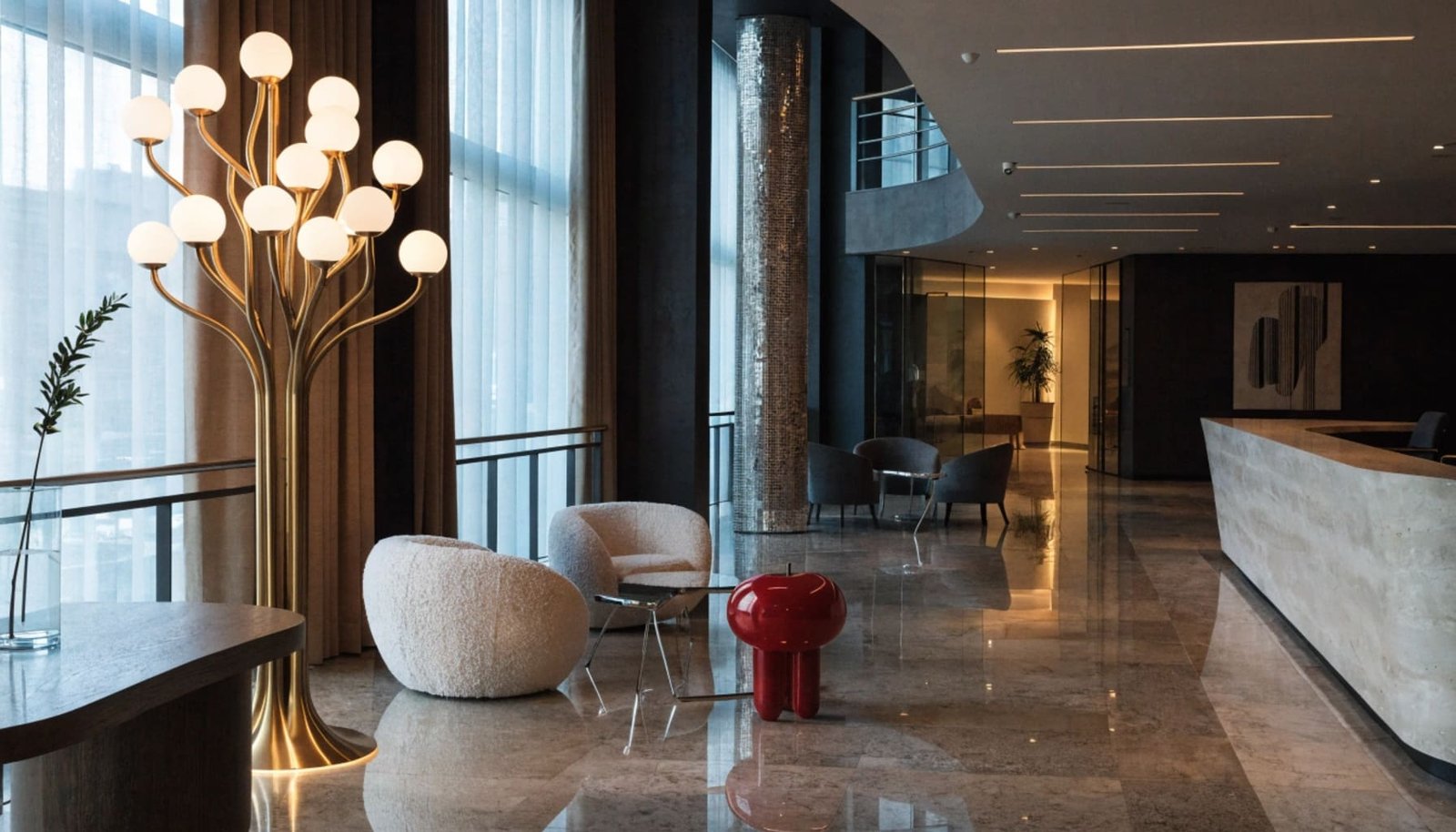
For instance, using ultra-clear fluted glass, anodized aluminum, and high-gloss stone contrasts the heaviness of solid materials. Glass allows light to pass through, breaking up enclosed spaces, while polished metals and stones add a luxurious feel. The key lies in seamless digital precision during fabrication. Even small misalignments in material edges can ruin the effect. Properly executed, these designs create micro-reflections that trick the eye into perceiving the space as larger than it actually is.
Conclusion
Designing furniture for small spaces is an art that balances engineering, aesthetics, and practicality. From lightweight frames and multifunctional mechanics to vertical innovations and material blending, every detail matters. It’s more than just saving space; it’s about creating a space that feels expansive, elegant, and effortless.