Introduction
Your back aches and your focus fades after hours of work. A standard chair fails to support your creative process, actively working against your body and your deadlines.
The best chair for a designer provides dynamic ergonomic support for changing postures, uses inspiring high-quality materials, and features highly adjustable components like 4D armrests. It is a tool that enhances creativity, protects health, and makes a strong brand statement.

It might seem like a lot to ask from a single piece of furniture. You might wonder if such a chair is just a luxury or a genuine necessity for a professional. But when you look closer, the benefits go far beyond simple comfort. Let’s break down what truly separates a great designer’s chair from just another seat in the office.
How Does a Chair Support Your Creative Workflow?
You lean forward to sketch, then lean back to think. Your current chair probably fights you every step of the way, causing stiffness and disrupting your creative flow.
The best chairs use dynamic support technology, like a synchronized tilt mechanism. This feature moves with your body. It ensures your spine is always supported, which helps maintain blood flow and focus during long creative sessions.
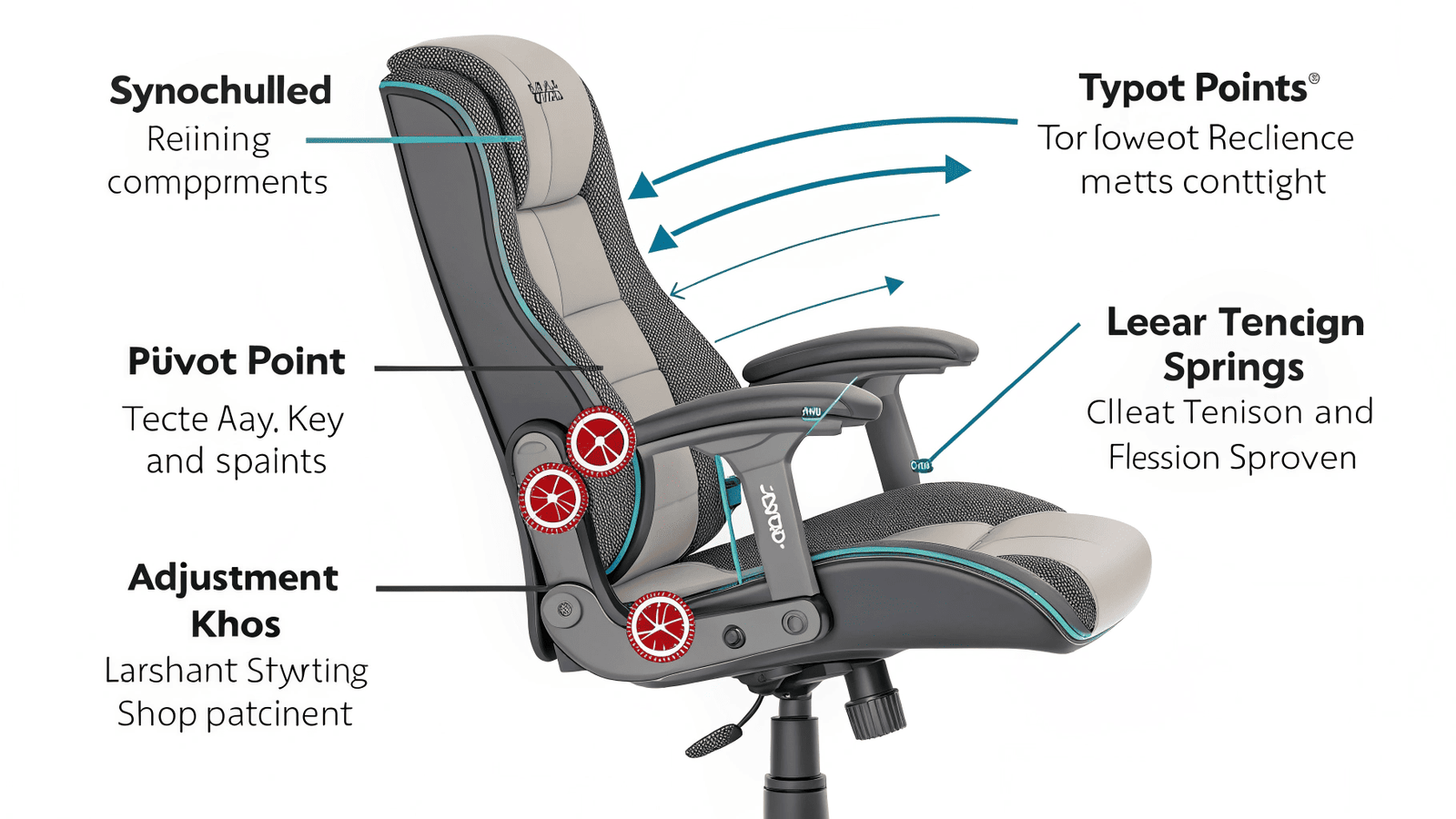
As a designer, my posture changes constantly. One moment, I am intensely focused, leaning far forward over a drawing tablet. The next, I am leaning way back, staring at the ceiling to brainstorm a new concept. A basic chair cannot handle these extreme shifts. It either locks in place or reclines awkwardly, leaving my spine unsupported. This is where a true designer’s chair shows its value. Top-tier chairs from brands like Herman Miller or Steelcase feature a “synchronized tilt” mechanism. It acts like an external skeleton. When I lean back, the seat pan tilts up slightly, and when I lean forward, it adjusts with me. This continuous support is not just about comfort. It is about performance. By keeping the spine properly aligned, it promotes better blood circulation and oxygen flow to the brain. This helps prevent the mental fatigue that can kill a creative session.
Feature | Static Office Chair | Dynamic Designer Chair |
Recline Mechanism | Simple back-tilt, often stiff | Synchronized tilt, fluid motion |
Spinal Support | Inconsistent, gaps appear | Continuous, follows body |
User Experience | Fights natural movement | Feels like an extension of the body |
Impact on Focus | Causes discomfort and distraction | Maintains circulation, reduces fatigue |
Why Do Materials Matter So Much in a Designer's Chair?
You have a great eye for materials, yet you sit on a chair made of cheap plastic and stuffy fabric. This disconnect can subconsciously dull your creative senses every day.
Designers have a deep connection to materials. A great chair uses premium, tactile materials like breathable mesh and polished aluminum. It feels like a piece of high-end industrial design, creating a sense of professional resonance every time you touch it.
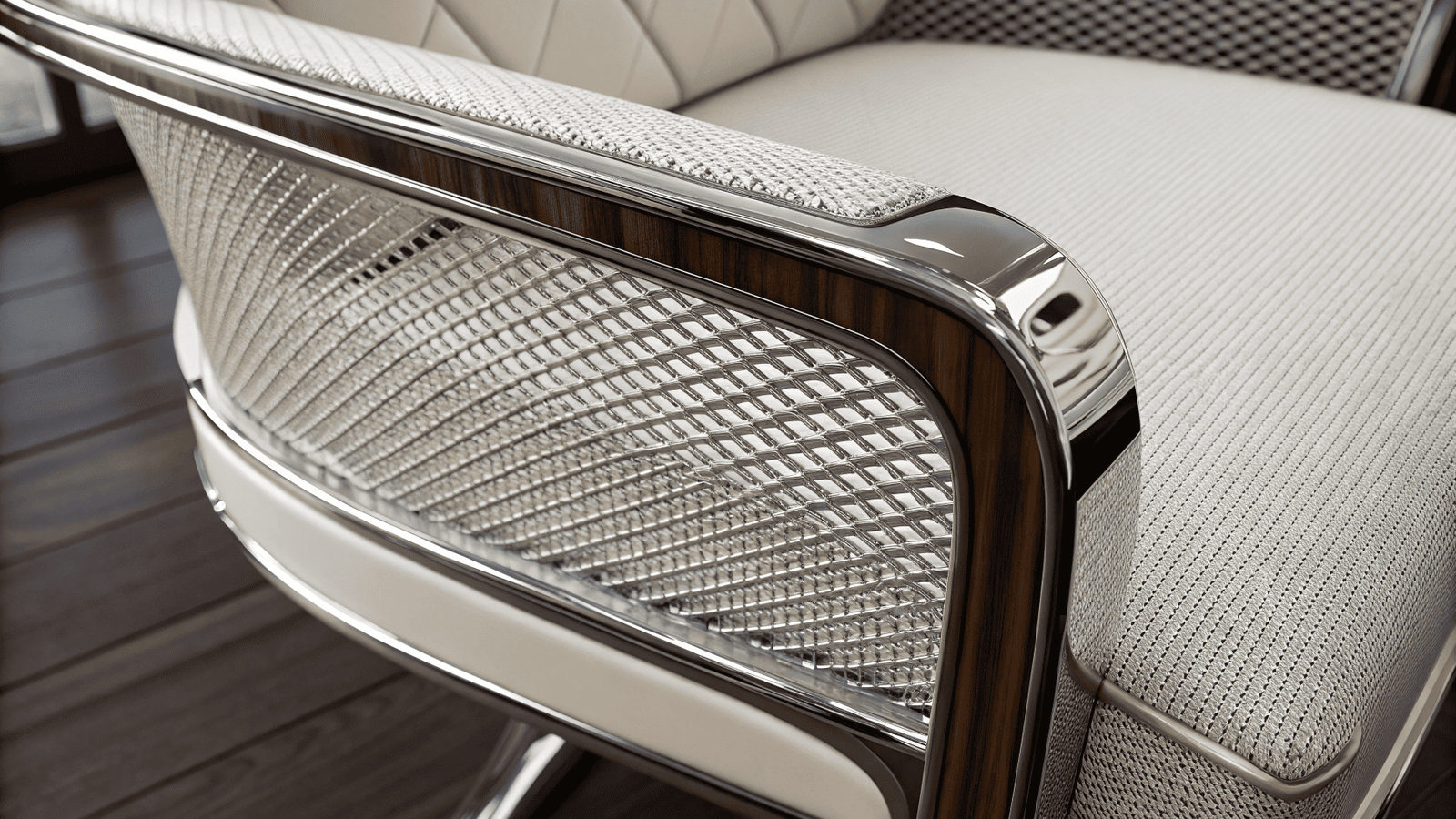
I spend my days specifying high-end finishes for hospitality and commercial projects. I cannot stand the feel of cheap, hollow plastic or stuffy foam seating. For designers, materials are an extension of our inspiration. A chair must balance “cold engineering” with a “warm touch.” It needs to feel as good as it looks and performs. This is why many iconic designer chairs use innovative materials. For example, the Aeron chair introduced its breathable Pellicle mesh, which replaced the hot, sweat-inducing leather common at the time. The frame might be made of polished aluminum instead of coated steel or plastic. It feels solid and precise. When I touch a chair like this, I feel a “professional resonance.” I recognize the thought and quality that went into its creation. The chair itself becomes a top-tier industrial design specimen right in my own workspace. It’s a constant, physical reminder of the standards I aim for in my own work.
Material Aspect | Standard Chair | Designer Chair |
Fabric | Basic foam and polyester | Breathable, high-performance elastic mesh |
Frame | Plastic or painted steel | Polished aluminum, carbon fiber |
Tactile Feel | Cheap, generic, uninspiring | Premium, precise, inspiring |
Design Message | “This is just a seat.” | “This is a piece of industrial art.” |
Can Your Chair's Armrests Actually Improve Your Work?
Your armrests get in the way when you sketch. They offer no support when you type. This constant annoyance leads to shoulder pain and repetitive strain injuries over time.
Yes, they can. A true designer’s chair features “4D armrests” that adjust in height, width, depth, and pivot. This allows you to support your elbows for detailed work or create space for broad keyboard movements, preventing common workplace injuries.
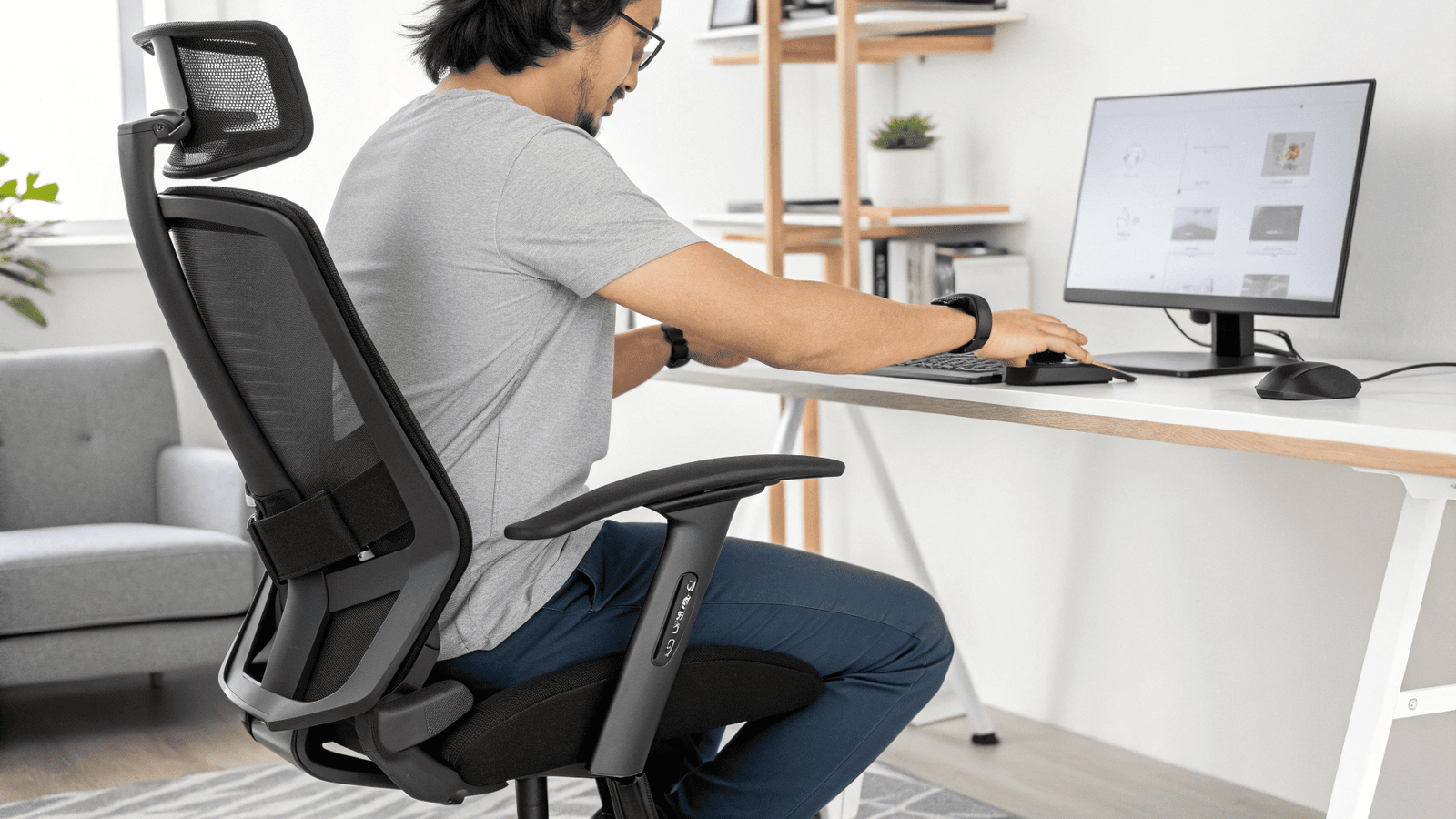
My workstation is a complex ecosystem. I have multiple monitors, a Wacom tablet, a keyboard, a mouse, and physical models. Standard, fixed armrests are more of a hindrance than a help. They block me from getting close to my desk or they are too wide for comfortable typing. I used to get terrible wrist pain after long sessions in 3D modeling software. The solution was a chair with fully adjustable, or “4D,” armrests. These are a game-changer. I can lower them out of the way, bring them inward to support my elbows while sketching on a tablet, or move them forward to support my forearms during intense typing. This micro-level of adjustability is crucial for preventing the occupational hazards of our profession, like carpal tunnel syndrome or chronic shoulder stiffness. It’s not an exaggeration to say that the right armrests can directly extend a designer’s creative lifespan by protecting their physical health.
Armrest Adjustment | What It Does | Benefit for Designers |
Height | Moves up and down | Aligns elbow with desk height to reduce shoulder strain |
Width | Moves in and out | Supports arms during typing or moves away for sketching |
Depth | Moves forward and back | Provides forearm support for different tasks |
Pivot | Angles in and out | Cradles the arm for focused mouse or tablet work |
Is a Designer Chair a Worthwhile Investment for Your Studio's Brand?
Your studio’s portfolio is stunning, but your office furniture looks generic. Clients notice these details. This might make them subtly question your commitment to design excellence.
Yes, it is a powerful statement. Choosing a classic design like an Eames or a modern icon from Humanscale acts as a “visual resume.” It signals to clients that your studio values quality, heritage, and uncompromising design in every detail.

In the creative industry, everything communicates. Your office space is often the first physical impression you make on a client. A well-chosen chair is a silent resume. When a client walks into our studio and sees we have invested in classic pieces from Eames or sleek, modern chairs from a brand like Humanscale, it sends an immediate message. It tells them we a deep respect for design history and an obsession with quality. It shows we practice what we preach. This creates a sense of “visual identity” that elevates the entire studio’s professional atmosphere. It’s an investment in brand perception. A generic, functional chair says you just needed a place to sit. A designer chair says you believe design matters in every single object, down to the one you work in all day. This intangible value is powerful and helps build trust and credibility with discerning clients before you even present a single slide.
Aspect | Generic Furniture | Designer Furniture |
First Impression | Functional, forgettable | Sophisticated, memorable |
Brand Message | “We cut costs where possible.” | “We invest in quality and excellence.” |
Client Perception | Standard business | A serious design-led studio |
Studio Atmosphere | Just an office | A curated creative space |
Conclusion
A great designer chair is more than furniture. It’s an ergonomic tool, a material study, and a brand statement that supports your health, creativity, and professional image.