Introduction
Struggling to find high-end metal wall art that looks as good in reality as it does online? You’re not alone. The risk of receiving a piece with poor proportions or flimsy quality is real.
The best place is not a retail platform, but a direct manufacturing partner capable of creating detailed shop drawings before production. This process guarantees your specific requirements for size, material, and finish are met precisely. It eliminates the guesswork and hidden costs of getting a product that doesn’t match your vision.
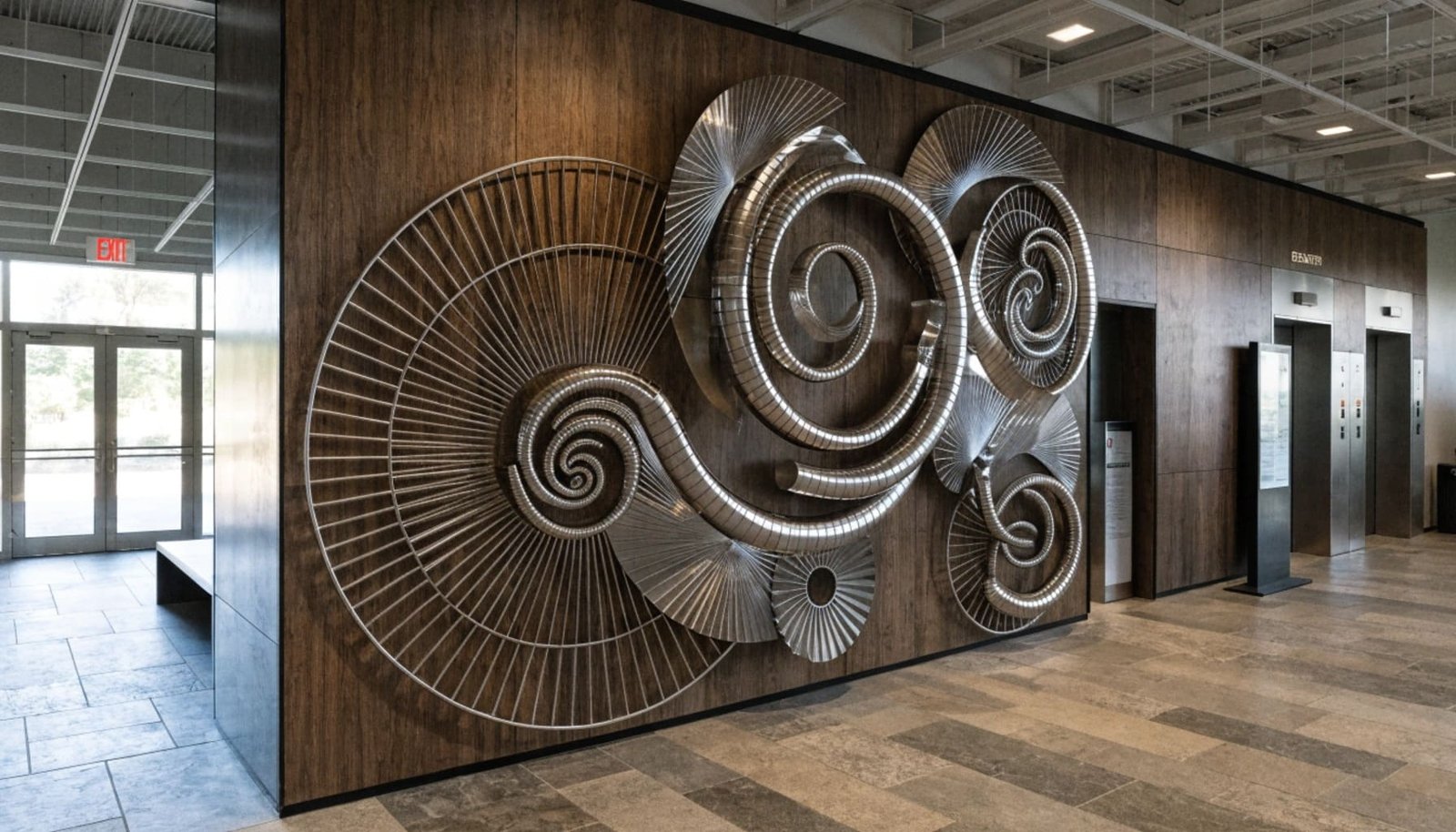
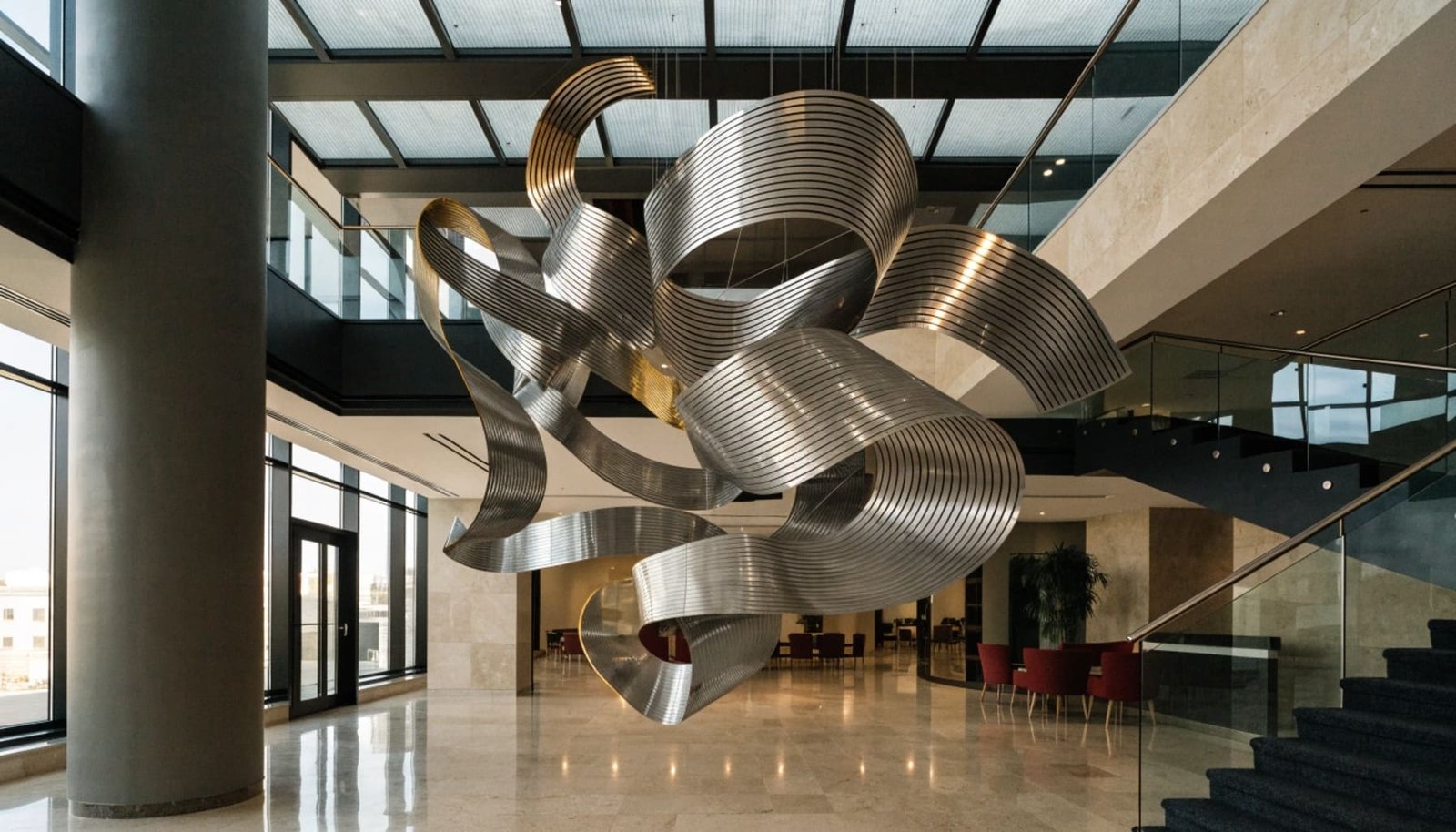
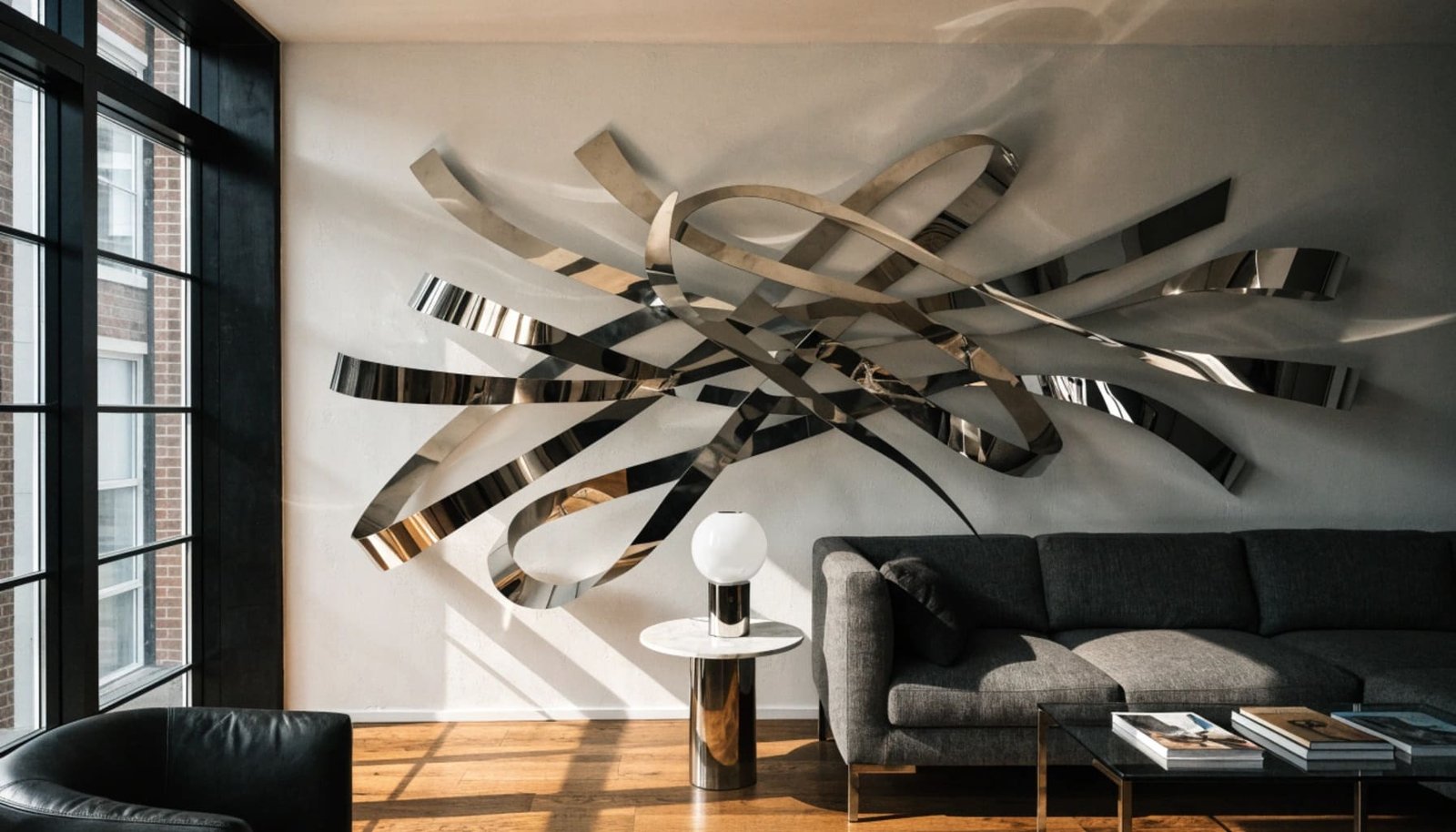
I’ve learned from experience that the secret to sourcing exceptional metal art lies in the technical capabilities of the supplier. The most beautiful and lasting pieces are born from engineering precision, not just artistic vision. To get a piece that truly fits your project, you need to look beyond the product photo and understand the manufacturing process. It’s about asking the right questions to find a partner who can turn your concept into a flawless reality.
How can you guarantee the art piece fits your space perfectly?
You’ve seen it before: a stunning piece of art that looks perfect online arrives and is completely wrong for the space. This costly mistake can derail a project’s timeline and budget.
You can guarantee a perfect fit by demanding detailed shop drawings and 3D models before production begins. A professional manufacturer provides these technical documents to confirm every detail. This includes precise dimensions, material specifications, and installation points, ensuring there are absolutely no surprises upon delivery.
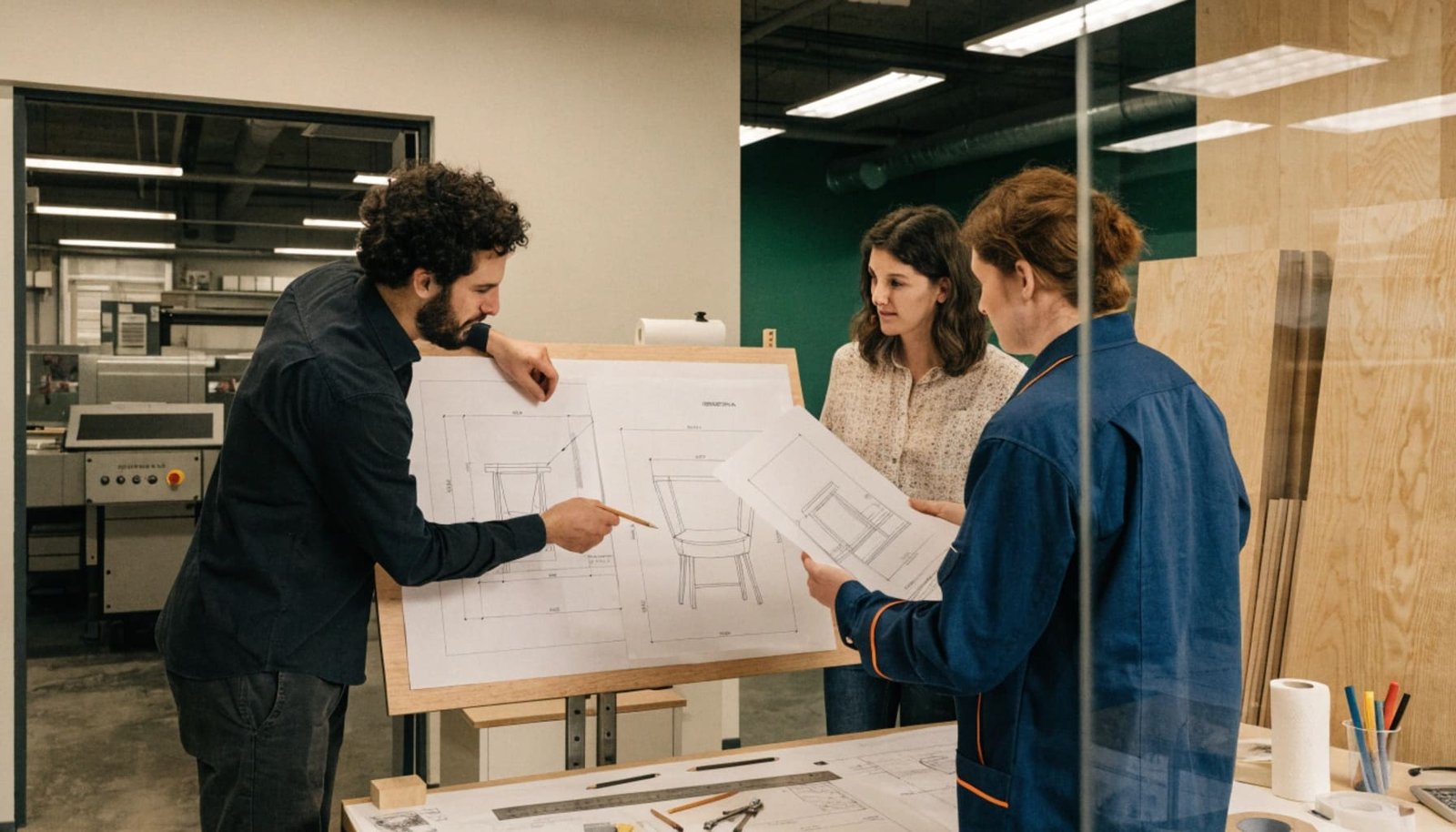
In my line of work, shop drawings are non-negotiable. They are the single most important document to bridge the gap between design intent and the finished product. Unlike a simple sketch, a shop drawing is a detailed set of instructions for the factory. It shows exactly how the piece will be built, what materials will be used, and how it will be installed. I once worked on a project where the client ordered a large metal sculpture based on a catalog photo. When it arrived, it was too bulky for the wall and the mounting points didn’t align with the wall’s structural supports. The entire piece had to be remade, causing significant delays. This is why I now insist on a thorough review of shop drawings and even 1:1 scale samples to approve the material and finish. This process eliminates ambiguity and ensures the final art piece is a perfect match for the architectural space.
Feature | Buying from a Retailer | Working with a Manufacturer |
Design Control | What you see is what you get | Fully custom to your specifications |
Sizing | Standard sizes only | Precisely scaled to your space |
Pre-Production Proof | Marketing photos | Detailed shop drawings and 3D models [9] |
Material Samples | Not available | Physical samples for approval |
Installation Plan | Basic instructions | Engineered mounting solutions |
What makes high-end metal art stay beautiful for years?
You’re investing in a signature piece, but what happens when it tarnishes or gets covered in fingerprints? Constant maintenance and eventual deterioration defeat the purpose of a long-term installation.
The secret to lasting beauty is in the finish. Advanced industrial coatings like PVD and anti-fingerprint layers protect metal from moisture, oxidation, and daily handling. [8, 12] This ensures the art stays pristine for decades with very little maintenance, even in busy lobbies or humid environments.
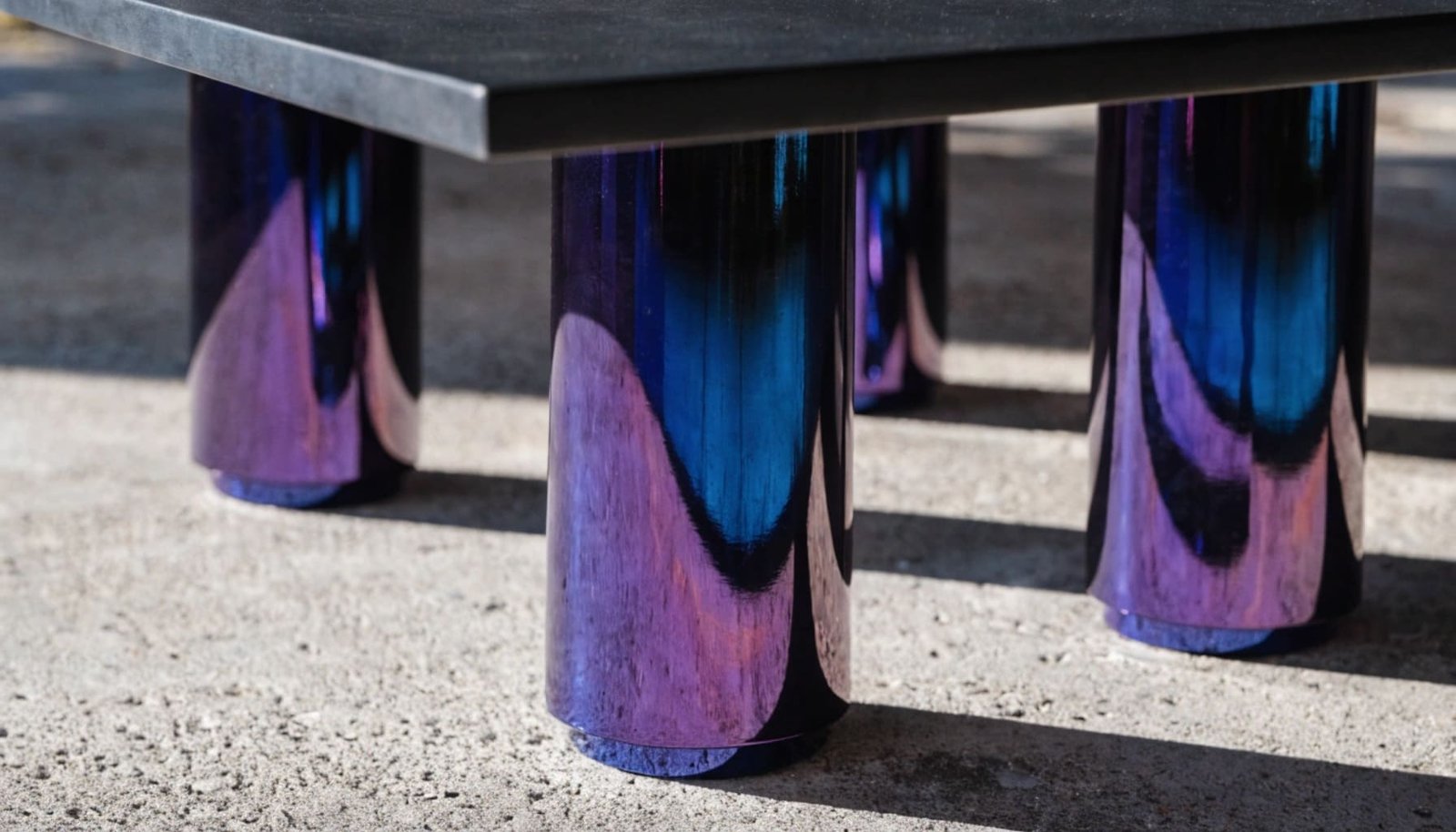
Cheap metal art often uses a simple paint or lacquer that quickly fails. I’ve seen pieces in humid climates start to oxidize and bubble within a year. In high-traffic areas like hotel entrances, surfaces can become permanently dulled by fingerprints and cleaning chemicals. This is why we rely on industrial-grade finishing. PVD, or Physical Vapor Deposition, is a process that applies a thin film of metal like titanium in a vacuum, creating a surface that is incredibly hard and resistant to scratches and fading. When we pair this with an anti-fingerprint (AF) nano-coating, which repels oils from skin, the surface becomes incredibly easy to clean and maintains its look. A simple wipe with a damp cloth is all it takes to restore the original shine. It’s a higher upfront investment that pays for itself by eliminating long-term maintenance and replacement costs.
Feature | Standard Paint / Plating | PVD Coating + Anti-Fingerprint |
Durability | Prone to scratches and chipping | Highly resistant to scratches and abrasion |
Corrosion Resistance | Poor, especially in humid areas | Excellent; protects the base metal from oxidation |
Maintenance | Requires frequent, careful cleaning | Minimal cleaning needed; repels fingerprints and smudges |
Color Stability | Can fade or tarnish over time | Color is stable and will not fade or dull |
Best For | Low-traffic, dry environments | High-traffic commercial spaces, humid areas |
How do you safely hang a heavy, oversized metal sculpture?
A heavy metal art piece is a serious responsibility. If it’s not mounted correctly, it poses a significant risk of falling, which could lead to property damage or injury.
The safest way to hang heavy art is with a pre-engineered, hidden mounting system, most commonly a French Cleat. This system consists of two interlocking metal brackets—one on the wall and one on the art piece—that securely lock together using gravity. It distributes the weight evenly and ensures the sculpture hangs flush and stable.
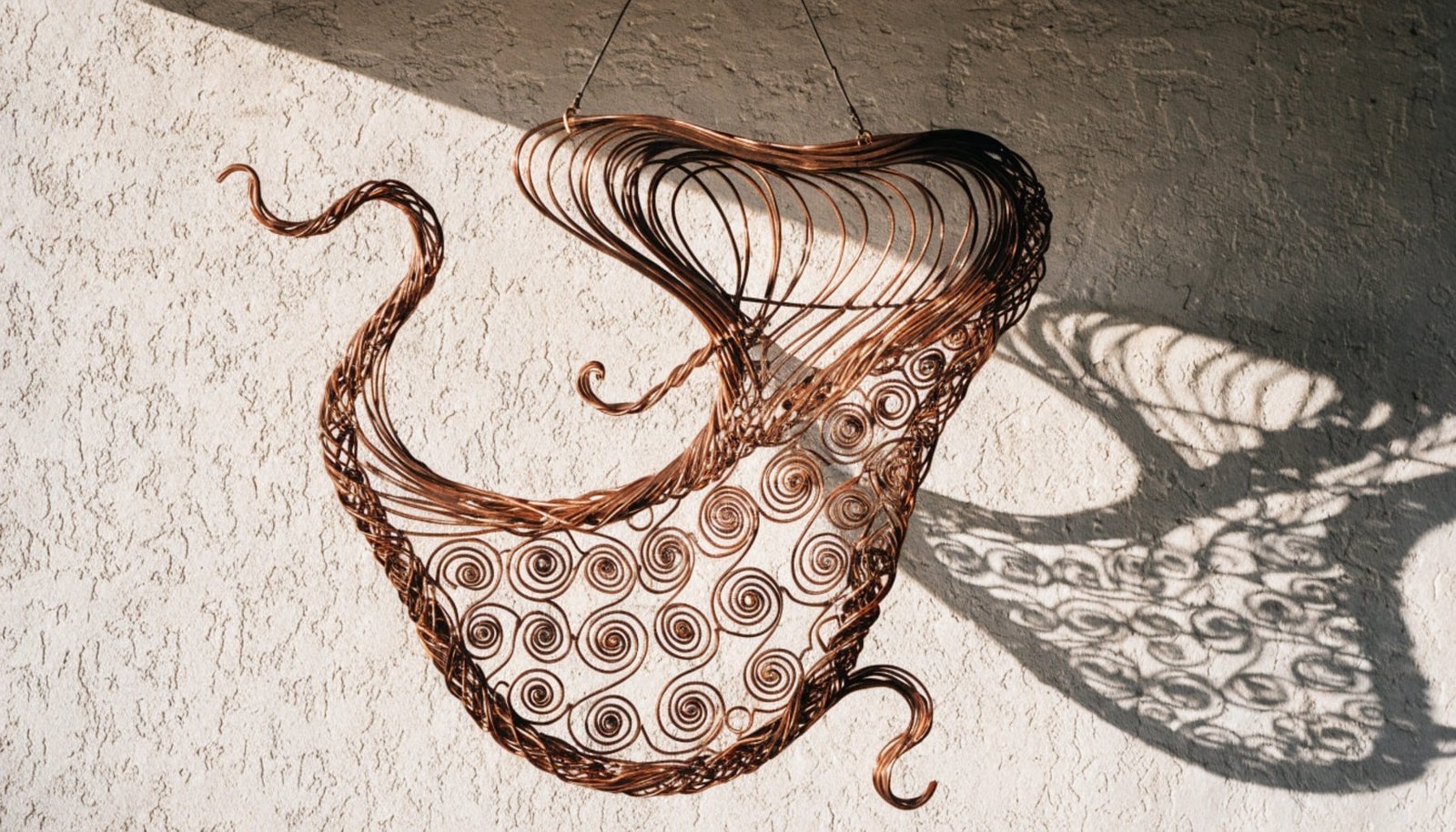
I would never hang a heavy or oversized piece with just a wire or a couple of screws. The risk is simply too high, especially in a commercial project. For a large, three-dimensional sculpture we recently installed in a corporate lobby, the piece weighed over 150 kilograms. The only way to hang it with complete confidence was by using a custom-fabricated steel French Cleat system that was integrated into the artwork’s internal frame. The system works by having two interlocking rails with a 45-degree bevel. One rail is securely bolted into the wall’s structural studs, and the other is attached to the artwork. You simply lift the artwork and set it down onto the wall rail. Gravity creates a secure lock that is incredibly strong and stable. A major benefit is that it allows for slight horizontal adjustments to get the positioning just right. This method also allows us to achieve a seamless, “floating” effect, with a gap of less than 2mm between the art and the wall.
How do you flawlessly combine metal with stone or wood?
Designs that mix materials like metal, stone, and wood can be stunning, but they are unforgiving of poor craftsmanship. A visible gap at the seam looks cheap and can lead to bigger problems.
Flawless mixed-material art is achieved using high-precision cutting technologies like 5-axis CNC machines and water jets. These tools allow a manufacturer to cut different materials to incredibly tight tolerances, often within ±0.15mm. They also engineer hidden stress joints to prevent cracking as the materials naturally expand and contract at different rates.
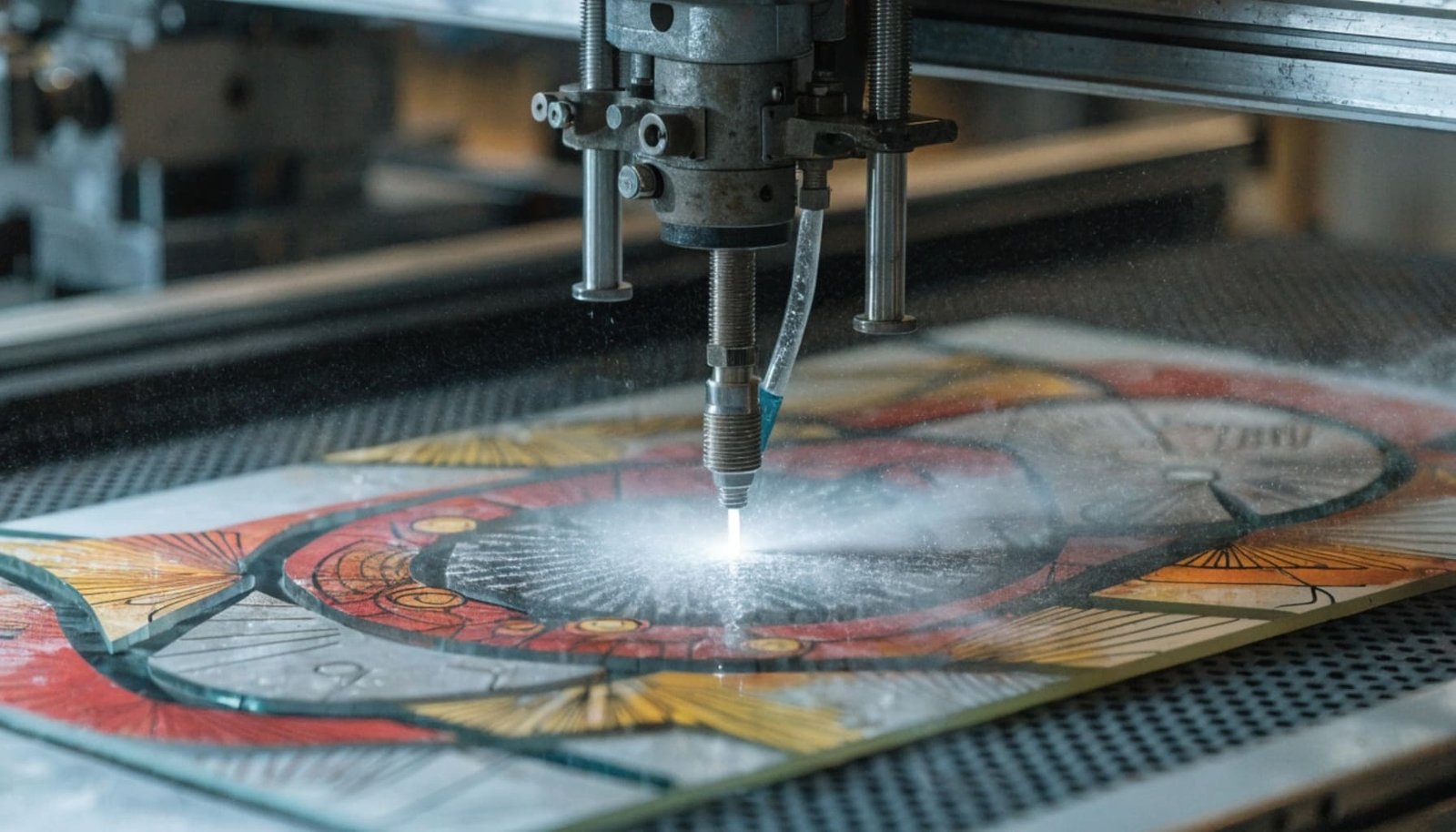
When you join two different materials, you have to account for how they react to changes in temperature and humidity. Wood swells, and metal expands. If these movements aren’t managed, the piece can literally tear itself apart. I saw a reception desk where a metal inlay was set into a wood panel. After one season, the wood expanded and caused the metal to buckle. At our facility, we prevent this by using computer-controlled cutting. A water jet uses a high-pressure stream of water mixed with an abrasive to cut materials without any heat, which means no warping or deformities. This allows us to create intricate, interlocking patterns with different materials that fit together perfectly. More importantly, we design invisible stress relief gaps or flexible joints on the back of the piece. These hidden details absorb the natural movement of the materials, ensuring the visible seams remain flawless for years, even after being shipped across different climates.
Feature | Small Workshop Assembly | Industrial Precision Joining |
Cutting Method | Manual tools, basic saws | 5-axis CNC, Laser, and Water Jet cutting |
Seam Tolerance | Wide, inconsistent gaps (>1mm) | Extremely tight and consistent (±0.15mm) |
Material Integrity | Risk of heat damage or warping | No heat-affected zones, preserving material properties |
Durability | Prone to cracking from material movement | Hidden stress joints accommodate expansion/contraction |
Result | Visible flaws, potential for future damage | A seamless, durable, and integrated final piece |
Conclusion
To find the best metal wall art, you need to partner with a manufacturer who provides engineering proofs, uses durable finishes, plans for secure installation, and masters precision assembly. This is the only way to turn a design vision into a lasting, high-quality reality.