Introduction
Splitting your FF&E procurement seems to save money, but it often leads to a pre-opening nightmare. The final bill of delays, rework, and stress is far higher than the initial savings.
Top hoteliers choose a single-source FF&E vendor not for convenience, but because they are selecting an “engineering brain” for their project. This approach centralizes responsibility, eliminating costly disputes and converting supply chain risks into the highest certainty of an on-time opening and the lowest Total Cost of Ownership (TCO).
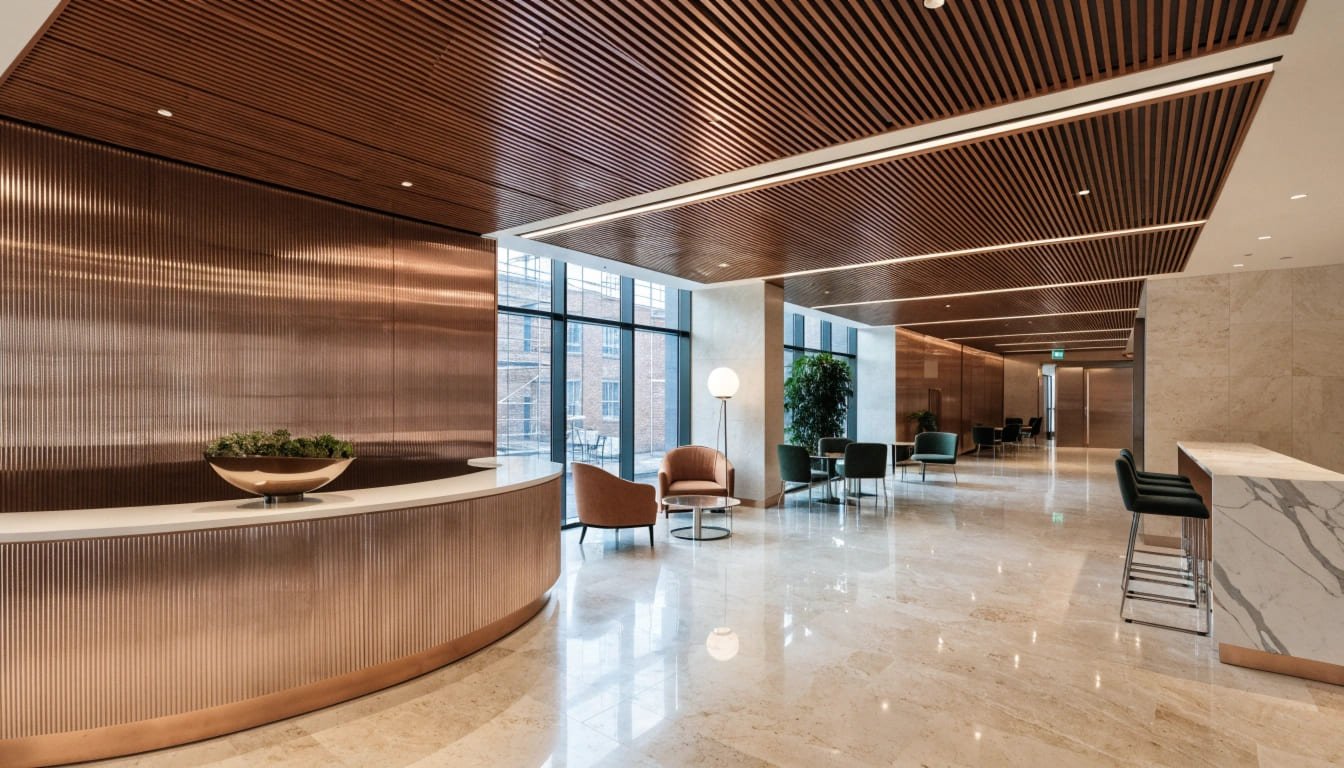
I’ve seen it happen too many times. A hotel owner, trying to save 3-5% on unit prices, splits the FF&E package among several small factories. A woodworking shop for the casegoods, a metal fabricator for decorative screens, and a stone supplier for the countertops. On paper, the numbers look great. But during the final installation phase, the project descends into chaos. Metal and stone joints have huge gaps, finishes clash, and each factory blames the others. The hotel’s grand opening is delayed, and the owner loses tens of thousands in room revenue every single day. This experience is frustratingly common, but it is also completely avoidable. The solution lies in rethinking the entire procurement process and understanding where the real value is.
How Does a Single-Source Vendor Lower a Hotel's Total Cost of Ownership (TCO)?
You’re watching your budget, but hidden costs in shipping, installation, and long-term maintenance are adding up. These small leaks can sink the entire financial plan for your project.
A single-source vendor operates on a different logic, focused on Total Cost of Ownership (TCO). They reduce your overall spend by eliminating expensive on-site rework, consolidating logistics, and using durable, contract-grade materials that slash future maintenance and replacement costs, delivering long-term value.
When you look beyond the initial price tag, the financial logic of a single-source partner becomes clear. It’s a strategic approach that saves you money at every stage, from manufacturing to the day-to-day operations of your hotel for the next decade. Let’s break down how this value engineering works in practice.
Eliminating On-Site Rework Costs
With a multi-vendor approach, each supplier produces their items in a silo. When these separately made components arrive on-site, they often don’t fit together. I’ve seen teams forced to hire expensive local contractors to cut into walls or modify brand-new furniture just to make pieces align. It’s a waste of time and money. A single-source vendor prevents this by creating unified, micron-level shop drawings before production even starts. At NEXTOP, we engineer every connection point, ensuring metal, wood, and stone components are controlled within a ±0.15mm tolerance. This means zero on-site cutting and a seamless fit during installation.
Optimizing Logistics & Packaging
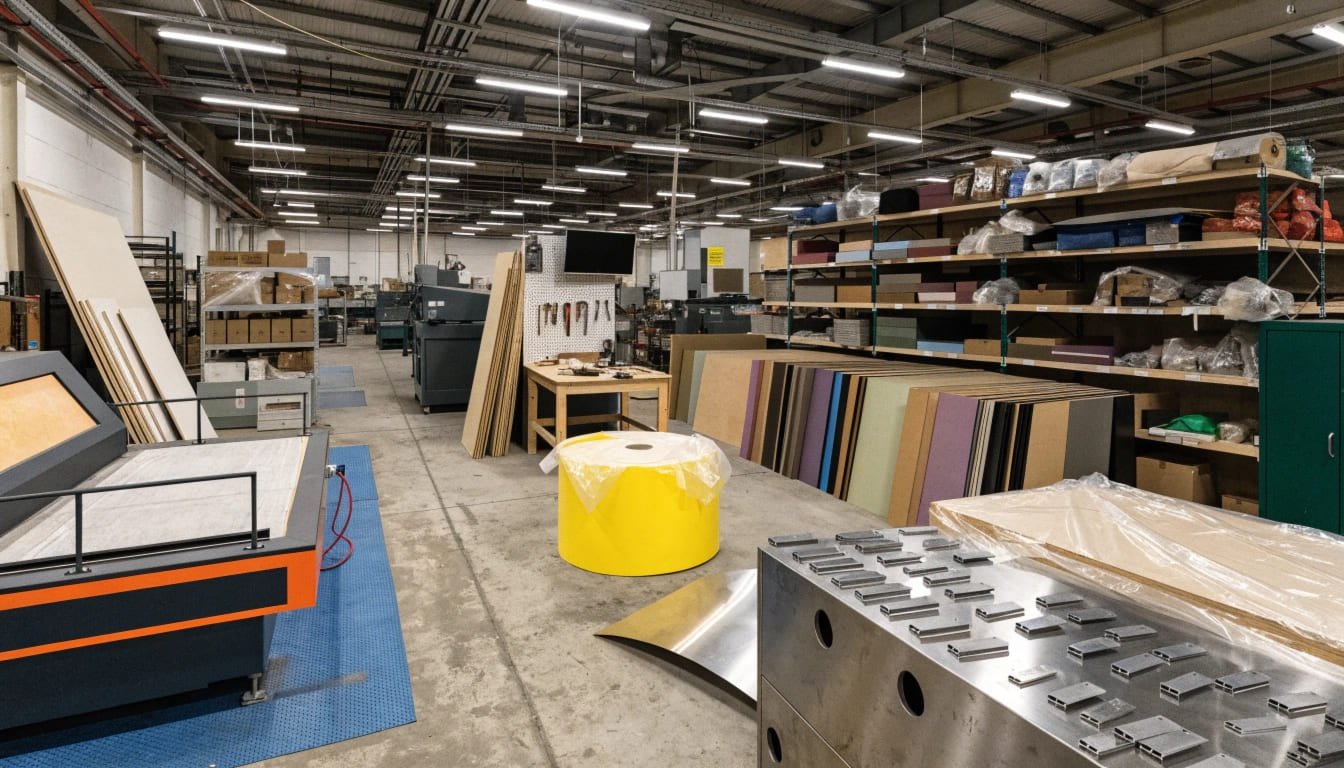
When you order from five to ten different factories, you’re paying for five to ten separate shipments, including multiple ocean freight and customs clearance fees. If even one item from one shipment is damaged, your entire project timeline can be pushed back by 30 days or more. We eliminate this risk by consolidating everything into a single, unified shipment. All items are packed in custom, shock-absorbent, fumigated wooden crates with moisture-proof linings. This maximizes logistical efficiency and brings the risk of cross-continental shipping damage to nearly zero.
Reducing Future Maintenance Costs
Many smaller workshops use residential-grade finishes to cut costs. For a hotel, this is a disaster. Within a year of opening, metal fixtures can start to oxidize and tarnish, and surfaces become covered in fingerprints that are hard to clean. The cost of refinishing these items is huge. At NEXTOP, we use contract-grade materials as a baseline standard. This includes advanced processes like PVD titanium coating for metals and molecular-level anti-fingerprint (AF) nano-coatings. Even in high-traffic, high-humidity environments, our finishes stay bright with a simple wipe, eliminating future refurbishment expenses and protecting your investment for years to come.
How Does a Single-Source Vendor Protect Your Hotel's Crucial Opening Date?
Your hotel’s opening is the most important date on the calendar, but it’s constantly at risk. Delays caused by poor supplier coordination can cost you revenue and damage your reputation.
A single-source partner acts as the guardian of your schedule. They achieve this through a single point of accountability, factory pre-assembly tests (dry-fit mockups), and synchronized supply chain management, ensuring every component arrives precisely when needed for an on-time opening.
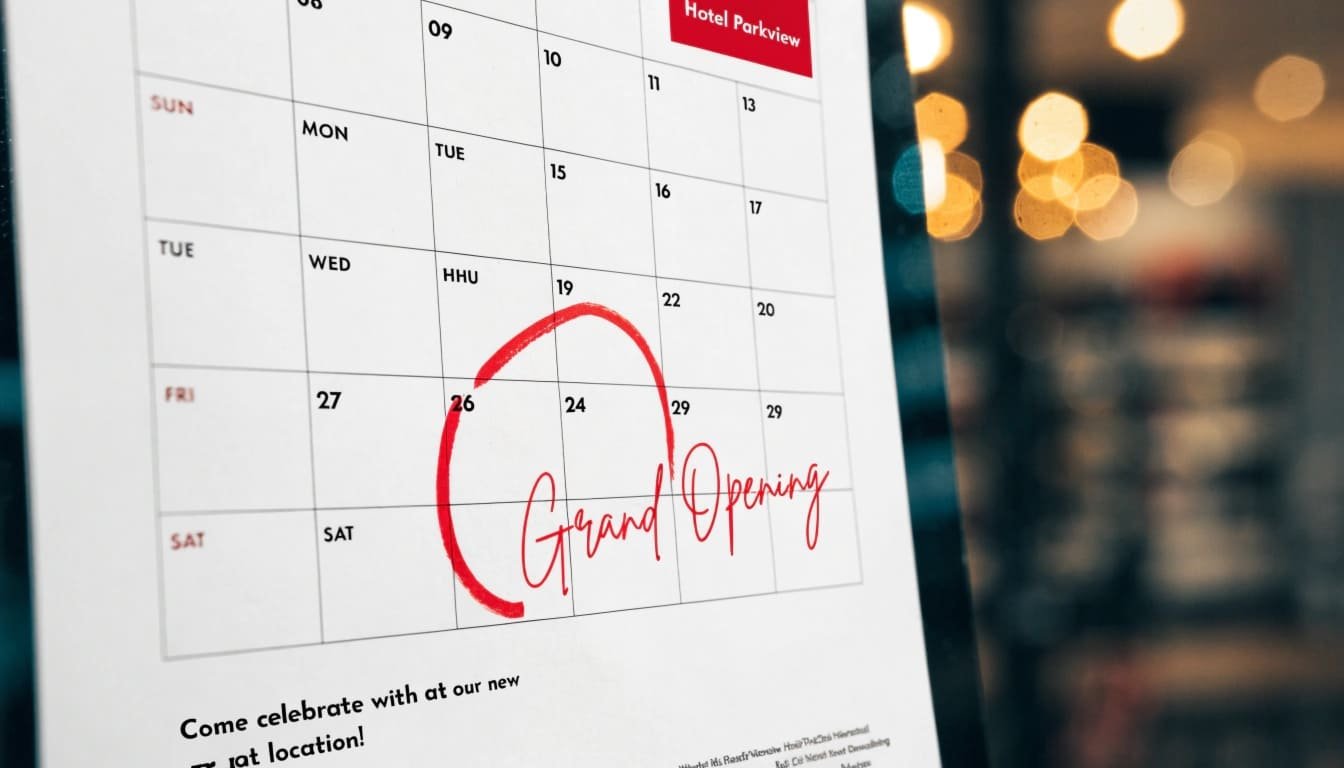
In my years in this business, I’ve learned that a successful hotel opening doesn’t just happen. It’s the result of meticulous, behind-the-scenes coordination. When you have one partner managing the entire FF&E process, you replace chaos with certainty. You no longer have to worry about one supplier’s delay causing a domino effect that pushes back your entire project. Your opening date becomes a fixed, reliable target, allowing you to plan your launch, hire staff, and accept reservations with confidence.
Single Point of Accountability
When you’re juggling multiple suppliers, you inevitably become the middleman. The wood factory blames the metal factory, who blames the on-site contractor, and you’re caught in the middle trying to solve problems and absorb the costs of delays. With a single-source supplier, there is only one responsible party from start to finish. From shop drawings and sample reviews to production and installation, you have a single point of contact. This eliminates the blame game and ensures that any issues are resolved quickly and efficiently, without you having to act as a translator or scapegoat.
1:1 Pre-Assembly Testing in the Factory
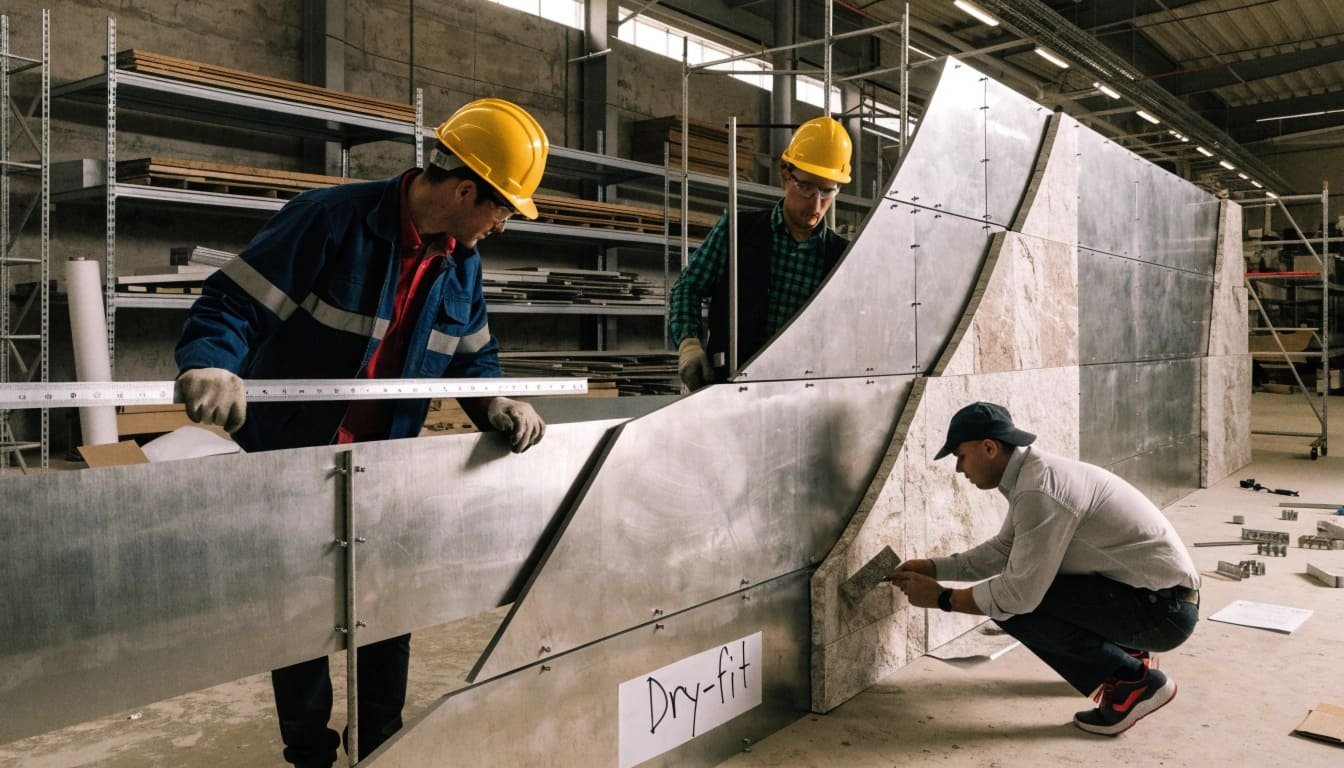
Complex, multi-material furniture pieces are a common point of failure during on-site installation. To eliminate this risk, we perform a 1:1 “dry-fit” pre-assembly test in our factory before anything ships. For uniquely shaped items or pieces combining wood, metal, and stone, we build them completely. We also pre-install hidden structural supports and mounting systems, like the French Cleat system, and record videos of the assembly process. This ensures that when the components arrive at your hotel, the installation team can put them together as easily as building with LEGOs, guaranteeing a fast and flawless fit.
Synchronized Supply Chain and Delivery
A hotel requires hundreds, if not thousands, of individual FF&E components. Ensuring they all arrive in the right order and at the right time is a massive logistical challenge. A single-source vendor manages this through unified production scheduling and quality control tracking across all product lines. We coordinate our entire supply chain to align with your hotel’s opening countdown. Each phase—casegoods, upholstery, lighting, architectural metal—is produced and delivered on a precise calendar schedule, ensuring everything is ready for your first guests to check in, right on time.
Multi-Vendor vs. Single-Source: What's the Real Difference?
You’re weighing your procurement options, and the apparent savings from splitting orders among multiple vendors look tempting. But are you truly comparing the full picture? The hidden risks are enormous.
The fundamental difference is integration. A single-source supplier offers unified engineering, seamless installation, and total accountability. In contrast, a multi-vendor approach creates critical gaps in design, execution, and responsibility that can jeopardize your project’s budget and timeline.
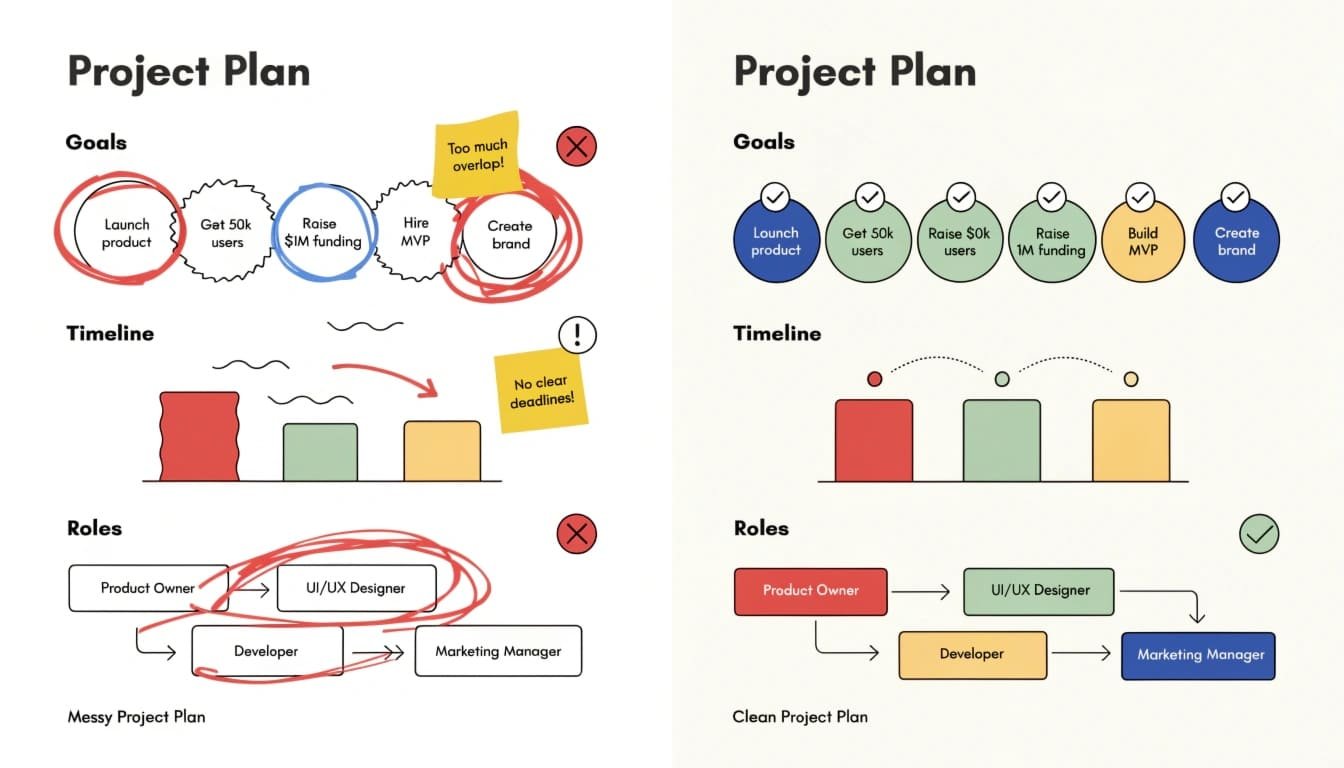
I often tell clients that choosing a procurement strategy is one of the most important decisions they will make for their project. The choice between a fragmented, multi-vendor approach and an integrated, single-source partnership will define the entire experience. It affects everything from the quality of the drawings to the final installation and the total cost you’ll pay over the life of the assets. To make it clearer, I’ve broken down the key differences in a simple table.
Feature | Multi-Vendor (Split Procurement) | Single-Source (Integrated Partner) |
Drawings & Finishes | Each factory creates its own drawings. This leads to large gaps, visible seams, and clashing color finishes where different materials meet. | A single set of unified shop drawings is created for the entire project. This locks in consistent color codes and a tight ±0.15mm tolerance for all joints. |
On-Site Installation | Severe on-site conflicts are common. Installation crews are forced to drill, cut, and modify items, causing delays and damaging finished walls and floors. | All complex components are pre-assembled in the factory in a 1:1 dry-fit test. Hidden mounting hardware is pre-installed for a fast, seamless on-site fit. |
Responsibility | When problems arise, the different factories blame each other. The owner is left to manage the disputes and bears the financial loss from project delays. | The single-source vendor takes full responsibility for the entire process. They are the single point of contact for solving any and all issues quickly. |
Total Cost of Ownership | The initial unit prices might seem low, but when you add the costs of on-site rework, multiple shipping fees, and future maintenance, the TCO is often over 20% higher. | The integrated process leads to lower logistics costs, near-zero rework, minimal future maintenance, and an on-time opening, resulting in a fully optimized TCO. |
Conclusion
Choosing a single-source FF&E vendor is a strategic move to guarantee project certainty. It lowers your total costs, ensures quality, and protects your opening date, delivering true peace of mind.