Introduction
Creating metal statues is a fascinating mix of art and science. But it’s not without its challenges. Uneven weight distribution, structural integrity under natural forces, and aesthetic precision are just a few hurdles.
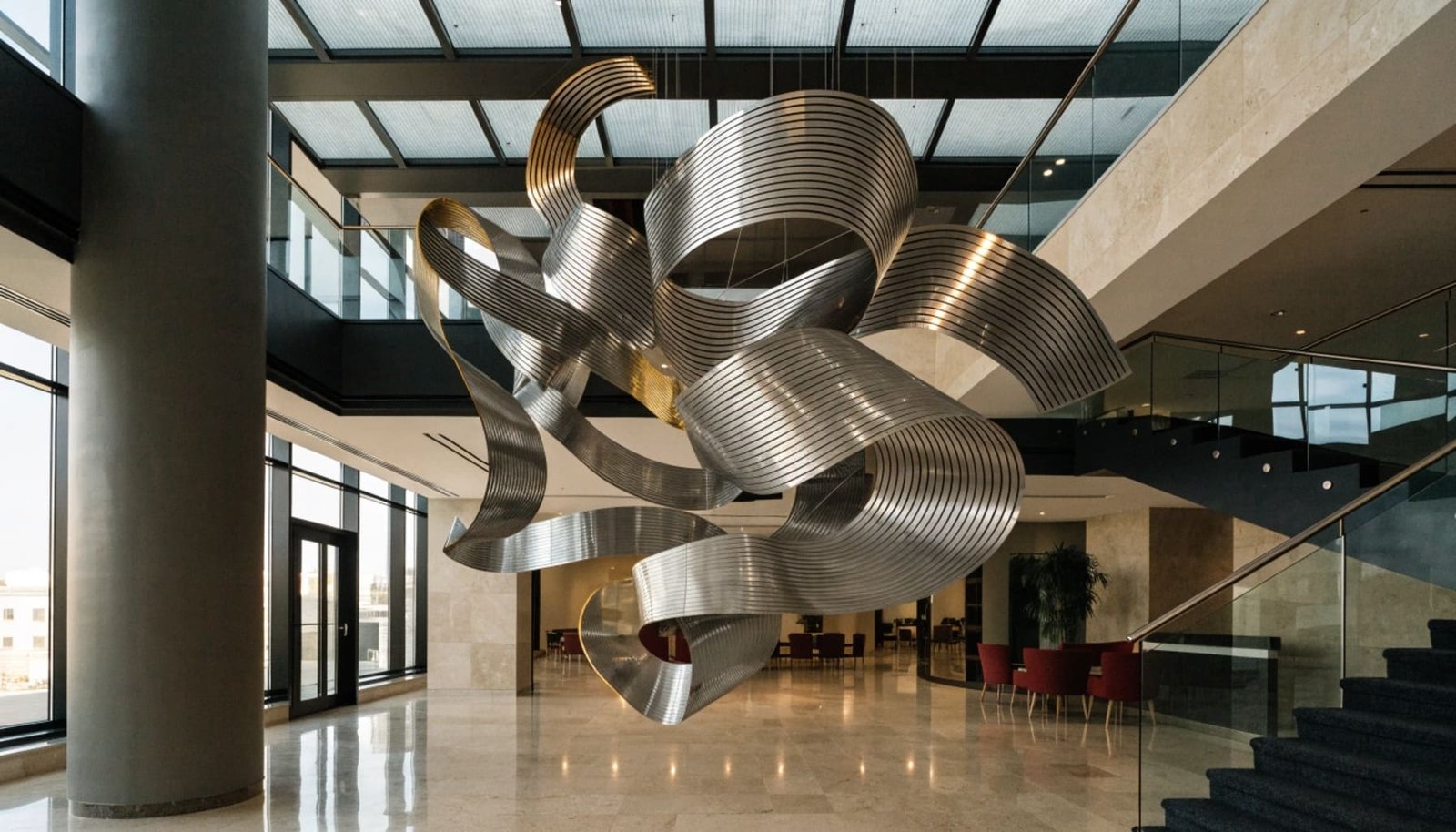
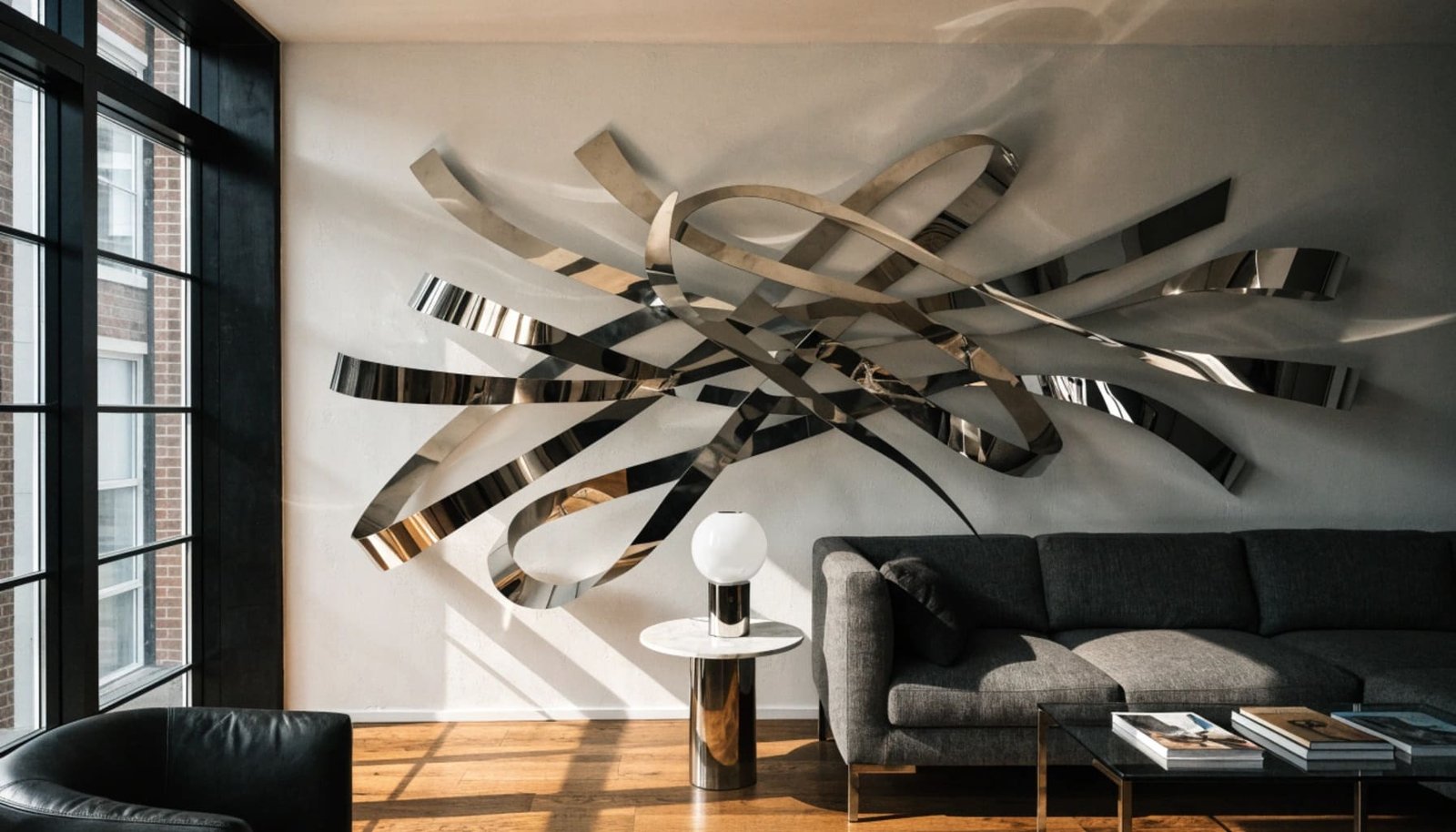
Metal statues are built through a process that involves 3D digital modeling, armature engineering, advanced fabrication techniques, precision welding, and surface engineering. This ensures both structural integrity and artistic excellence.
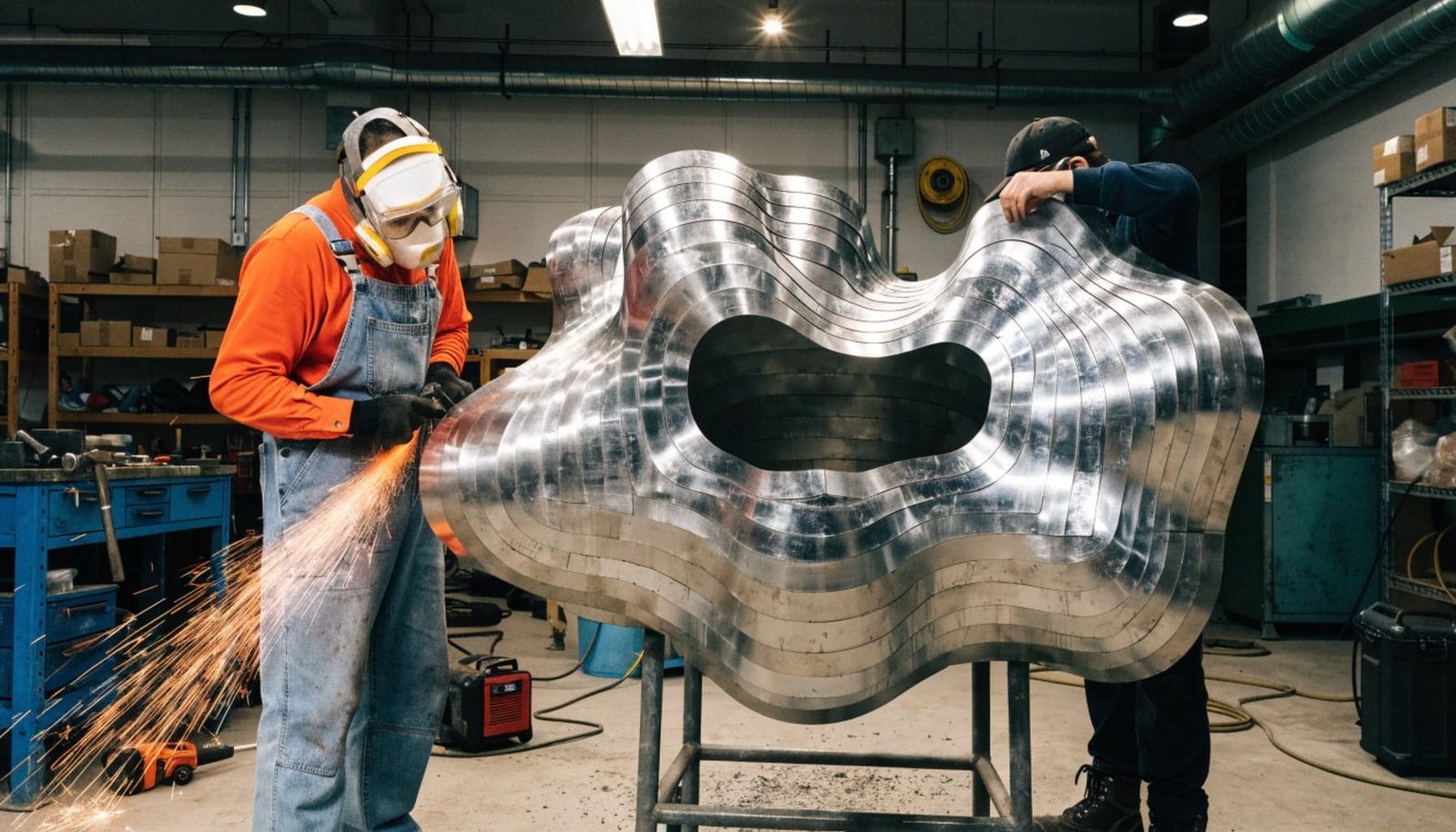
Building a metal statue isn’t just about craftsmanship. It’s also about rigorous engineering and cutting-edge technology. From the initial sketch to the final finish, each step is crucial. Let’s break it down.
How does 3D digital modeling and armature engineering ensure safety?
Metal statues, especially large or irregular ones, face a critical challenge: structural stability. Without proper planning, they can collapse under their weight or fail during earthquakes or strong winds.
3D digital modeling and armature engineering are crucial for ensuring structural safety. Artists and engineers use 3D scanning, topological optimization, and structural calculations to design precise internal frameworks.
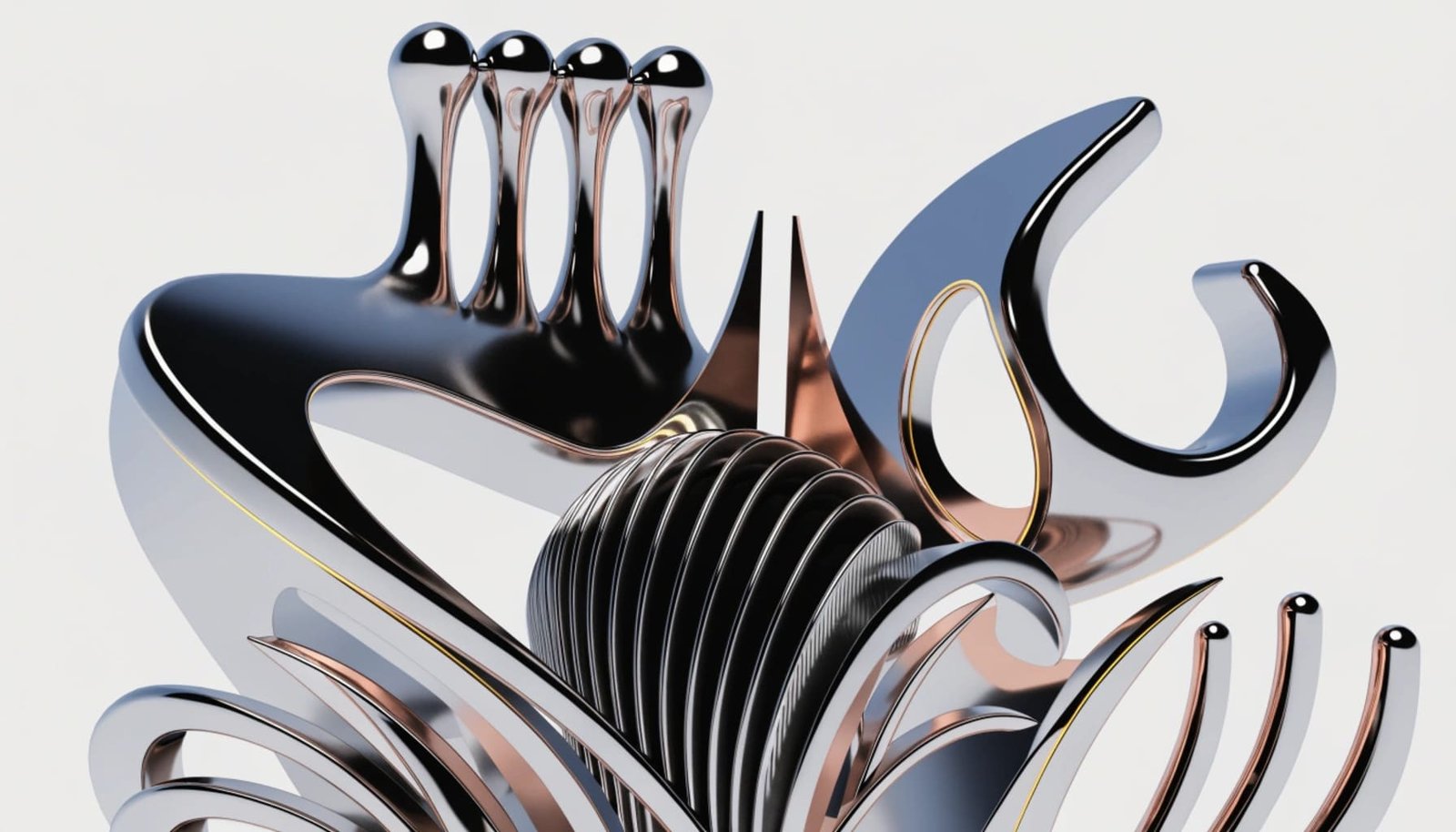
With tools like 3D modeling software, we can digitally simulate the statue’s exterior and interior before production begins. One key element is designing the internal armature, often made of carbon steel or stainless steel, which is hidden inside the statue. This framework bears the weight of the structure and ensures its stability under external forces like wind or seismic motion. These armatures are rigorously tested through wind load and seismic audits to ensure the safety of the final structure. It’s like building a skyscraper, but on an artistic scale. This engineering-first approach removes the guesswork and ensures that the finished statue can withstand the test of time and elements.
What role does hybrid fabrication play in creating complex shapes?
When it comes to intricate designs, relying solely on manual techniques like hammering can lead to inconsistent wall thickness, distorted details, or tolerance issues.
Hybrid fabrication combines traditional lost-wax casting with advanced technologies like 3D-printed sand molds and five-axis CNC metal forming to achieve precise details and complex shapes.
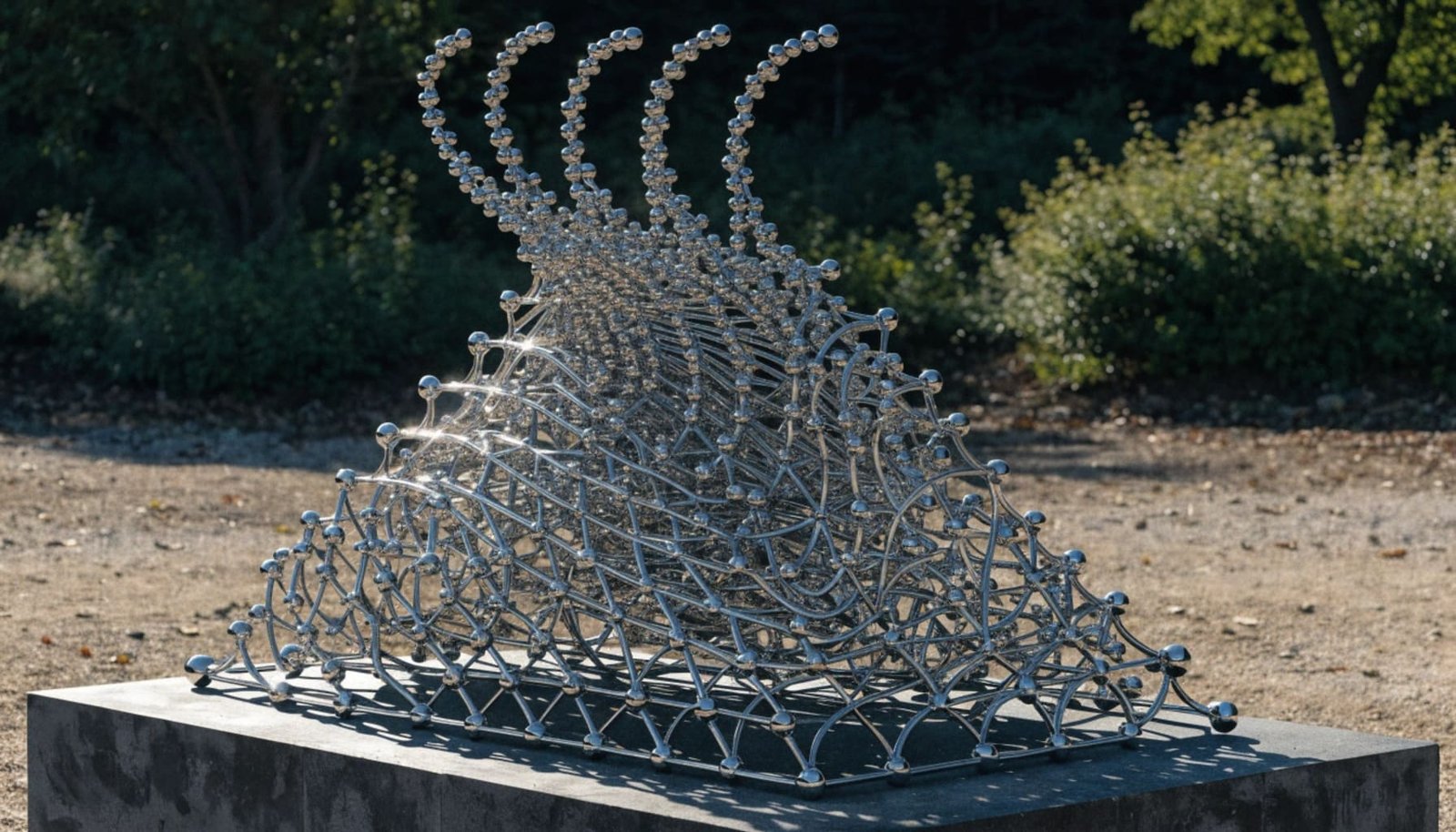
For statues requiring high detail—like those with fine textures or intricate human features—lost-wax casting remains unmatched. Precision is achieved using 3D-printed molds for the wax or sand forms. For large, smooth surfaces or curved geometries, five-axis CNC laser cutting and hydraulic forming are employed. These techniques ensure that component tolerances are controlled within ±0.15mm, accurately capturing even the most delicate features of the artist’s design. Waterjet cutting further facilitates the production of individual parts, which are later assembled seamlessly. This dual approach guarantees that every dimension and line reflects the artistic vision.
How is zero-seam welding achieved in metal statue construction?
Welding is often a weak point in sculpture making. Poorly executed welds leave visible seams, blackened heat-affected zones, and surface irregularities.
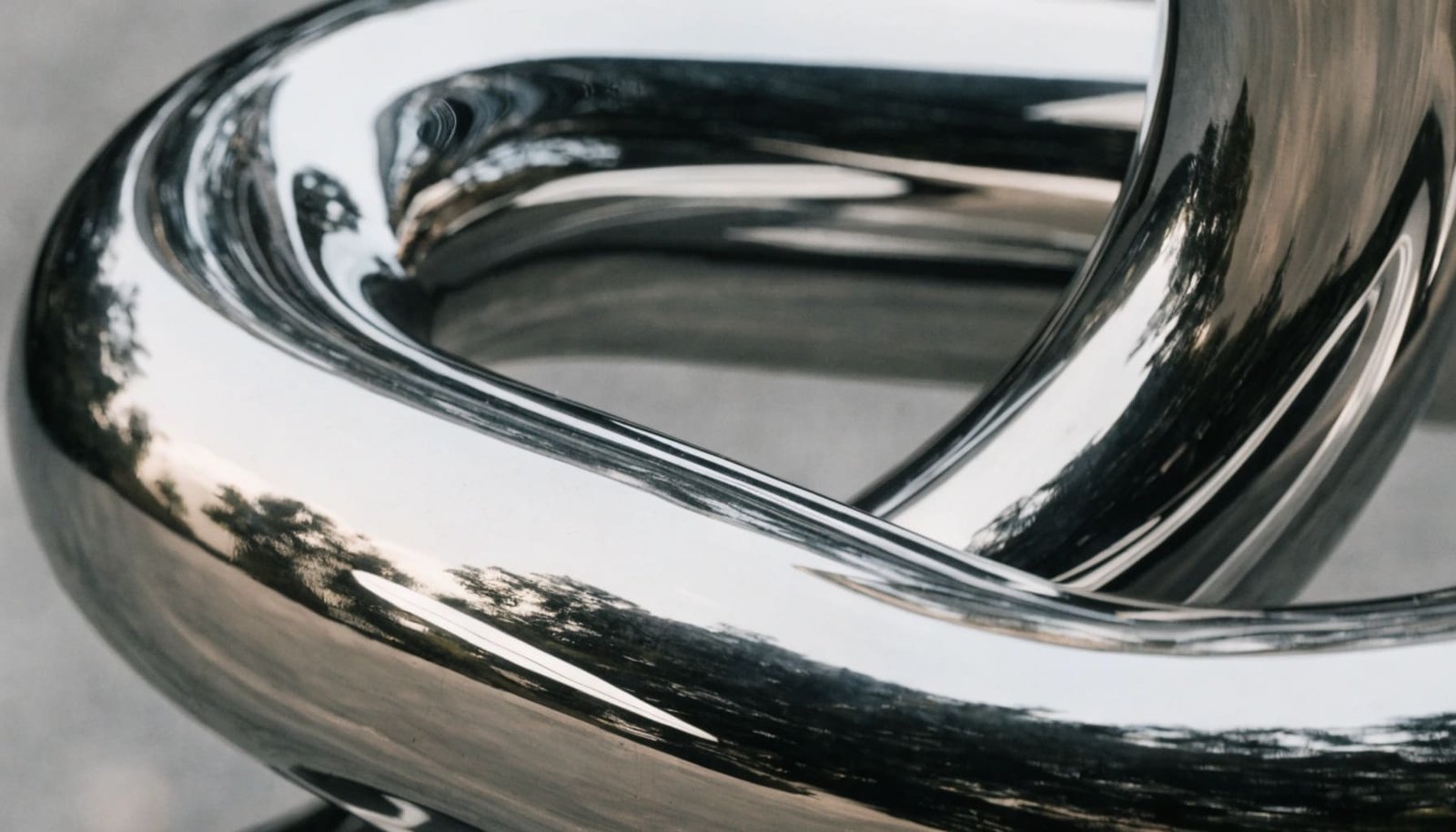
Micro-TIG welding is a high-precision approach that minimizes heat exposure while fusing metal components. After assembly, skilled artisans manually grind and polish the welds, ensuring a seamless finish. Whether the desired look is a high-mirror polish, brushed texture, or a tactile matte finish, this process guarantees that the final surface appears as if it were forged from a single metal piece. The absence of visible seams enhances both the aesthetic appeal and the overall durability of the statue.
What surface engineering techniques are used to protect metal statues?
Metal sculptures in outdoor settings face continuous exposure to environmental factors like salt spray, acid rain, and UV radiation, which can cause oxidation, discoloration, and corrosion.
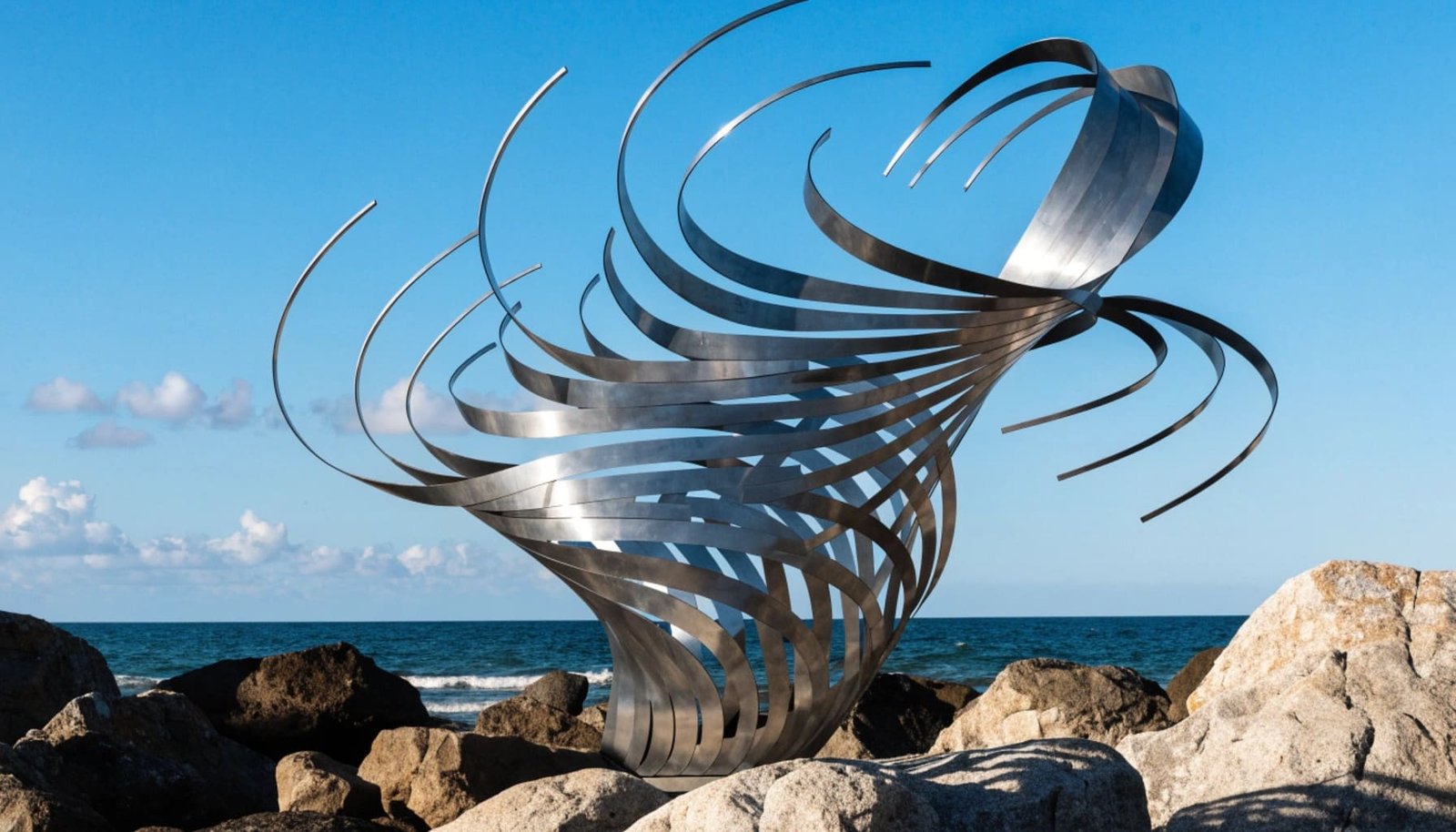
For bronze sculptures, heat-induced chemical patinas can provide a timeless, classical finish while also serving as a protective layer. Stainless steel statues are often treated with PVD (Physical Vapor Deposition) coatings, which involve applying a titanium film for added durability. Additionally, nano anti-fingerprint (AF) coatings are applied to resist smudges and scratches. These surfaces are tested against 2,000 hours of salt spray to ensure their resilience. Whether the goal is a glossy, reflective finish or a rustic, weathered patina, these advanced techniques ensure that the statue stands the test of time and retains its beauty.
Conclusion
The creation of metal statues blends art and engineering. From 3D modeling to hybrid fabrication, precision welding, and surface engineering, each step is essential for crafting durable and stunning sculptures that last generations.