Introduction
Are you thinking about metal wall art but worried it might be a mistake? Many pieces look great online but end up being flimsy. I believe high-quality, engineered metal art is absolutely worth it.
The best metal wall art is an asset, not just a decoration. It uses advanced engineering to deliver lasting beauty and value. This includes museum-grade materials, precision manufacturing, and structural integrity that cheap alternatives simply can’t match. It’s built to last for generations.
I’ve seen too many clients disappointed by metal decor that quickly fades. But I’ve also seen how a truly well-made piece can transform a space for decades. The difference is all in the engineering. It’s what separates a temporary trend from a timeless investment. Let’s break down the four key strengths that make high-end metal art a “must-have” for any serious designer or homeowner.
Can Metal Art Last for Generations Instead of Just a Few Years?
Tired of decor that tarnishes, scratches, or rusts? So many beautiful pieces lose their luster in just a year or two. What if your art could be a permanent, zero-maintenance asset?
Yes, it can. The secret lies in museum-grade surface engineering. Top-tier metal art uses superior materials and advanced coatings to protect it from aging. This process ensures the art remains pristine for decades, turning it into a true heirloom piece that never fades.
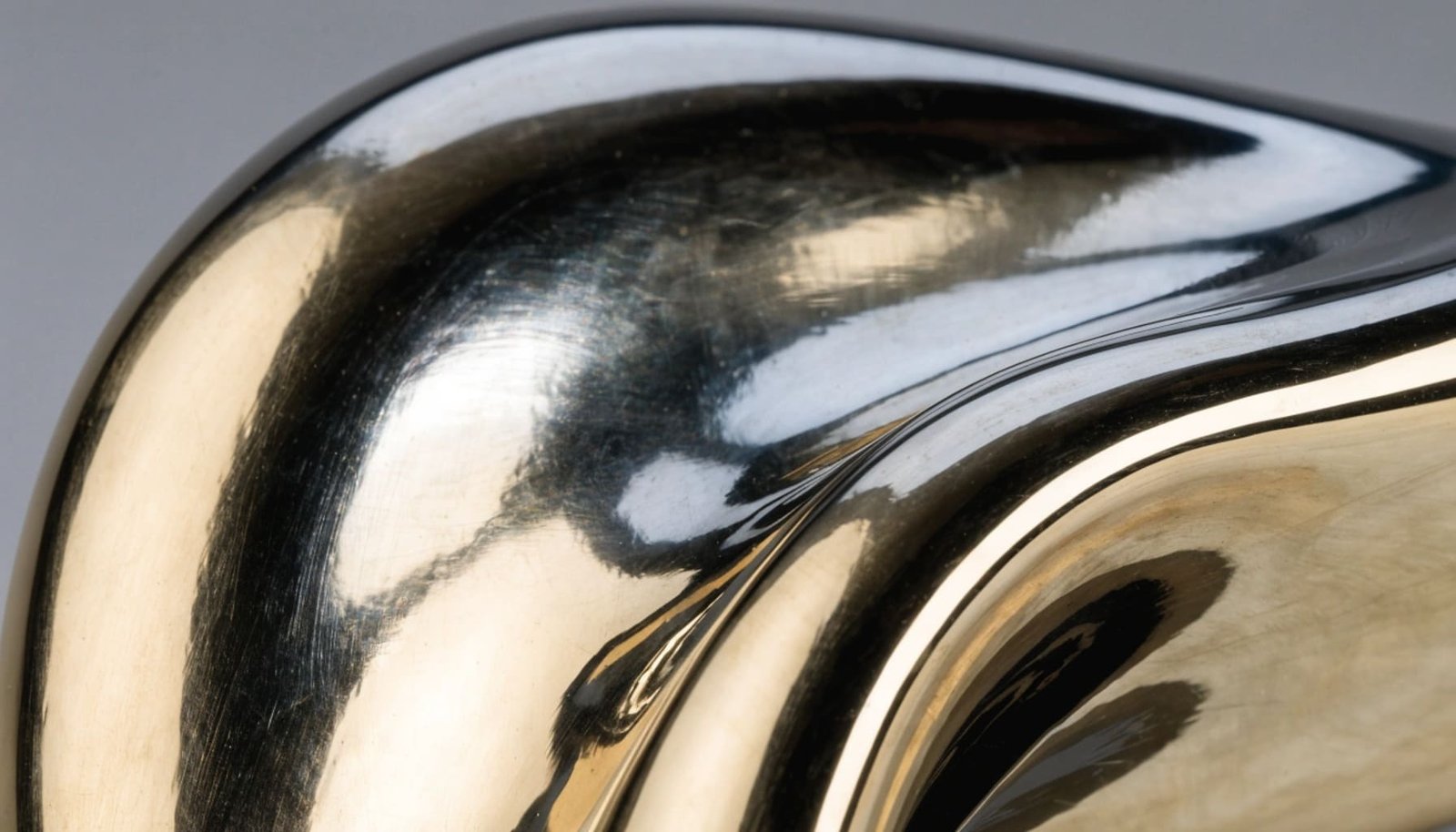
When I talk about high-end metal art, I’m not talking about the thin, mass-produced items you find everywhere. I’m referring to pieces that are engineered to be assets. The core value comes from surface modification technology that prevents decay. For one of our hotel projects in a humid seaside location, we used pieces made from 316L stainless steel. This is the same grade used for medical implants and marine hardware because it’s incredibly resistant to corrosion. We combined this with a special coating process called Physical Vapor Deposition (PVD).
PVD is a vacuum-coating process that bonds a thin layer of metal, like titanium, directly to the stainless steel surface. This isn’t a paint; it’s a molecularly bonded film that is extremely hard and won’t chip or peel. To top it off, we added a nano-scale anti-fingerprint coating, which creates an oil-repellent surface that makes smudges and prints easy to wipe away. The result is a piece of art that can hang in a bright living room, a steamy bathroom, or a salty-aired beach house and look brand new for decades with virtually no maintenance.
Feature | Consumer-Grade Metal Art | Engineered Metal Art |
Base Material | Standard Iron or low-grade steel | 304/316L Stainless Steel, Aged Brass |
Surface Finish | Simple paint or powder coat | PVD Titanium Coating [11] |
Protection | Minimal, prone to scratches & rust | Molecular Nano Anti-Fingerprint Layer [18] |
Lifespan | 1–2 years before showing wear | Decades, with zero decay |
Maintenance | Frequent cleaning, risk of damage | “Zero-maintenance,” simple wipe-down |
Can Metal Art Bring a Flat Wall to Life with Light and Shadow?
Do your walls feel a bit dull? Traditional paintings are beautiful, but they are static. What if your art could interact with your home’s light and change its mood throughout the day?
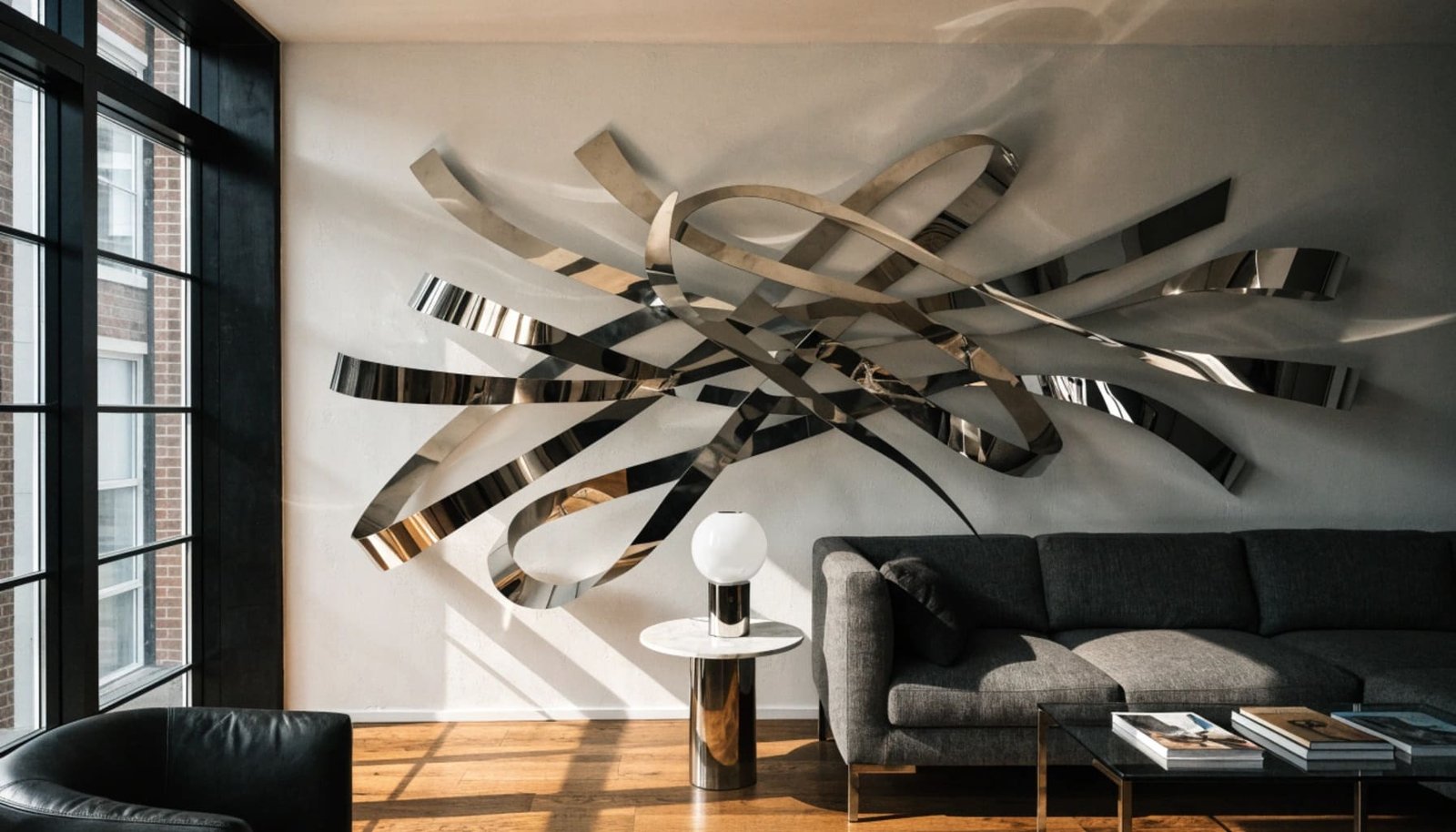
Metal art can absolutely do this. It acts as a three-dimensional sculpture for your wall. Through precise digital fabrication and integrated lighting, it plays with natural and artificial light. This creates dynamic, shifting shadows and a sense of depth that makes your wall feel alive.
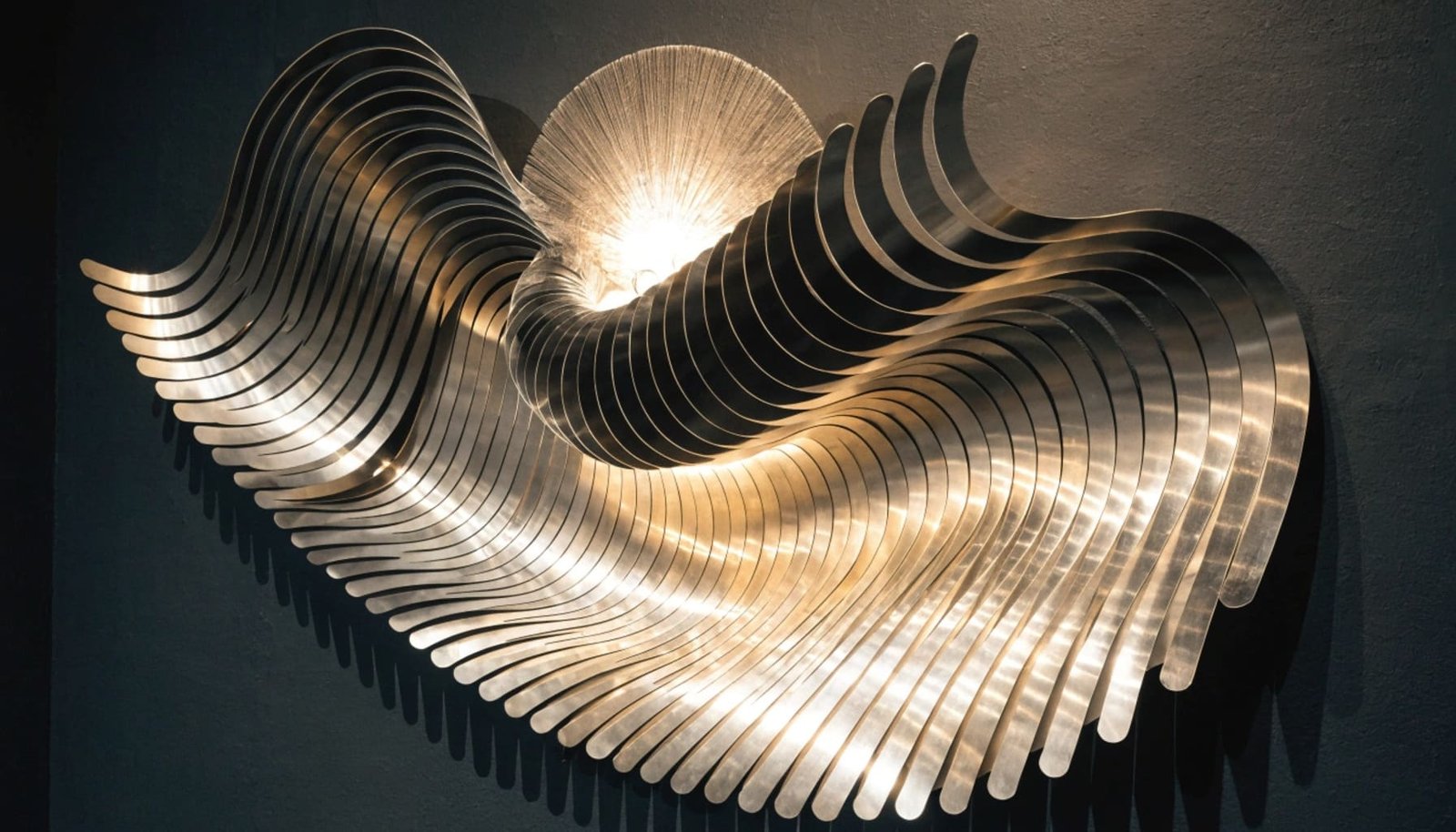
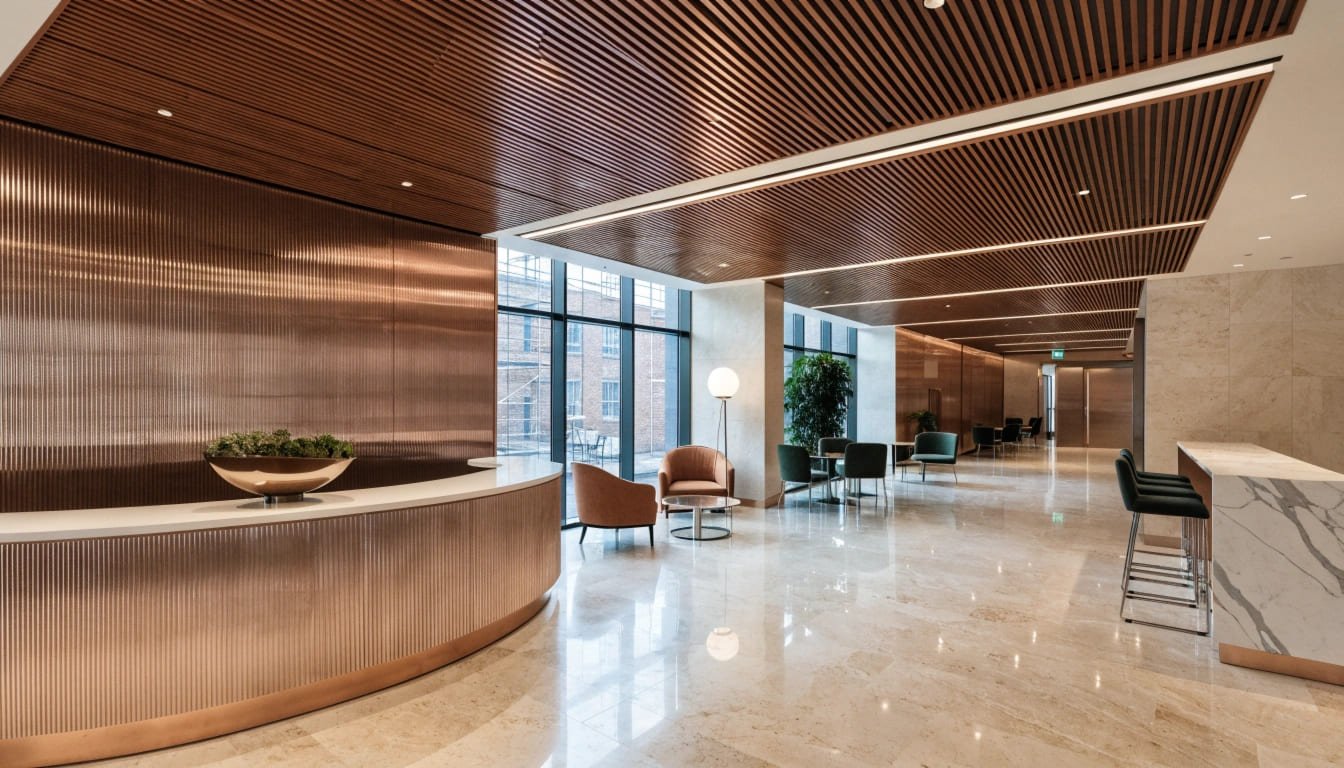
I think of metal artworks not as pictures, but as architectural sculptures that hang on a wall. Their magic comes from how they manipulate light and space. We call this “3D Spatial Engineering.” Unlike a flat canvas, metal can be bent, folded, and cantilevered to create complex forms that catch light from every angle. I remember a piece we designed for a corporate lobby. It was a series of folded aluminum panels. In the morning, the sunlight would hit the east-facing folds, creating sharp, bright highlights. As the day went on, the shadows would lengthen and shift, completely changing the piece’s character.
By night, the integrated LED backlighting we installed would turn on, making the entire sculpture appear to float off the wall in a soft halo of light. This is achieved through advanced manufacturing techniques. We use computer-controlled (CNC) bending machines to create precise angles and curves. This allows the artwork to interact with daylight and interior lighting in a predictable, dynamic way, adding a powerful visual energy to an otherwise ordinary wall.
How Does High-End Metal Art Blend Perfectly with Other Materials?
Are you worried a pure metal piece might look cold or out of place? Luxury design is all about rich, layered textures. But mixing materials like metal, stone, and wood can be a technical nightmare.
The best manufacturers solve this with precision engineering. Using advanced tools like 5-axis CNC lasers, they can cut and shape metal to fit seamlessly against other materials. The goal is to control every joint and seam to create a single, unified aesthetic.
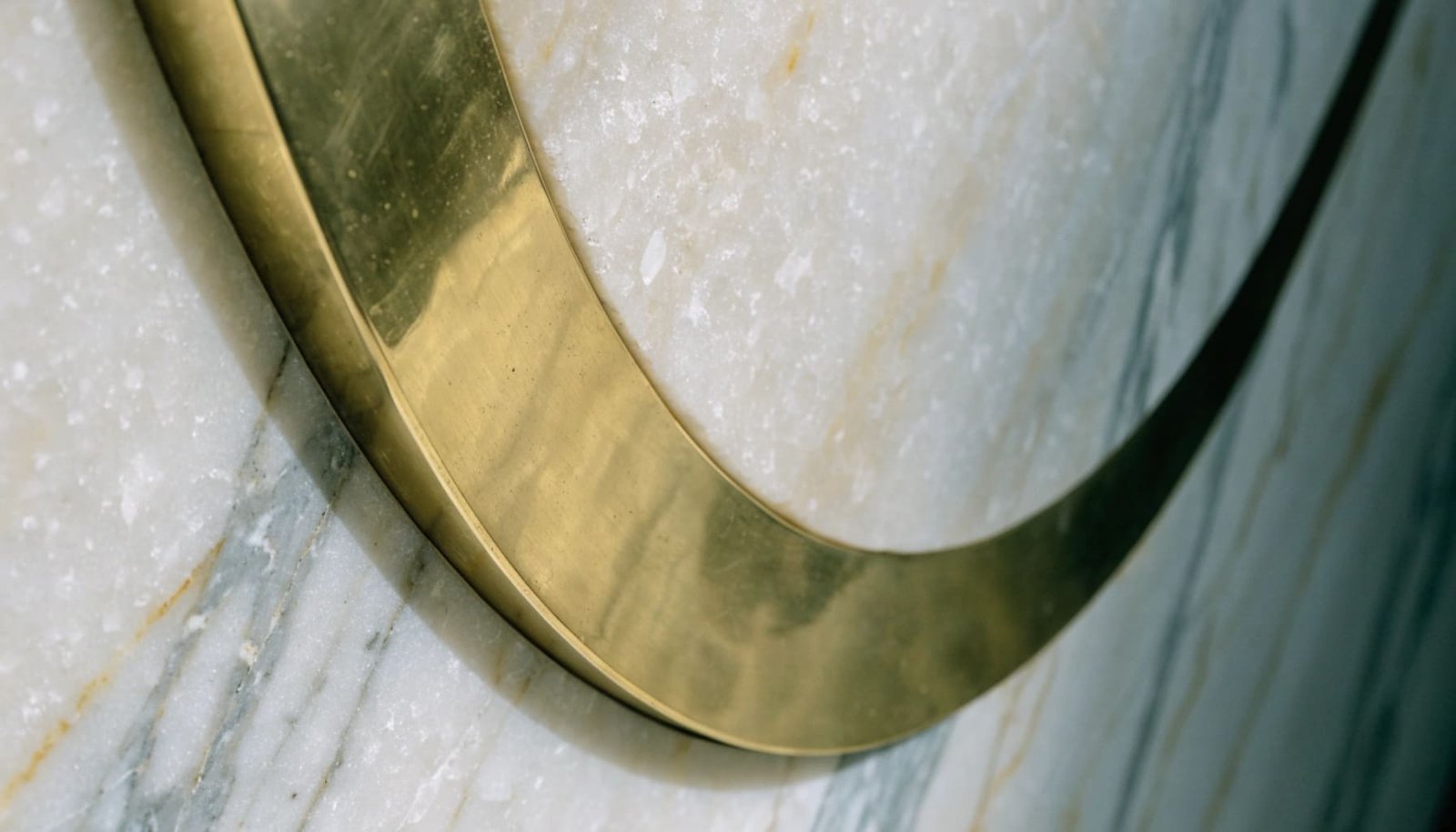
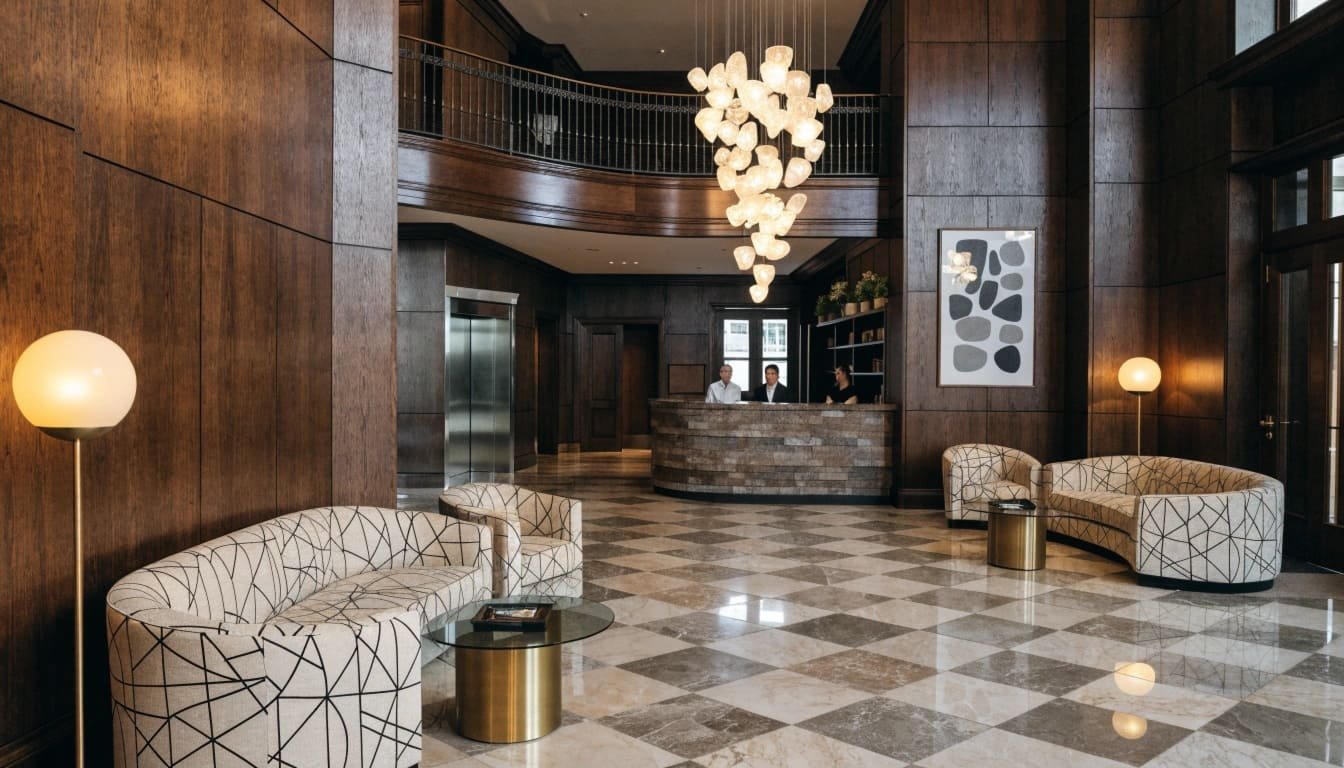
In high-end hospitality and residential projects, we almost never use just one material. The design vision is often a “composite symbiosis”—a blend of stainless steel, natural stone, custom millwork, and soft upholstery. The challenge is making these different materials meet perfectly. Metal expands and contracts with temperature changes at a different rate than stone or wood. If not handled correctly, this can lead to ugly gaps or even cracks.
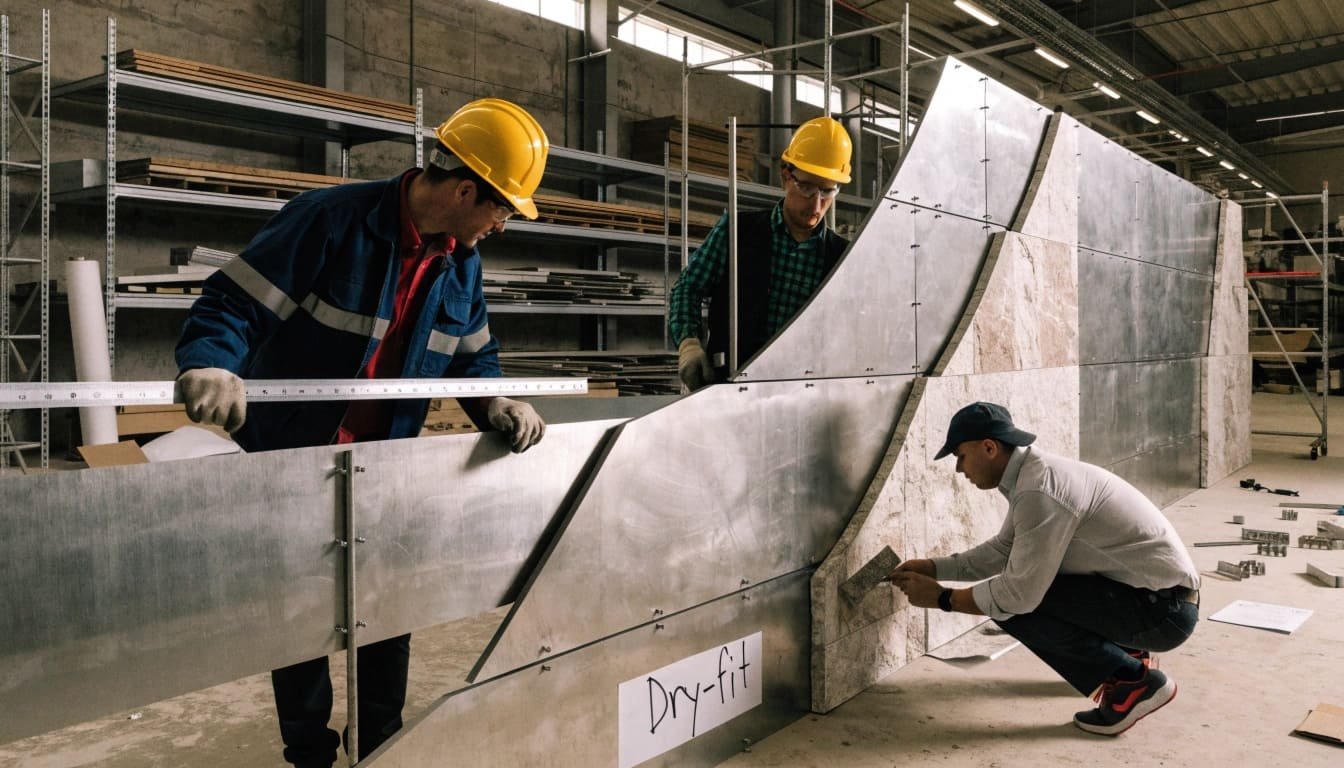
This is where micro-tolerance manufacturing becomes critical. At NEXTOP, we rely on five-axis CNC waterjet and laser cutters. These machines allow us to work with complex, curved shapes and maintain an astonishingly tight tolerance of ±0.15mm. For a recent villa project, we fabricated a large bronze feature to be inlaid into a massive marble wall. We cut the metal to follow the stone’s natural veins, leaving a seam that was barely visible. Just as importantly, we engineered a hidden stress-relief joint—a tiny, flexible gap that allows both materials to breathe without compromising the flawless look. This level of precision is the difference between a standard installation and true craftsmanship.
Manufacturing Aspect | Standard Practice | High-End Engineering |
Cutting Technology | Basic 3-axis laser or plasma | 5-Axis CNC Laser & Waterjet |
Material Junction | Visible gaps, silicone fillers | Micro-tolerances (±0.15mm) |
Multi-Material Issues | Prone to cracking from expansion | Hidden stress-relief joints |
Final Look | Materials appear separate | A single, unified surface |
Is It Actually Safe to Hang Heavy Metal Art on My Wall?
Have you found a heavy metal sculpture you love but are terrified it might fall? That’s a real and valid fear. An insecurely mounted piece is a serious safety hazard.
Yes, it is completely safe when backed by proper structural engineering. A professional process starts with a structural audit of the wall itself. The artwork is then designed with a hidden, reinforced frame and a specialized mounting system to distribute the weight securely.
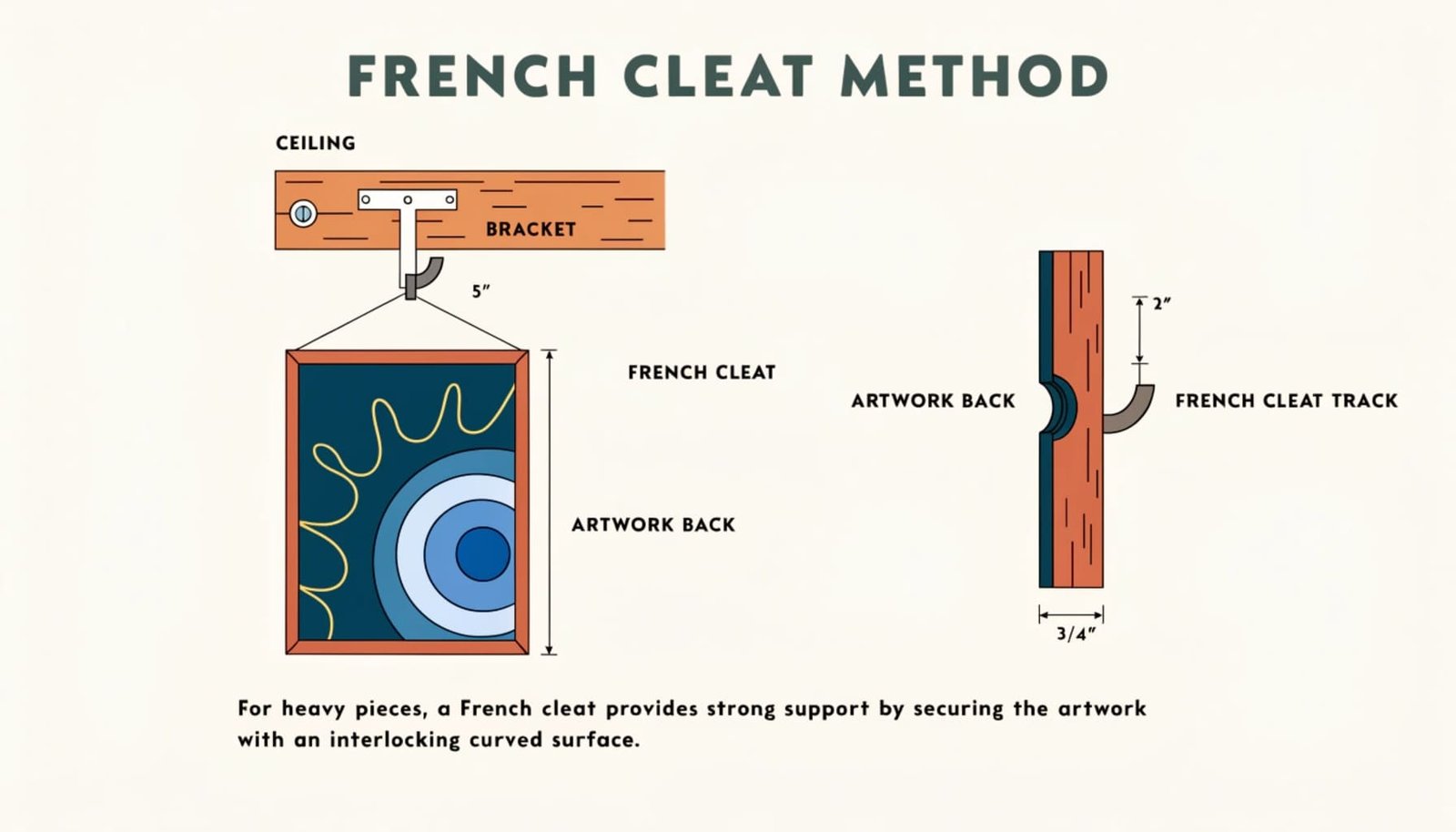
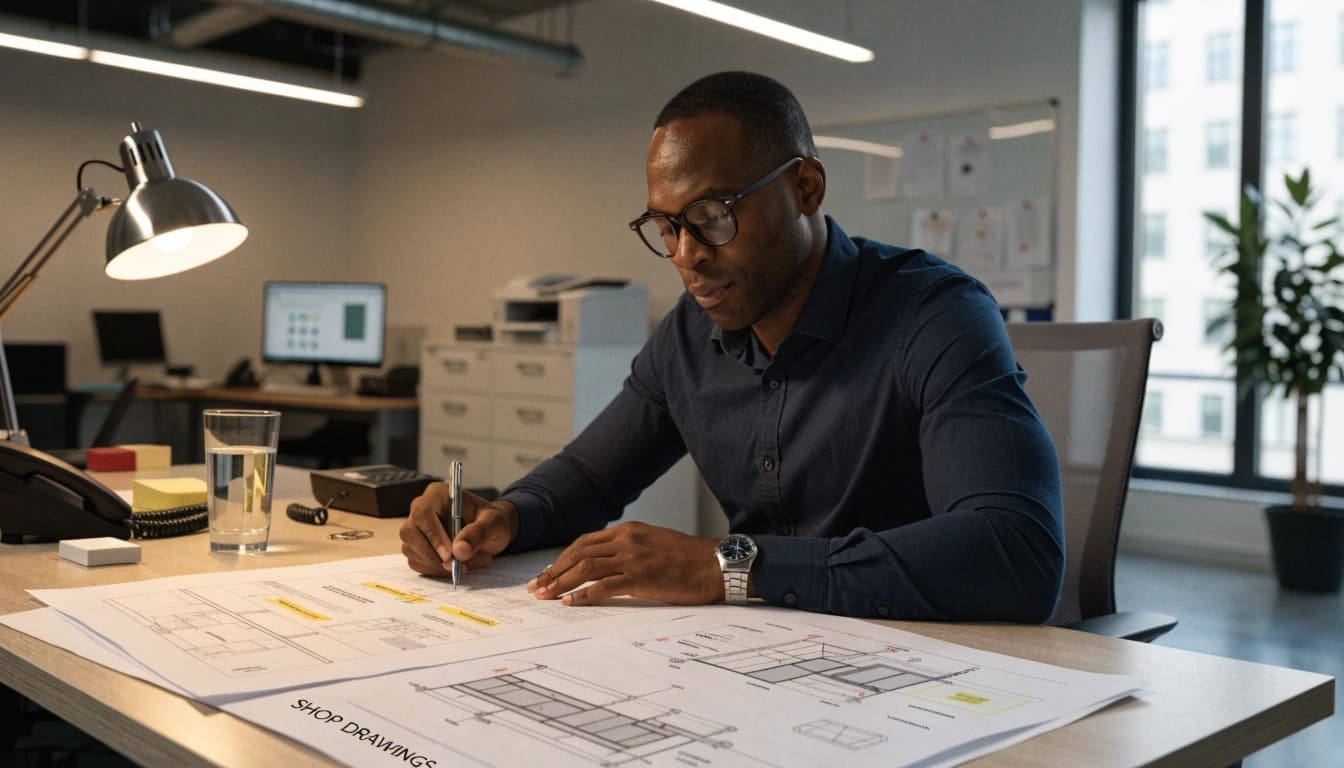
The true quality of a heavy artwork is in the engineering you don’t see. For any significant piece, especially those weighing hundreds of pounds, the process must begin with a “structural pre-audit.” During the shop drawing phase, our engineers calculate the wall’s load-bearing capacity and the artwork’s center of gravity. We can’t just hope for the best. For example, a heavy steel sculpture can’t be safely hung on a standard plasterboard wall without reinforcement.
Our solution is to build a hidden support structure into the art itself. This is often a lightweight but incredibly strong aluminum honeycomb panel, a material borrowed from the aerospace industry for its high strength-to-weight ratio. This panel is then mounted using a professional French Cleat system. A French Cleat consists of two interlocking brackets with 45-degree angles—one on the wall and one on the art. When the piece is hung, gravity locks these two brackets together, distributing the weight evenly across the entire length of the cleat. This makes the installation incredibly strong and stable, ensuring even a massive sculpture appears to float effortlessly and safely on the wall.
Conclusion
Ultimately, engineered metal wall art is a worthwhile investment in lasting quality. It combines durable materials, dynamic design, precision integration, and hidden strength to elevate any space from ordinary to extraordinary.